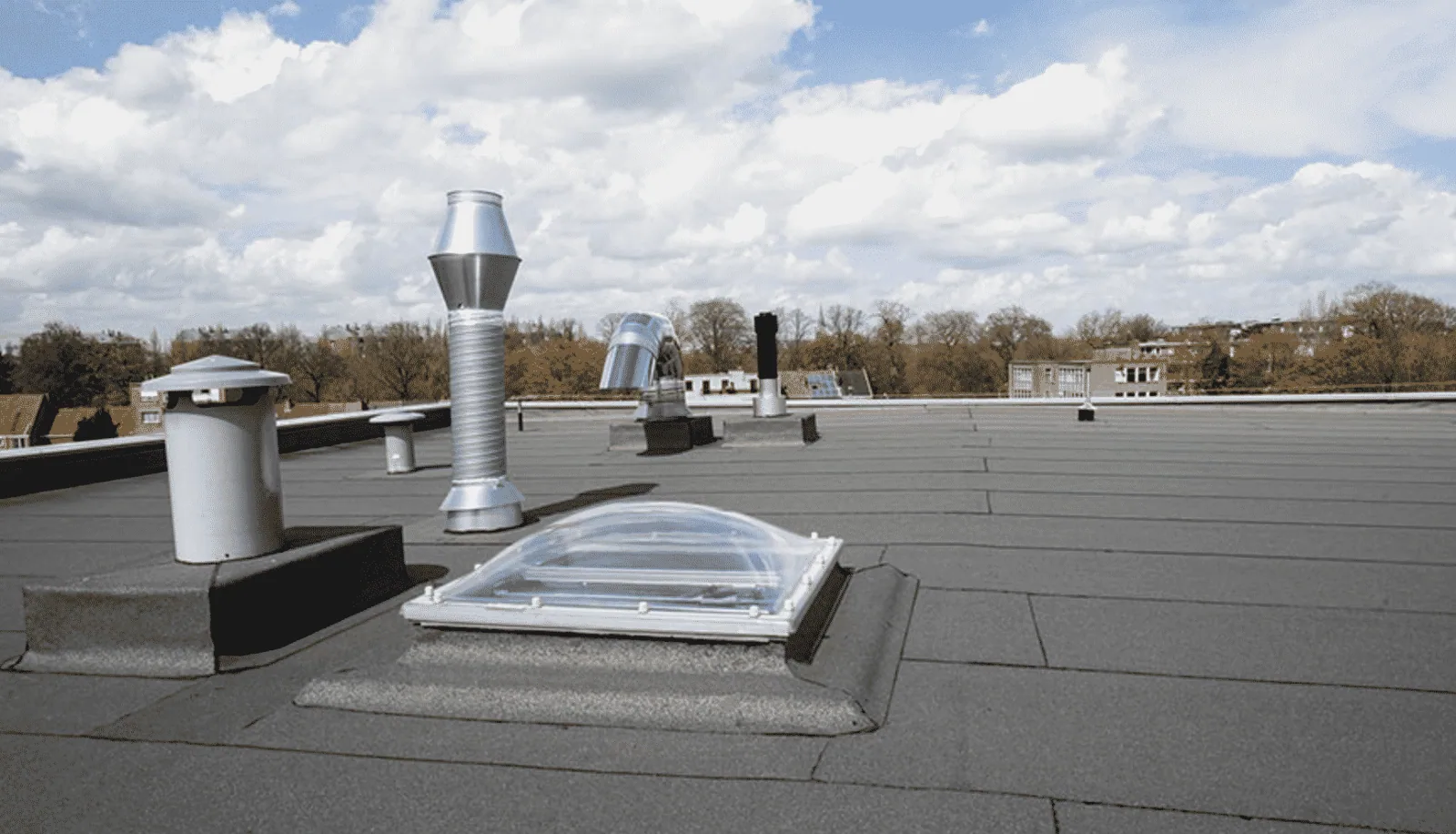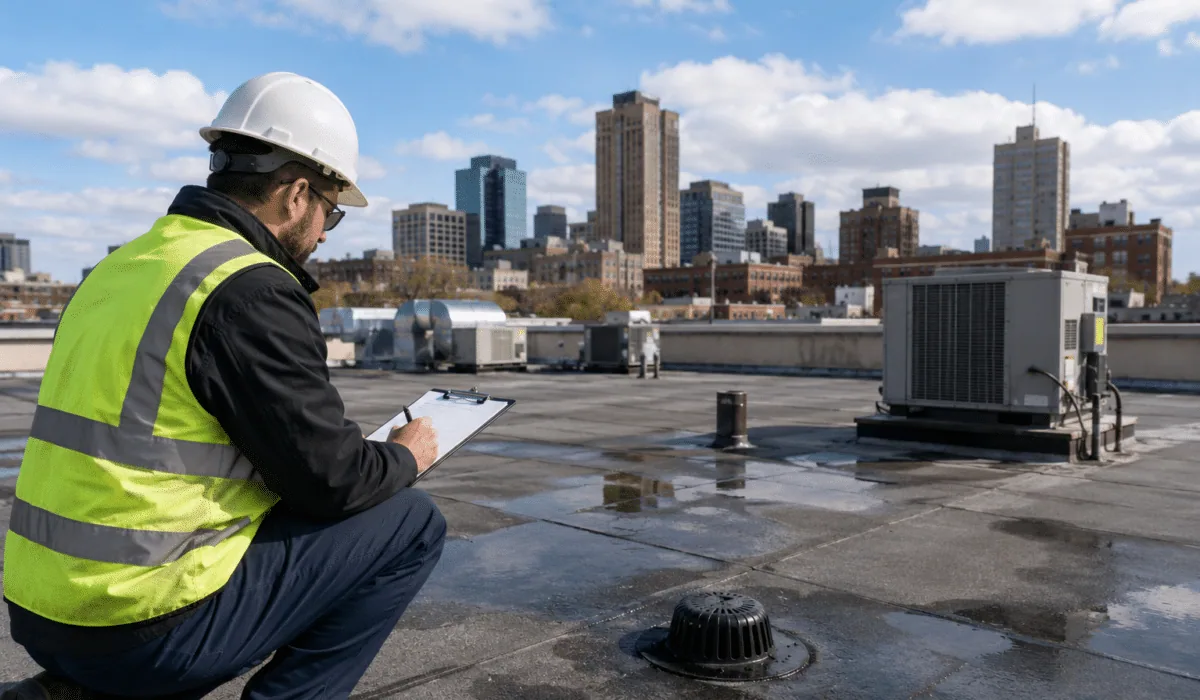
A managed office roof may have separate drainage areas beneath one continuous covering. A repair at one outlet should remain identifiable within that larger assembly. Commercial Roofing Edmond supports roof asset management in Edmond, OK. We connect accessible condition findings to their physical roof locations. The facility director receives completed work and unresolved supporting tasks by component. That information helps distinguish routine care from construction needing further examination. Each roof's material and interfaces remain part of its description. The roof record keeps those details instead of reducing the building to a covering name and replacement date.
Edmond has university, medical and business-incubator building uses. Downtown Edmond also has walkable local businesses and outdoor dining. Norman includes university and business-incubator facilities within its regional economy. These occupied uses can place different restrictions beneath proposed roof work. We identify each property's actual interior footprint against its construction locations. The roof record retains both the affected assembly and required operating protection. The director can compare care, repair and renewal against the building’s present condition.
One property can contain several covering types and roof heights. We distinguish accessible changes in assembly rather than assign one detail everywhere. Asset-level roof examination locates field, seam, accessory and support observations. Roof areas draining toward separate outlets should remain distinguishable. Equipment additions can also create new interface requirements. We identify the actual component and useful construction implication. The roof record should retain those physical boundaries. The director can then connect a water report or service task to the appropriate assembly rather than begin each repair from an unlocated roof summary.
Located roof condition reporting connects photographs to observed components and useful next work. The record should distinguish accessible findings from areas still needing examination. We identify selected concealed checks where retained layers remain uncertain. A repair location can include the field, supporting board and an adjoining curb. Those connected tasks stay associated with the roof area. Different components may need different responsible trades. The director receives that sequence with the physical observation. Later review shows which interface is complete and which separate task remains open.
An outlet can accumulate debris while its flange also has damaged roofing closure. Condition-led roof maintenance addresses suitable cleaning and accessible care tasks. We inspect the component before assigning maintenance as the whole response. A broken joint can require compatible reconstruction after cleaning. Downstream piping concerns belong with their responsible specialist. The physical difference stays clear in the roof record. The director receives the collection task and roof repair separately. Continuing care is useful when it preserves functioning access without returning every defect as another generic maintenance request.
A weathered termination can have loose backing below its visible face. We examine the holding connection before selecting a surface repair. New accessory material may need supporting reconstruction first. That task remains identifiable after the covering is finished. Repeated water observations should locate the affected room and relevant timing. Recent equipment work can direct attention to a changed interface. We inspect the actual component against that information. The asset history helps organize observations but does not establish today's concealed condition. Current findings still govern the treatment at the building.
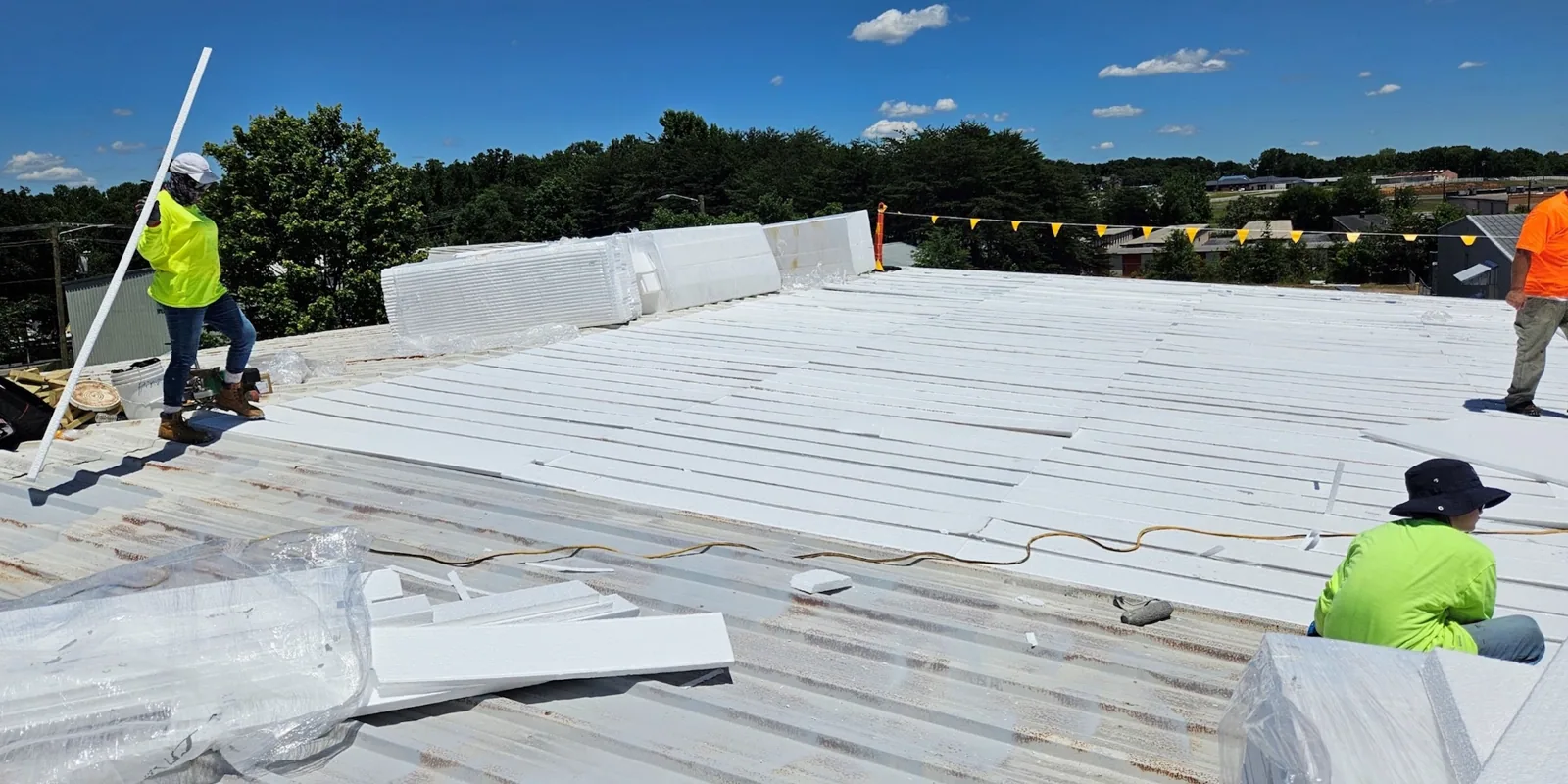
A local membrane repair can reveal damp insulation extending beyond the opening. We examine accessible retained layers and identify useful further checks. Supporting roof-layer reconstruction prepares material suited to the selected finish. Deck damage may need another professional or construction response. The roof record should retain that requirement with the repair location. New field dimensions can change a nearby drain or curb connection. We identify those interfaces before new layers close. The director receives a complete physical scope instead of a surface repair entry that leaves its supporting tasks unclear.
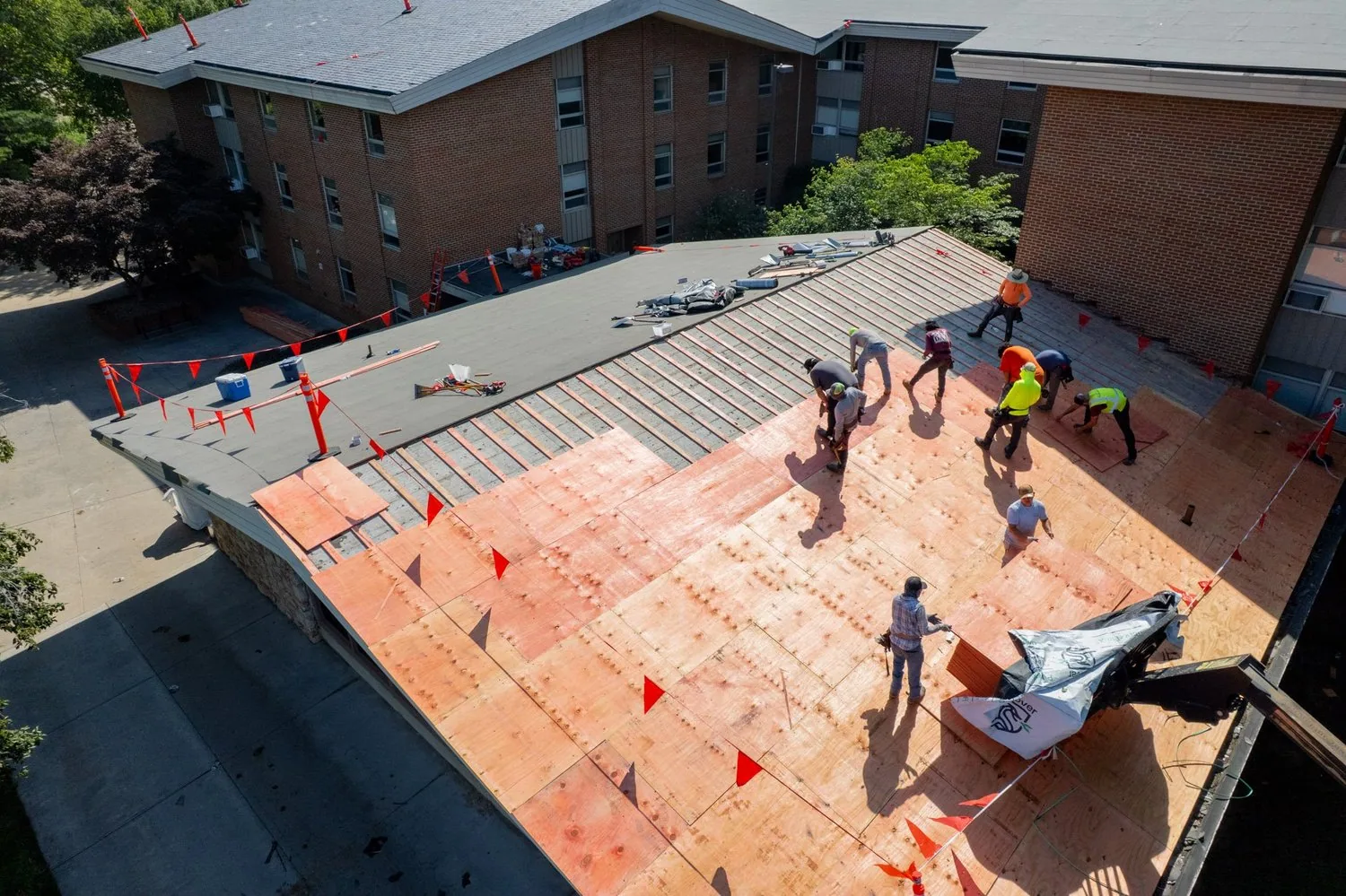
Roof capital prioritization compares larger options against the current retained assembly. Local repair requires a useful permanent boundary. Recovery needs suitable layers and applicable project review. Broad replacement may be appropriate where attachment or moisture prevents another finish. The options differ in removal, disposal and accessory tasks. Occupied-room protection also affects the useful construction stage. We connect those implications to the affected asset. A previous repair date helps identify history, while present support and material condition establish the next useful investment.
An asset decision may place removal over a tenant's equipment or stock. Managed-property roof coordination relates the overhead stage to protected rooms and shared collection connections. The responsible contact identifies actual occupancy within the opening. We describe removal effects, roofing products and nearby intake exposure. Equipment staff establish their own operating controls. A changed construction area can require revised interior precautions. The director receives that change before the stage extends. The roof asset description remains useful when the occupied restrictions stay beside the material findings.
Delivery and disposal can overlap public approaches at a managed property. We identify controlled handling zones with the facility contact. Rooftop material placement requires suitable load and product protection. Accessible service and drain routes should remain usable where needed. Oklahoma's hot summers influence acceptable application conditions at the roof. Winter cold outbreaks can also restrict installation methods. We assess actual work-area conditions before proceeding. The stage needs a suitable weather stop for its unfinished assembly. The director receives that current status before an operating schedule assumes the construction is ready for wider use.
Downtown Edmond asset roof care requires review of the actual occupied and public-access footprint. Norman education or business properties need their own construction protection. Completion checks follow the selected field and accessory methods. We identify the remaining equipment and support tasks for their responsible trades. Accessible roofing scraps should leave outlets and service points. We identify finished locations and remaining interfaces for the director. Future equipment additions require compatible closure in their own installation sequence. The completed repair then remains associated with the physical component rather than disappearing into a broad building-level finish entry.
Multi-property roof care can retain these located decisions across the operating group. Each asset keeps its actual covering, supporting condition and access constraints. New observations should identify room, timing and recent relevant activity. We examine the associated interface before assigning repeat construction. Broader renewal can follow current material and support findings where needed. Appropriate project design, permit and inspection responsibilities receive confirmation for the chosen scope. The director can compare useful tasks without losing the differences that change their execution. The director keeps each task, roof area and next inspection in one usable file.
Identify the roof areas, recurring observations and planned equipment changes. We will locate useful condition findings and connect care decisions to each assembly.
Different coverings, heights, outlets and equipment interfaces should remain identifiable. We locate accessible findings against those physical areas. The proposed work can involve separate supporting or trade tasks. Occupied space below also affects protection. The director receives enough construction detail to connect later observations to the appropriate assembly.
We examine current material, support and accessory condition before setting priority. The past date helps order records; physical findings guide repair, recovery or broader renewal.
Suitable cleaning can remove accumulation while damaged closure needs reconstruction. We inspect the accessible flange and adjoining field. Piping concerns can require another specialist. Those tasks should remain distinct in the asset view. The director receives maintenance and construction actions at their actual component locations.
Its supports and openings introduce corresponding roof connection tasks. We examine return height, compatible contact and service clearance. Other professionals handle the required equipment and load decisions. The new detail should close within that installation sequence. The asset history retains the altered component and any remaining work.