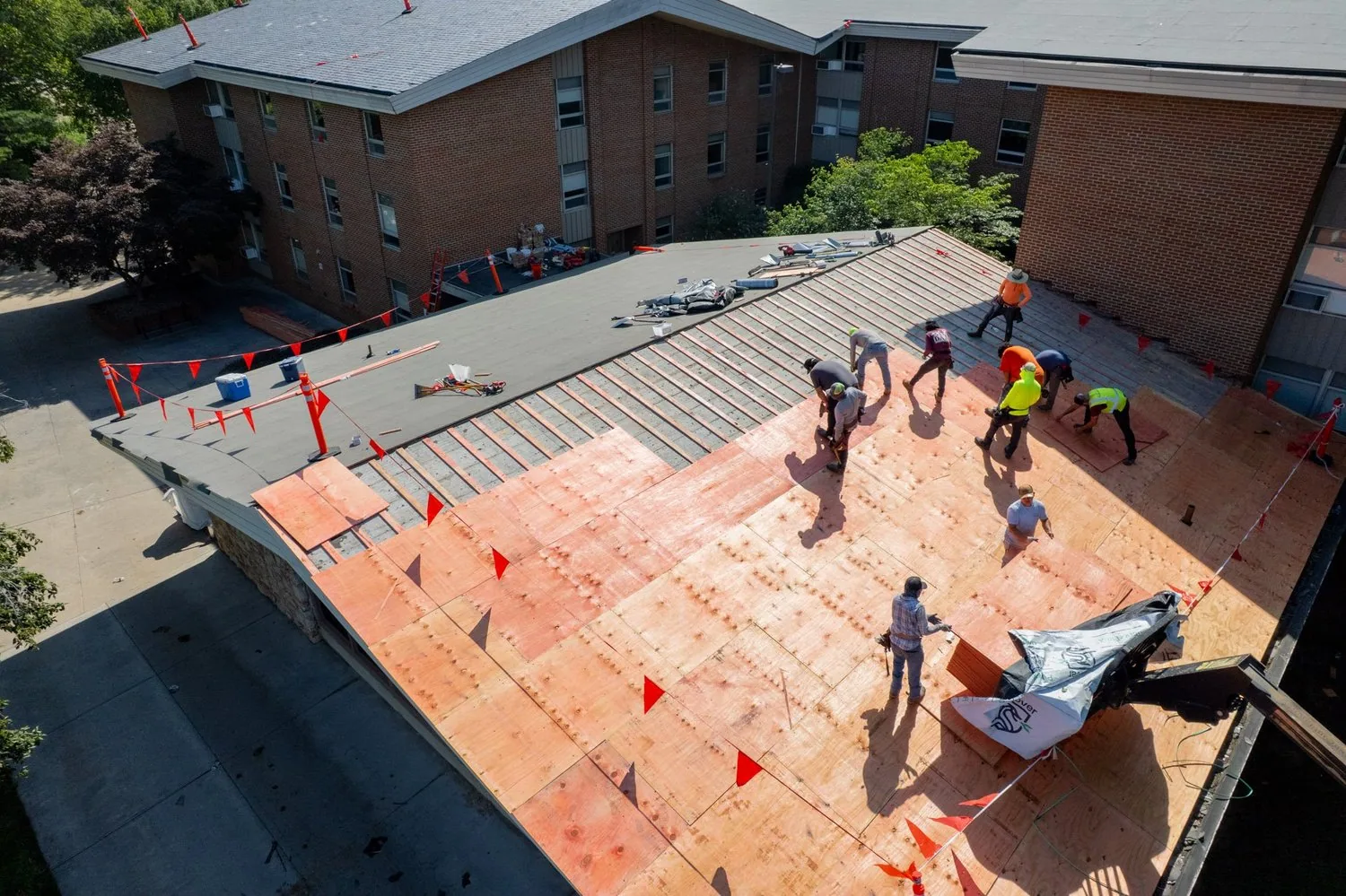

An office building needs its roof attachment examined before equipment changes. New service routes can expose weak seams and unsupported flashing. We inspect those physical connections alongside the existing roof field. Commercial Roofing Edmond performs commercial roof inspections in Edmond, OK. A useful examination connects visible condition to a specific construction decision. That may be a repair, moisture investigation or replacement evaluation. We distinguish the observed defect from questions requiring another test. The facility director receives findings that can guide actual roof work.
Broadway Corridor includes office and commercial uses in its southern gateway. Downtown Edmond has local businesses operating along walkable streets. An inspection above occupied premises needs controlled access and careful movement. We examine the roof without treating its use as incidental. Equipment service areas, drainage and occupant exposure help set priorities. The findings should explain the physical problem and its operating consequence. That keeps a roof survey useful after the inspection visit ends.
A purchase review asks different questions than a complaint about recurring water. We establish the decision the director needs to make. An active leak requires attention to the reported location and conditions. Capital planning requires a broader look at assembly condition and deterioration. Planned equipment installation calls for examining curbs and proposed service routes. The inspection scope should identify those aims before roof access begins. It also should identify any roof areas outside the agreed examination.
Available construction drawings and repair history can help locate concealed changes. We compare those items with the physical roof rather than accepting them blindly. Equipment additions may have changed drainage or access since original construction. Previous patches can hide the joint beneath their exposed material. A due diligence roof survey may need additional examination before an acquisition decision. We explain where the visible findings support a conclusion. Unresolved construction questions receive a defined next step.
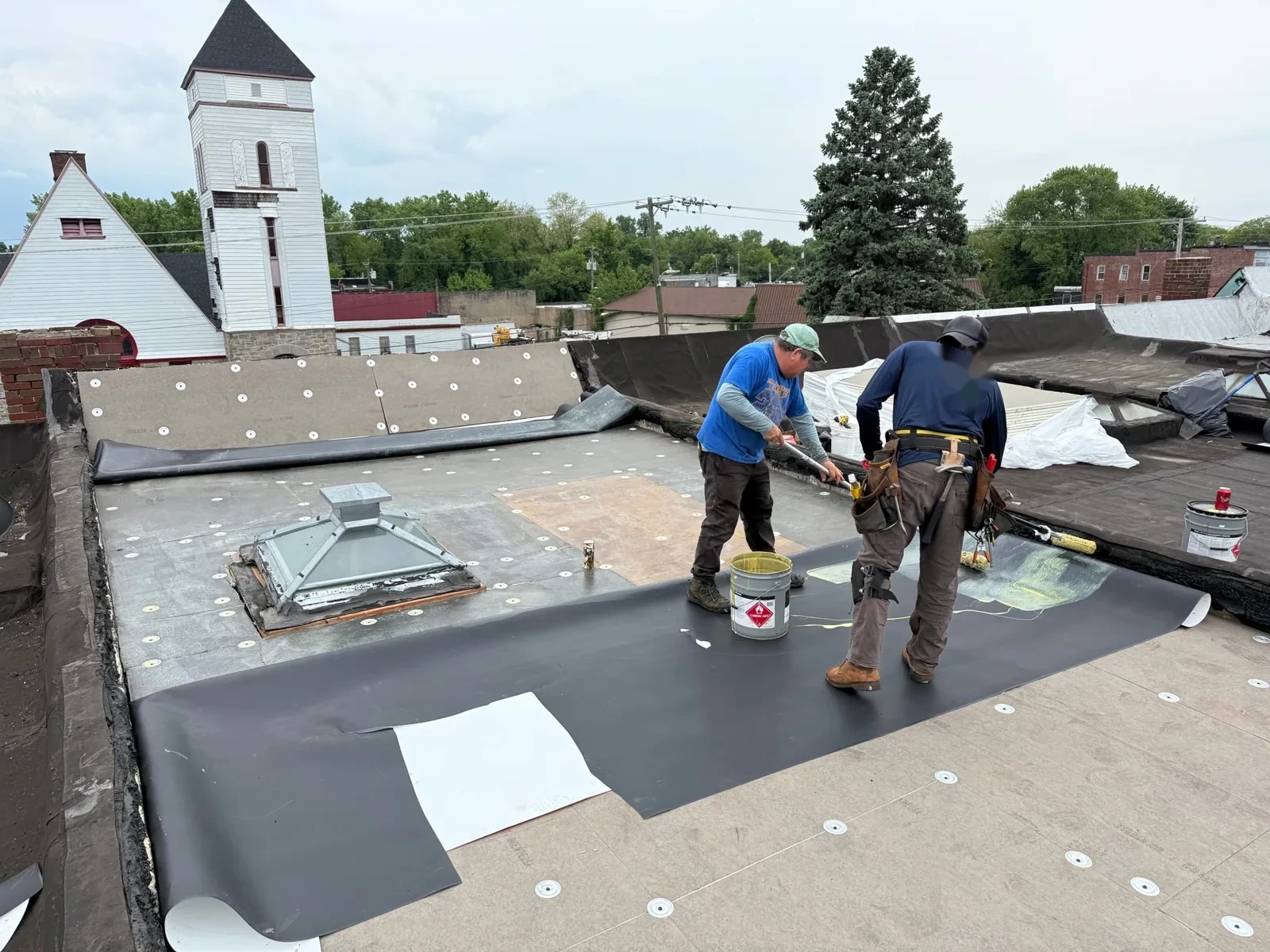
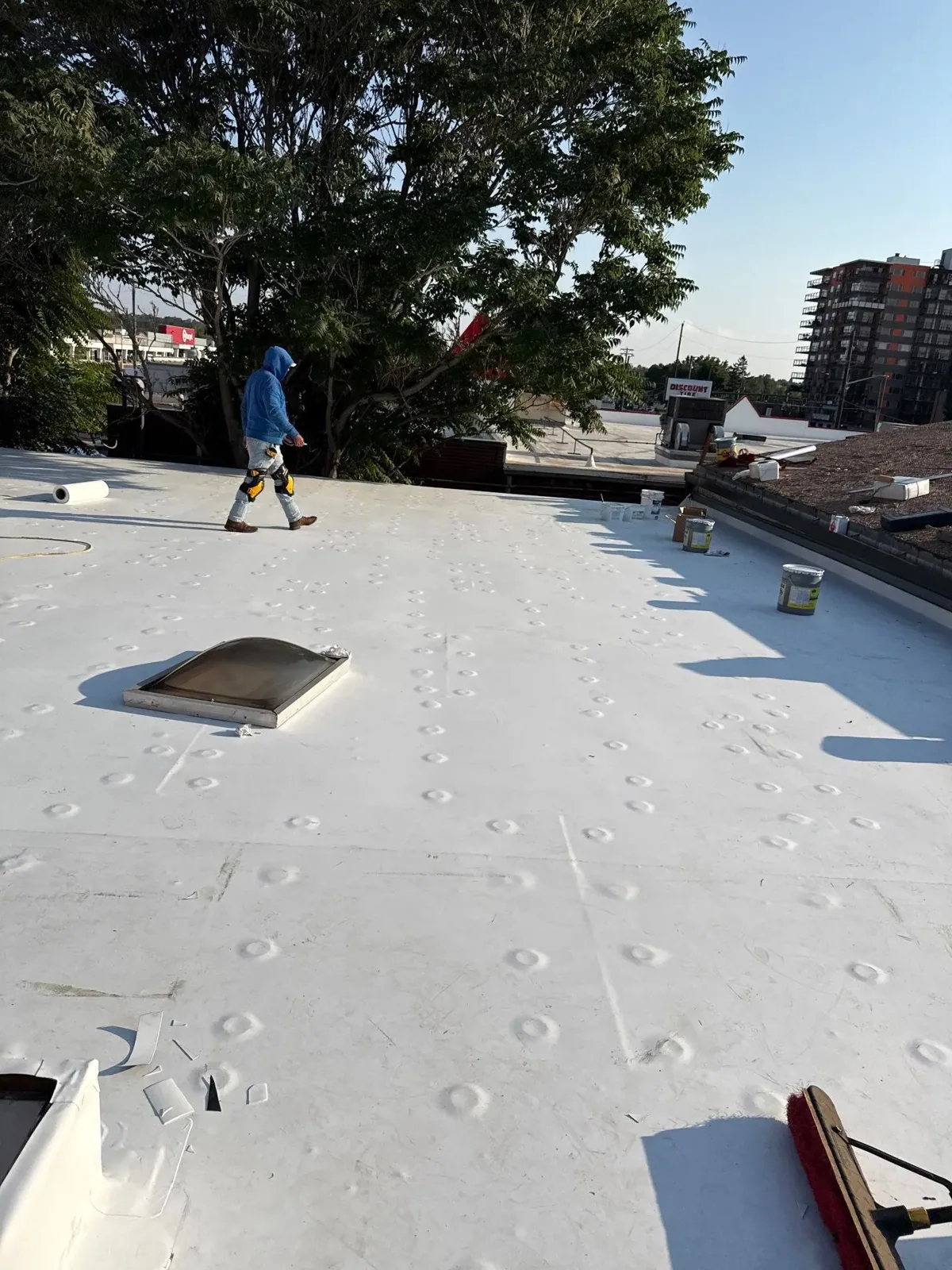
A raised lap or split sheet deserves examination of the surrounding attachment. We inspect seams for separation and deterioration along their accessible length. Punctures, blisters and displaced repair material also need location-specific attention. Walking the field can reveal soft areas and damaged protective surfaces. Those observations may justify investigation of the layers beneath. We avoid treating apparent surface condition as proof of concealed dryness. The findings distinguish direct observations from that remaining question.
On metal roofing, panels, joints and fasteners need a different examination. Backed-out fasteners or deformed metal can change the water-shedding connection. Moving panel systems require attention to their intended movement provisions. We examine penetrations and transitions where metal meets other materials. Corrosion may need assessment of its extent before repair selection. A commercial roof repair proposal should follow those specific conditions. The covering type changes what we inspect and how a defect is treated.
A curb corner with a crease can expose a stretched membrane return. We examine whether its backing and attachment remain sound. The same curb may have a loose upper termination nearby. We inspect that whole connection instead of recording the crease alone. Pipe flashings need correct fit and secure upper closure. Skylight frames require examination at their roof interface and drainage paths. These details can differ even where the field membrane is uniform.
Wall terminations and metal copings also need a close physical check. Water can enter above a roof flashing through other building components. We identify those interfaces so the responsible work is clear. Flashing failure repair may include correcting support, attachment or material compatibility. A photo should locate the defect and show the connection involved. That helps the director distinguish a failed roofing detail from adjacent wall work. The recommended action follows the defect that the inspection actually reveals.
A water mark near a drain can show where runoff remained. We examine bowl elevations, strainers and the surrounding roof surface. Debris may restrict a working outlet without a membrane failure. Low insulation areas may hold water despite a clear drain. Scuppers need examination at their openings and roof-side flashings. Overflow arrangements deserve attention where they form part of the assembly. We identify drainage concerns separately from other roof defects.
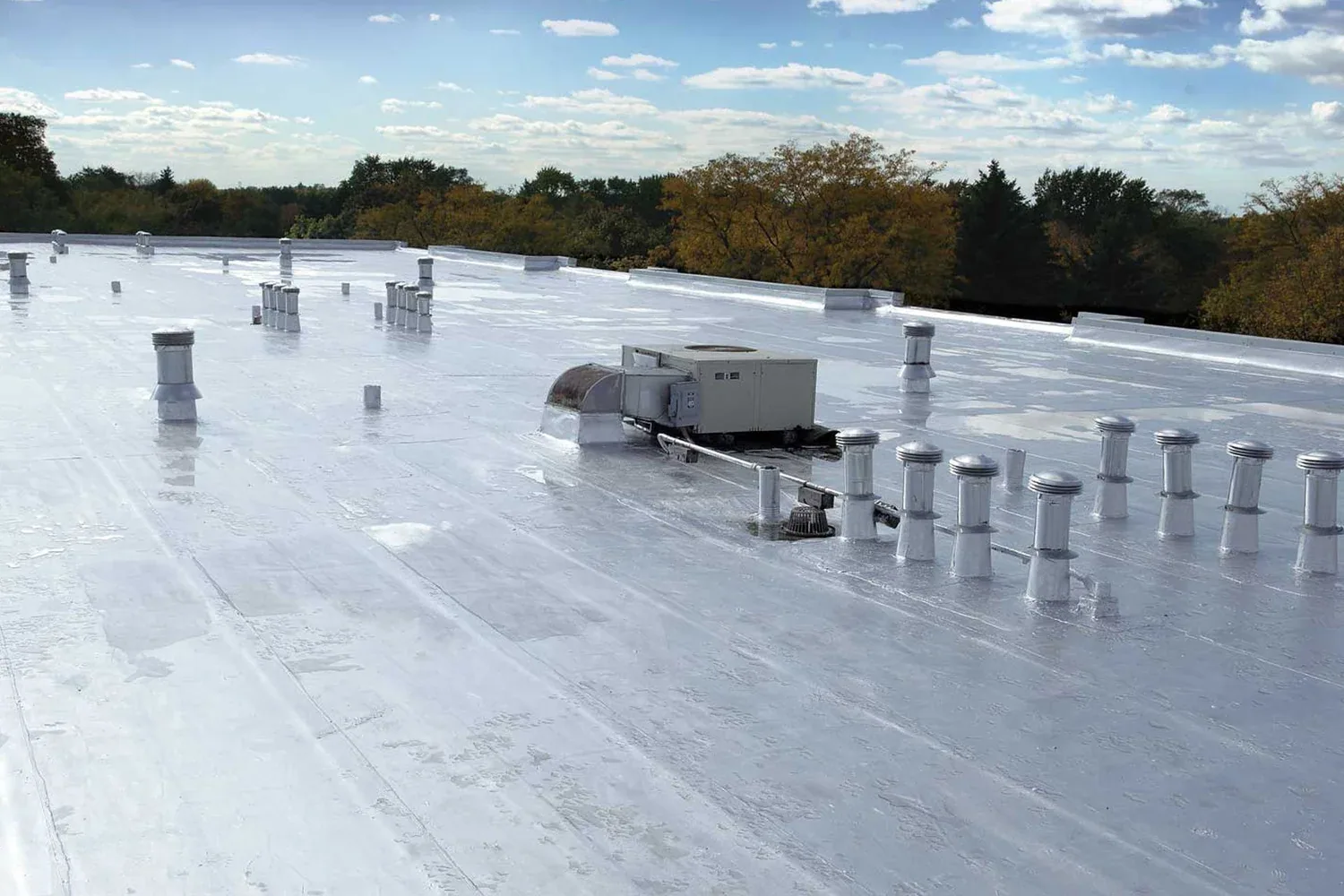
Correcting slope can require more construction than clearing an outlet. We explain which observed condition needs maintenance and which needs design. A rooftop unit placed across a water path may complicate the correction. The drainage repair scope should consider those obstructions and elevations. We examine visible discharge routes as far as safely accessible. Pipe or system-capacity concerns may need the appropriate plumbing or design review. The director can then assign the next action to the correct work.
Oklahoma summers are generally hot, while winter cold outbreaks also occur. Temperature movement can stress terminations and joints over repeated cycles. We examine the resulting material condition rather than assume a failure. Spring thunderstorms can bring hail and damaging winds across the state. After severe weather, the roof needs its own condition check. We photograph observed impacts and displacement without inventing a local damage history. Repair priorities follow the physical condition and exposure at the building.
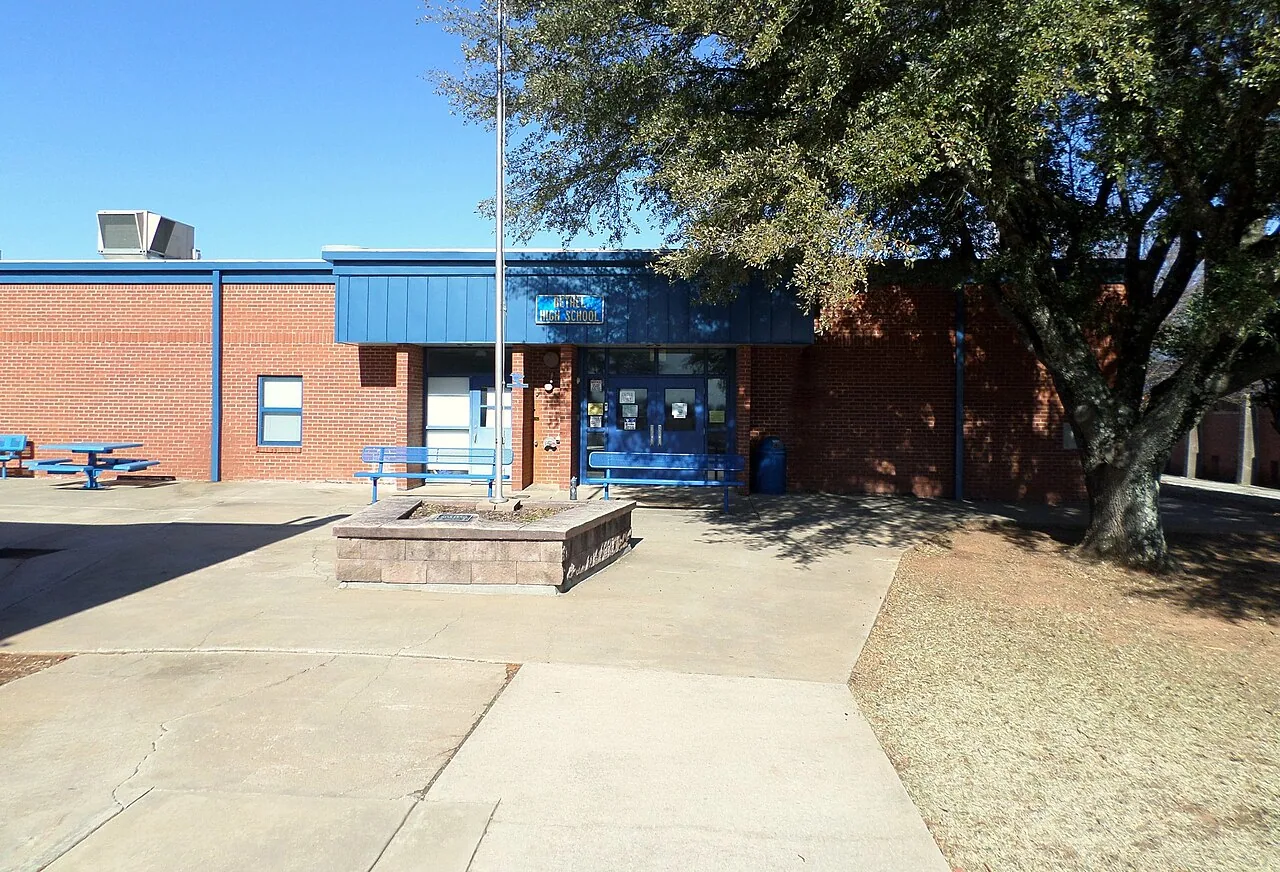
Edmond contains Oklahoma Christian University and business-incubator facilities alongside medical providers. Sensitive equipment and occupied teaching rooms can change the consequence of leakage. We discuss those interior uses with the facility director. In Broadway Corridor offices, roof equipment access also needs attention. The inspection can identify vulnerable service paths near repaired membranes. That allows maintenance staff to avoid disturbing weak details while repairs are arranged. Building use helps set priorities without implying one roof system serves every property.
A photograph of a split seam needs a corresponding roof location. We pair findings with locations the facility staff can identify. The description should explain the defect and the recommended response. Urgent openings need separation from routine cleaning or planned improvement. Tests required for concealed condition should also be identified distinctly. Capital planning can use those findings without confusing repair needs with replacement assumptions. The director receives a basis for sequencing work.
Visual inspection has limits where roofing layers conceal the deck and insulation. We recommend moisture investigation when the decision needs that additional information. Cores or other direct openings may be required to confirm the indications. Inaccessible areas also remain identified rather than silently treated as examined. Once further findings are available, the repair scope can be adjusted. The value lies in clear observations and a practical next action. A tidy report cannot substitute for examining the connection itself.
Arrange an inspection tied to the leak, equipment change or condition question. We will examine the relevant connections and define the useful next action.
The proposed unit location and support detail set the scope. We inspect surrounding roofing, drainage and service clearance. Structural support needs the appropriate design review. The findings can identify flashing work before equipment placement makes access harder. New penetrations should receive an assembly-specific closure detail.
Concealed moisture needs more than visual observation. Soft areas and stains can direct attention but do not define every affected layer. We recommend suitable testing and selected openings where the decision requires them. The report distinguishes observed surface defects from moisture questions still needing confirmation.
Immediate exposure and operating consequence guide the priority. An active opening above sensitive equipment differs from minor debris at a clear outlet. We connect the location, observed defect and recommended action. The facility director can then sequence work against the actual building use rather than an unexplained condition label.
Access limitations stay identified in the findings. We describe the roof areas examined and the areas left unresolved. A different access method or scheduled shutdown may allow completion. Where useful, drone imaging can add views, while close physical checks still require appropriate access.