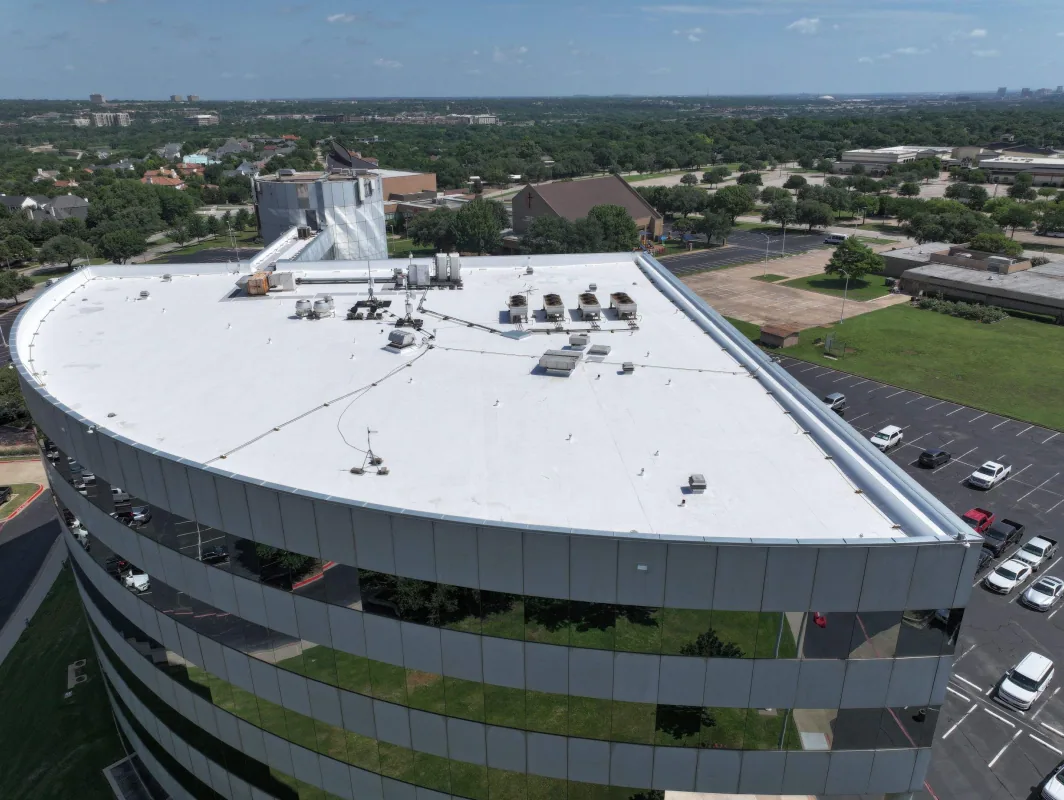

A mixed-use building needs a clean transition where the roof meets its wall. Edmond’s downtown-adjacent Broadway zone includes residential and commercial uses. That combination can place different operating hours beside the same roof access. We check the wall turn, flashing leg and membrane edge before choosing a repair. A tight fit at the turn keeps the sheet from bridging the corner. The facility director sees what we opened and where the new material ends. No proposed roadway work changes that roof detail today. We assess the building and its actual assembly before setting the scope.
Where commercial space shares a site with housing, roof access should respect both uses. We identify entrances, service paths and the work area beneath each repair. Then we decide whether a curb, parapet or membrane seam can be reached without crossing an occupied room. A multi-use schedule may call for a shorter work window. The repair method still follows the attachment and substrate we find.
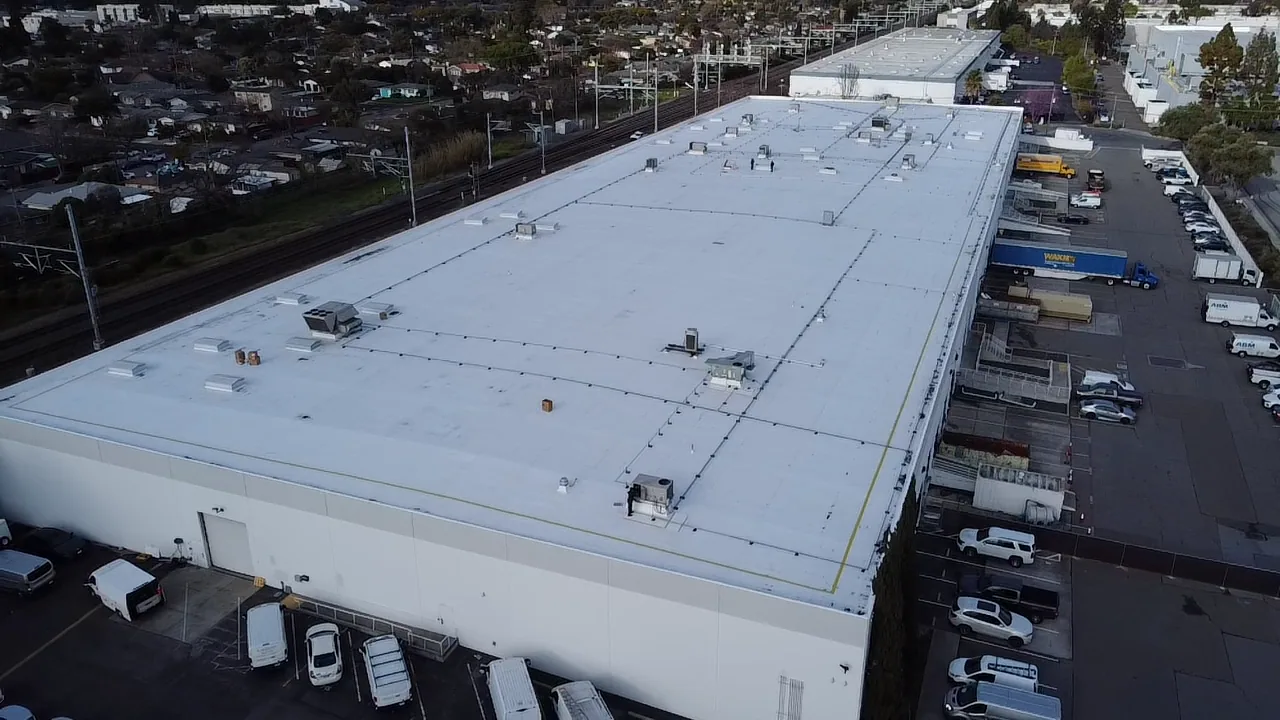
Broadway's transition zone farther south is mostly commercial, with some housing and large surface parking areas. Parking helps material delivery, but it does not establish a safe staging point. We walk the route from loading area to roof access and check overhead clearances. That review informs the sequence, not the roof type. A Downtown Edmond roof assessment may involve storefront access; each property gets its own work plan.
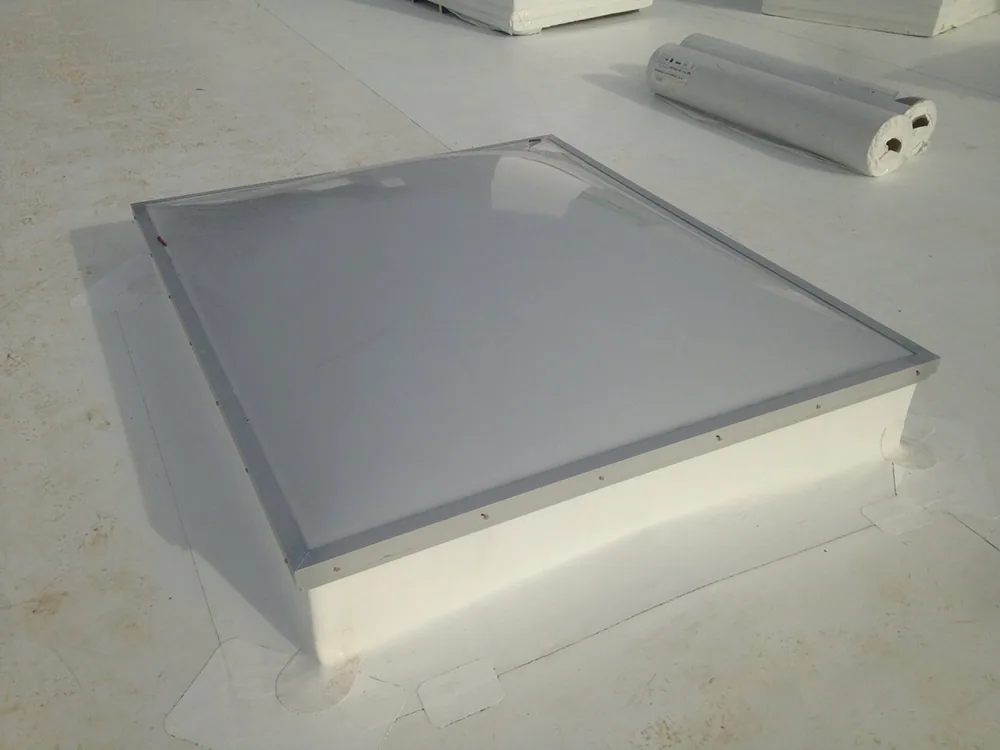
At a curb, flashing must turn without pulling away from the raised face. We inspect the corner, membrane return and fastening line together. A loose termination can admit water even where the field sheet looks intact. If the backing has softened, another fastener will not restore support. We open enough material to see the attachment, then match the repair to the roof system.
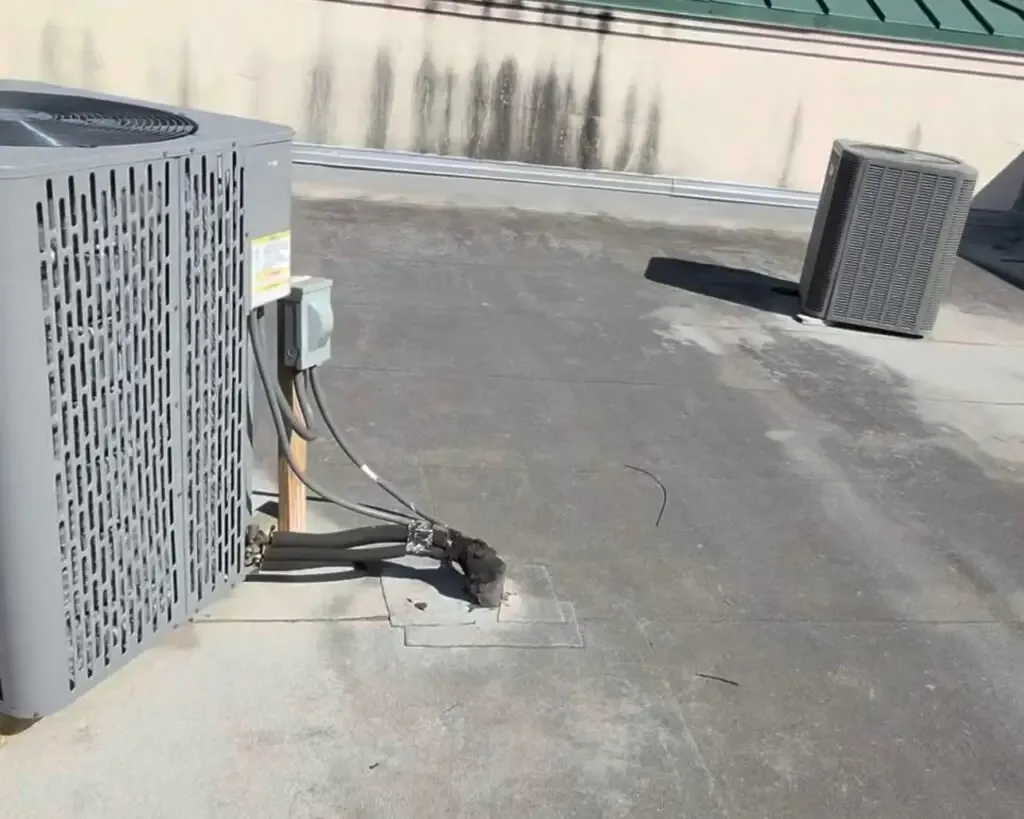
Metal transitions need the same attention to fit. We measure the curb face and verify where the existing counterflashing sheds water. If movement has opened a lap, the new metal must allow for movement while maintaining a secure edge. We compare repair and replacement options with the director before removing sound sections. Our penetration flashing service addresses a different condition than a broad membrane recover. The distinction matters at mixed-use buildings where equipment penetrations and access routes share space.
Water at a wall may begin at a drain or seam several feet away. We follow the roof slope and inspect the bowl, scupper, overflow and nearby laps. Debris can narrow an inlet. A displaced connection can leak below the membrane. We distinguish a blocked drain from a failed flashing before recommending removal. The repair boundary follows the condition, not the stain alone.
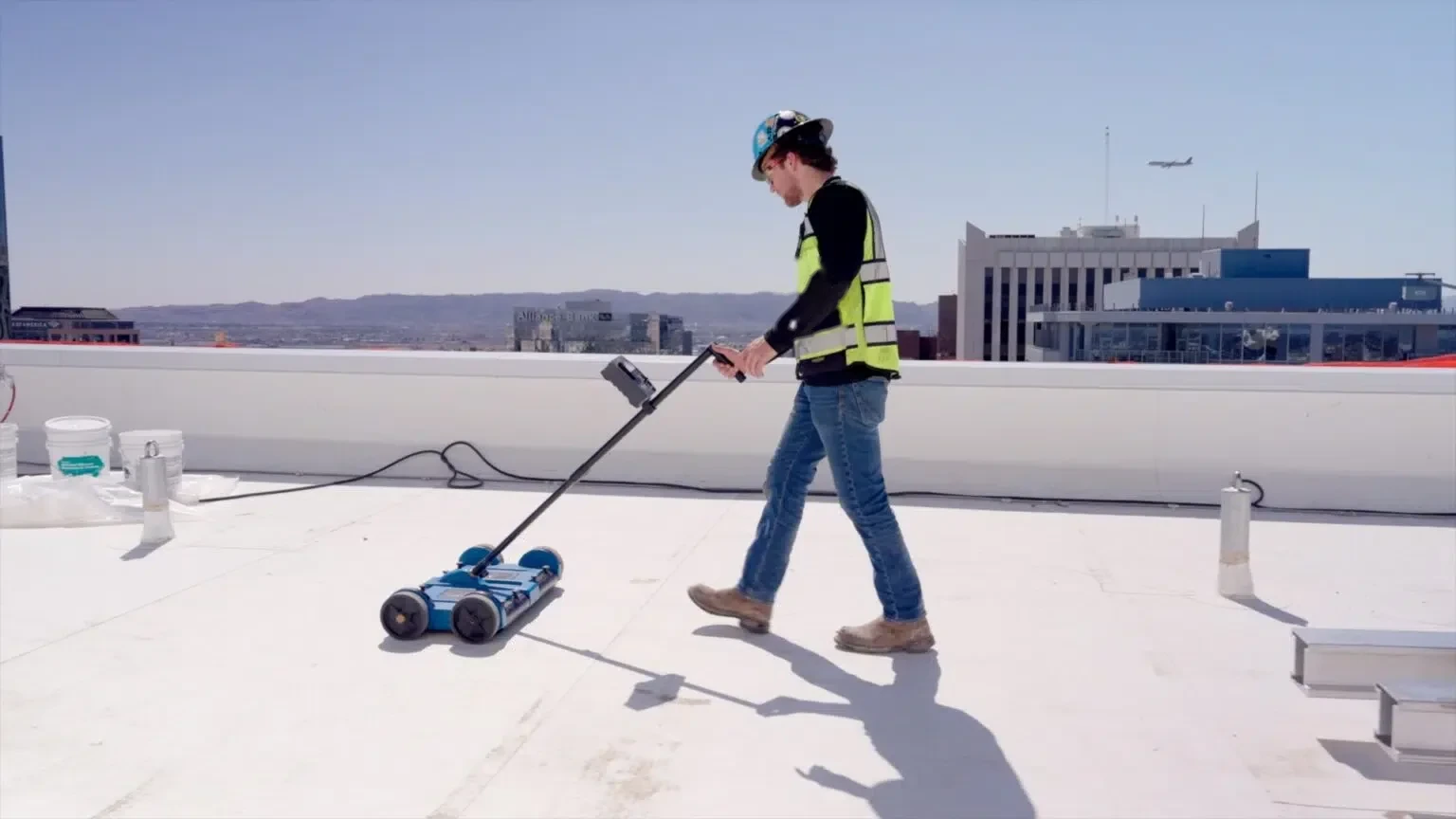
If water has entered insulation, the affected area must be identified before adding another layer. We use the inspection method that suits the roof and record what the opening reveals. An infrared moisture survey can help locate areas for verification, but readings need confirmation at the roof. Once the assembly is open, we check retained material and dry backing. The director receives separate notes for the drain and membrane so one repair does not obscure the other.
Repair materials must match the existing membrane and its condition. We identify the surface, check for contamination and verify whether the substrate is sound. A weld requires compatible thermoplastic sheet and a clean surface. A cold-applied repair needs the specified primer and flashing components. A coating can protect prepared material, but it cannot bridge loose attachment or saturated insulation.
Where the existing detail cannot accept a dependable tie-in, a larger section may be the better fit. We compare the work needed to expose a sound edge with the cost and disruption of a recover or replacement. The PVC roofing assembly and a modified-bitumen roof use different seams and terminations. We do not assume one system from nearby buildings. The inspected assembly determines the repair materials and finish connection.
Roof work affects service access, deliveries and occupied rooms. Broadway’s commercial areas include large surface parking fields, but the actual staging route still needs inspection. We confirm where a lift, materials and removed debris can travel. The crew marks a limited work zone and keeps pedestrian paths clear. For a mixed-use property, we coordinate the roof opening with the room or tenant area below.
Edmond’s 2nd Street corridor study also describes commercial areas oriented toward vehicle access. That planning context does not show that a particular building has a loading area or a specific roof. We verify both before setting logistics. If the repair crosses an active service route, we set temporary protection and agree on the closure window. The occupied-building work plan sets daily boundaries while keeping the roof detail available for inspection before closeout.
Oklahoma spring storms can bring hail, damaging wind and tornadoes. Those statewide conditions make forecast timing relevant when a roof section is open. We inspect the short-range work window before staging material. If a storm approaches, we secure loose stock and close the exposed section. A temporary cover should be attached to resist the conditions expected during the delay, not left as an unfastened sheet.
Hot summer conditions also affect safe work timing and membrane handling. We plan the repair when the surface and material are suitable. After severe weather, we inspect seams, metal edges and penetration flashing rather than assuming every roof has damage. A storm damage roof inspection records the conditions found at that address. The report does not infer damage from a statewide weather event. It shows the detail, the observed failure and the work required to restore it.
Arrange a close examination of the curb, drain or membrane edge. We will identify the failed connection, the access sequence and the repair boundary for the facility director.
We inspect the entrance, work zone and occupied room before choosing the sequence. The opening is scheduled around the area below.
A roadway recommendation does not define a membrane repair boundary. We examine the property assembly, drainage and flashing before pricing the work.
A patch can hold only where backing is sound and the membrane edge accepts a compatible tie-in. We show the repair limit before extending the work.
Surface conditions, product requirements and the forecast guide the daily window. We pause when heat or an approaching storm prevents safe closure.
The closeout shows the repaired connection, materials installed, remaining conditions and follow-up inspection. Photographs stay tied to the repair boundary.