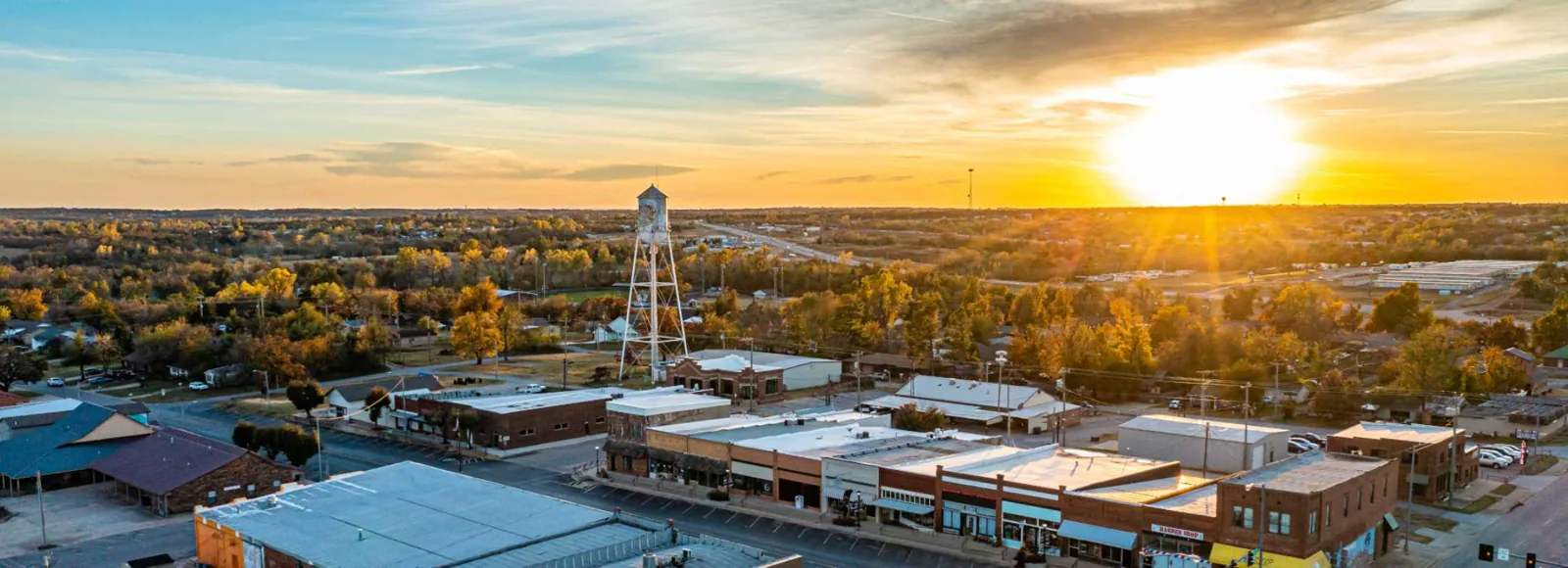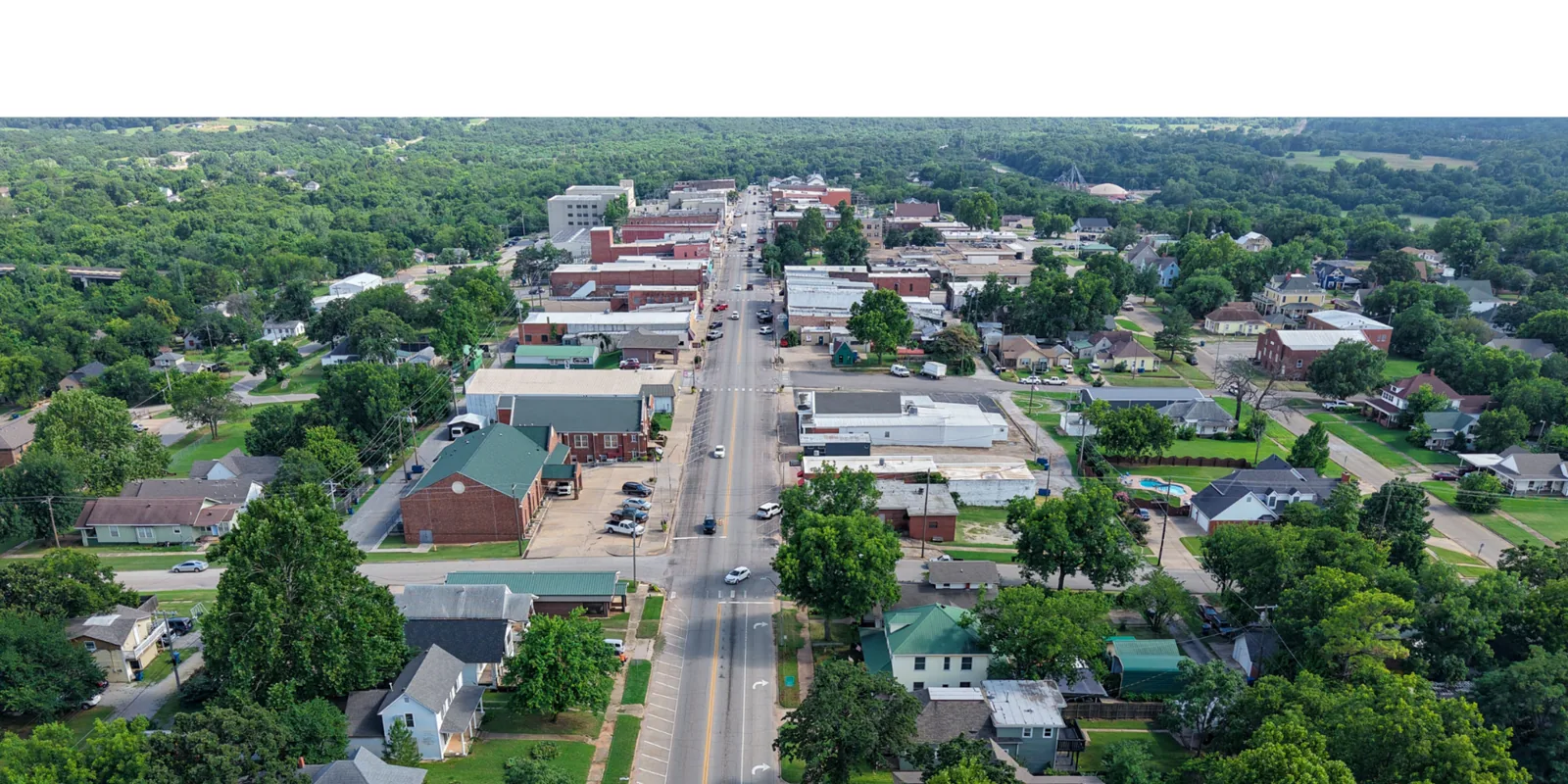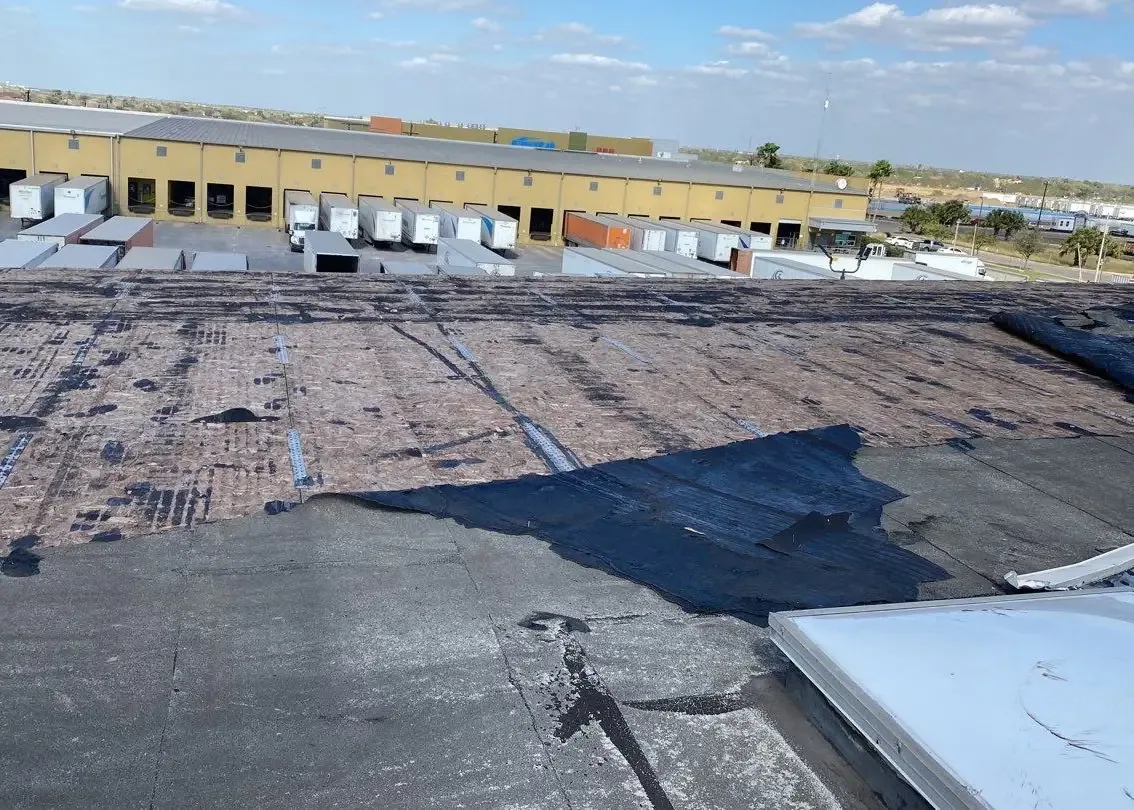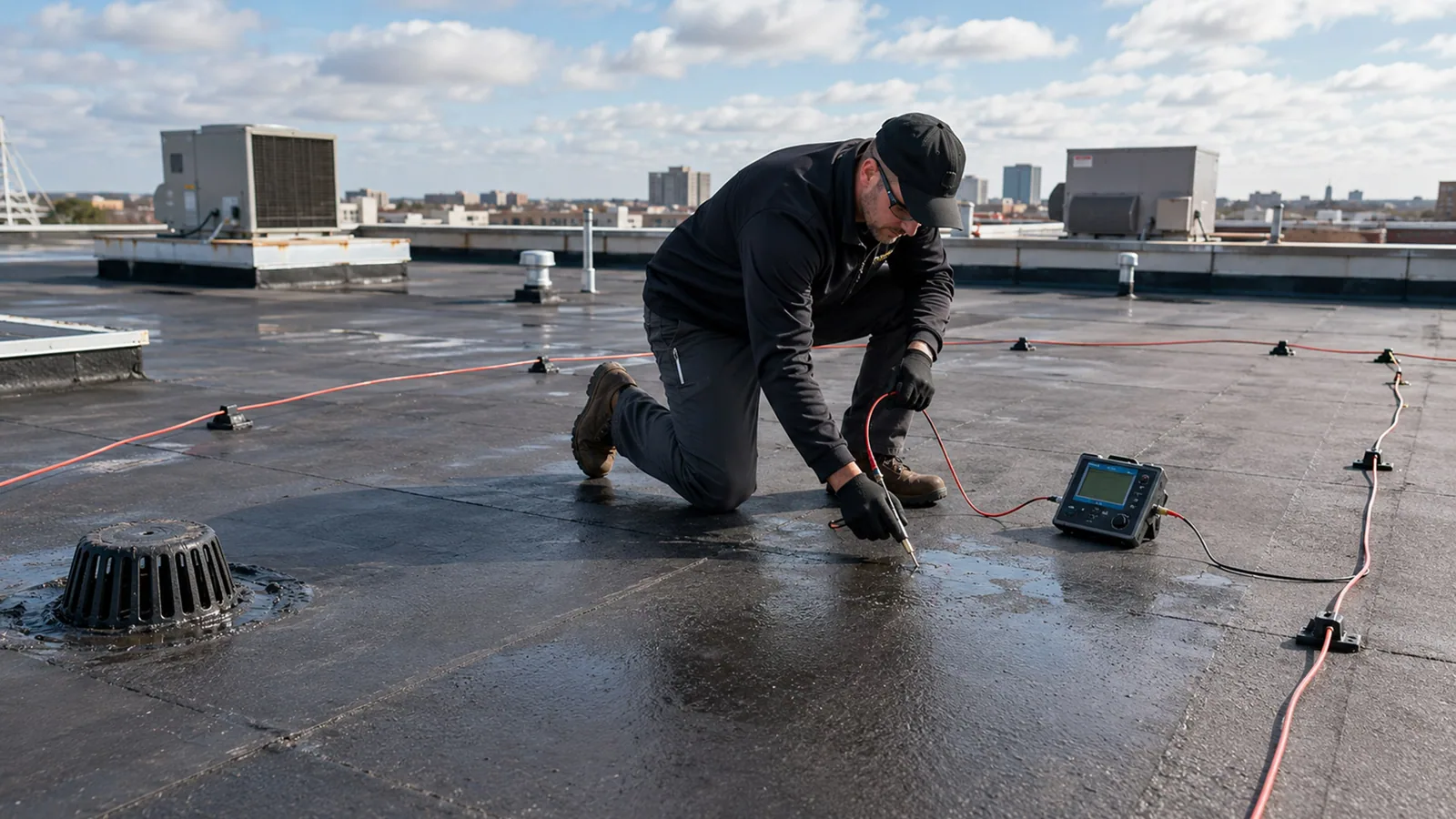

A large-format retail roof needs a controlled material drop. Yukon’s I-40 and Garth Brooks Boulevard trade area includes retail and restaurants, while Historic Route 66 runs through downtown. We begin with the actual building, not the corridor label. The crew checks roof access, receiving hours, drains, membrane seams and perimeter connections. The commercial roof inspection ties each photo to the area that was examined. The owner sees what is serviceable, what needs correction and what should be tested before scope expands. We set a staging plan that leaves customer and delivery paths clear.
Retail and restaurant operations need a clear route during roof work. We confirm delivery windows, loading turns, fire access and customer entrances with the site contact. The crew stages material outside turning lanes and protects storefronts below the work area. If a lift or dumpster changes circulation, the manager approves a temporary path in advance. We limit the open section to the area that can be closed before the shift ends. The daily log notes where material arrived and which area was returned to service.
Yukon’s retail trade area and its downtown shops create different site conditions. A trip to another property should not transfer assumptions between them. An Edmond corridor inspection can be coordinated separately, while a East Edmond roof assessment keeps its own access notes. The owner receives one report per building. That record makes it easier to sequence work across a group without combining addresses, tenants or repair boundaries.
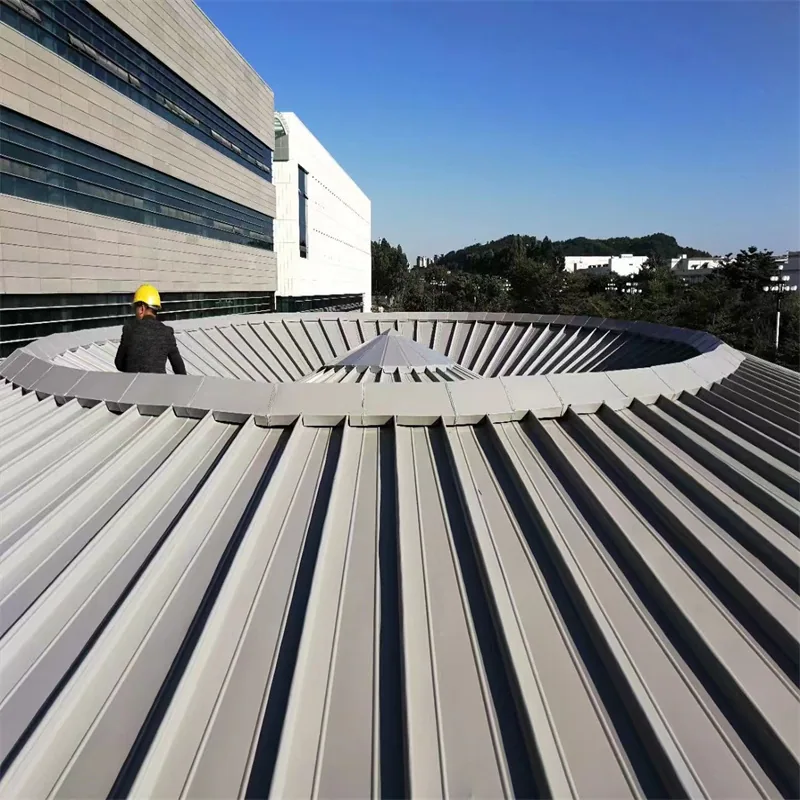
At the perimeter, we check coping joints, cleats, fasteners and the substrate receiving each attachment. A loose section needs sound backing, not another surface bead. We open the connection enough to inspect the fastening pattern, then replace the affected pieces. Photos record the existing condition and finished lap. For membrane systems, the return should lie flat at corners and terminations. For metal panels, clips and end laps must allow thermal movement. A coping and edge-metal repair identifies the section, attachment and materials included in the price.
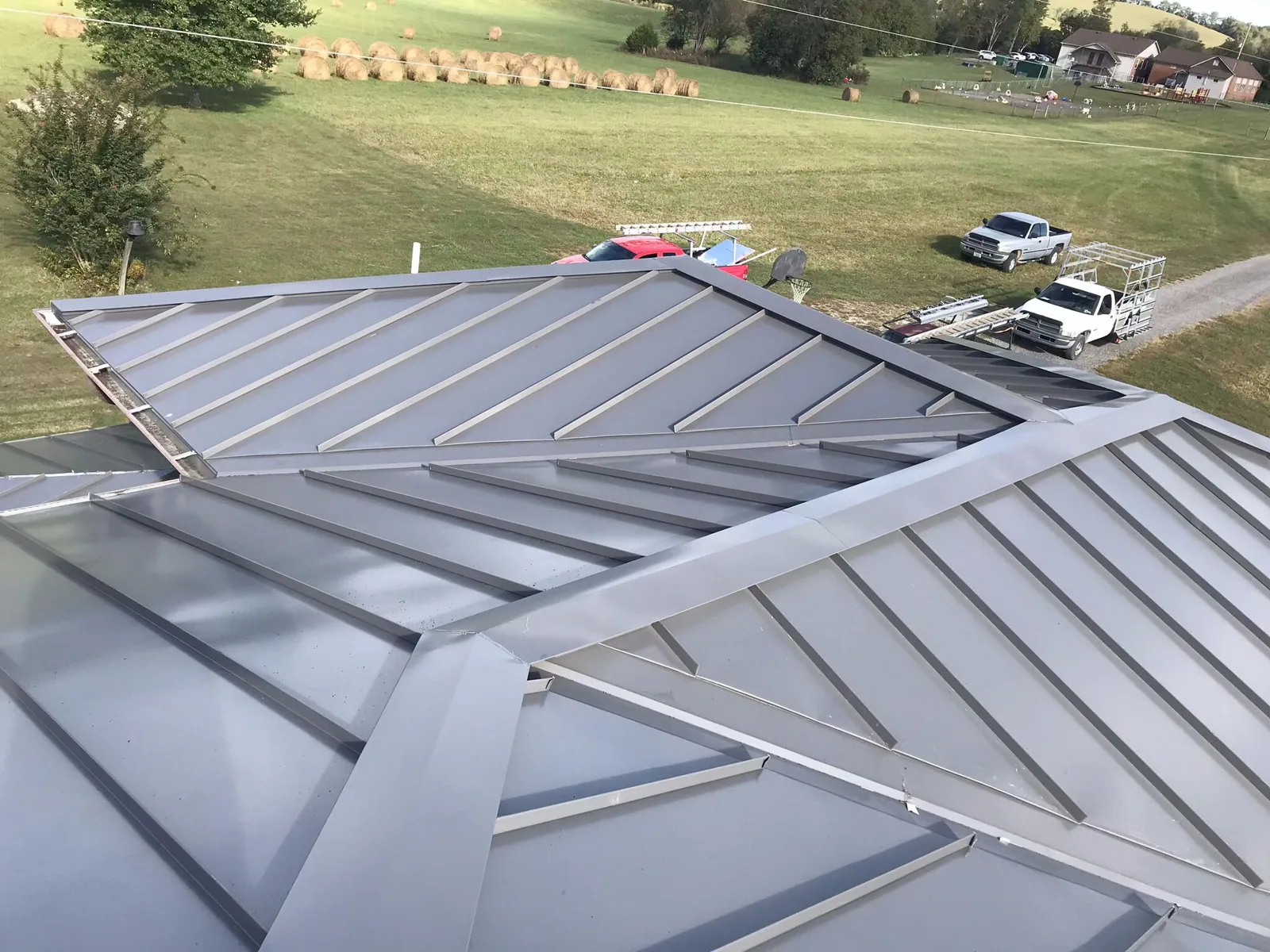
Large-format roofs may have long parapets, expansion joints and multiple drain zones. We follow each transition to see how water reaches an outlet. Where two roof elevations meet, a counterflashing or termination can hide movement or trapped debris. We inspect the tie-in before closing the detail. If damage continues under the cap, the crew stops at the agreed limit and requests direction. A standing-seam metal roof receives a different correction from a membrane edge, so we confirm the profile before ordering pieces.
Severe thunderstorms in Oklahoma can produce hail or tornadic wind during spring, with a secondary period later in the year. We set the exposed-work limit and closure window against the forecast. Heat during Oklahoma summers changes work-rest planning and product handling. Before tear-off, we check current conditions and set the first area the crew can close before the shift ends. The job plan identifies a safe daily limit, the temporary cover and the work that must be completed before the crew leaves. Adhesive and weld procedures follow the selected material requirements.
After a reported storm, we inspect actual roof surfaces, edges, penetrations and interiors. We photograph displaced metal, punctures, seam openings or water entry where observed. The repair boundary follows observed conditions; wet layers may need separate testing. The storm-damage roof evaluation separates immediate dry-in from permanent construction. If tenants remain below, we coordinate interior protection and the work window before removing wet material. The report names each affected area and any test needed before a repair quantity changes.
Water can carry debris toward drains, overflows and low seams. We inspect the strainer, bowl, clamp ring and surrounding flashing. Then we trace the visible slope and note where water stops moving. A blocked outlet may call for cleaning; a loose flange needs a compatible repair. Persistent ponding can require measurement before an insulation correction is priced. We keep maintenance and construction as separate scope items. That lets a facilities manager decide whether to restore flow now or evaluate a broader drainage change later.
Restaurant exhausts and rooftop equipment can affect nearby surfaces. We inspect those areas and maintain a clear path around service equipment. The drain and scupper repair protects the primary outlet and overflow route. A water test can check the corrected path when site conditions allow. The report notes any limitation. If an outlet connects to a concealed conductor, we record the visible roof-side condition without claiming the buried line is clear. Follow-up maintenance can focus on known debris points and accessible flashing.
We expose a representative seam before specifying the repair. A cleaned trial area shows whether thermoplastic can bond with the selected procedure. EPDM receives accessories compatible with its sheet. Panel work uses a closure cut for the measured rib and screw line. A coating is considered only where the surface and attachment support it. These options are not interchangeable; the inspection identifies the installed assembly and the boundary the owner has approved.
If removed material shows wet insulation, the crew records the depth and perimeter of the exposure. The owner reviews that quantity before additional tear-off. We protect the open zone while scope is decided. This keeps a focused seam repair from turning into unapproved replacement. The final record lists each installed component and the adjoining area that remains for a future phase.
At closeout, the foreman checks seams, terminations, edge metal, drains and roof access. Photos show the repair before covering and the finished connection. We remove loose material and return agreed paths to the manager. A roof condition record lists location, material, work performed and open follow-up items. For multiple buildings, each address keeps its own history. That helps the owner compare condition and budget without assuming every roof needs the same treatment.
Service frequency should reflect the outlet history and rooftop debris actually recorded at the site. We note accessible areas, debris-prone outlets and recurring details that deserve review. The next visit can verify whether a prior seam or edge repair remains sound. Ask us to examine the Yukon roof’s receiving route, perimeter and drain path; that review helps settle the work boundary and daily closeout. If the owner manages a retail group, we can coordinate visit dates while keeping scope and records property-specific.
Arrange a close examination of the roof’s perimeter, drain route and delivery constraints. The visit helps define a safe work window and material drop.
Often, when the delivery route, customer entry and work zone are coordinated. We agree on staging and daily closeout with the property contact before opening the roof.
No. I-40 helps us plan delivery, not identify a membrane. We inspect seams, attachment and edge details at that building.
We inspect the roof and interior, document observed conditions and separate temporary dry-in from permanent work. A weather alert alone does not set repair scope.
A blocked strainer may need cleaning. A loose clamp, damaged flashing or persistent ponding requires closer inspection and may need an approved repair.
Only after attachment, moisture, condition and project requirements are checked. The evaluation compares a recover with replacement based on verified conditions.
The record lists work area, material, photographs, completed details and open follow-up items. Each building keeps its own repair history.