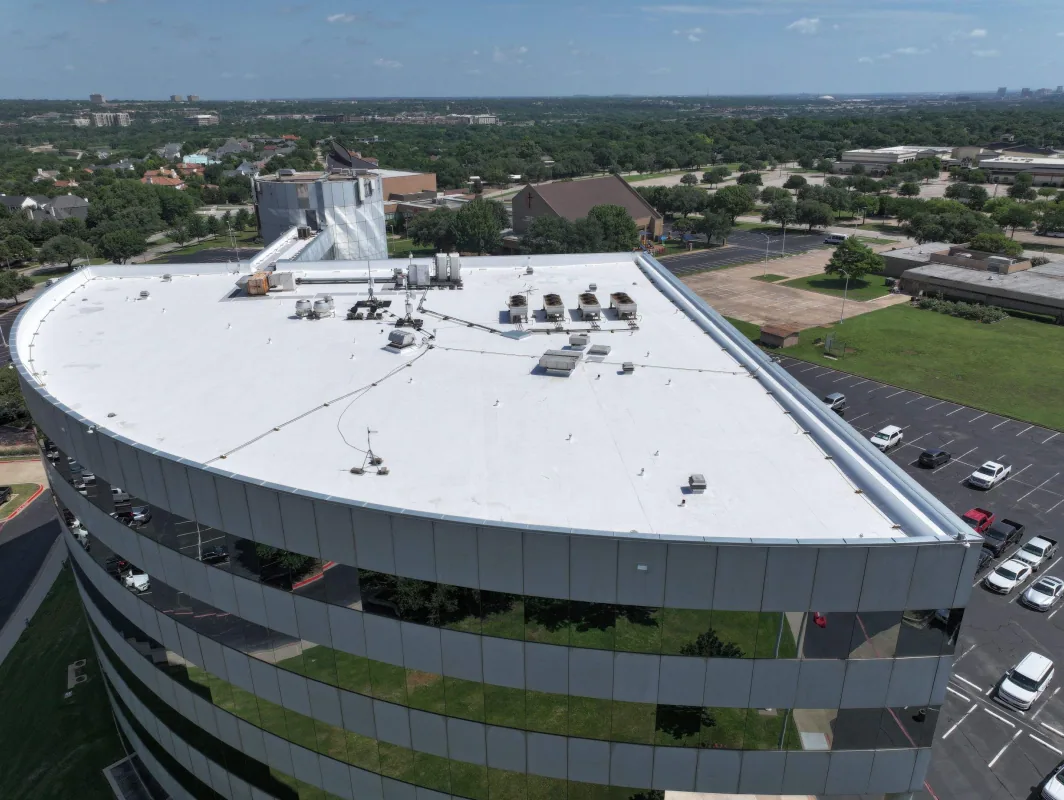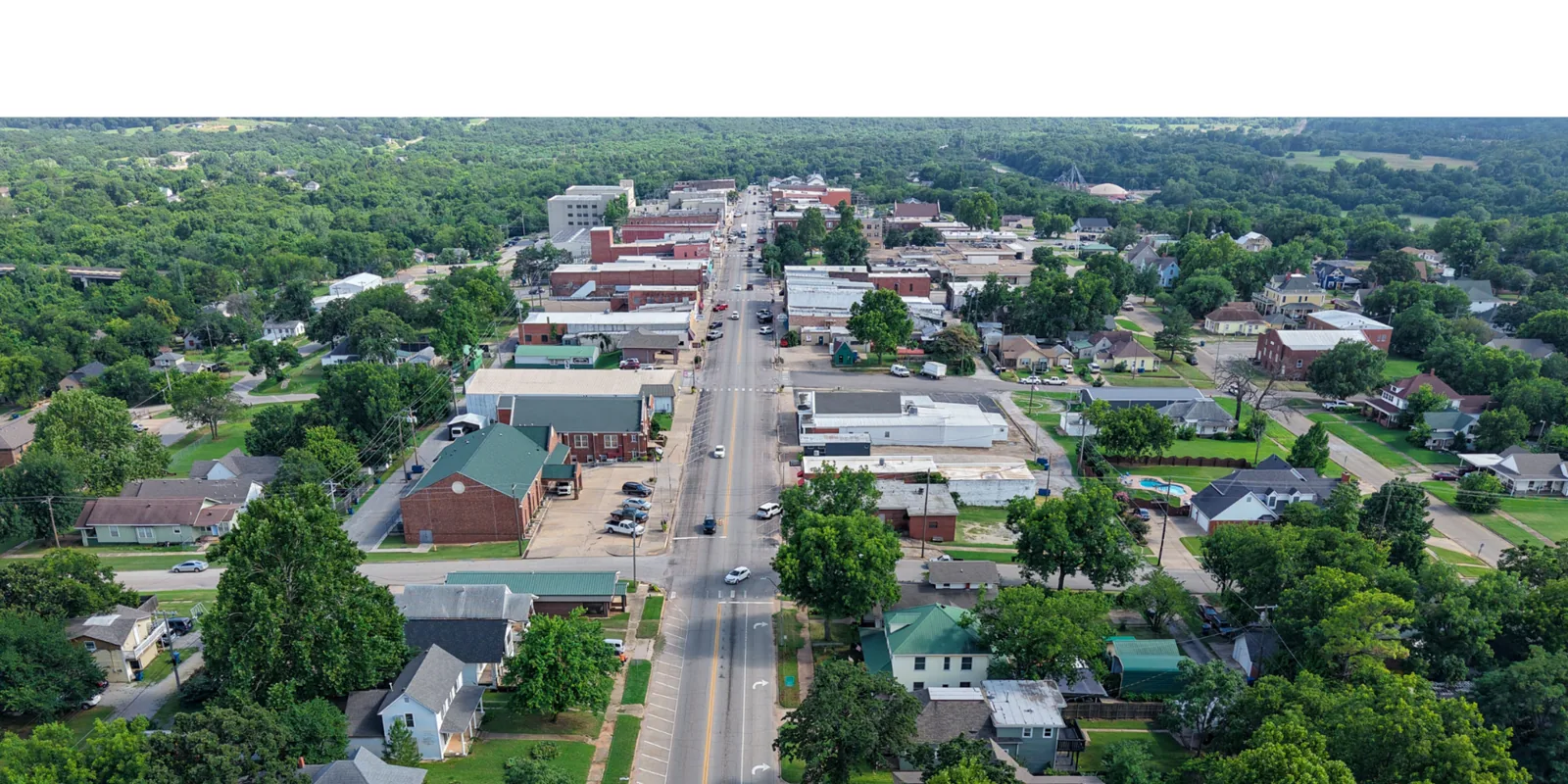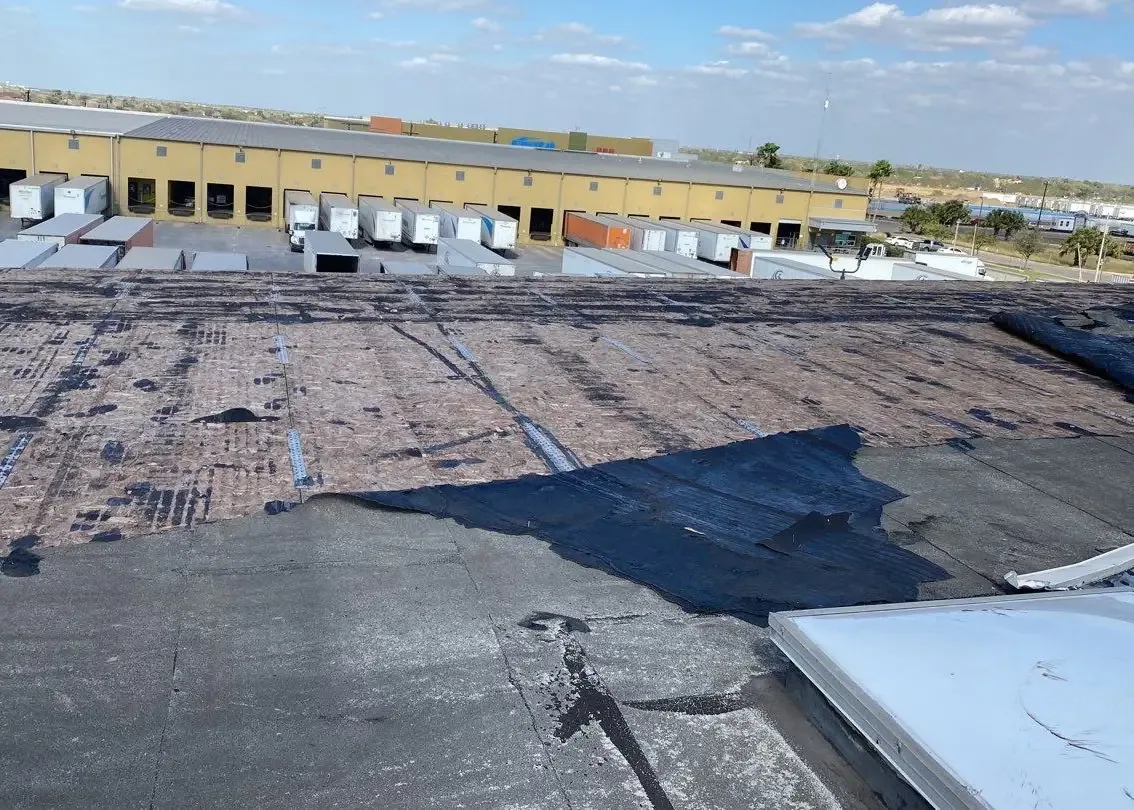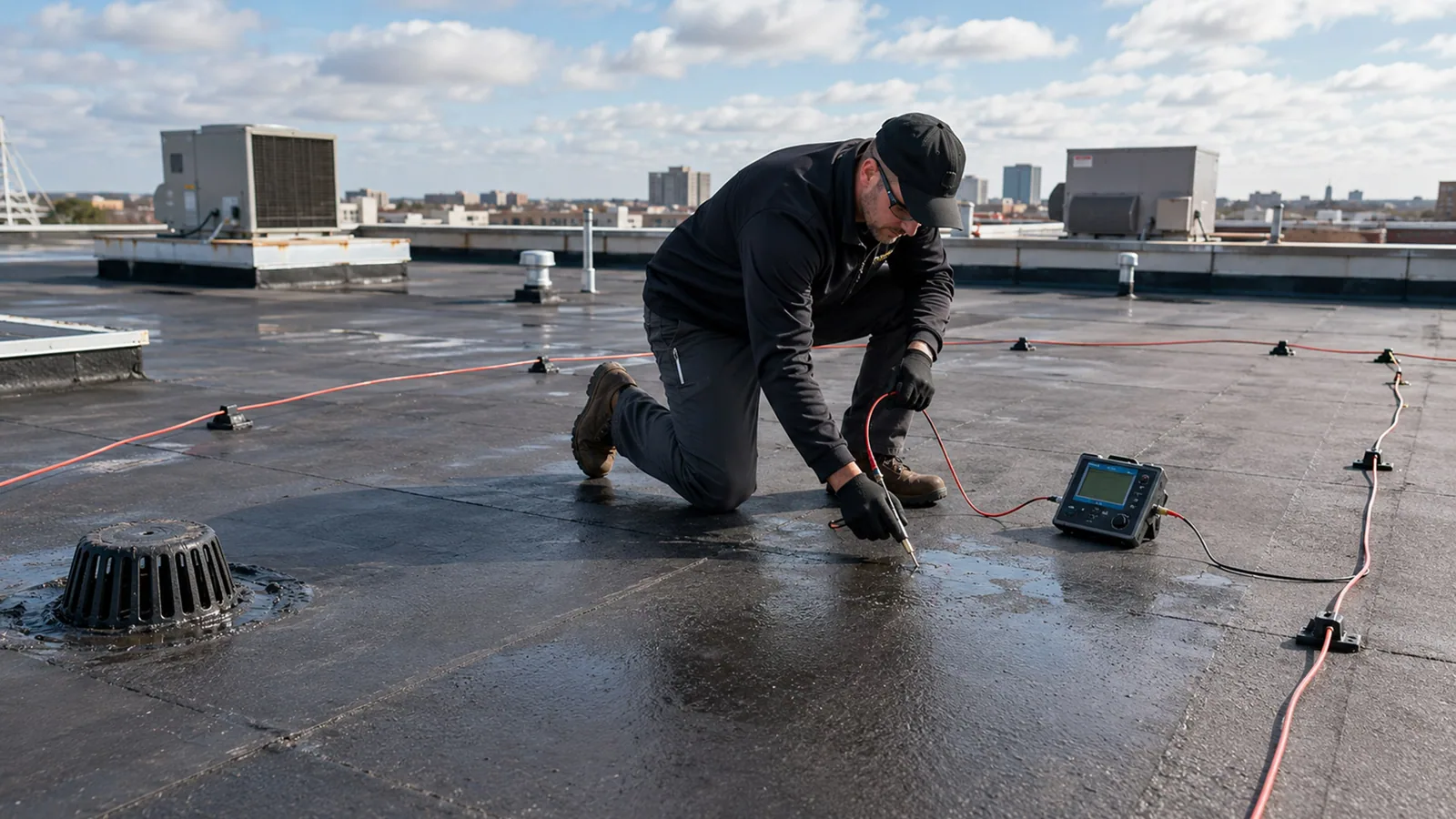

A school needs its rooms dry before students return. Moore sits in northern Cleveland County, immediately south of Oklahoma City. Public schools, commercial properties and nearby industrial employment create different roof schedules. We inspect each assembly, mark active areas and set a closeout plan before opening the surface. The commercial roof inspection checks edges, penetrations, seams and drainage. It ties photos to the building and identifies any test required before a larger scope. City context helps plan travel and operations; the roof condition still comes from the property itself.
School and office roofs often sit above rooms that remain occupied. We confirm bell schedules, visitor entrances, delivery times and mechanical access with the site contact. The crew uses a separate roof entry and staging point when possible. Materials stay clear of student and staff paths. Before tear-off, the owner identifies rooms that need interior protection. Each day ends with the opening sealed and the work zone clean. A phased scope can keep one section available while another is inspected.
Moore has a public-school system, while the surrounding region includes business and industrial employment centers. Those contexts do not establish the use of a particular roof. We verify access at every address. An occupied-building reroof sequence names hours, protected areas and the daily release. Owners coordinating projects beyond Moore can schedule a separate Norman roof assessment; its findings stay with that property. A calendar can group visits without merging the assemblies or decisions. An East Edmond roof assessment remains a separate property review.
A roof edge may fail while the membrane field remains serviceable. We inspect coping joints, cleats, fasteners and the backing beneath the metal. A sealant bead cannot hold a loose connection. The repair must reach sound material and use attachment suited to the edge assembly. Photos capture the connection before removal. After installation, the owner sees the finished lap and secure edge. For a metal roof, we also check whether the panel can move at clips and end laps without binding.
At a membrane roof, the return should sit flat against a clean curb face. We look for open corners, stretched sheet and loose termination. The edge-metal and coping repair scope describes which section is removed and how backing is restored. We inspect adjacent transitions before closing the area. If damage continues under the coping, we stop at the approved boundary and request direction. The written estimate separates known work from any concealed condition that could change material or labor.
Oklahoma’s warm season can bring hail, tornadic storms and damaging gusts. Late-year storms are possible as well, and extended heat affects worker exposure. We inspect the Moore roof itself for impact, displaced edge metal and open details before defining the repair. We use current forecasts to select an opening window and protect the roof before leaving. Adhesives and welds need suitable conditions. The daily plan specifies what can be opened, secured and completed before the shift closes.
After a reported event, we inspect actual metal, membrane, flashings and interiors. We document punctures, displaced edge metal and water entry where observed. We do not assume a uniform result across several buildings. A storm-damage inspection records each finding and separates temporary dry-in from permanent repair. If a leak is active, the first goal is to protect rooms and equipment. A permanent scope follows after the assembly and repair limits are verified.
Drainage inspection starts at the strainer and continues through the bowl, flashing and overflow. We check whether debris blocks the path or whether the outlet detail itself has loosened. A cleaning visit can restore flow when the assembly is intact. A split membrane, failed clamp or persistent low area may need construction and added measurement. The proposal states which condition was observed and which repair is proposed. It avoids pricing a broad slope correction when a simple blockage explains the symptom.
School and retail roofs can have different debris patterns around rooftop equipment. We identify likely accumulation areas and note safe access. After correcting a drain, we verify the immediate path and photograph the repaired detail. The drain and scupper scope retains the overflow route. If further measurements are needed, we list them before bidding tapered insulation. A seasonal inspection can check the outlet again without assuming that all roof areas need the same service.
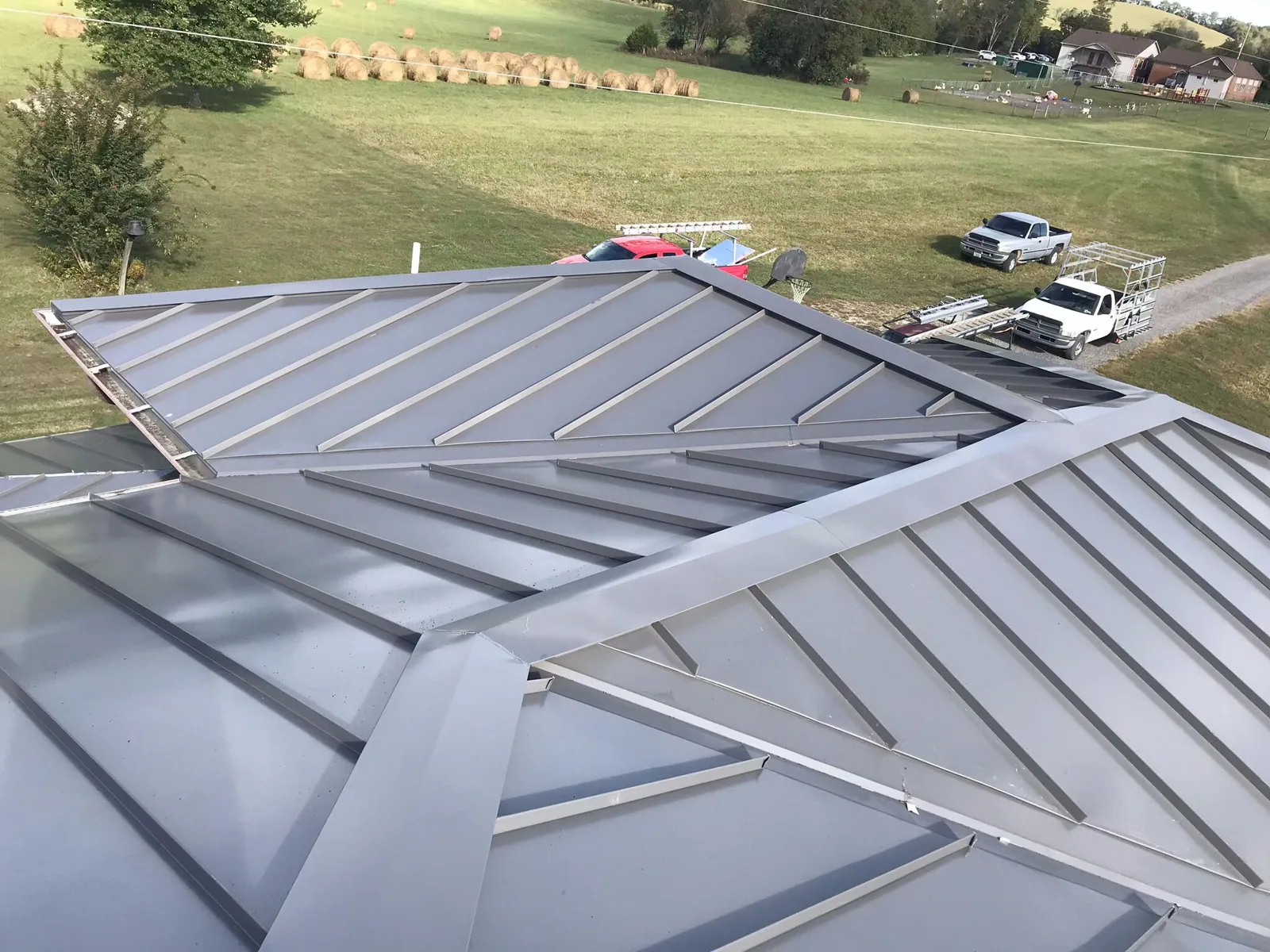
Material choice follows the roof that is installed. We identify membrane, seam direction, attachment, insulation and the surface that receives a patch. Thermoplastic sheet needs a clean weld and compatible repair material. EPDM requires its own primer and flashing. Metal panels need profile-matched closures and fasteners. A coating can renew a compatible, sound surface but cannot correct a loose deck or failed edge. The scope records the selected product and the work area before procurement.
If removal reveals wet insulation or weak decking, we pause at the agreed limit. The crew photographs what is exposed and seeks owner approval before widening the opening. That step prevents an unpriced condition from silently changing the project. A TPO repair is prepared differently from a modified-bitumen repair. For a broader failure, a replacement proposal breaks out tear-off, insulation, edge and drainage work for phased approval.
The closeout review checks completed seams, curbs, edge metal, drains and access points. Photos show concealed layers before covering and the final connection after installation. The owner receives a record of material, location and repair limit. A roof condition report can support maintenance planning and future capital review. If the roof serves multiple buildings, each address keeps a separate history. That file helps the next inspection compare actual conditions instead of relying on a broad site description.
Owners can choose maintenance, repair or replacement as distinct decisions. We note the areas that remain serviceable, the details that need attention and any test required before scope expansion. A follow-up visit can examine drains or exposed edges on a planned interval. Ask us to inspect the Moore building’s occupied spaces, perimeter and drainage path; that review helps settle the work boundary and safe opening window. The manager can then coordinate tenants or school operations with a written sequence.
Arrange a close examination of the Moore roof’s occupied areas, perimeter and drainage path. The visit helps define a safe opening window and repair boundary.
Often, if access, occupied rooms and the daily closeout are planned first. We confirm restrictions with the property contact and keep each opened area protected.
No. Nearby land uses do not identify a building assembly. We inspect the roof, seams, attachment, insulation and edges at the property.
We record observed punctures, displaced metal, seam conditions and interior reports. Temporary protection and permanent repairs appear as separate decisions.
We inspect the strainer, bowl, flashing and overflow. If the blockage is debris, cleaning may restore flow; a damaged connection needs a compatible repair.
We pause at the approved boundary, photograph the condition and request direction. Additional removal proceeds after the owner approves its extent. The crew waits for approval before changing quantity, material, schedule or price.
Yes. The scope can identify separate areas, access controls and release points so the owner can coordinate budget and operations.