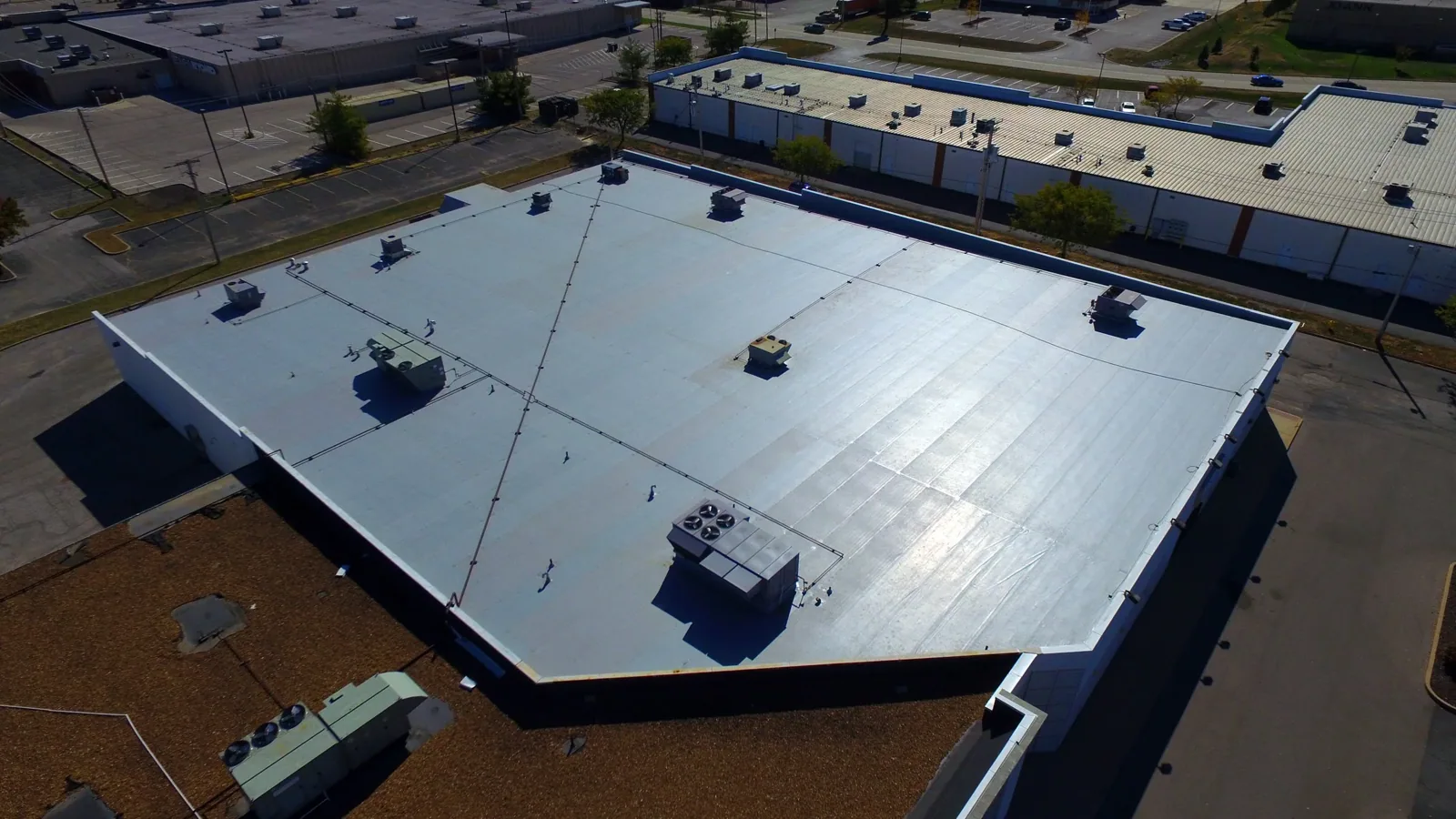
An acquired office roof can have too little curb height for a proposed insulation change. The new covering needs a suitable return above its finished field. We examine that dimension before treating renewal as a sheet-only choice. Commercial Roofing Edmond handles commercial roofing for owners and investors in Edmond, OK. The roof's supporting layers and equipment interfaces influence the available construction. Occupied use influences how that work can proceed. We identify roof construction and occupied-use conditions before acquisition or capital decisions. A useful roof proposal connects its scope to the property assembly.
Broadway Corridor's southern gateway contains commercial and office uses. Downtown Edmond has walkable streets, local businesses and outdoor dining. Owners plan roof work around their building condition and ground routes. We inspect the actual roof and handling arrangement at the property. The owner receives findings connected to the construction the asset requires.
A clean surface may conceal weak support or wet insulation beneath it. We examine accessible details and select appropriate direct checks. Acquisition roof examination identifies observations and remaining construction questions. The owner should know where concealed condition can alter the scope. Local soft areas need examination against nearby apparently sound field. Equipment returns and drains deserve the same close attention. Their repair requirements may differ from broad covering renewal. The findings should identify usable retained construction and work necessary before a new assembly can proceed.
An occupied lease area can restrict access to the room below a check. The owner and facility contact establish suitable arrangements before examination. Property management roofing coordinates room information with the actual component being assessed. We locate the interior observation and relevant upper details. Direct openings require a suitable closure when checks finish. A photograph should connect to an examined roof location. The owner receives the next useful action for unresolved areas. The acquisition decision then considers the roof construction alongside its operating constraints.
A localized defect may be repairable where the adjoining layers remain serviceable. We inspect contact material, attachment and supporting condition before proposing that boundary. Investment property roof repair should complete the failed connection over usable backing. Broad deterioration can make isolated reconstruction impractical. The owner receives the physical reason for a larger option. Replacement includes necessary removal and supporting repairs. A recover method needs retained construction suited to its proposed attachment. The options should be compared as complete assemblies rather than differently named surface finishes.
Restoration can be useful when the actual roof and product requirements permit it. Local seam, outlet or accessory defects still need suitable treatment first. The proposed surface cannot resolve every concealed moisture or support problem. We identify the preparation and local reconstruction within the restoration scope. Coordinated roofing construction connects those tasks with other work affecting the roof. A wall or equipment alteration may need completion before the finish. The owner should see those dependencies alongside the covering choice. Each option needs a construction boundary that can close properly.
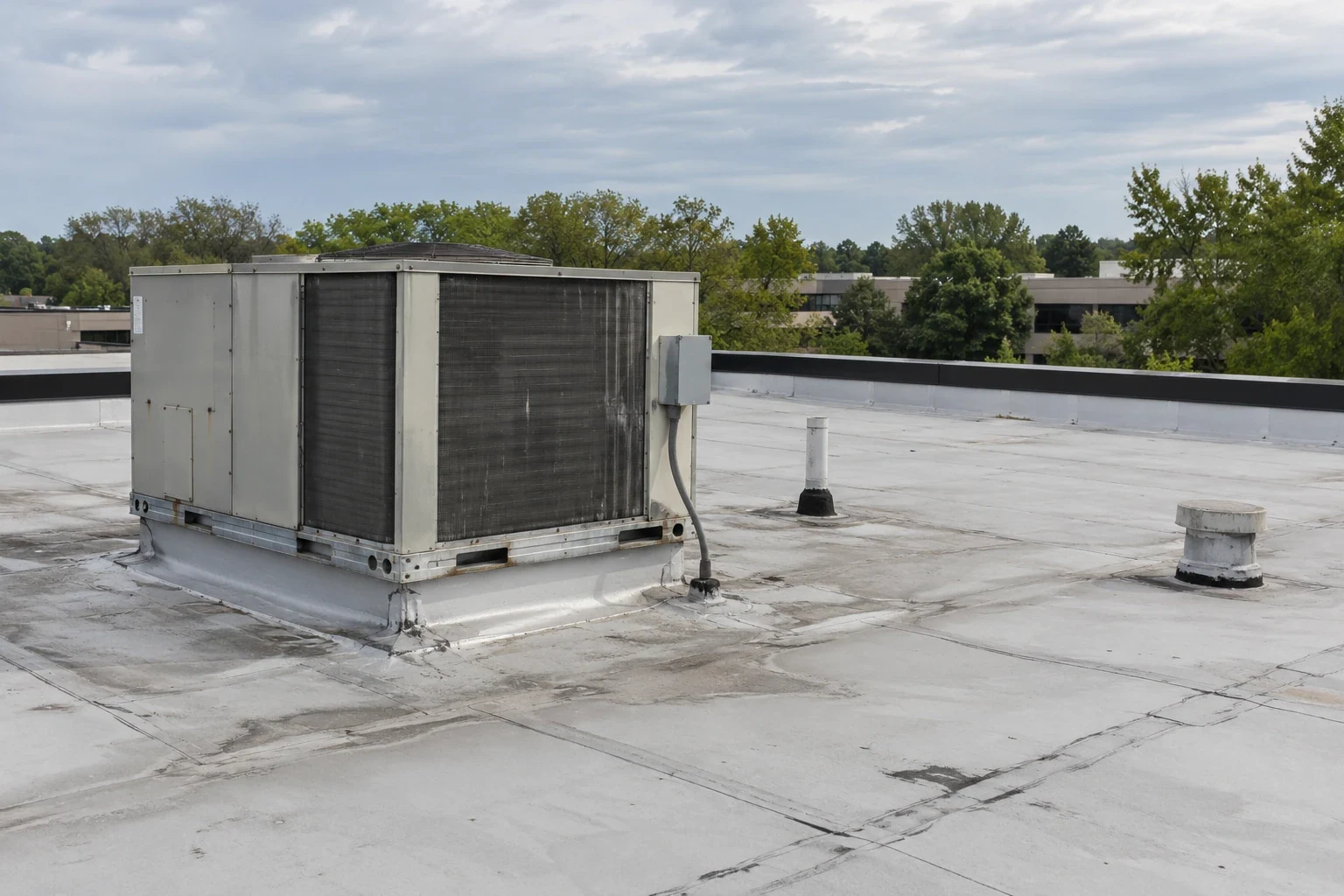
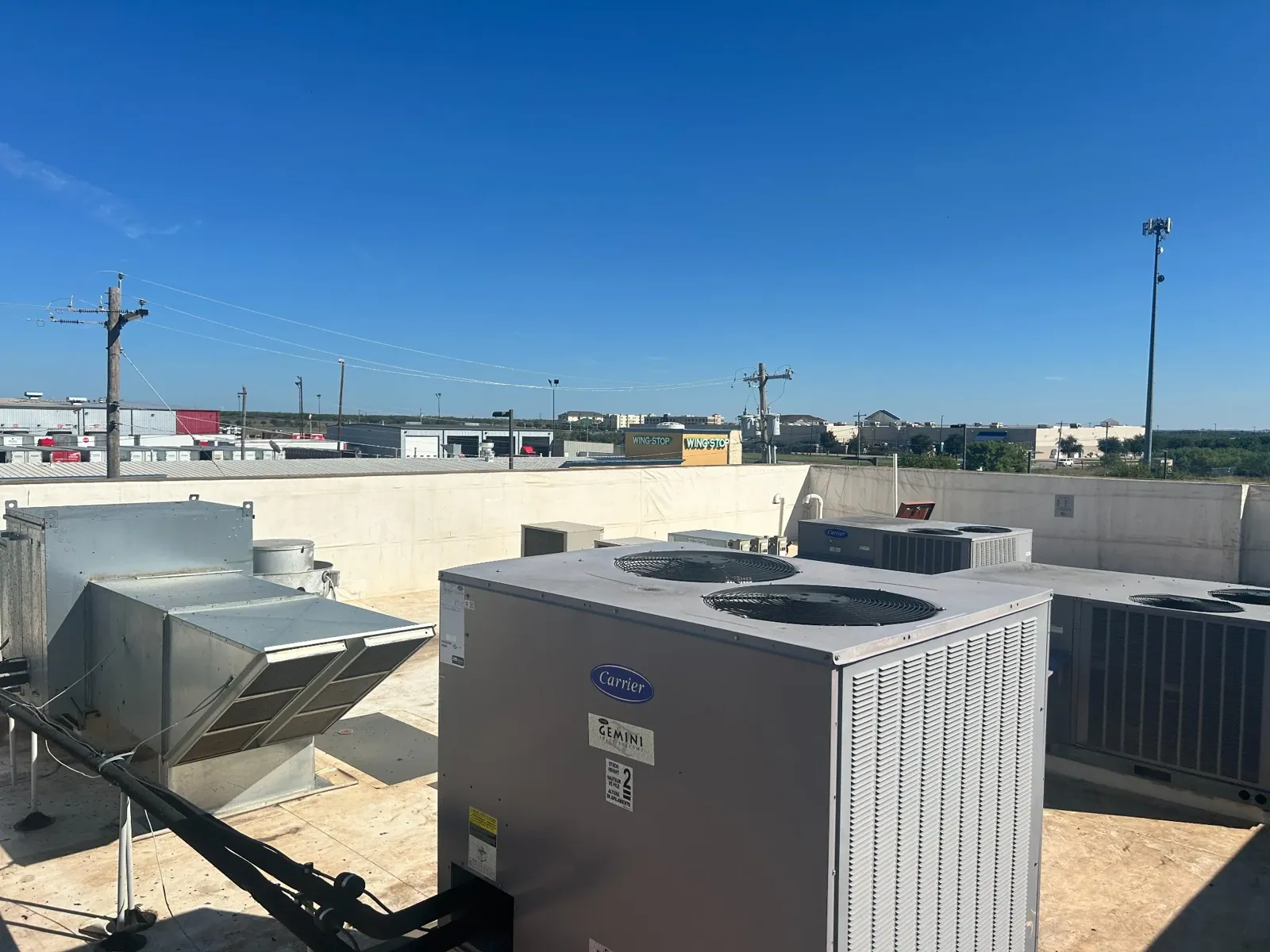
A thicker roof can reduce useful flashing space at existing equipment. We review the proposed field against curbs and wall returns. A lift or curb alteration may require the relevant mechanical trade. Equipment support reconstruction should identify the roof-side work needed after that action. The operating interruption also needs facility coordination. New supports require suitable structural and attachment review. Those tasks influence the project's practical scope. The owner receives the assembly and interface requirements before materials are selected. Excluding them can leave a new field beside unfinished equipment construction.
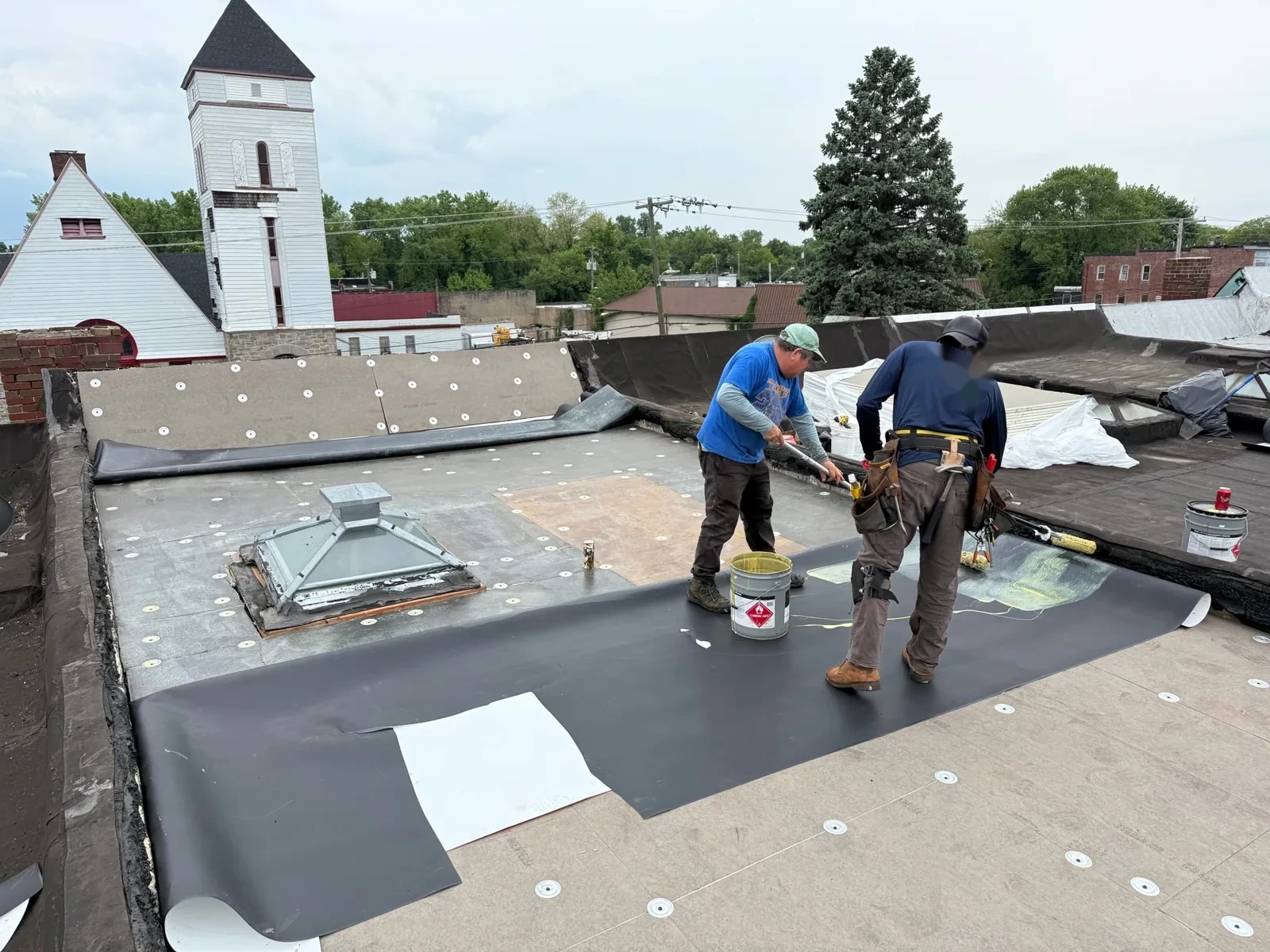
Outlet elevation needs the same review before insulation dimensions are finalized. A clear drain can remain obstructed by an unsuitable surface approach. The proposed roof should preserve functioning runoff and cleaning access. Piping or capacity changes may require another trade or professional response. TPO renewal includes compatible accessories and properly prepared welded connections. Another system brings its own suitable details. We connect the material proposal to those complete requirements. The owner can then assess the scope against the actual roof rather than an isolated sheet specification.
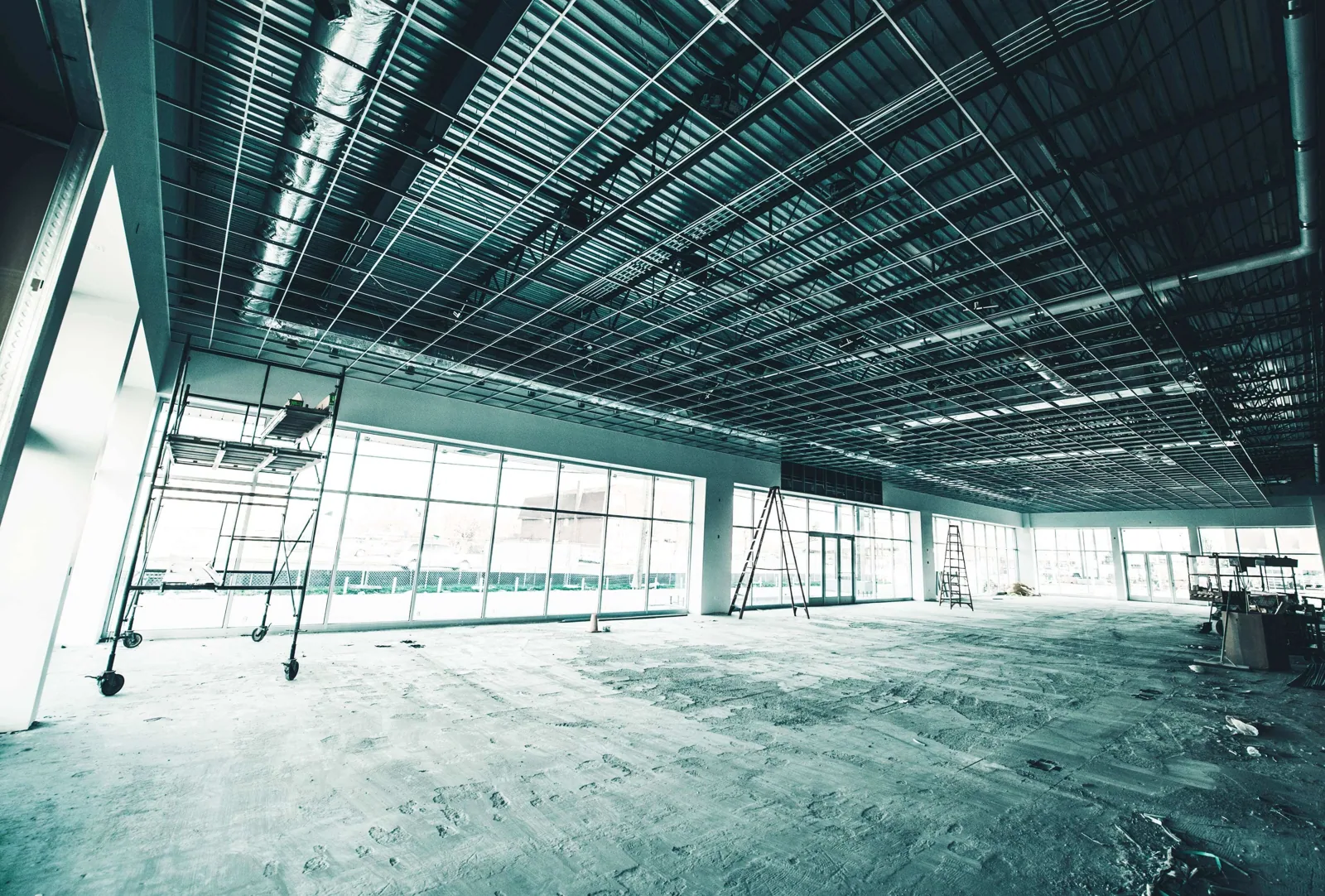
Before a capital project opens the roof above leased rooms, we establish suitable protection. The facility identifies occupied areas and suitable restrictions. We identify debris and water protection for the furnishings beneath removal. Deliveries and disposal also need controlled ground routes. The usable roof stage should match the interior area that can be protected. A tenant's access needs can affect that boundary. Rooftop material placement requires appropriate load and product-protection review. The owner receives those operating dependencies together with the physical work. The construction sequence should permit suitable secure closure.
Oklahoma's summer heat affects suitable application temperatures on exposed roof surfaces. Heavy rain from summer thunderstorms can interrupt an opening before finish placement. We choose conditions appropriate to the specified material. Roof capital planning accounts for installation requirements and occupied-room availability. Necessary permits, design and inspection duties are confirmed for the actual project. Concealed deterioration may change the work after removal begins. We identify that finding while the assembly remains exposed. The owner receives the changed scope before another construction stage proceeds. Renewal should follow conditions that allow its physical details to finish.
We examine the office or commercial property's entry arrangement before Broadway Corridor investment-roof work. Downtown Edmond public movement can affect another building's delivery zone. We coordinate handling against the usable protected space. Completion includes checks suited to the installed seams and terminations. Supporting and equipment tasks should be finished before their interfaces close. The owner receives locations for completed roofing and unresolved trade work. Accessible debris should leave the field and collection areas. The assembly should remain inspectable after tenants return to normal use.
Later equipment additions can introduce another supporting or flashing requirement. We examine that interface before new services cut the roof. Maintenance should preserve clear outlets and reachable accessory faces. Repeated water observations should identify their room and relevant timing. The next examination can then consider recent equipment activity and roof condition. A larger renewal decision needs current findings rather than only a past completion date. The asset's roof remains useful through maintained physical connections. The owner receives construction information that can support another repair or capital choice when the assembly changes.
Identify the building, retained equipment and investment decision under consideration. We will examine the roof interfaces and define suitable construction options.
The retained layers and supporting construction determine that option. We inspect accessible condition and select useful concealed checks. Attachment, moisture and available flashing dimensions need appropriate review. The owner receives findings that can change the proposed assembly. A new surface must connect over material suited to the complete roof method.
Changed field height can reduce usable curb-return dimensions. We examine the retained equipment against the proposed assembly. Another trade may need to lift or alter the unit. The facility coordinates its operating effect. Roofing completes its appropriate connection within that sequence rather than leaving the interface unfinished.
We locate deterioration and examine whether useful retained construction surrounds it. Local reconstruction can serve a suitable limited defect. Broad attachment or layer problems may favor another treatment boundary. The owner receives the physical findings behind each option. Its construction and occupied-area requirements form part of the comparison.
Completed work locations and remaining responsibilities should stay identifiable. We describe the installed detail and unresolved other-trade work where applicable. Later equipment changes need compatible supporting and roof closure methods. Maintenance revisits the assembly as condition changes. Current construction findings support the next property decision more usefully than a completion date alone.