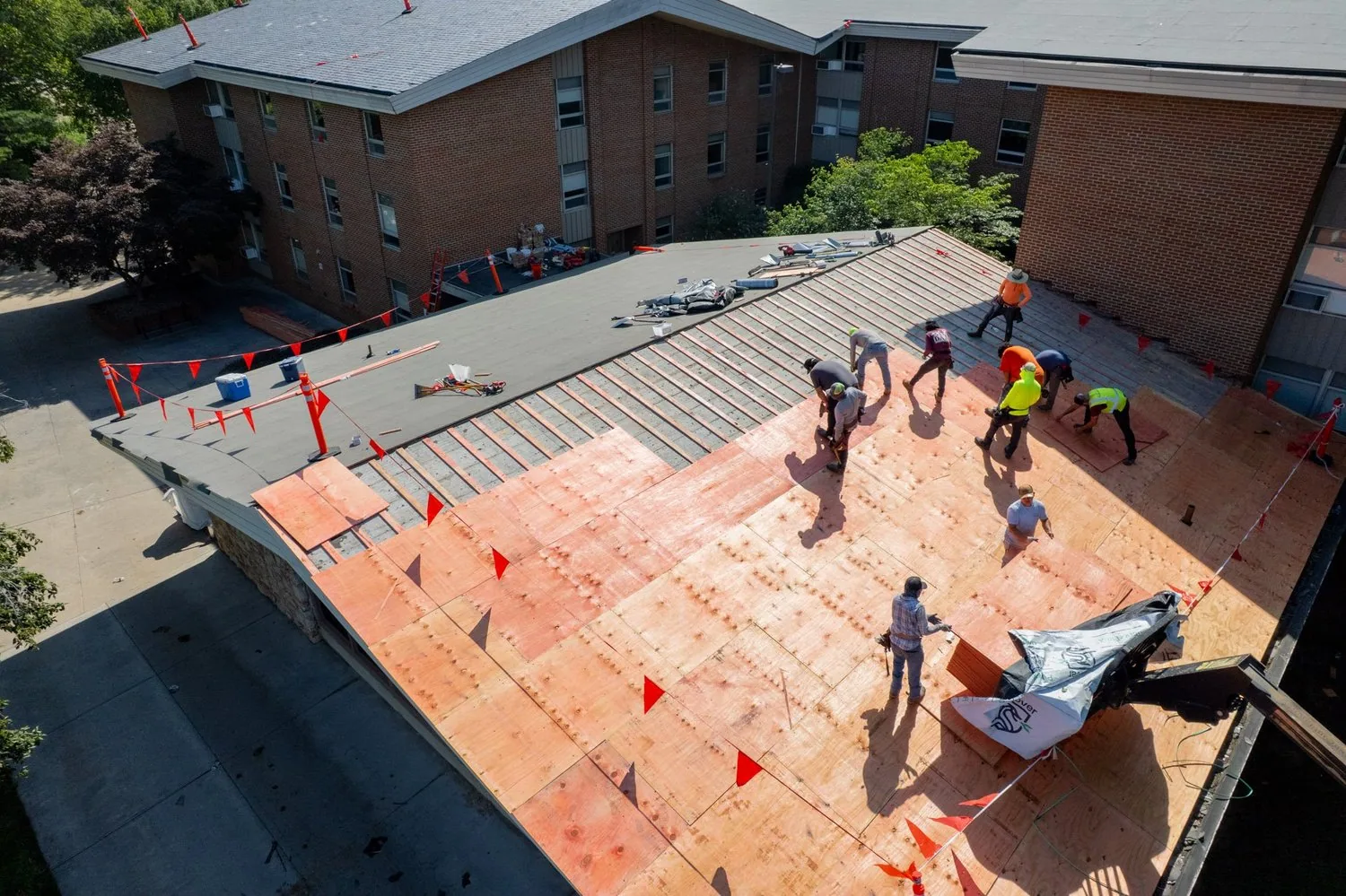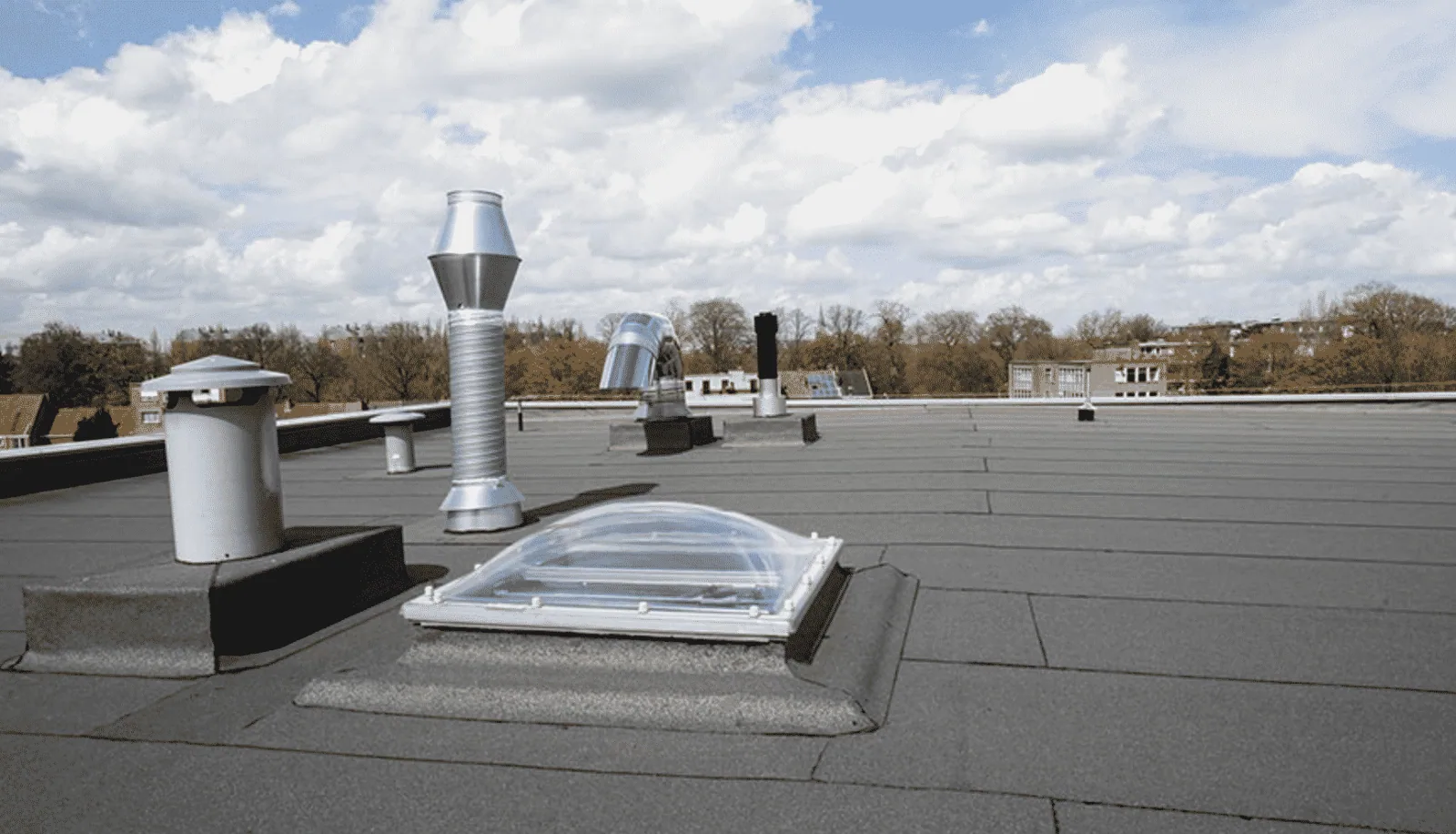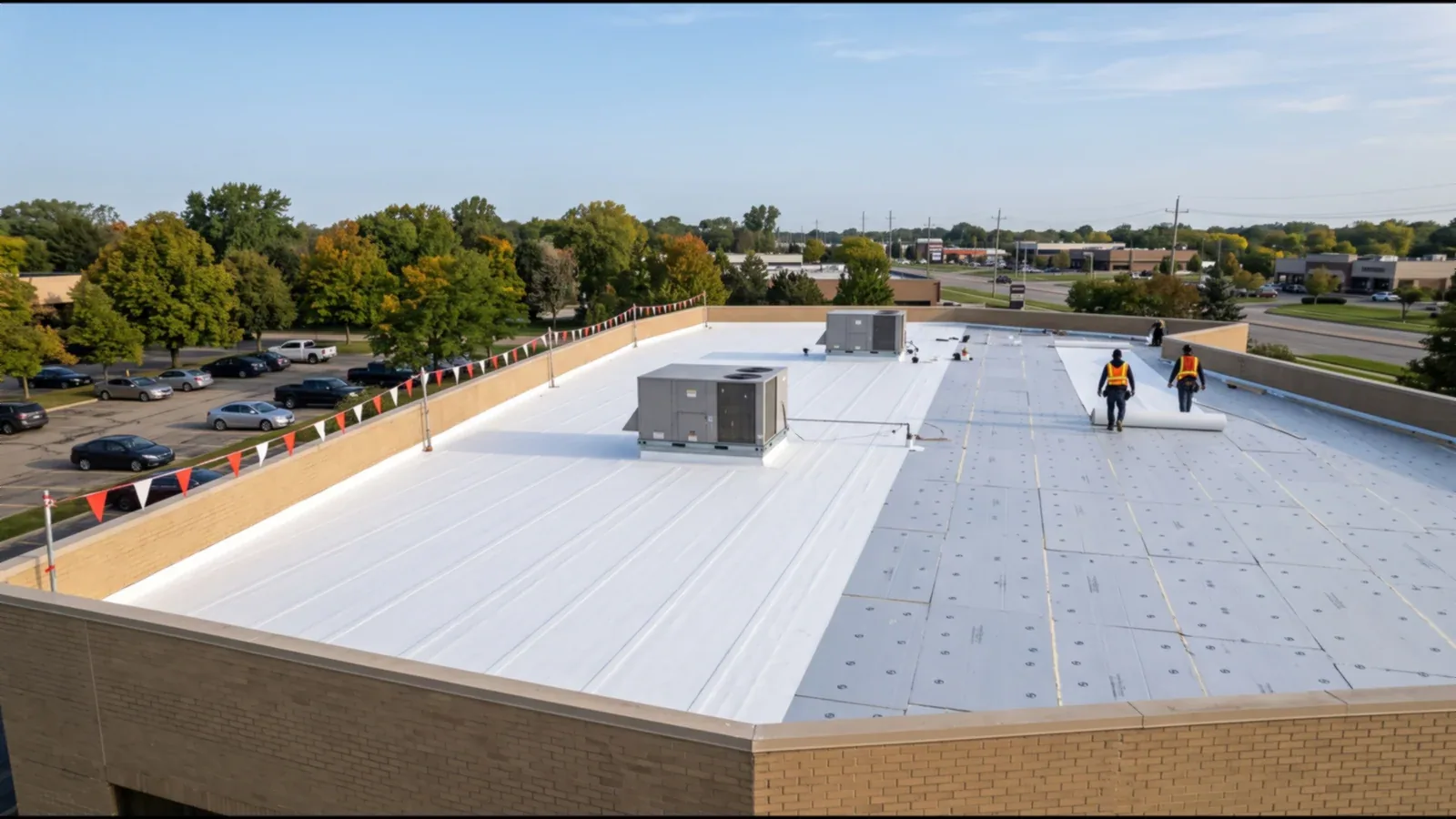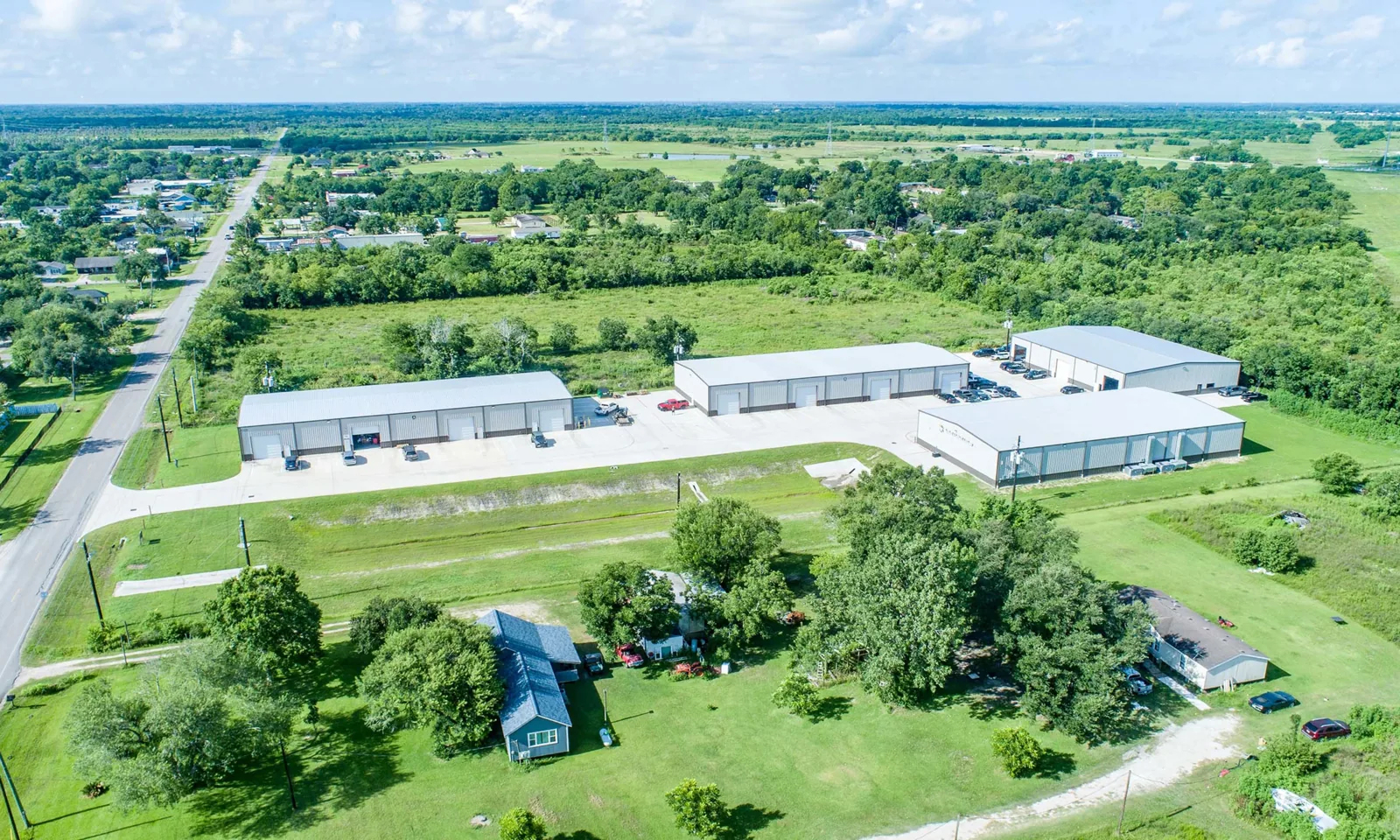
A roofing capability should leave an owner with a usable decision record, not a list of services. We inspect the assembly, locate conditions and mark what still needs testing. Edmond owners may coordinate roof work with property investment, access and site operations. Our work begins with the building and the records that can be verified. We name the next approval and the party responsible for releasing access. That access should be confirmed before mobilization begins.
Roof asset management keeps photos, assembly notes and open items attached to each building. A condition report records access limits and measured findings. We distinguish an observed defect from a recommendation that needs another test. That gives the facilities contact a consistent file without suggesting that different roofs share one condition.
Capital planning can compare a repair with phased replacement after moisture, attachment and access are checked. The owner sees which assumption drives cost and what could change it. A commercial inspection identifies the field condition; a replacement scope then defines phasing and site protection.
A capital request can identify the area to fund now and the condition that would trigger another phase. We list exclusions, quantities and access assumptions with the price. If a test changes the scope, the owner can see why the estimate moved before work expands.
Warranty management starts with the current documents and the actual system. We note inspection intervals or repair restrictions only where the record supports them. We do not promise coverage. For an asset in Downtown Edmond, access and storefront operation may affect the timing of a roof visit.
A multi-site program can use common report fields while keeping each address separate. Due diligence records accessible areas, defects and unknowns before a transaction decision. Near Edmond's 2nd Street and Broadway corridors, owners still need building-level roof records when setting capital scope. At handoff, the owner should know which recommendation is ready to price, which test could change it and what access approval remains. This keeps the next budget decision connected to an observed roof condition.
For a group of buildings, the owner can set one approval path while each site's Diligence Notes remain distinct. This prevents a citywide planning milestone or a neighboring project from being treated as a roof inspection.
It can standardize records, but materials, access and condition remain specific to each property.
Measured condition, repairability, remaining tests, access and operating constraints. We show the basis before comparing phases.
No. We review supplied documents and identify restrictions that need confirmation with the issuing party.
It marks them as unchecked and names the access or test needed to resolve the uncertainty.