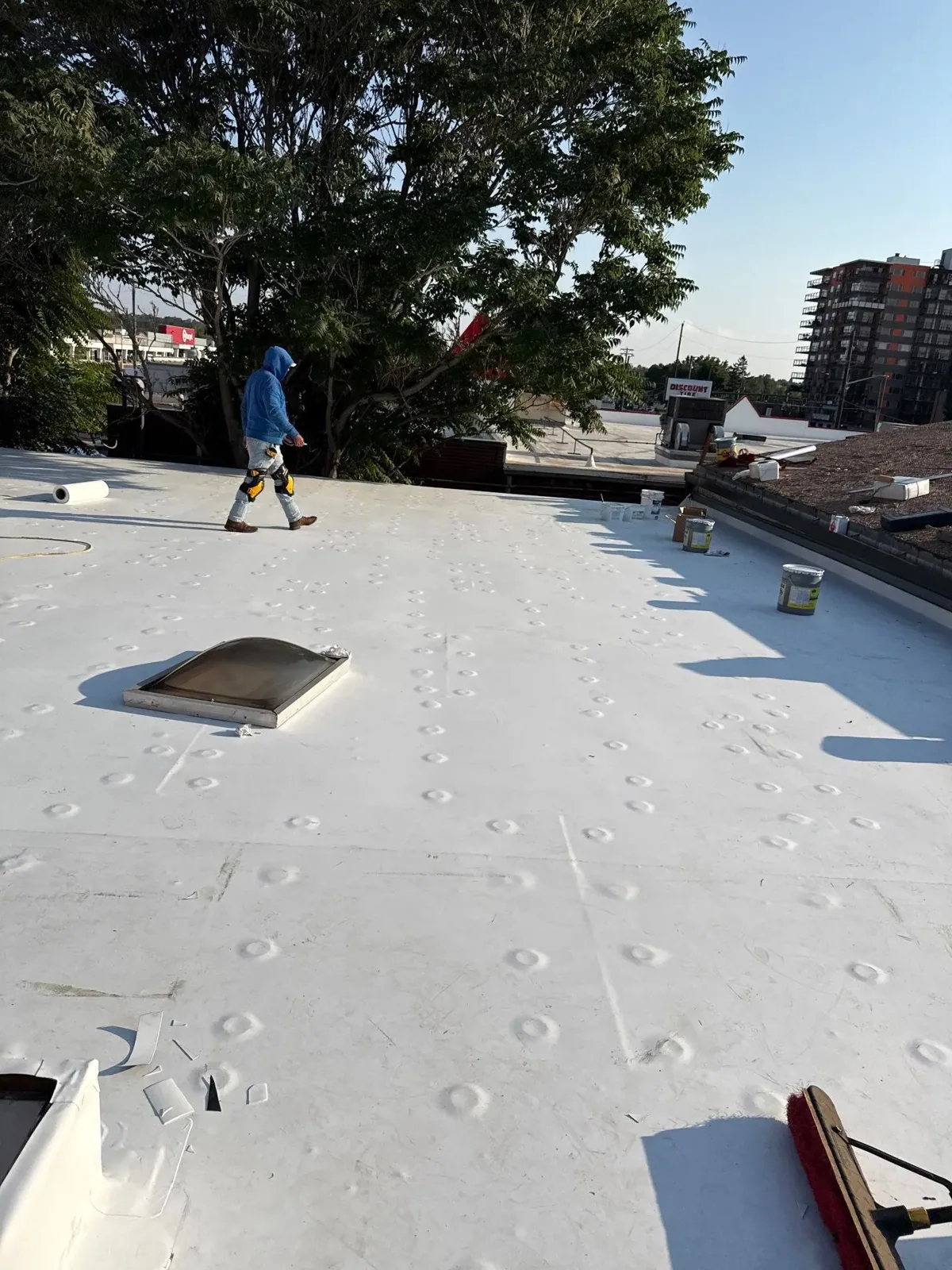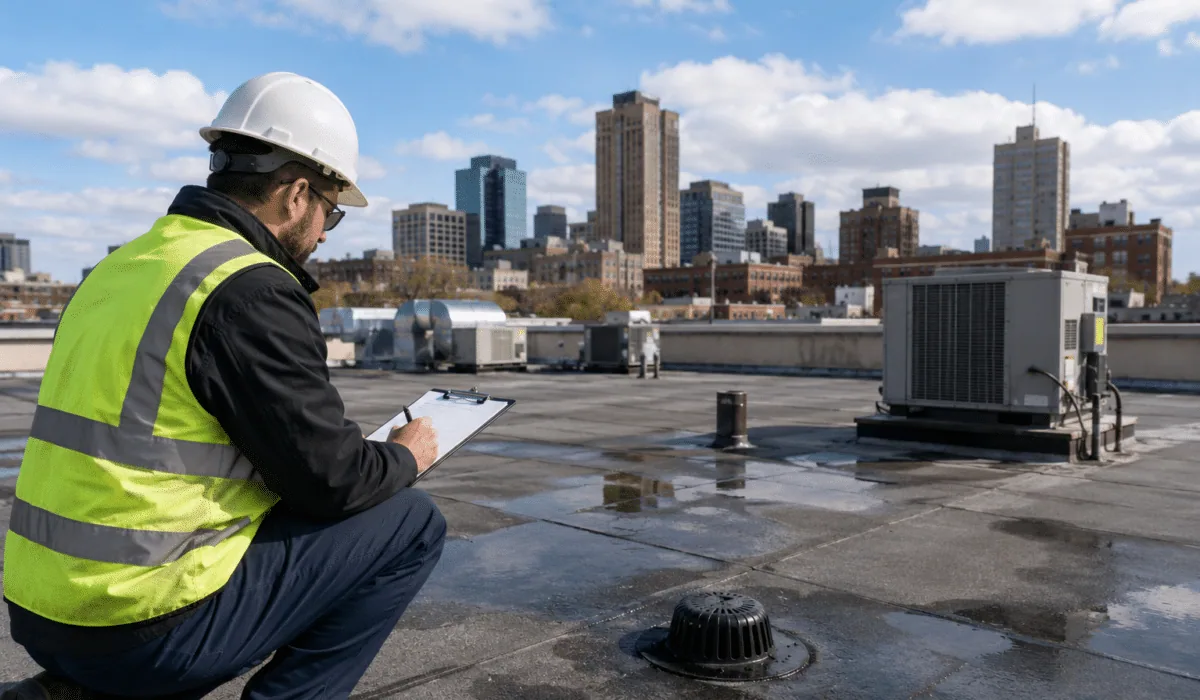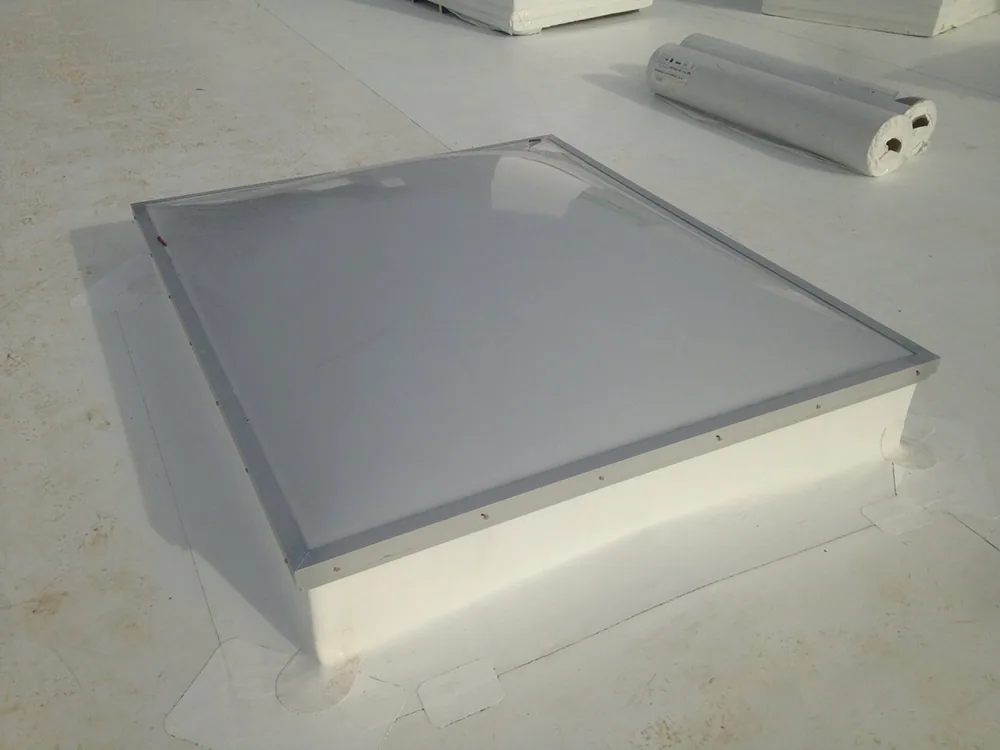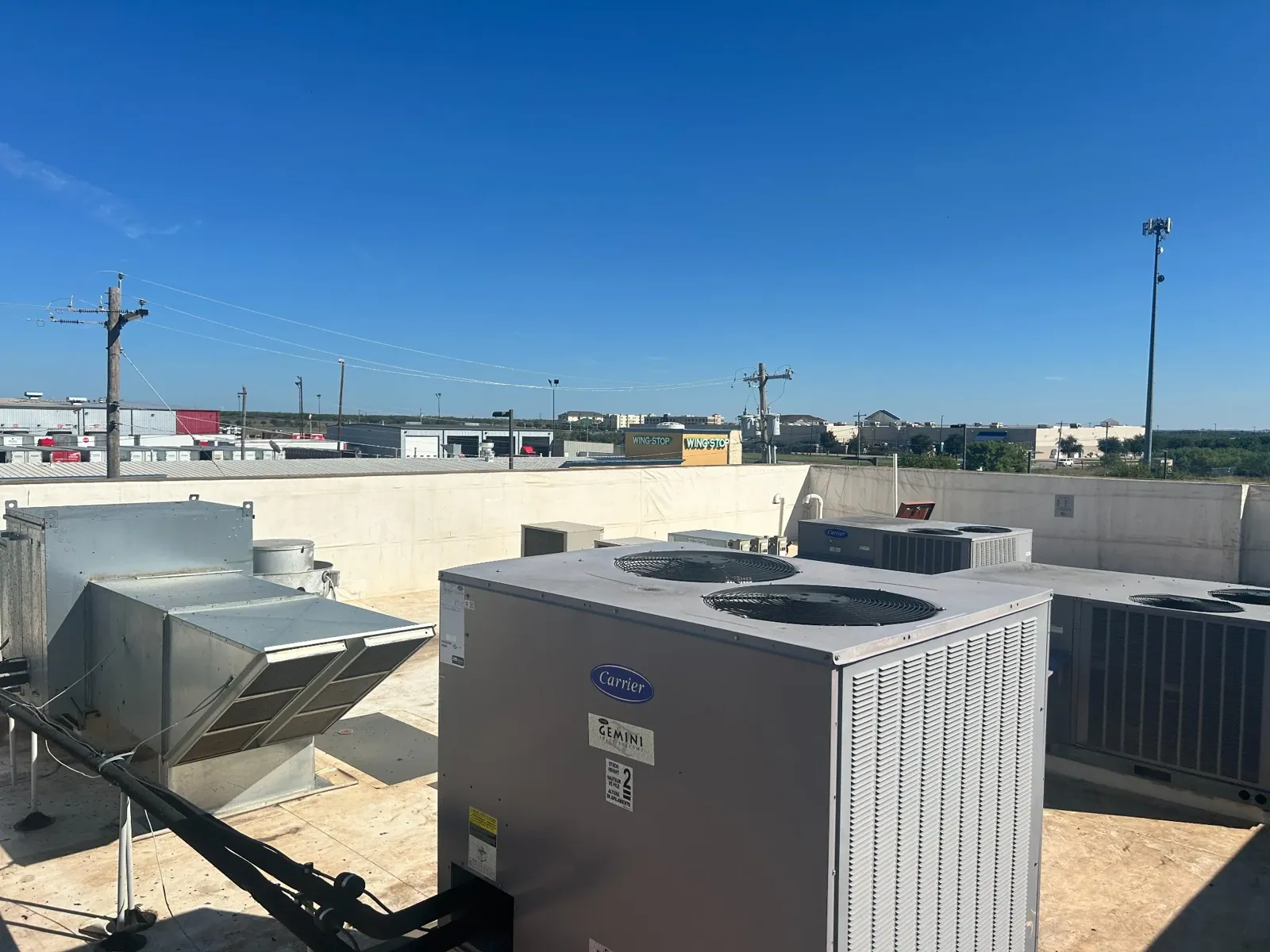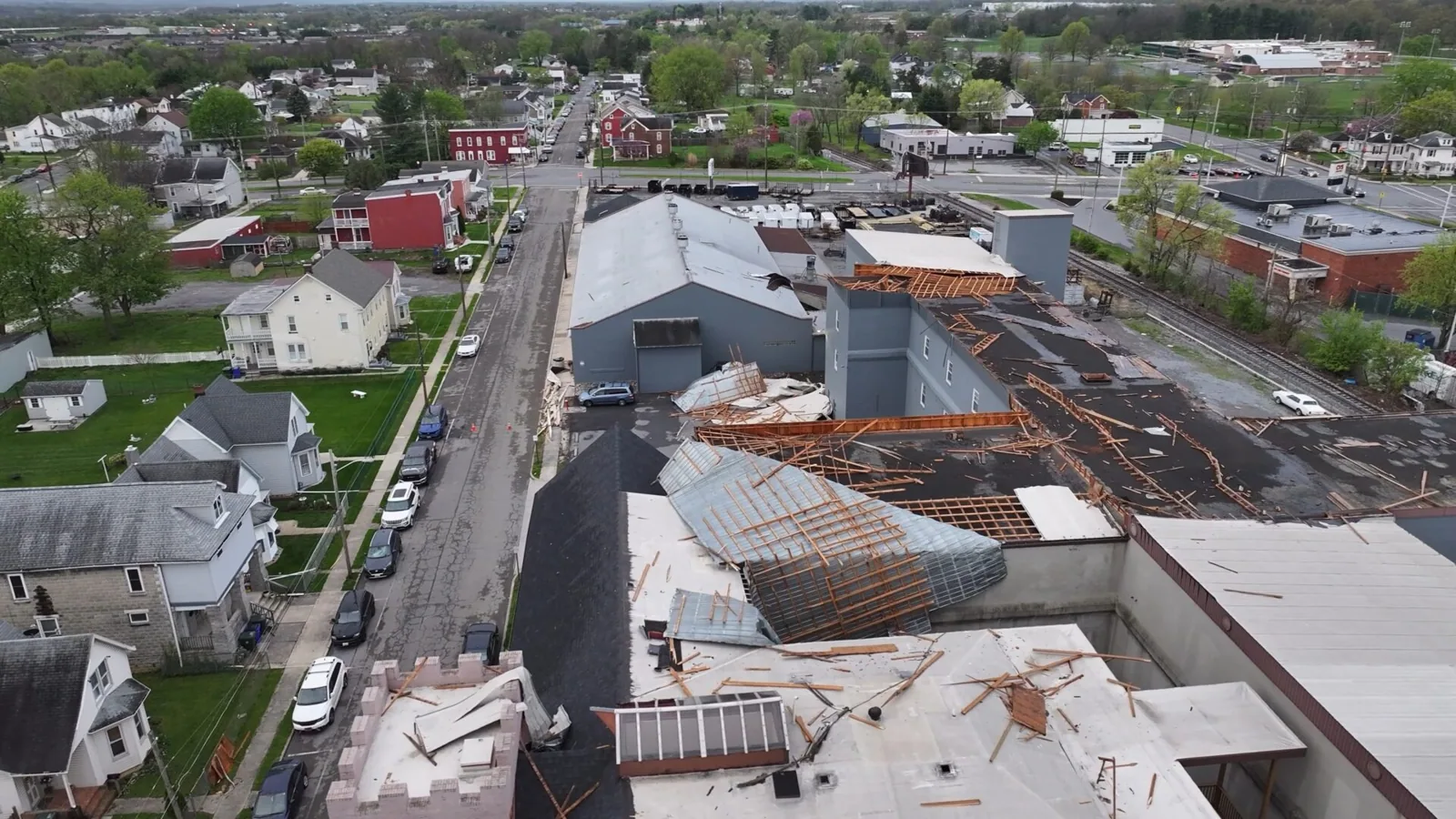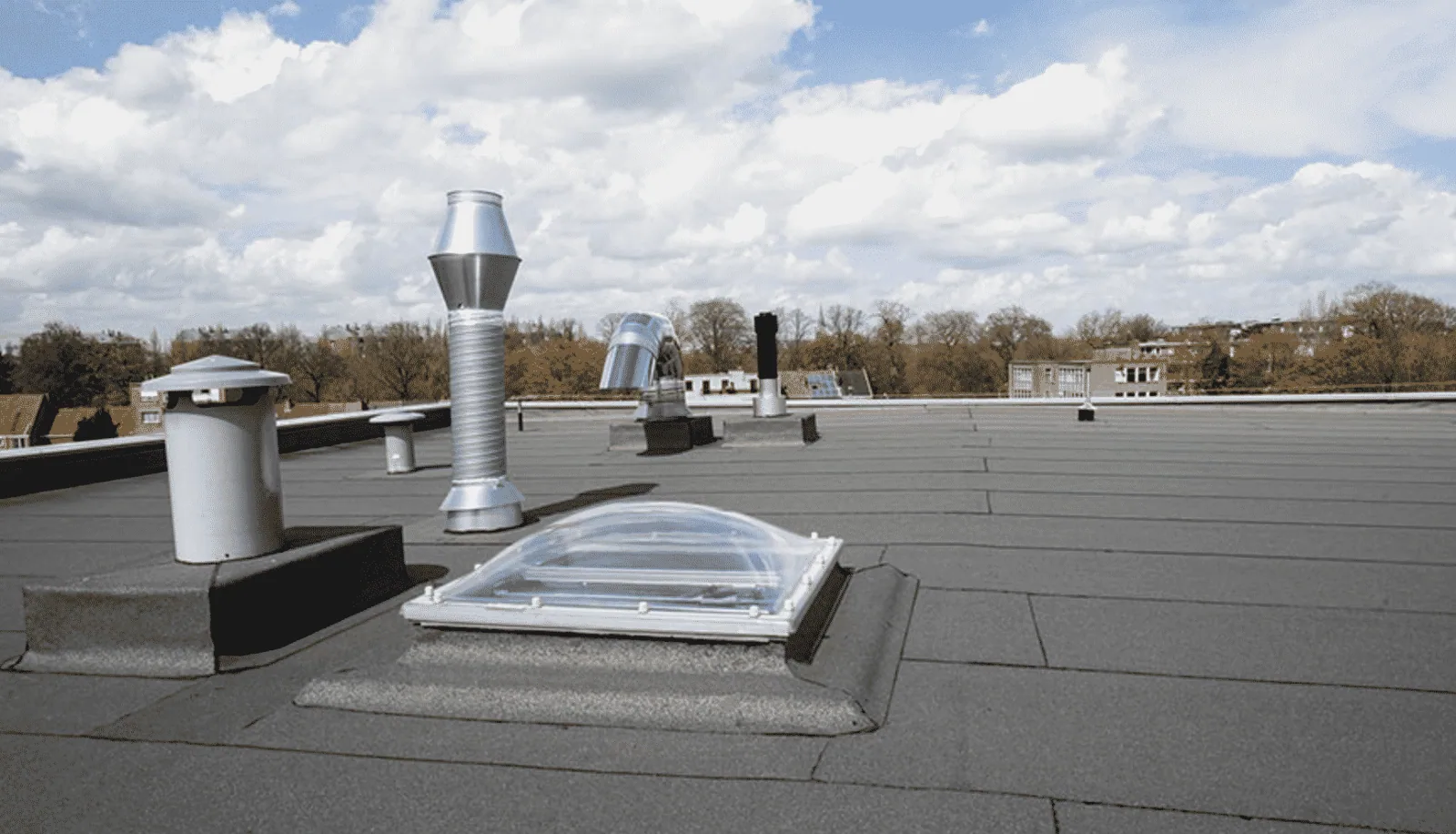

A retail equipment replacement can change a roof opening beneath an existing warranty. Its closure needs the right assembly detail and applicable review before work. Commercial Roofing Edmond supports commercial roof warranty management in Edmond, OK. We examine the installed connection and available warranty terms together. The facility director receives required notice, inspection and construction tasks where applicable. Material compatibility remains necessary whatever the claim status. Equipment specialists handle their respective support and operating requirements. The roof-side sequence should preserve a suitable physical finish while the responsible warranty party evaluates its own terms.
Downtown Edmond supports local businesses and outdoor dining. Yukon's Interstate 40 and Garth Brooks Boulevard area includes restaurants and retailers. Mustang also contains national retailers and dining businesses. These occupied uses can need equipment service without an extended roof shutdown. We inspect the proposed opening and actual room protection available beneath it. Public approaches can also affect roof material handling. Applicable warranty requirements should be addressed before planned alterations. The physical assembly and operating footprint remain part of that decision. A warranty reference alone does not provide the dimensions or compatible closure needed for the equipment change.
The available warranty may distinguish materials from a broader assembly obligation. We review its relevant provisions with the facility contact. Notice procedures, exclusions and inspection requirements can affect the proposed action. The issuing party evaluates eligibility under its own terms. We identify roof condition and useful construction separately. Located warranty-related roof findings connect accessible observations to the affected component. Photographs and relevant service history can support that description. Required notice should identify the actual concern rather than an unlocated leak reference. The director receives the physical next task and any applicable review needed before planned work.
A missing warranty document leaves its requirements unresolved until the appropriate party supplies it. We identify that practical step rather than infer coverage from a membrane brand. The installed product and assembly should still be established for repair. Available completion information can help direct examination of the connection. A proposed alteration may require manufacturer review under the actual terms. The facility contact arranges the relevant authorization with the responsible party. We describe the roof-side construction for that decision. The useful sequence retains both a compatible physical repair and the applicable notice or approval task.
A damaged return may need reconstruction before another surface finish is useful. Warranty-related flashing assessment examines backing and upper closure alongside the visible sheet. The selected products must suit the installed covering. Termination methods and accessory dimensions follow the actual system requirements. Equipment or wall damage can require another responsible trade. We identify those connected tasks in the repair scope. Applicable warranty review can influence which action is authorized. The physical detail still needs suitable support and compatible contact, rather than an assumed warranty status substituted for construction readiness.
Roof maintenance coordination keeps accessible outlets and service components useful through appropriate care. The actual warranty may require particular inspections or retained service information. We identify those provisions where available without assigning one schedule to every assembly. Cleaning methods should suit the covering and component. A broken flange or split seam may need separate reconstruction. The director receives maintenance and repair tasks at their locations. Continued care should also preserve equipment clearance and intended drainage. Warranty handling remains connected to those physical conditions rather than only the date of a service visit.
A new pipe crowded against another service can leave insufficient flashing space. Roof penetration closure planning examines the arrangement before the opening is made. Responsible equipment staff handle layout and service requirements. We identify roof-side return, accessory and preparation tasks. Load or support changes can require appropriate design review. Applicable warranty terms may also require review before alteration. The director receives that sequence before the component is set. New material should close against a suitable final arrangement instead of a cramped interface that cannot accept its specified detail.
A changed equipment curb may leave different dimensions above the retained field. Equipment roof interface reconstruction includes the available return and service clearance. Equipment personnel may need to change the curb arrangement before roofing. Roofing preparation follows that supporting task. The actual covering establishes compatible joining products and methods. We examine accessible backing before completing the new connection. Applicable notice or review stays associated with the alteration. The director receives roof construction and remaining equipment responsibilities separately. Closing the visible membrane does not complete an unresolved support or required warranty-party decision.
A current roof opening can require protection before a larger repair is arranged. Urgent warranty-related roof containment proceeds where access and safe conditions permit suitable action. Roofing calls receive response through nights, weekends and holiday periods. The facility handles affected-room restrictions and appropriate qualified interior attention. We identify the temporary material and location. Applicable notice requirements remain associated with the concern. Permanent work follows examination of retained layers and supporting condition. The director receives the unfinished reconstruction task separately from the immediate stop, so temporary protection does not become an assumed completed repair.
Oklahoma summer thunderstorms can bring heavy rain locally, shortening an exposed work interval. Its generally hot summers can also restrict product application temperatures. We assess actual conditions before preparing or finishing material. A selected method still needs its required contact, bonding or curing interval. Roof openings should fit the protection available below and their secure stopping details. Weather can change the usable construction boundary. The facility contact receives that status before operations expand beneath it. An applicable warranty does not remove the installation conditions necessary for a compatible and serviceable permanent connection.
Mustang warranty-related roof work requires examination of the actual equipment and occupied footprint. Yukon retail projects also need protected handling through their real public approaches. The authorized contact coordinates the handling interval through the affected occupied approach. Material storage above receives its appropriate load and protection review. We check the altered field joint and accessory finish through appropriate assembly methods. We remove reachable roofing waste from outlets and service areas. The director receives the treated components and unfinished supporting tasks. Relevant construction information remains associated with the warranty review rather than a broad completion statement that loses the altered connection.
Component-level roof asset care can retain warranty terms, service observations and altered interfaces where available. Multi-property warranty coordination keeps each building's requirements separate. Different assemblies can have different obligations and procedures. Later equipment or water reports should identify the affected area and relevant timing. We examine the associated construction before recommending repeat treatment. The appropriate issuing party decides its warranty response. The facility receives the useful roof-side task and applicable next review. Continued care remains tied to the actual material and serviceable connection at each property.
Identify the affected component, planned equipment work and available warranty terms. We will examine the connection and define compatible construction with applicable review tasks.
The actual warranty terms and installed assembly must be identified. A brand name alone does not settle coverage, notice or approval procedures. We describe the roof condition and proposed physical work. The responsible issuing party evaluates its terms. The director receives the construction and review tasks separately.
Review applicable alteration provisions before the equipment is set. We examine support, return height and compatible roof closure. Equipment specialists handle their required tasks. Manufacturer or warranty-party review may be needed under the actual terms. The sequence should retain that action alongside the physical installation requirements.
We identify temporary protection and the remaining reconstruction separately. Safe conditions permit examination of retained layers before permanent work. Applicable notice remains associated with the concern. The selected detail needs suitable backing and compatible preparation. The issuing party handles its own warranty determination.
The work location, material treatment and unresolved interfaces should be clear. Appropriate completion checks follow the actual assembly. Relevant photographs and service information can support later review. Different properties retain their respective warranty obligations. The director can then connect another concern to the completed component and useful next examination.