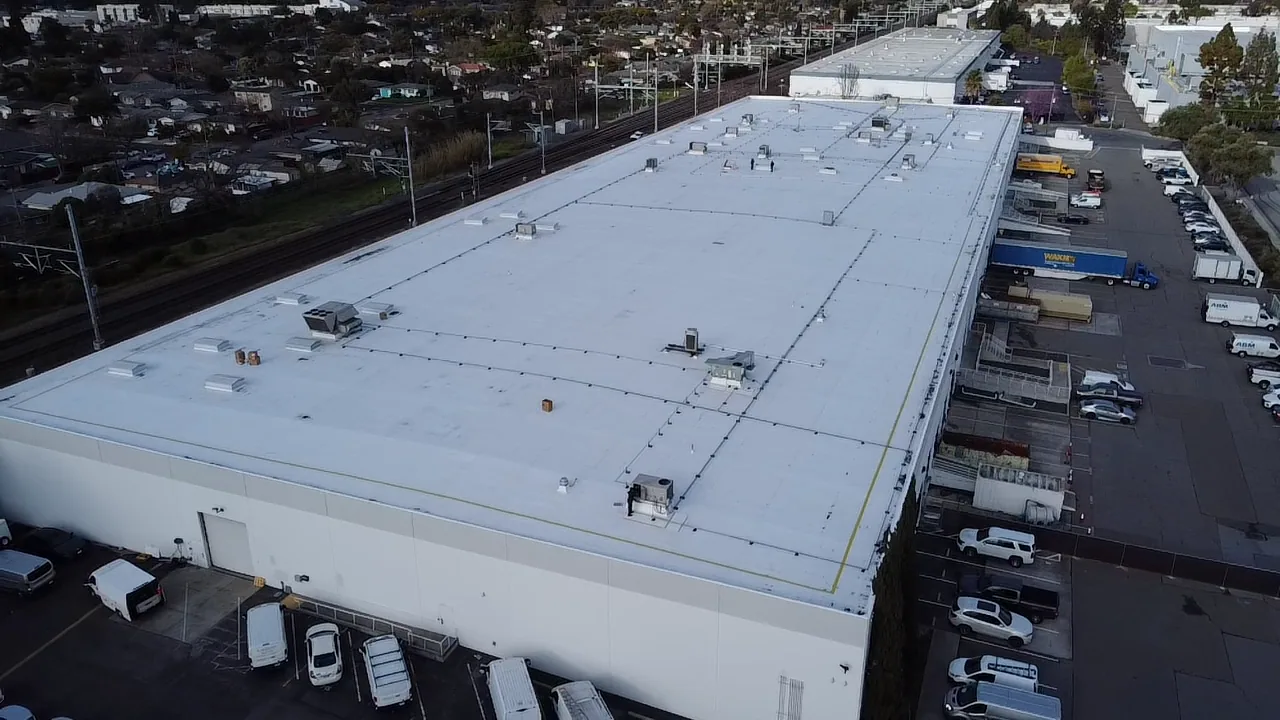

The TPO lap above a grocery loading area needs a continuous weld. Dirt at the joint or poor temperature control can leave incomplete bonding. The finished seam deserves checking before service traffic returns to that area. Commercial Roofing Edmond installs and repairs TPO roofing in Edmond, OK. The membrane works with insulation, attachment and properly fitted accessories. We examine the whole assembly before choosing new construction or repair. A light-colored sheet still needs sound backing and working drainage. The director receives the details needed for the roof's actual operation.
Yukon's Interstate 40 trade area includes large-format retailers and restaurants. Moore has schools and lies near regional business and industrial employment. Those different uses can require different rooftop protection and installation sequences. We consider the building's equipment and occupied rooms before proposing TPO. Oklahoma's generally hot summers also affect the application work window. The selected assembly should meet the project conditions rather than a generic material preference. Its useful performance begins with the connections under and between the sheets.
A membrane attached over unstable boards inherits their movement at the surface. We examine insulation, cover board and deck condition before installation. Suspected moisture requires a suitable investigation and selected openings. Wet or deteriorated layers need the agreed removal treatment. The supporting surface should meet the proposed assembly requirements. Insulation and cover board work can establish that prepared surface. The roof covering then has construction capable of supporting its intended attachment.
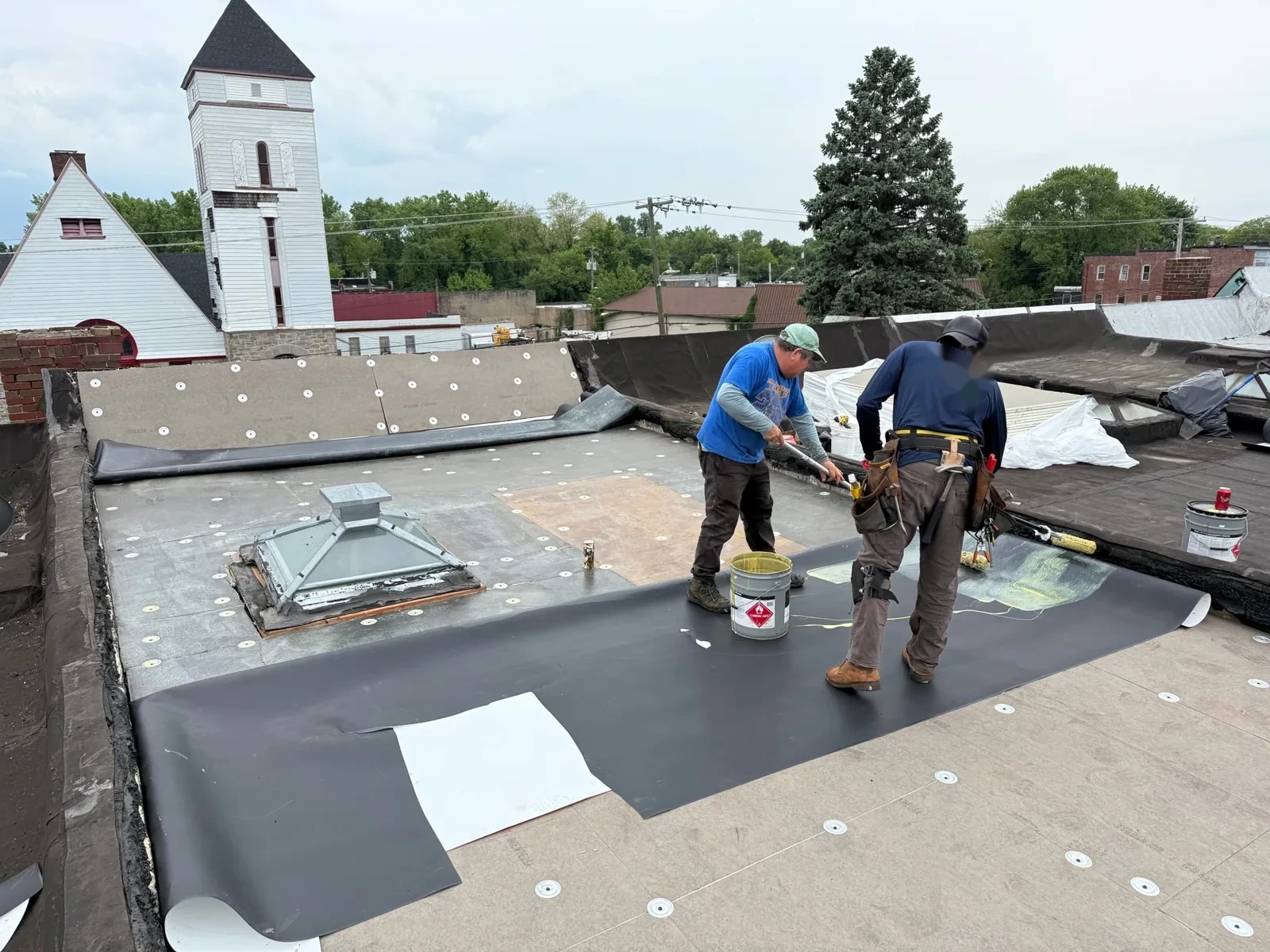
Mechanically attached TPO needs the specified fastener engagement and placement. Adhered TPO needs compatible adhesive and appropriately prepared supporting material. Those methods have different working requirements at the roof. The deck and design influence which assembly is suitable. Perimeter and corner requirements may differ from field attachment. We follow the selected specification rather than use one fastening pattern everywhere. Added roof layers also affect fastener selection and engagement. The director needs that assembly choice defined before material placement begins.
A TPO seam requires suitable clean material at the welding interface. Welding equipment and technique need adjustment for actual conditions. Air temperature and roof surface temperature can change during a shift. We make the appropriate trial checks before continuing the production seam. The welded area should remain consistent through starts and stops. Crowded equipment can limit how a seam is reached. We plan sheet layout so the intended joint can be completed and examined.
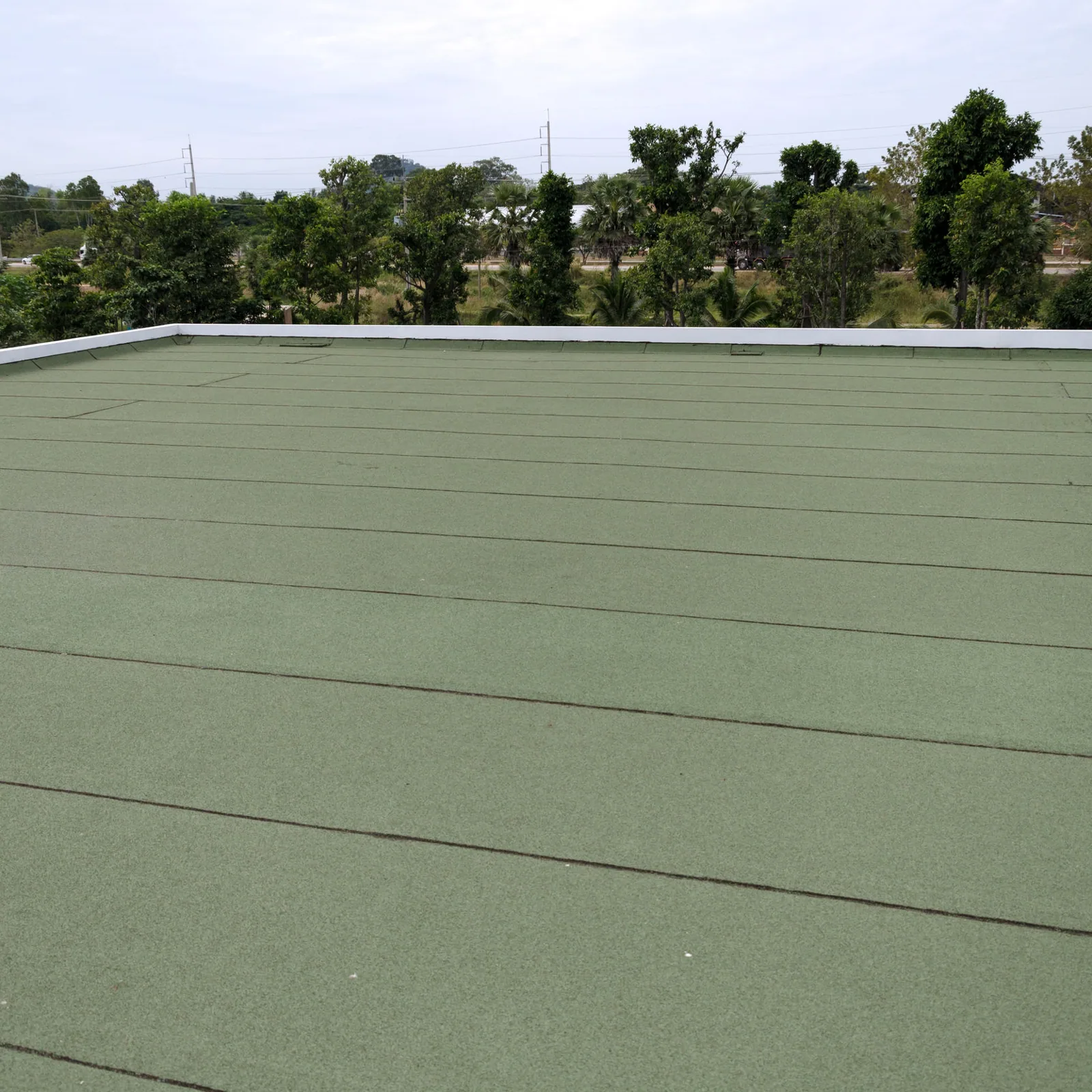
Seam intersections need treatment suited to the chosen membrane system. Multiple sheet thicknesses can create abrupt steps in the connection. We complete the specified detail rather than assume the straight seam treatment suffices. The cooled weld receives the appropriate physical examination. PVC roofing also uses welded connections but is a different membrane material. Components and repair methods must remain appropriate to the installed system. We identify TPO before choosing its accessories or repairing its joints. EPDM rubber membranes use different seam connections from these thermoplastic sheets. Similar color does not establish material compatibility.
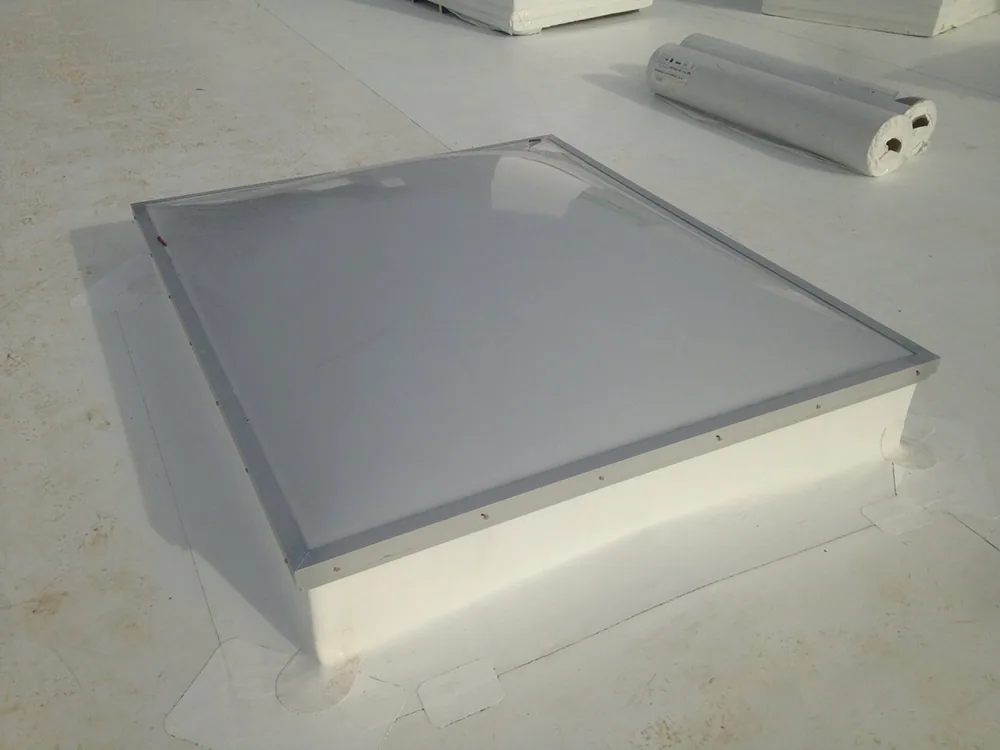
A TPO curb flashing needs material that lies naturally at its lower turn. Stretched flashing can load the joint as the connection moves. We examine backing, fastening and the available vertical height. Corners require the specified accessory or suitable field treatment. Upper termination needs secure attachment and appropriate protection from water. Penetration flashing construction should consider those dimensions before closing the roof opening. The field-to-curb connection must be workable throughout its shape.
Pipe flashings need correct fit around the service entering the roof. A loose boot should not be folded tightly under a clamp to compensate. Crowded services may need another supported penetration detail. The responsible equipment trade may have to revise its arrangement. We coordinate that change rather than improvise an unsuitable closure. Drains also need a compatible membrane connection at the bowl. The sheet should meet that flange over suitable support. Each accessory has to perform within the same installed assembly.
A grocery rooftop can contain frequent equipment service routes. Tools and repeated foot traffic can damage an unprotected membrane. We identify suitable walkway treatment for the selected TPO assembly. That protection should not block runoff or conceal necessary detail inspection. Equipment discharge also needs consideration before the material is chosen. Chemical or grease exposure may call for additional assessment. The roof system should match the actual service environment. We review that environment with the facility director.
Yukon commercial roof work near retail and restaurants needs coordinated deliveries and access. Moore buildings may likewise require protection around occupied rooms and equipment. The chosen attachment method can affect noise and application coordination. We identify those effects before the construction sequence is fixed. Oklahoma summer heat can change adhesive or welding conditions during placement. The procedure must follow the selected products and actual surface. Building use and weather both affect how the assembly is installed correctly.
A punctured TPO sheet needs a repair boundary that reaches sound material. We identify the membrane and inspect the layers beneath the damage. Old residue can interfere with the new weld and require preparation. Aged material may need treatment before it accepts the specified repair. The repair scope should identify those tasks rather than only a patch size. Wet insulation needs its own removal decision. A finished weld cannot make concealed deteriorated layers useful again.
Widespread seam distress requires a broader look at the assembly. Movement, installation condition or aging may affect more than one location. Located condition findings can distinguish repairable defects from wider renewal needs. We examine the surrounding attachment and drainage before recommending continued patching. The director should know the purpose and limit of the proposed repair. A suitable local repair preserves usable construction. Broad failure may require another construction option rather than repeated small interventions.
A completed TPO area needs inspection of its seams and rebuilt details. We examine the joints using the assembly's appropriate procedure. Loose cuttings and sharp fasteners must leave the surface. Strainers and outlets need clearance after construction activity finishes. The director receives relevant material and care information for later roof work. New penetrations should use the compatible detail for the installed covering. A service visit should not undo the carefully finished connection.
Continued roof maintenance checks drains, traffic paths and disturbed flashings. Surface soiling needs suitable cleaning rather than aggressive treatment that harms roofing. Report new water observations with the affected room and roof location. We can then examine the relevant connection and surrounding condition. Repairs should preserve the assembly's intended material compatibility. TPO's usefulness depends on sound joints, attachment and maintained support. Those details deserve attention throughout its service, not only during installation.
Arrange a review of the membrane, attachment and equipment routes. We will define the TPO assembly or repair needed at the working connection.
Actual conditions can change how the material welds. Temperature, equipment settings and the supporting surface need consideration. Trial checks help establish the appropriate procedure before production continues. The finished joint also receives examination after cooling. We do not rely on a seam looking joined at its exposed edge.
Material identification comes before repair selection. TPO and other light-colored membranes can require different compatible components. We examine the existing covering and prepare it for the correct attachment. Similar appearance is insufficient to choose the repair material or welding procedure.
Service routes and exposure guide the placement. Repeated equipment access may justify compatible protection at particular areas. Drainage and inspection access must remain workable around that treatment. We examine the actual route rather than add material indiscriminately. The roof still needs care outside the protected path.
The surrounding assembly needs broader examination before repeated patching. We investigate attachment, material condition and moisture where appropriate. A local repair may control one defect without resolving widespread deterioration. The director receives the observed conditions and the construction options they support. Continued repairs should have a defined purpose.