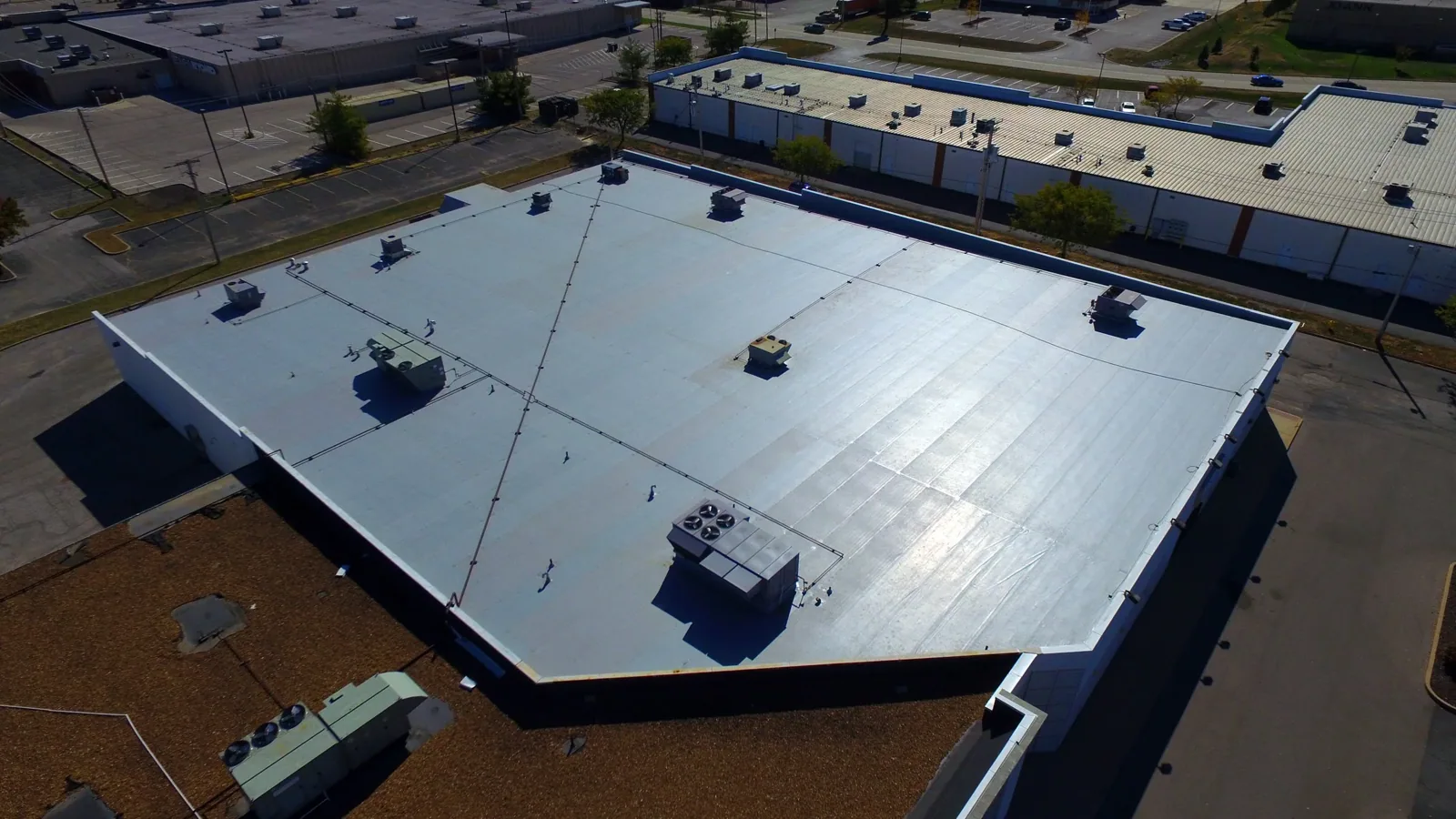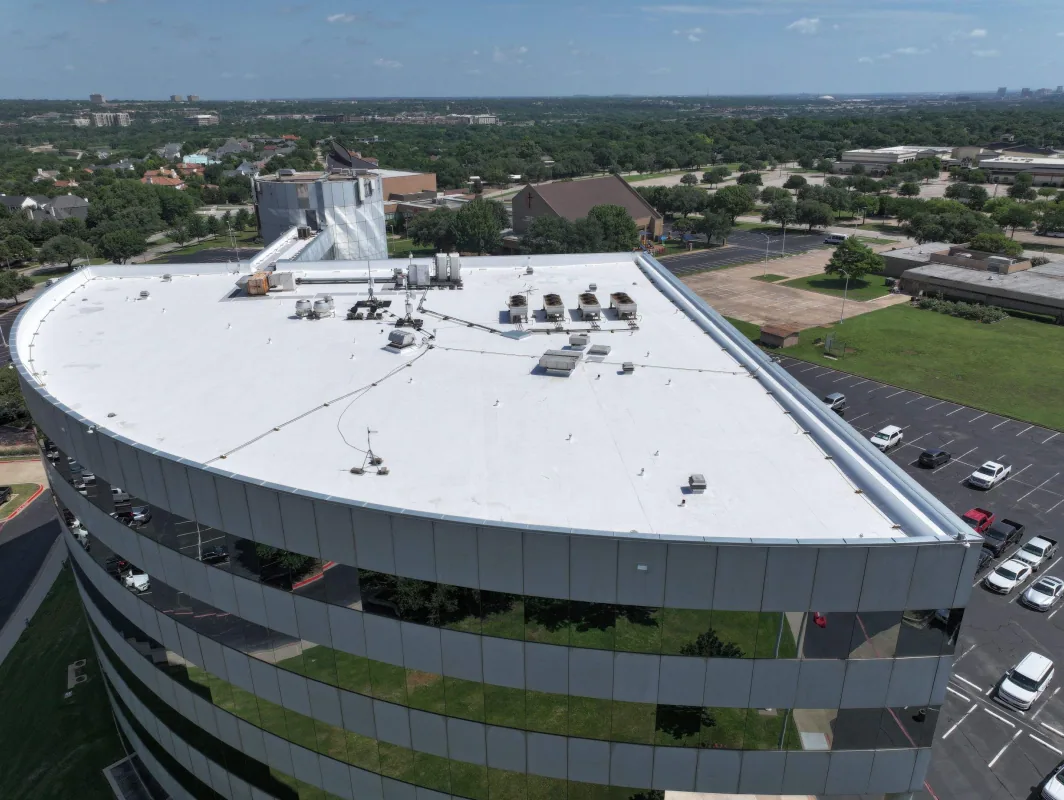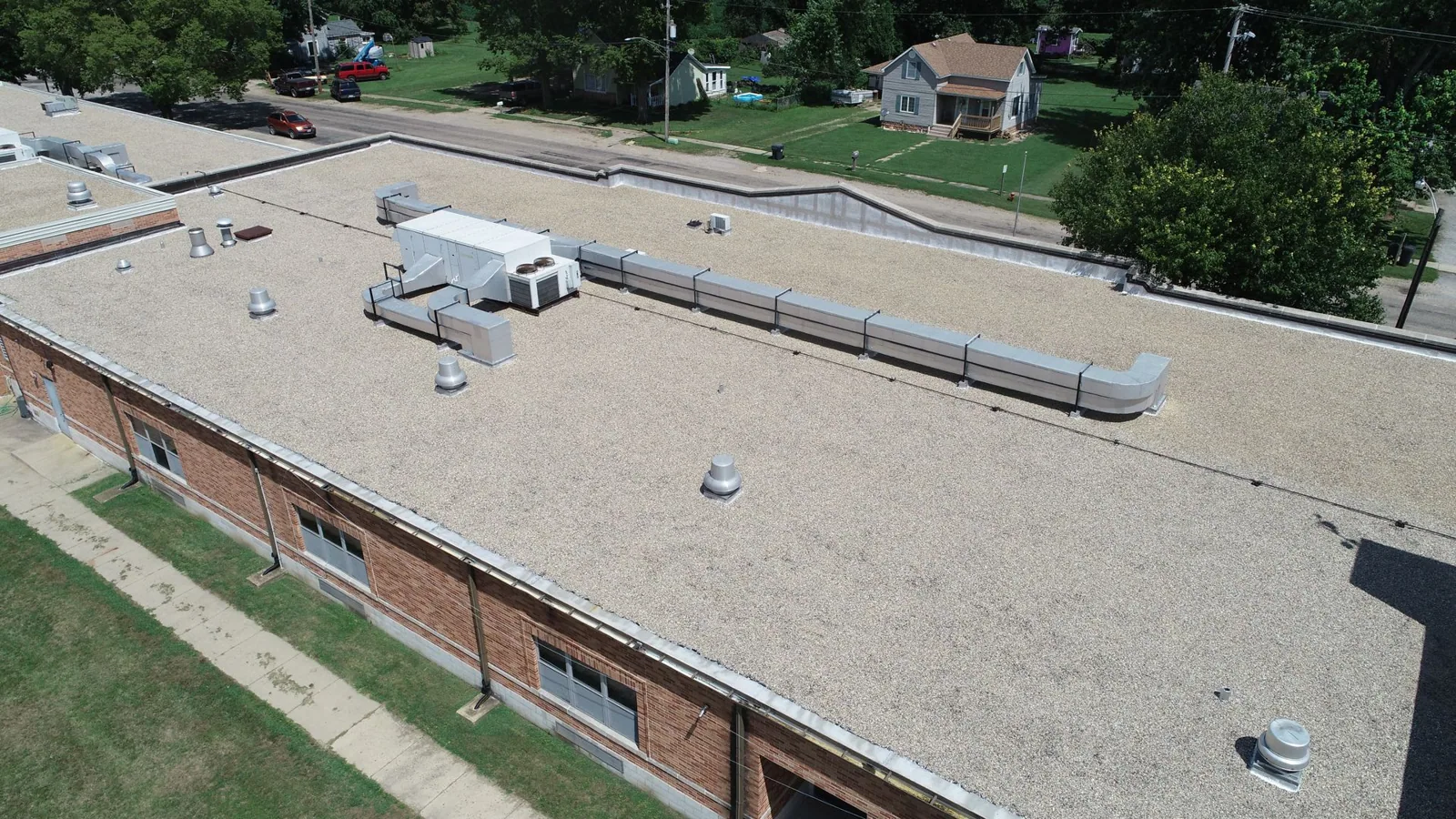

Above a school corridor, the modified-bitumen lap needs its required bond across the full width. A curled cap-sheet edge can expose the underlying roof layers. We examine the joint and surfacing before selecting a repair method. Commercial Roofing Edmond installs and repairs modified-bitumen roofing in Edmond, OK. The assembly uses reinforced sheets with modified asphalt. Its attachment and detail requirements depend on the specified products. The facility director receives a scope for those actual layers. A familiar-looking cap sheet should not be repaired with an assumed method.
Bethany contains universities, public-school buildings, churches and health-care institutions. Moore also has a school system near regional business and industrial employment. Those uses can require roofing work above continuously occupied rooms. We coordinate the assembly choice with their access and operation. Oklahoma's spring storms can expose damaged laps to wind and hail. Actual roof condition determines which connections need treatment. The layered construction needs attention from its supporting board to its finished surface.
A modified-bitumen roof can use different modifier types and installation procedures. SBS and APP sheets do not share every material property or application requirement. We identify the existing assembly before choosing repair materials. The reinforcement, surfacing and underlying layers also need examination. Some systems use adhesives or self-adhered components; others use different specified application methods. The proposed construction must follow the selected product requirements. A cap-sheet description alone does not establish the whole roof assembly.
The underlying base and attachment give the cap sheet its working support. We examine whether the retained layers can serve the proposed repair. Built-up roofing uses another layered construction with its own detail requirements. TPO systems use a different sheet and joining approach. Those distinctions affect comparison as well as repair. The director should receive the actual proposed assembly and construction method. Material familiarity cannot replace identification at the roof being examined.
A cap-sheet lap that opens repeatedly needs examination below its edge. Dirt, deteriorated material or unsuitable previous repairs can affect the bond. We assess how much sheet must be removed or prepared. The new material should join serviceable roofing using the specified treatment. Granulated surfacing may require preparation at the selected repair interface. We follow the applicable procedure rather than apply a general seam compound. The completed joint needs proper contact and a suitable finish.
Blisters can complicate a repair where the layers have separated. We examine their construction and condition before deciding whether to open them. Moisture may require direct investigation of the layers beneath. Planned roof repair should identify that work and its boundary. A local surface treatment may not resolve a broader layer problem. The director receives the findings behind a larger repair recommendation. We separate the physical defect from a blanket assumption about the entire roof.
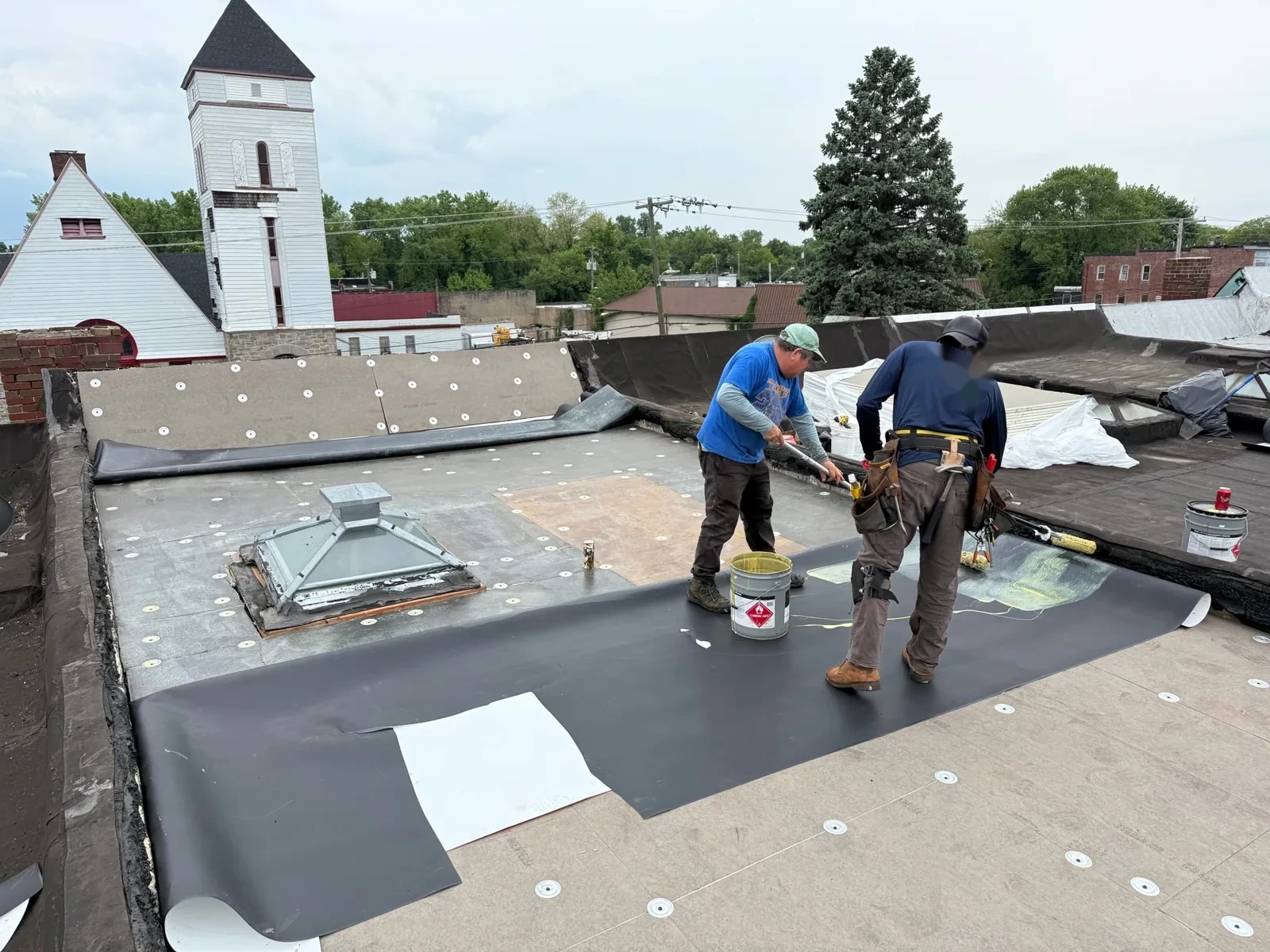
A reinforced flashing sheet needs support where it turns onto a vertical face. An awkward corner can leave bridged material beneath the exposed layer. We inspect backing and the available geometry before reconstruction. The detail should use the required reinforcement and compatible components. Upper terminations need secure fastening and suitable water protection. Curb and penetration repairs may include correcting support before the sheets are placed. The layered connection should fit without leaving an unsupported turn.
Different roof outlets can require different connections at the flashing assembly. We examine drain flanges and scupper throats before closing those interfaces. Added thickness may change the available detail height. A roof field raised by new boards can crowd an existing curb. Those dimensional changes need coordination before the final layer arrives. We show necessary equipment or outlet alterations in the scope. A carefully bonded cap sheet still requires the surrounding connections to fit the finished roof.
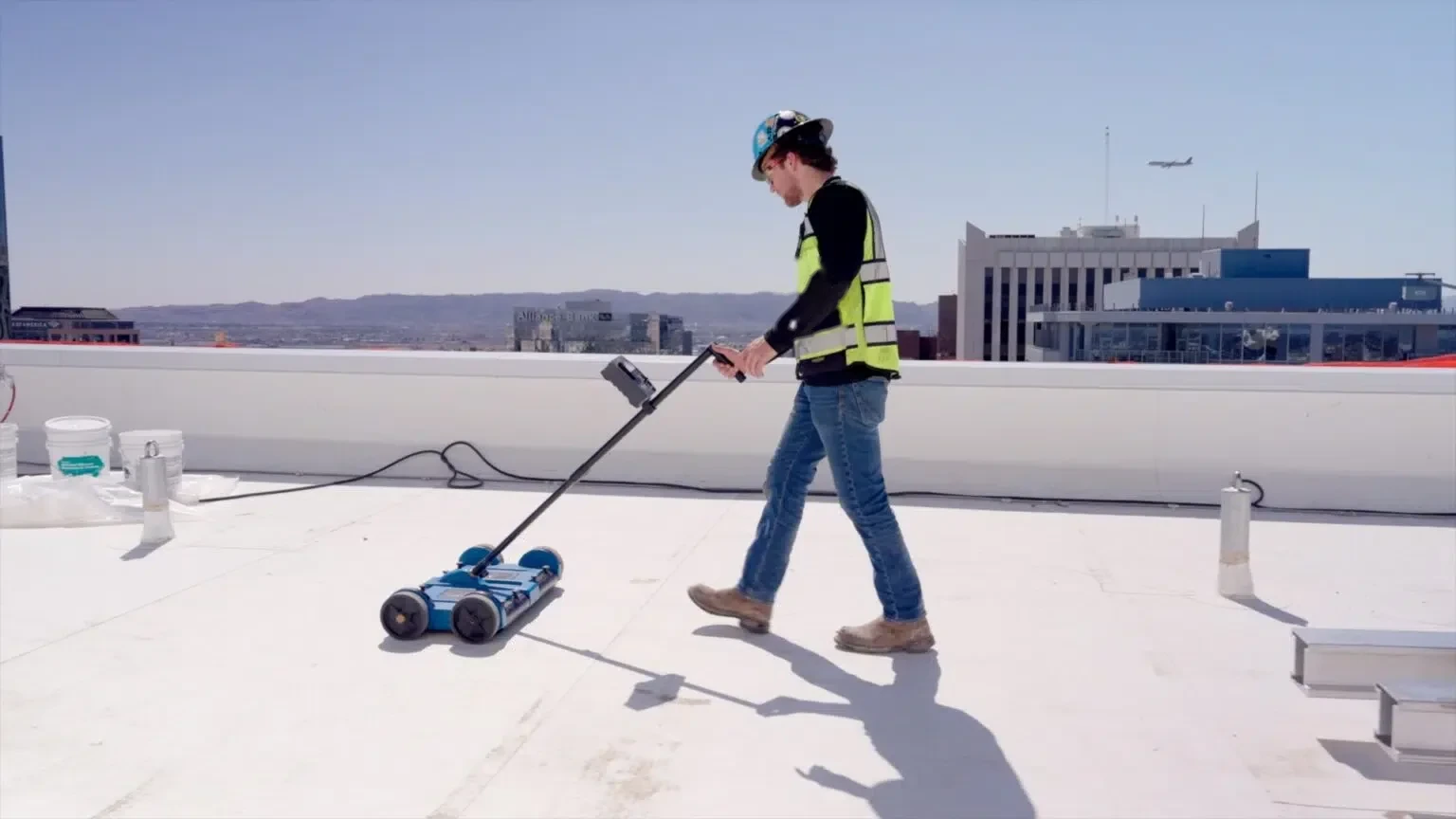
A soft area beside a split lap may hold damaged insulation. Selected cuts can establish the condition of the concealed construction. We identify wet layers and examine the exposed deck where necessary. A moisture survey can help target suitable confirmation locations. The retained assembly should remain capable of supporting new repair material. Broad saturation may change the work from repair to larger removal. The boundary follows the actual findings rather than the surface tear alone.
New insulation and protective board require the specified attachment and fit. Their elevations need coordination with drains and curb flashings. Some repair areas may require taper to preserve the runoff route. We inspect that supporting construction before covering it with roof sheets. Deck deterioration can add a separate repair responsibility. The director should know which areas were exposed and which remain retained. That distinction helps the repair function as a defined assembly. The outer layer is only part of its construction.
A proposed application can affect nearby ventilation and building activity. We identify the actual installation procedure before arranging occupied-space protection. Hot-applied or torch-related work requires appropriate safety controls where specified. Adhesive and self-adhered methods also have their product and surface conditions. We do not select a procedure without considering the assembly and operating space. Occupied-building work needs that connection between the method and protection plan. The director receives the practical requirements before roofing begins.
Bethany roof construction on educational or health-care buildings may need particular scheduling coordination. Moore facilities also require property-specific access and interior protection. Actual weather controls exposed openings and material application. Oklahoma summers are generally hot and can include thunderstorms. The selected system still needs its required surface and installation conditions. We divide work into areas that can be properly closed. A secure stopping point should remain available when weather or operations interrupt the sequence.
A damaged cap-sheet surface needs examination for the extent of deterioration. Loss of protection can affect how the exposed layer weathers. We identify whether localized treatment or broader repair is appropriate. Restoration may be possible only where the roof qualifies for that system. Coating work requires suitable preparation and compatibility with the existing sheets. It should not conceal wet or unstable layers beneath them. The director receives a decision linked to the observed surface and assembly.
Equipment service traffic deserves compatible protection after installation. We keep drains and important joints accessible for ongoing examination. Repairs should use the identified system's appropriate material and connection method. New penetrations must meet a properly constructed flashing detail. Completion checks examine the bonded joints and finished terminations. We remove sharp debris and locate repaired areas for facility staff. A modified-bitumen roof performs through its layered support and completed connections. Continued care needs attention to both, not only the cap-sheet appearance.
Arrange a review of the modified-bitumen assembly and its damaged connections. We will identify the suitable repair or installation method for the building.
The identified system requirements guide the material and procedure. Modifier type, surfacing and existing condition need examination. We select a compatible repair rather than assume the same application method. The supporting layers also require suitable condition. A cap sheet should be treated as part of its actual assembly.
Extent and concealed condition need investigation first. A local separation may allow a defined repair. Wet layers or widespread loss of attachment can require broader removal. We examine representative areas and explain the physical findings. The recommendation should follow those findings rather than the blister label alone.
Ventilation, safety controls and room schedules can differ between procedures. We establish the proposed assembly method and its requirements before work begins. The facility contact coordinates affected operations and intakes. Weather still governs suitable openings and application. The method must remain workable for both construction and occupied space.
Restoration requires a roof that qualifies for the selected treatment. We examine surface preparation, attachment and moisture before proposing it. Damaged layers may need repair or removal first. A coating must suit the existing material and details. The director receives that suitability decision before field application is scheduled.