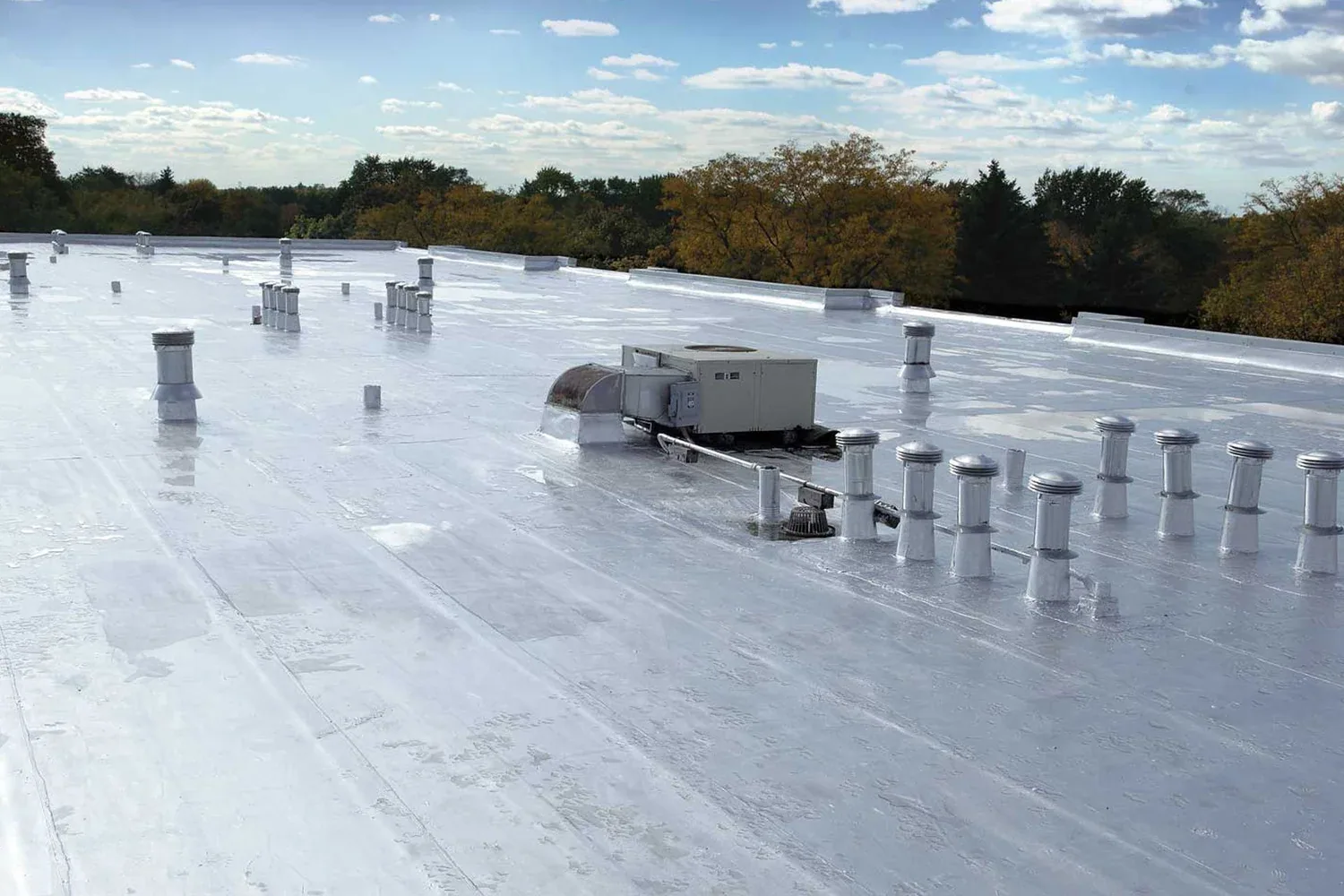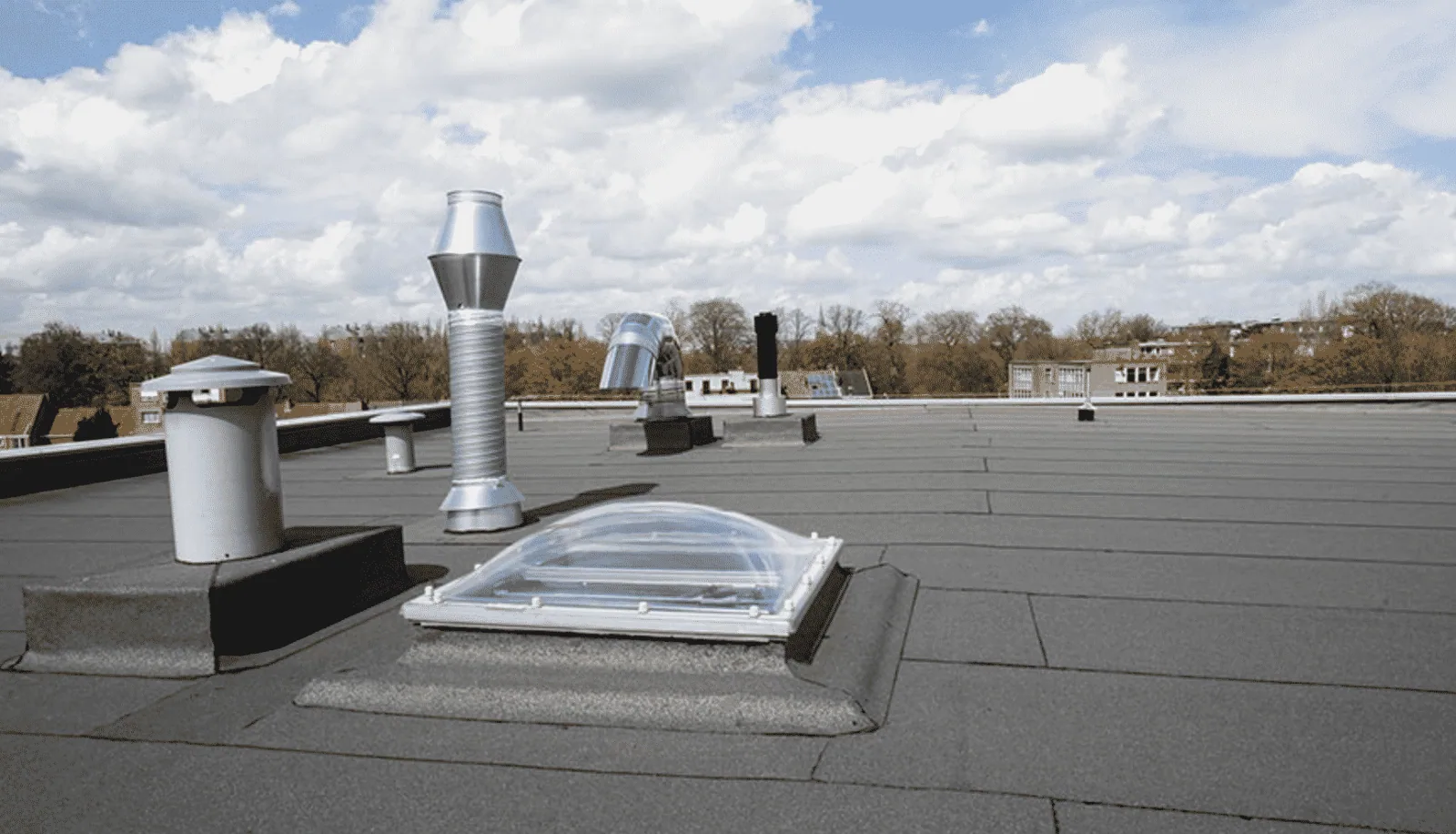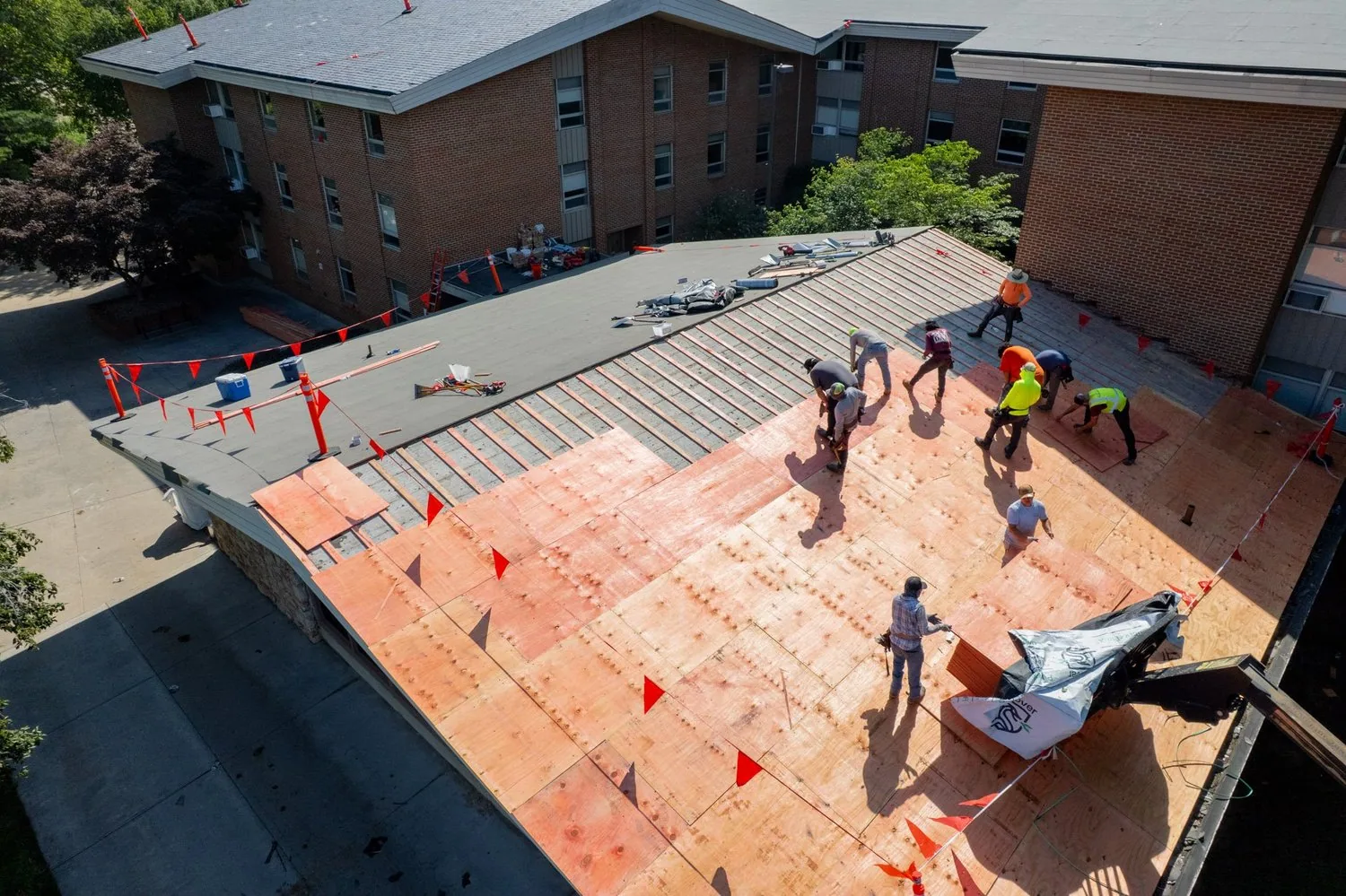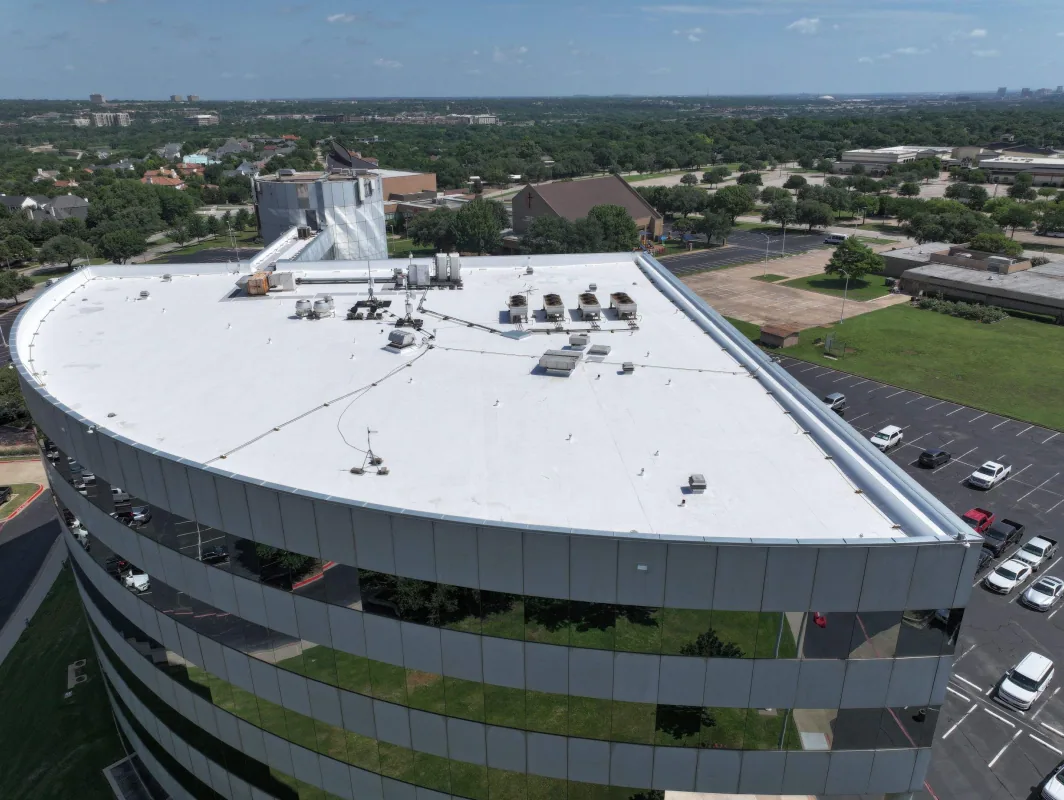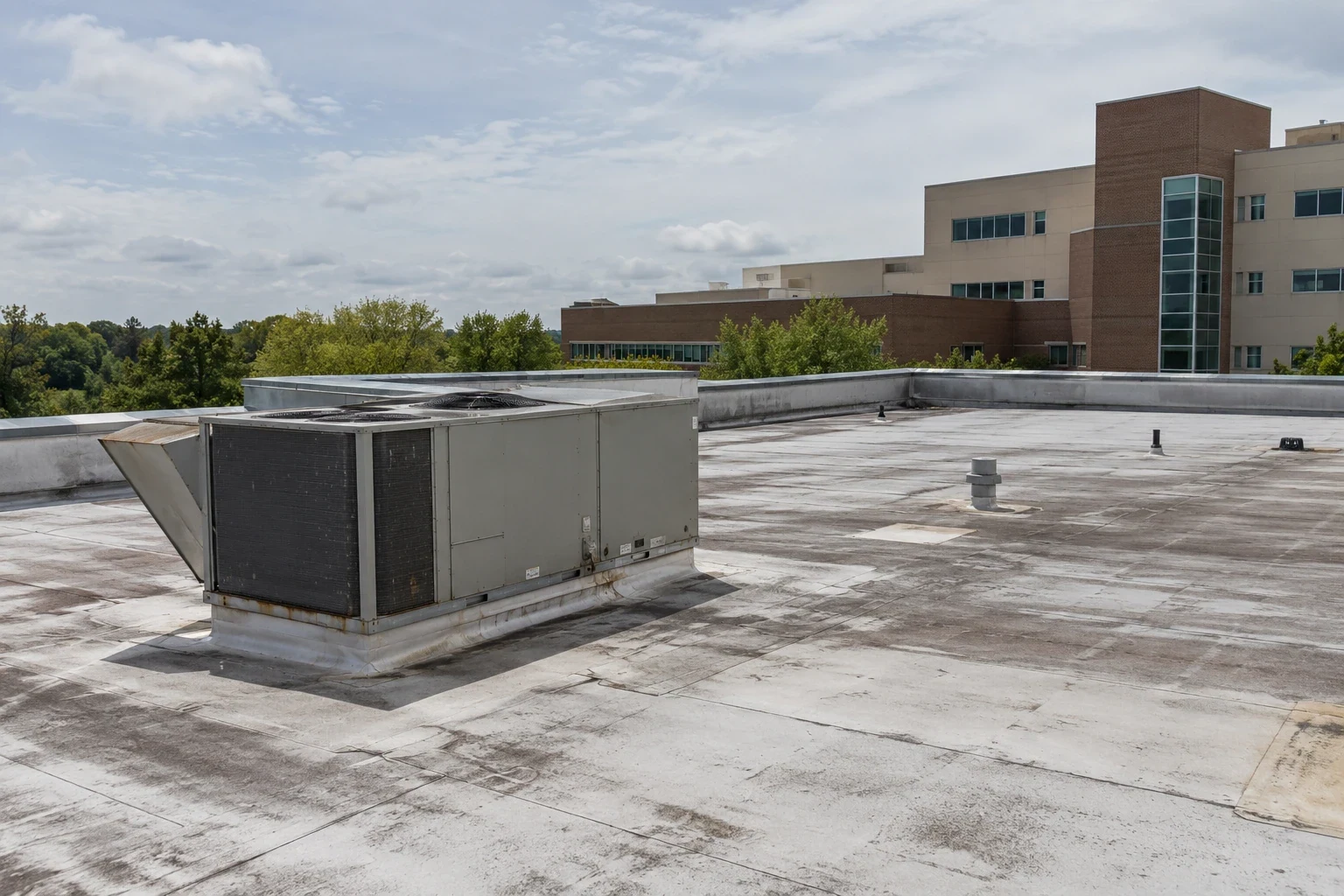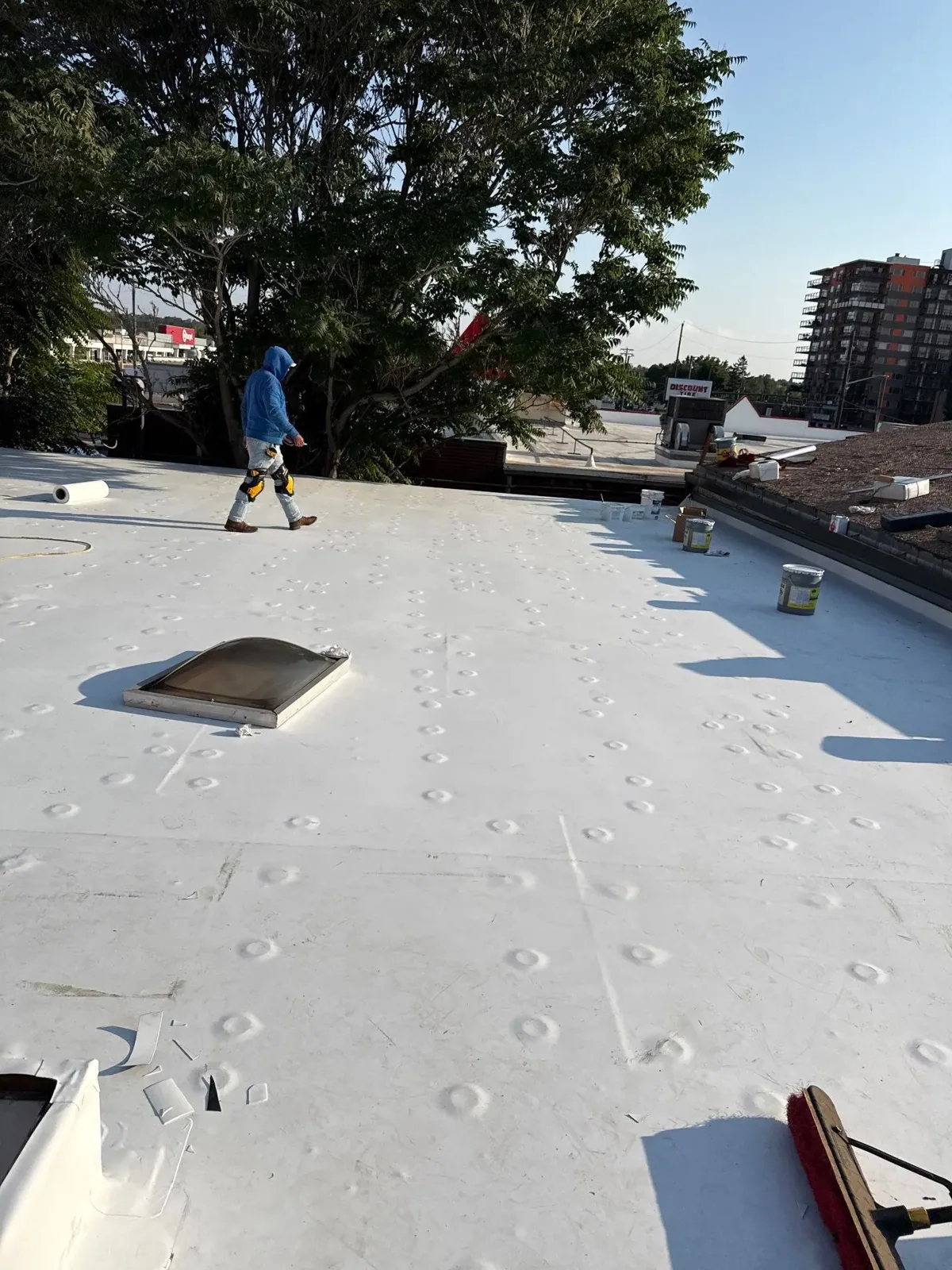

Classroom wings and gymnasium roofs can meet through a raised transition. The lower return must accommodate that change without an unfinished water path. Commercial Roofing Edmond examines school district roof connections in Edmond, OK. We fit repair boundaries to the actual covering and concealed support. District facility directors also need usable rooms during the work. A transition above an occupied corridor may require a smaller protected opening. We explain the construction and its interior effects together. The district receives a practical treatment for the joint, not just a surface seal over moving backing.
Del City belongs to the Mid-Del school setting. Midwest City includes Mid-Del schools and Rose State College. Bethany has Bethany and Putnam City schools alongside higher education. These regional education uses place occupied rooms beneath roofing work. District staff identify each affected classroom, equipment room and circulation route. We examine the corresponding roof connection before choosing the stage. The available interior protection can limit removal above it. The roof assembly determines the material and fastening needed when that area is reopened.
A later classroom wing can connect to an older wall or roof level. We inspect accessible termination backing and the height available for new flashing. School expansion joint reconstruction accommodates required movement instead of binding two moving edges. The actual joint design governs its cover and attachments. Old repair layers can prevent a tight fit at the return. We expose them where needed to establish the construction beneath. Damage to wall support may require another responsible trade. The proposal separates that task from completing the roofing closure.
An upper roof can also discharge toward a lower collection area. We inspect the receiving field and outlet connection together. School drainage correction addresses damaged roof-side components and their fitted flange. Plumbing restrictions or proposed capacity changes may need specialist review. Raising the field with new insulation changes its relationship to retained drains. The finished elevations must permit water to reach the functioning outlet. We establish that detail before attaching the replacement layers. A useful renewal includes the connected collection arrangement as well as the open field.
One classroom report may identify an isolated broken flashing joint. Another wing may show widespread deteriorated seams and wet layers. We examine both conditions without assigning the same construction response. School roof condition findings locate the physical defects affecting each recommendation. Selected concealed examinations can help establish the insulation treatment boundary. The director receives observed support and attachment issues alongside that boundary. Active entry may call for immediate temporary containment. Final work should then reconstruct the connection on suitable retained material rather than repeat temporary surface coverage.
Where a district is considering phased investment, roof capital planning ties priorities to current assembly condition and operating limitations. A roof with sound retained layers may permit defined repairs. Broad damage can make repeated small openings impractical. We explain differences in removal, deck attention and accessory work. A budget allowance should recognize those physical tasks and any design needs. Material selections must fit the whole proposed assembly. The facility director can then compare the construction stages against available room protection, not simply against the largest visible defect.
Roof removal can place debris and water exposure above teaching equipment. The district identifies contents and operating restrictions within the proposed zone. We describe preparation methods and the protection needed below them. Occupied school reroofing proceeds through areas with suitable arrangements for those effects. A school break helps only when the installation conditions also permit work. Adhesive, weld and curing requirements still govern the selected materials. An open zone needs a secure weather stopping point. Concealed damage may change that opening and require revised precautions before further removal.
Clinical roof work coordinates overhead construction with protected equipment and sensitive occupied rooms. At a school, the district establishes precautions for its own classrooms and health rooms. We identify removal locations, roofing products and nearby intakes for that decision. Equipment staff handle necessary mechanical controls. A changed material or preparation method may change the required restrictions. The director receives that issue before the stage proceeds. A completed roof field does not resolve a remaining interior protection task. Both conditions matter before the room returns to its intended use.
A lift positioned near a school entry can overlap pedestrian movement. We identify roofing delivery, disposal and controlled ground zones with the district contact. Emergency access and required public approaches need suitable protection. Public building roof projects coordinate similar overhead handling where occupied service entrances remain in use. At the school, the actual arrival and circulation arrangement determines restrictions. Bundles also require suitable rooftop load review and product protection. Supports should keep accessible collection points and service routes usable. We arrange these conditions before the delivery reaches the building.
Oklahoma spring weather can include hail and damaging wind. Roof observations after a storm should distinguish physical damage from intact surface marks. Generally hot summers also affect acceptable application conditions during a school break. We check the requirements at the work area before installing material. A forecast interruption can reduce the useful open stage. The director receives its closure status and any changed construction interval. Exposed insulation and incomplete returns need the protection specified for that condition. A calendar opening alone does not make the roof ready for removal or finishing.
Bethany school roofing work requires examination of the actual roof and occupied circulation. District boundaries and building use determine the facility contact. We confirm project permit, design and inspection responsibilities for the intended scope. Completion checks follow the selected assembly and reconstructed details. Debris should leave accessible outlets and nearby service areas. Remaining equipment or wall work stays identified by component. The director receives the construction locations and relevant supporting observations. Maintenance can then reach the connection without relying on an unlocated description of the completed patch.
A new classroom water report should identify its room and relevant timing. Recent mechanical or other roof activity can help direct the next examination. We inspect the associated assembly instead of assigning the previous repair automatically. Continued district care should preserve accessible drains, flashings and equipment service clearance. Later additions must include compatible closure of the roof-side connection. A changed wing or drain arrangement may require new design review. Those tasks belong in the construction sequence before the field closes. The district can keep each subsequent roof decision tied to the affected building and useful physical findings.
Identify the affected wing, water observations and occupied rooms. We will examine the connection and define useful school repair or renewal priorities.
The condition at each building determines its roofing treatment. We distinguish an isolated connection defect from broad material or attachment damage. Located findings help the director set useful priorities. Interior protection and required supporting work also affect sequencing. A campus-wide decision should retain those separate construction conditions.
Available room protection and material installation conditions limit the workable stage. We examine the assembly before choosing its removal boundary. Temperature, curing and weather closure requirements still apply during a break. A concealed defect can extend the work. The director receives that change before additional rooms are exposed.
The drain flange and finished field need a functioning relative elevation. We inspect their connection before installing the new layers. A component adjustment may require its responsible specialist. The proposed roof-side work should include the suitable flange closure. An intact outlet alone does not settle the new assembly detail.
We review the completed overhead construction before changing its protective boundaries. We identify unfinished joins, handling tasks and remaining interior restrictions. District staff manage the related room and circulation release. Accessible roofing debris should leave the affected service areas. The director receives the stage status before the route resumes its planned use.