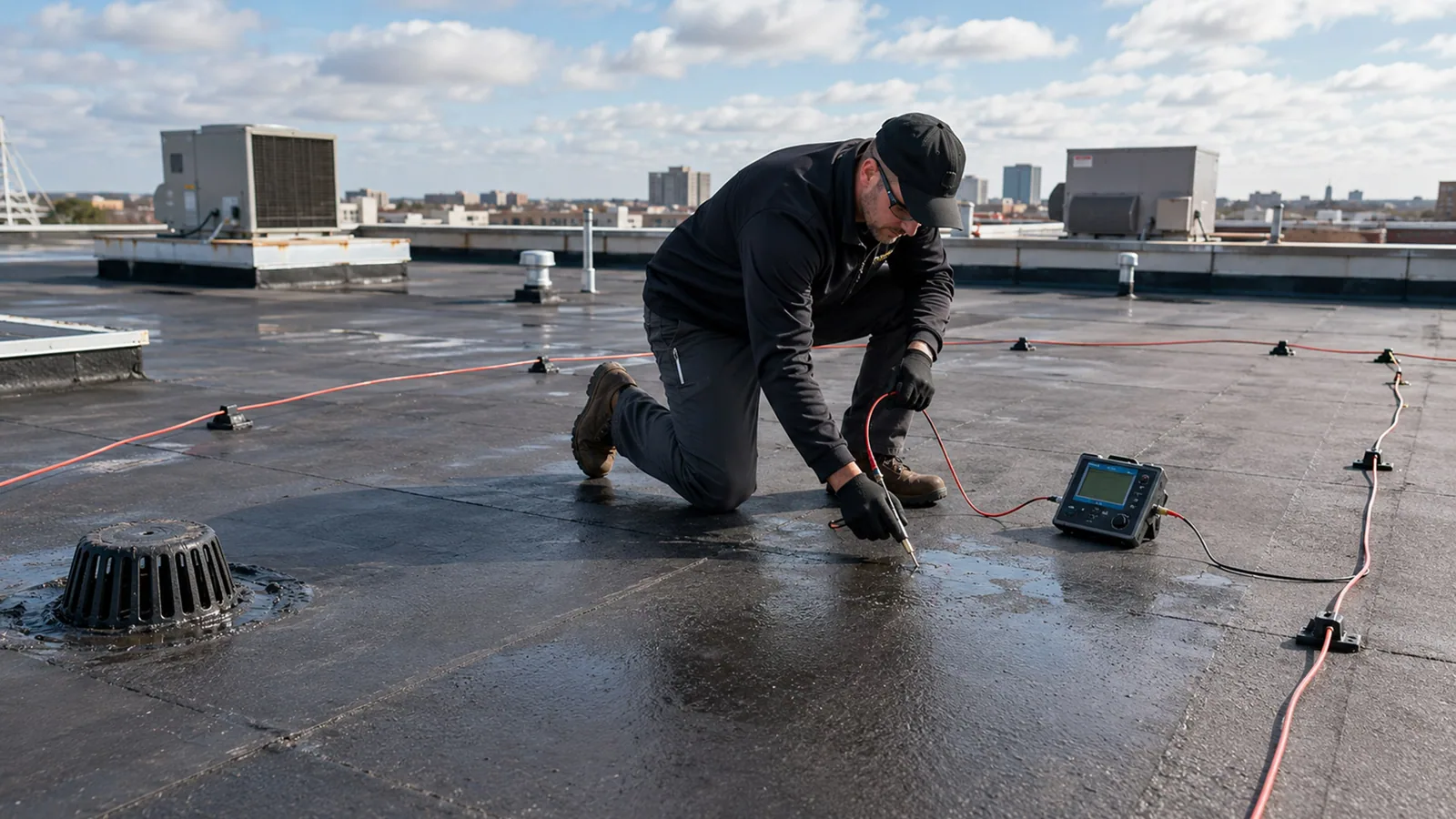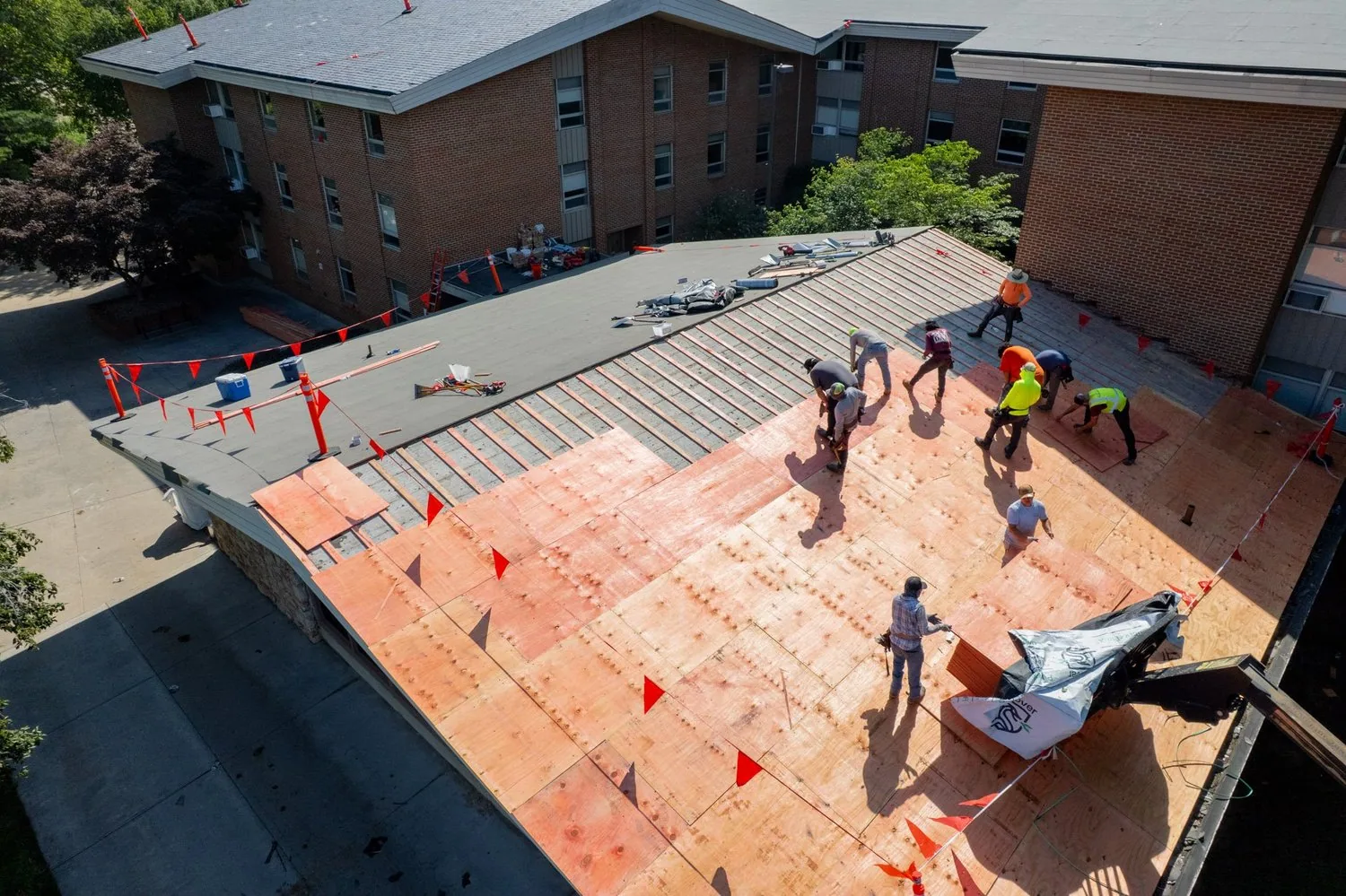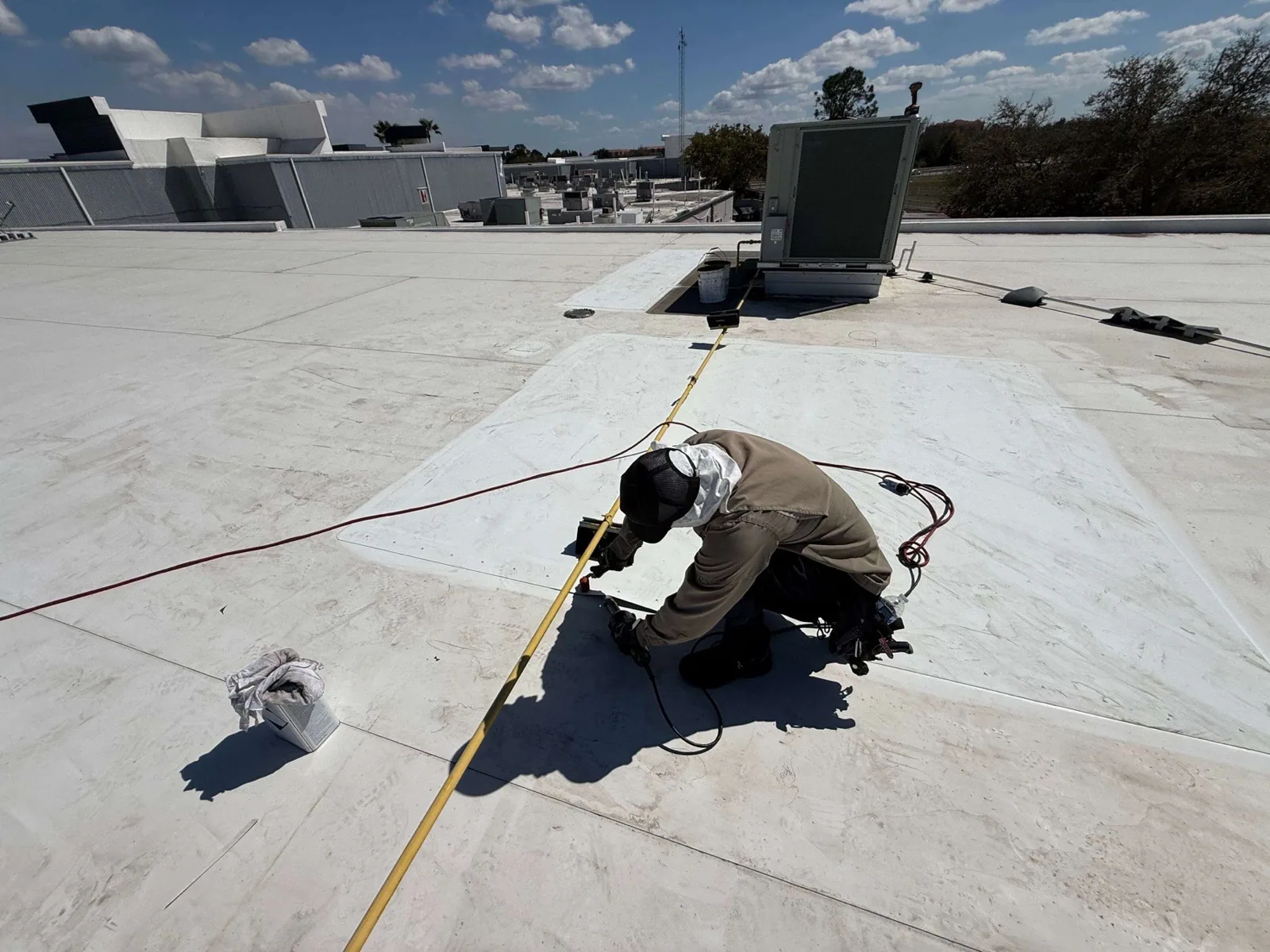

A photo of a damaged retail drain is useful when it identifies the flange and adjoining field. The director also needs the construction consequence at that connection. Commercial Roofing Edmond prepares roof condition reports in Edmond, OK. We relate accessible findings to physical components and proposed tasks. Photographs support those observations where useful. The report distinguishes a visible defect from layers still requiring examination. Roof material and retained support govern the recommended treatment. A usable finding should help the director act at the correct location, not leave another general description of water somewhere above the tenant.
Downtown Edmond has local businesses and designated outdoor dining areas. Mustang includes restaurants and national retailers. Warr Acres has established shopping districts along MacArthur Boulevard and Northwest Expressway. Those operating settings can affect access for roof examination and repair. We locate the actual service entrance, equipment approach and occupied rooms at the property. Nearby public use can require suitable controls during inspection or removal. The report connects the observation to that construction footprint. Its recommendations follow the installed assembly while retaining the protection required beneath the affected component.
A broad stain report may leave several possible interfaces above the affected room. Leak-related roof examination checks accessible field, wall and equipment connections against the observation. We identify the component and useful physical finding. A wall defect may require a different responsible trade from a membrane split. Relevant room location and timing can help direct that work. The report should retain those distinctions rather than assign one roof task to every interior mark. The director receives an identified interface and the next examination or construction needed there.
Photographs can show a lifted return, damaged flange or visible support condition. We connect the image to the component's location and proposed treatment. A close view should not lose the larger roof relationship affecting it. Adjoining field height can matter at an outlet even where the flange itself is intact. Equipment geometry can likewise restrict flashing space. The useful report retains that physical context. It distinguishes each observed condition from a recommendation requiring further checks. The director can then locate the same connection during construction and understand why its scope includes the neighboring interface.
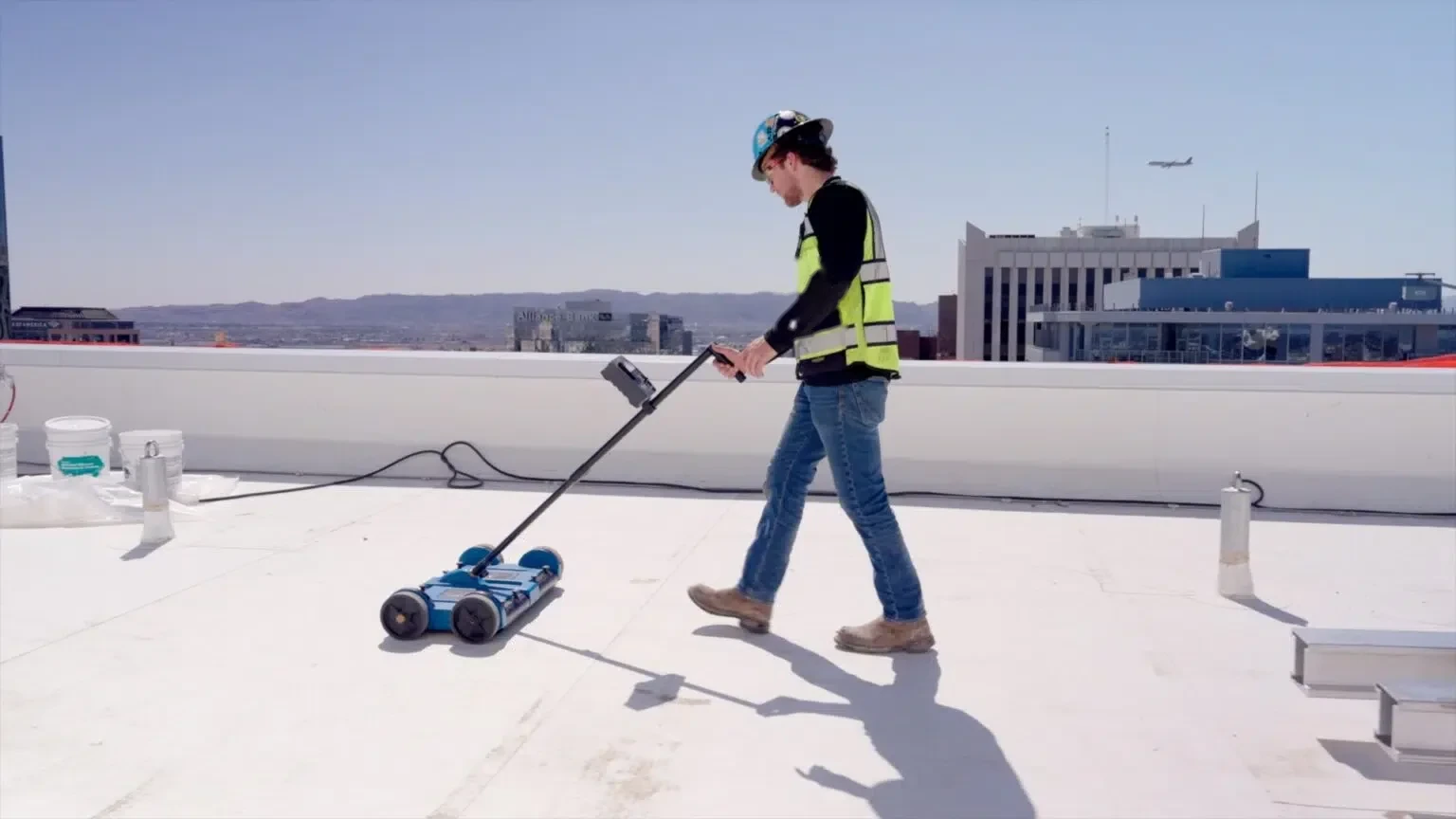
An intact visible sheet can retain uncertain insulation condition beneath it. Roof assembly inspection identifies accessible material and supporting observations. We select useful concealed examinations where needed for the proposed decision. Each opening also requires suitable protection and closure. Infrared-assisted roof examination may help choose check locations when assembly and conditions permit. Direct examination can remain necessary to establish layer treatment. The report identifies that task without assigning inaccessible condition from the surface alone. The director receives a practical next check linked to the unresolved physical question.
Drone observation can assist with accessible surface views under suitable conditions. It does not replace direct examination of a joining surface or concealed support. We identify useful roof-side checks where those details affect treatment. Restrictions on access can leave another inspection necessary. The report should preserve the area and reason for that next task. Damaged decking may require professional review beyond a roofing finish decision. Supporting alterations remain with their respective responsible parties. We connect those interfaces to the proposed construction. The director can act on the finding without treating every observation method as equal examination of the whole assembly.
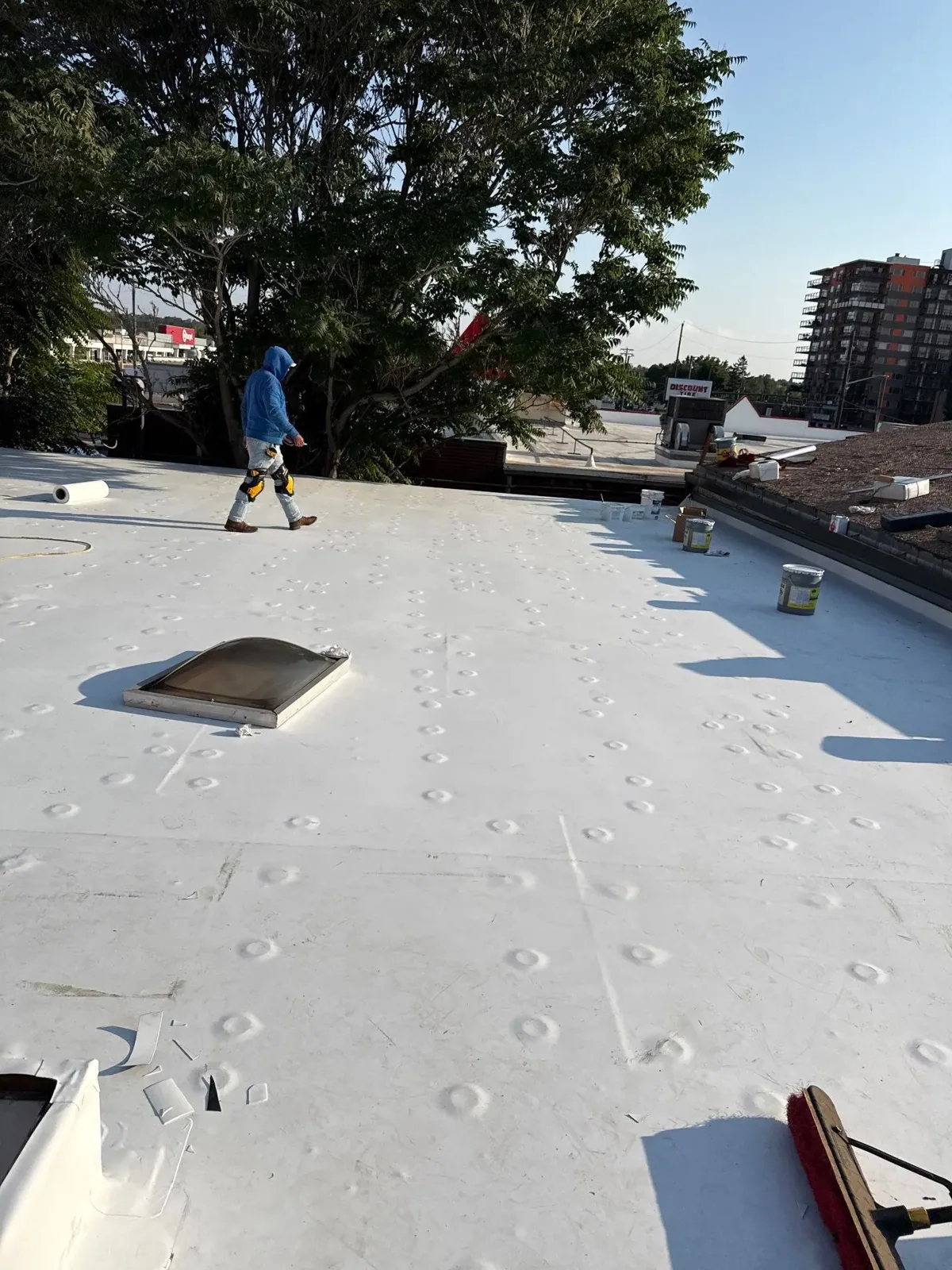
A broken accessory may permit local reconstruction within an otherwise serviceable field. Located flashing repairs include backing, compatible preparation and upper closure where needed. We examine those conditions before defining a permanent boundary. Wet layers or adjoining deterioration can expand removal. Another equipment or wall trade may need action before the roof closes. The report identifies the connected sequence at the component. A proposed surface strip alone can omit those supporting tasks. The director receives the construction required to make the local repair physically useful.
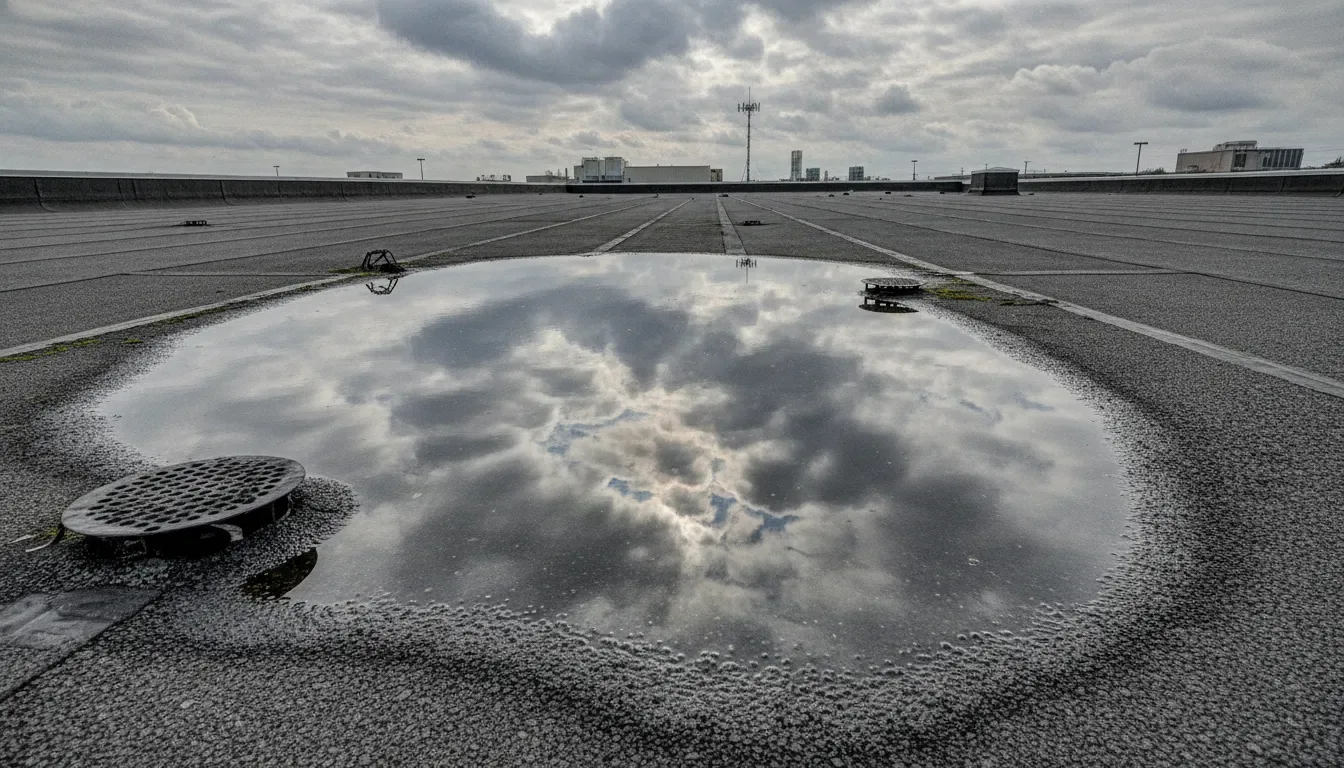
Standing-water findings distinguish an outlet obstruction from an unsuitable field approach. A clear drain can still sit above a depressed receiving area. We inspect accessible elevations and component condition together. Piping or capacity concerns may require another specialist. New insulation height can also change the functioning relationship. The report should identify roof-side construction separately from that other task. A useful treatment boundary includes the interface needed for drainage. The director can then distinguish cleaning, accessory repair and larger field reconstruction rather than choose one from the visible water alone.
A repair opening above stored goods needs protection from debris and water exposure. We relate the proposed construction to the actual occupied space. Facility staff arrange their required contents or equipment precautions. The report identifies removal effects and useful staging constraints. Material preparation, curing and weather stops still govern the installation interval. Oklahoma hot summers can restrict acceptable application temperatures. Summer thunderstorms can shorten exposed work with heavy local rain. We assess the actual conditions before construction. The director receives the physical stage requirement alongside the observation instead of a finish recommendation detached from operating protection.
Condition-based roof investment planning compares local treatment and broader renewal through current assembly findings. Recovery requires suitable retained layers and applicable project review. Broad replacement may be useful where support or moisture prevents another local finish. Each option can involve different disposal and accessory tasks. We identify the layer, attachment and accessory tasks affecting each useful option. New field dimensions must suit curbs and drains. The report retains those interfaces with the covering option. The director can compare the complete physical work before selecting the next investment.
Warr Acres roof reporting work requires review of the actual roof access and public approach. Mustang retail or dining properties need their own occupied protection arrangements. We identify useful inspection locations with the authorized contact. The finished report associates observations and photographs with their proposed tasks. Project design, permit and inspection responsibilities receive confirmation where construction requires them. Located asset roof care can retain completed work and remaining interfaces. The director can then distinguish a treated component from another condition still needing examination or responsible-trade action.
After repair, appropriate checks follow the selected assembly and accessory methods. We identify the finished location and any continuing operating restriction. Reachable roofing scraps are removed from collection and service approaches. Later equipment additions require compatible closure within their installation sequence. New water observations should identify their room and relevant timing. We examine associated components against that information before assigning repeat treatment. Current findings guide the next repair or broader renewal. The report remains useful when it retains the physical connection between observed condition, completed construction and the next required roof task.
Identify the affected room, roof connection and available observations. We will inspect accessible condition and provide located findings with useful construction tasks.
Its component location and physical implication should be clear. We connect the visible condition to the associated roof area. Adjoining support or dimensions may affect the proposed work. Concealed uncertainty remains a separate examination task. The director receives enough context to locate the finding and understand its construction consequence.
We identify where direct or selected concealed examination is still needed. Drone or infrared observations can assist under suitable conditions. They do not examine every joining surface and supporting layer equally. The unresolved physical question stays associated with its useful next check. Treatment follows the actual assembly findings.
We examine accessible debris, flange condition and the surrounding water approach. Suitable cleaning can address accumulation while damaged closure requires reconstruction. An elevation or piping issue may need another task. Those findings remain separate at the same component. The director receives the appropriate roof-side and specialist actions.
The treated location and remaining interfaces should remain identifiable. Suitable checks address the selected material and detail. Other trades finish their respective tasks. Later equipment or water observations can then be connected to the actual component. Current condition guides another examination rather than an assumed repeat scope.