Work Across Nearby Cities
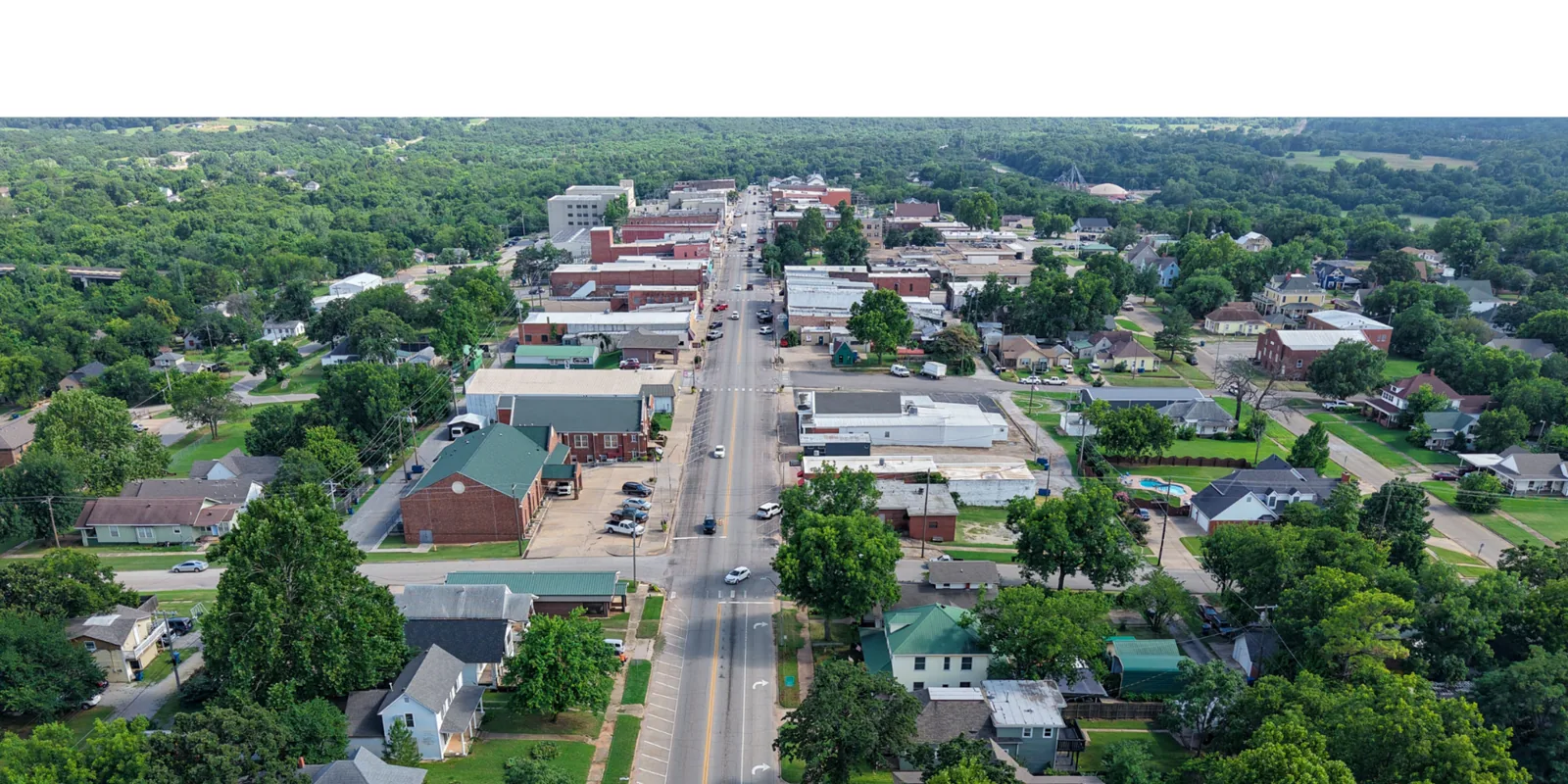
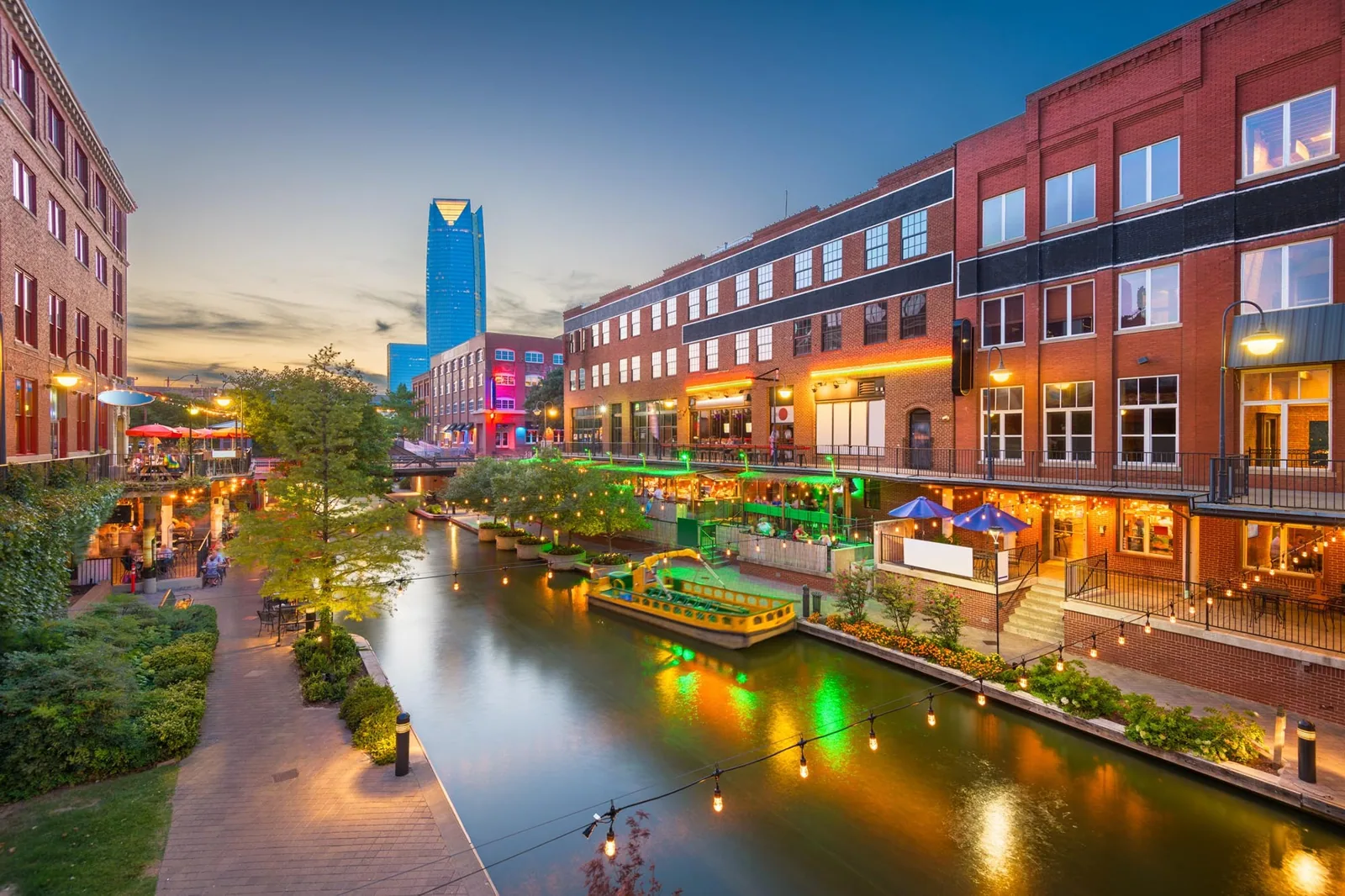
We serve Oklahoma City, Norman, Yukon and Midwest City. Each location has its own roof condition, weather exposure and operating schedule. A crew can coordinate travel, but records stay separate. A commercial inspection documents the assembly, drain route, access and repair boundary at the property.
Plan by District and Street Use
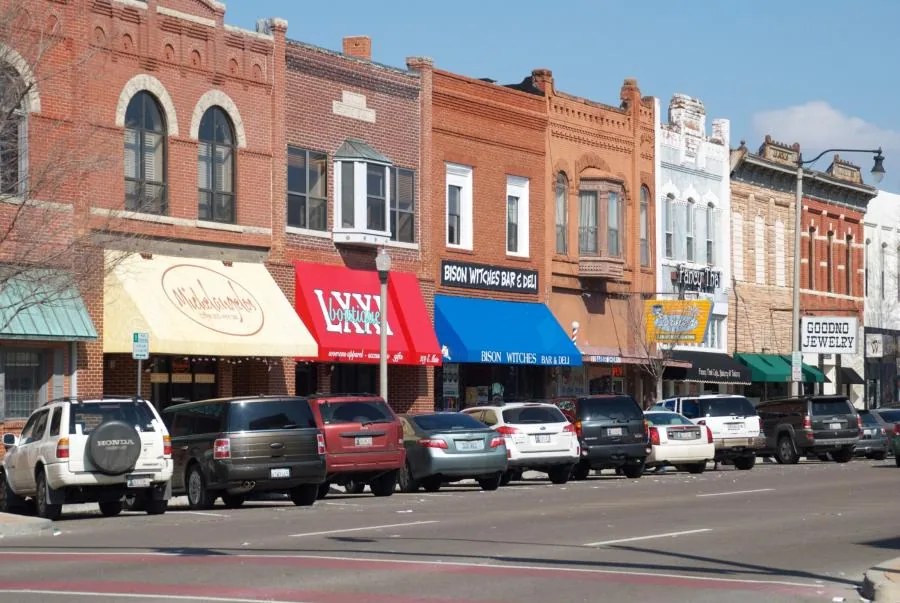
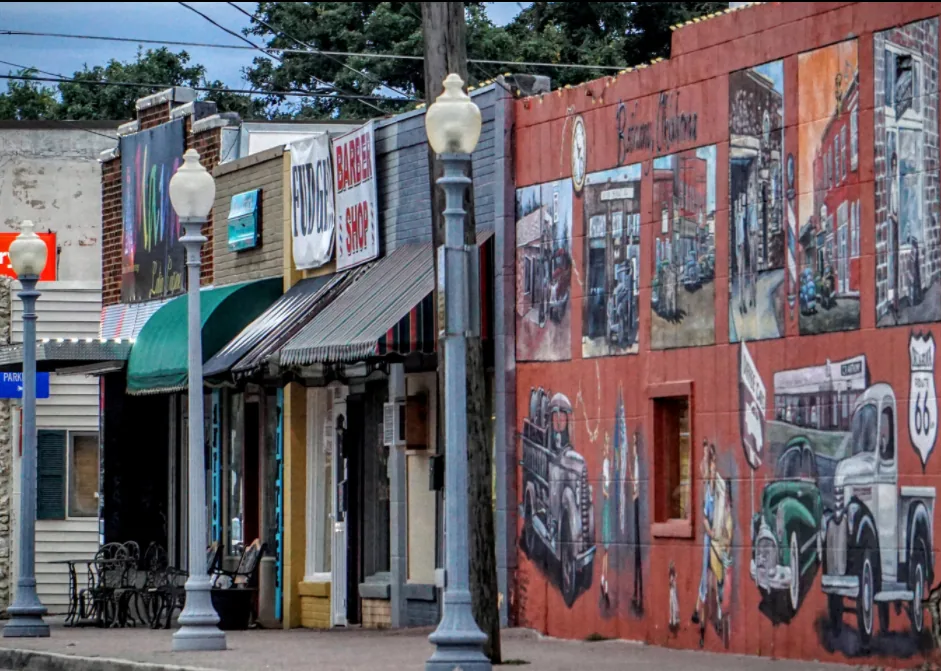
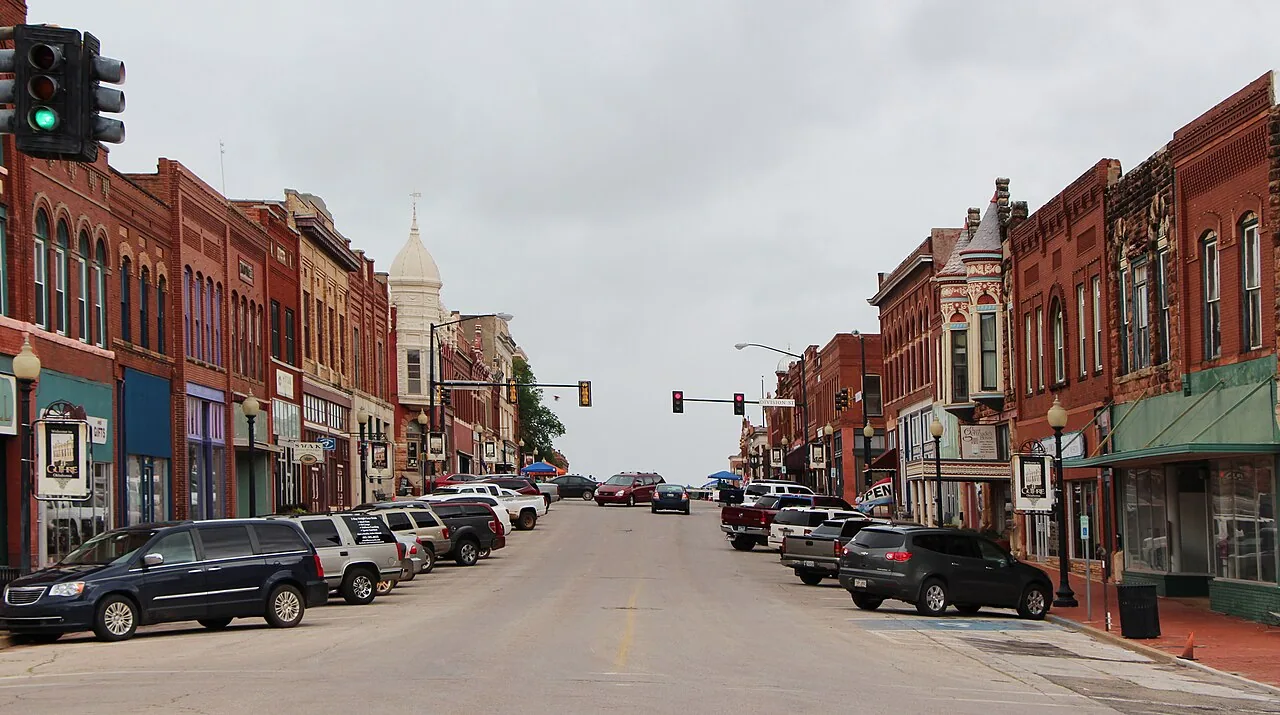
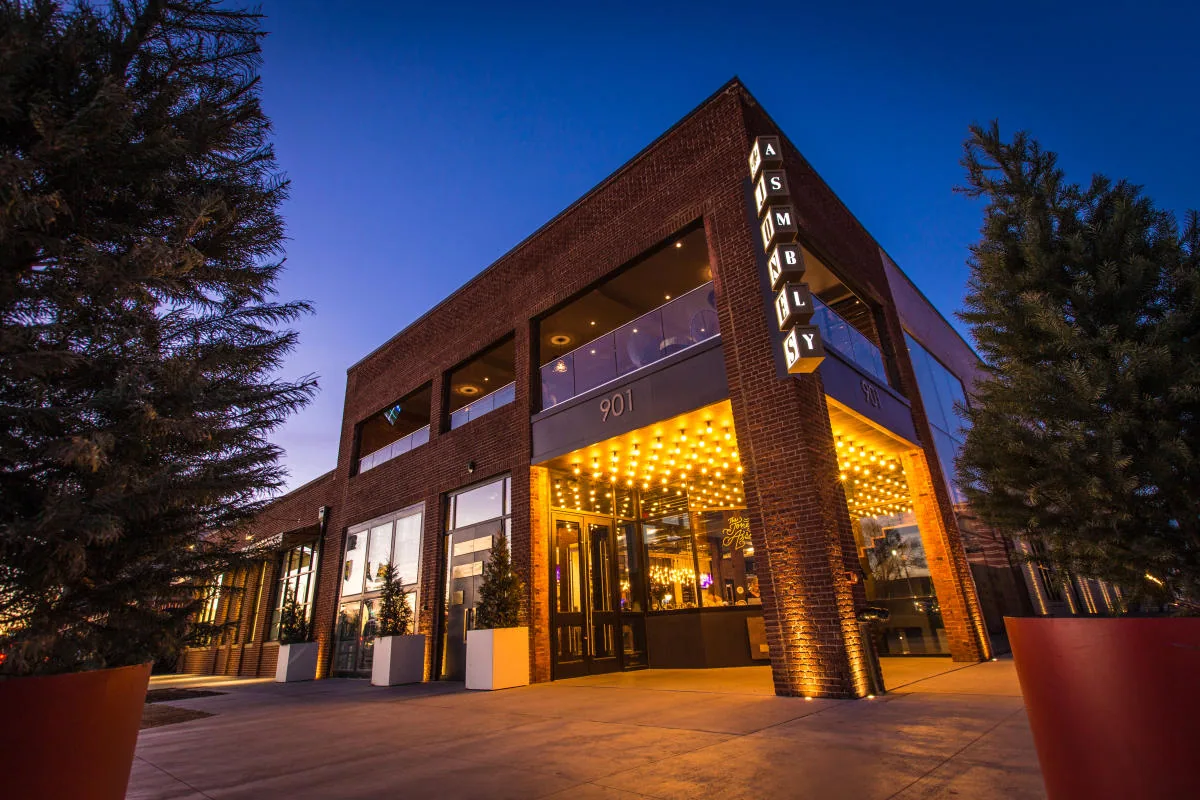
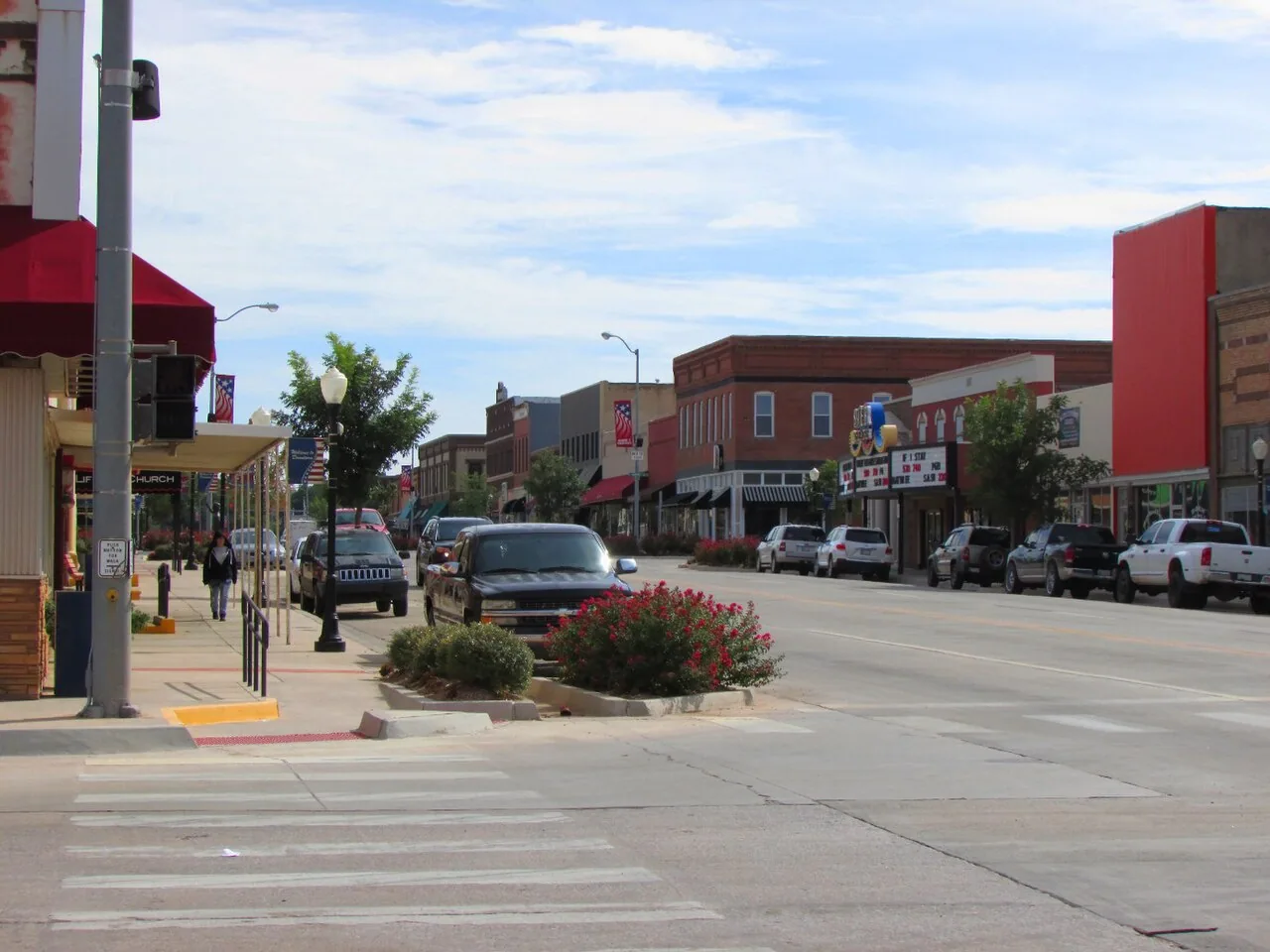
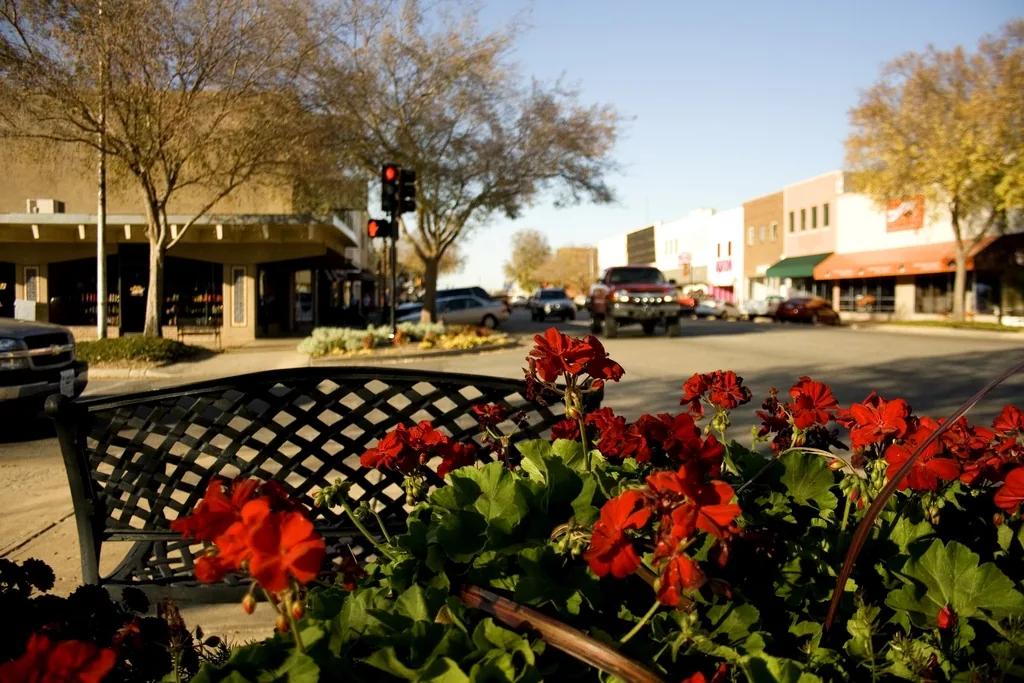
Downtown Edmond has public parking and street-level businesses; a repair plan may need to keep an entrance or sidewalk clear. The Broadway corridor and 2nd Street corridor are broad local corridors. We confirm the active entrance, material staging and roof access at the property.
An owner in East Edmond or The Village can describe the district and confirm the property address with the crew. Each visit begins with the building contact, roof access and approved schedule. The service conversation still begins with the exact address and building contact. We confirm travel, roof access and schedule before assigning a visit.
Keep the Scope Property-Specific
At a retail building, we can protect the front route and stage material elsewhere. At a warehouse, the receiving door and truck turn may govern the work window. The repair scope names the observed detail; condition reporting records access limits and follow-up. Location guides routing, while the inspected roof determines the decision.
Before mobilization, we ask about locks, gate codes and restrictions on roof ladders. Those instructions stay with the property contact and the scheduled crew. Routing can be coordinated by city, but every property still needs confirmed access permission before a crew is scheduled.
Match Response to the Finding
After wind or hail, we inspect actual edges, seams, penetrations and interior reports. Storm assessment distinguishes temporary protection from permanent repair. A small leak can require a targeted fix; widespread moisture may need another test. We do not transfer a condition from one city or corridor to the next.
Commercial Roofing Questions
What does the service-area list identify?
It identifies cities and broad areas where owners can request service. Findings and repair scopes apply to the property visited.
Can one crew route cover several municipalities?
Travel can be coordinated, but each building has separate access, inspection notes and approval.
What should an owner confirm along a corridor?
Confirm the property address, current site access and active operating route before scheduling the roof visit.
What should an owner provide before scheduling?
The address, operating contact, access restrictions and any current leak or roof records help prepare the inspection.