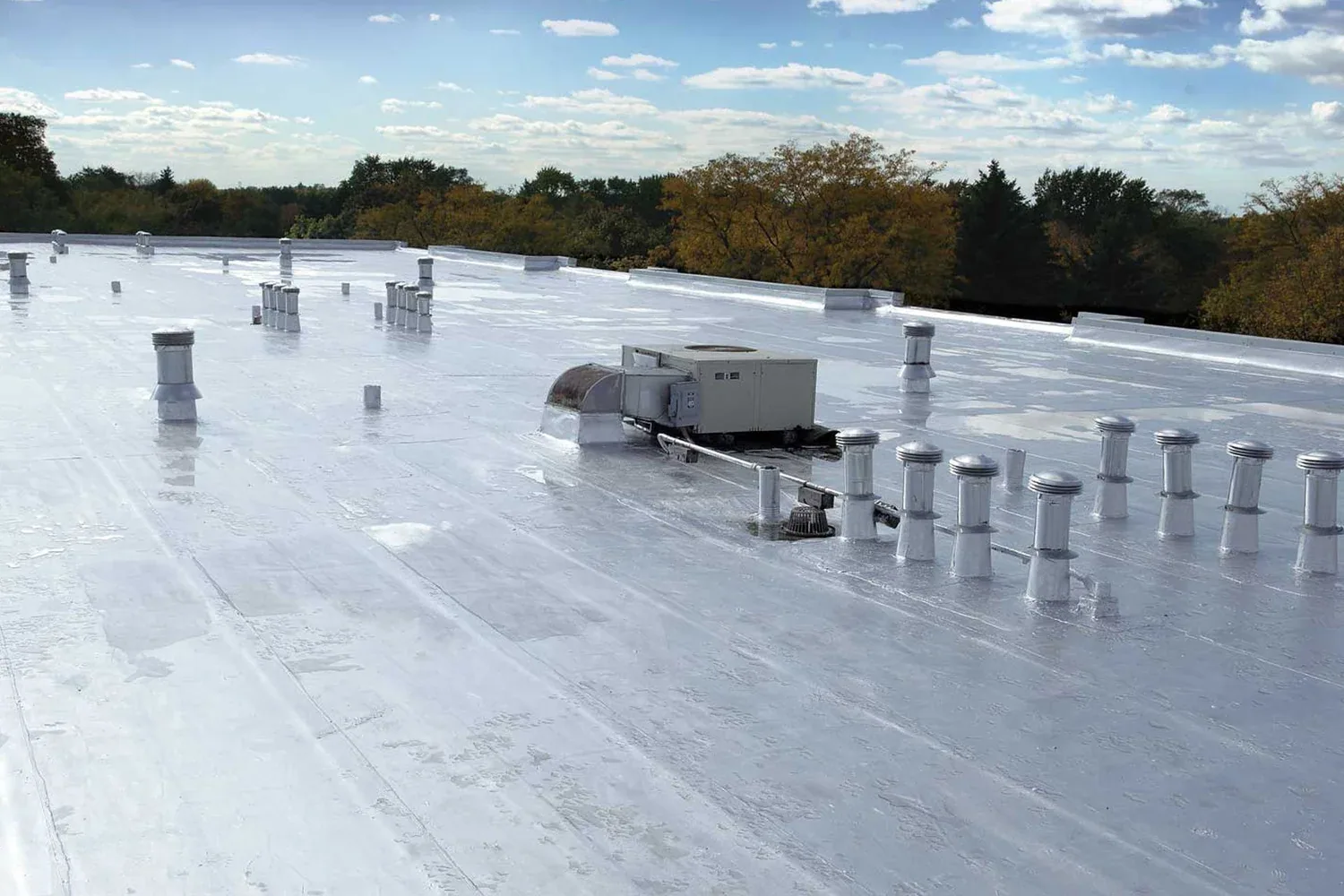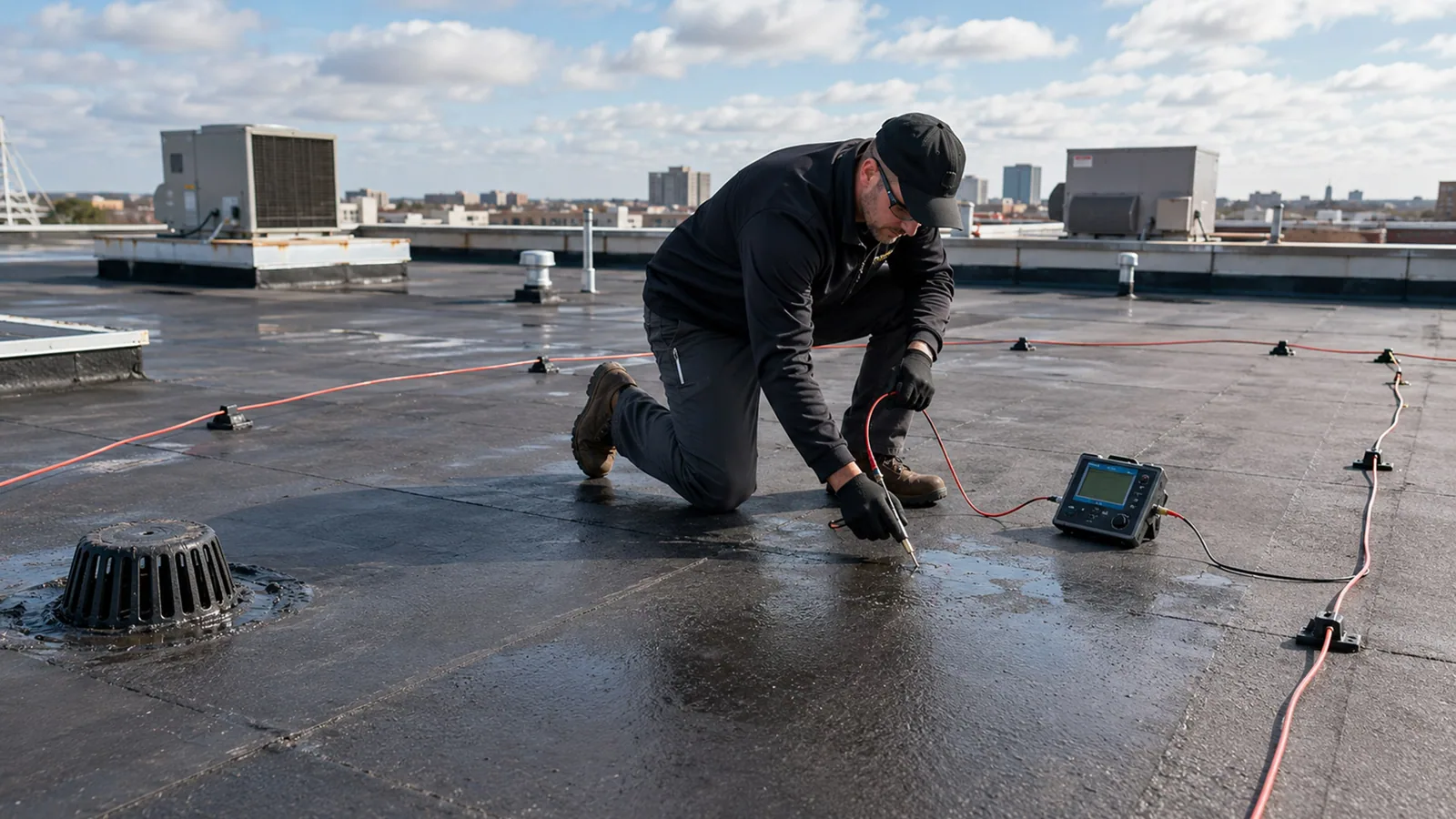

A farm-service business needs a dry work area and a safe truck route. Jones is an Oklahoma County town in the metropolitan area, bordered by Oklahoma City on three sides. Agriculture shaped its early economy; rail shipping and later commuting influenced its growth. We inspect the building before pricing any repair. The commercial roof inspection checks edge metal, seams, penetrations and drainage. It records what can be confirmed and what needs an additional test. The owner gets a site-specific scope, not assumptions based on the town’s past.
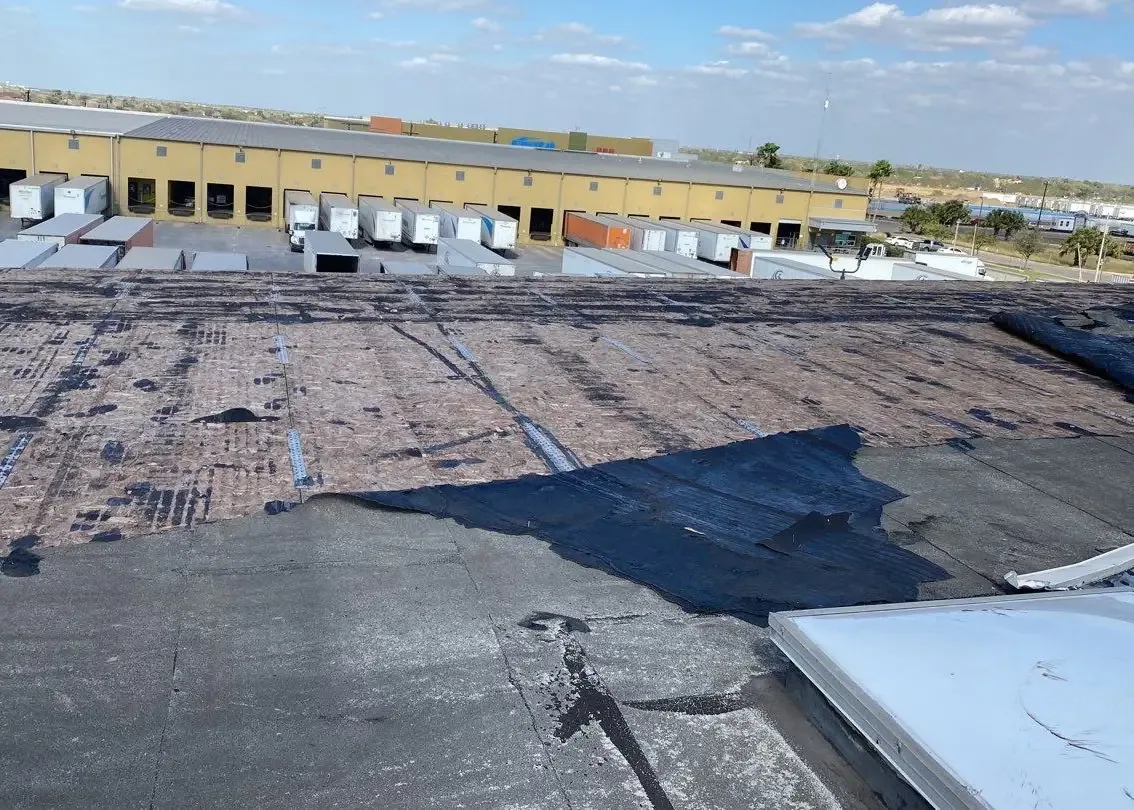
Small towns can have mixed commercial yards with equipment, deliveries and customer vehicles sharing the same drive. We walk the access route with the owner and confirm gate clearance. The material drop should leave room for equipment to turn. We ask which spaces remain active and where debris can be moved. Roof access is planned separately from loading. A daily work limit can keep a building covered while a business continues its scheduled activity.
Jones borders Oklahoma City and lies near Choctaw and Harrah to the east and southeast. Those neighboring service areas can be scheduled around the same trip. A Choctaw roof review or a Harrah inspection receives its own site contact and repair record. This approach lets a regional owner coordinate dates without transferring access instructions or building conditions between addresses.
Before mobilization, we mark the area below the repair and confirm who can move vehicles or stored materials. A ground contact can pause deliveries while debris is lowered, then release the drive when the path is clear. The roof plan should also identify ladders, hatch access, fragile panels and any interior space that needs protection. If a tenant uses the building, the owner can set quiet hours or restricted aisles before work begins. These decisions belong in the daily sequence, not in a last-minute call from the roof. At closeout, we compare the completed boundary with the approved sketch and leave the owner with photos of the work area and the route used to reach it.
A leak near a wall can come from the roof edge, a counterflashing, or a higher connection. We inspect the membrane return and metal receiver before removing material. The flashing must direct water outward and remain attached to firm backing. A loose edge needs a restored connection, not a surface patch that bridges movement. We record where the turn begins and how far the repair extends. Photos make that boundary visible to the owner and the next service crew.
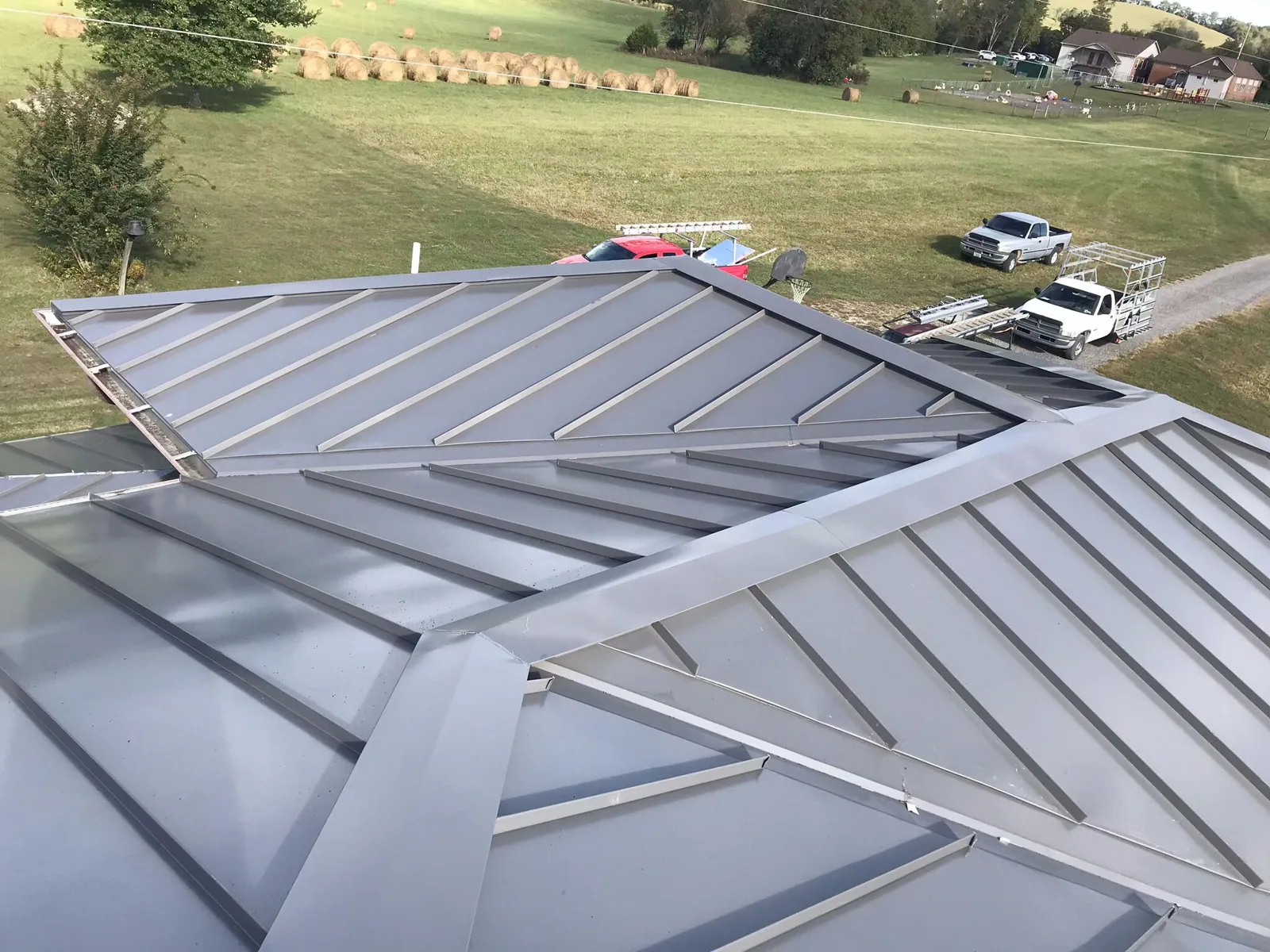
Metal roof panels may meet a lower canopy or an older addition. We check the lap direction, closures and fasteners at the transition. A roof-edge correction identifies the profile and receiving surface. If the adjacent wall belongs to a different trade, the estimate notes the interface. We do not alter masonry, siding or framing without a separate approved scope. That keeps the roofing price tied to a verifiable connection.
Oklahoma spring weather can bring hail, damaging wind and tornadoes; autumn is another severe-storm period. Hot summers affect crew exposure and installation. Those statewide conditions inform scheduling but do not tell us whether a Jones roof has damage. We check the forecast before opening a section. The crew chooses a limit that can be secured before leaving. Materials and temporary cover are placed within reach first, so weather does not force an unfinished opening.
After a reported event, we examine the actual panels, membrane, penetrations and interior. The work record notes observed impact, loose fasteners or water entry only where present. A storm-damage assessment separates dry-in from permanent repair. The owner receives photos and any next test needed. A weather report alone is not a repair scope. If removal may extend beyond the first area, the crew requests approval after documenting the condition.
We identify where runoff leaves the roof and where that water goes next. The inspection covers gutters, scuppers, drains, overflow routes and the edge that controls discharge. A blocked outlet may need cleaning. A loose gutter seam, split flashing or failed clamp requires a compatible fix. Standing water after clearing debris may call for measurements before pricing slope work. The estimate separates routine service from construction so the owner can choose each item.
Dust, leaves and loose material can collect where roof planes change direction. We document the low point and any overflow restriction. The drainage scope preserves the secondary route as well as the main outlet. A visible flow check may confirm the immediate result when conditions allow. If water reaches a walkway or foundation, we record the discharge point for owner review. Follow-up maintenance can return to the same area after seasonal changes.
We check membrane, panel type, attachment and substrate before choosing repair materials. Metal roofing requires a measured profile and a secure frame connection. Membrane repairs need compatible sheet and seam preparation. Thermoplastic material uses a trial weld. EPDM accessories follow the installed system. A coating may serve on a sound compatible surface, but not on loose panels or wet insulation. The written scope names the repair area and the component selected.
If opening the roof reveals hidden deterioration, the crew photographs its location and pauses at the approved limit. The owner can review quantity before the project widens. A TPO seam repair has different preparation from metal work. A broader replacement proposal breaks out removal, insulation, drainage and edge details. Those line items help a local business compare a contained repair with a planned capital project.
At closeout, we review the repaired connection, drains, roof access and ground route. Photos show what was removed and the finished detail. The report lists the area, material and any open condition. A roof condition record gives the owner a basis for later maintenance. A regional operator can coordinate work in Jones, Harrah and Choctaw while retaining a separate file for each property.
We note which roof areas remain serviceable, what needs observation and when another inspection may help. That makes the next service call more specific. Ask us to examine the Jones building’s roof-to-wall connection, access route and discharge point. The visit helps define a repair boundary and a work window. The owner can coordinate the crew around business hours and equipment movement with a written plan in hand.
Set a close review of the building’s roof edge, discharge point and service access. The visit helps define a safe opening and repair limit.
Often, when gate width, truck turns and staging are agreed first. We map the crew path and identify who can release each work zone.
No. History provides town context, not a building inspection. We verify materials, attachment, edges and drainage at the property.
We inspect the roof-to-wall turn, backing and receiver, then document the connection. The repair follows the observed boundary and approved scope.
Request an inspection of the actual roof and interior. The report records observed conditions and separates temporary protection from permanent repair.
Drain service starts by checking the outlet, flashing and overflow. Clearing debris may restore flow; a loose connection or continued ponding needs further review.
Nearby work can share travel planning, but every address keeps its own contact, inspection record, access plan and approved repair boundary.