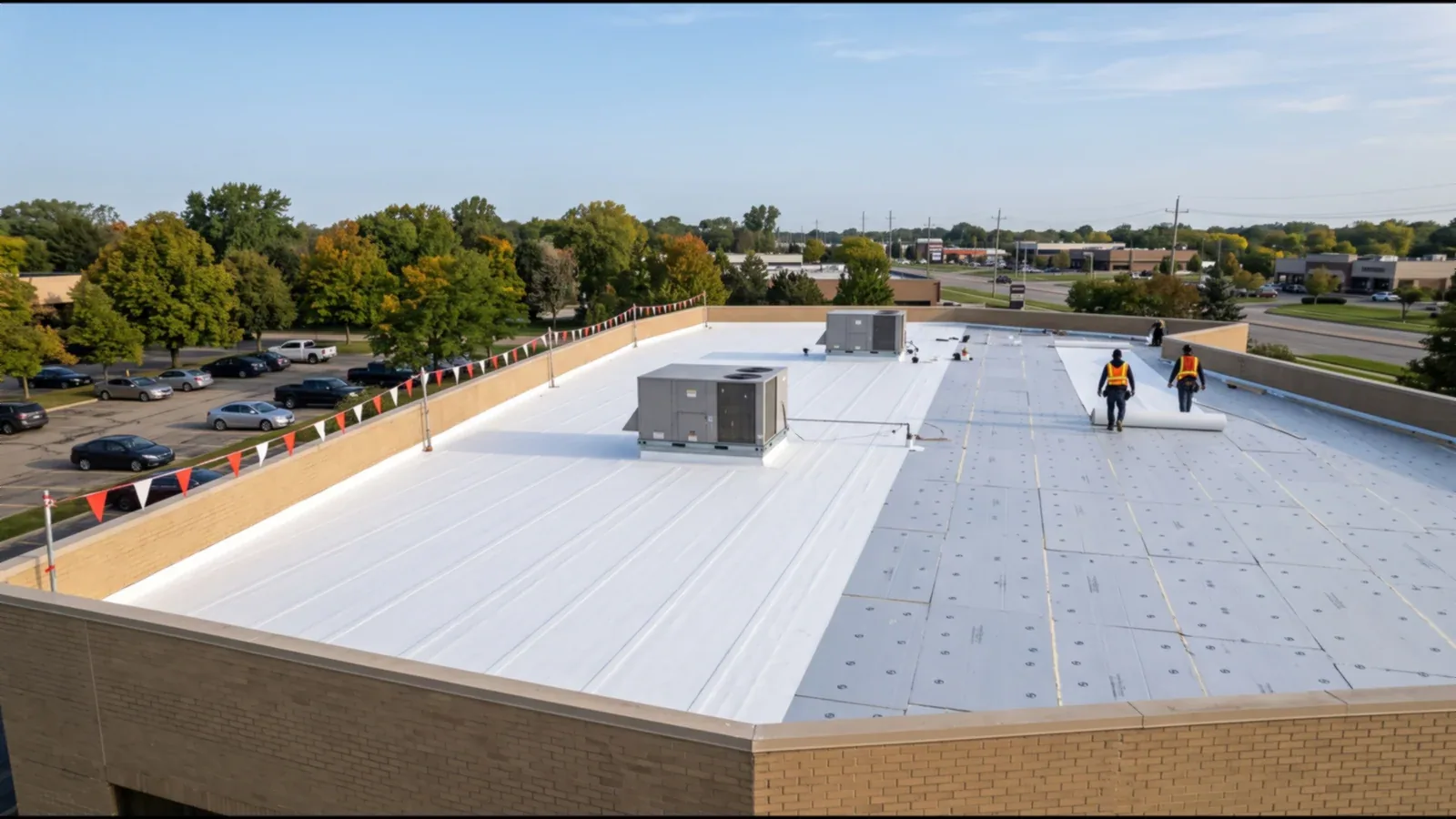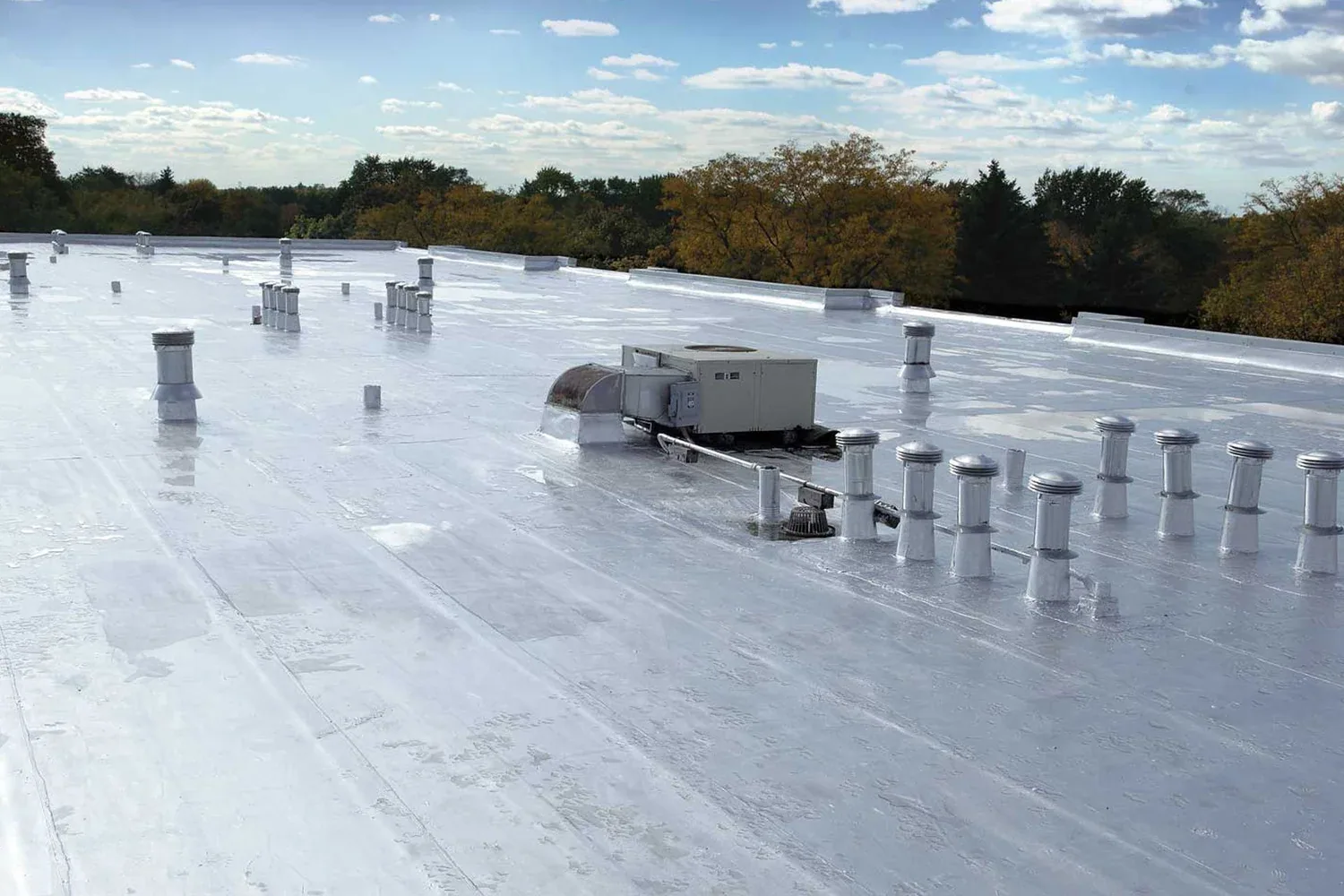

A retail building needs its drain strainer kept clear between service visits. Packaging scraps and loose debris can collect against that opening. The roof maintenance work should reach that ordinary failure point. Commercial Roofing Edmond maintains commercial roofing in Edmond, OK. We examine working details, clear appropriate debris and address small defects. The schedule responds to roof construction, exposure and building operation. A maintenance visit should preserve usable connections before deterioration expands. The facility director receives the conditions requiring attention beyond routine service.
Downtown Edmond combines local businesses with outdoor dining and walkable streets. Maintaining roofing above those operations requires controlled movement and handling. Broadway Corridor has commercial properties alongside offices and housing. Its mixed uses call for building-specific access and equipment coordination. We establish which roof areas and details belong in the program. Cleaning alone cannot substitute for repairing a failing connection. The maintenance scope should distinguish those tasks before the visit begins.
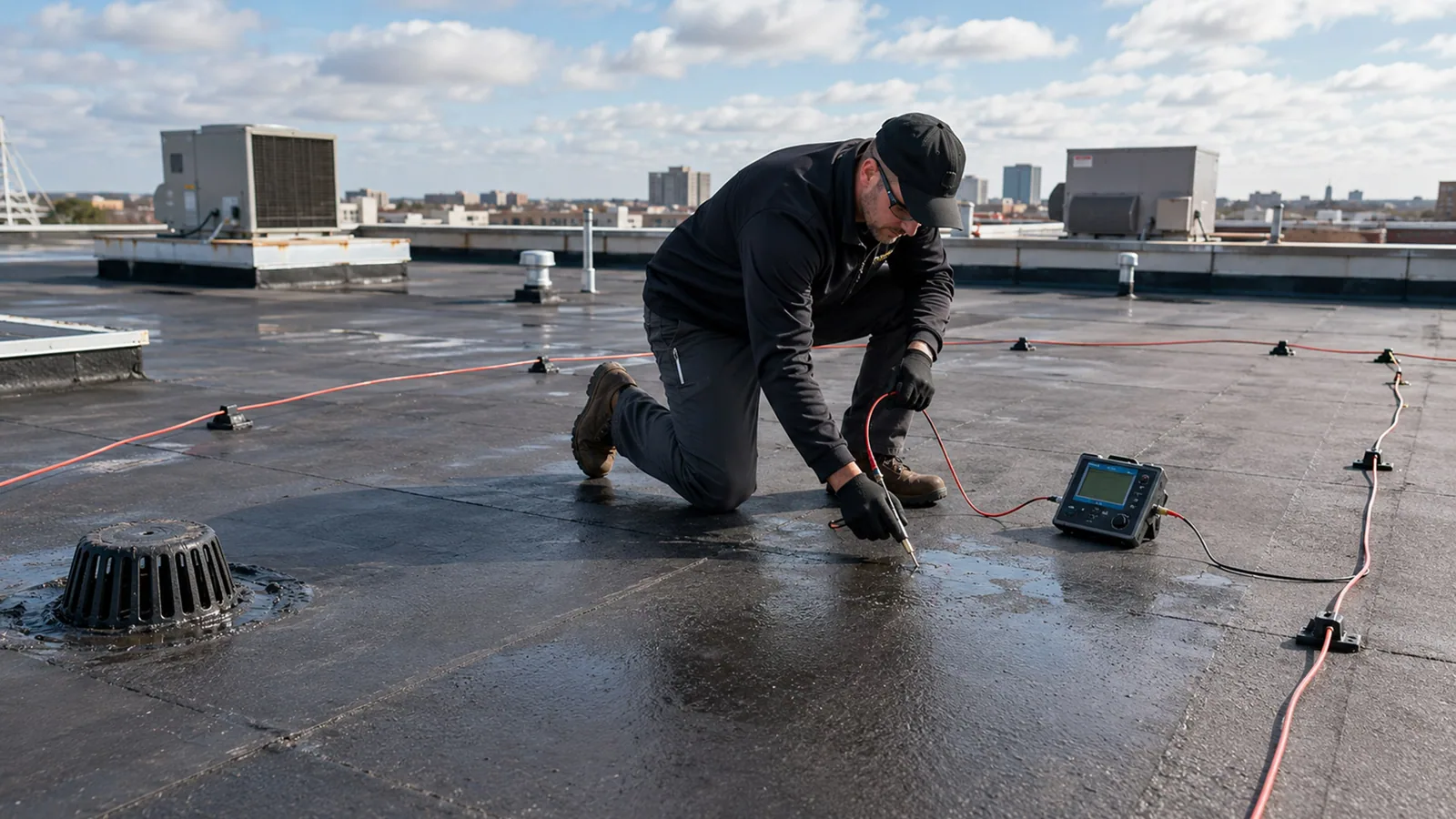
A loose plastic bag against a strainer can restrict an otherwise sound drain. We remove accessible debris without forcing it into the outlet. The bowl, strainer and nearby membrane then need a close look. Damaged drain components belong in a repair scope rather than routine cleaning. We also examine wall scuppers for accumulated material and displaced flashings. Roof runoff needs a continuous route through the functioning opening. Blocked flow can expose weak roofing to water for longer periods.
Cleared debris must leave the building through the agreed handling route. Sweeping sharp metal across a membrane can create punctures during cleaning. We use handling suited to the surface and the material removed. Ponding marks can suggest a drainage condition beyond loose debris. Drainage correction may require elevation work or another trade. We identify that difference so the director can assign the right action. A clear strainer cannot correct a roof surface sloping away from it.
A worn path between roof access and equipment deserves particular examination. Foot traffic can damage a membrane where protection is inadequate. We look for abrasion, displaced walkway pads and exposed fastening points. Tools left near equipment can also damage the covering beneath them. Suitable traffic protection should match the installed roofing assembly. It needs placement that supports maintenance access without blocking drainage. We discuss vulnerable locations with the facility staff using that route.
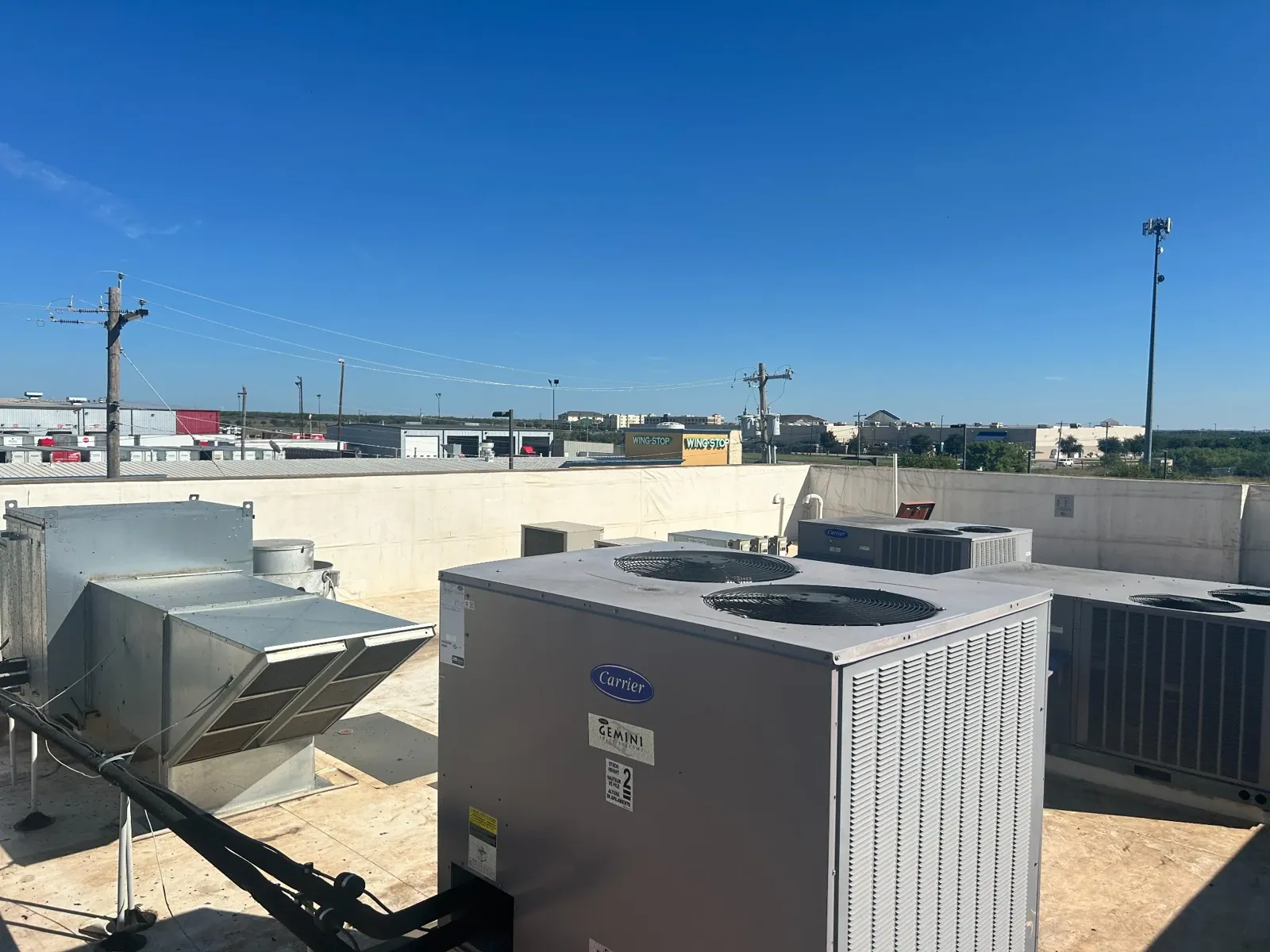
Mechanical work can disturb flashings without an immediate interior leak. We examine equipment connections after significant service or replacement activity. Access panels need clearance above the roof flashing. New cables and small pipes should not be pushed through improvised openings. Equipment curb work can correct a detail that routine service cannot preserve. Maintenance also identifies where another trade has left a roofing exposure. Closing those connections requires the appropriate material and agreed responsibility.
A cracked seal at a metal termination needs a check beneath it. The connection may have loose fasteners or deteriorated supporting material. We inspect that assembly before applying another exposed seal. Sealant renewal should use compatible material on properly prepared surfaces. Repeated layers of incompatible compound can make later repair harder. We remove failed material where the selected treatment requires it. A secure detail needs suitable backing and attachment as well as its weather seal.
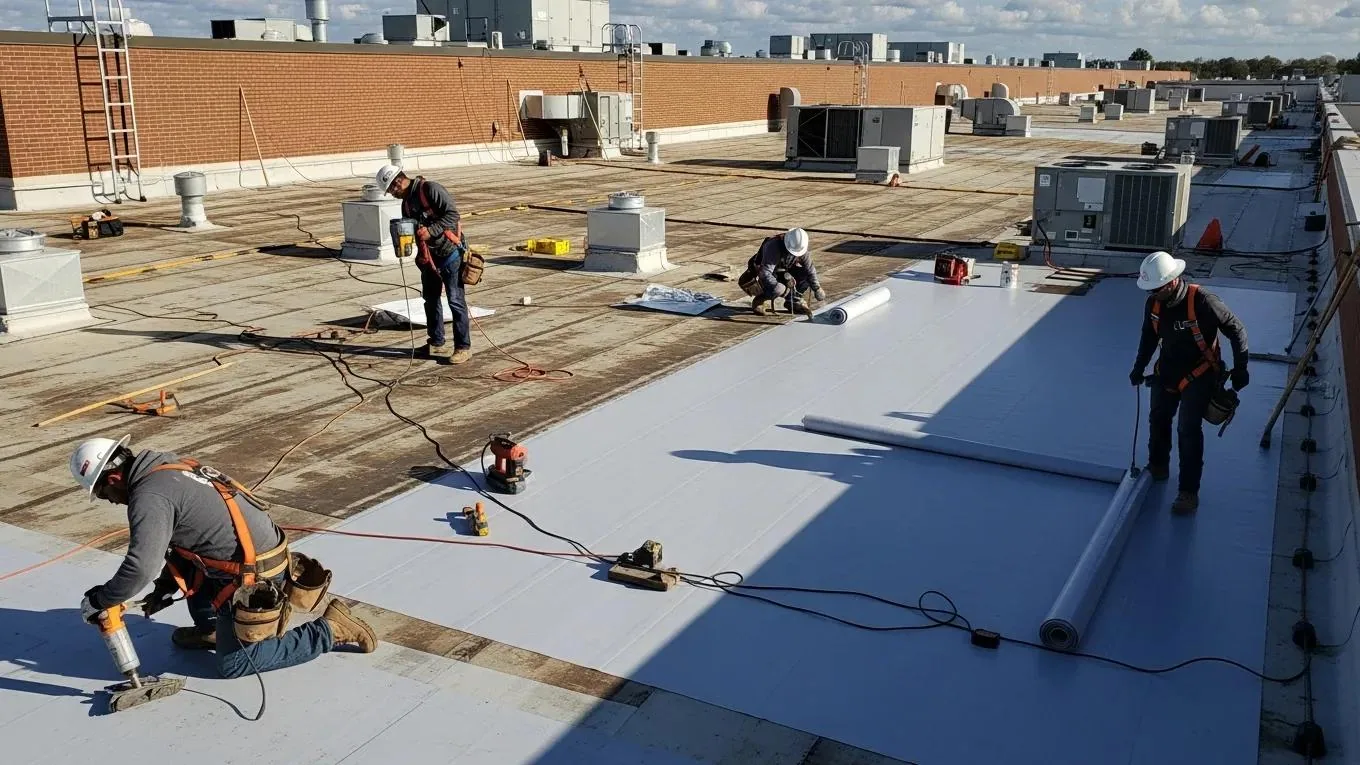
Membrane joints require their own examination rather than indiscriminate sealing. We look for lifted laps, edge damage and failed previous repairs. A welded seam and a bonded rubber joint need different treatments. Seam failure work addresses the physical separation with the correct connection method. Planned maintenance can identify that defect while its extent remains manageable. We separate repair needs from inspection observations that require another test. The roof should receive the method appropriate to its actual material.
Oklahoma spring weather can include hail and damaging winds. A severe event can justify a separate roof examination between scheduled visits. We check observed displacement, impact damage and debris accumulation at the property. The calendar alone cannot describe what that event left behind. Oklahoma also has generally hot summers and winter cold outbreaks. Repeated thermal movement can affect joints and exposed terminations. Maintenance should examine those working connections rather than assume they remain unchanged.
The frequency of attention depends on the roof and operating conditions. Equipment-heavy roofs may need more coordination with service trades. Trees, adjacent work and recurring debris can affect cleaning needs. The Broadway Corridor includes varied commercial uses that call for individual scheduling. We identify the useful interval from the observed exposure and assembly requirements. A manufacturer maintenance requirement may also inform that plan. The director should know what would trigger an additional examination before the next visit.
A blister over wet insulation cannot be maintained back into dry construction. We recommend investigation when the roof condition exceeds routine service. Concealed moisture may need selected openings and a suitable survey. Broad membrane deterioration may require repair planning or eventual replacement. A condition inspection can define the next construction decision. We show the physical finding that changed the recommendation. Maintenance should not become repeated spending on an unsuitable assembly.
Small repairs also need a defined boundary and compatible materials. We identify work that can be completed within the agreed maintenance scope. Larger reconstruction requires the director's separate decision and coordination. Keeping that distinction clear helps facility staff understand the visit. A cleaned roof may still contain a known unresolved defect. We locate that defect and describe the required action. The roof condition remains visible instead of being hidden behind a completed service label.
A treated detail should be identifiable when the next crew examines it. We record the roof location and the work completed there. Photographs help compare a moving joint or recurring debris area. The useful information concerns changes in the roof, not lengthy generic descriptions. Facility staff can add equipment changes or new interior water observations. That keeps subsequent service directed toward the assembly's actual behavior. Maintenance works better when roof changes remain connected to specific locations.
Roof warranty responsibilities can include following the installed assembly's care requirements. We help keep relevant service findings with that information. An asset maintenance plan can distinguish recurring care from capital work. The facility director can then coordinate budget and trade activity. The next visit should revisit previous concerns and examine new changes. Ordinary care earns its purpose through working drains, protected paths and sound details.
Arrange a maintenance review of the drains, equipment paths and working joints. We will set the useful service scope and identify larger repair needs.
Disturbed roofing or changed equipment connections justify examination. A major mechanical replacement may affect curbs, service paths and new penetrations. We check those details after the trade work where appropriate. Ordinary equipment adjustment may only require continued observation. The work performed sets the useful follow-up, not the service label.
Compatibility and the condition underneath guide that treatment. Failed residue may need removal before a suitable repair material can attach. Sound material should not be stripped indiscriminately. We examine the connection and define whether preparation belongs in routine care or a separate repair scope.
The collection pattern needs attention as well as removal. Nearby work, rooftop equipment or drainage layout may contribute to accumulation. We clear the obstruction and examine that area for damage. A changed cleaning interval or appropriate protection may help. Drain alterations require their own review if the outlet arrangement is unsuitable.
Failed layers still require construction work. Cleaning and small repairs cannot restore saturated insulation or extensive material deterioration. We identify those conditions when they appear and recommend the appropriate examination. Continued service should protect usable construction while the director plans the necessary larger work.