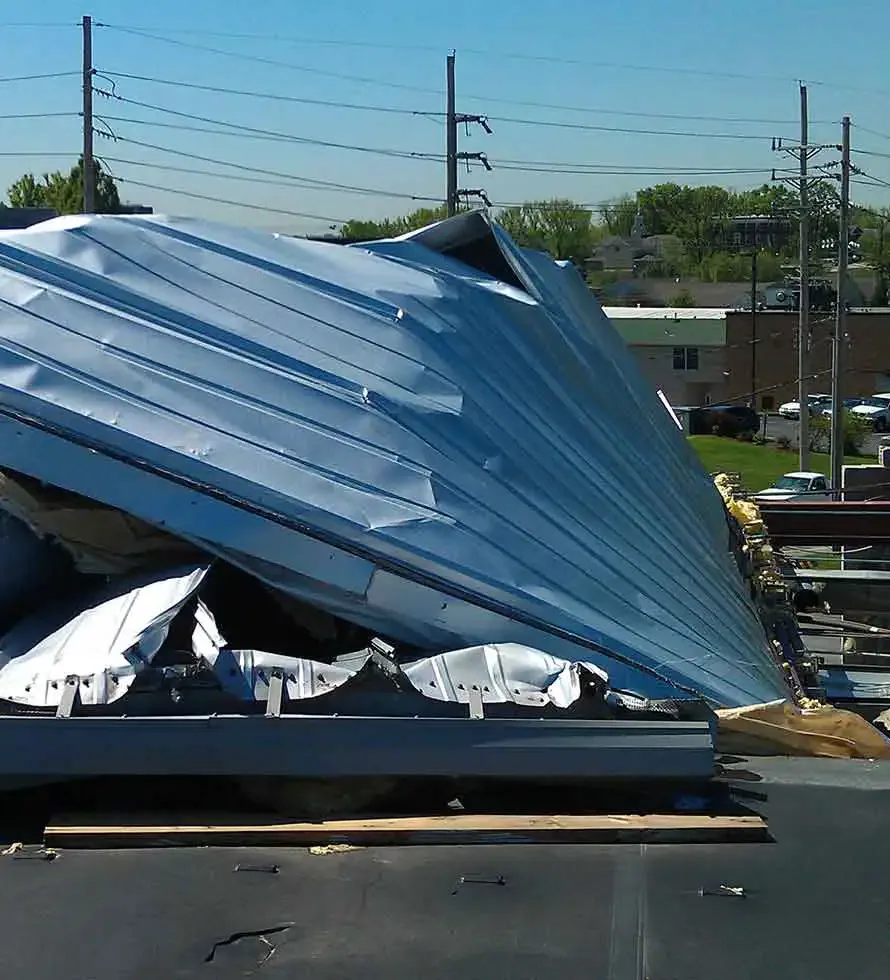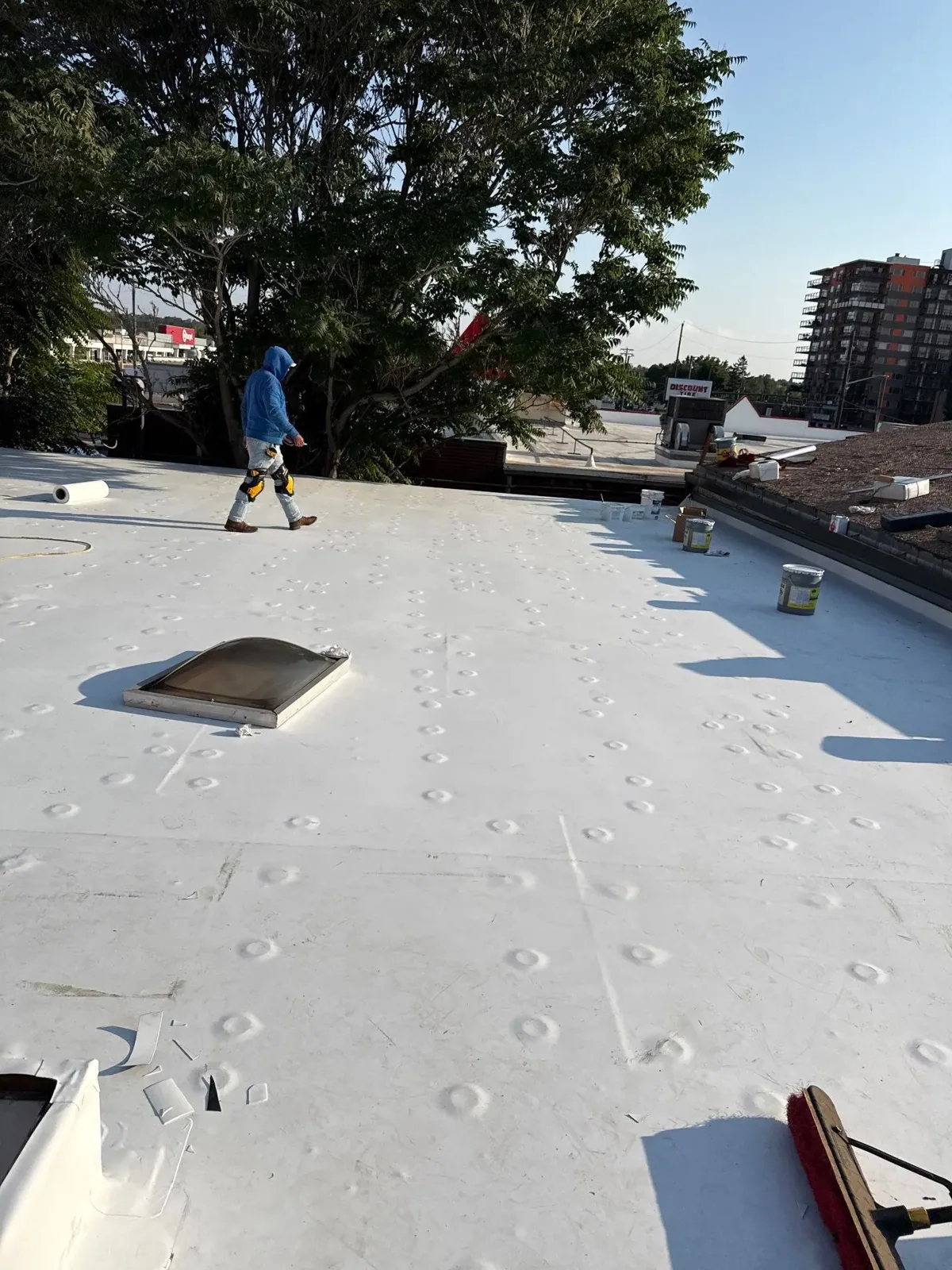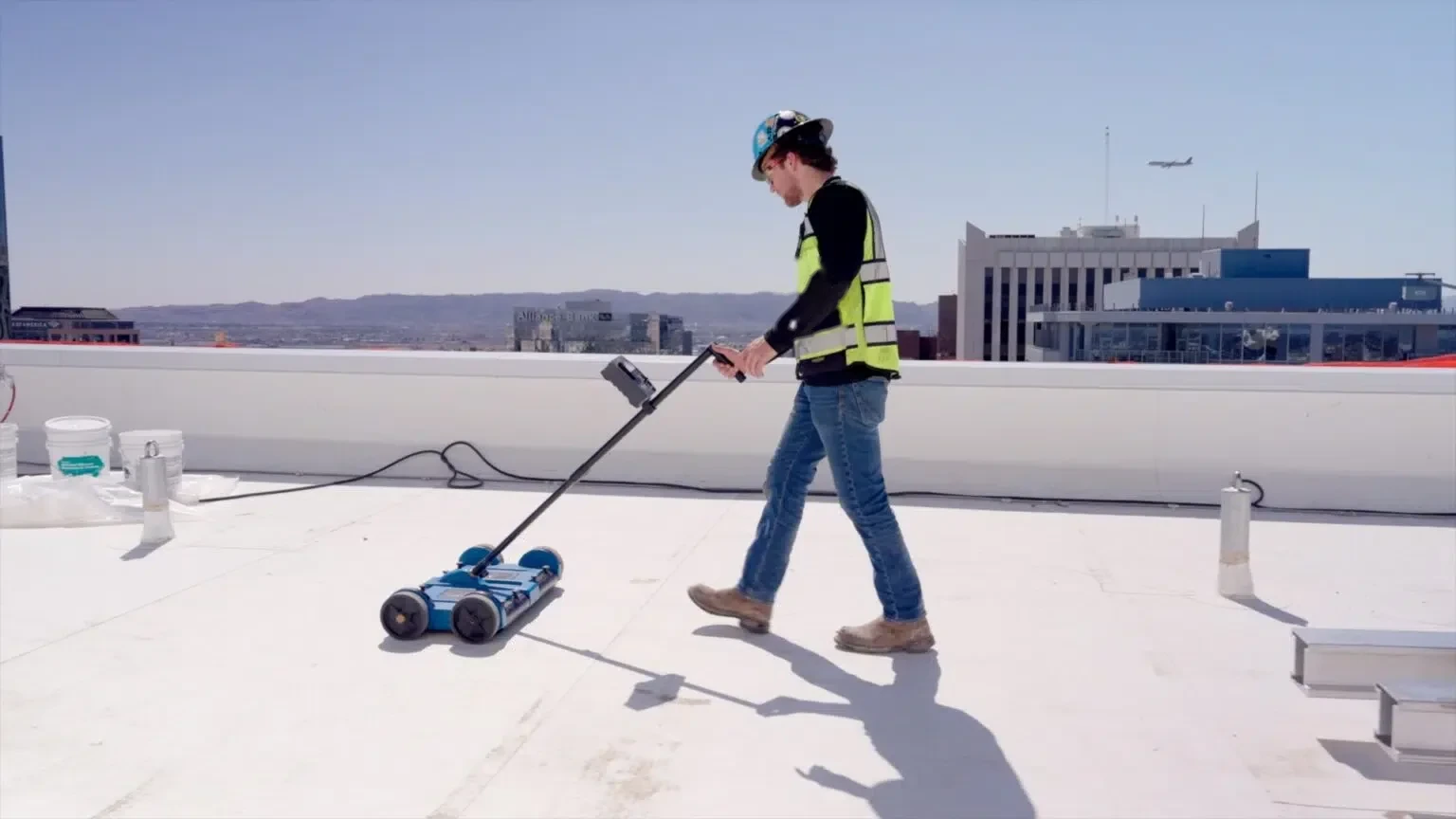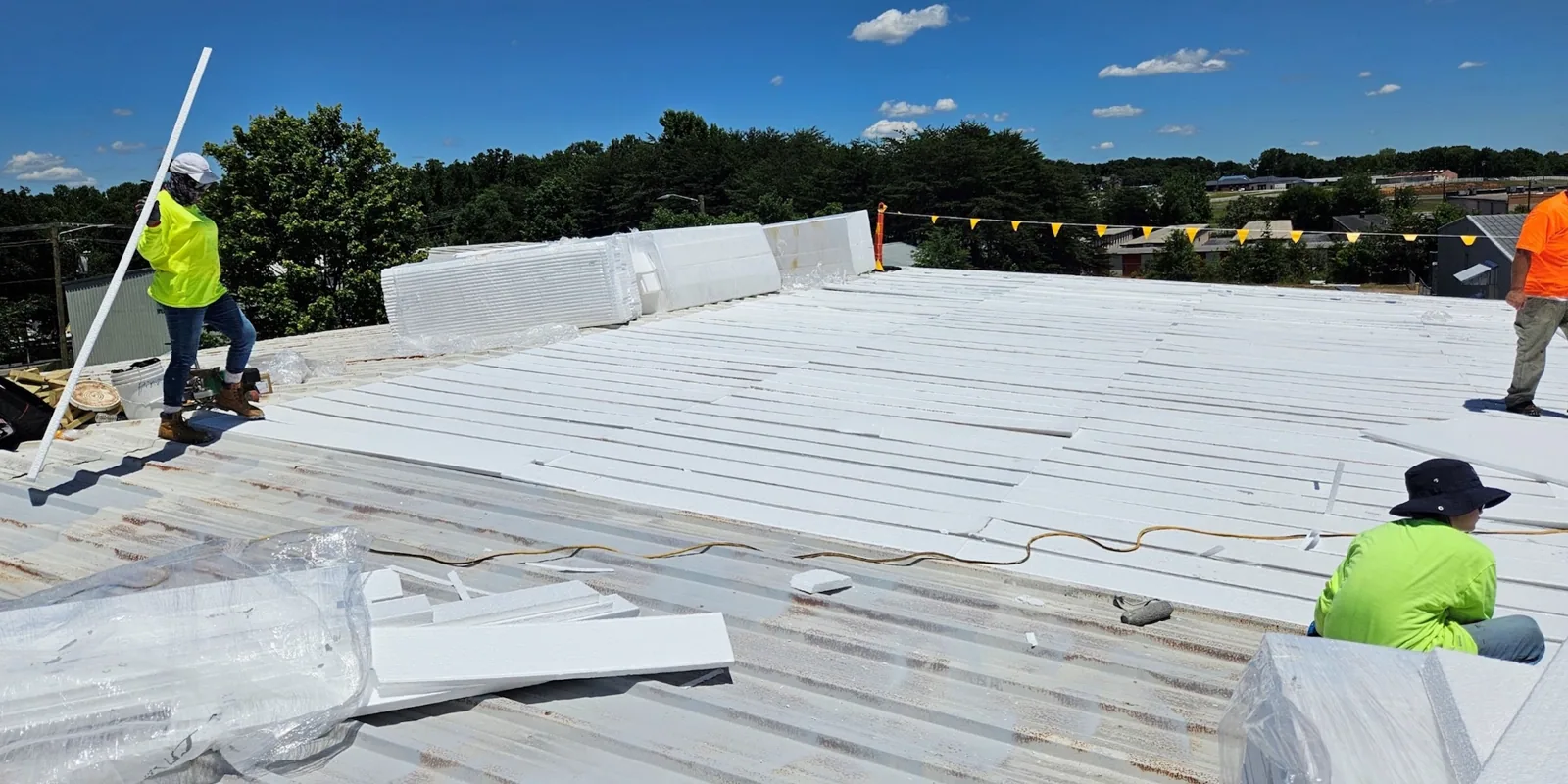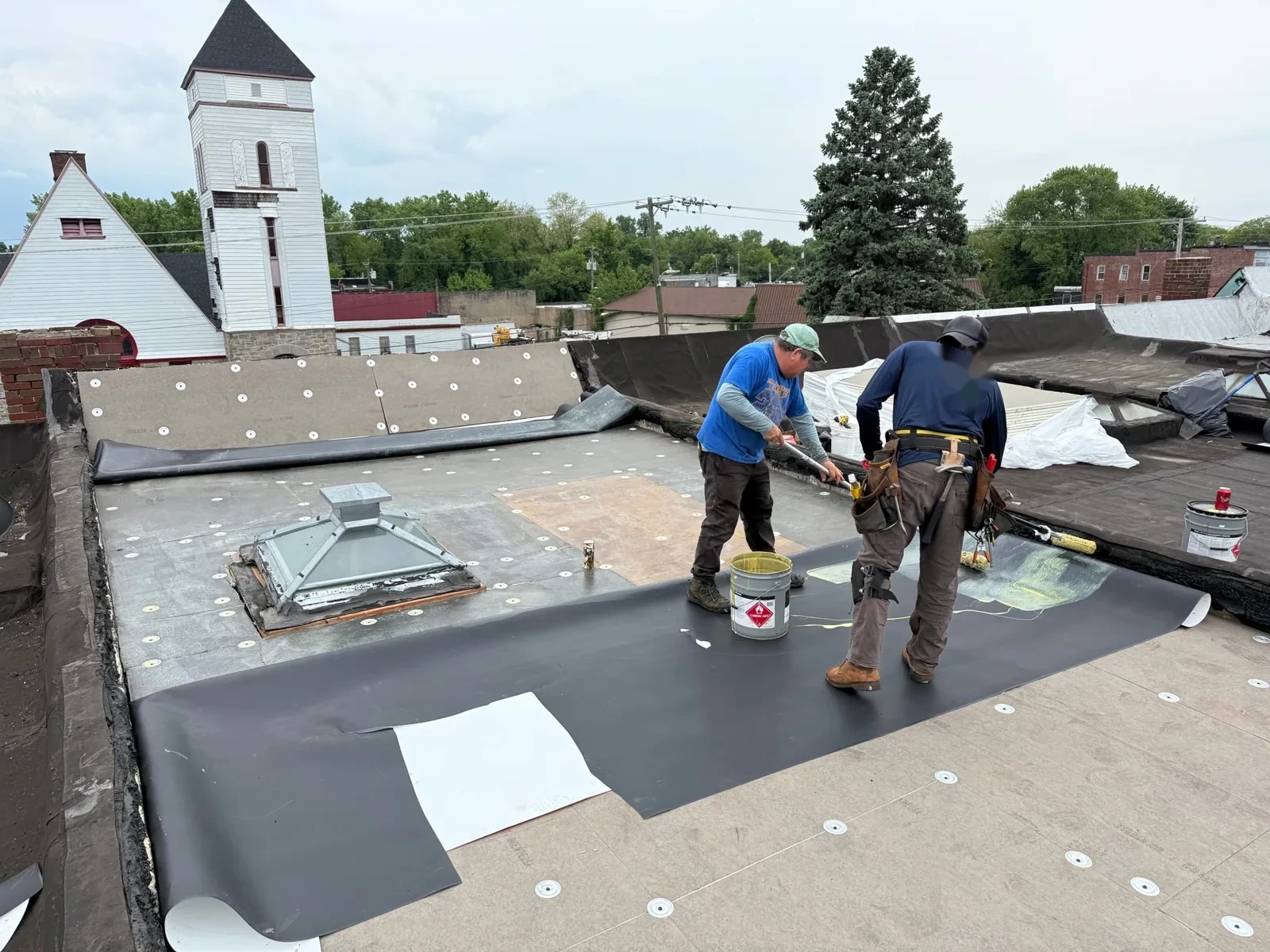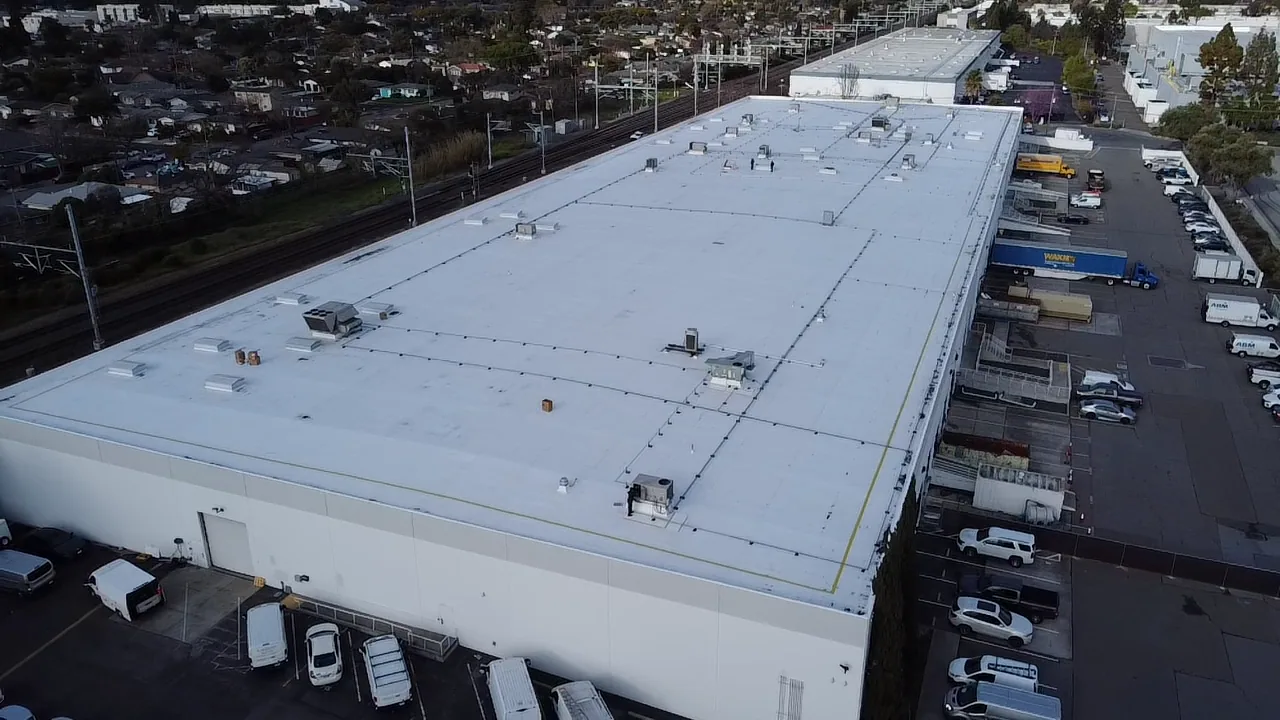

A warehouse membrane lap can open where its joining surface has deteriorated. Closing the gap requires material that still accepts the specified connection. Commercial Roofing Edmond reconstructs failed roof seams in Edmond, OK. We examine the covering, attachment and supporting layers beside the opening. The facility director identifies occupied storage or equipment affected below. Its protection helps establish a workable repair stage. The actual membrane determines preparation and joining methods. A useful finish connects serviceable retained material through the right detail, rather than stretching another strip across an unresolved split.
Guthrie includes industrial and manufacturing enterprises. Midwest City has industrial and technology parks as well as major retail developments. These uses can place stock or active equipment beneath a seam repair. We locate that interior footprint before the roof is opened. Oklahoma's generally hot summers affect suitable product application conditions. Cold outbreaks during winter can also restrict joining methods. We assess the actual work area before preparing or closing a joint. The proposed interval should permit the specified installation conditions. The installed sheet and accessible support establish the physical treatment at the property.
A thermoplastic lap uses a different repair method from a rubber membrane joint. We establish the covering and retained material condition first. PVC seam reconstruction follows its compatible product and welding requirements. Other thermoplastic systems likewise need their specified preparation and accessories. A dirty or deteriorated surface may not permit a useful local weld. We examine the proposed boundary before selecting repair material. The finished joint should join suitable retained sheet rather than rely on an incompatible coating at its face. The director receives preparation and removal tasks with the seam treatment.
A rubber assembly requires its appropriate primers and compatible seam accessories. Old adhesive, moisture or contamination can interfere with the specified contact. We inspect those conditions before reconstructing the joint. Bituminous coverings instead use the joining method appropriate to their actual assembly. Mixing those techniques can leave an unsuitable connection. The required preparation belongs in the proposed work, not as an assumed surface wipe. We establish the useful retained boundary and accessory dimensions together. Where the sheet cannot accept its intended detail locally, removal should reach construction suited to the permanent finish.
A seam may separate where surrounding attachment permits unwanted movement. We inspect accessible fasteners, backing and the adjoining field. Wind-related attachment repair considers displaced sheet and support as well as the visible opening. A loose fastening row can require reconstruction beneath the new joint. Deteriorated holding material may need replacement or another supporting task. The selected method follows applicable system and design requirements. We identify that construction before closing the covering. Repairing the surface seam alone can leave the movement causing separation unchanged.
A split beside a raised component can also involve a strained return. Connected flashing repair examines the backing and available dimensions at that interface. The field sheet should not bridge an unsupported corner. A curb alteration may require its responsible trade before roofing closes. We identify the roof-side preparation after that task. Movement intended by the assembly still needs a suitable detail. The director receives the connected seam and accessory scope. The permanent boundary should include what physically caused the unsuitable fit rather than stop at the first visible split.
Rain entering an open lap can affect insulation beyond the exposed line. Roof moisture examination may help select concealed checks when the assembly and conditions support it. Direct examination may still be needed before assigning removal. We inspect retained layer condition at useful locations. Wet or deteriorated material can expand the construction area. Damaged deck support may call for professional review and a separate response. We identify those findings with their required tasks. The new seam should close above an assembly suited to continued service, not conceal unresolved affected layers.
Seam-area supporting layer reconstruction replaces affected material and prepares suitable backing for the selected finish. Required thickness and attachment must fit the complete assembly. Changes in field height can affect a nearby drain or return. We examine those connections before installation. Another trade may need to alter a retained component. The director receives that interface task with the opening boundary. A local repair can remain useful where surrounding construction is serviceable. Broad wet-layer or attachment deterioration may instead call for a larger renewal option and its associated accessory work.
A seam repair above stock can generate preparation debris before new material is installed. The facility identifies goods and equipment beneath the work. We describe the method and required contents protection. Removal proceeds through the zone with suitable arrangements below. Product bonding or welding also requires acceptable work-area conditions. The surface should remain suited to the specified preparation through joining. Rain or condensation can change that condition. We assess the area before finishing and identify a suitable stop if work pauses. A limited operating interval cannot shorten the material's required installation steps.
Defined seam-area roof repairs can proceed locally where the surrounding assembly supports them. Rooftop materials need appropriate loading review and protection. Controlled delivery and disposal routes should suit the occupied approach below. When an opening admits water, temporary containment and permanent seam construction are separate tasks. Safe access and present conditions shape the work that can proceed. We describe the affected location and unfinished treatment. The director can then coordinate operations below against the actual roof status instead of an assumed completed joint.
Guthrie seam repair work requires assessment of the actual building approach and occupied area. Midwest City industrial projects likewise need property-specific protected handling. Appropriate completion checks follow the selected sheet and accessory system. We inspect accessible join condition and supporting interface finish. Other trades complete any related component alterations. Roofing scraps should leave reachable outlets and service routes. The director receives the treated seam locations and remaining construction tasks. A completed line of roofing should remain identifiable for subsequent observation rather than disappear into an unlocated surface repair description.
Located seam condition findings connect observations to their proposed construction response. Relevant photographs can show adjoining support or material issues where visible. Later equipment work should preserve the repaired covering and its intended movement. New water observations should identify their room and timing. We examine the associated components against that information before choosing another treatment. Accessible outlets and terminations should remain part of continuing care. If splitting appears across more of the field, broader examination can guide the next renewal decision. Current assembly condition remains the basis for that wider roof scope.
Identify the split joint and occupied area beneath it. We will inspect the covering, supporting layers and useful boundary before defining its permanent seam repair.
The installed assembly governs the compatible preparation and joining products. We establish the actual covering before choosing a detail. Thermoplastic welding differs from rubber seam reconstruction. Accessories also need appropriate compatibility with retained material. The proposal identifies the required method rather than assigning one strip to every roof.
Loose attachment or unsuitable support can continue to move beneath the joint. We inspect the adjoining field and accessible holding construction. Damaged material may need replacement before the seam closes. The system and design requirements govern the new connection. A surface finish alone does not resolve that supporting condition.
Suitable joining material and retained layer condition establish the physical boundary. We examine both where accessible and identify useful concealed checks. Wet insulation can require another removal area. Nearby accessory damage may also need reconstruction. The director receives those connected tasks with the proposed repair opening.
Identify the affected interior space, timing and recent roof activity. We examine the repaired joint and adjoining accessible components. Another outlet, wall or equipment connection may require a separate task. Located findings guide the treatment. Repeated water should not automatically receive the same surface material at the earlier seam.