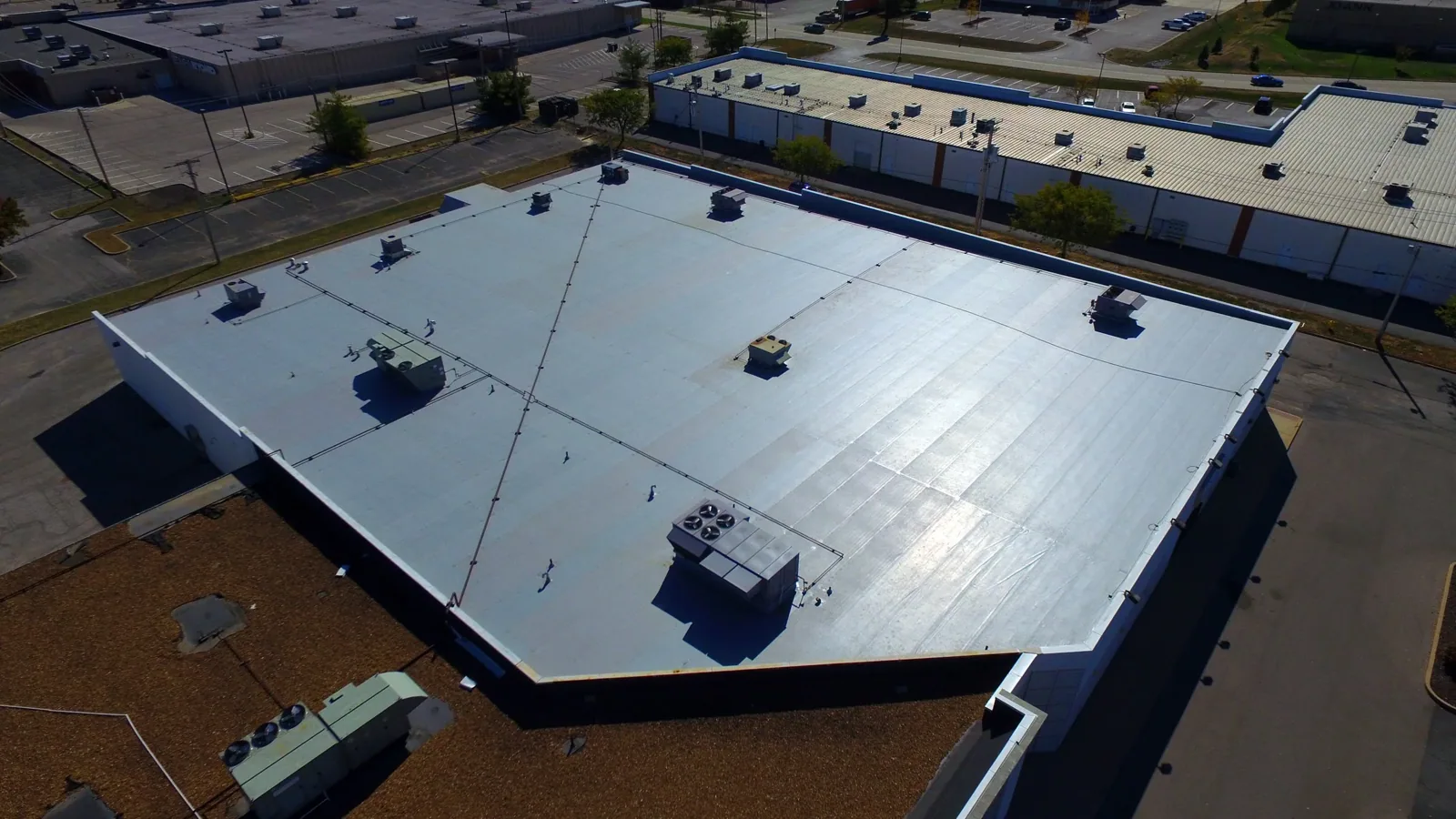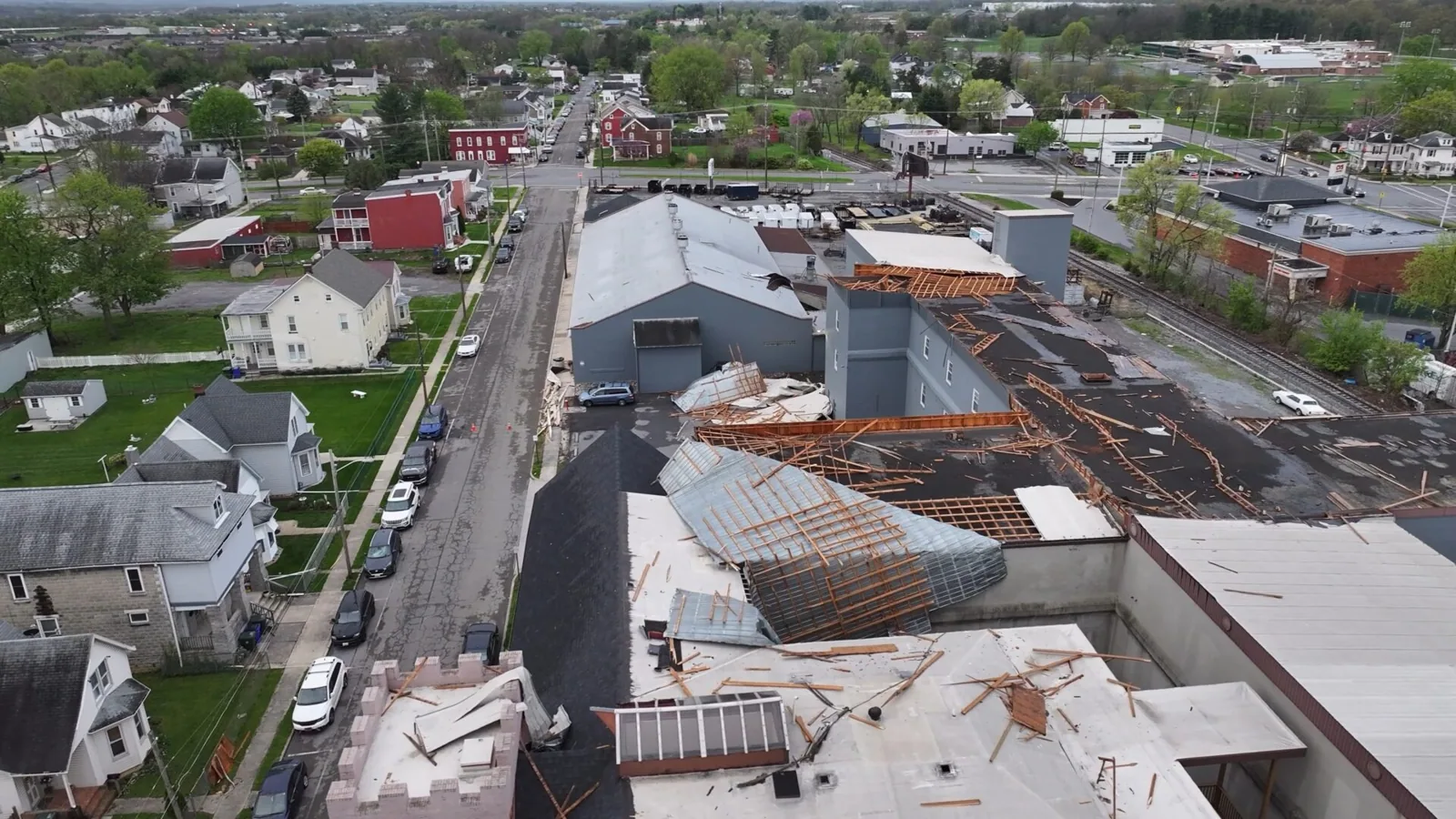

On a warehouse roof, a lifted sheet can expose the insulation beside its fastening row. Reclosing the covering requires attention to that attachment and concealed material. Commercial Roofing Edmond examines wind-related commercial roof damage in Edmond, OK. We identify accessible displaced components and the construction needed beneath them. The facility director arranges protection for occupied storage or equipment below. Safe conditions determine which temporary roof action can proceed. Permanent repair follows the actual assembly and affected boundary. A sheet pressed back into place still needs suitable support and the complete fastening connection required by its system.
Oklahoma spring thunderstorms can include damaging wind, hail and tornadoes. Autumn brings another severe-weather season across the state. We examine property condition after a concern rather than assign damage from the season alone. Midwest City contains industrial and technology parks alongside retail and education buildings. Guthrie has manufacturing and industrial activity as well as downtown shops. Those uses can place valuable goods or occupied rooms beneath damaged roofing. We connect the repair opening to the actual space below. The director receives both the physical roof scope and its required operating protection.
A detached accessory may leave exposed fasteners and an open termination. We inspect reachable components under suitable safe conditions. Urgent wind-damage containment addresses the opening where appropriate temporary action is possible. A temporary action is considered only when access, weather and stability permit the work at the property. The facility handles necessary restrictions below loose components. Displaced metal may require controlled removal instead of pushing it against damaged support. We identify the temporary treatment separately from reconstruction. The director should know which physical connections remain unfinished after that stop.
Damaged roof metal reconstruction includes the supporting connection behind the visible piece. We examine attachment and backing along the accessible boundary. Enlarged holes or broken holding material may prevent a useful refastening. The proposed work should replace or reconstruct affected support as required. Metal laps and accessories must accommodate their intended movement and shedding direction. Adjacent membrane closure needs its compatible detail. We establish that interface before finishing the replacement. A straightened face alone does not complete a displaced metal assembly or restore a damaged connection beneath it.
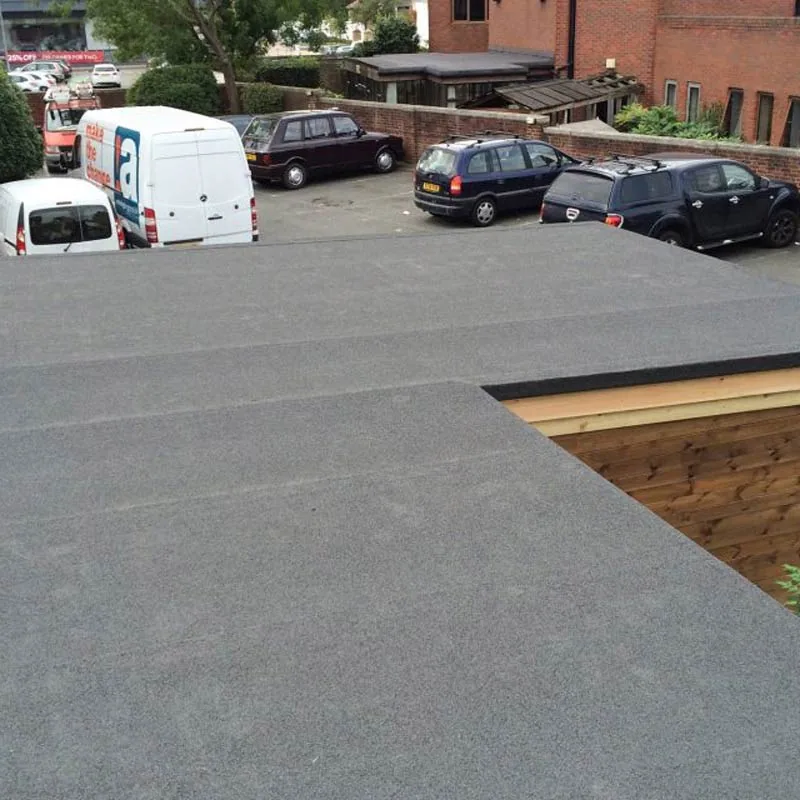
A lifted membrane can transfer stress to neighboring seams and fasteners. We examine those adjoining areas before drawing the permanent repair boundary. Wind-stressed seam reconstruction requires suitable material and the actual system's joining method. Contamination or stretched covering may require replacement rather than surface resealing. The retained attachment should support the new connection at its boundary. Insulation beneath the opening may also have been disturbed or wetted. We identify those findings with the necessary removal. The director receives a scope connected to the affected assembly instead of only the detached sheet's visible footprint.
Loose attachment across a wider field can make separate local patches impractical. We inspect accessible fastening and support condition through useful selected examinations. Deck damage may require appropriate professional review. The repair should not conceal that structural or supporting task. New attachment follows the applicable design and system requirements. A broader assembly renewal may be appropriate where retained construction cannot support a defined local finish. We describe its additional removal and accessory implications. Project design, permit and inspection responsibilities receive confirmation for the intended work. The physical condition establishes how far the permanent construction must reach.
A wind opening can admit rainfall into supporting roof layers. We examine moisture condition where accessible and select useful concealed checks. Replacement of affected supporting layers prepares suitable retained boundaries for the finish assembly. Damp material may extend beyond the visibly torn area. The required removal should reflect that condition at the project. Interior restoration teams handle their respective contents and room tasks. We explain removal debris and water exposure above those areas. A changed opening needs revised protection before it expands. Temporary closure is a containment step while that larger reconstruction remains unfinished.
Debris-related membrane repairs examine impact openings separately from attachment damage. A displaced rooftop object can affect more than one material connection. We identify the accessible puncture, adjoining field and supporting condition. Equipment staff address damaged services and operating controls as required. Roof repair includes the compatible interface after their work. The director receives those connected tasks by component. Water in an occupied room can require several responsible trades. We keep the roof-side treatment clear while each specialist addresses its own damaged construction or equipment.
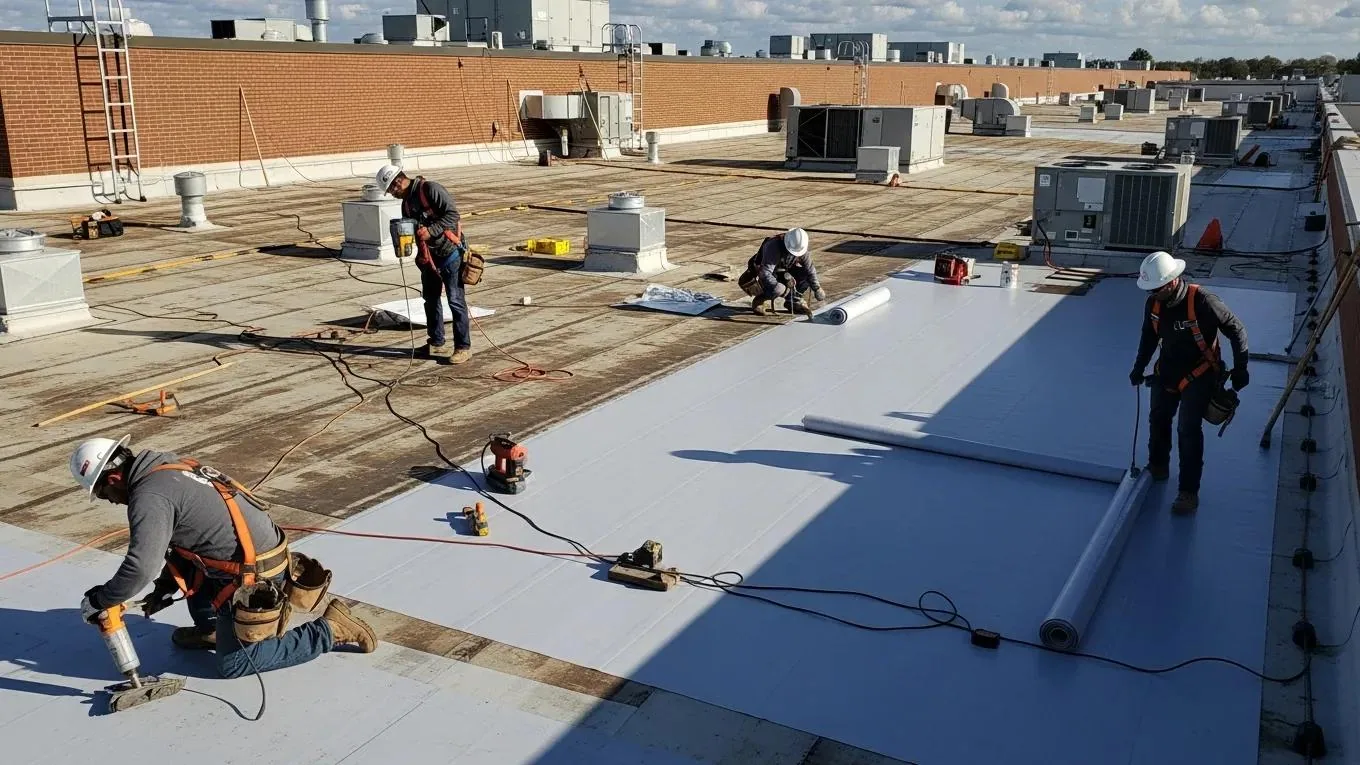
A thermoplastic sheet needs a suitable prepared surface for its specified weld. Distorted or contaminated material may need removal before that joint is useful. TPO wind-damage reconstruction follows the system's field and accessory details. We examine the retained material before selecting local repair. Rubber or bituminous coverings require their own compatible methods. Fasteners, plates and backing form part of the complete connection. A membrane finish should not bridge an unsupported opening beneath it. The director receives the preparation and support requirements with the visible covering replacement.
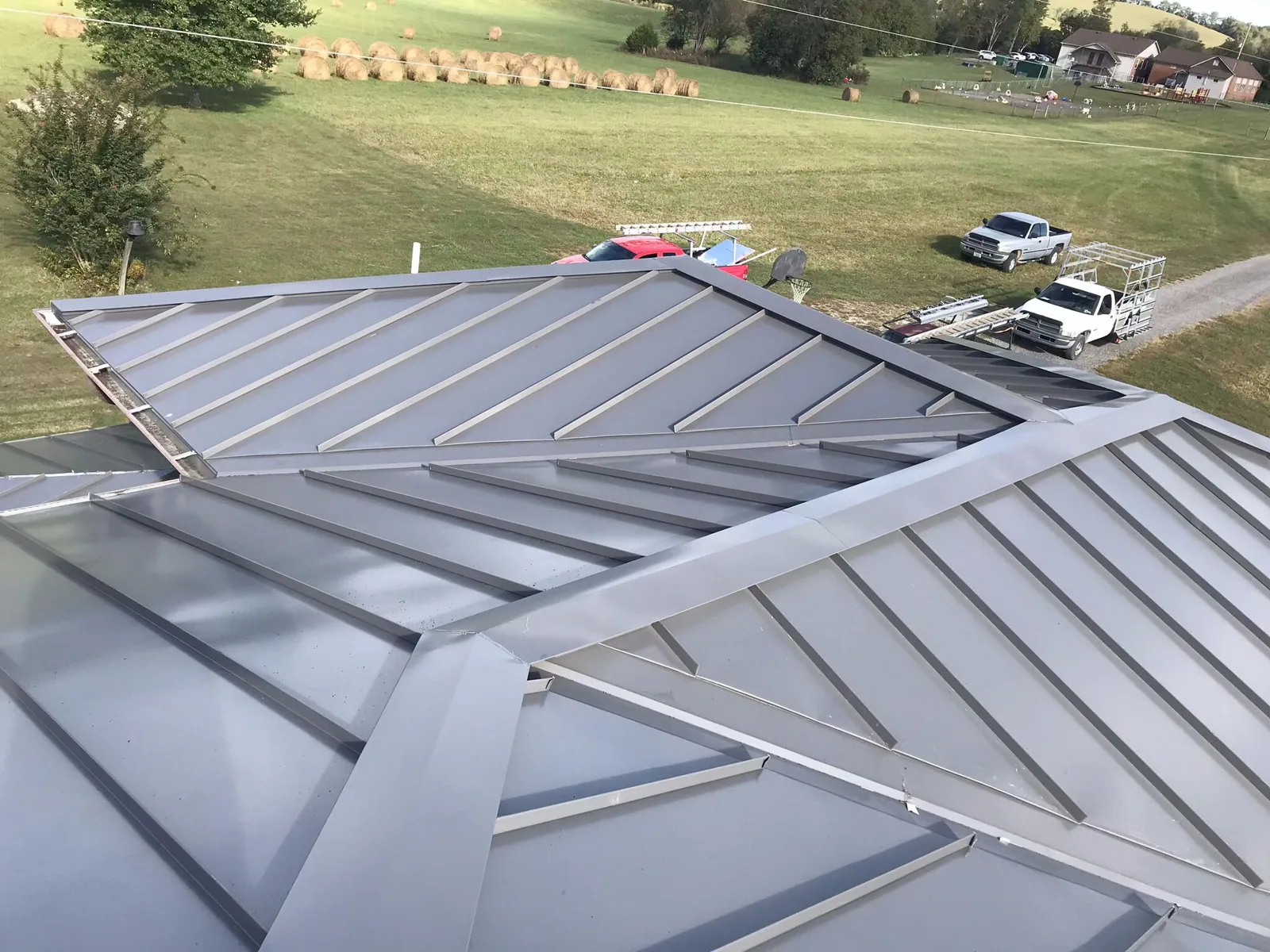
A displaced standing seam panel can involve clips and its locking joint. We inspect reachable metal connections before choosing reconstruction. The assembly's movement requirements still apply after damage. Refastening through an unsuitable location can interfere with the intended detail. We identify affected support and accessible adjoining panels. Component replacement may require more working space than the first lifted area. Material handling should fit the protected opening and ground approach. Roof staging also needs appropriate load and product-protection review. The repaired metal should retain its required service clearance and functioning water-shedding connections.
Midwest City wind-damage roof work starts with property-level condition and safe entry arrangements. Guthrie industrial and downtown projects require attention to their actual operating footprint. We establish protected lifting and disposal zones with the authorized contact. Displaced-metal fragments and fastening scraps can obstruct collection around a repaired accessory. We remove reachable roofing debris from outlets and nearby service routes. Completed checks address the reconstructed attachment and compatible finish. Separate support or equipment tasks remain identified until their responsible specialists act. The director receives the finished locations and current restrictions before interior use expands beneath the stage.
Located wind-damage roof findings connect observations to the proposed treatment and useful next checks. Claim evaluation remains with the insurer and applicable policy. We provide roof information without deciding coverage. Later water reports should identify affected space and relevant timing. Equipment work after the event can also help direct examination. Continued care should preserve accessible outlet and termination condition. Broad renewal follows current support and material findings. The next roof decision stays connected to the reconstructed component and any separate work still required at the property.
Identify loose components, affected interior space and safe entry arrangements. We will assess the wind-damaged assembly and define its secure reconstruction boundary.
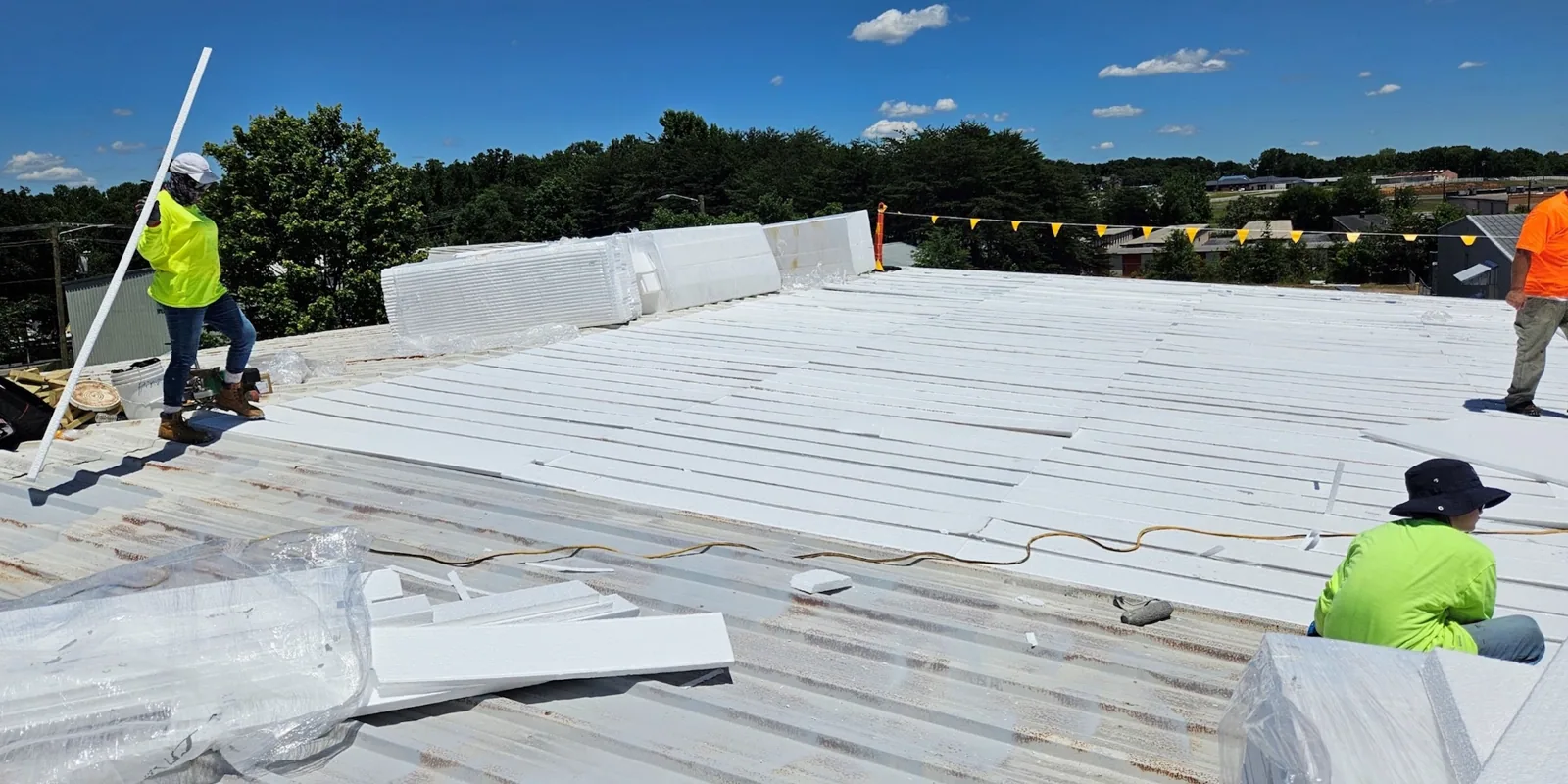
The retained attachment and supporting-layer condition govern the useful treatment. We inspect accessible displaced covering and adjoining material. Wetted or damaged insulation can require removal before the finish. Fastening must suit the actual assembly and design. Repositioning the visible sheet alone does not resolve concealed damage.
We examine the affected support and adjoining field before choosing the boundary. A local accessory defect may permit defined reconstruction. Broader attachment damage can extend the required work. The repair includes suitable backing and compatible membrane closure. The physical findings distinguish that scope from wider assembly renewal.
The facility arranges appropriate contents movement and operating restrictions. We identify the roof opening and exposure from temporary or permanent work. Interior teams handle their related restoration tasks. A widened removal boundary can affect additional stock. The director receives that changed footprint before the construction stage advances.
We locate the temporary action and describe unfinished roof connections. Permanent treatment may require concealed-layer and support examination. Other equipment tasks remain assigned to their responsible trades. Current restrictions follow the unfinished construction condition. The facility contact receives the next useful roof action rather than an assumed completed repair.