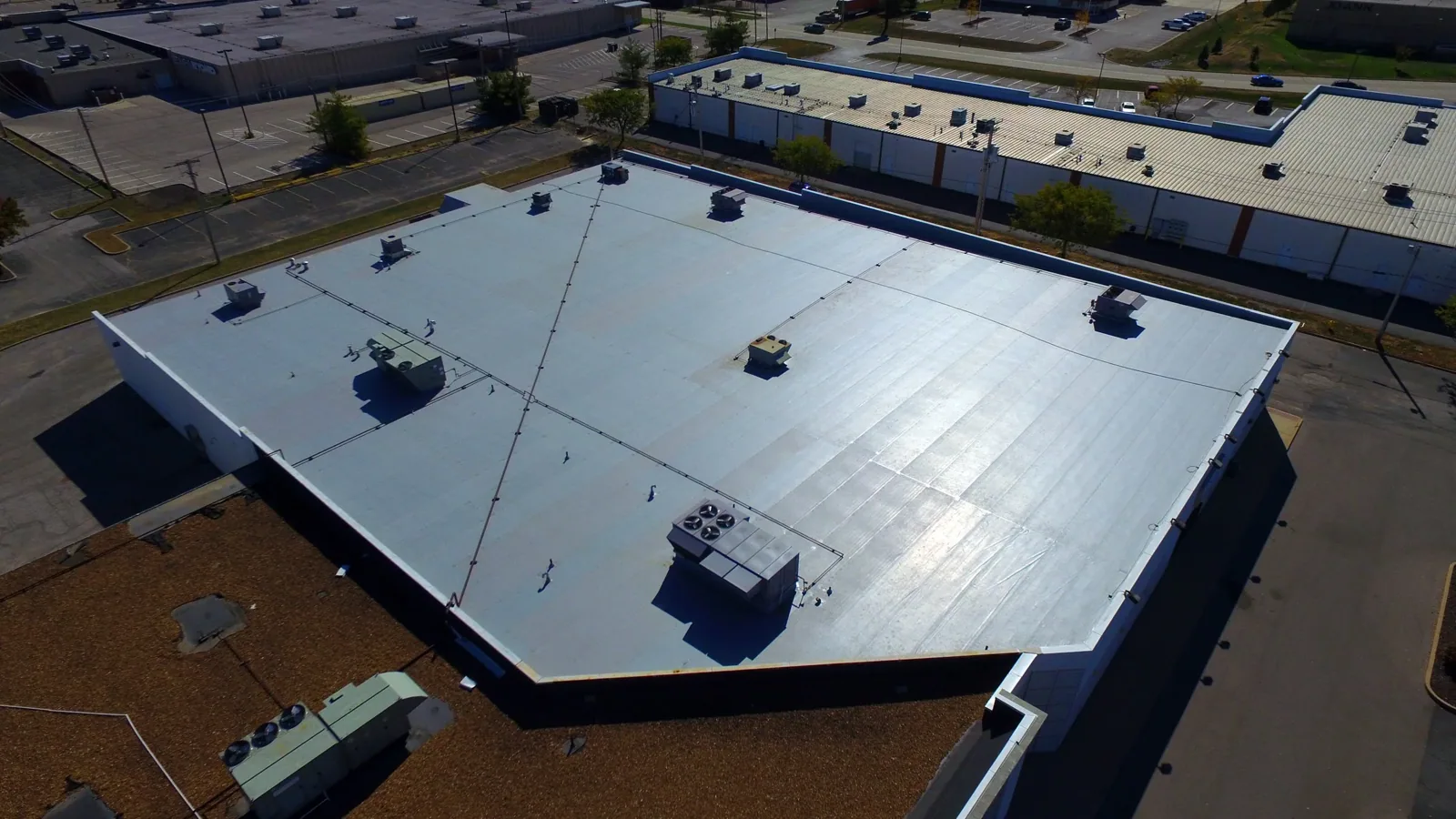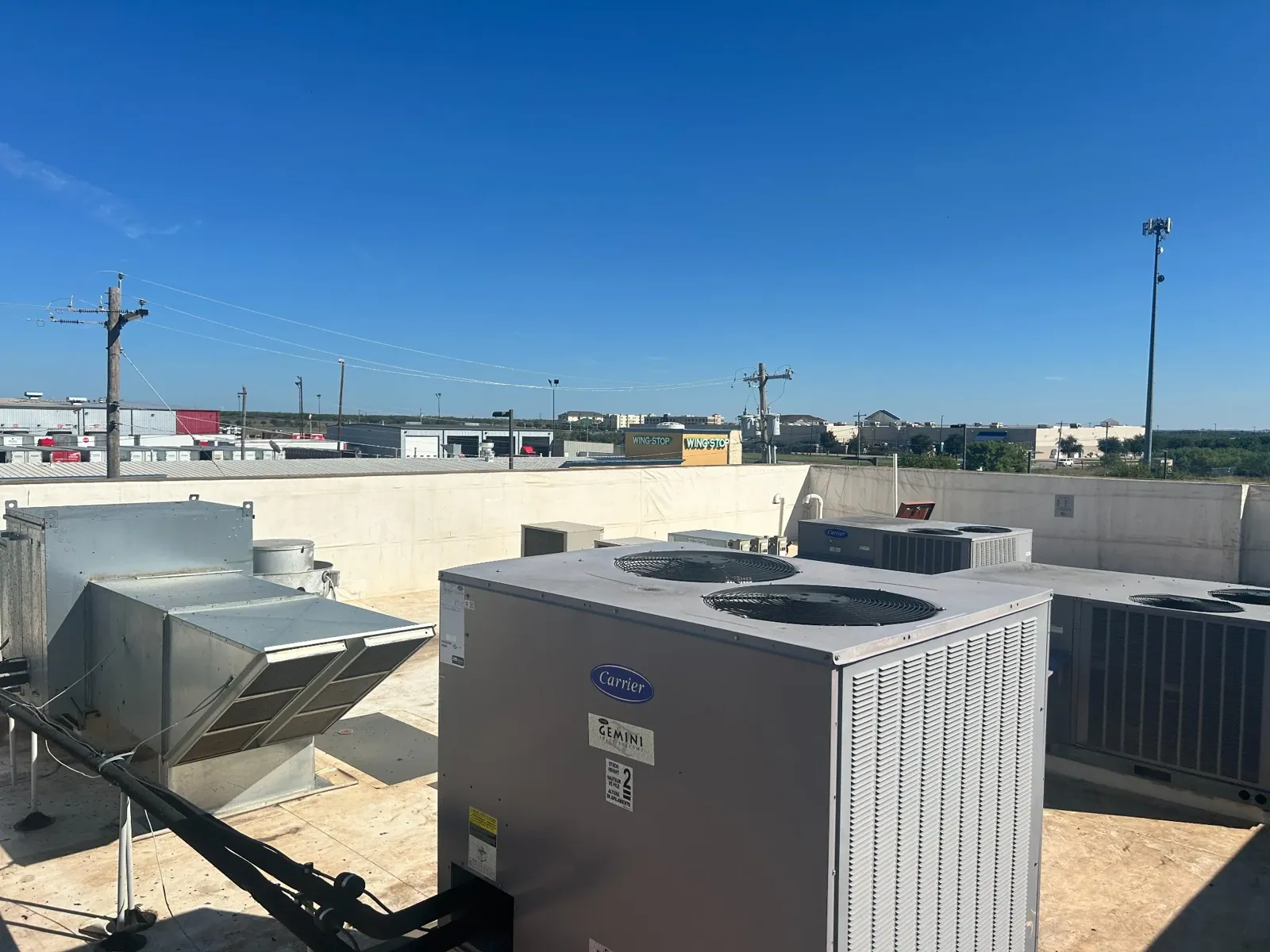

Beside a grocery rooftop unit, a sharp service support can cut the covering. Replacing sheet material will not stop damage from the same exposed contact. Commercial Roofing Edmond repairs punctured commercial membranes in Edmond, OK. We examine the cut, adjoining surface and support beneath the opening. Equipment staff address the offending component within their responsibilities. The roof receives a compatible repair after that contact is resolved. The facility director receives both tasks and their physical sequence. A useful finish protects the assembly while preserving access for the next service visit.
Yukon has restaurants and retailers around Interstate 40 and Garth Brooks Boulevard. Bethany includes health-care institutions and entrepreneurial businesses. These uses can rely on rooftop mechanical service while rooms stay occupied below. We examine the actual equipment approach rather than presume its roof arrangement. Oklahoma summer thunderstorms can bring heavy local rainfall and hail. An open cut can admit that water into supporting layers. The director identifies stock, equipment or occupied space beneath the proposed treatment. The repair opening and its protection follow the physical condition at that location.
A small puncture can sit within stretched or abraded surrounding material. We inspect more than the visible hole before selecting its finish boundary. Localized membrane reconstruction connects suitable replacement material to retained sheet through its specified method. Contamination, surface wear or distortion may require a larger repair. Rounded and formed details follow the actual system requirements. The proposed preparation must produce a surface suited to that connection. We identify those tasks before applying new material. The director receives a physical repair boundary based on condition, not only the cut's apparent size.
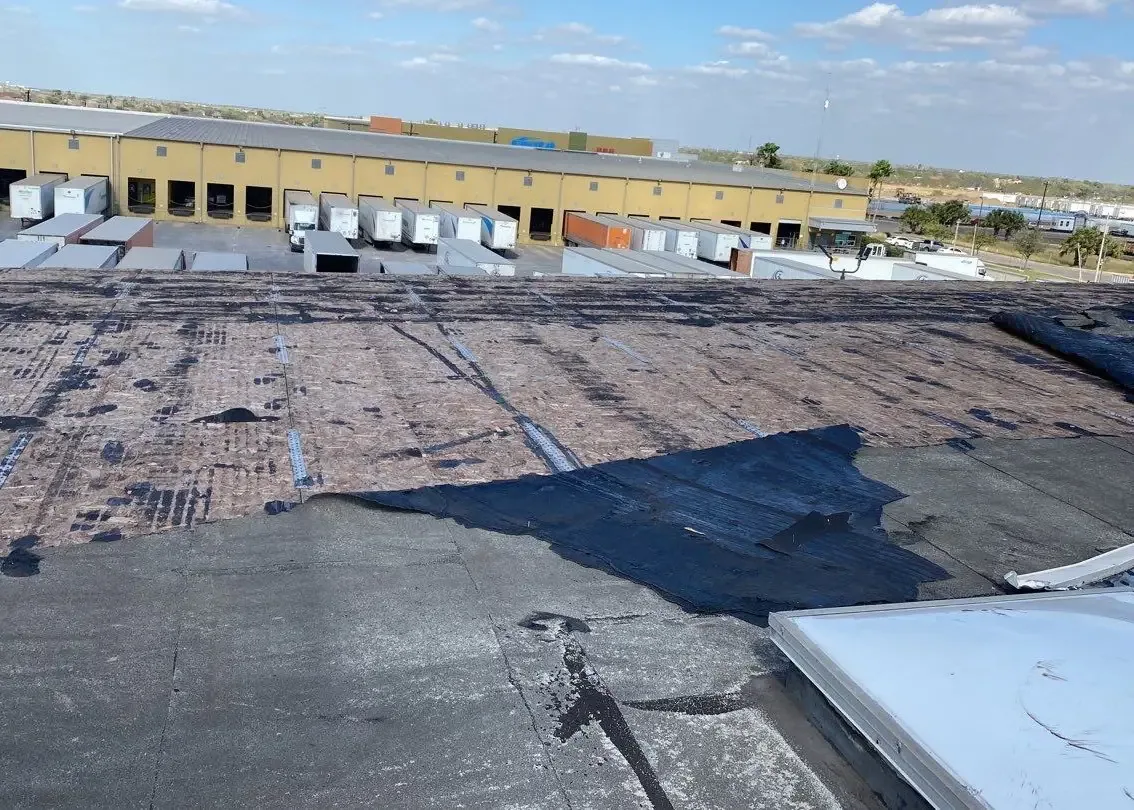
A gouge can also penetrate the insulation or supporting board beneath it. We inspect those layers where accessible and identify useful additional checks. A broken or damp backing area may require reconstruction before the new membrane closes. The finish should not bridge loose material that cannot support it. Damaged decking may call for another professional or construction response. We locate that requirement in the proposed scope. Suitable retained layers define the permanent stopping boundary. The covering then joins an assembly prepared for its actual attachment instead of concealing a damaged layer beneath the surface.
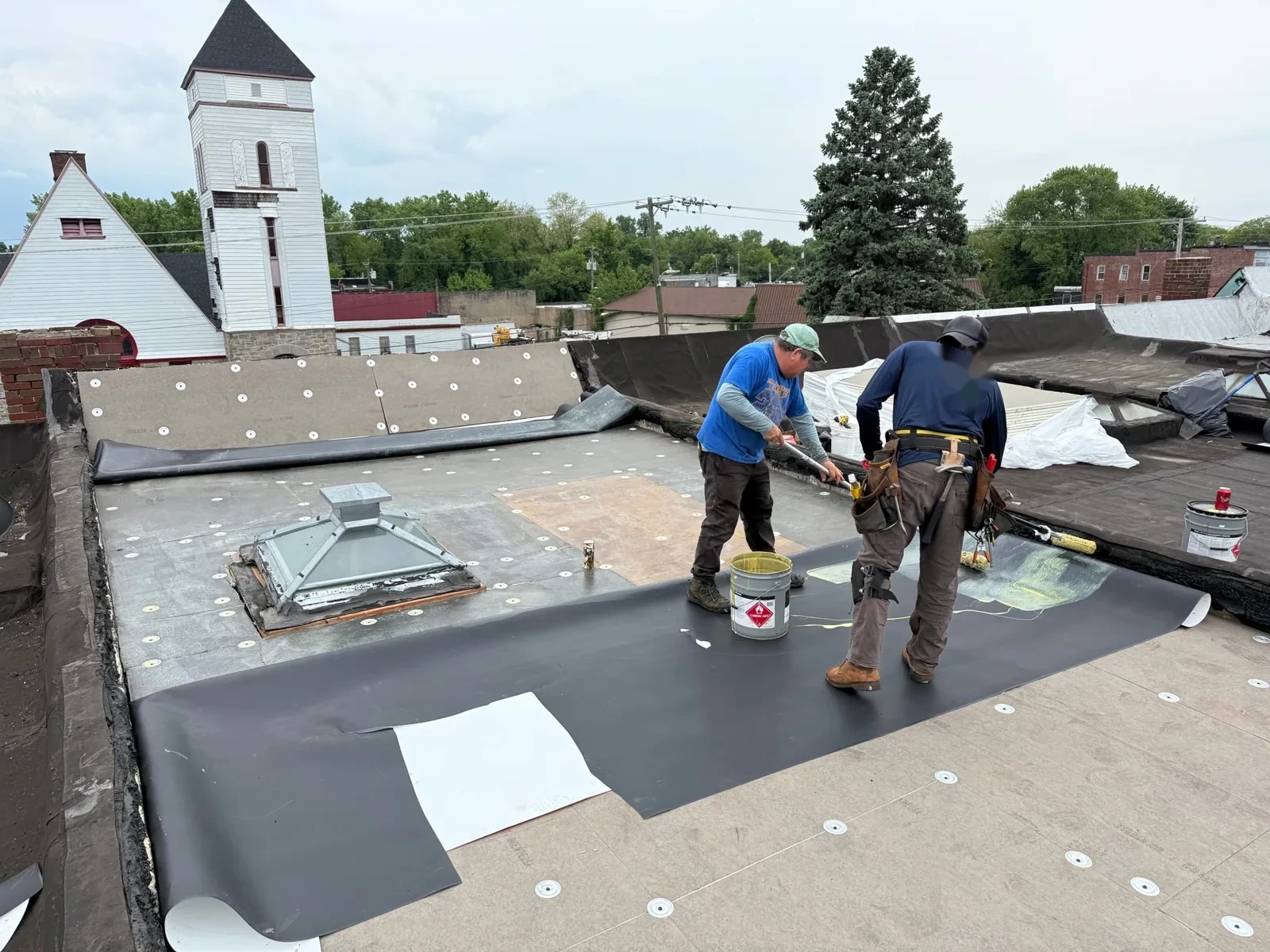
A thermoplastic puncture repair requires compatible sheet and the specified preparation. We examine the retained surface before selecting a welded detail. TPO puncture reconstruction follows the assembly's field and accessory requirements. Weathered or contaminated material may require removal to a more suitable boundary. The joint needs sufficient useful contact for its intended finish. Rubber and bituminous coverings instead use their respective compatible methods. We establish the actual covering before material is chosen. The director receives removal and preparation tasks with the repair rather than an interchangeable surface patch.
Coating on an existing roof can complicate the joining surface below. We identify the underlying assembly and product compatibility before reconstruction. Old compound or finish may need removal from the intended contact zone. A compatible liquid accessory can be useful where its specified conditions permit. It still requires suitable substrate preparation and reinforcement where applicable. The completed detail should not trap unresolved damaged support beneath it. We inspect the full interface before finishing. A product name by itself does not establish a useful puncture repair on an unknown or unsuitable retained surface.
A loose equipment support can move against the field under recurring service activity. Equipment support interface repair examines the roof-side connection alongside that contact. Mechanical or structural specialists handle required equipment and load decisions. The support should fit its intended position without a damaging edge on the covering. We identify compatible closure after the responsible trade's work. Service clearance remains part of the finished arrangement. A moved unit or altered support can require another roof detail. The director receives that consequence before the component returns to normal operation.
A repeated service path can show abrasion around equipment access. We inspect the covering and discuss suitable protection for its actual use. Walkway accessories must suit the membrane and specified installation. They should preserve reachable drains, joints and service components. Roof protection cannot compensate for unstable support or unsuitable loading. We identify those separate tasks before choosing a route treatment. Maintenance staff then have a useful approach that does not obscure collection points. Later service alterations should preserve that arrangement. The roof-side scope connects repaired damage to the physical controls needed around future equipment access.
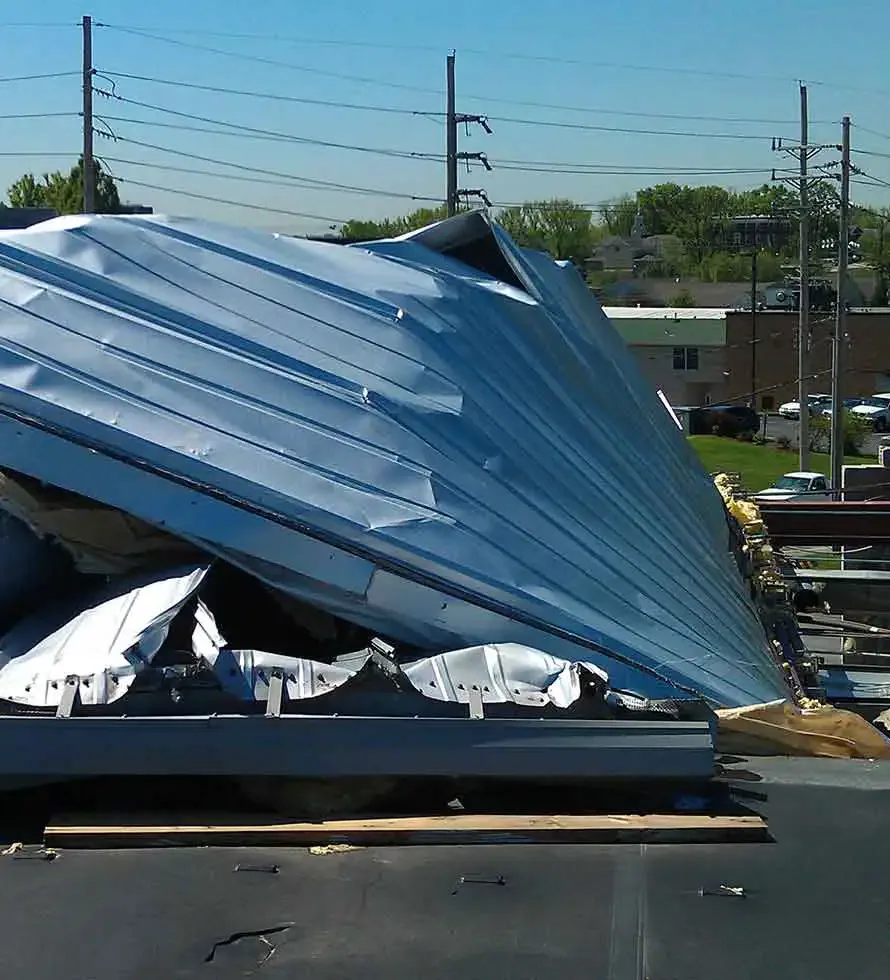
Rooftop debris can cause several damage types in the same area. Wind-related roof reconstruction examines displaced material and attachment beside any impact openings. Hail-related roof assessment considers the actual covering and accessory condition separately. We locate each accessible defect before assigning treatment. A seam split may require a different joining boundary from a puncture. Metal damage can involve support and fastening rather than membrane alone. The director receives the physical findings by component. Event context does not make every surface mark the same construction task.
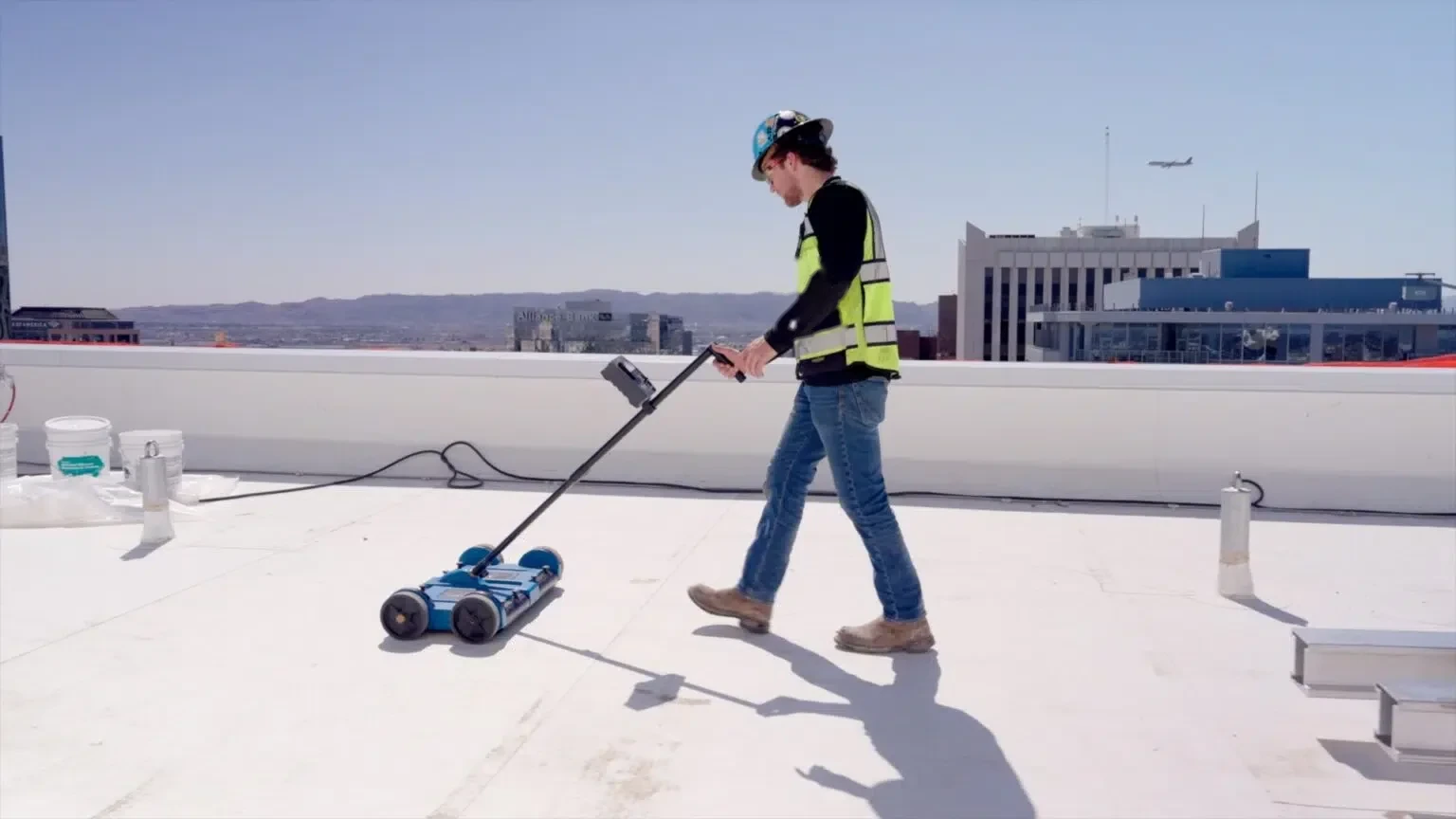
Moisture-focused roof examination may guide concealed checks when the assembly and conditions support the method. Direct examination can still be necessary to establish supporting-layer treatment. Wet insulation may extend the permanent opening beyond a local cut. We identify that boundary and the occupied space affected below. The facility arranges suitable stock or equipment protection before removal. Material preparation and weather stopping requirements govern the useful stage. A revised area receives review before the opening expands. The permanent finish should include the affected layers rather than leave them concealed under a sealed hole.
Yukon puncture repair work requires examination of the actual equipment route and interior footprint. Bethany occupied-building projects need their own protected construction interval. We coordinate delivery and disposal with the authorized facility contact. Rooftop materials require suitable load and product protection. Nearby outlets should remain accessible during the stage. Completion checks follow the selected membrane and reconstructed accessory methods. Other trades finish support corrections within their own sequence. The director receives the treated location and remaining restrictions before the affected room or equipment returns to service.
Service-area roof care can identify new abrasion, loose debris and accessible joint concerns. Equipment work should include compatible closure wherever it changes the assembly. Later water reports need the affected interior location and relevant timing. We examine the cut area and associated connections against that information. Recent service movement can direct attention to another support contact. Continued care should preserve drains and useful equipment clearance. Wider renewal follows current sheet and supporting-layer condition. The director can distinguish an isolated repair from a broader roof decision while retaining a practical route for routine service.
Identify the opening, nearby support contact and occupied space below. We will examine the retained assembly and define compatible repair with useful service protection.
Adjoining sheet and concealed support must suit the permanent connection. We inspect abrasion, distortion and accessible affected layers. Wet or damaged material can require a larger removal boundary. The new covering uses its specified preparation and joining detail. The finished scope follows those conditions rather than the hole outline alone.
The damaging contact should be addressed through the responsible equipment or support trade. We identify the required roof-side closure after that task. New support positions can need load or design review. Service clearance also matters to the finished arrangement. Repair material alone does not stop repeated contact from the same component.
Its compatible installation can protect an appropriate service route. Loose supports or unsuitable loading still require separate correction. We inspect the actual covering and nearby collection points. The chosen accessory should preserve usable service access. The director receives protection and component tasks separately.
Identify the affected room, timing and location of the recent work. We inspect accessible membrane, supports and related joints. A disturbed component may need another responsible trade before roofing closes. Located findings guide the repair. The service history directs examination without assigning an unobserved cause.