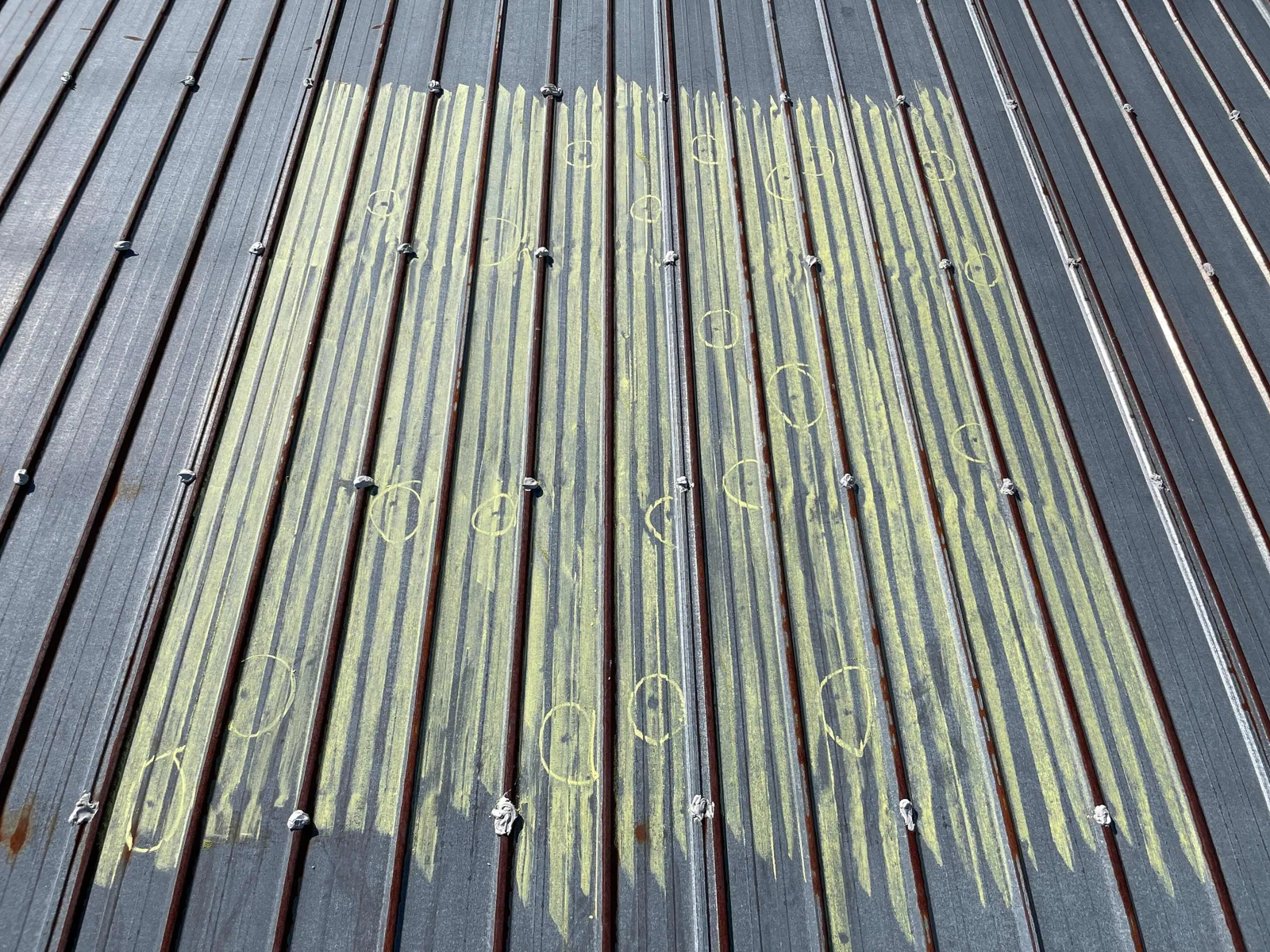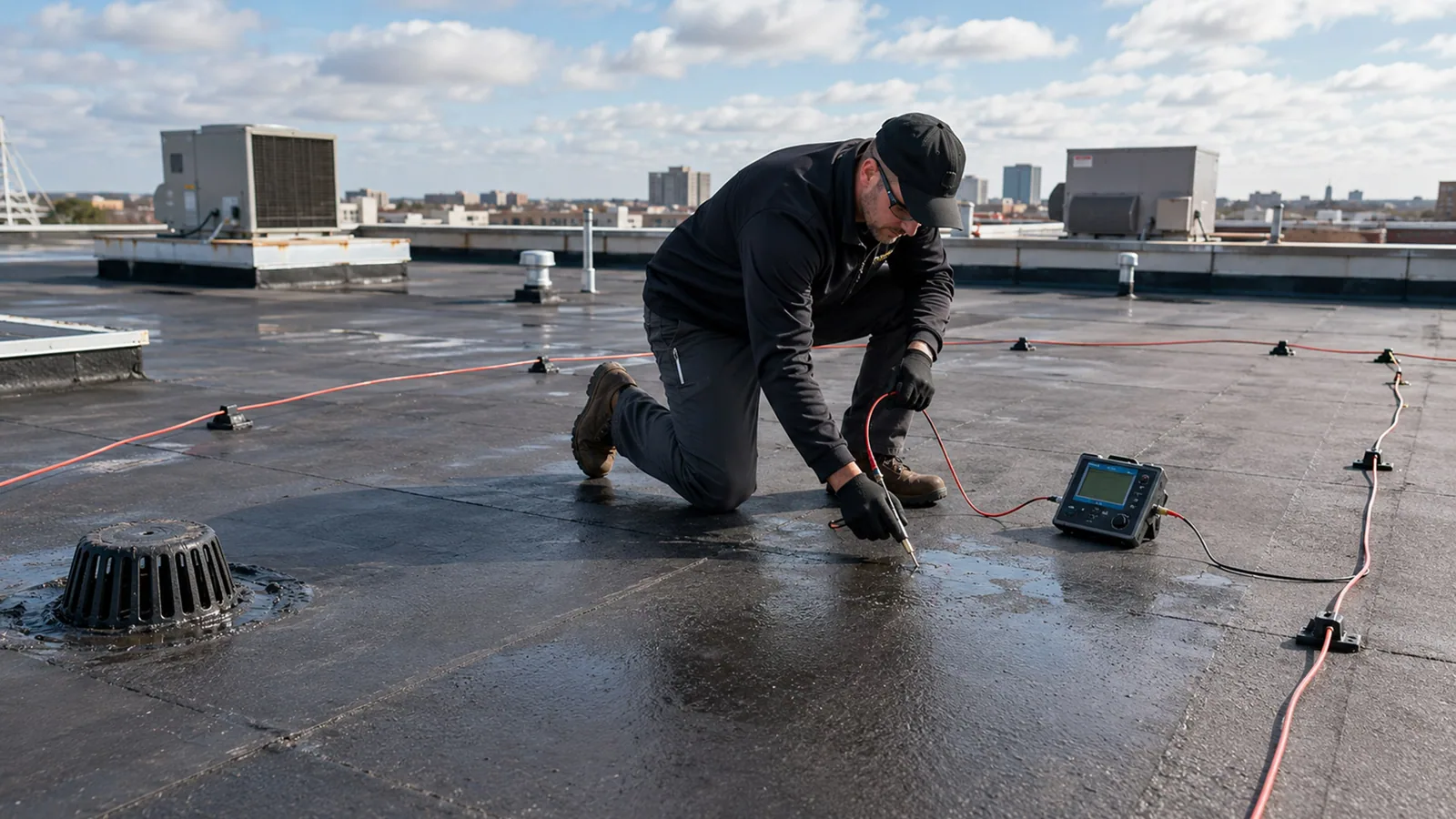

A shop roof can show metal dents beside an undamaged membrane field. The accessory and sheet need separate examinations before reconstruction is chosen. Commercial Roofing Edmond assesses commercial hail damage in Edmond, OK. We locate accessible marks, cuts and displaced components against the installed assembly. The director receives observed condition and the physical treatment it requires. Supporting layers may need checks where surface findings leave them uncertain. An event report provides context, while the property examination defines work. The proposed repair should fit the affected material instead of assigning the same replacement response to every visible mark.
Large hail can occur during Oklahoma spring thunderstorms. Summer thunderstorms also bring hail and heavy local rainfall. After a roof concern, we inspect exposed field and accessory condition against the building's installed materials. Yukon has Route 66 downtown specialty and antique businesses. Shopping also occupies El Reno's historic commercial center. Roof examination above an operating shop needs suitable protection for goods and public approaches. We arrange the actual opening and disposal route with its authorized contact. Accessible sheet, metal and support findings establish the required treatment. The occupied retail footprint influences how that construction can proceed.
A surface impression can differ from a cut through the membrane. We inspect the accessible covering and adjoining material before assigning treatment. Hail-focused roof inspection locates observations by field area and component. The examination includes accessible seams, returns and collection accessories. Appropriate concealed checks may be useful where support condition remains uncertain. We identify their location and purpose before selecting an opening. A dented accessory should receive its actual description rather than an assumed field failure. The director receives findings connected to the assembly and the useful next physical task.
Previous abrasion or deteriorated material can complicate the observed surface. Relevant roof history and available event timing help direct the examination. We distinguish accessible conditions rather than assign each imperfection to hail. A broad defect may require treatment even where its timing remains uncertain. The proposed construction follows the material and support found at the location. Restricted access can leave another examination necessary. We identify that task instead of extending conclusions into unreachable areas. The roof decision remains useful when observations and repair implications stay clearly connected to their actual physical boundary.
A dent can be cosmetic while a distorted joint interrupts water shedding. Hail-affected metal component repair examines fastening, laps and support alongside visible marks. A gutter deformation can also affect its collection function. We inspect reachable interfaces before choosing reconstruction. Loose backing or displaced attachments may need supporting work. The replacement detail should accommodate movement and its intended shedding direction. Adjacent membrane closure belongs in the same physical scope. The director receives accessory tasks separately from covering repair, with the construction needed to finish each connection.
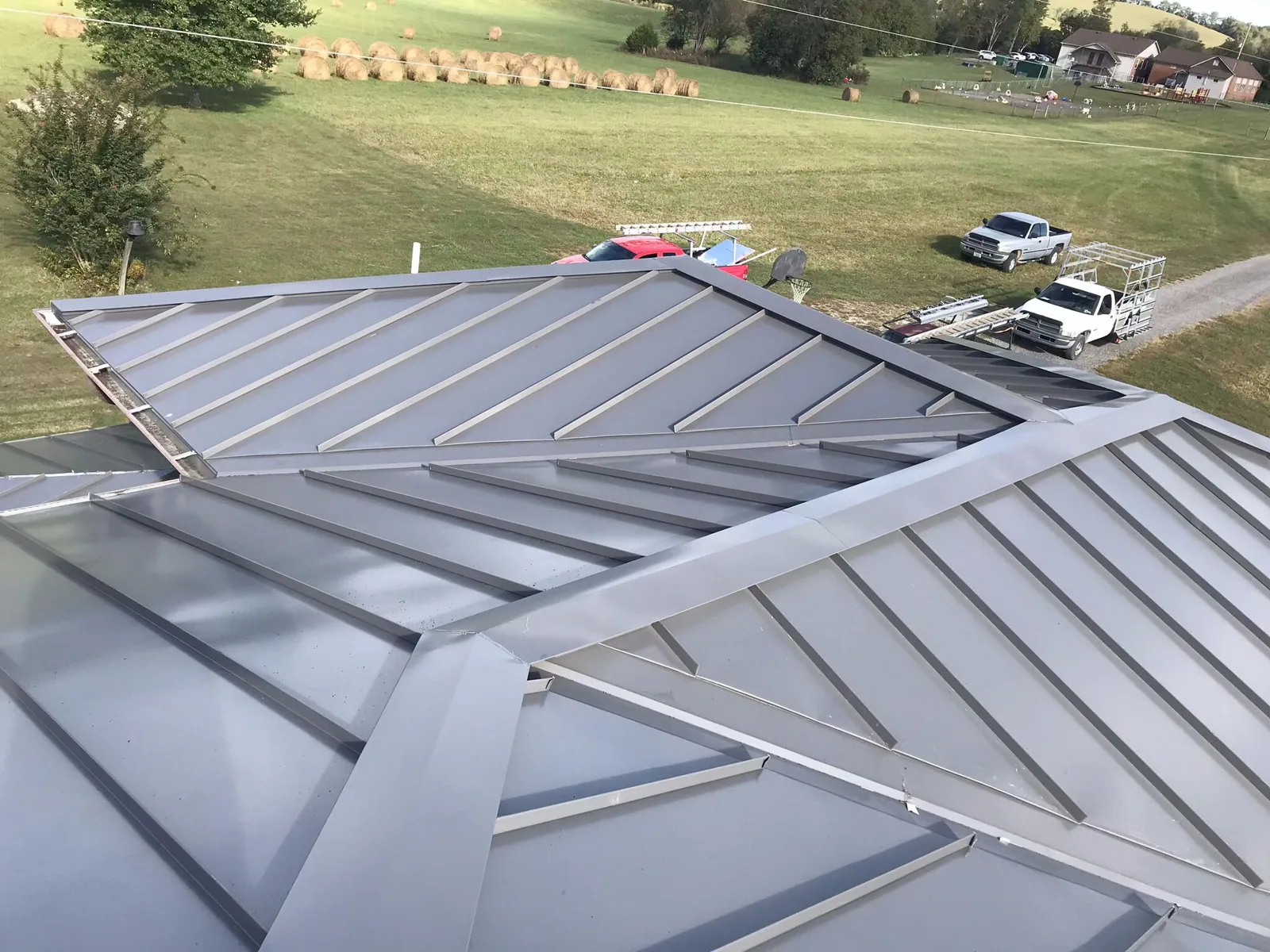
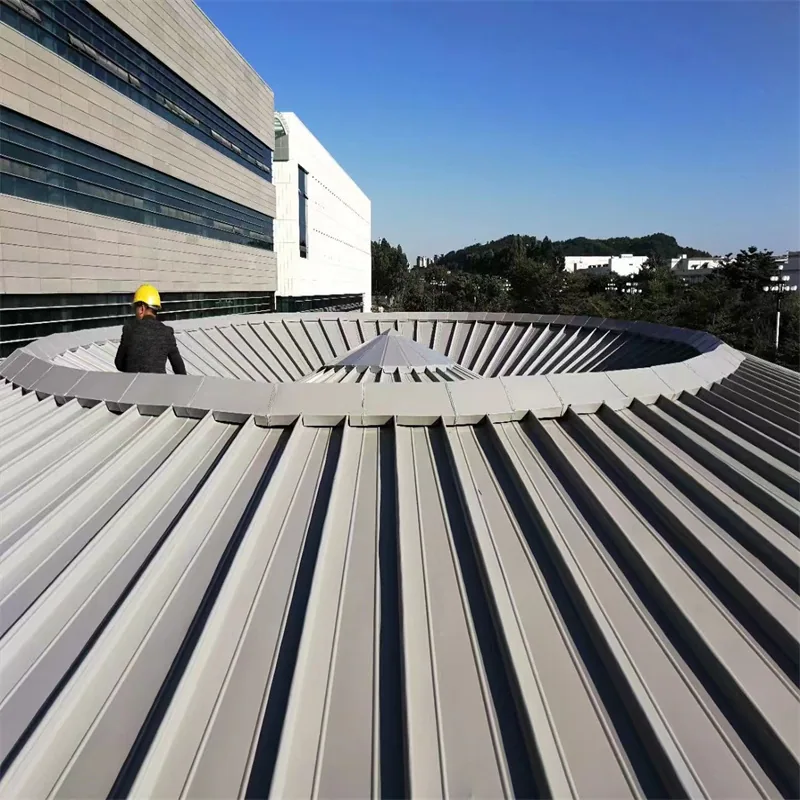
Standing seam hail assessment considers the panel and locking connections together. A visible impression alone does not settle whether replacement is necessary. We examine accessible seams, clips and related accessory condition. Damaged support or panel geometry can change the useful treatment. The system requirements govern reconstruction and intended movement. Work may need access beyond the first dented area. New fastening should fit its appropriate design and assembly method. We identify those implications before proposing the metal boundary. The repair choice then follows function and condition at the actual roof.
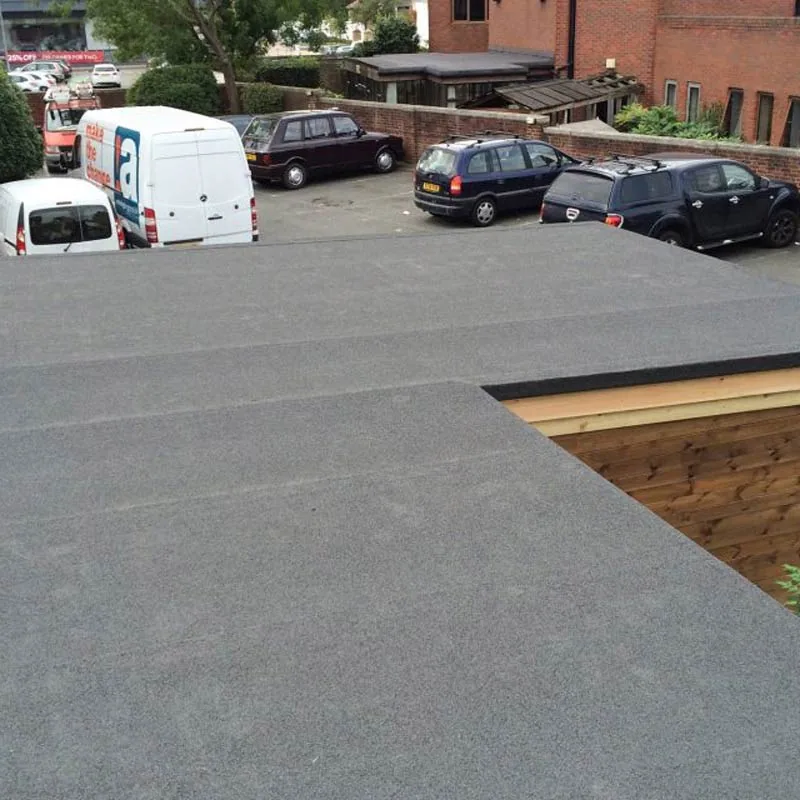
An impact cut can expose the supporting board or insulation below the membrane. Hail-related puncture reconstruction includes examination of that accessible layer condition. Wet or damaged support may require removal beyond the visible opening. The replacement covering connects to suitable retained material through its specified joining method. Contamination or distortion can expand the useful boundary. We identify preparation and affected-layer work before finishing. A patch over a cut should not conceal unsupported construction. The director receives the full assembly treatment rather than only the visible surface closure.
Affected seam repair examines adjoining sheet and attachment where the joint is open. A seam can require a different boundary from an isolated impact cut. Thermoplastic, rubber and bituminous systems use their own compatible preparation. The actual covering establishes the joining method. We inspect whether nearby accessories also need reconstruction. A damaged curb support may require another responsible trade first. The proposed roof scope includes its compatible finish after that action. The work should close each affected interface while preserving serviceable material that can support the completed assembly.
Hail claim roof information connects accessible observations and photographs to proposed construction. Relevant event details can accompany those findings. The insurer evaluates the policy and decides claim treatment. We describe roof condition and required work separately from that decision. Intact marks and damaged connections receive their respective descriptions. Existing deterioration may also require maintenance or broader renewal. The director receives the physical implications where found. A claim process should not erase the differences between an accessory task, local membrane repair and a larger assembly replacement.
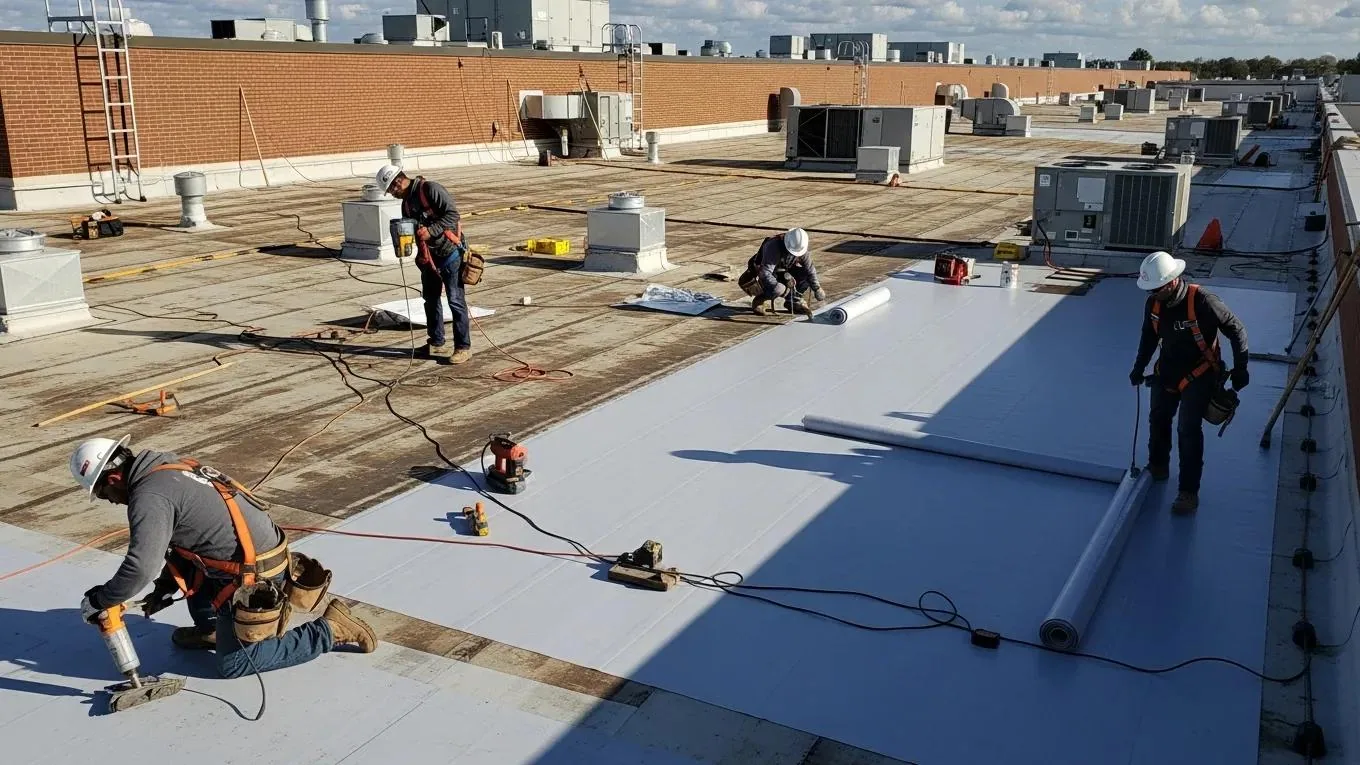
Where damage is broad, we compare useful construction boundaries against the retained layers. Local repairs need serviceable joining material and adequate support. Recovery requires suitable retained construction and applicable project review. Replacement may be appropriate where those conditions cannot support another field assembly. The options differ in removal, disposal and required accessory work. New insulation height can affect drain and curb details. We identify those interfaces before selecting the covering. Project design, permit and inspection responsibilities require confirmation for the actual scope. The chosen construction remains a complete assembly decision, independent of the insurer's settlement.
El Reno hail-related roofing work requires review of the property's real occupied footprint. Yukon downtown shops also need protected roof handling above public approaches. We identify lifting and disposal boundaries with the authorized contact. Stock or equipment beneath removal may require movement or precautions. Suitable rooftop loading and product protection govern staged materials. Weather conditions can change the open area and installation interval. The director receives the current closure status before the stage extends. An apparently small impact defect can still require a carefully protected opening during its reconstruction.
Located hail assessment findings remain associated with the treated components and useful next checks. Completion methods follow the selected roof and accessory details. Other trades finish any separate equipment or supporting tasks. Accessible fragments should leave collection and service areas. Later water observations should identify their room and relevant timing. Recent equipment work can help direct another component examination. Continued care preserves reachable outlets and terminations. A later renewal decision follows current field and support condition. The director can retain a useful distinction between completed impact repairs and separate roof needs that remain.
Identify the affected material, occupied space and available event information. We will locate useful findings and define the roof construction each component needs.
We examine the accessory function and adjoining field separately. The mark may differ from damage affecting attachment or water shedding. A local component task can be useful where surrounding roofing remains serviceable. Other defects can extend construction. The proposed scope identifies those material-specific conditions rather than assigning one outcome to every mark.
Accessible layers and useful concealed checks establish more of the supporting condition. Surface appearance alone does not locate every wet area. The selected removal boundary should reach material suited to reconstruction. A damaged deck can require another professional or trade. We identify those tasks before the covering closes.
We describe the observed sheet, metal and accessory condition with located photographs. Those findings connect to the physical work proposed at the roof. Available event information can assist the claim evaluation separately. Policy and settlement decisions belong to the responsible insurer. The director receives material-specific construction information for that process without an assumed coverage outcome.
The actual opening and preparation effects establish the needed precautions. The facility arranges suitable contents and public-route restrictions. We describe removal debris and weather closure requirements. Material conditions still govern installation. A changed boundary receives review before additional occupied space is exposed.