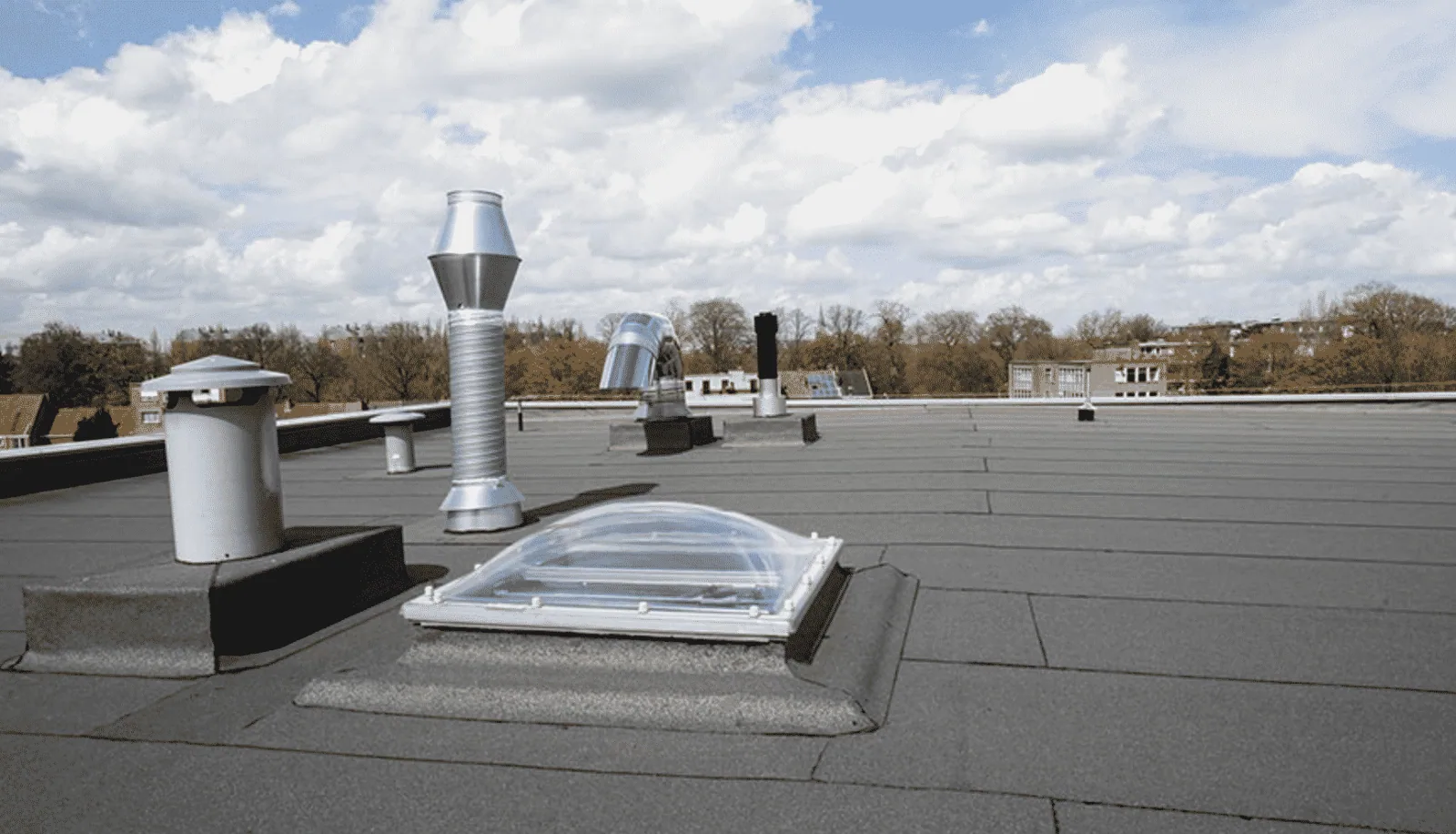

A teaching building needs its leaking roof drain flange examined directly. Water running down the pipe can interrupt rooms on several floors. The connection between membrane and bowl deserves a close inspection. We trace commercial roof leaks in Edmond, OK and repair their entry points. Interior observations help direct the roof investigation. The roof assembly then needs examination at the suspected connection. Commercial Roofing Edmond distinguishes temporary water control from a completed repair. The director receives the finding and the work it requires.
University of Central Oklahoma brings educational buildings into Edmond's commercial mix. Local medical providers include Summit Medical Center and INTEGRIS Health Edmond. Those building uses make water above equipment and occupied rooms consequential. We arrange investigation that respects the activity beneath the affected area. A leak can involve roofing, drainage or another building component. We narrow those possibilities with physical observations and appropriate testing. That gives the repair a defined target instead of spreading sealant broadly.
A ceiling opening near a pipe needs a location tied to the roof. We compare the interior observation with roof equipment and drainage layout. Water on ducts or structural members may travel before becoming visible. The investigation follows those surfaces rather than stopping at a room label. We ask when water appeared and what conditions accompanied it. Rain direction, equipment operation and previous repairs can help separate possibilities. Those details guide an examination; they do not settle it alone.
Facility staff should identify affected electrical equipment before ceiling access proceeds. Interior safety and water containment may require their qualified trades. We coordinate our roof work with that response. Photographs can show the original wet area before materials are disturbed. A recurring leak deserves its own history of locations and timing. Roof condition findings can tie the roof defect to those interior observations. The aim is a practical map of the investigation and repair boundary.
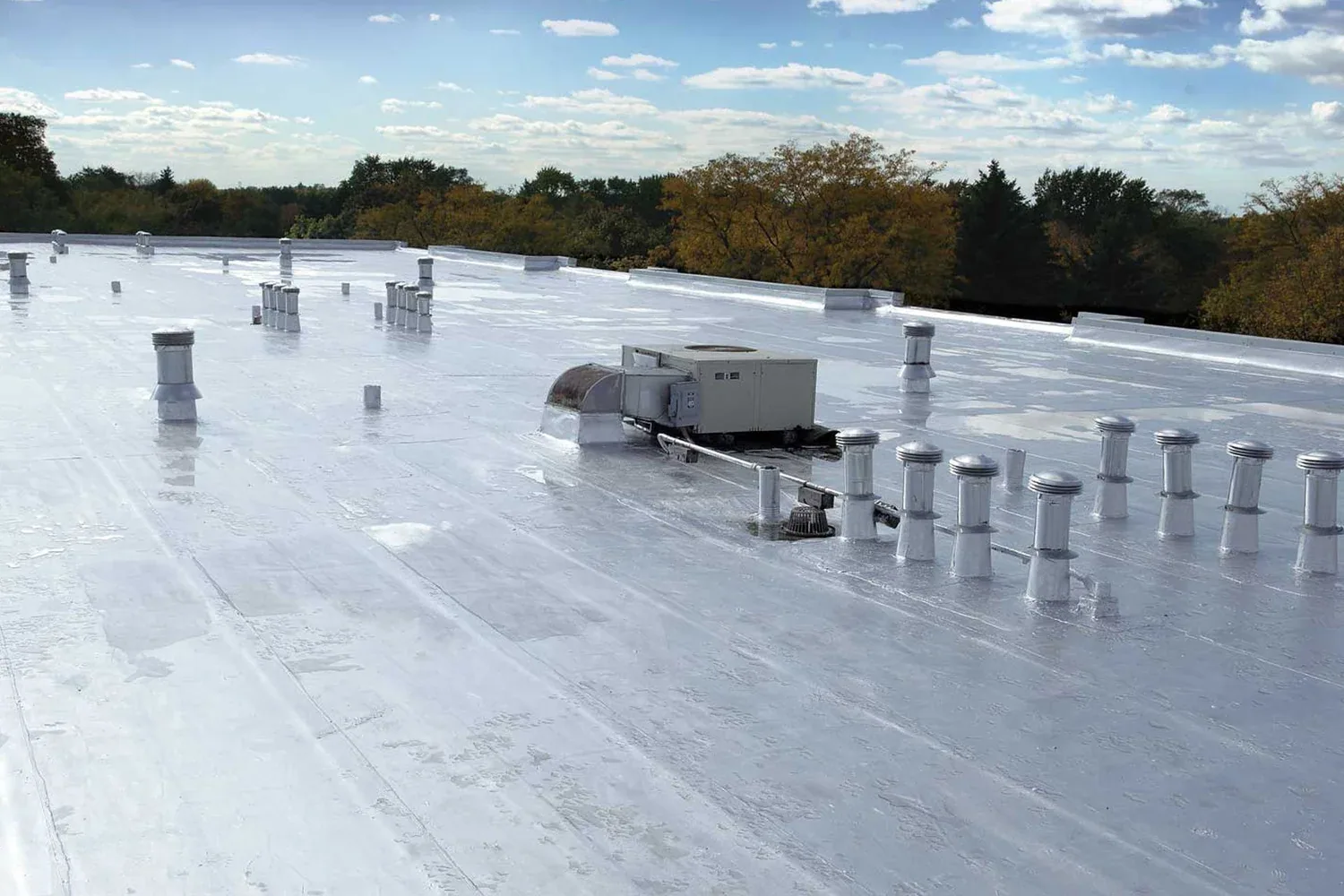
A drain with a loose clamping ring can admit water below the sheet. We examine the membrane seating and the condition of the drain flange. Debris can hide damaged material immediately around that connection. Clearing it allows a useful examination of the bowl and surrounding surface. A damaged ring or incompatible insert may need replacement rather than tightening. We check the roof-side detail before deciding what reconstruction is required. The drain connection repair must fit the actual outlet assembly.
A leak below the drain may also involve piping or its joint. That portion needs the appropriate plumbing work rather than a membrane patch. We distinguish the trades at the physical connection. Water remaining near the outlet can increase exposure at a marginal seal. Insulation depressions and blocked strainers also need attention during examination. Correcting those conditions can support the repair without replacing unrelated roofing. The director should know which connection failed and who closes it.
A roof with several suspect details may require controlled testing. We examine seams, curb flashings and wall terminations before introducing water. A test should isolate one manageable area while interior observations are possible. Uncontrolled flooding can create additional exposure and confuse the result. Weather and building conditions may make testing inappropriate at that visit. We then use other findings to determine the next useful examination. The method must fit the assembly and the risk below it.
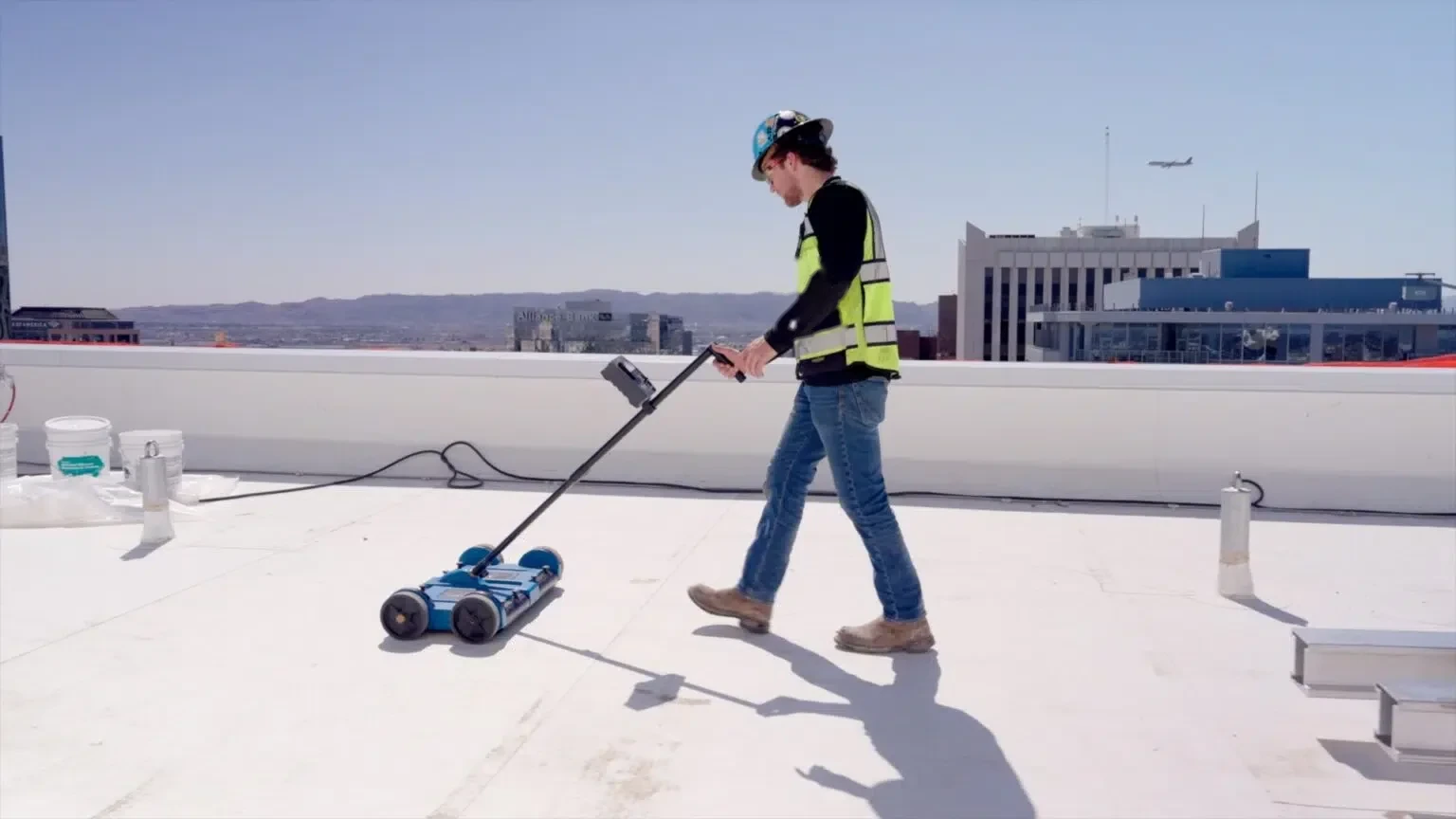
Opening roofing may be necessary to see wet insulation or damaged backing. We keep that opening limited to the question being investigated. Moisture patterns can indicate an affected area without identifying the exact entry. An infrared moisture survey may help locate additional concealed wet areas. Direct inspection still establishes the construction at selected locations. We relate each finding to the leak path rather than treating every anomaly identically. That keeps the investigation focused on the building's actual problem.
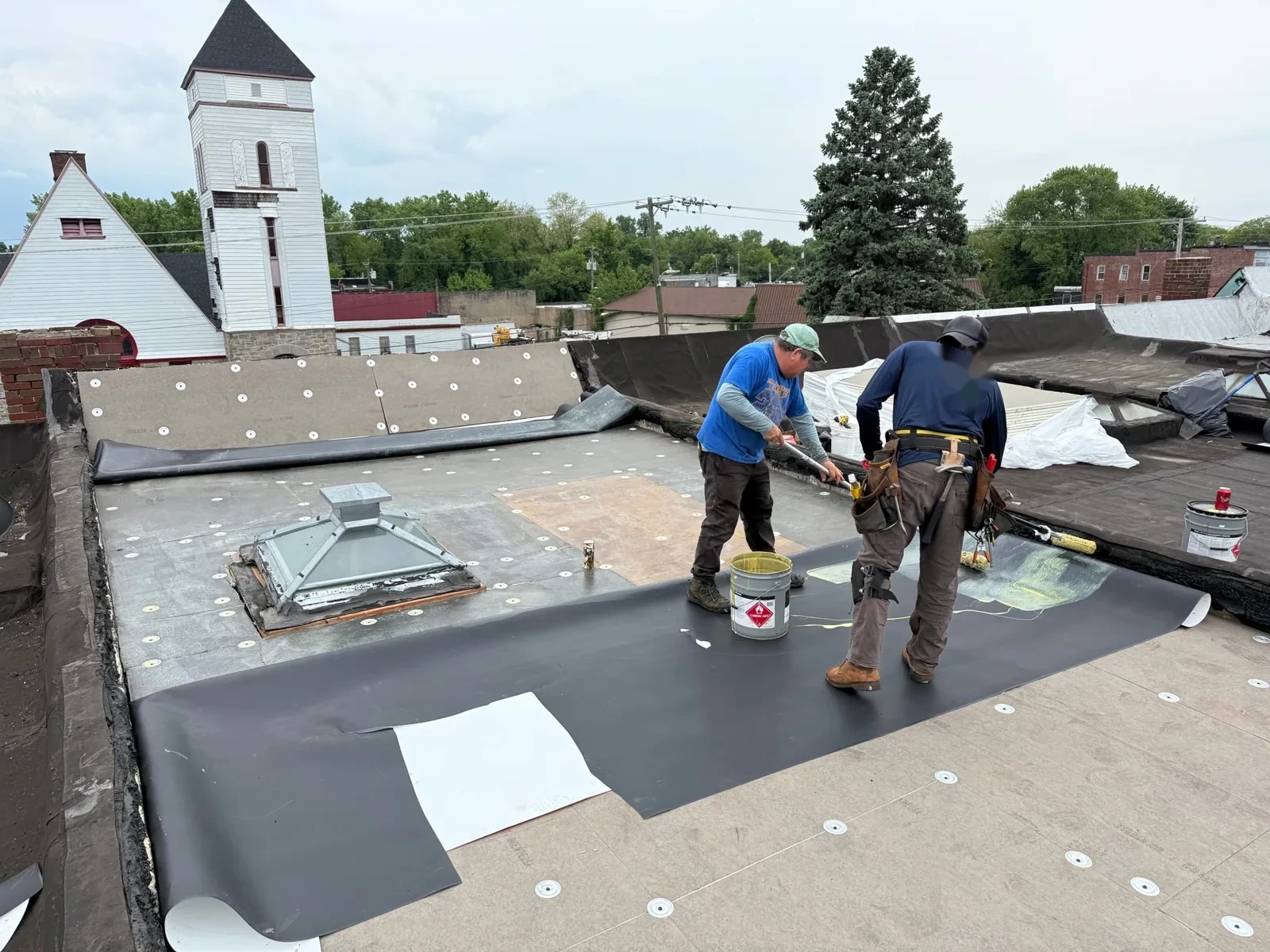
A split membrane needs compatible repair material attached to sound roofing. Surface preparation matters before welding or bonding the repair perimeter. An opening at a flashing return may require removing the failed detail. We expose weak backing when it cannot support the new attachment. The new connection must accommodate the movement that contributed to failure. A rigid smear across a moving joint may reopen under service. We choose the repair method from the discovered construction.
Metal joints and masonry interfaces can need work beyond the roof covering. We identify those boundaries rather than hiding unrelated defects with roof compound. Repairs at equipment should preserve service access and required clearance. A planned roof repair may follow immediate leak control where reconstruction needs preparation. Wet insulation beneath the leak also requires a removal decision. We show that affected construction before placing replacement layers. Closing the entry and treating damaged underlying material are related but distinct tasks.
Downtown Edmond's restaurants and shops operate beside walkable streets. A leak investigation above a dining room needs controlled debris and access. We coordinate roof entry without obstructing the agreed public route. Roof service in Downtown Edmond can also require careful placement of inspection equipment. Broadway Corridor includes offices and commercial properties alongside housing. Those uses may need different interior protection around the same roof defect. We establish that protection with the facility contact before opening suspect construction.
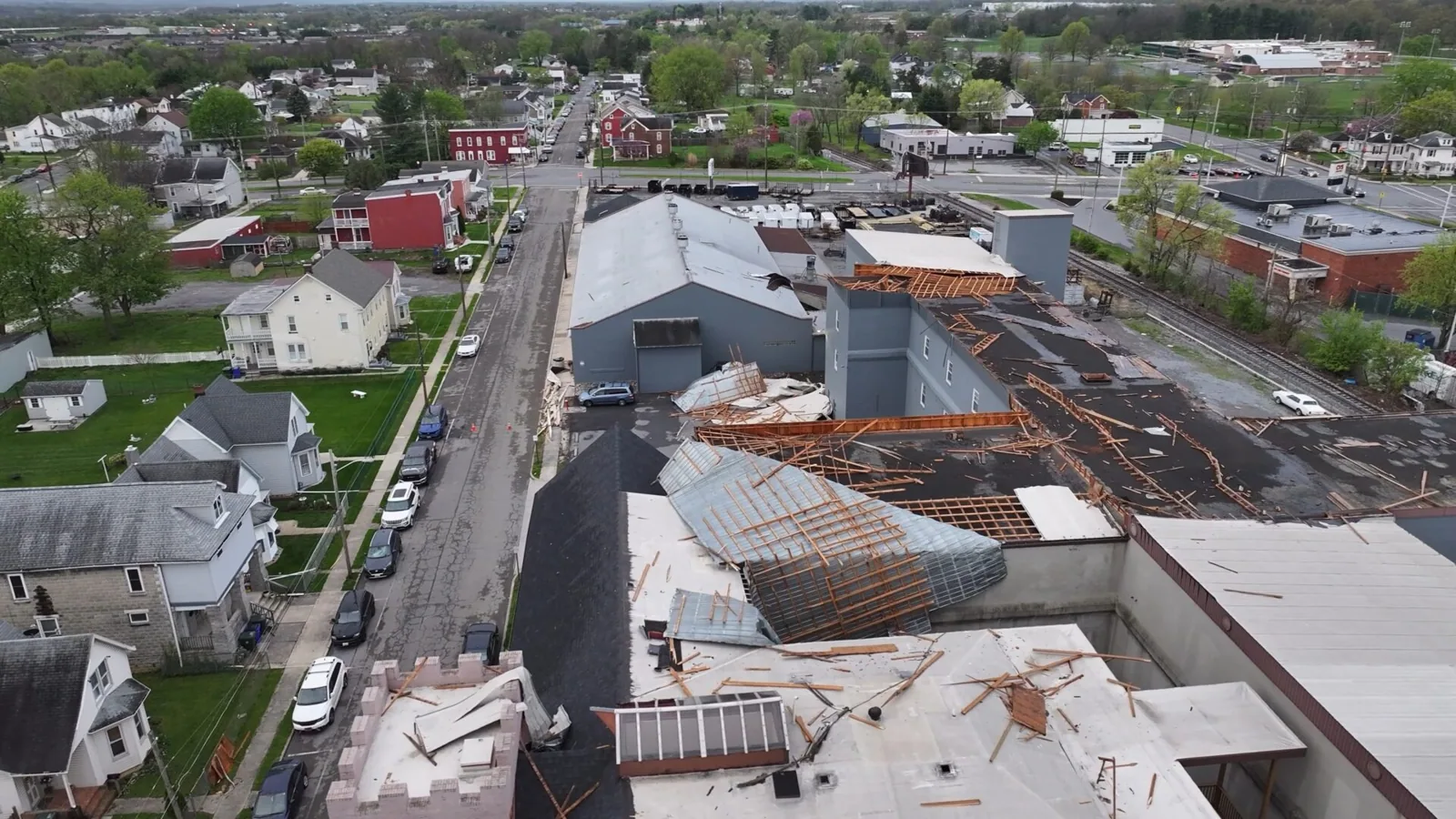
Oklahoma thunderstorms can bring heavy rain and hail during summer. Spring weather can also produce damaging winds across the state. Active leakage during unsafe conditions may require temporary protection first. Crews must reach and work on the roof safely. We provide urgent roof protection where immediate response is needed. That action does not eliminate the subsequent examination of concealed damage. We keep the temporary measure and permanent repair requirements clear for the director.
A completed patch needs examination at its entire attachment boundary. We check the appropriate welded or bonded connections before leaving the area. Nearby strainers and debris must not divert water toward the repair. Where suitable, follow-up observation or controlled testing can assess the treated connection. Some leaks appear only under a particular combination of weather and operation. We explain what has been examined and what remains to be observed. That lets facility staff report useful information if water appears again.
Repeated leakage after a local repair requires renewed investigation of the path. Another entry may exist beyond the first treated defect. Concealed wet layers may also release retained water after entry control. We compare the new observations with the original findings. The next action should respond to that comparison rather than repeat the same work. Inspection photographs and clear roof locations support continuity. A resolved leak needs a sound connection and an explanation the facility staff can use.
Arrange a roof examination alongside the affected room location. We will trace the likely path and identify the detail needing repair.
Safe access and visibility govern the work. Active rain can help identify water paths inside the building. Wind, lightning or slippery roof conditions can prevent exterior investigation. We coordinate temporary protection where feasible and return to the connection under workable conditions. Occupants and equipment need protection throughout.
The timing directs attention toward the serviced equipment and nearby roofing. We examine disturbed flashings, dropped-tool damage and discharge arrangements. Mechanical condensation may also require attention. The visit date alone does not establish the cause. Physical findings determine which trade and repair are needed.
Interior safety and drying requirements decide that work with the responsible trades. Preserve photographs and the room location before removal where practical. Those observations help us relate water to roof components. Electrical exposure or unstable ceiling material needs immediate qualified attention rather than waiting for roof testing.
A precise location and changed condition help narrow the remaining possibilities. Report whether water returned at the same point or elsewhere. Tell us which repaired area and weather event preceded it. We compare that information with the roof findings and choose the next specific test or opening.