
A medical building needs its damp insulation boundary established before reroofing. Cutting only at the visible leak can leave affected material nearby. A suitable moisture survey helps target that concealed construction. Commercial Roofing Edmond performs infrared roof moisture surveys in Edmond, OK. We examine thermal patterns and confirm selected indications through direct openings. The roof assembly and survey conditions determine whether infrared is useful. The director receives a defined investigation rather than an unexplained color image. Its findings can guide removal, repair and replacement decisions.
Edmond includes INTEGRIS Health Edmond, Mercy Edmond I-35 and other medical providers. Wet roof layers above occupied treatment or equipment areas warrant careful planning. University of Central Oklahoma adds educational buildings to the local setting. A survey on an occupied building must coordinate access and test openings. We arrange those physical checks around the operation beneath the roof. The purpose is to distinguish affected material from construction that can remain. Each identified boundary needs the appropriate confirmation before work is scoped.
A suitable roof assembly can cool differently where insulation holds moisture. Infrared equipment detects apparent surface temperature patterns during that change. The instrument does not see liquid directly through every roof layer. Solar exposure, roofing materials and insulation affect the resulting pattern. Wet areas may retain heat differently from adjacent dry construction. That difference can make selected areas worth investigating. Interpretation requires the assembly and conditions, not a color preference.
Surface coverings and underlying materials can also create temperature differences. Shaded roofing, recent repairs and equipment exhaust may alter the image. A single warm area is not automatically wet insulation. We compare patterns with roof construction and known obstructions. The survey helps select locations where direct checks can answer the question. A physical roof inspection supplies useful context for interpreting those locations. The method works through comparison rather than assuming every contrast has one cause.
A roof that remains wet at the surface can obscure useful readings. Cloud cover and insufficient solar heating may also weaken thermal contrast. Wind can accelerate cooling and change the available examination window. We assess those conditions against the roof assembly before proceeding. Evening timing may help for a suitable roof after adequate heating. The correct timing is a technical choice, not a universal appointment hour. Conditions that prevent useful interpretation may require postponement or another method.
Oklahoma generally has hot summers with thunderstorms capable of heavy rain. Those statewide conditions can affect both heating and surface wetness. We use the actual weather at the building for the survey decision. Metal surfaces, ballast and some assembly types may limit infrared usefulness. Where the approach is unsuitable, another investigation method may be necessary. The director needs to know why a proposed survey is appropriate. That explanation prevents a tool choice from outrunning the construction question.
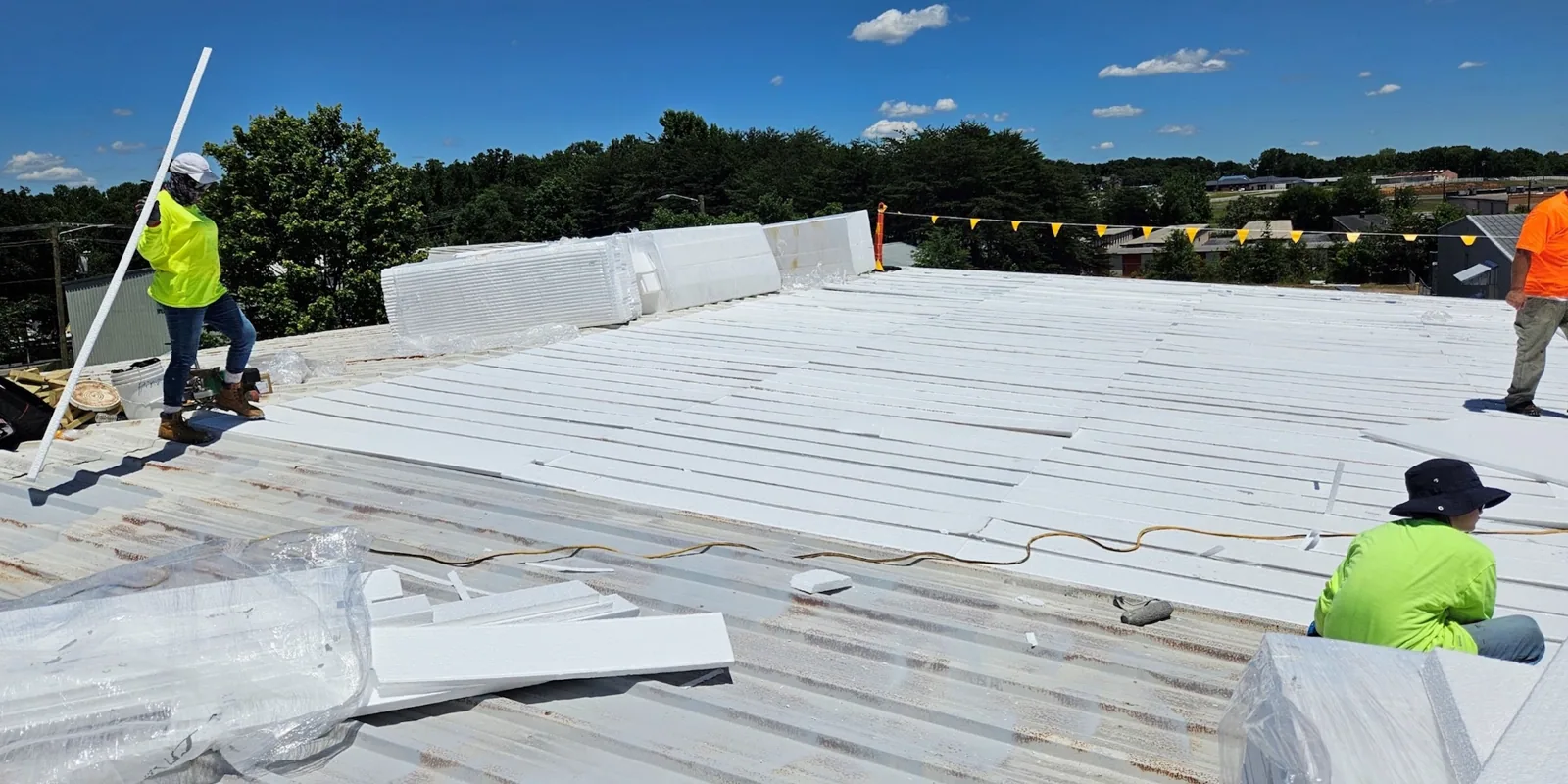
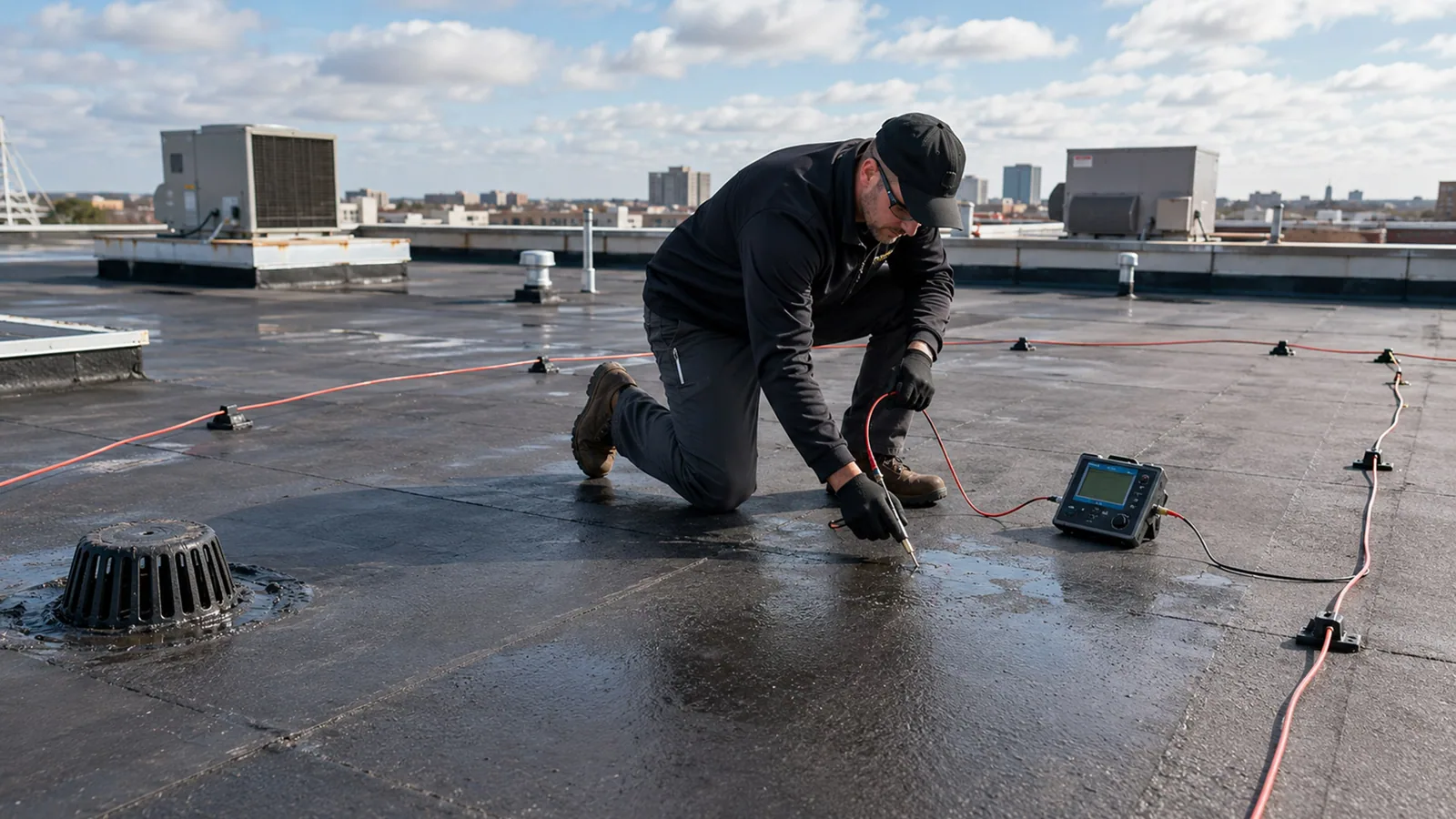
A thermal indication needs a representative opening before removal quantities are accepted. We select test locations to examine the indicated roof layers. Comparison cuts in apparently unaffected areas can add useful context. The openings reveal insulation, membrane layers and the condition underneath. We record the construction and moisture observations at each location. The roof cut requires a compatible repair after examination. Test work must leave the connection closed rather than creating a new entry.
The deck may also need examination where wet layers are found. Moisture can accompany corrosion or other deterioration beneath the insulation. That condition affects the eventual repair or replacement scope. We distinguish the observed opening from assumptions about the entire roof. Additional checks may be needed to establish the boundary confidently. Insulation and cover board replacement should follow those confirmed conditions. The director can then evaluate removal against physical evidence from the assembly.
A confirmed wet cut identifies one location, not every nearby board. We compare it with the survey pattern and adjoining test findings. Irregular patterns may require further checks along the suspected transition. Roof sections with different construction should be considered separately. An addition may contain different insulation or a different surface treatment. We keep those differences visible in the findings. The affected-area map should describe the roof examined, not a simplified rectangle.
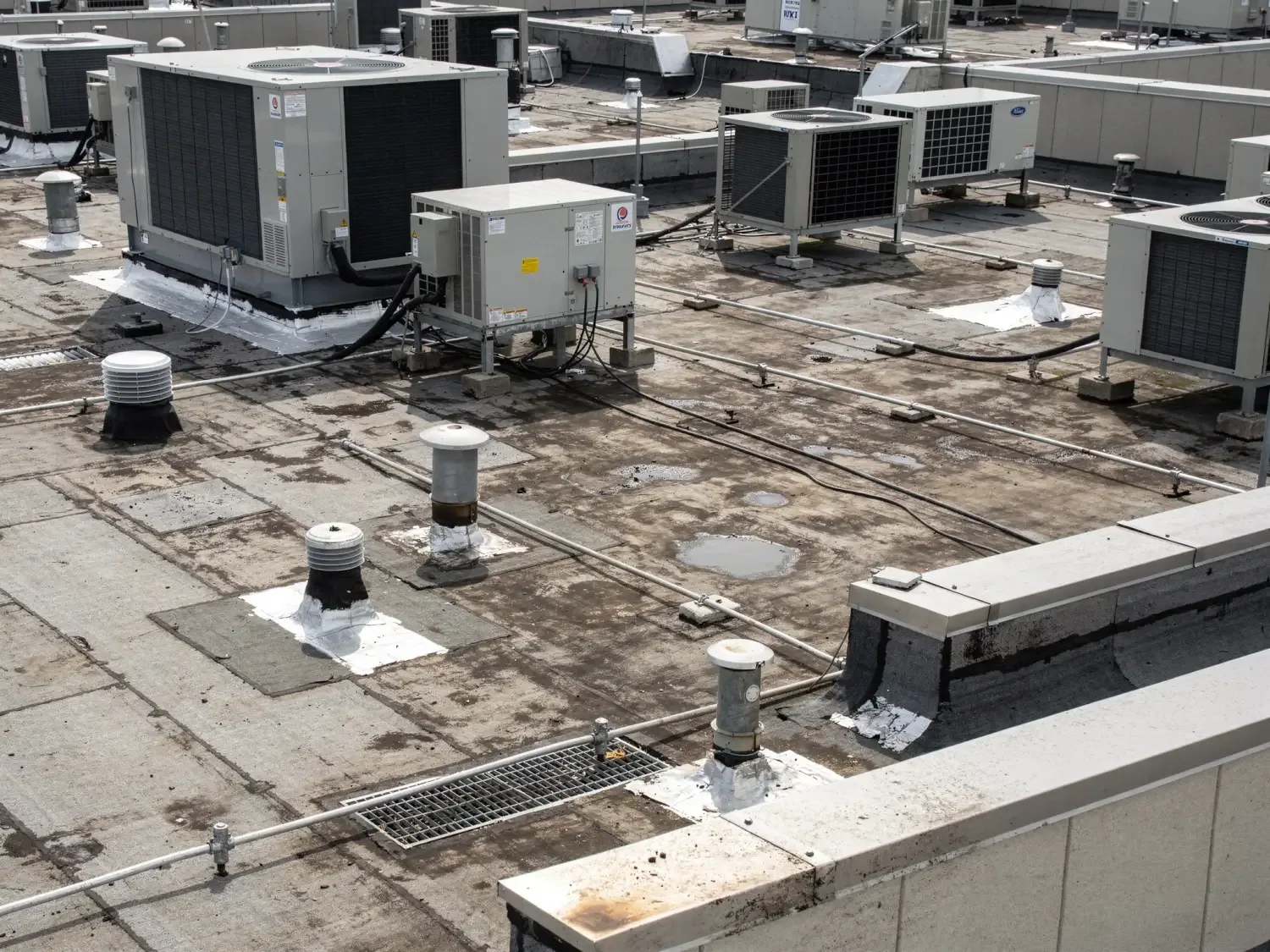
Equipment and drainage features help locate the findings for later work. Broadway Corridor includes offices and other commercial uses where access varies. A removal plan there must relate affected roof areas to occupied space. Broadway Corridor roof work can involve staged operations above different tenants. The map helps establish a manageable sequence for selective removal. It also identifies where another opening or trade review remains necessary. That makes the findings useful to the construction plan.
A limited wet area may support selective removal with a localized repair. The retained surrounding assembly still needs suitable condition and attachment. Broad saturation can make that approach insufficient for the roof. We compare the moisture findings with other observed deterioration. Recover eligibility depends on those retained layers, not just surface appearance. The survey can help determine what must be removed first. Layer count, loads and applicable project requirements remain separate considerations.
A replacement roof scope can use the findings to anticipate removal and deck exposure. That does not eliminate every concealed condition discovered during tear-off. We explain where the investigation sampled rather than opened the whole assembly. Repair boundaries can be refined as work exposes the construction. The director should understand which removal decisions are supported and which remain allowances. Moisture investigation reduces a specific uncertainty without making every future condition predictable.
A core above a sensitive occupied area requires a deliberate work boundary. We locate the proposed opening and assess conditions below it. Roof preparation, cutting and closure need a suitable weather window. Facility staff may need to protect nearby intakes or affected interior equipment. Downtown Edmond has businesses beside walkable streets and outdoor gathering areas. Survey access there must keep equipment handling clear of uncontrolled public activity. We arrange the test work with the facility contact.
Once findings are assembled, the director needs more than thermal pictures. A roof condition report can pair indicated areas with test locations and observations. We separate confirmed moisture from unresolved thermal anomalies. Proposed removal should identify the construction and boundaries involved. Future leak investigation may use those locations alongside interior reports. The survey result should remain interpretable after the test cuts are closed. A useful investigation connects each image to a physical roof decision.
Arrange a review of the roof assembly and the areas suspected of holding water. We will choose suitable survey conditions and confirmation openings.
Direct checks relate that pattern to the actual construction. Surface materials, shade and equipment discharge can produce thermal differences. We compare the pattern with the roof assembly and selected test openings. Confirmed moisture is distinguished from an unresolved indication. Removal quantities should not follow colors alone.
The roof needs a sufficiently dry surface and useful thermal conditions. A recently wet surface may interfere with interpretation even after rainfall stops. Solar heating, wind and the assembly also matter. We assess whether that window can produce meaningful findings or whether another visit is appropriate.
The existing assembly determines the compatible repair. We restore the opened layers as appropriate and close the membrane connection. Preparation, attachment and finished-joint checks follow the repair material requirements. The test location remains identified in the findings so later work can relate it to the observed condition.
Moisture distribution and leak entry are different questions. Wet layers can extend beyond the failed connection. Leak tracing examines that entry and its water path. Survey findings can support the investigation, while repair selection still needs the specific failed detail.