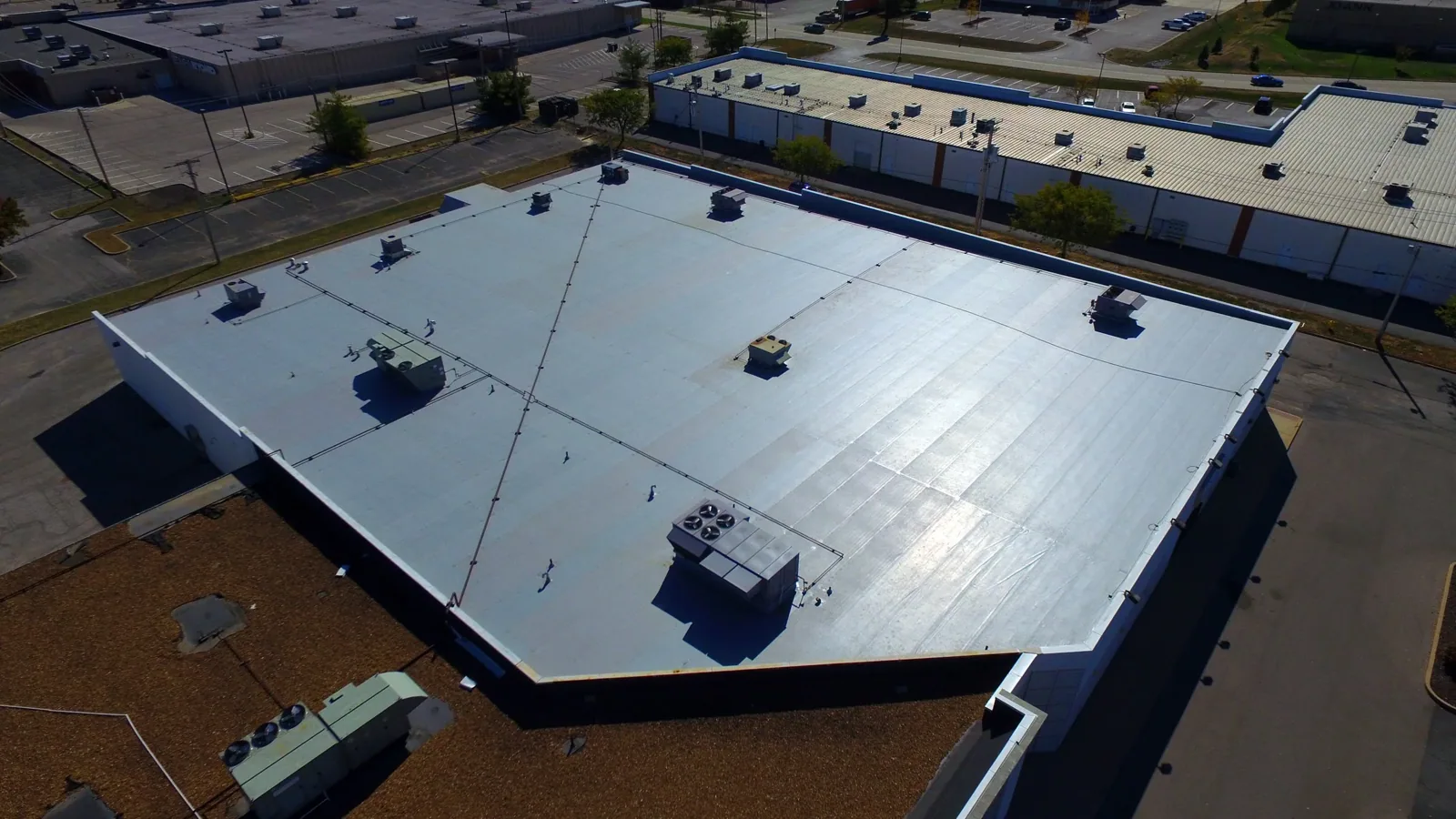

Across a manufacturing roof, the KEE flashing must match the sheet beside it. A different repair resin or membrane can create an incompatible transition. We identify the material before selecting its construction details. Commercial Roofing Edmond installs and repairs KEE-alloy roofing in Edmond, OK. A KEE-alloy label alone does not identify the exact product or repair method. We check the roof records and exposed membrane for a manufacturer and product match. The director needs the actual assembly identified before approving work. Seam preparation, attachment and exposure still require close examination.
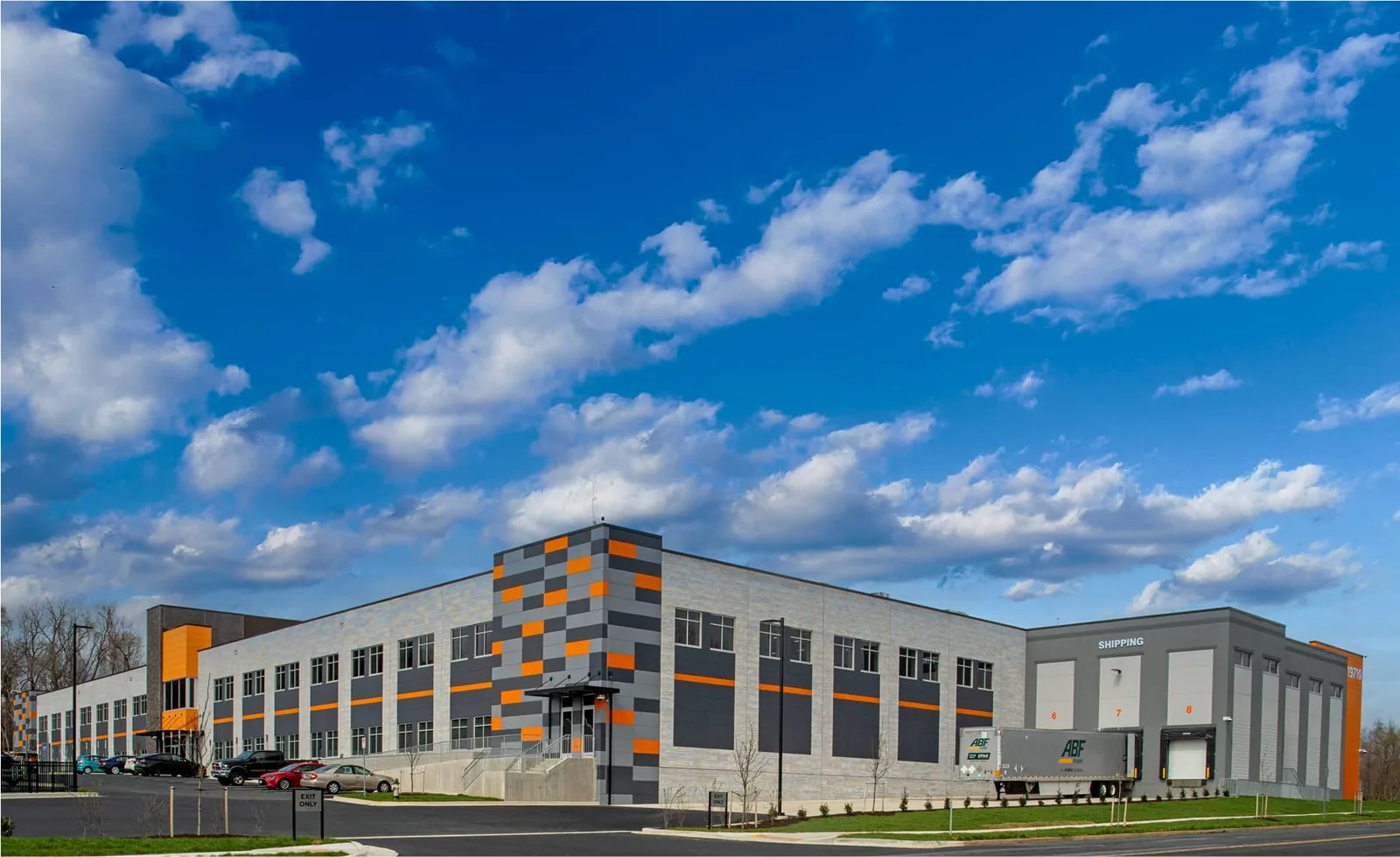
Midwest City includes industrial and technology parks among its business uses. Norman has research and university buildings alongside other employers. Those operating settings can place equipment and service activity around roof details. We examine their actual discharge and maintenance needs before choosing a membrane. The required exposure performance belongs in the material review. A proposed KEE assembly should meet that review and the supporting construction. Its material properties do not replace the need for fitted flashings and checked joints.
A label describing an alloy does not establish every product requirement. We review the proposed membrane, reinforcement and compatible accessory system. The specification should identify the construction intended for the roof. Chemical contact, temperature and service exposure can affect the selection. We examine those conditions rather than assume all industrial roofs need one material. PVC roofing provides another thermoplastic option with its own product properties. The comparison should use the actual proposed assemblies, not generic promises.
Equipment discharge may need correction before any roofing material is installed. The responsible trade should examine uncontrolled spills or leaking mechanical components. We coordinate the roof treatment around that necessary work. Grease or chemical exposure at one area may differ from the remainder. The proposal can identify special detail or protection requirements there. A manufacturing roof needs those physical exposures understood at the building. The director receives a material decision connected to the operation.
An existing alloy membrane needs identification and examination before a new patch is welded. Weathering and previous compounds can affect the available bonding surface. We inspect the damaged area and the surrounding sheet. The selected repair material must be compatible with that system. Cleaning and preparation follow its requirements rather than a generic method. A weak or contaminated edge may require a wider repair boundary. The completed connection needs material capable of accepting the intended treatment.
Wet insulation beneath a defect requires a separate treatment decision. A careful top-sheet repair cannot restore saturated supporting layers. We investigate the affected construction with selected openings where appropriate. Repair scope should identify that removal and replacement if needed. Widespread material distress can require a broader assembly review. We distinguish a useful localized repair from repeated work on failing construction. The director should understand what the proposed repair preserves and what remains unresolved.
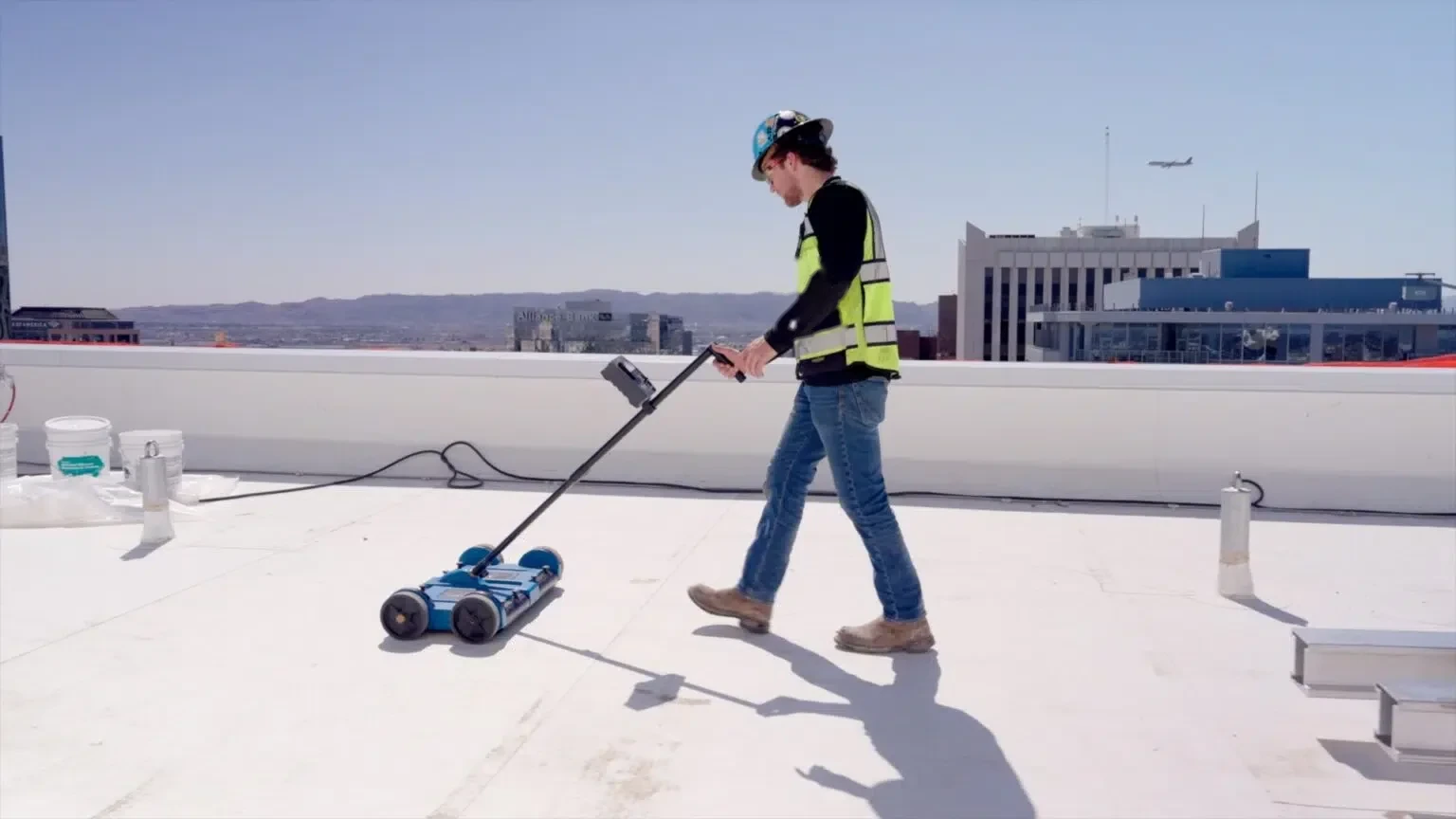
A loose board beneath a membrane can move at its joints and attachments. We examine the deck and existing layers before new placement. Suspected moisture may need a suitable survey and direct confirmation. Moisture investigation can inform the necessary removal boundaries. The new supporting layers need proper fit and the specified attachment. A cover board may be required by the selected assembly. Its suitability and condition should be established before membrane installation.
The attachment method depends on the proposed system and roof construction. Adhered placement needs a suitable surface and compatible bonding material. Mechanically attached placement needs correct fasteners and engagement into the deck. Wind-performance requirements can differ at roof areas with different exposure. We follow the selected design rather than repeat a single placement pattern. Added layer thickness also affects curb and outlet elevations. The complete assembly needs those dimensions coordinated. Material selection alone cannot settle the supporting construction.
Where the identified system uses welded laps, its specified material and equipment procedure governs the connection. Actual weather and roof surface conditions can change the working settings. We use the required trial checks before continuing a production joint. The prepared interface should remain free of contamination. Starts and intersections need careful completion within the system requirements. We examine the cooled connection using the selected product procedure. Its appearance is one observation, not the whole attachment check.
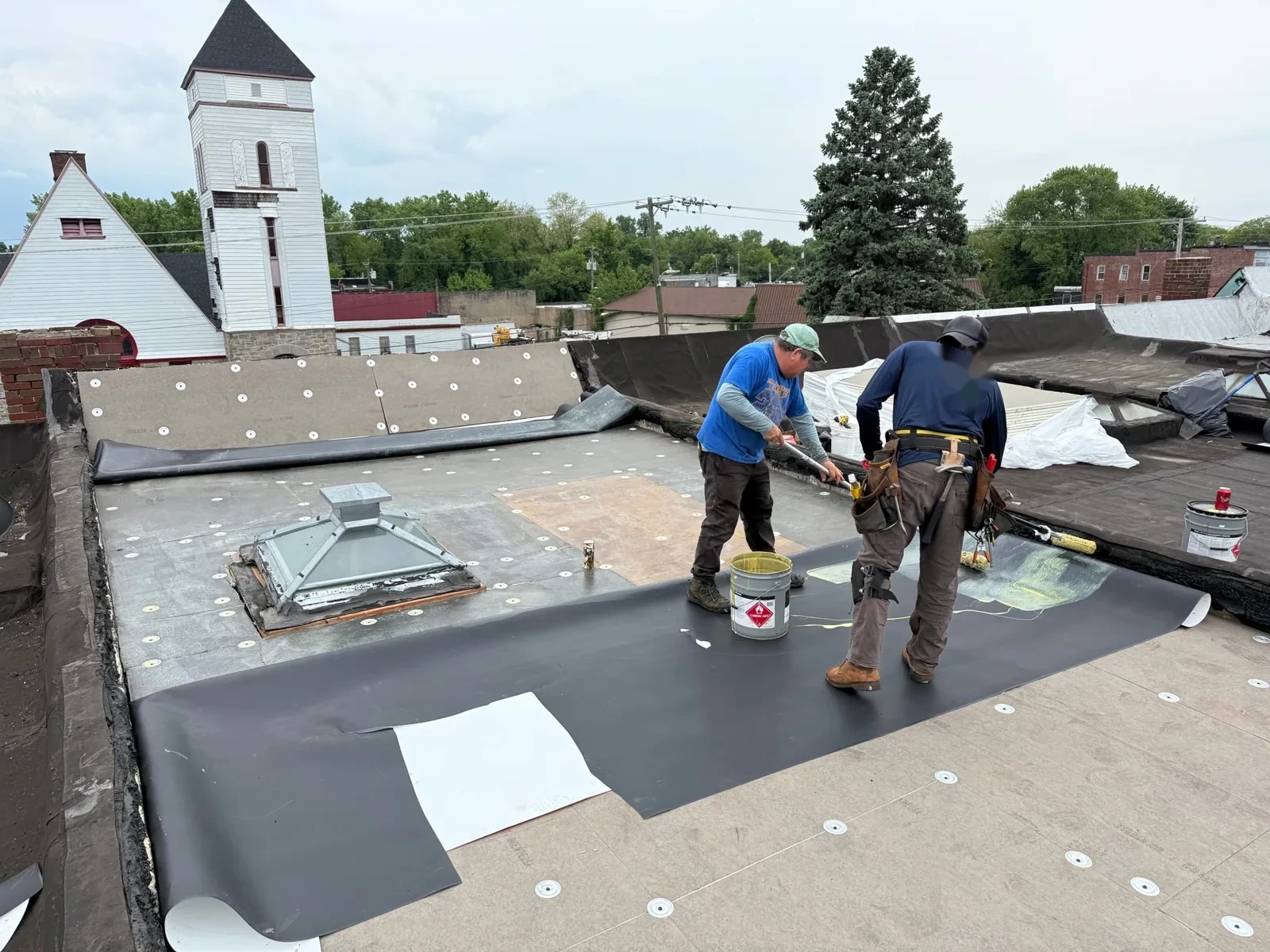
TPO membranes also use welded details, but one sheet type cannot be substituted for another without confirming the proposed system. The roof's components must remain compatible across the repaired connection. Wrong accessories can leave a weak interface despite careful workmanship. We confirm the material at curbs, drains and pipe flashings. Each change in shape needs the corresponding suitable detail. Rebuilding a penetration may require additional support or equipment coordination. The field joint and its accessories should work within the same specified system.
A curb return that pulls across an unsupported gap can stress the finished joint. We examine backing and cut the flashing to lie naturally. Suitable termination hardware needs secure attachment to sound construction. The available flashing height also depends on the finished roof field. Added boards can crowd an existing equipment detail. Curb alterations may be needed before that added construction is installed. The roof material should fit the prepared support rather than be forced around it.
A drain interface similarly needs suitable bearing and compatible closure. We inspect the bowl and its relationship to the surrounding surface. The covering should carry water into the outlet without an elevation barrier. Scuppers need attention at their throat and wall transitions. Repair residue or new equipment supports should not obstruct the runoff route. We examine those details as part of the installed assembly. A material chosen for demanding exposure still needs working drainage. The director receives the required physical corrections along with the membrane choice.
Midwest City roof projects may need coordinated staging around industrial or retail operations. Norman research-related buildings can have other equipment and access requirements. We establish the building-specific protection before roof openings or application. Nearby air intakes may need the responsible mechanical trade involved. Oklahoma generally has hot summers, affecting material handling and application conditions. We use actual roof conditions to set the work window. Each area must reach a secure closure before the sequence pauses.
The finished roof needs its care requirements passed to facility staff. Preventive maintenance can examine service routes, drainage and working connections afterward. Suitable walkway protection may be needed where equipment traffic repeats. New penetrations require compatible accessories and the appropriate assembly treatment. We locate repaired details for useful future observations. A KEE-alloy roof should remain identifiable when later work is planned. That identification supports correct repair methods through the life of the construction.
Arrange an examination of the membrane, equipment discharge and detail condition. We will define the compatible KEE assembly or repair treatment.
A category label alone does not identify the installed product or its repair requirements. We examine the membrane markings and roof records, then verify the actual product and assembly. We compare those documents with the building exposure. The specification should identify what is intended for installation. A category name alone is insufficient for selecting repair materials.
The identified product, its condition and the manufacturer’s repair requirements govern that decision. We identify the material and examine weathering or contamination. Suitable preparation must reach a serviceable interface. Damaged supporting layers may also need treatment. The repair boundary follows those findings rather than the visible opening alone.
The contact conditions affect compatibility and may reveal an equipment defect. A roofing treatment should not conceal an uncontrolled leak or spill. We coordinate the responsible trade's correction and select roofing for the actual exposure. The finished equipment area still needs accessible cleaning and maintenance.
Retain the installed product and assembly information with the roof care requirements. New work needs accessories and connection methods approved for that product. Color or appearance cannot reliably identify the system. We examine the covering before selecting repair material. That keeps later penetrations connected to the correct construction.