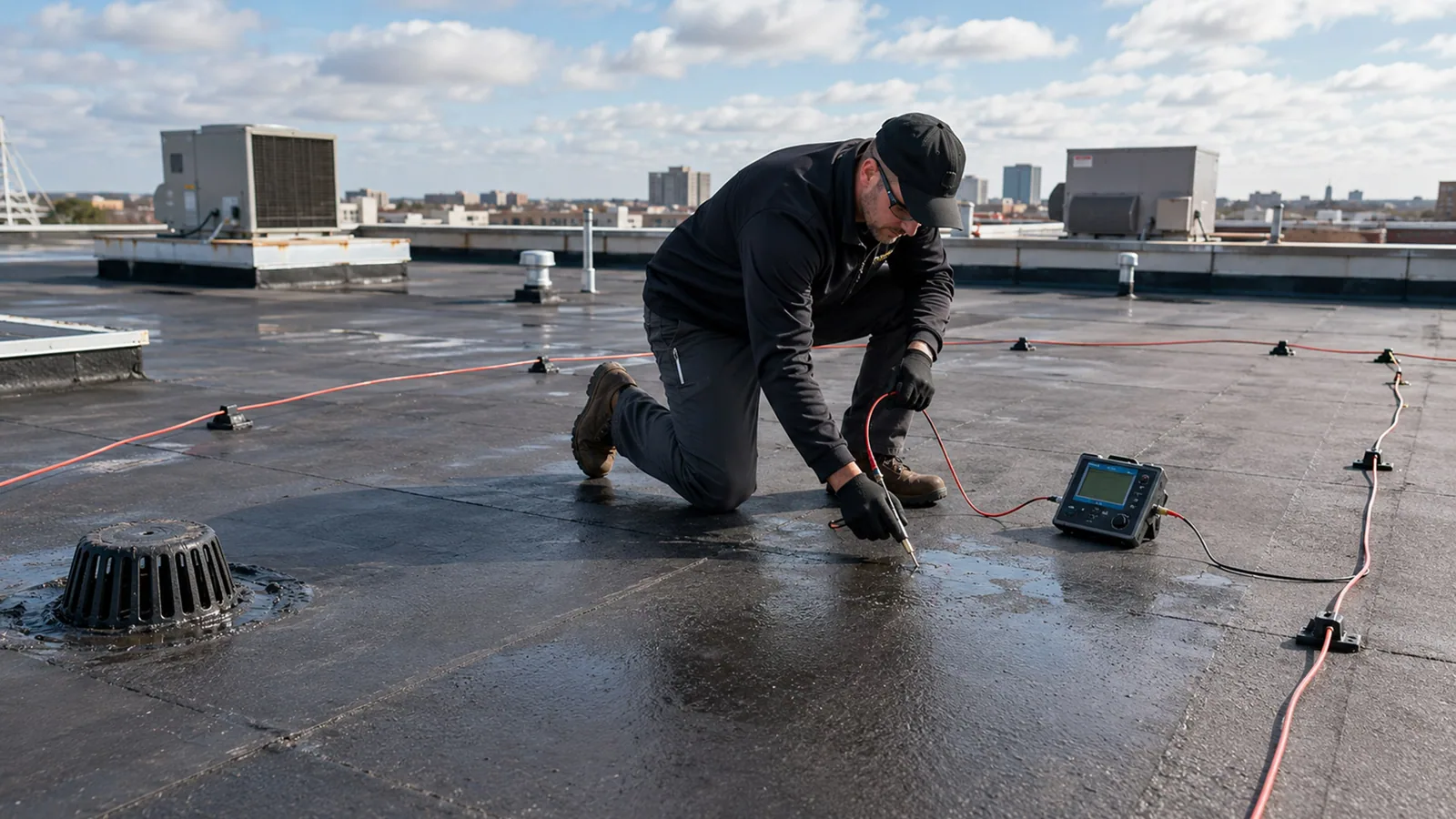

Between managed shop units, one roof drain can serve more than the tenant reporting water. The outlet and adjoining field need examination before a repair boundary is assigned. We connect that physical finding to the manager's operating decision. Commercial Roofing Edmond handles commercial roofing for property managers in Edmond, OK. We identify each building's assembly and service conditions. The tenant arrangement shapes access and protection during work. The roof's condition determines suitable repair or renewal. We describe roof construction and tenant protection at the affected location.
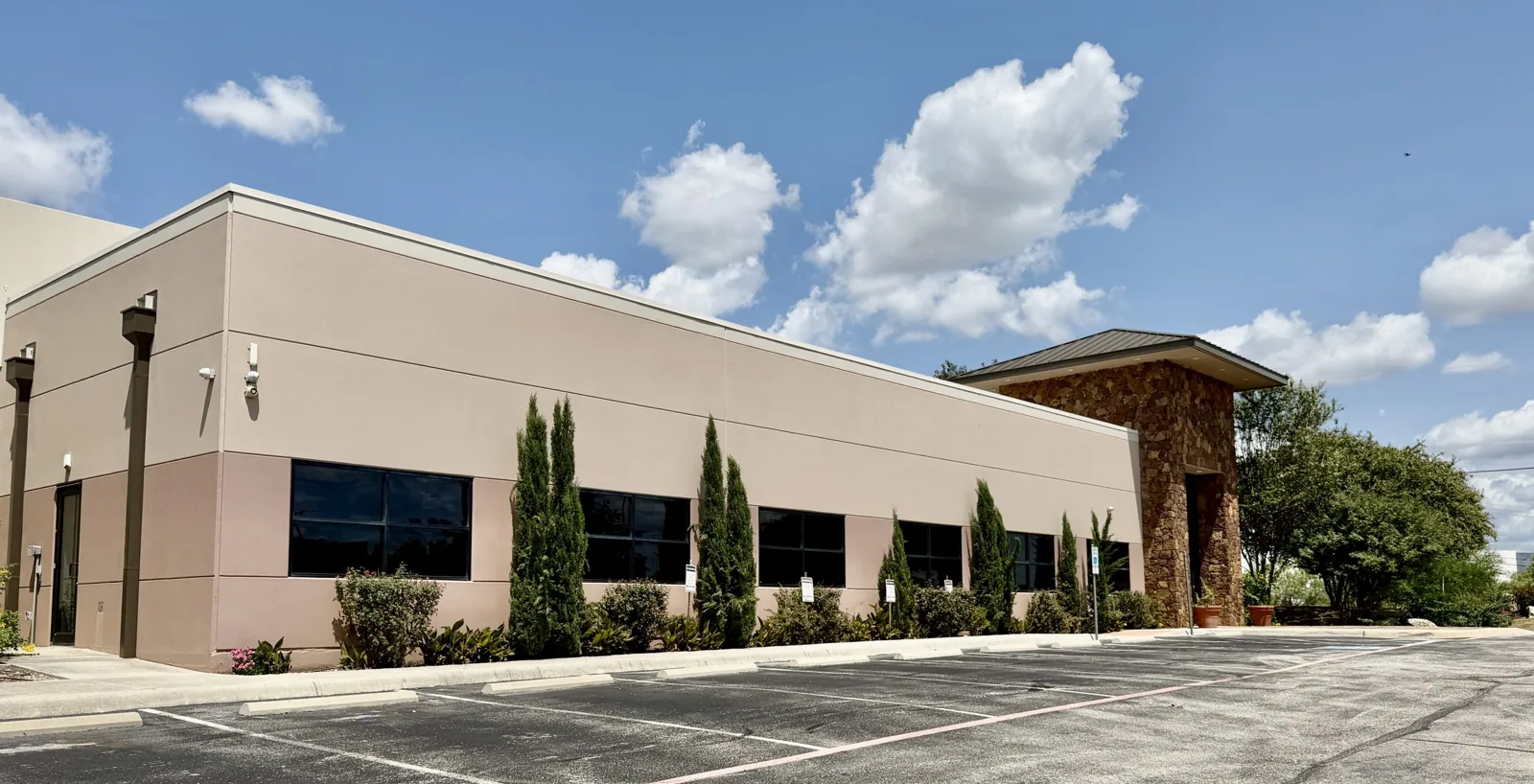
Downtown Edmond has local shops along walkable streets and outdoor dining areas. Broadway Corridor combines commercial activity with housing and surface parking. Those managed-building settings can involve different public and tenant routes. We examine the property's actual entrances and service arrangement. Roof handling should fit the spaces the manager can suitably control. A program across several buildings should still preserve each roof's construction requirements. The same administrative process can support different physical treatments.
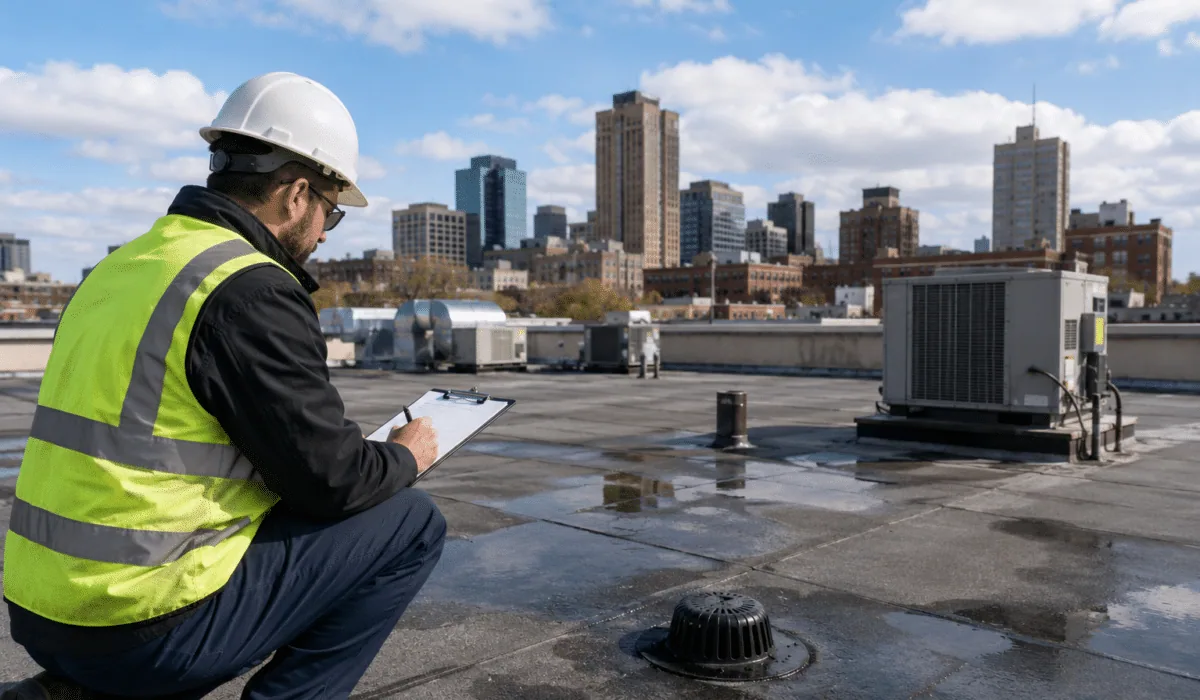
A tenant report may identify a room without identifying the failed roof connection. We locate the affected interior and inspect relevant upper details. The field, outlet, wall and equipment can require different checks. Located roof condition reports record observations with photographs tied to the examined area. The manager should know what construction follows from each finding. We identify the next useful examination where concealed conditions remain unresolved. A visible symptom alone should not become a broad removal instruction. The repair boundary follows the physical condition found.
Several building contacts can report the same shared drainage problem differently. We relate their observations to the actual roof arrangement. Room timing and recent service activity can help direct examination. Managed-building roof inspection distinguishes field deterioration from local accessory defects. Direct checks may be needed where retained layers remain uncertain. The manager receives the construction finding and its relevant location. The record should remain useful when another tenant or service contact takes over. It connects the next action to the actual roof component.
A narrow opening may have wet or deteriorated layers beyond its visible split. We examine that surrounding construction before choosing treatment. The manager receives the removal and supporting work required for a useful repair. A suitable retained surface must receive the new connection. Owner roof decisions can involve a wider renewal review where deterioration is broad. We show the physical reason for that option. The construction scope should identify compatible materials and finish requirements. It should also identify other-trade tasks necessary for the detail to close.
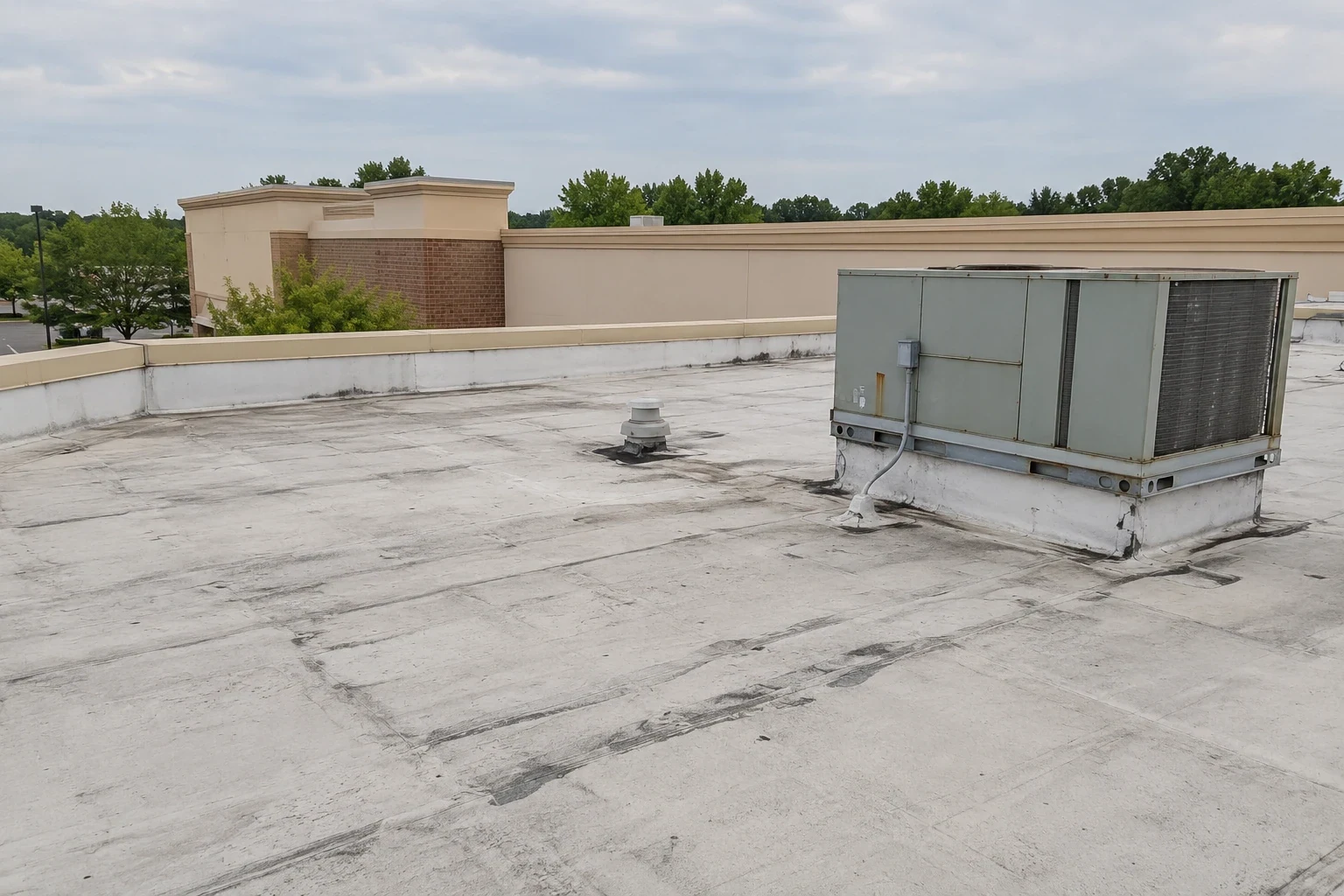
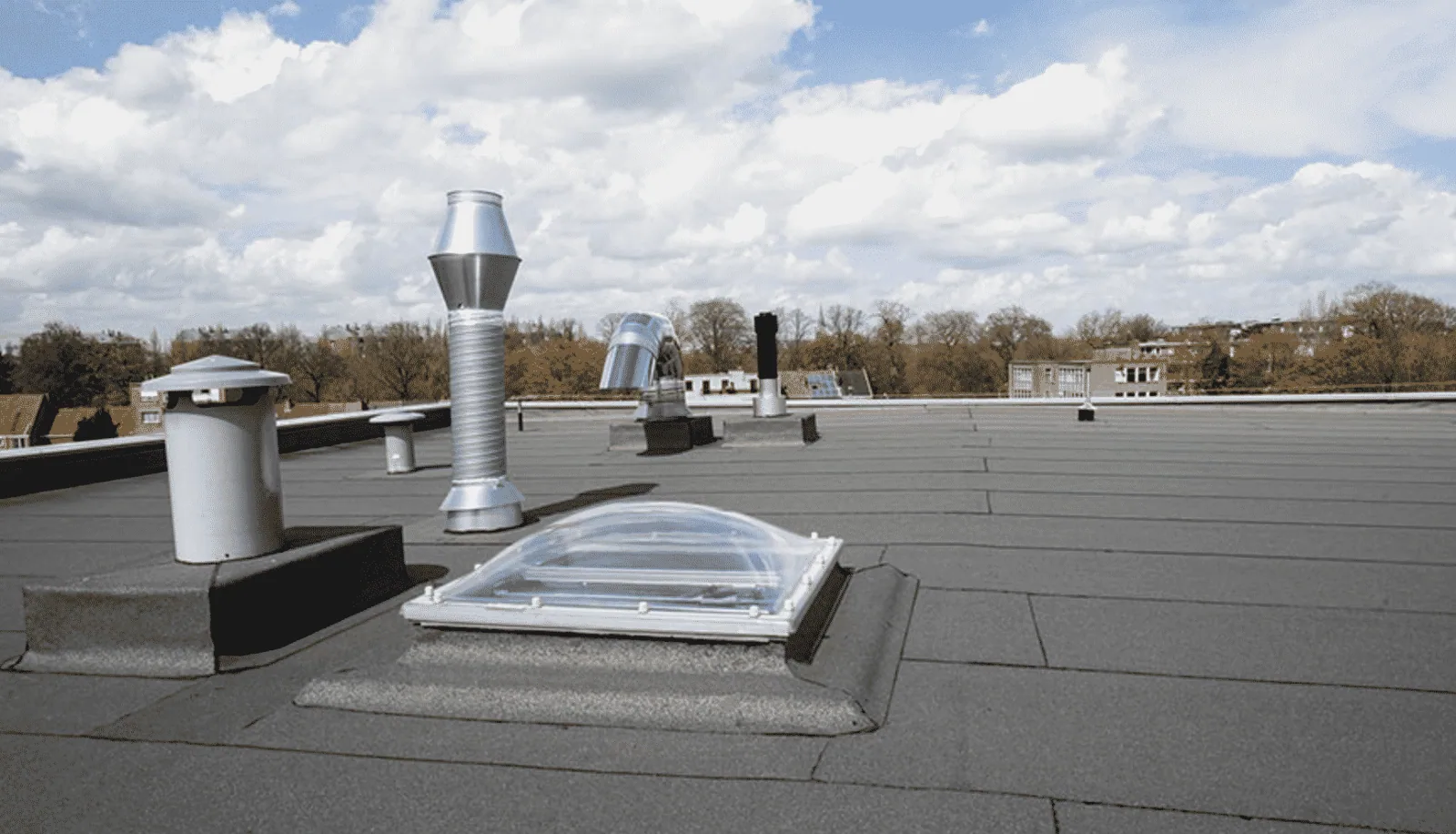
Equipment additions can create openings outside the original repair instruction. The manager should coordinate the service trade and roofing sequence before cutting. We inspect support and available flashing space for the proposed addition. EPDM detail repair needs its specified contact preparation and accessory methods. Other systems require their own compatible joining treatment. A compound selected for another building can be unsuitable here. The assembly needs the method appropriate to its actual materials. The manager receives that requirement with the physical work boundary.
A removal stage can affect several units beneath a continuous field. The manager locates occupied rooms and their required protections. For retail and dining roof programs, an opening above food preparation can need intake precautions and equipment coordination. Staff establish those operating controls before roofing begins. We identify the pipe or curb interface and its construction footprint. A shared drainage defect may extend work beyond the first tenant's room. The manager coordinates protection for every space beneath that boundary. The usable opening should fit the interior area actually controlled.
Deliveries, lifting and disposal may compete with public entries or tenant loading. The manager establishes the available controlled ground space. We fit roofing handling to that actual arrangement. Material storage above requires appropriate load and product-protection review. Responsible equipment staff arrange operating precautions for nearby intakes when needed. A changed concealed defect may extend the stage. We describe that finding before another interior area is exposed. The manager can then revise tenant protection against the current construction need. Occupancy should follow what is protected, not only the planned date.
A maintenance visit should address the actual outlets, terminations and service details at that roof. Building-specific roof care examines those accessible components and local deterioration. Loose debris can require cleaning while a failed return needs reconstruction. The manager receives the difference between those actions. Equipment supports should preserve useful service routes after maintenance. We may examine concealed support where the same defect keeps returning. That requirement should remain identifiable rather than return as another unexplained patch request. The next visit should begin with the relevant condition still understood.
Multi-property roofing coordination can organize findings across different assemblies without prescribing identical treatment. One roof may need local repair while another needs renewal planning. Their occupied use and concealed condition can also differ. We connect each recommendation to its own evidence at the building. Oklahoma's hot summers affect suitable product application. Summer thunderstorms may interrupt exposed work with heavy rain. The manager's schedule must allow for those installation conditions. Each active stage requires an appropriate protected stop. A shared calendar should allow different roofs to close correctly.
Downtown Edmond managed-roof work requires assessment of actual public routes and delivery space. Broadway Corridor properties can have different parking and tenant-entry arrangements. Roof drainage should receive the same property-specific examination. A clear bowl can retain water where its surface approach is obstructed. Drainage repair distinguishes roof-side work from piping or capacity changes. The required other trade or design response should be identified. A renewed field must preserve outlet access and useful relative elevations. The manager receives those physical interfaces before installation.
Completion includes checks appropriate to the repaired joints and accessories. Accessible construction fragments should leave the roof and collection areas. The manager receives locations for finished work and unresolved tasks. New equipment service should preserve compatible roof closure and clear maintenance access. Interior reports should identify the tenant space and relevant timing. We relate those observations to roof condition and recent activity. Larger renewal choices follow the assembly's current construction requirements. The useful management record remains connected to the roof rather than a completed work order alone.
Identify the affected building, tenant space and roof component. We will connect the construction findings to a suitable repair scope and operating arrangement.
The actual roof assembly and water route determine that construction limit. We examine shared drainage and concealed condition around the reported area. The repair may extend across more than one occupied unit. The manager coordinates the protections required for that scope. Suitable retained construction must support the finished detail.
Located observations should connect to a practical construction action. We identify the component, photographed condition and useful next check where needed. The manager receives supporting and other-trade requirements affecting repair. Unfinished questions remain distinguishable from completed work. That record should support the decision at the actual building.
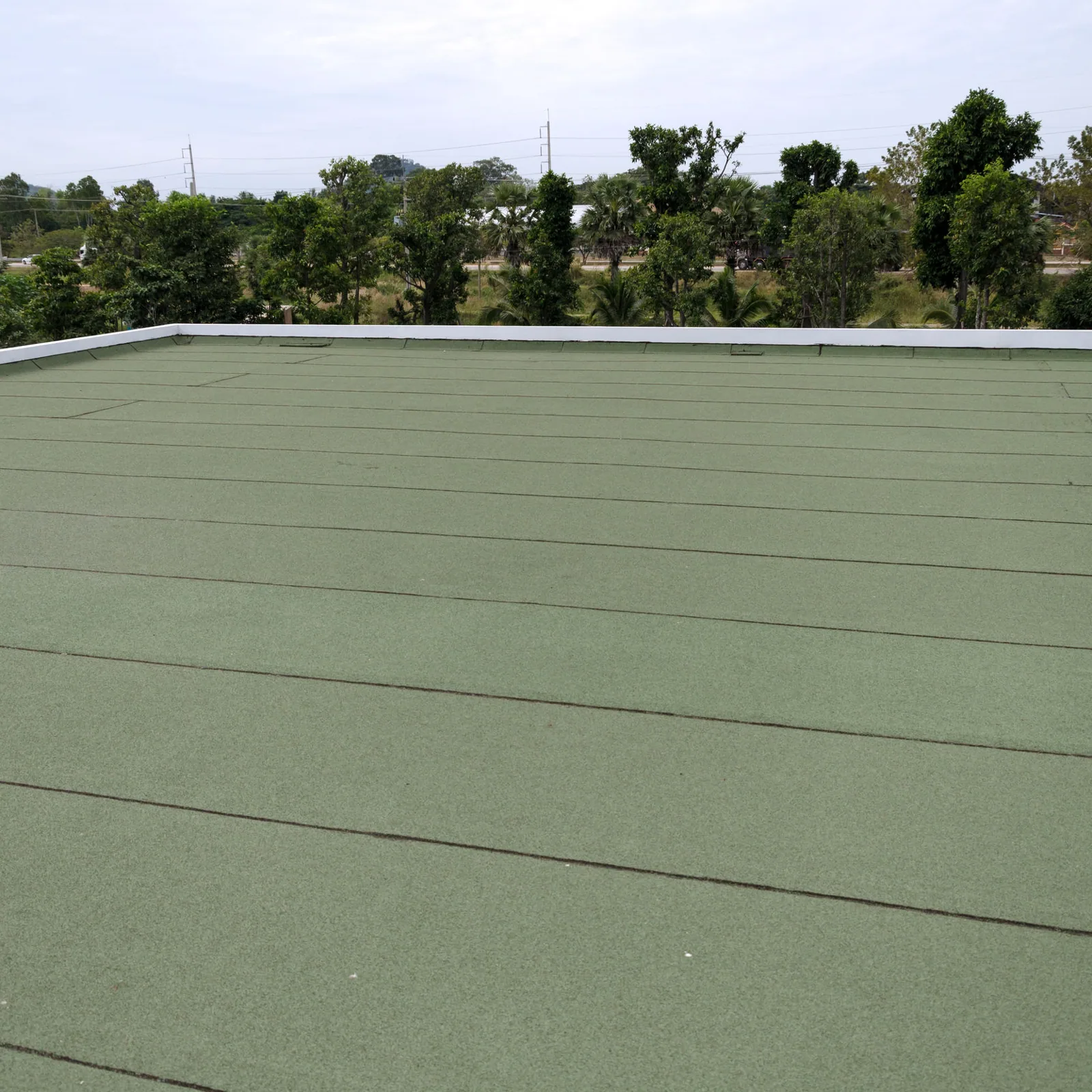
Compatibility and the installed joining method control material selection. We inspect each assembly before proposing local treatment. Contact condition and service exposure can also change suitability. A useful product at another property may be inappropriate here. The scope identifies the materials needed for the roof being repaired.
The new service needs a supported compatible roof interface. We examine the proposed position and required flashing space. The manager coordinates equipment and roofing tasks before the opening is made. Completed work should remain inspectable. Later care includes the altered detail alongside the original field.