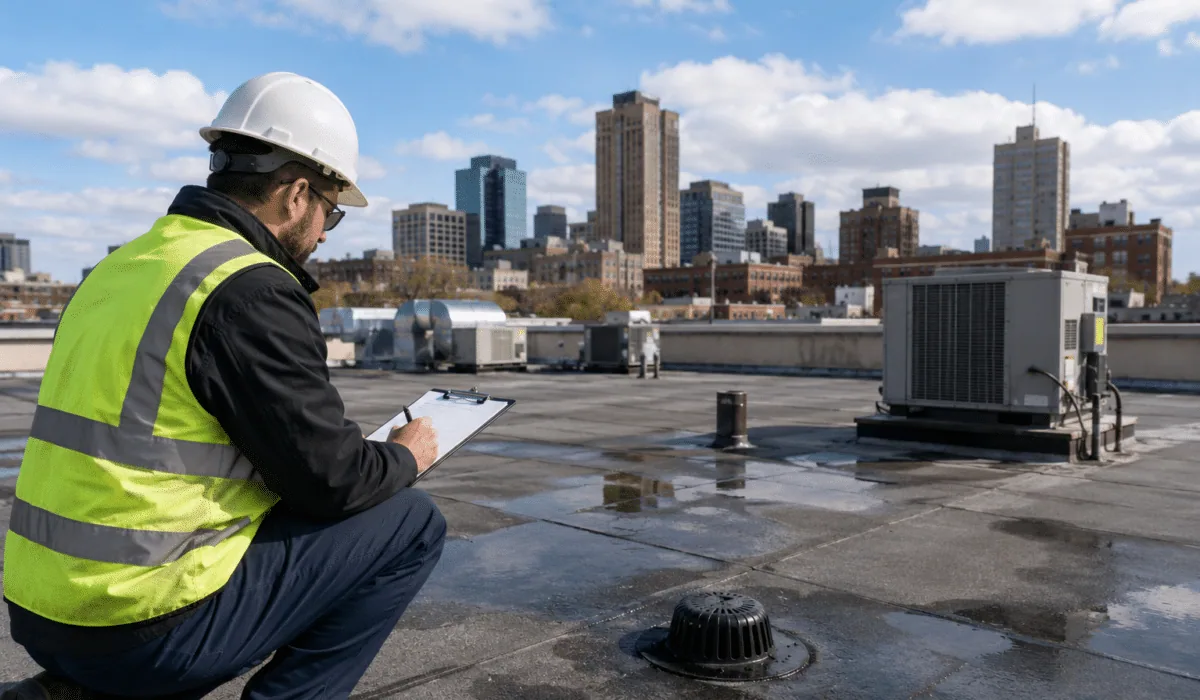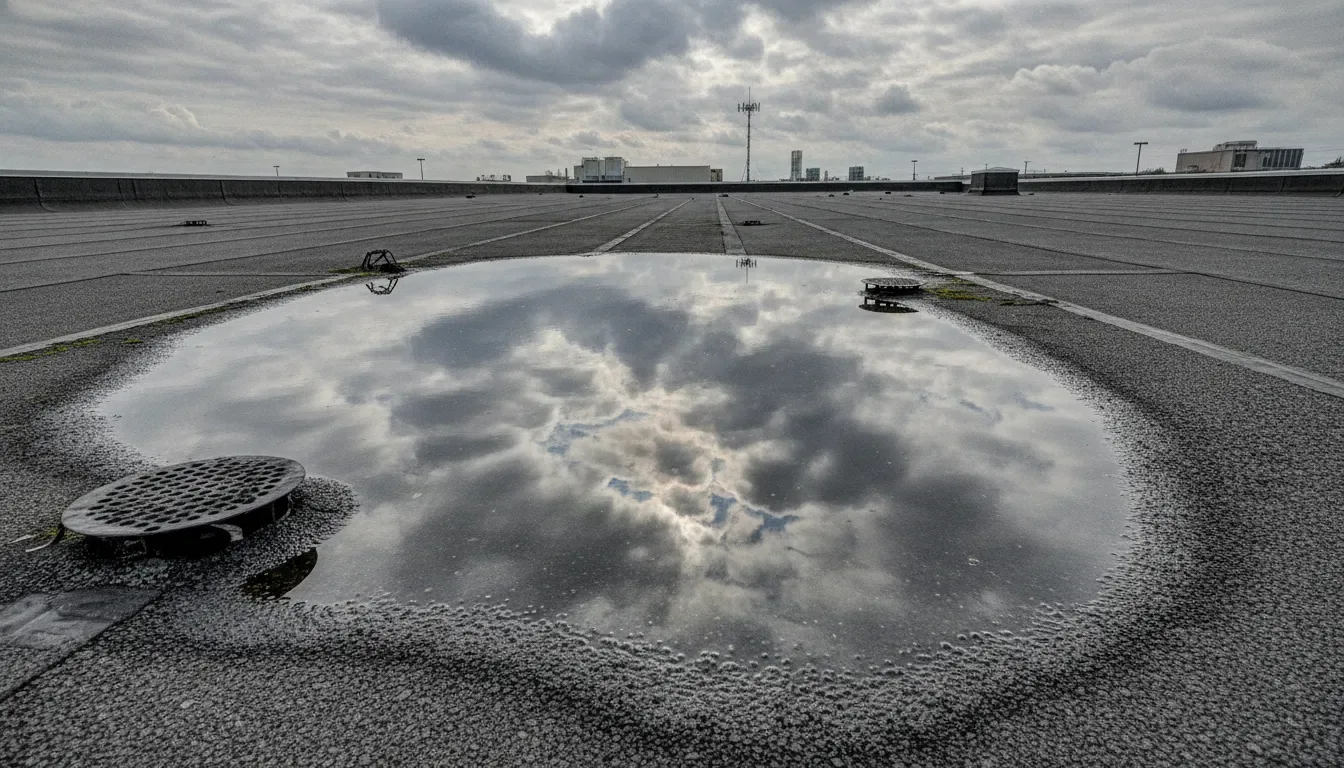

A shopping building needs runoff to enter its drain bowl without a raised lip. A well-flashed outlet can still leave water behind at the wrong elevation. We examine that fit before choosing a drainage correction. Commercial Roofing Edmond repairs roof drains and scuppers in Edmond, OK. The work connects roof slope, outlet flashing and functioning discharge. A ponding area may need insulation changes or other construction. The facility director should know which physical condition blocks the water path. Clearing debris and rebuilding drainage are different scopes.
Broadway Corridor includes commercial properties with substantial surface parking areas. On a retail building, roof discharge also needs attention beside customer routes. Downtown Edmond has businesses, public parking and outdoor dining areas. Water from a wall outlet should not create an uncontrolled exposure below. We examine the roof-side connection alongside the visible discharge route. Appropriate plumbing or design work may be needed beyond the roofing detail. The drainage plan should connect those responsibilities before construction begins.
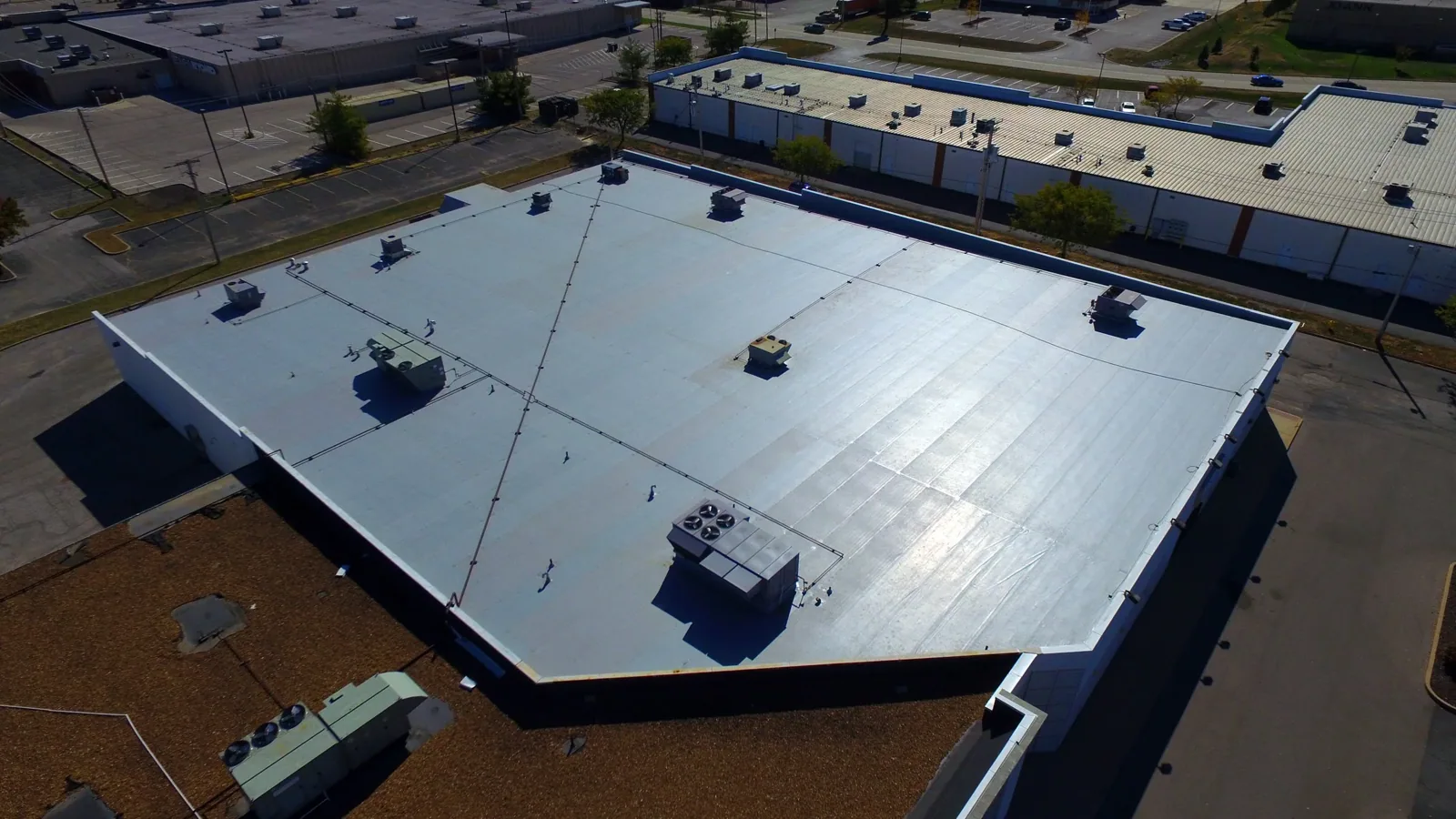
A drying ring around an outlet can show a persistent low area. We examine the surface and measure the relevant elevations. Sagging construction, compressed insulation and misplaced drains can produce different conditions. An outlet may be clear while the surrounding roof remains poorly sloped. We look at the route across the whole affected roof section. Equipment curbs or additions can interrupt that route. The correction should address the observed geometry rather than only the wettest spot.
Water remaining after rainfall exposes vulnerable joints for longer periods. It can also carry debris toward low areas and outlets. Ponding repair may involve rebuilding a portion of the supporting roof surface. Deflection concerns require the appropriate structural review. We distinguish that question from an insulation adjustment that roofing work can address. The director receives the proposed change and its construction basis. That helps prevent repeated outlet cleaning where the problem is elevation.
A drain flange needs a compatible connection to the surrounding membrane. We inspect the flange condition and the material seating against it. The clamping assembly must be suitable for the drain and roofing. Deteriorated components may need replacement rather than another seal application. The membrane should reach the connection without bridging unsupported space. We inspect the bowl and nearby layers before reconstruction. A secure flange connection relies on the construction beneath the finished sheet.
Some drain repairs require separating the roof connection from the pipe connection. Leaking piping needs the responsible plumbing trade. An insert or extension must also suit the existing drainage arrangement. Changing roof thickness can affect how the bowl meets the finished surface. Insulation work should coordinate that elevation rather than leave the drain proud. We identify the required components and trade interfaces before installation. The repaired outlet then receives runoff at a workable roof level.
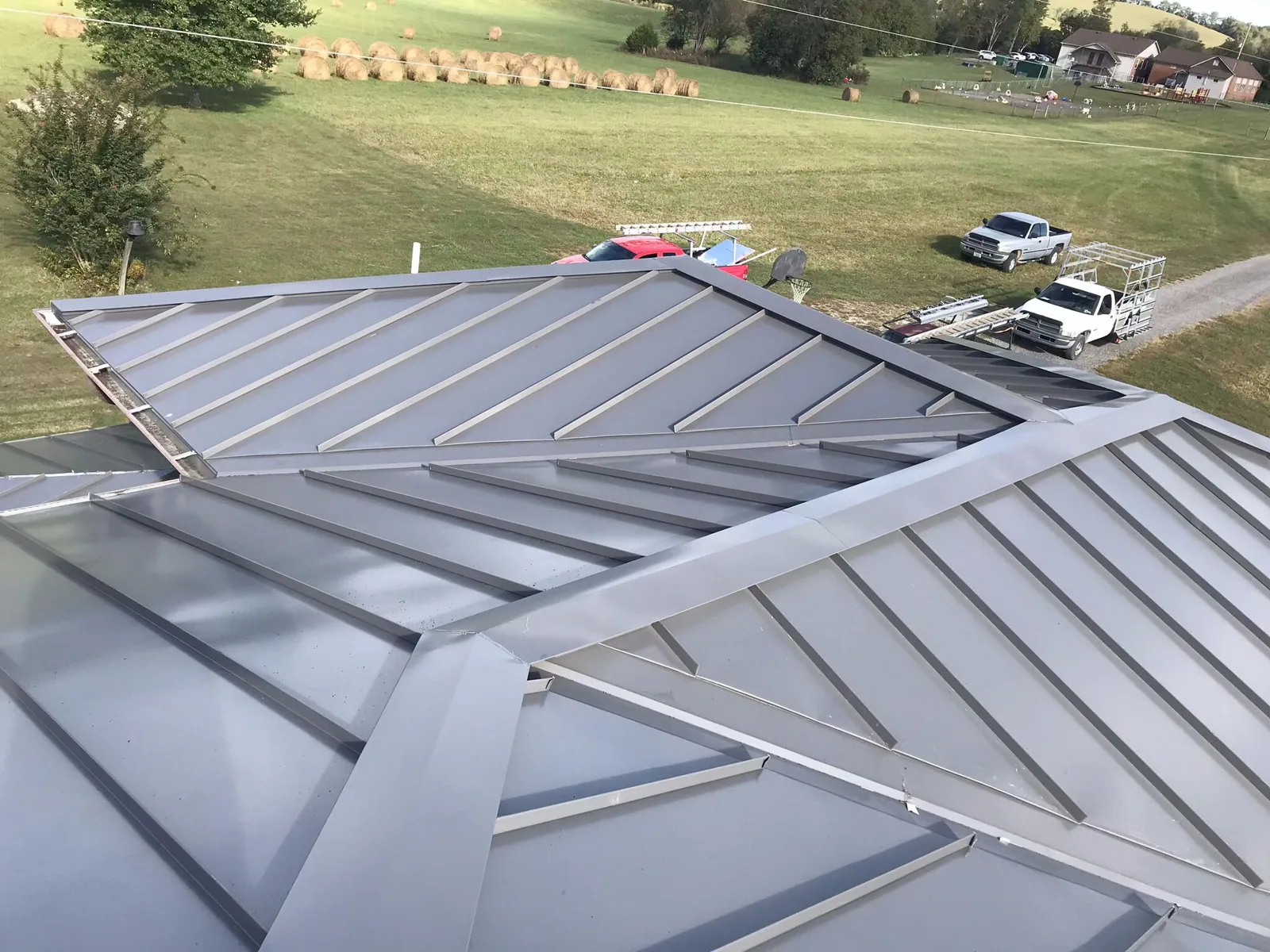
A scupper throat needs its flashing connected across the opening and side transitions. Poor fit at the lower corners can create a vulnerable seam. We examine metal condition, attachment and surrounding wall construction. The outlet needs adequate support for the selected roofing connection. Water should pass through without meeting a raised obstruction. We rebuild damaged throat material where it cannot hold the intended detail. The wall-side work may require coordination beyond membrane repair.
A collector and downspout also need examination where they receive scupper discharge. Loose attachment or blockage can send water back toward the opening. Gutters and downspouts belong in that connected drainage review. We follow accessible discharge portions and identify issues requiring another trade. The roof repair boundary should not hide a known outlet obstruction. Outlet capacity and layout may require design review for proposed changes. A larger-looking opening is not automatically an adequate drainage solution.
A curb across the drainage route can leave water on its uphill side. A properly designed cricket may direct runoff toward the adjacent drain path. Its shape and slope need to match the roof layout. We examine available height and the surrounding insulation before proposing it. A poorly placed ridge can send water into another low area. The construction must join smoothly with the existing roof surface. We check that transition before covering the new insulation.
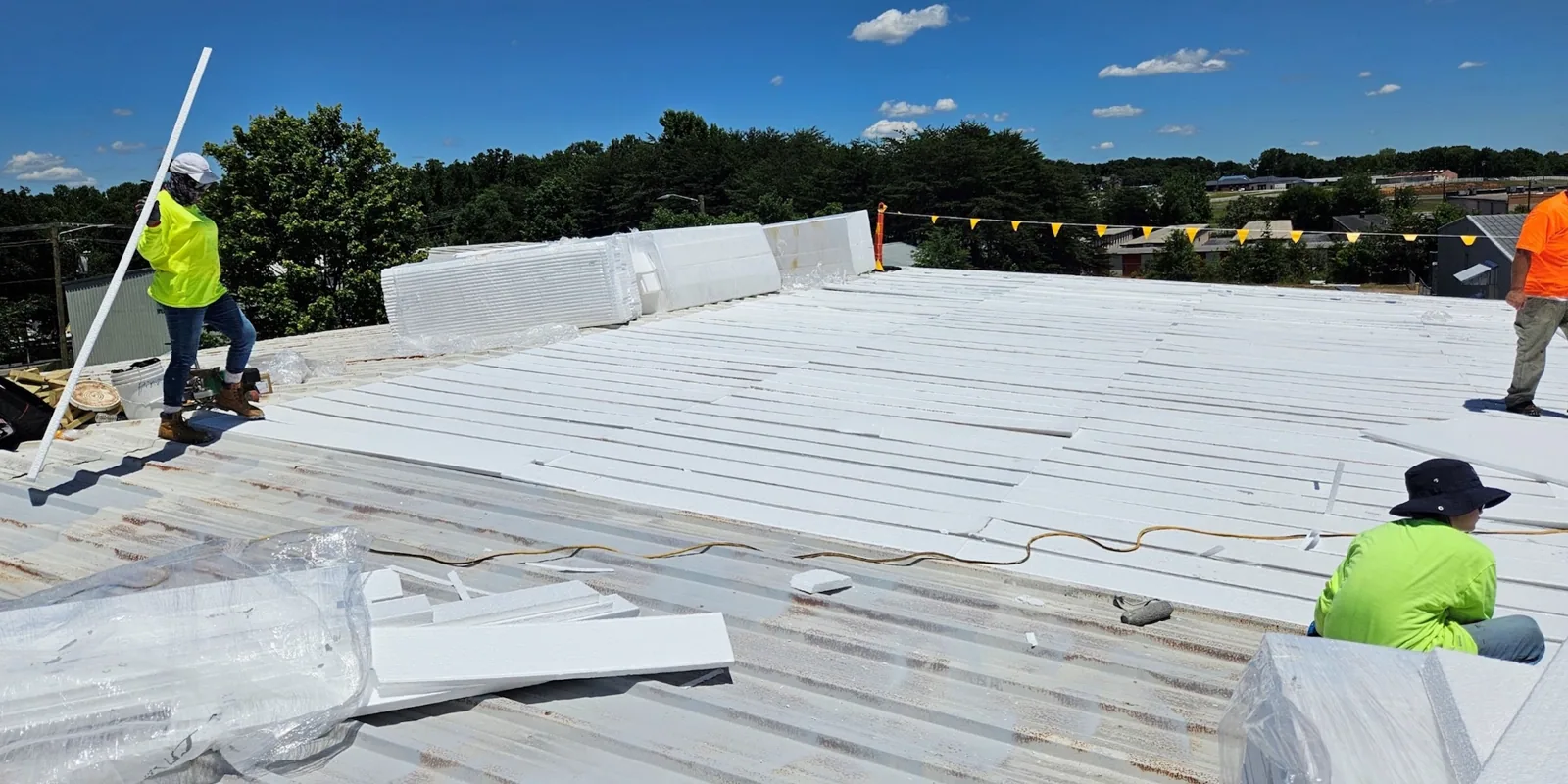
Tapered insulation may help correct a broader area of inadequate slope. Added buildup affects curb flashing height and wall outlet elevations. Those details need a coordinated design rather than independent changes. A TPO assembly, for example, still follows the surface prepared beneath it. Material selection alone cannot change the water route. We lay out the correction with the required outlets and transitions. The director can then evaluate the complete drainage work rather than an isolated product.
A blocked primary outlet can leave the roof depending on secondary drainage. We inspect visible overflow components within the agreed examination area. Their openings and flashing need proper condition as well as clearance. The arrangement must suit the applicable project requirements. Changes to roof elevations should not defeat its intended operation. A code or capacity question needs confirmation with the reviewing authority. Roofing repairs should preserve the working assembly while those design decisions are resolved.
Oklahoma summer thunderstorms can produce locally heavy rainfall. The roof's own drainage arrangement decides how that water leaves the building. We examine blocked strainers and accumulated debris after storms where necessary. Proposed outlet changes may require plumbing and design coordination. Downtown Edmond roof drainage also needs consideration of discharge near occupied outdoor areas. Roof runoff should not become an uncontrolled hazard at a busy entrance. The correction plan needs both a roof connection and a usable discharge path.
A repaired outlet needs a close check of its membrane transitions and attachment. We inspect the completed flange or throat using the assembly procedure. Debris from construction must leave the bowl and nearby roof field. Strainers and associated components return to their intended positions. Where suitable, controlled water observation can help assess the repaired route. The test should be appropriate to the assembly and interior risk. We distinguish the connection check from a full system-capacity evaluation.
The director also needs to know which conditions require ongoing care. Drain maintenance can keep routine obstruction under attention after construction. Persistent water after a correction deserves renewed examination of the affected level. We locate the rebuilt area so future observations are specific. Seasonal debris or new rooftop work may change how the outlet performs. Maintaining that route supports the repaired membrane and surrounding insulation. Drainage remains a working relationship between roof shape, connection and discharge.
Arrange a close look at the ponding area, drain bowl or wall scupper. We will identify the connection and elevation work needed for a functioning runoff route.
The surface elevation controls whether water reaches the bowl. Debris removal restores an obstructed path but cannot raise depressed insulation. We measure the affected area and examine its construction. Slope correction or outlet adjustment may be needed in addition to cleaning. The proposal distinguishes those tasks.
That leaves the existing elevation problem in place. We examine the drain level against the planned finished roof. An appropriate extension, replacement or insulation adjustment may be necessary. Plumbing responsibilities also require coordination. The roofing assembly should meet a functioning outlet rather than surround a persistent barrier.
The curb can interrupt the runoff route. We examine slope and the available drainage path on both sides. A suitable cricket may redirect water without creating another low point. Its design needs the roof layout and adjacent elevations. The correction should preserve working flashing height at the equipment.
The agreed scope identifies both parts. We examine accessible discharge components and show defects that affect the roof connection. A sound downspout may remain while damaged throat flashing is rebuilt. Blocked or loose downstream components need separate treatment if required. The director should see where the roofing work ends.