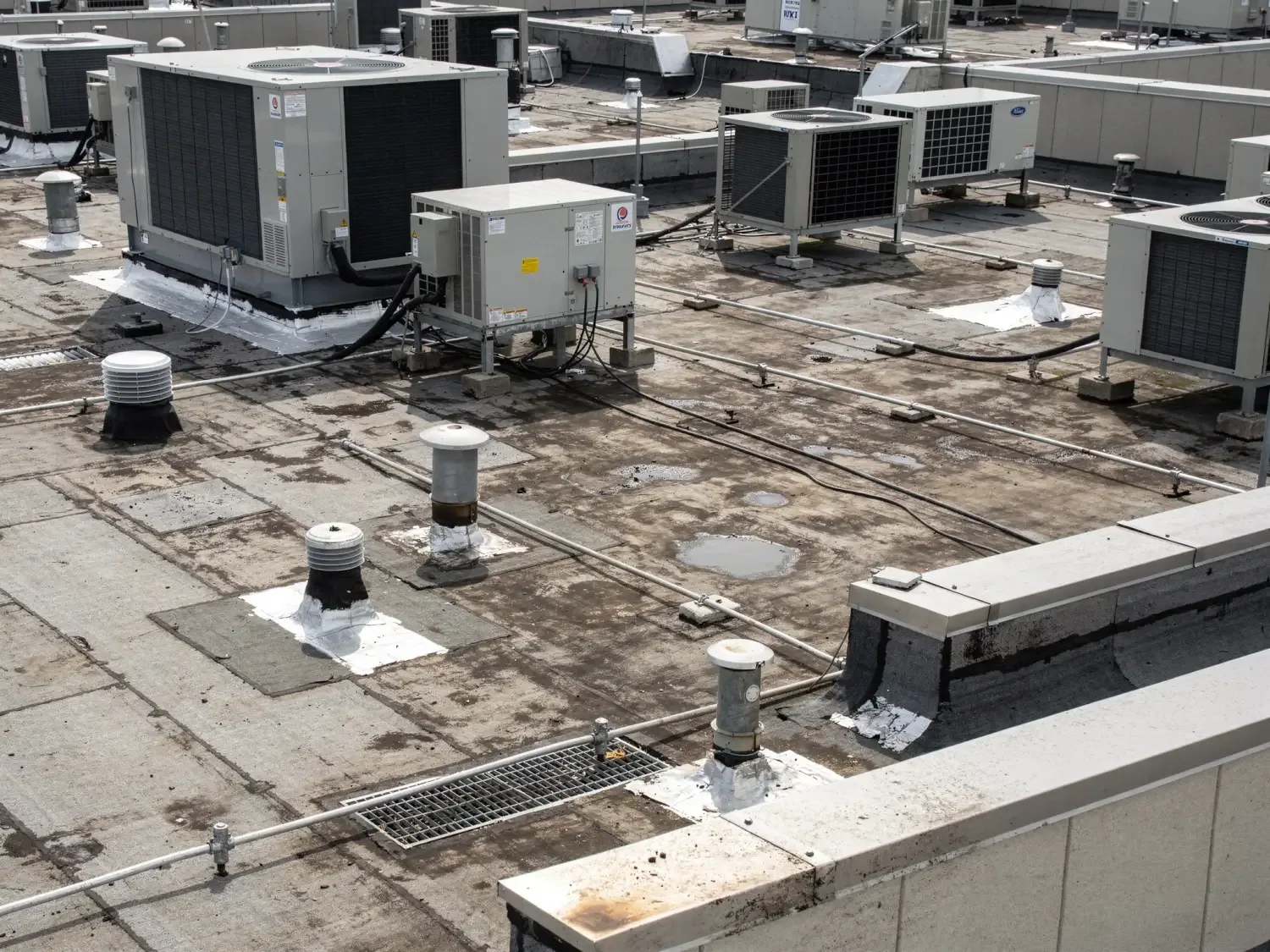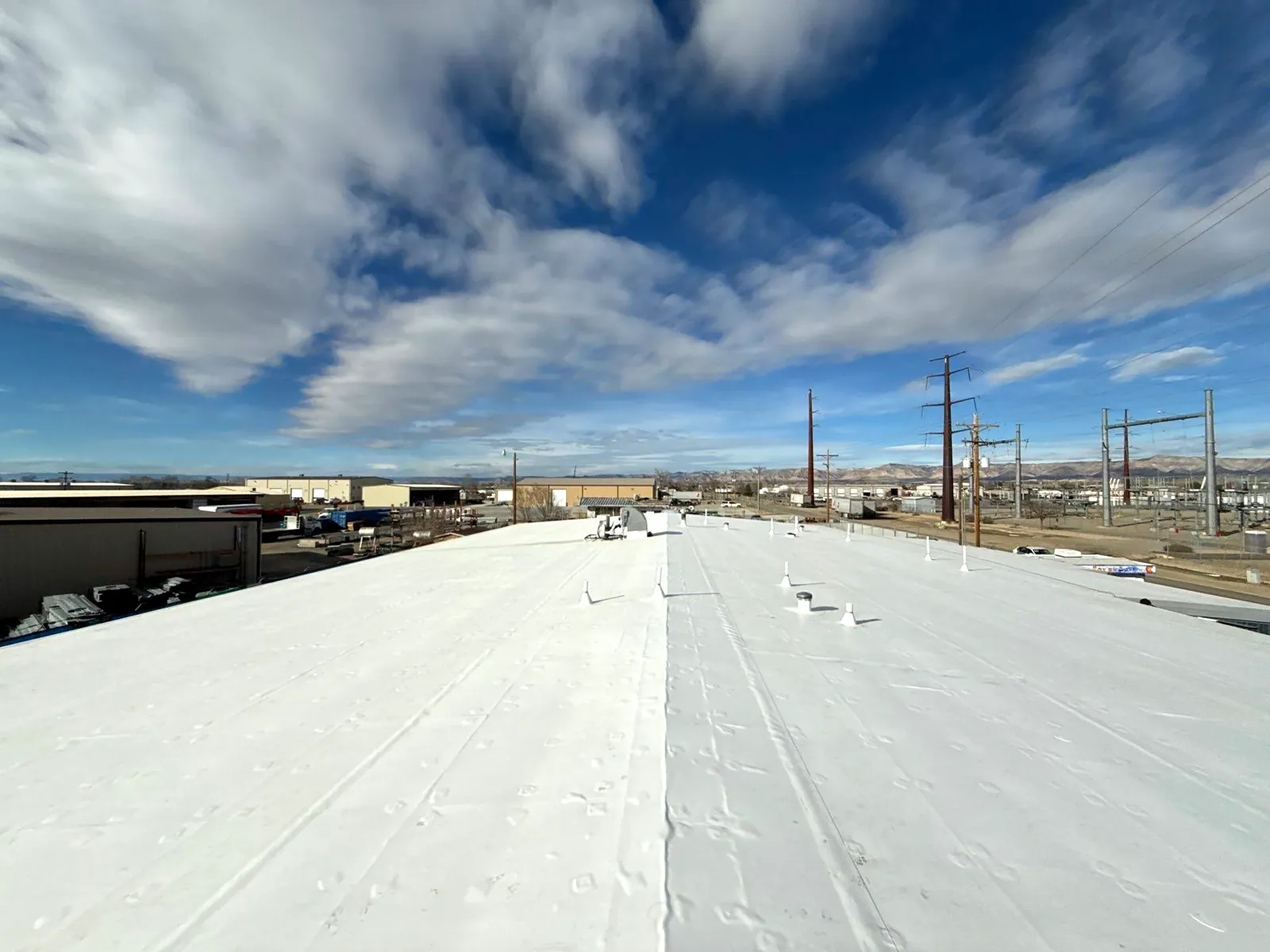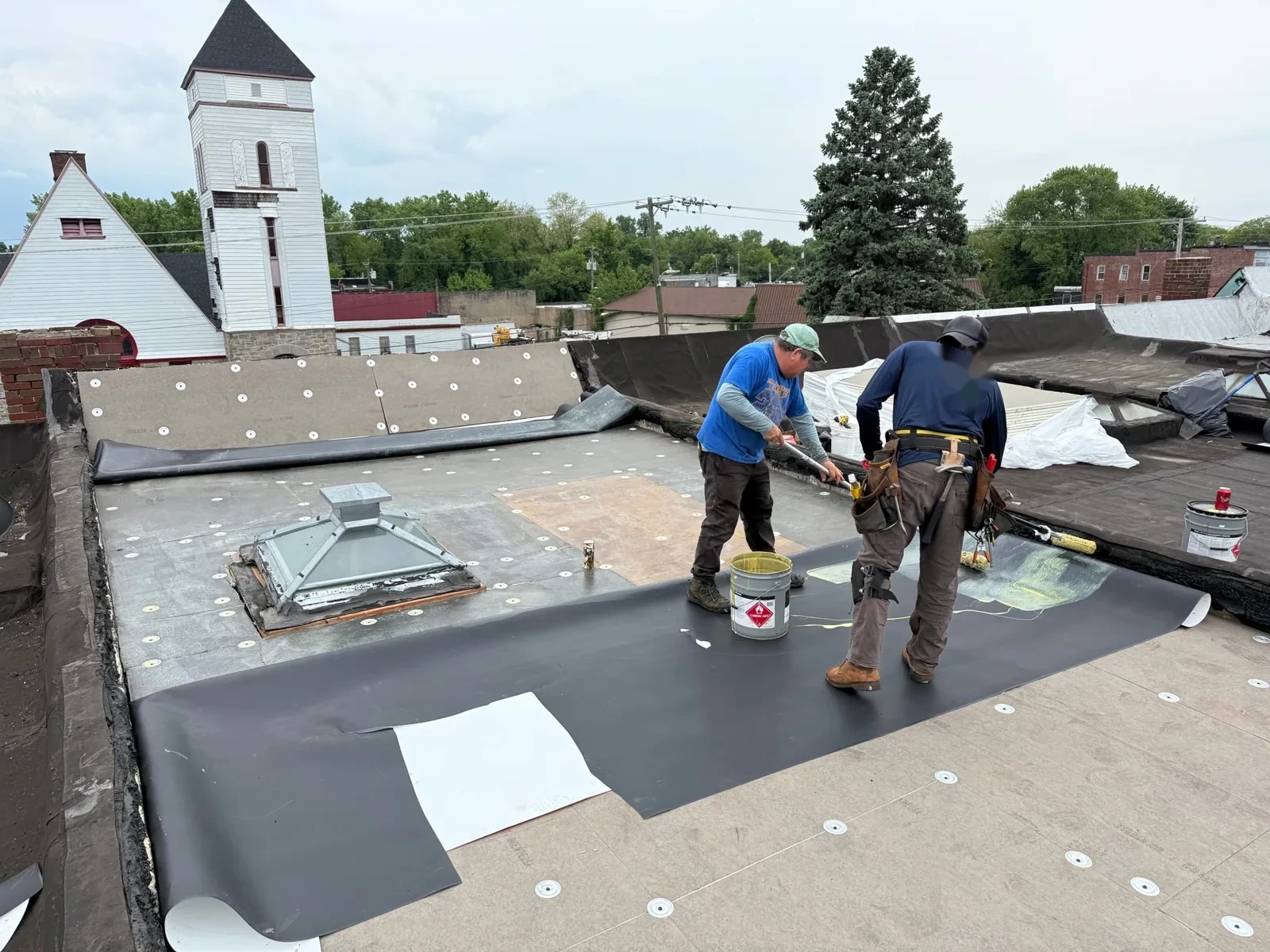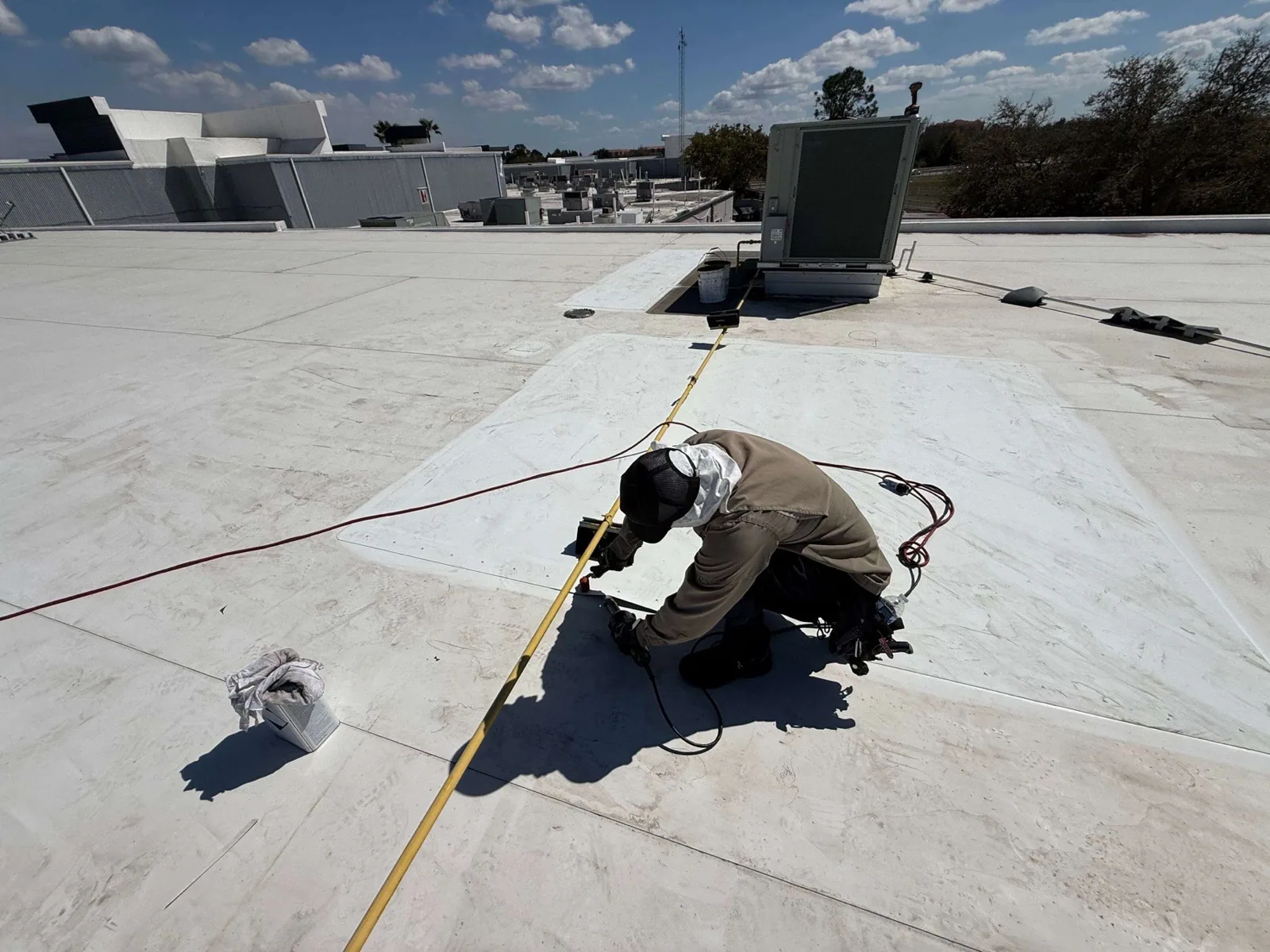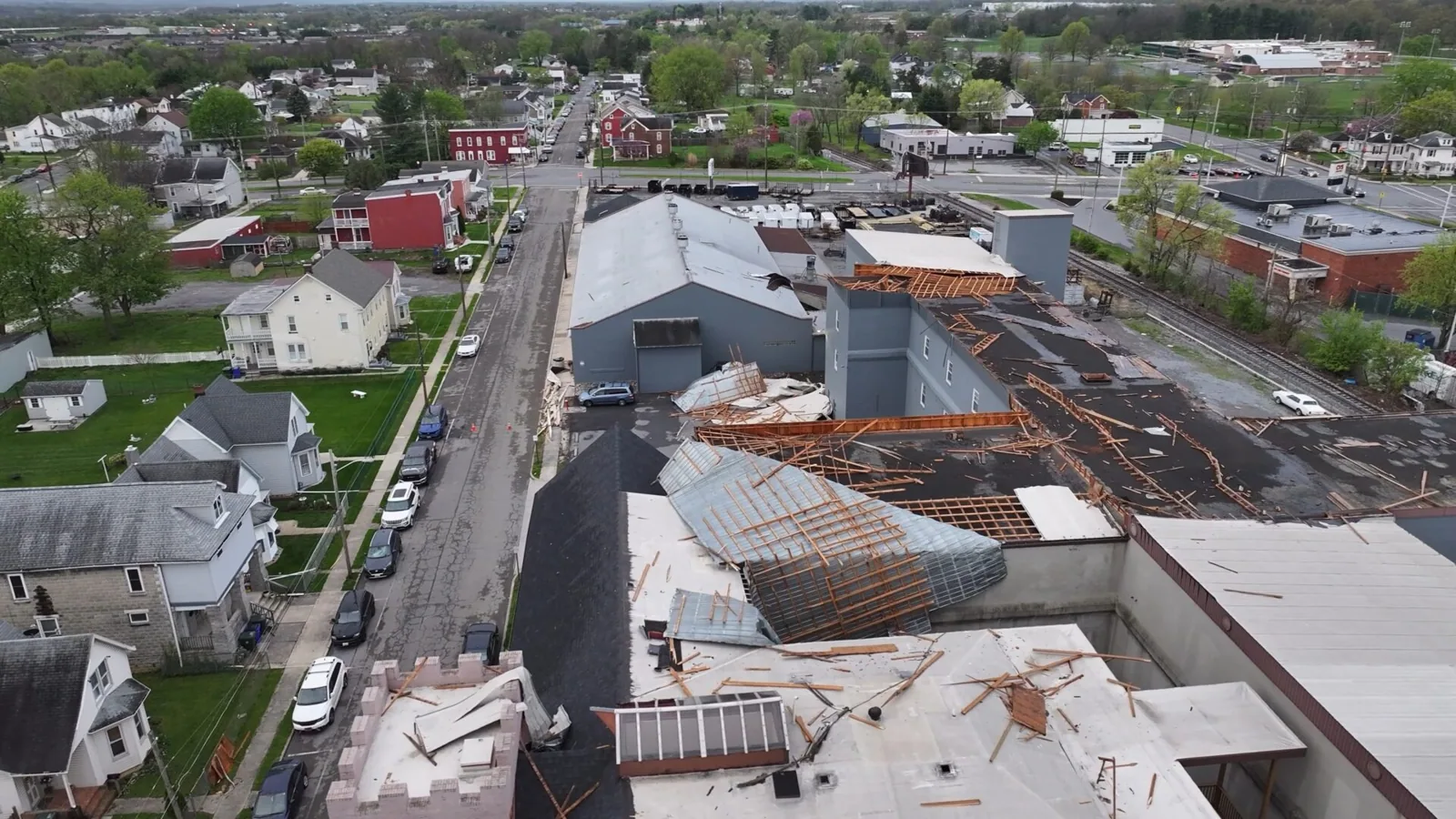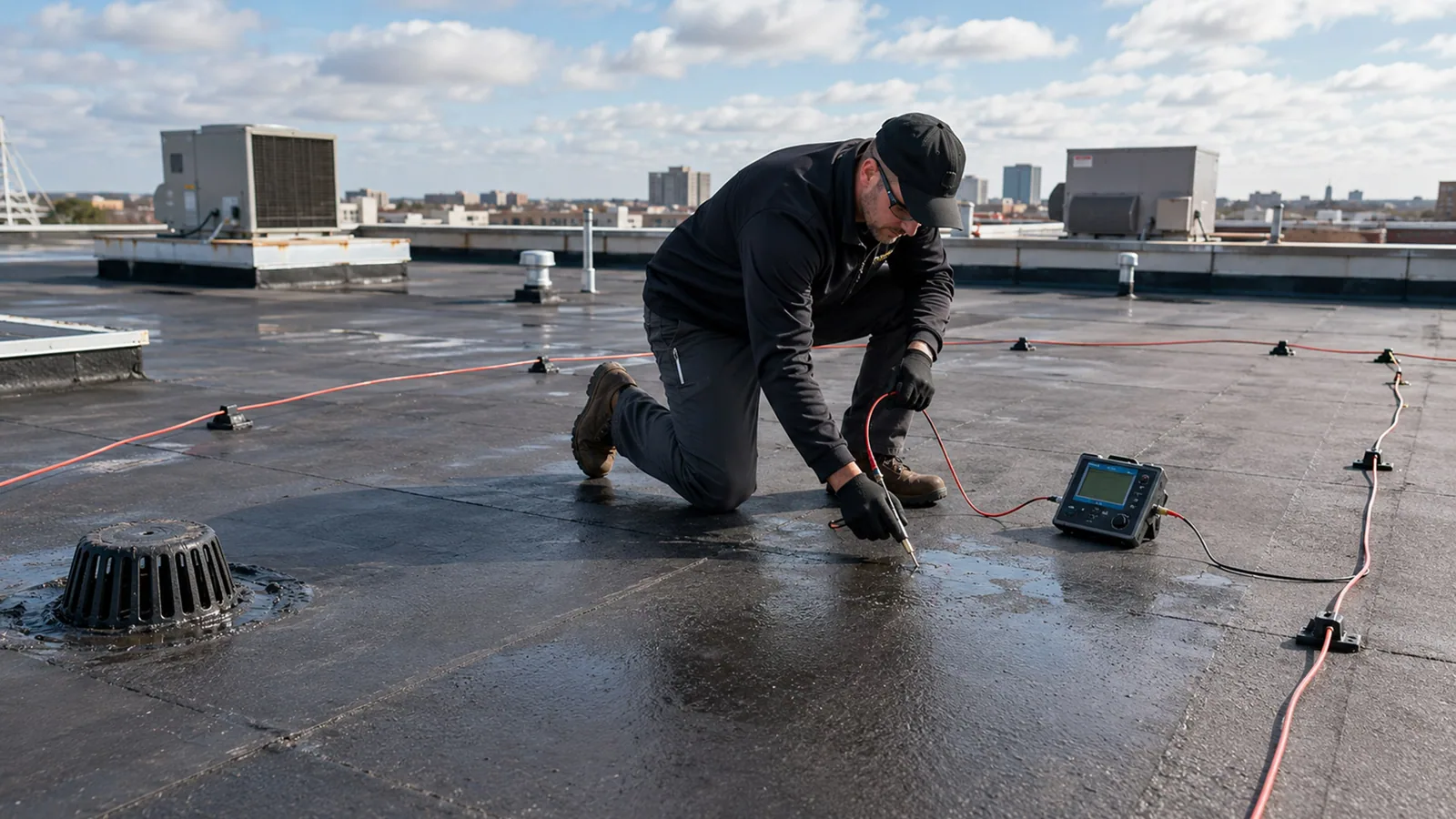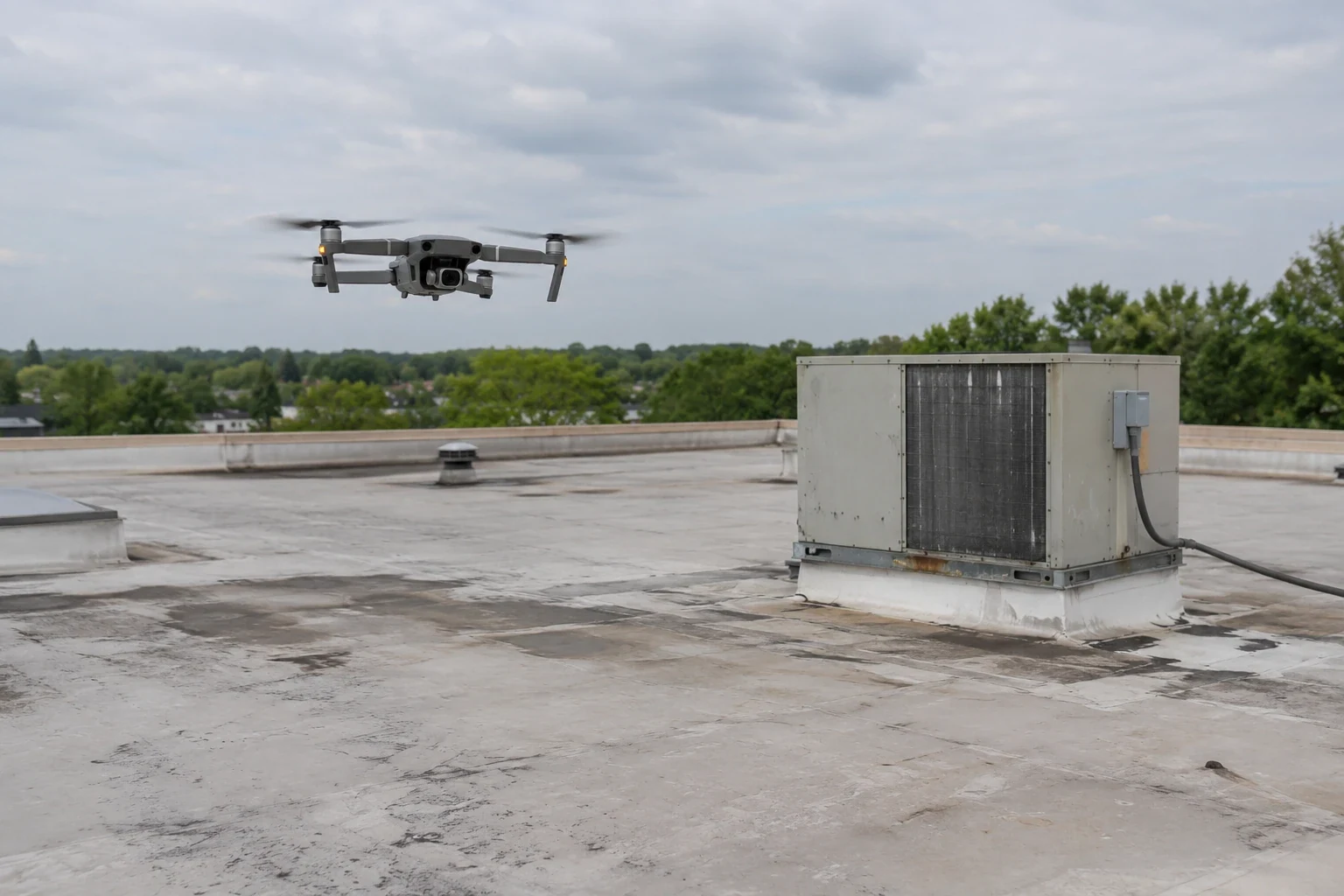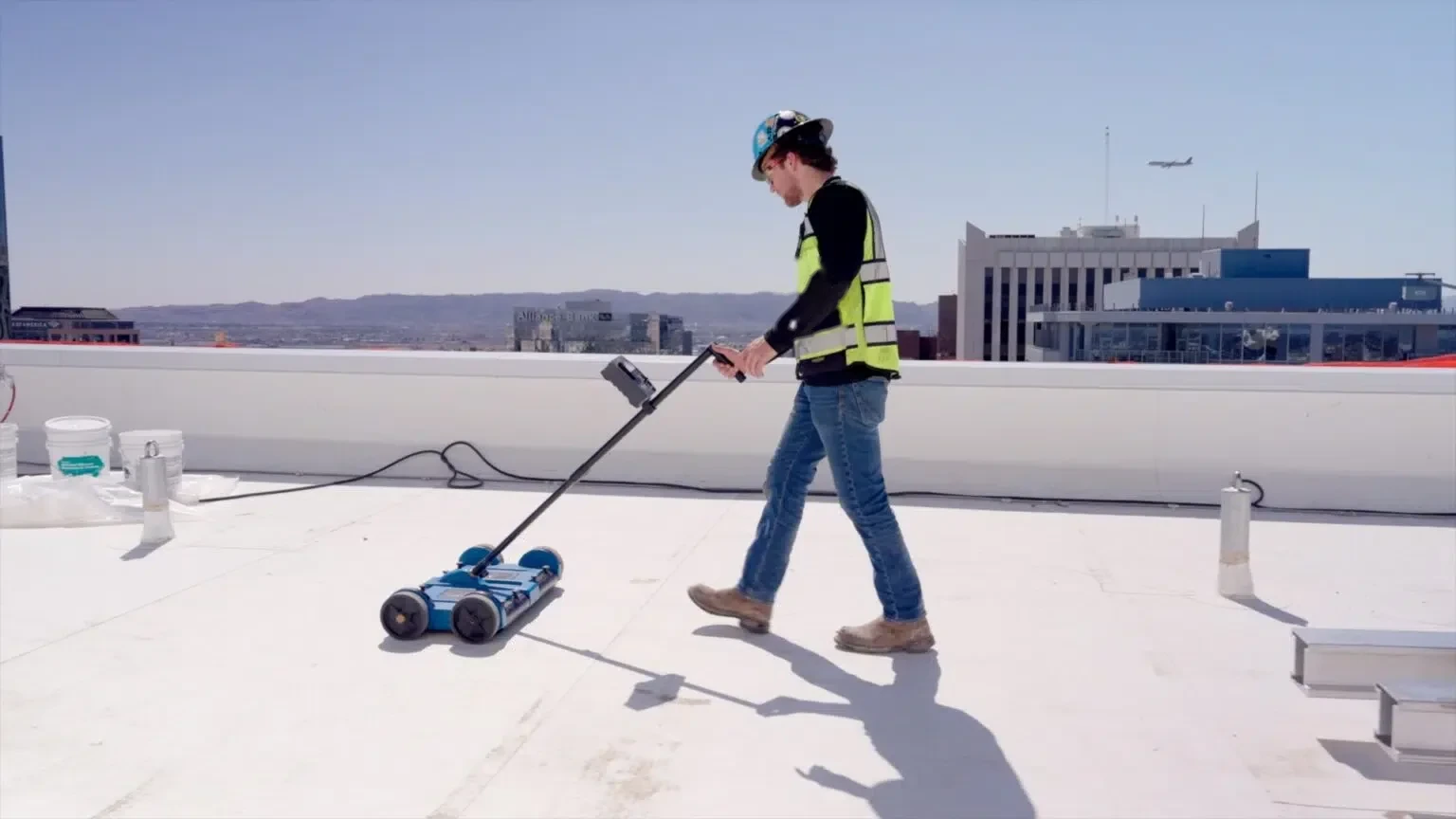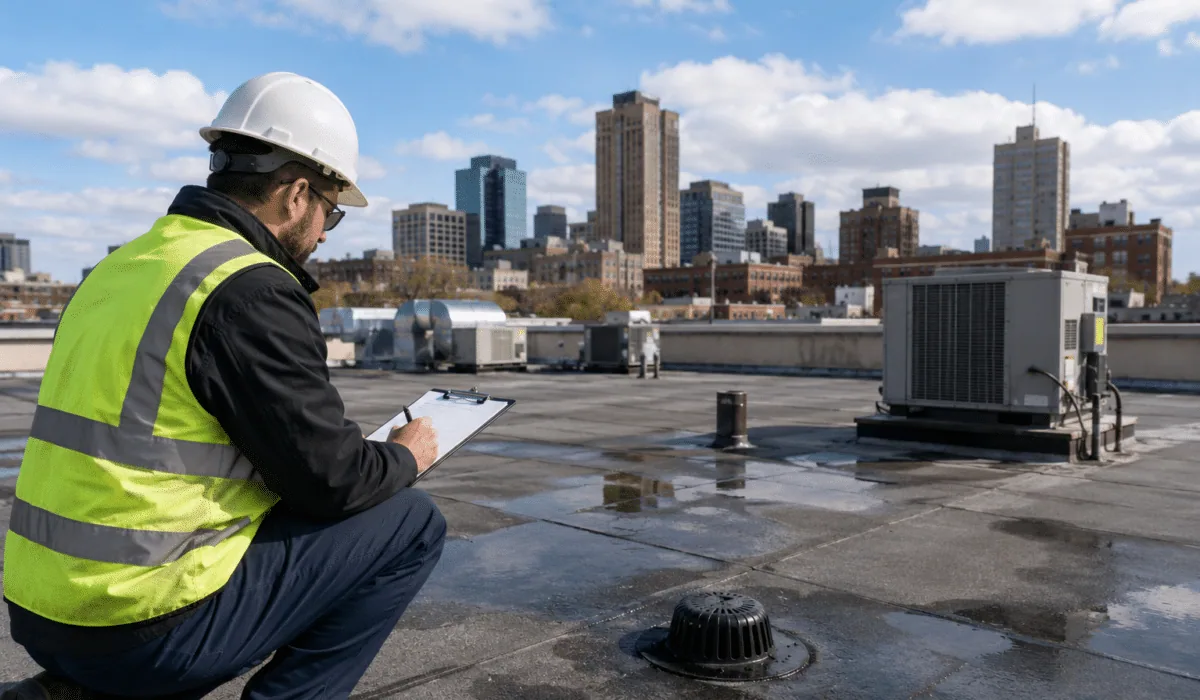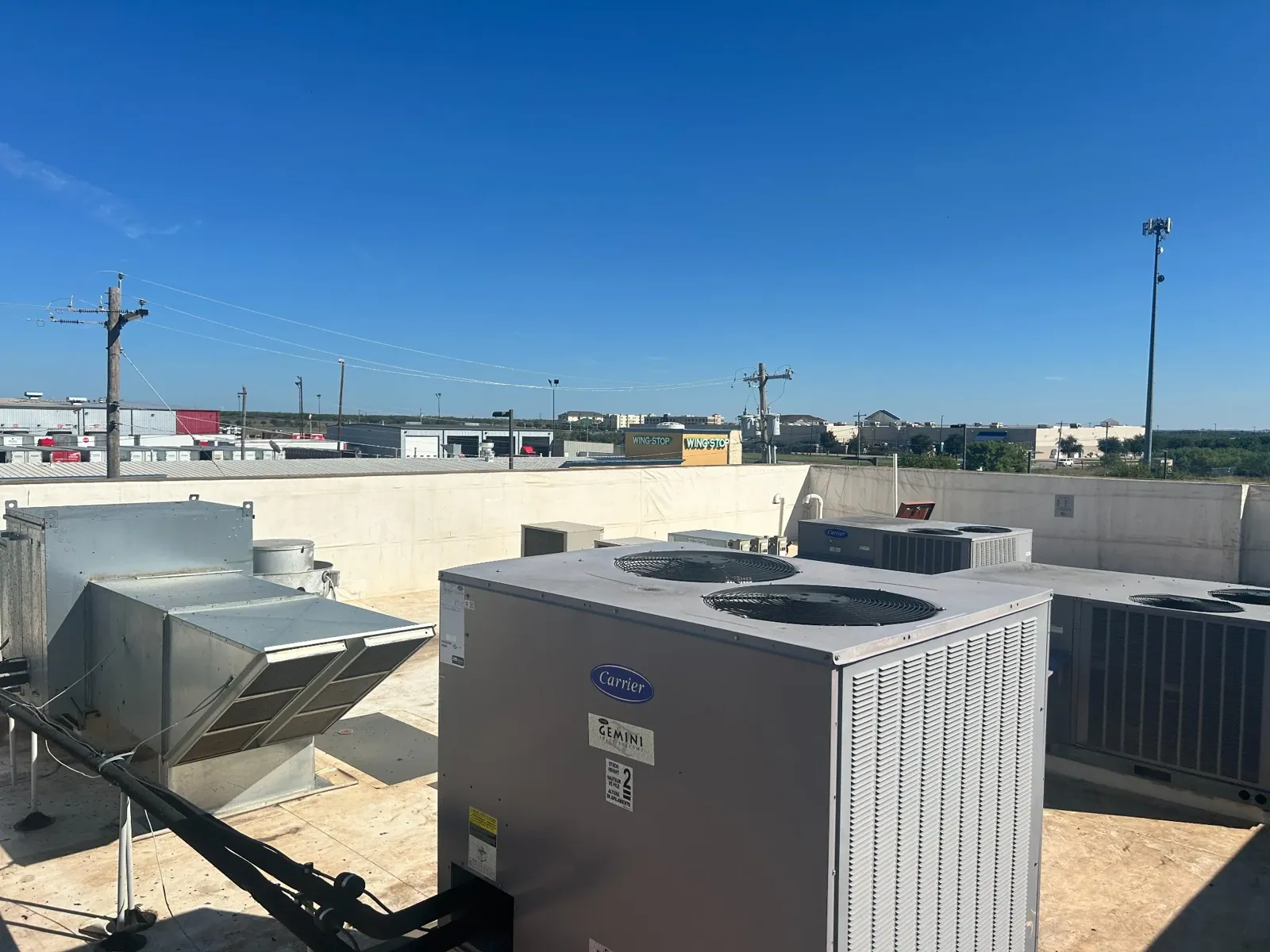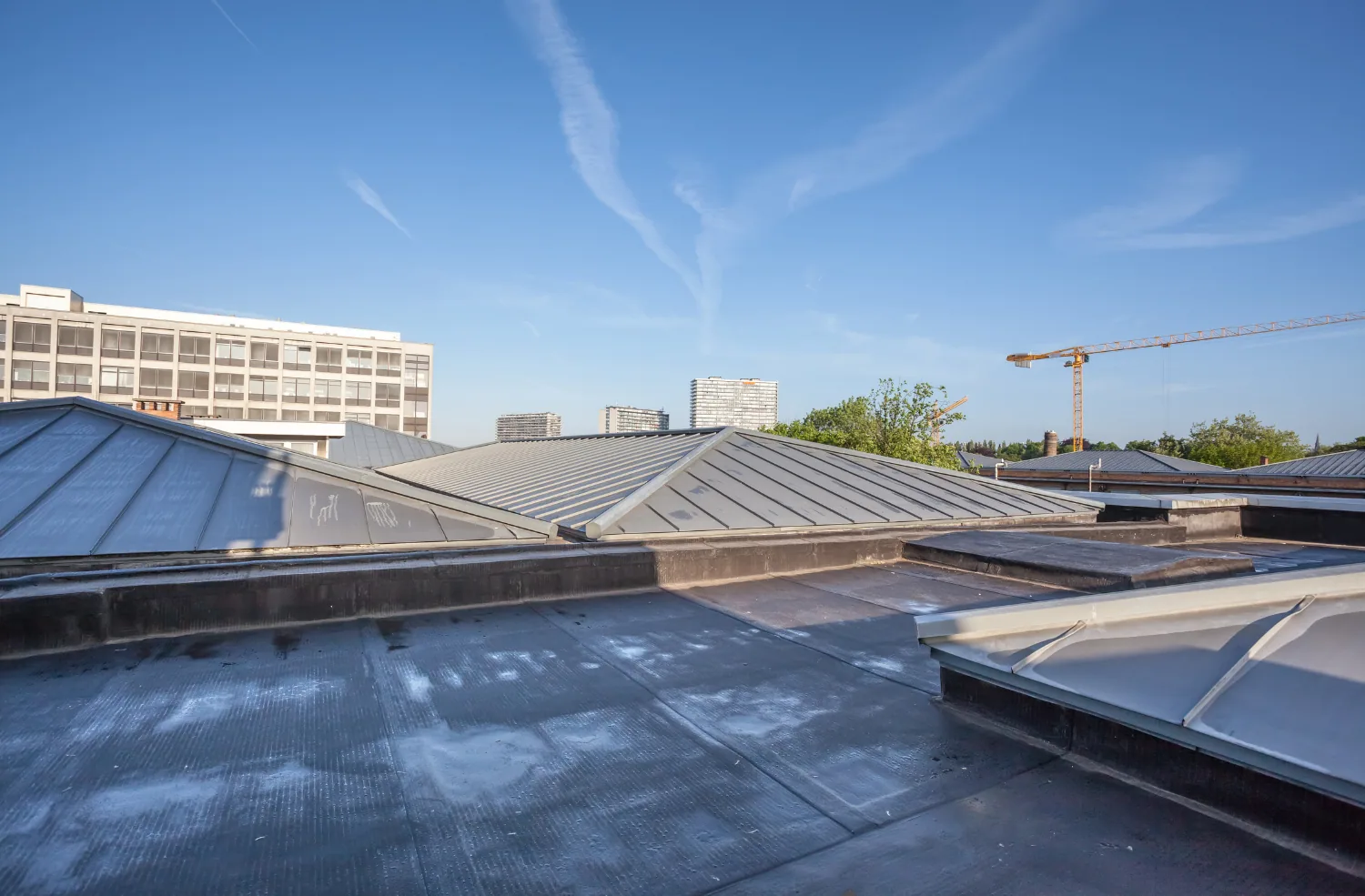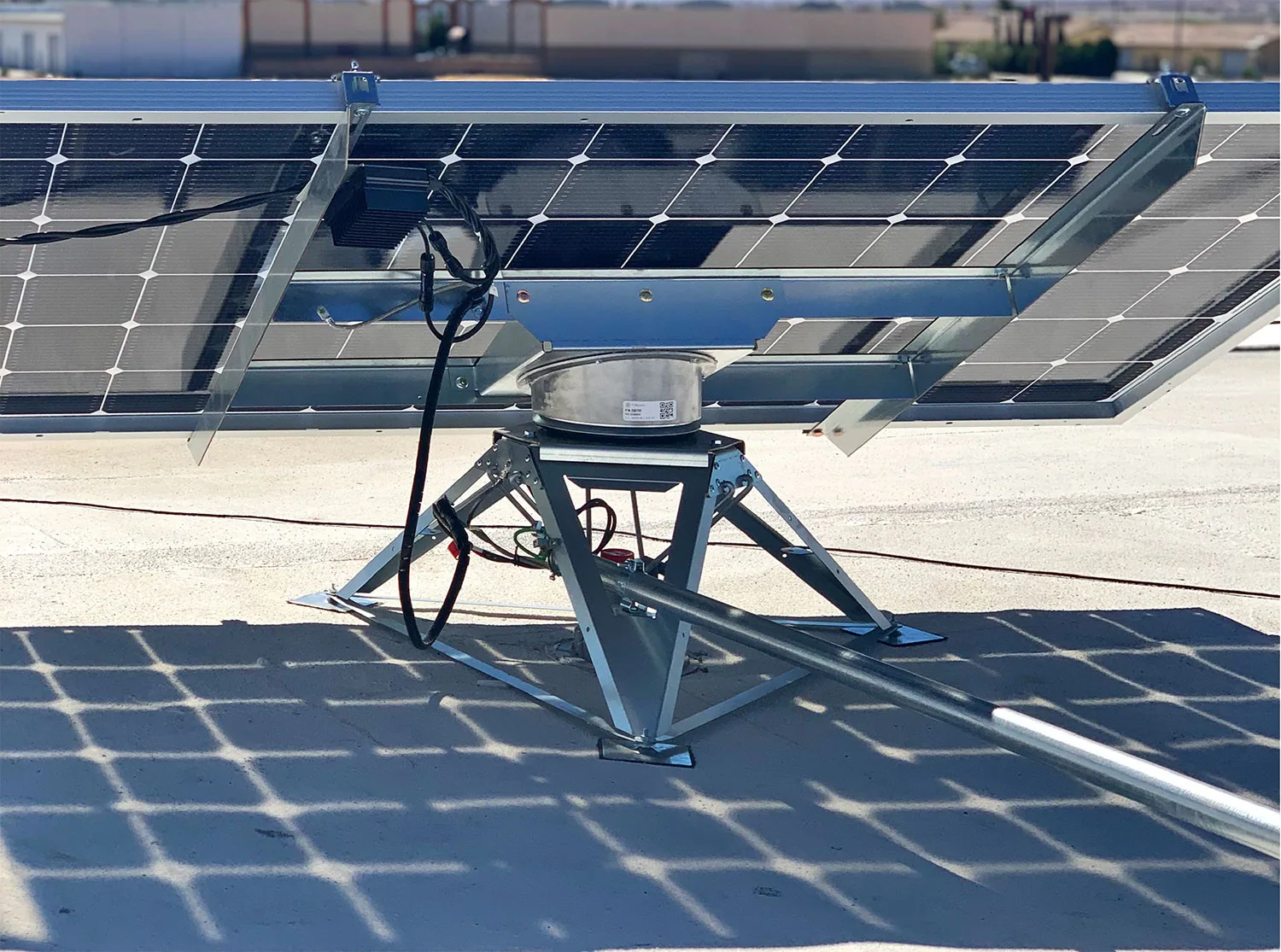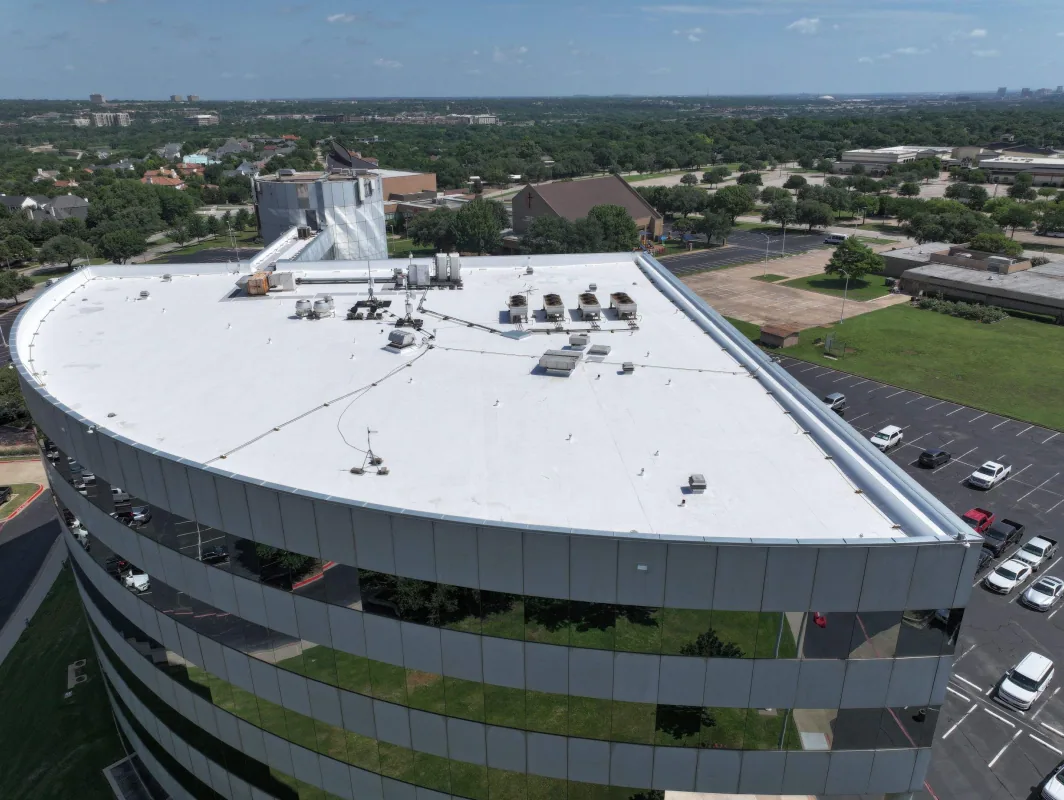
A roof proposal should begin with the condition that changes the next decision. In Edmond, that may be a loose curb at an occupied office, a failed drain above a retail bay, or a seam that needs testing before repair. We inspect the installed assembly and record what can be reached. The resulting scope connects an observed detail to material, access and price. The inspection identifies the roof condition that drives the next decision in any season or building use. The owner receives a clear boundary, any limitation and the next approval point.
A ceiling mark does not identify the roof entry. We trace the water path from the field to the edge, curb or outlet. A commercial roof inspection can separate immediate protection from a permanent correction. Where one connection failed, a repair scope names that detail and the material that fits it. We photograph the area before removing a patch. If a test opening is needed, the owner approves its location first.
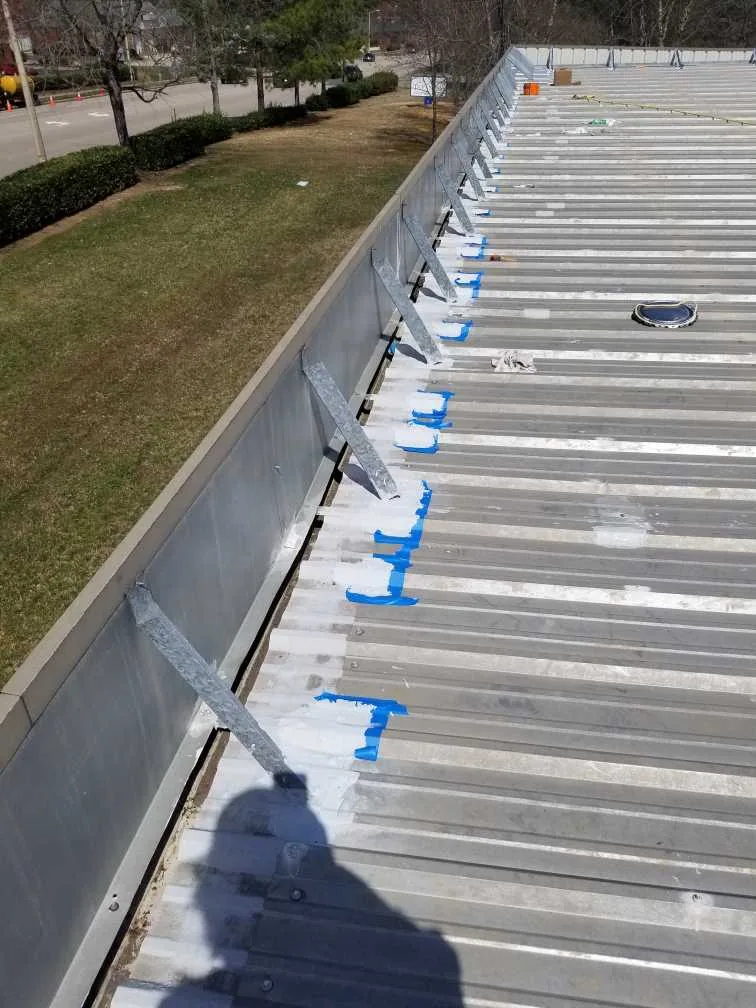
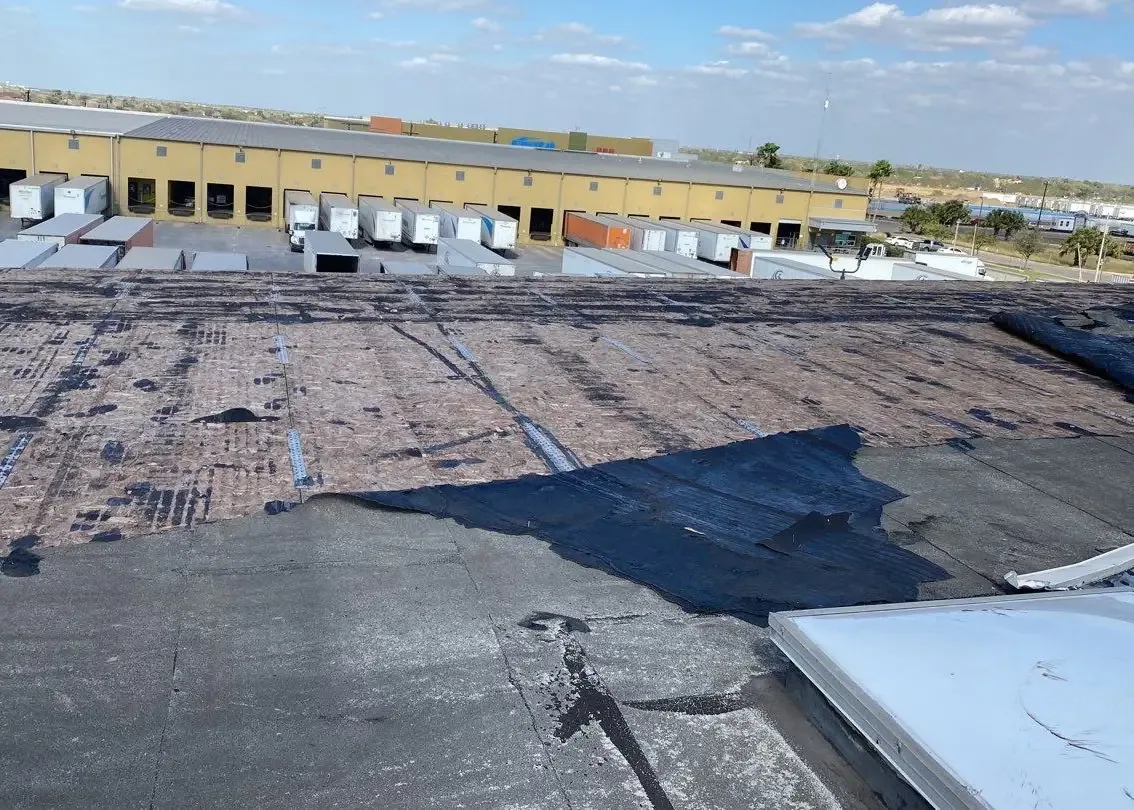
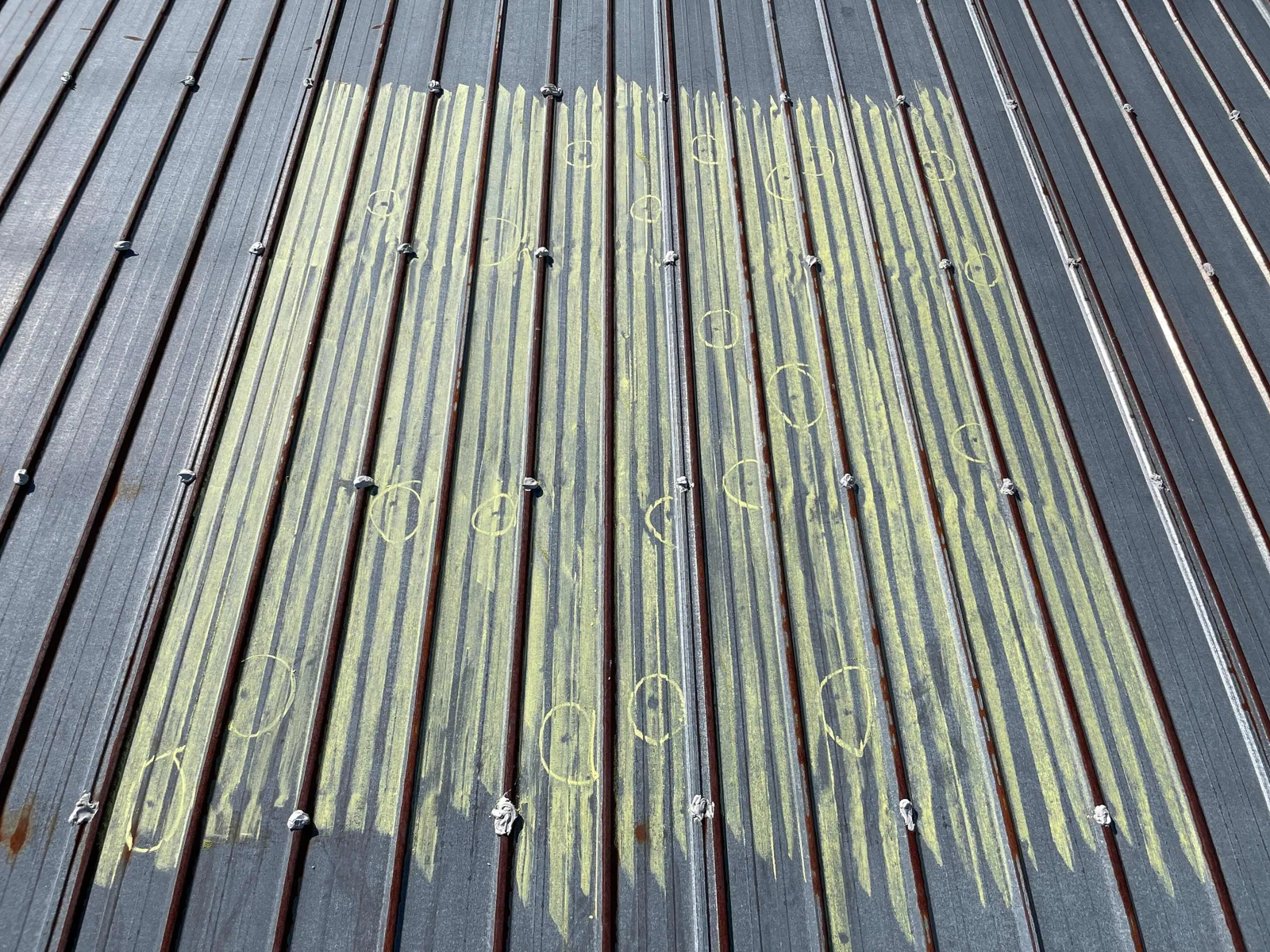
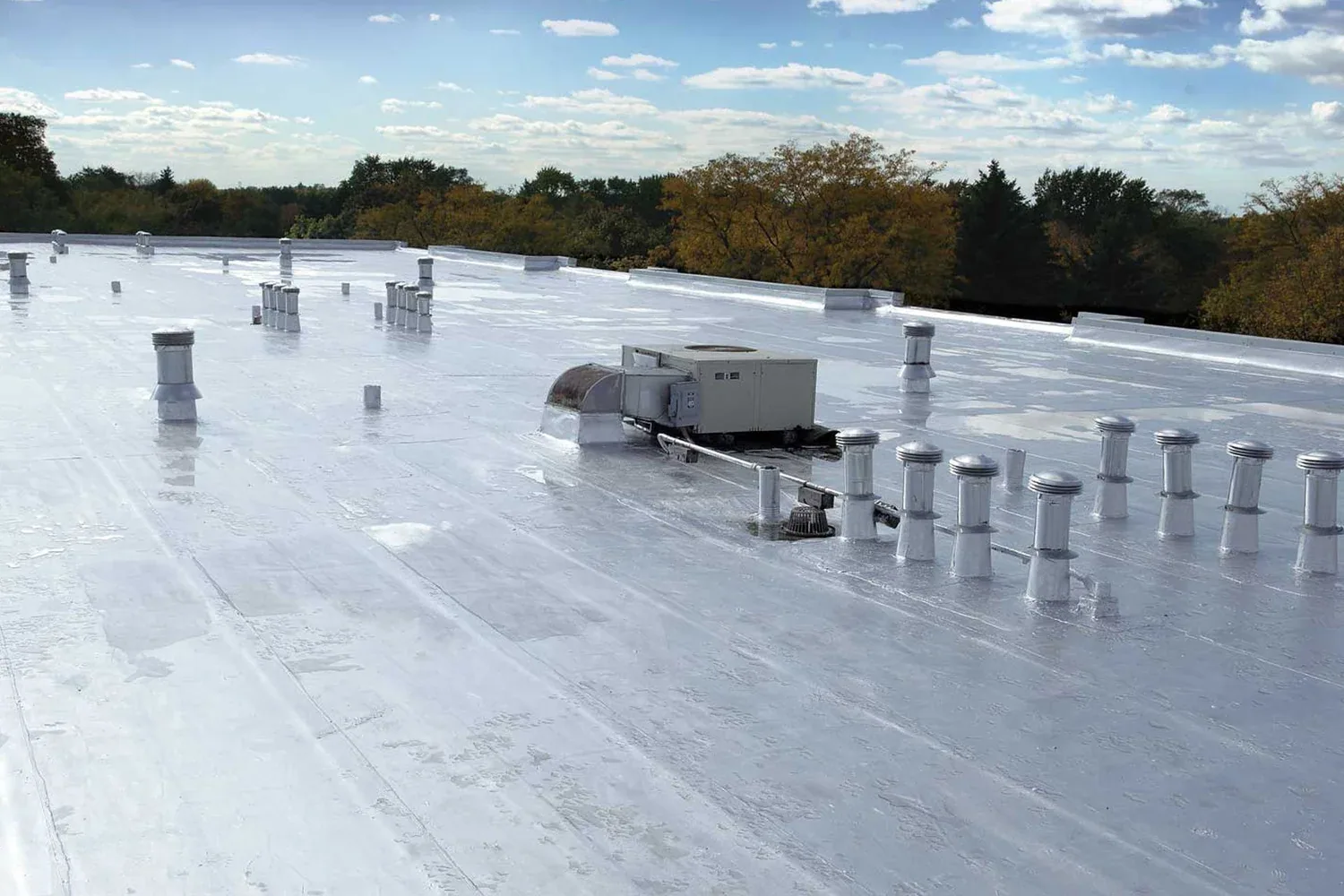
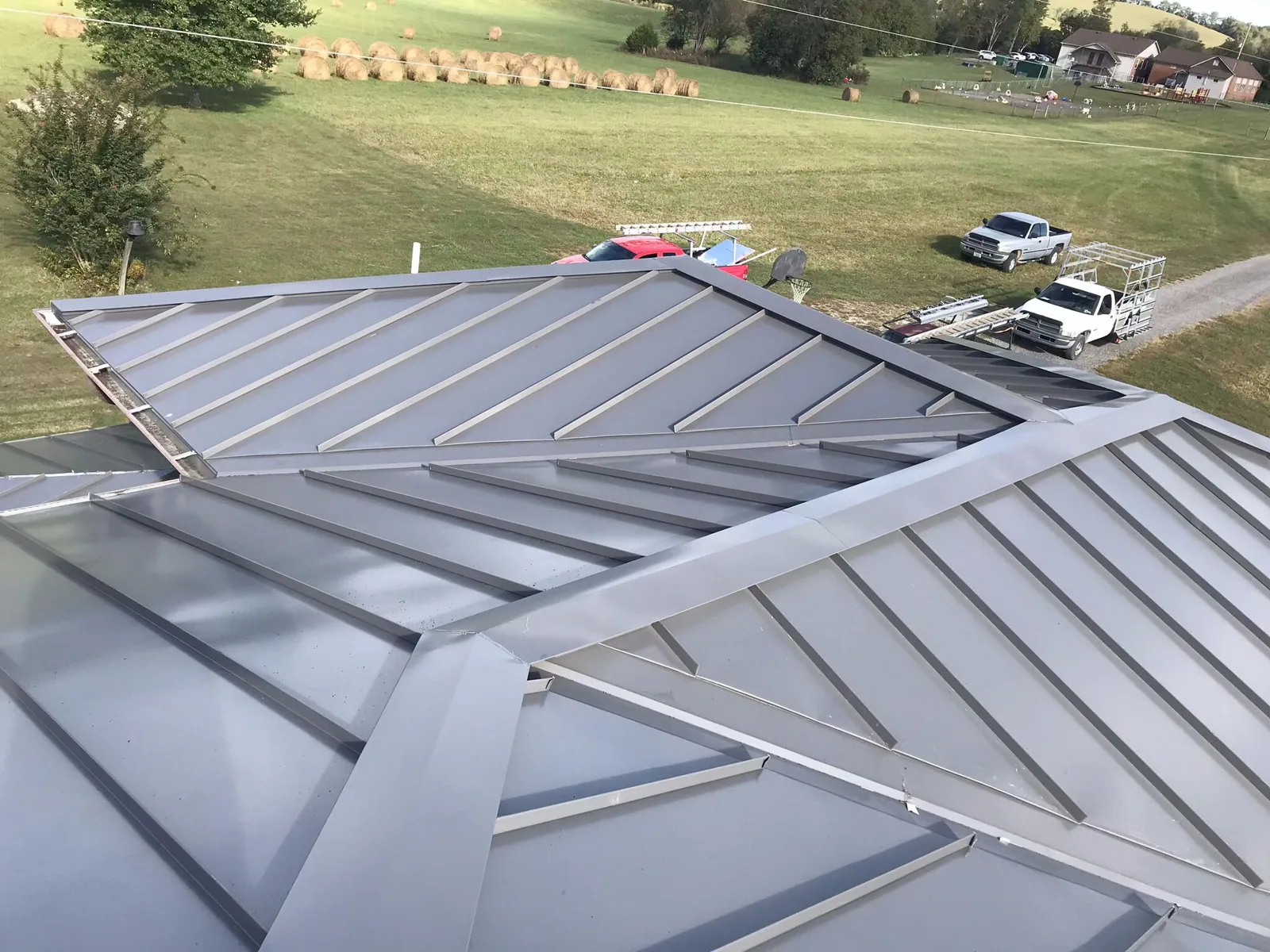
Membrane, metal and coating systems require different preparation. A clean weld does not repair loose backing, and sealant cannot stabilize a moving panel. We identify the surface, fasteners and substrate before choosing the method. A TPO review applies only when that membrane is present. A coating restoration needs a compatible and sound surface. The proposal separates a repair from a recover or replacement when the conditions call for comparison.
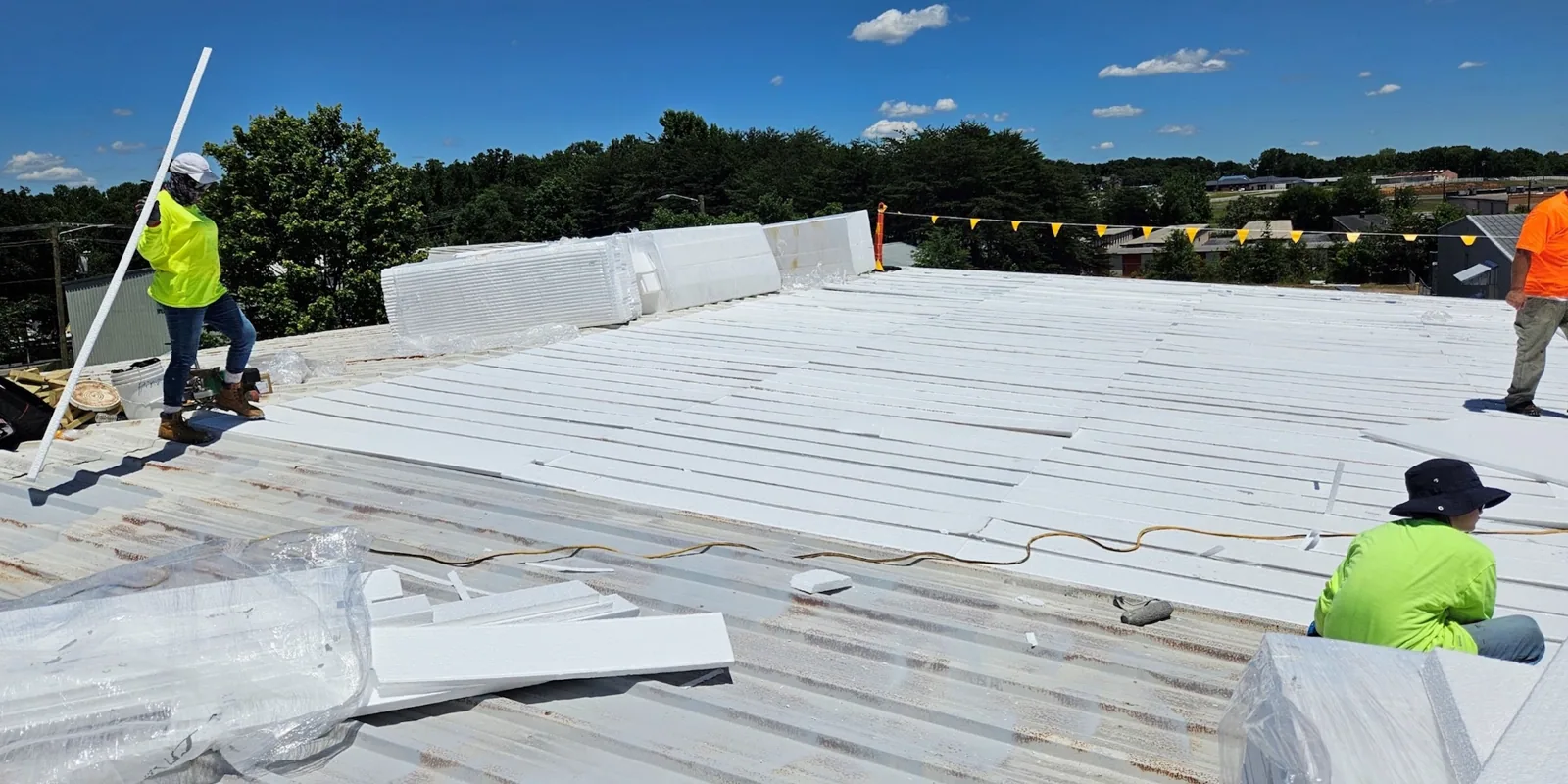
Edmond includes university and health-care buildings, with local businesses along downtown streets. Each site has its own access and operating limits. We confirm the ladder route, delivery window, rooms needing protection and the area that stays open. For a building with several tenants, the contact identifies who can release each work zone. The crew records the daily boundary so a property manager can match progress to the scope. Oklahoma’s hot summers and severe spring storms affect the work window; current site conditions set when exposed work proceeds.
The closeout ties photos to a roof plane, drain, curb or edge. It lists materials used, areas left unopened and any observation that needs another visit. A roof condition report can preserve that record for maintenance or capital planning. A maintenance visit can then revisit the same drains and terminations. When evidence supports a larger project, replacement planning compares phasing and access. Each path stays connected to what the inspection confirms.
The observed condition, access limits and consequence of leaving it open. We state what can be repaired now and what requires another test.
Not responsibly. We trace the water path at the roof and tie the repair limit to the connection inspection confirms.
Repeated failures, moisture or unstable attachment can justify a broader review. We document those findings before comparing phases.
The property contact sets access windows and rooms needing protection. We place those limits in the sequence and daily closeout.