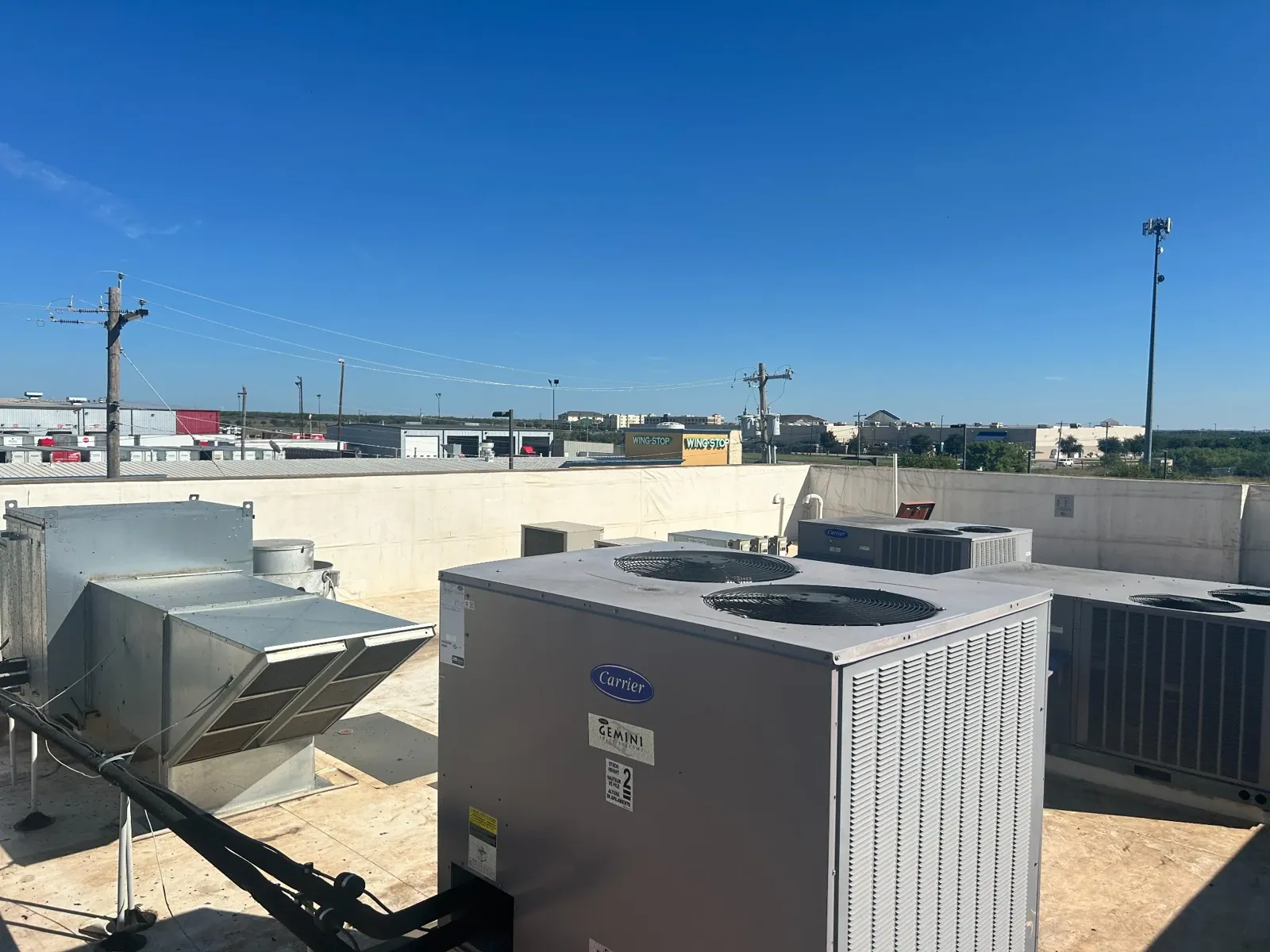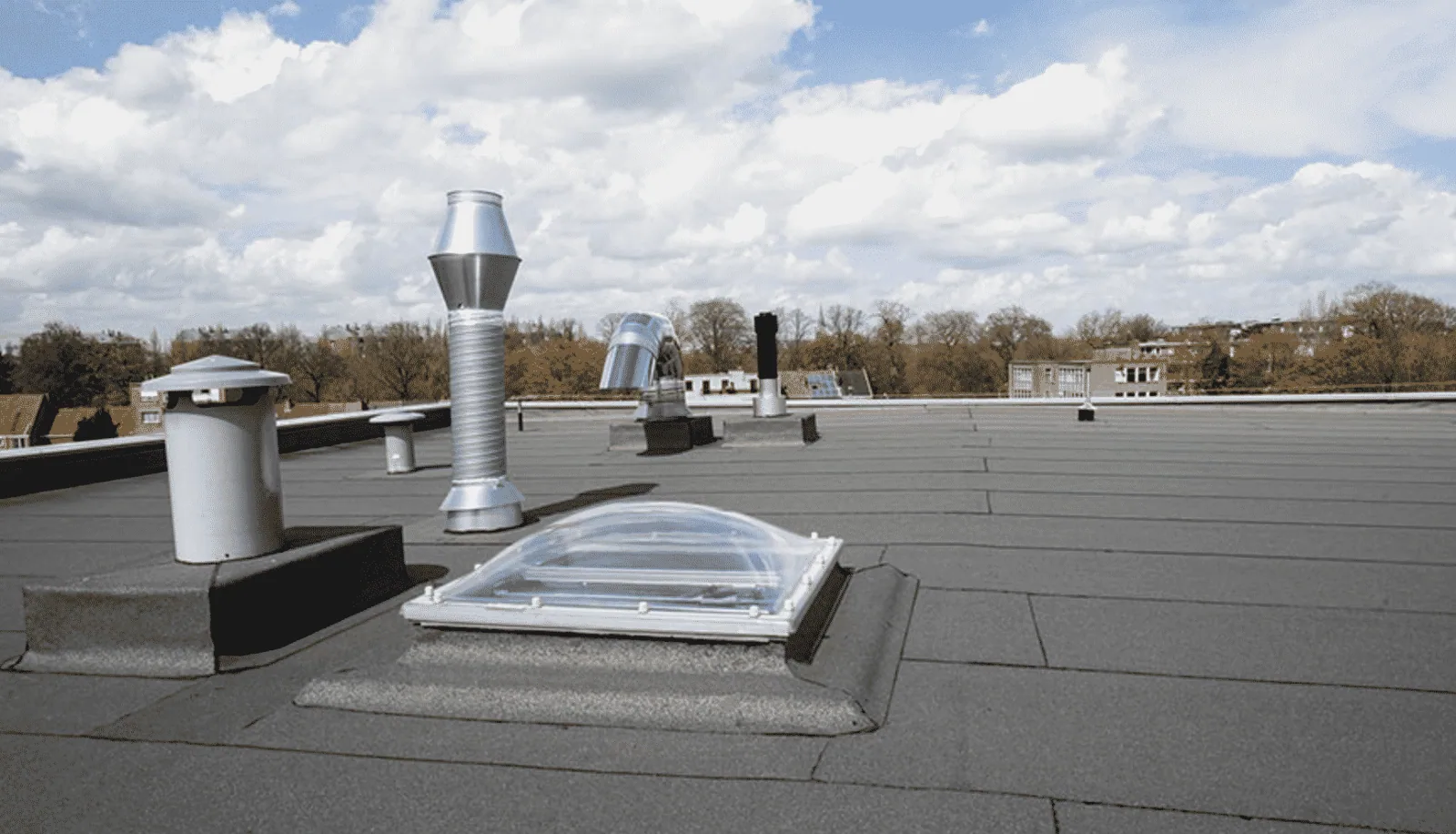

A warehouse needs clear views where equipment obscures the roof surface. An overhead image can show the spaces between crowded units. The flight must capture useful detail rather than distant roof scenery. Commercial Roofing Edmond provides drone roof inspection imaging in Edmond, OK. We use it to examine roof layout and visible conditions. It can help plan a closer investigation of difficult areas. The facility director receives images connected to the roofing question. Physical testing still has a separate role where the assembly requires it.
Broadway Corridor contains commercial and office properties with varied access conditions. Downtown Edmond businesses operate beside walkable streets and outdoor dining. Flight planning near those uses must consider people and adjacent activity. We assess whether the proposed imaging can be performed safely. Airspace, weather and site restrictions can also limit the flight. The method should fit the property and intended examination. A roof image earns its value by resolving an actual inspection need.
A facility drawing can show roof sections without showing present obstructions. We compare the available layout with the area requiring examination. Overhead images can locate equipment, drains and changes in roof elevation. Angled views may reveal flashing faces that vertical images hide. The required detail determines the approach and useful camera positions. We identify those views before flying rather than collecting an unfocused set. That keeps the imaging tied to the director's question.
A large roof may need a sequence of overlapping views. Those views help relate a close image to its broader location. We retain enough building context to identify the photographed detail later. The intended use may be repair planning, condition review or damage documentation. Roof condition reporting can connect images with identified observations and next actions. A photograph alone does not explain the repair needed. We interpret the visible condition within the limits of the view.
A public sidewalk beneath the roof changes how flight activity is arranged. We examine launch space, nearby activity and the intended flight path. People, vehicles and rooftop workers need consideration in that plan. The operation must meet applicable flight requirements and property restrictions. Nearby infrastructure or restricted airspace may limit what can be captured. We establish whether imaging is appropriate before relying on it for inspection. An unavailable flight needs another workable examination method.
Wind and precipitation can reduce both flight safety and image usefulness. Glare and deep shadows can conceal the roof feature being examined. We choose conditions that permit the needed detail to be seen. Rooftop equipment may also create blind spots from certain angles. Those obstructions require adjusted views or closer physical access. Hands-on roof inspection remains necessary for connections that cannot be judged from images. The inspection method should follow the condition question rather than the camera's convenience.
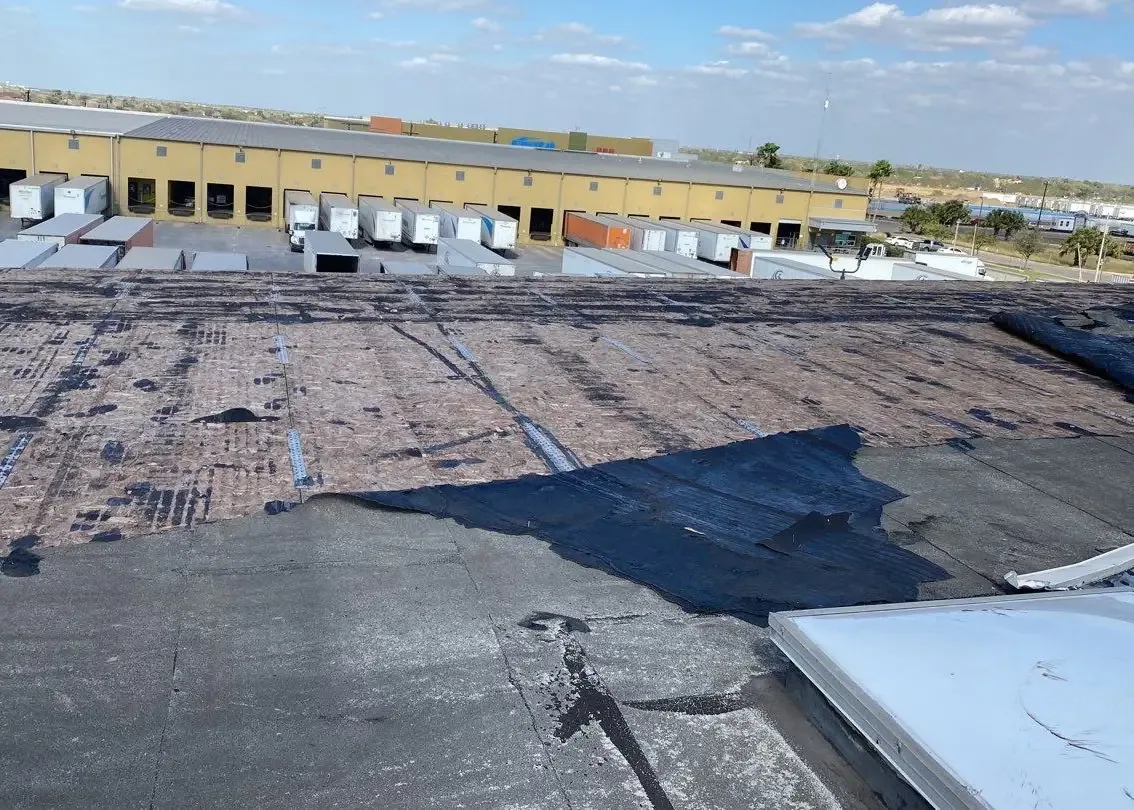
A displaced panel edge can show clearly from a suitable viewing angle. We examine visible movement, missing material and obvious surface disruption. On a membrane roof, damaged areas may require close image detail. Broad views help locate those areas relative to equipment and drainage. We distinguish clearly visible observations from features obscured by distance or reflection. A dark mark alone may need ground-level examination before interpretation. The image should direct useful attention, not encourage unsupported certainty.
Oklahoma spring storms can produce damaging winds and large hail statewide. After severe weather, imaging may help locate debris or displaced components. It cannot assign every visible mark to that weather event. We compare the image with close findings and available roof history. Storm damage roof repair requires an examination of the damaged construction. A wider image can help plan safe access to that examination. The roof's actual condition still decides the eventual repair scope.
A broad overhead view can reveal equipment crossing an apparent water route. We identify drains, curbs and obstructions visible within that view. Surface staining may suggest where water has remained after rainfall. Confirming slope and drain elevations requires measurements at the roof. We use imaging to organize that closer examination. The relationship between components often matters more than one isolated photograph. It can identify where the director should focus the next construction question.
Edmond has university buildings and technology-center business-incubator space among its building uses. Equipment layouts on such facilities may require carefully planned inspection routes. Images can help identify access constraints before a roof walk. They do not establish structural support or equipment load capacity. Equipment curb and support work needs the appropriate physical and design review. We separate layout observations from those construction decisions. The facility staff can then prepare the relevant equipment area for closer access.
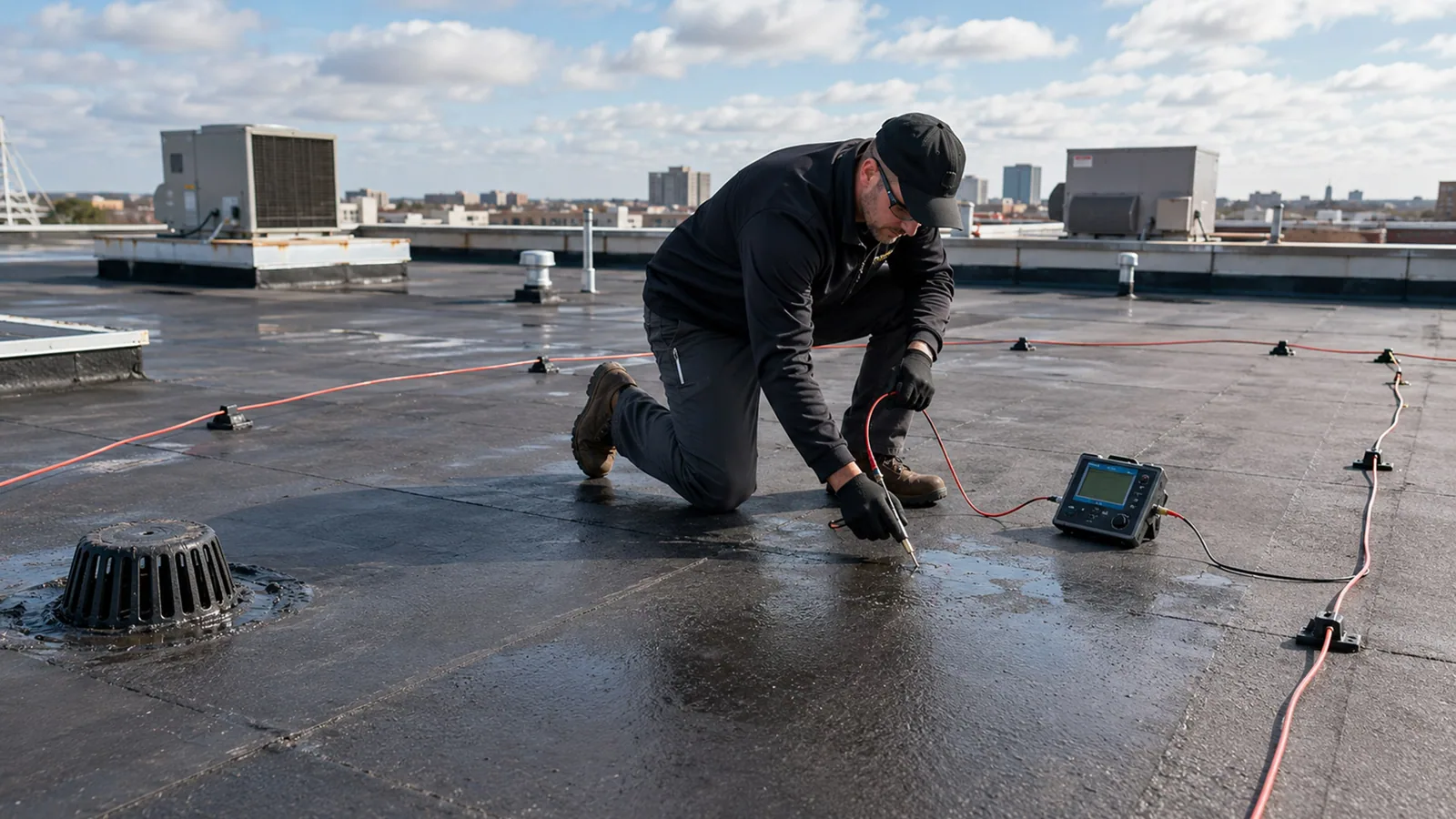
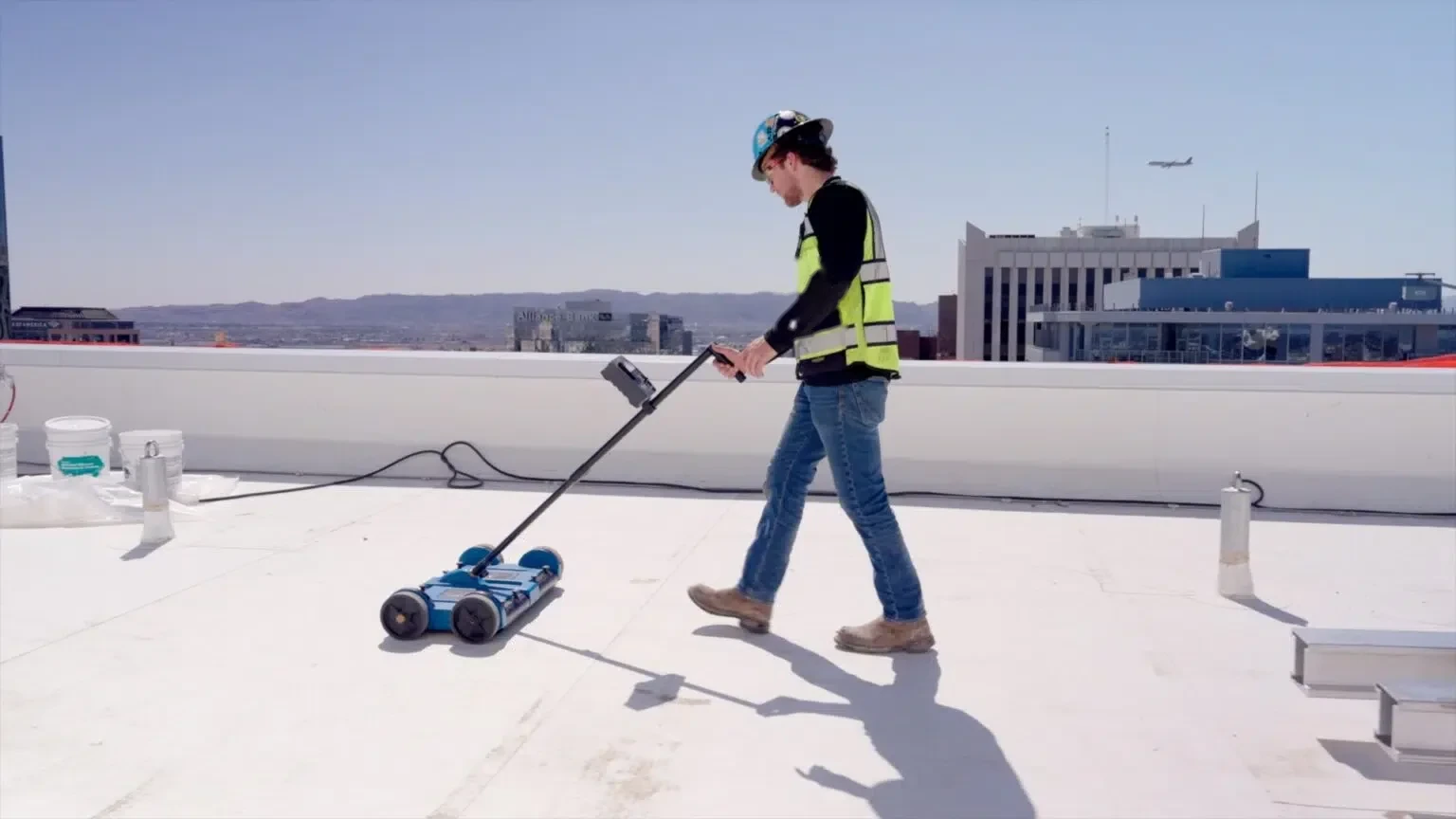
A clean-looking seam in an image may still have weak attachment. Probing the connection needs direct access and the proper examination method. Moisture beneath the membrane likewise remains concealed in ordinary imagery. We recommend testing where those conditions affect the director's decision. Infrared moisture examination has different requirements and needs confirmation of relevant indications. Ordinary drone photographs are not a substitute for that investigation. We make the distinction clear in the resulting findings.
Small punctures and fine cracks may be below the useful image resolution. Flashing hidden behind equipment can also remain unseen. The resulting report identifies those gaps instead of assuming sound condition. Some questions require a different camera view or another visit. Others require a roof opening or the appropriate building trade. We connect each unresolved observation to that next examination. The director can then decide whether the available imaging answers the original question.
A close image of damaged metal needs a roof location attached to it. We pair detailed views with enough context for facility staff. Clear orientation helps the crew reach the correct area for follow-up. We identify observations that need immediate attention separately from broader layout views. Downtown Edmond roof inspections may use those views to plan access above occupied businesses. Ground staging can then be considered alongside the observed roof defect. Imaging should help the examination become more precise.
The director receives the views relevant to the agreed inspection purpose. We describe visible conditions and identify questions left unresolved. A roof repair scope follows the physical findings needed for construction. Repeat imaging may help compare a visible feature after work. Matching view positions can improve that comparison where the conditions allow it. The repair itself still requires a close check of its finished connections. Camera coverage supports the roofing judgment rather than replacing it.
Arrange an imaging review of the difficult roof area and the decision it affects. We will identify suitable views and the close checks needed afterward.
Visible layout and surface conditions can be photographed without a roof walk. Seam attachment, concealed moisture and small defects need other examination methods. We identify which questions imaging can answer at the property. Direct access is arranged where the repair or construction decision requires a physical check.
Damage size and image resolution set that limit. Displaced material may be obvious while a small impact split remains unclear. We use suitable views to locate suspicious areas. Close roof examination confirms the defect before a hail repair scope is established. An image alone does not establish storm causation.
The inspection needs a workable alternative. We reassess safe roof access and other viewing positions with the facility contact. Some areas may require a scheduled visit or different access equipment. The findings identify any unresolved area so the director can arrange its examination without assuming it was covered.
Component layout is useful for identifying obstructions and possible access routes. The images can show relationships between curbs, drains and proposed work areas. They do not determine load capacity or final flashing design. We combine that layout with direct measurements and appropriate design review for the equipment change.