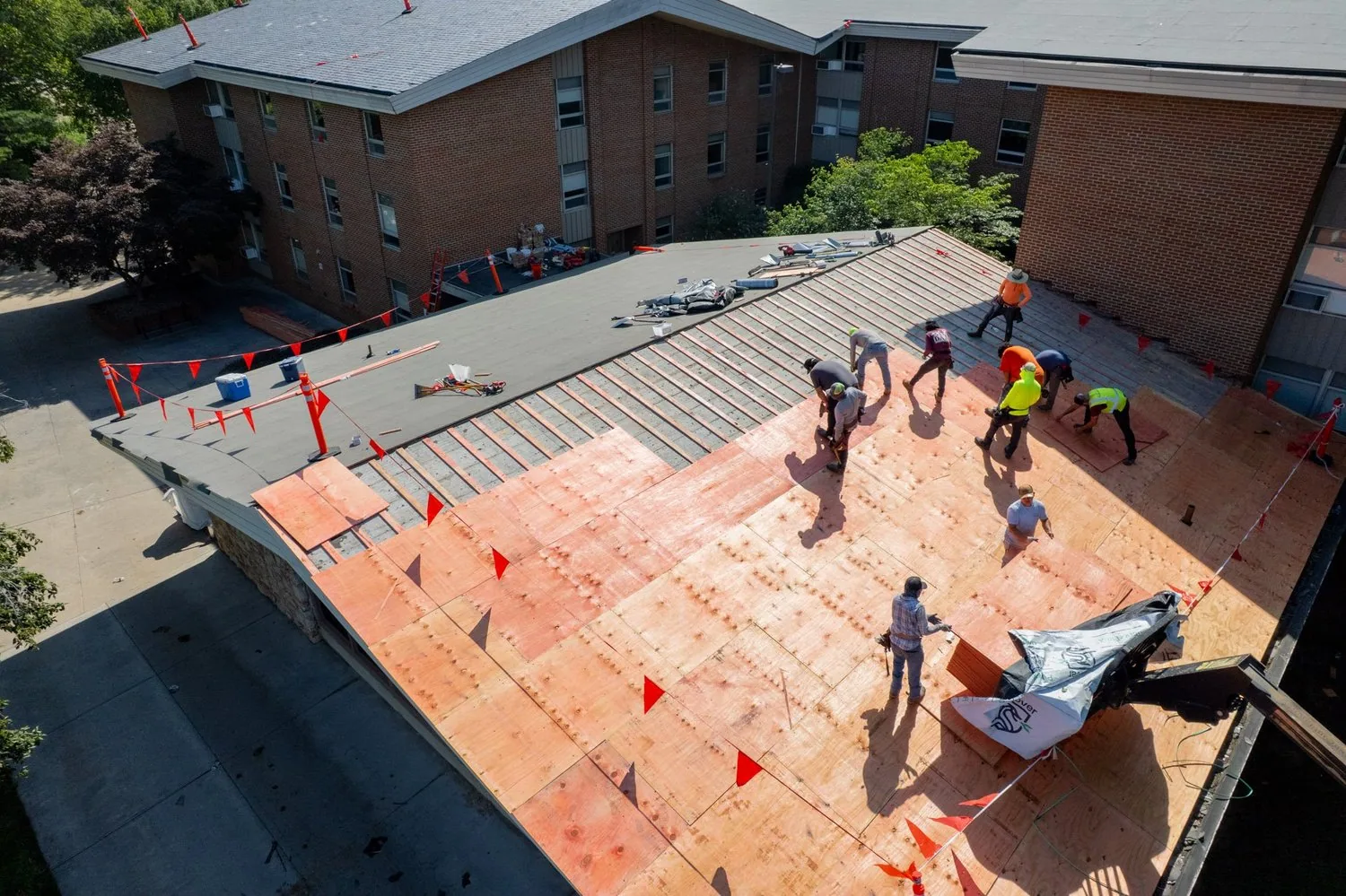

A grocery building needs its split seam joined to sound material. Refrigeration service traffic can make the repair area difficult to isolate. We examine the surrounding membrane before choosing the patch size. Commercial roof repair in Edmond, OK requires that physical judgment. A repair must reach sound roofing and suitable backing beneath. Sealing the visible opening alone may leave another failing connection nearby. Commercial Roofing Edmond repairs membranes, flashing and roof details with defined boundaries. We show the director which defect the work addresses.
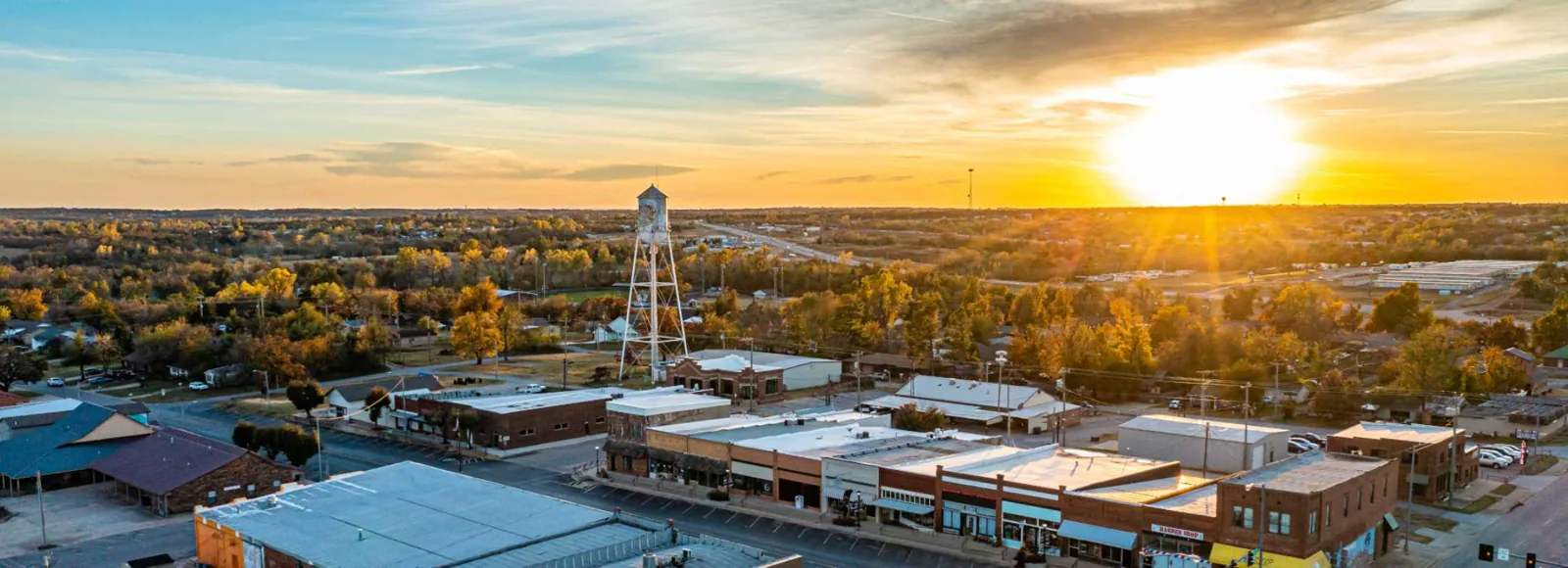
Downtown Edmond supports local businesses and designated outdoor dining areas. Repairs above those activities need controlled equipment and material handling. Along the 2nd Street Corridor, predominantly commercial areas use vehicle-oriented access. Deliveries and business entries affect how rooftop work is staged. We connect the repair method to the operating space below. A limited roof defect should receive an appropriately limited scope. Broader deterioration needs its own examination before money goes into repeated repairs.
A puncture with firm surrounding insulation differs from a soft blistered area. The first may allow a localized membrane repair after preparation. The second requires investigation into the supporting layers and trapped moisture. We probe seams, inspect flashings and check the immediate roof surface. Cuts may be necessary where concealed conditions change the repair choice. We explain what an opening is intended to settle before making it. Repairs should follow the discovered defect rather than a guessed cause.
Oklahoma spring storms can bring hail and damaging winds statewide. After severe weather, a roof may show several different damage types. We distinguish impact marks, torn material and displaced metal connections. Existing deterioration may be present alongside newer damage. Photographs identify the observed condition without assigning an unsupported storm date. A commercial roof inspection can establish whether the proposed repair boundary is sufficient. The director can then separate urgent defects from work that can be scheduled.
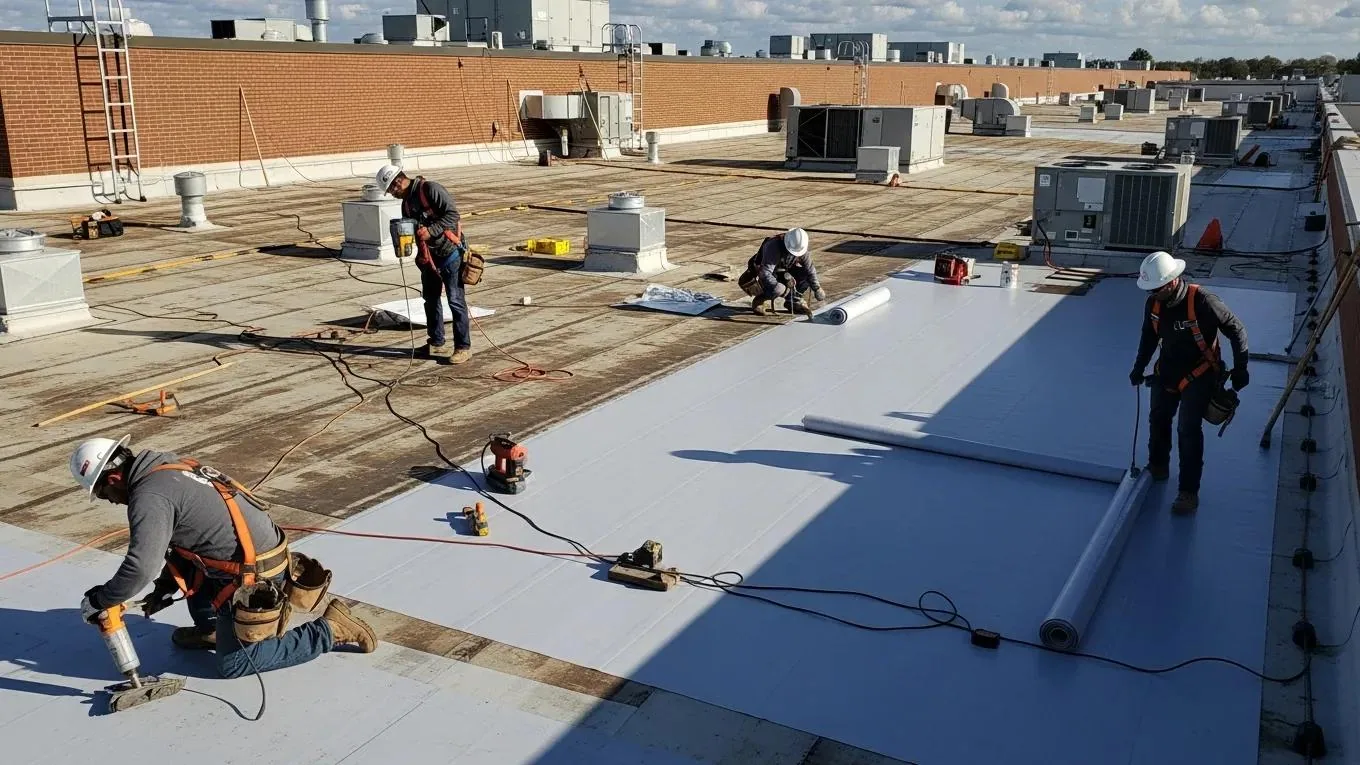
A patch laid over dirty roofing cannot develop the intended attachment. We clean the existing membrane with the appropriate preparation method. Aged surfaces may need additional treatment before they accept a weld. Material identification comes before selecting cleaners, primers or adhesives. Different membranes do not share one repair technique or compatible compound. We use a repair material suited to the existing assembly. The repaired area must extend beyond damaged roofing onto serviceable material.
A heat-welded repair needs a continuous connection around the repair perimeter. Corners should lie without tension that pulls at the finished joint. For bonded repairs, preparation and curing conditions require equal attention. Residue from an earlier repair may need removal rather than burial. Failed seam repairs can require rebuilding more than the visible separation. We examine the original lap and its remaining bond. That helps distinguish a local defect from a recurring attachment problem.
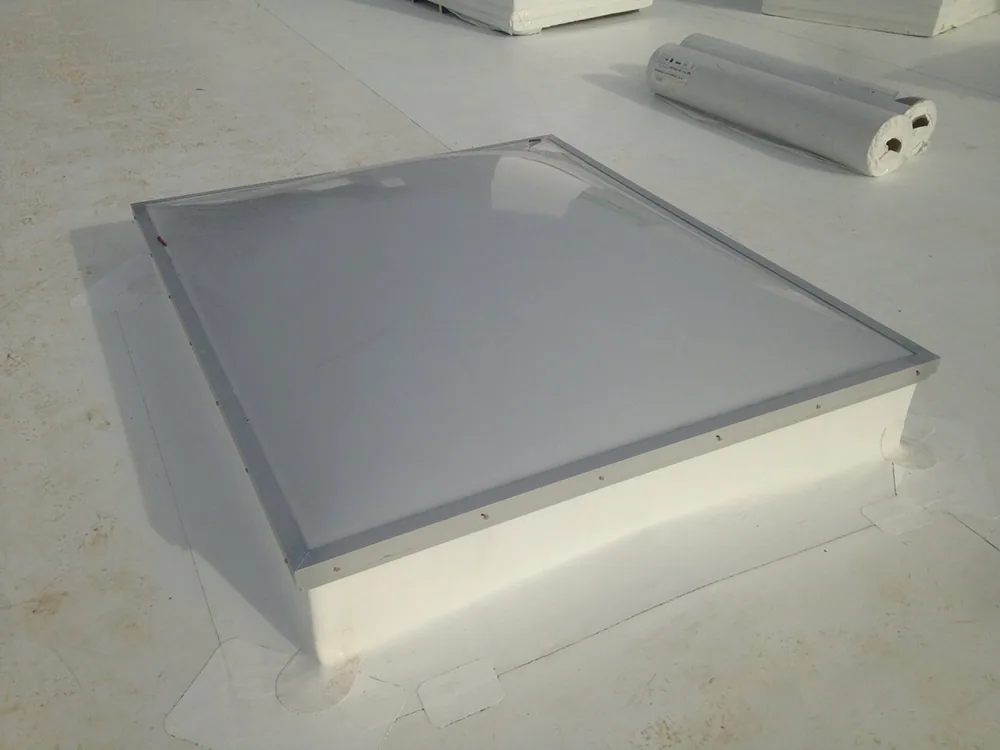
A loose curb flashing can move because its backing has deteriorated. Replacing exposed sealant does not make that backing firm again. We examine the curb face and fastening before closing the detail. Sound backing gives the membrane return a stable supporting surface. The return should fit the change in direction without stretched material. Termination metal must hold its connection and shed water correctly. We identify whether the repair involves membrane, metal or underlying construction.
Pipe penetrations require a tight fit at the selected flashing assembly. A collar sized poorly can wrinkle or leave unsupported material. We inspect clamp condition and the seal at the upper termination. Cables crowded into a single opening may require a redesigned detail. The penetration flashing work must suit the actual movement and service requirements. We also preserve needed clearance for equipment maintenance around the repair. A closed connection should remain usable after technicians return to the roof.
A damp board beneath a leaking detail deserves a defined removal boundary. We establish the affected area through observations and appropriate testing. Wet insulation should not be treated as a useful repair substrate. Its replacement must align with adjacent dry layers and drainage elevations. We inspect the exposed deck while that area is open. Corrosion or deterioration may require work beyond the original membrane repair. The director sees that change before the replacement layers conceal it.
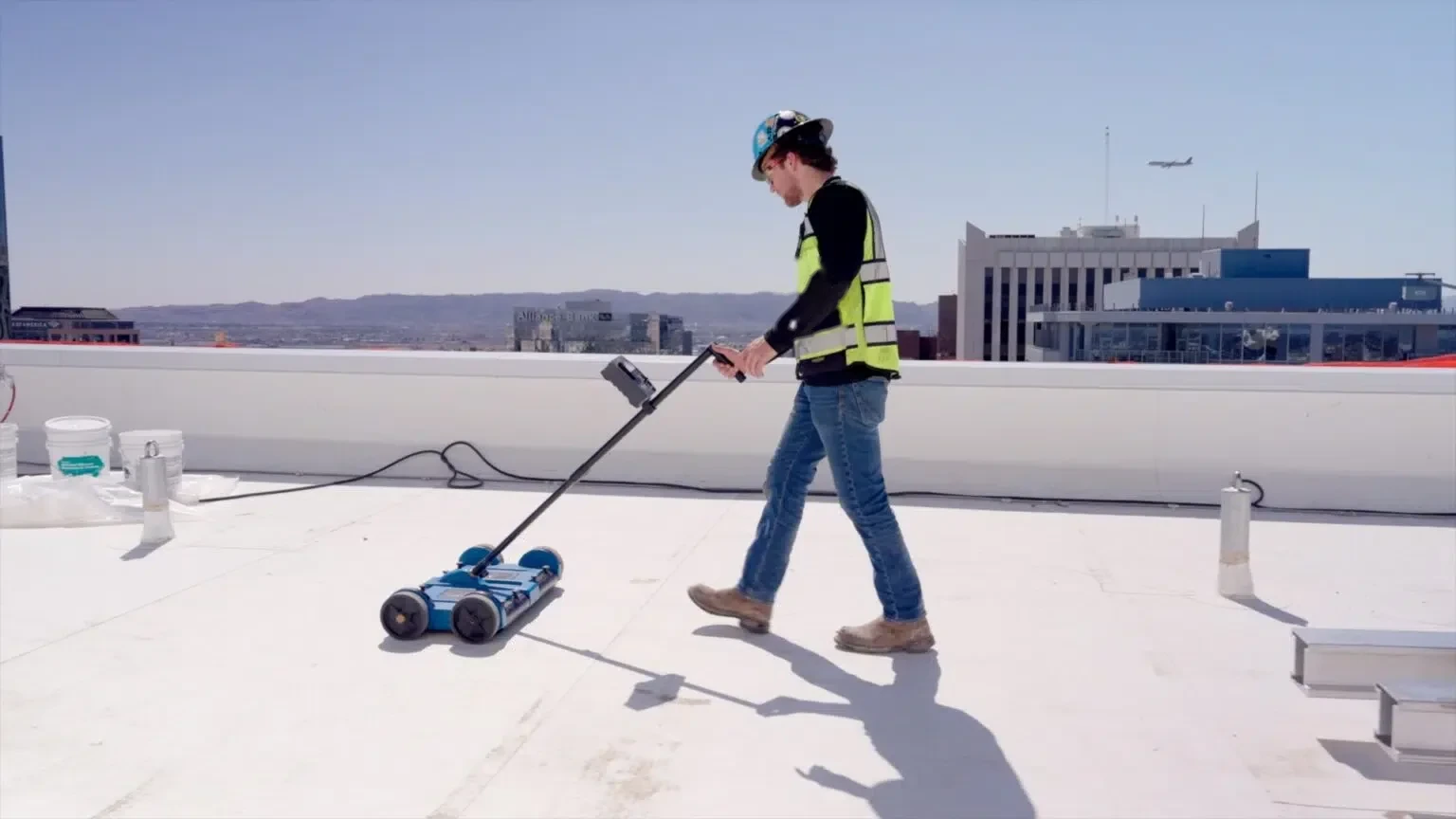
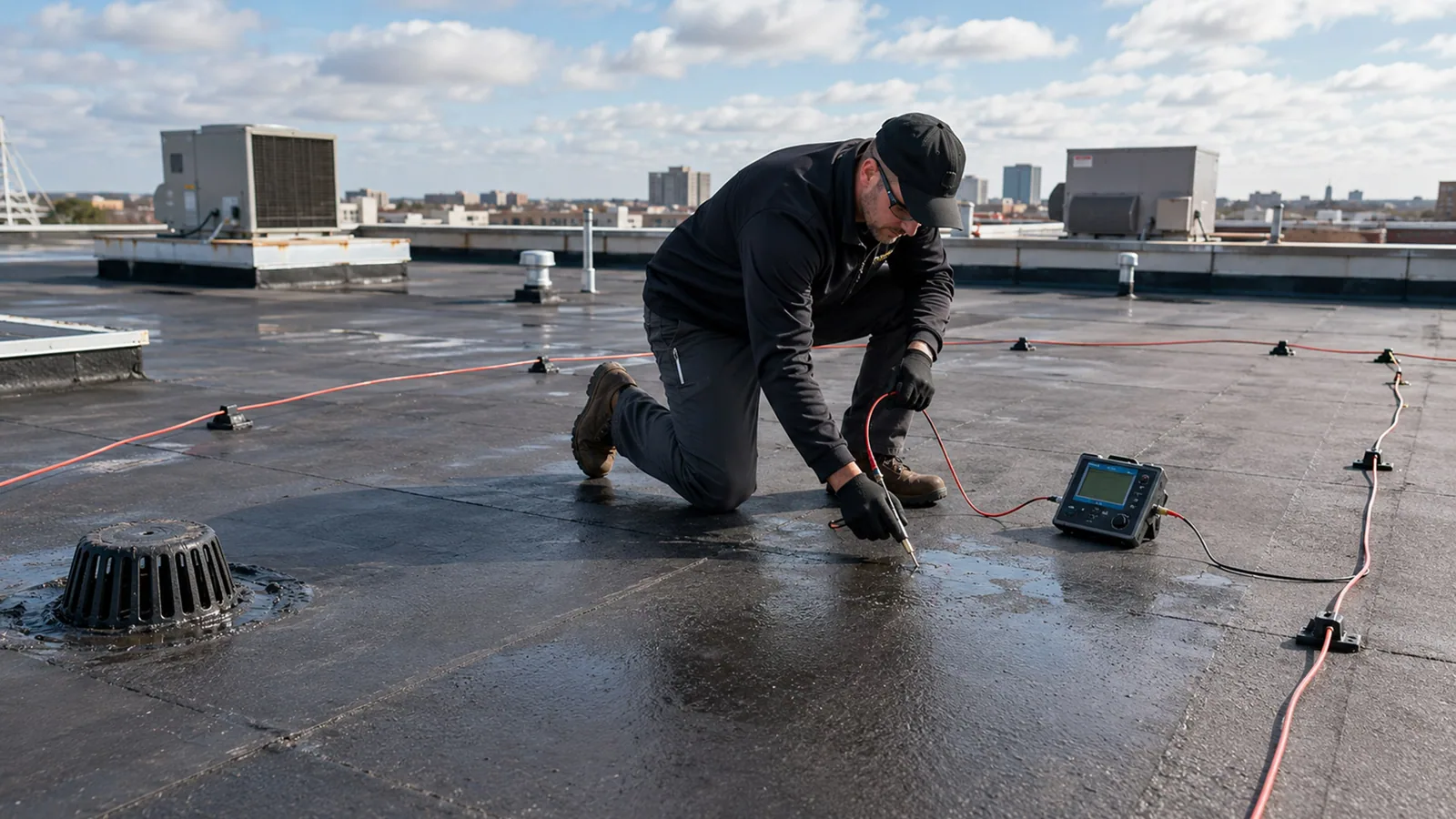
Leaving weak material beneath an otherwise careful patch compromises the assembly. Removing too much sound construction adds unnecessary disruption and disposal. We use the findings to set the boundary between those choices. An infrared survey can help target openings when conditions permit meaningful readings. It does not replace direct checks of the indicated areas. We fit new insulation and any protective board to the repaired construction. The final membrane then meets a stable, properly prepared surface.
A scheduled repair needs room to handle materials and protect nearby openings. We identify the roof access and the route to the defect. Rooftop equipment may restrict safe movement or limit welding clearance. Mechanical staff may need to isolate an intake during preparation. We arrange that coordination where the repair method affects building operation. The 2nd Street Corridor has commercial areas where customer access influences staging. Broadway Corridor also combines commercial activity with offices and housing. We keep agreed entries and vehicle routes clear of uncontrolled work.
The weather window must allow preparation, attachment and proper closure. Rain on an opened insulation repair changes the available work sequence. Hot Oklahoma summers can affect roof surface temperature and adhesive behavior. We follow the selected material requirements rather than forcing the application. Wind can also complicate handling loose sheets and repair debris. The roof should remain secure when work pauses for those conditions. We plan a protected stopping point rather than leave a partly finished opening.
A cluster of separated seams may need more than repeated patching. We examine how the field membrane and its attachment are aging. Ongoing movement or extensive saturation can make isolated repairs poor investments. The director should see those conditions alongside the immediate repair proposal. Roof capital planning can place the longer-term work against operating priorities. We separate the repair that controls a current opening from future replacement. That gives each expenditure a defined purpose.
The completed repair needs a check of its joints and surrounding drainage. We inspect the finished connection using the appropriate assembly procedure. Removed strainers and protection must return to their intended positions. Loose fasteners, scrap and packaging should leave the work area. Completion photographs help the facility staff locate the treated detail later. We identify remaining issues outside the repair boundary. The director can schedule those items without assuming one repair renews the whole roof.
Arrange an examination of the seam, curb or damaged roof area. We will identify suitable material and the construction needed beneath the repair.
The underlying membrane and residue decide the approach. We determine whether the existing compound can be removed safely. A sound bonding surface must be reached for a durable connection. The repair may need a larger boundary if contamination extends beyond the original seam. We explain that preparation before installing new material.
Similar construction warrants examination, not an automatic identical scope. We inspect the other details for the same physical defect. A shared failure may justify broader work. Sound connections can remain in service. The findings distinguish repeated construction problems from a single damaged location.
Access and concealed condition can outweigh the visible hole size. Wet insulation removal, deck deterioration and crowded equipment increase the work. Material identification and preparation also affect the repair method. We define those conditions so the director can compare the proposed scope with the actual defect.
Active water near electrical systems or sensitive operations requires prompt action. Displaced material that can lift further also needs attention. We can provide emergency roof repair where immediate protection is necessary. Permanent work follows the safe examination of the damaged construction.