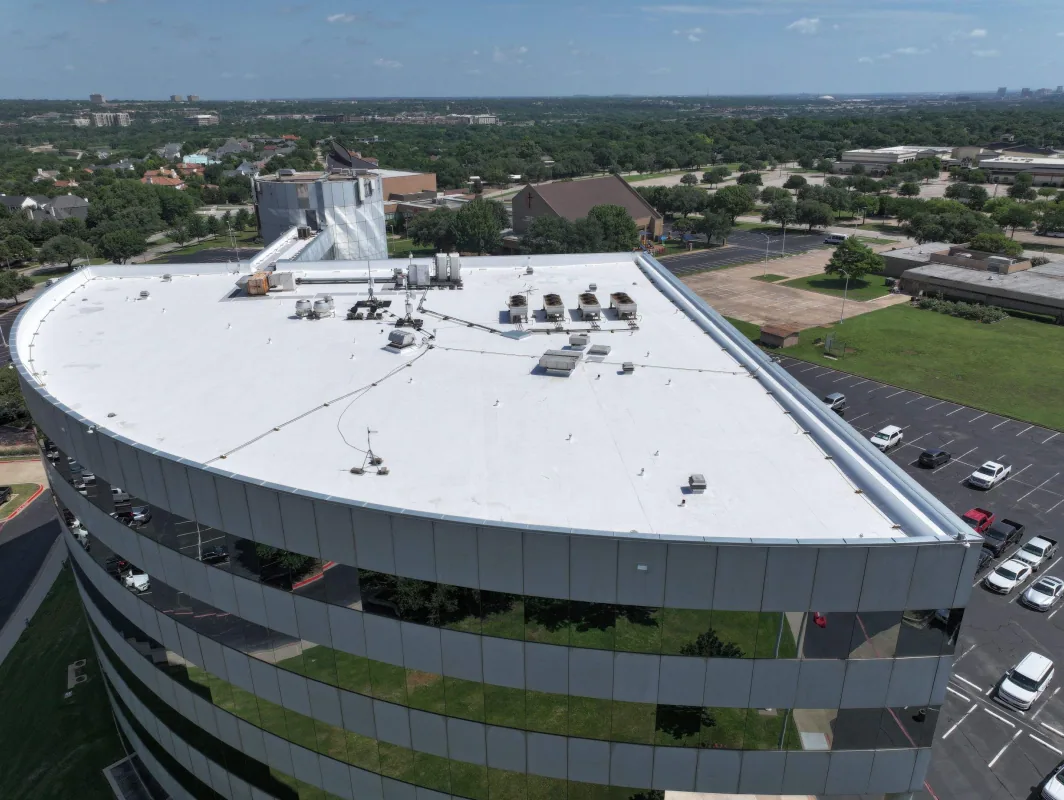

A medical office renewal can require equipment curb changes before thicker insulation closes the field. That connected work belongs in the capital scope from the outset. Commercial Roofing Edmond helps plan commercial roof investment in Edmond, OK. We examine accessible assembly condition and the interfaces affecting each option. The facility director receives removal, support and accessory tasks together. Occupied rooms also influence the construction stages the building can accommodate. A useful budget comparison retains those physical requirements. Selecting the covering alone leaves the cost and sequence of important supporting work unresolved.
Edmond's economy includes university, medical and business-incubator uses. Norman has university and business-incubator facilities as well. Oklahoma City has major medical and aerospace research centers. Those building settings can contain equipment and occupied rooms beneath renewal work. We inspect the actual roof and the proposed protection boundary. The director identifies services and contents affected below it. Material, support and interface condition establish the useful construction option. Operating restrictions then help determine how that work is divided. Each investment decision should retain both the complete assembly and the usable protected stage.
A visible field replacement can leave damaged backing outside an initial allowance. We examine accessible support and select useful concealed checks before assigning the scope. Capital roof condition findings locate observations affecting removal and retained layers. Wet insulation can extend reconstruction beyond an isolated surface defect. Deck damage may require another professional or construction task. We identify that interface before the finish is chosen. A useful estimate includes the supporting work the assembly needs. The director can then distinguish covering installation from the additional tasks required to make that installation serviceable.
Disposal, access and equipment alteration also affect the useful construction allowance. We inspect the actual ground approach and overhead work footprint. A curb lift may require another trade before the roof return closes. New supports can need structural or attachment design. The proposal should show those tasks with their physical location. Required project permitting and inspection responsibilities also receive confirmation. A large field area does not capture every construction implication. We connect the capital scope to the complete detail at its outlets, walls and equipment. Those interfaces remain part of the selected option.
An isolated broken return can permit reconstruction within serviceable surrounding roofing. Defined capital-stage roof repairs establish suitable joining material and support at their boundaries. Broad deterioration may make repeated openings an incomplete treatment. We inspect the accessible assembly before selecting a larger option. Current attachment and moisture condition influence its useful scope. The director receives local tasks and wider renewal implications separately. An earlier finish date does not establish present concealed suitability. The next construction decision follows the material and backing that remain at the project.
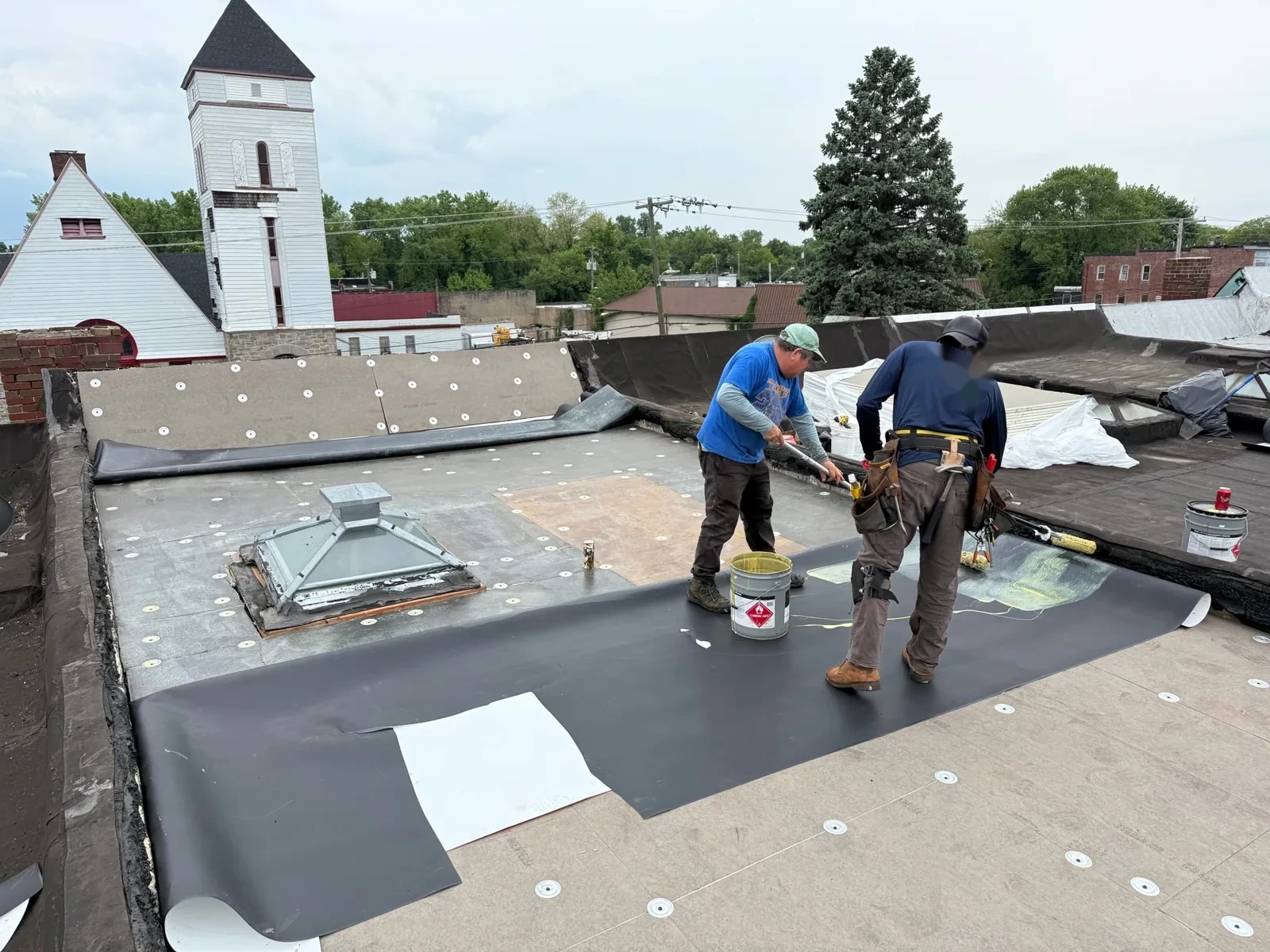
Roof recovery comparison evaluates retained construction, added loading and applicable project requirements. New field dimensions need complete outlet and accessory details. Removal may be more useful where wet or unstable layers cannot support recovery. The options differ in disposal and supporting work as well as the new covering. We describe those physical differences with the findings. Local reconstruction can also require a larger boundary than the visible defect. The budget comparison should retain that useful permanent interface. Otherwise, seemingly similar covering choices can omit different portions of the construction actually required.
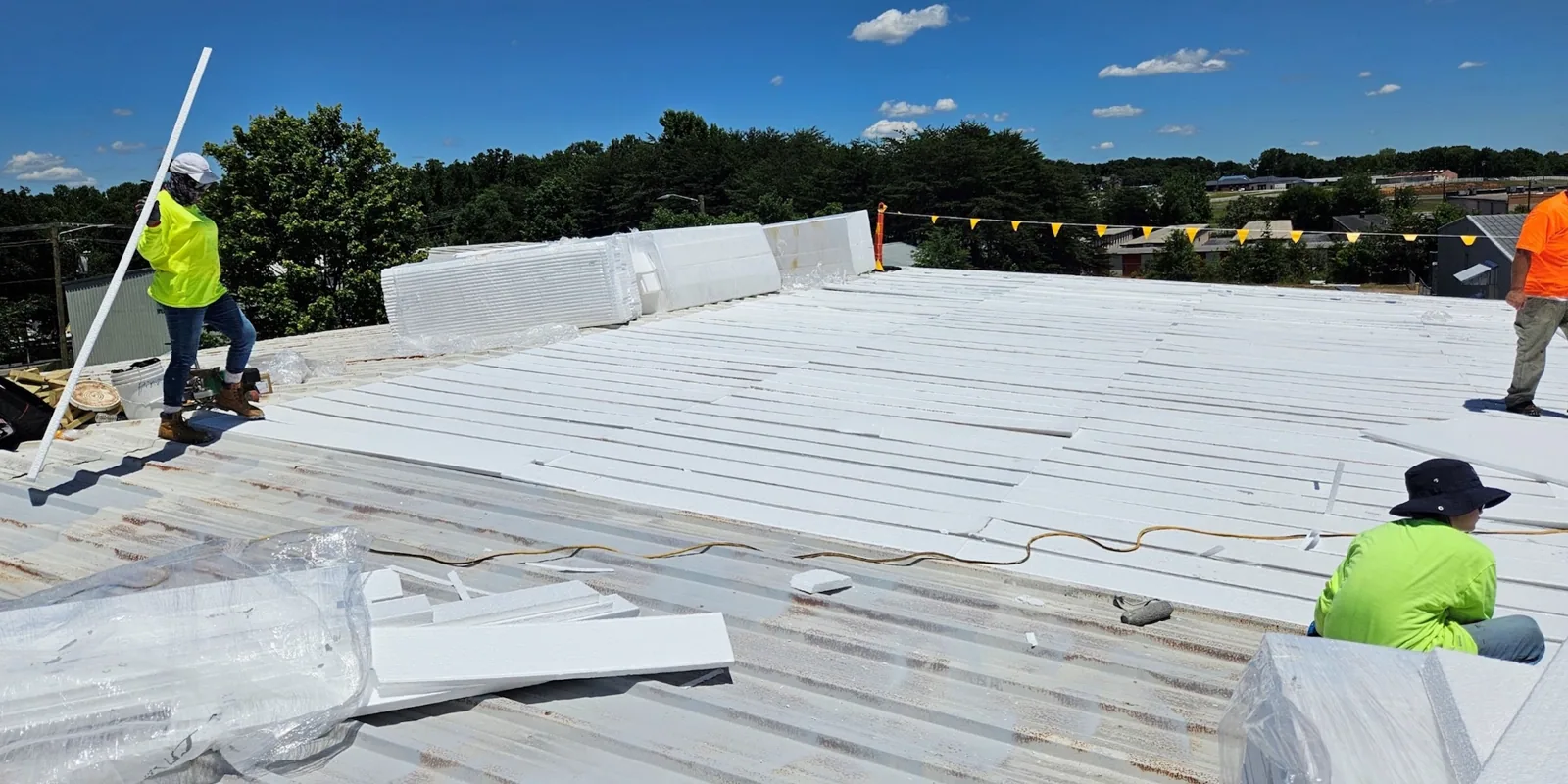
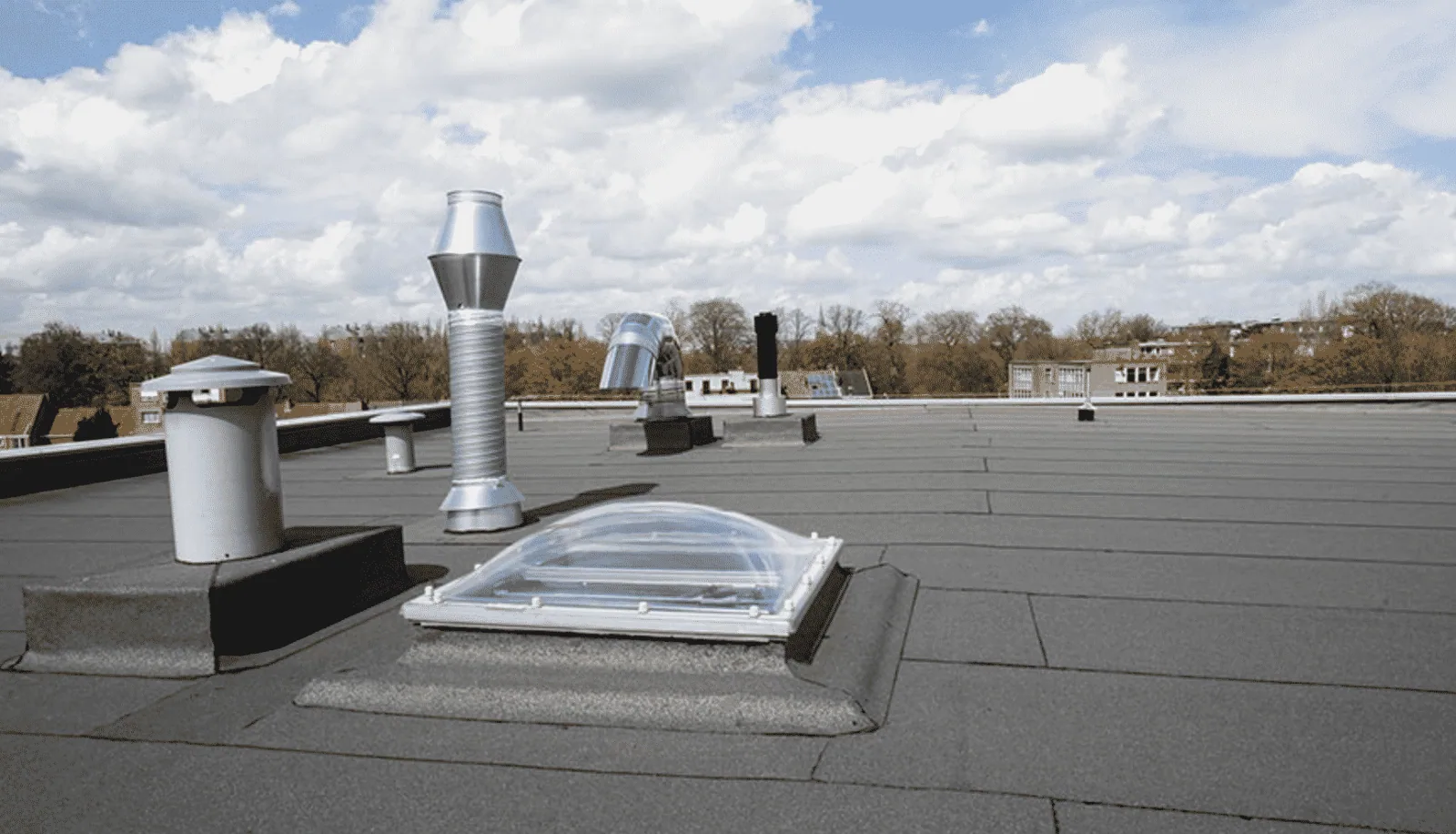
A thicker field can reduce the available return height at equipment. Capital-stage insulation construction should include supporting layers and interface dimensions together. We examine each retained curb against the intended assembly. Another trade may need to lift or alter equipment before closure. The new detail must also preserve useful service clearance. Those tasks belong in the construction sequence and allowance. A covering selected without their dimensions can leave unfinished connections. The director receives the required supporting alterations before the insulation and sheet installation proceeds.
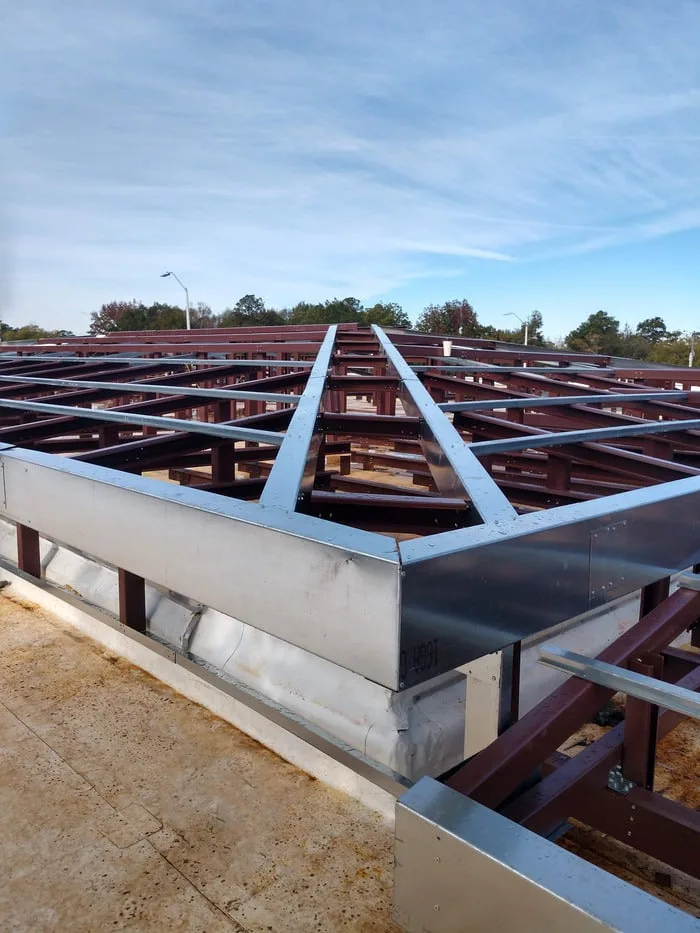
A retained drain likewise needs a useful relationship to the finished field. We inspect the flange and surrounding water approach. New slope or outlet alterations may require design or specialist attention. Metal roof retrofit planning also reviews support, loading and attachment requirements for the intended system. Its accessory connections should fit the actual structure and operating use. We identify required tasks before treating retrofit as a field-only choice. A complete capital option retains those interface details alongside the covering. The finished assembly should serve drainage and equipment access as intended.
An available shutdown can be shorter than the selected method's preparation and curing interval. We examine those requirements against the usable roof opening. Occupied renewal staging relates removal to protected rooms and equipment beneath it. The facility establishes its necessary operating restrictions. We describe debris, product use and potential water exposure for that decision. A revised boundary can affect another occupied area. The director receives that change before additional removal proceeds. A larger budget stage should not assume an interior protection arrangement that the building cannot actually provide.
Rooftop materials require suitable load review and product protection during the stage. Delivery and disposal should use controlled routes near occupied approaches. Nearby intakes may need precautions through the responsible equipment staff. Oklahoma summer heat affects acceptable application temperatures at the roof. Spring storms can shorten exposed work intervals with wind and hail. We assess safe access and material conditions before construction. The selected opening must allow its secure stopping detail. The director receives the current installation interval rather than a calendar promise detached from physical roof readiness.
Norman capital roofing work requires a property-level examination of the assembly and operating footprint. Oklahoma City medical or research uses likewise need their own protection arrangements. We identify useful next checks where concealed conditions remain unresolved. Located roof asset care retains completed construction and remaining interfaces by component. Routine cleaning can stay separate from a broken-joint repair. A recurring defect may call for supporting examination rather than repeated surface treatment. The director receives those priorities with their physical basis. Larger renewal follows current findings at the affected roof.
Completed stages should retain their treated locations and unfinished tasks. Appropriate checks follow the selected assembly and reconstructed details. We remove reachable roofing waste from collection components and service approaches. Other specialists finish equipment or supporting work within their responsibilities. Later equipment additions need compatible closure in their own sequence. New water reports should identify the affected space and relevant timing. We inspect associated components before assigning another treatment. The next budget review can then distinguish completed work from new or unresolved condition. Capital planning remains useful when it keeps the full construction requirement connected to the current asset.
Identify the renewal area, planned equipment changes and usable operating intervals. We will examine retained condition and define complete construction options.
Included removal, support and accessory work change the construction being compared. We identify affected insulation, deck attention and required equipment interfaces. Access and occupied-room protection also influence the usable stage. The new covering is one part of that scope. The director receives the connected tasks before comparing the options.
Serviceable retained material can support defined reconstruction at an isolated defect. We inspect its joining boundary and underlying layers. Broader deterioration may require another option. The proposed repair should close properly within the actual assembly. Its useful scope follows current condition rather than an assumed future replacement date.
Changed dimensions can alter usable curb returns and drain relationships. We inspect those interfaces before selecting construction. Equipment or outlet specialists may need corresponding tasks. New loading and attachment require appropriate review. The allowance should include that work before the roof covering closes.
The protected interior footprint and material requirements establish the usable stage. We describe removal effects and required weather stops. Facility staff arrange their appropriate restrictions. Preparation or curing may extend beyond a proposed interval. The director receives a workable construction sequence tied to those physical conditions.