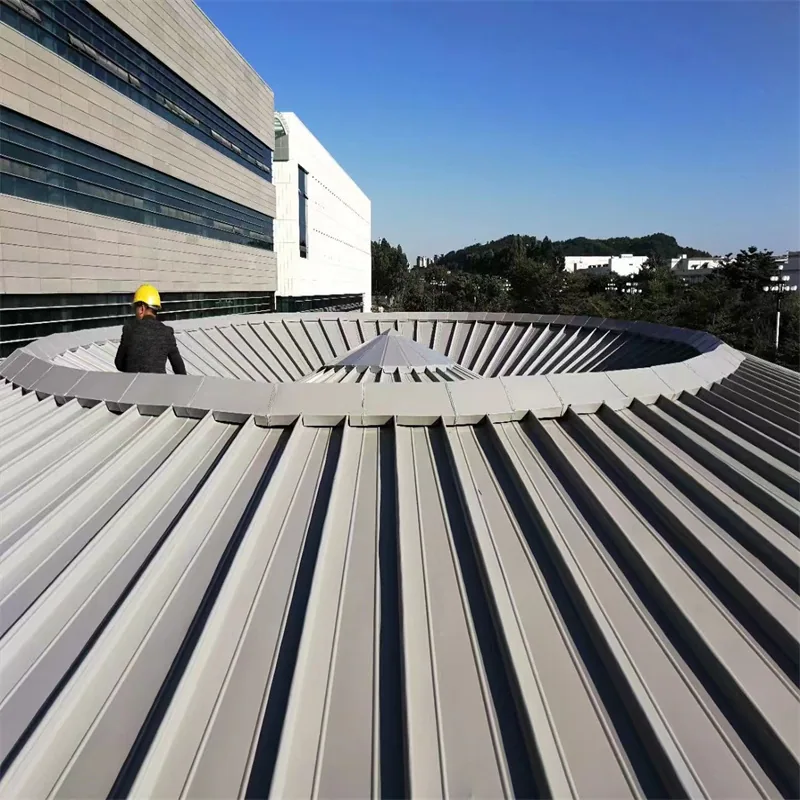

An exposed-fastener roof over storage needs the enlarged screw hole examined before resealing. A new washer cannot restore damaged metal surrounding the attachment. We assess that connection and the condition across the panel run. Commercial Roofing Edmond retrofits and restores suitable metal roofing in Edmond, OK. Options can include defined metal repair, coating or another specified roof assembly. The choice follows support, panel condition and the proposed construction. The director needs a roof treatment with a clear purpose. Repeating small exposed seals may leave a wider failure active.
Guthrie contains manufacturing, industrial and agricultural enterprises alongside its downtown businesses. Crescent's economy also includes agriculture and light industry. Those uses provide operating contexts for examining storage and service buildings. We evaluate the actual property rather than assume its roof from the local economy. Equipment, access and interior protection affect the retrofit sequence. The metal condition and supporting assembly determine what can remain. A new treatment needs construction capable of serving beneath it.
A backed-out screw can result from movement or an inadequate fastening connection. We examine the fastener, washer and surrounding panel. Enlarged holes or damaged support may require a different repair than retightening. The selected replacement should suit the assembly and engagement requirements. Adding exposed compound does not restore a missing mechanical hold. We identify the physical treatment needed at each affected condition. Recurring defects can justify a wider attachment review.
Corrosion around the hole can further change the available repair. A deteriorated panel may no longer support the intended connection. We examine whether localized replacement or broader removal is necessary. Commercial roof repair should identify that metal work and its boundary. The director receives the reason for replacing material rather than another surface seal. Support deterioration may also require the appropriate professional assessment. The retrofit must begin with a suitable attached construction.
An open end lap can admit water across more than one panel section. We examine its fit, attachment and specified sealing arrangement. Movement may have disrupted the original connection. Repairs need preparation and compatible materials at the actual interface. A rigid smear over a working lap can reopen under service. We select the treatment from the joint and assembly requirements. The repaired connection should shed water through its intended construction.
Side laps and perimeter transitions need different examination from an end lap. Damaged closures can expose paths beneath otherwise intact panels. Standing-seam construction has different joints and movement provisions from exposed-fastener roofing. We identify the roof before choosing a remedy. Panel replacement may affect neighboring connections and accessory pieces. The proposal should show how those retained components meet the repaired section. Localized metal work needs a complete connection at its boundary. Otherwise the repaired panel can leave another weak interface nearby.
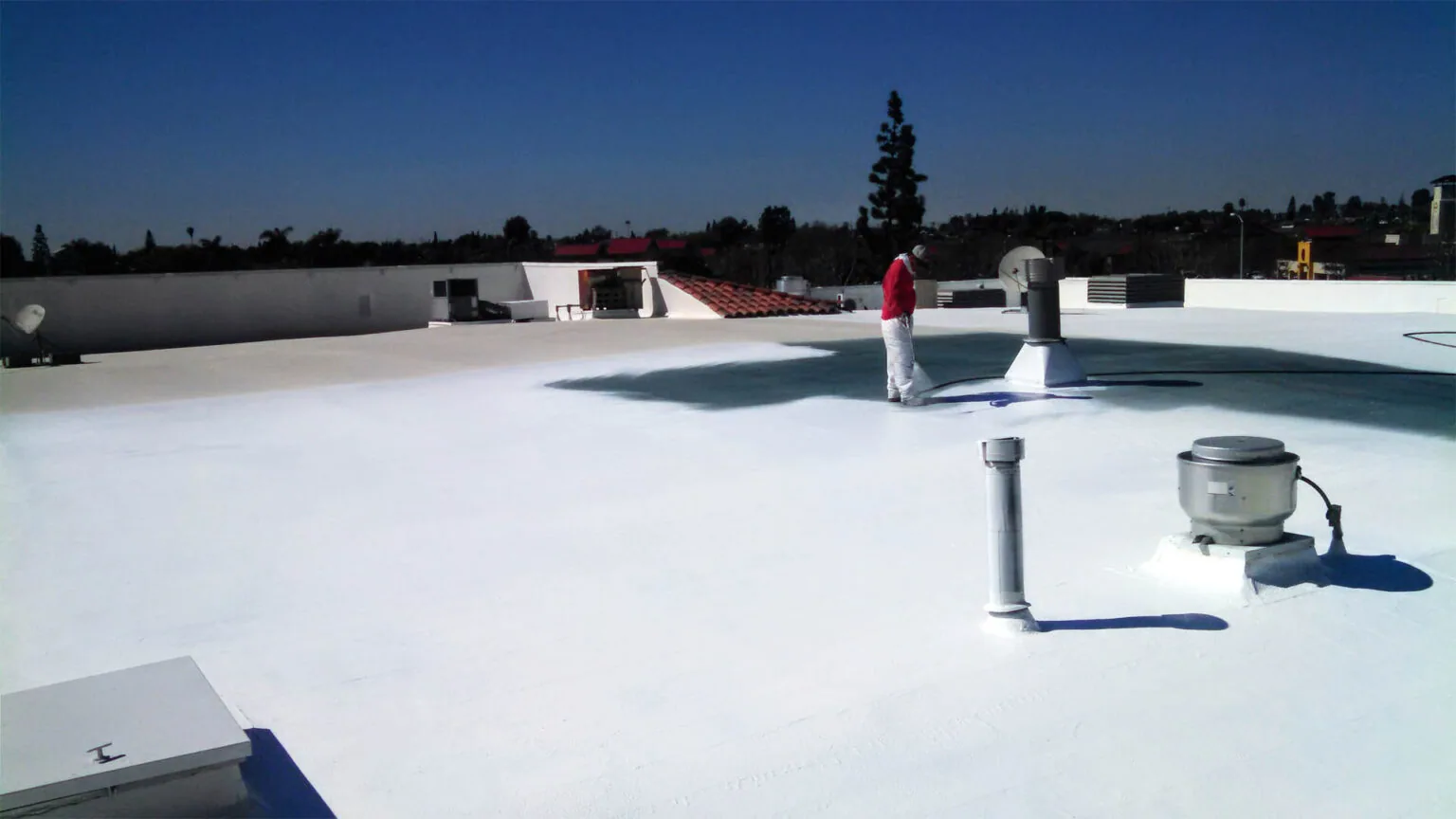
A coating needs a suitable bonding surface across the retained metal. We examine corrosion, previous compounds and existing coating condition. Failed material may need removal and the selected preparation treatment. The chosen system may require primer or adhesion testing. Fastener and joint defects require repair before broad field application. Acrylic coating systems bring particular application and moisture requirements to that choice. The material must match the actual roof exposure and substrate.
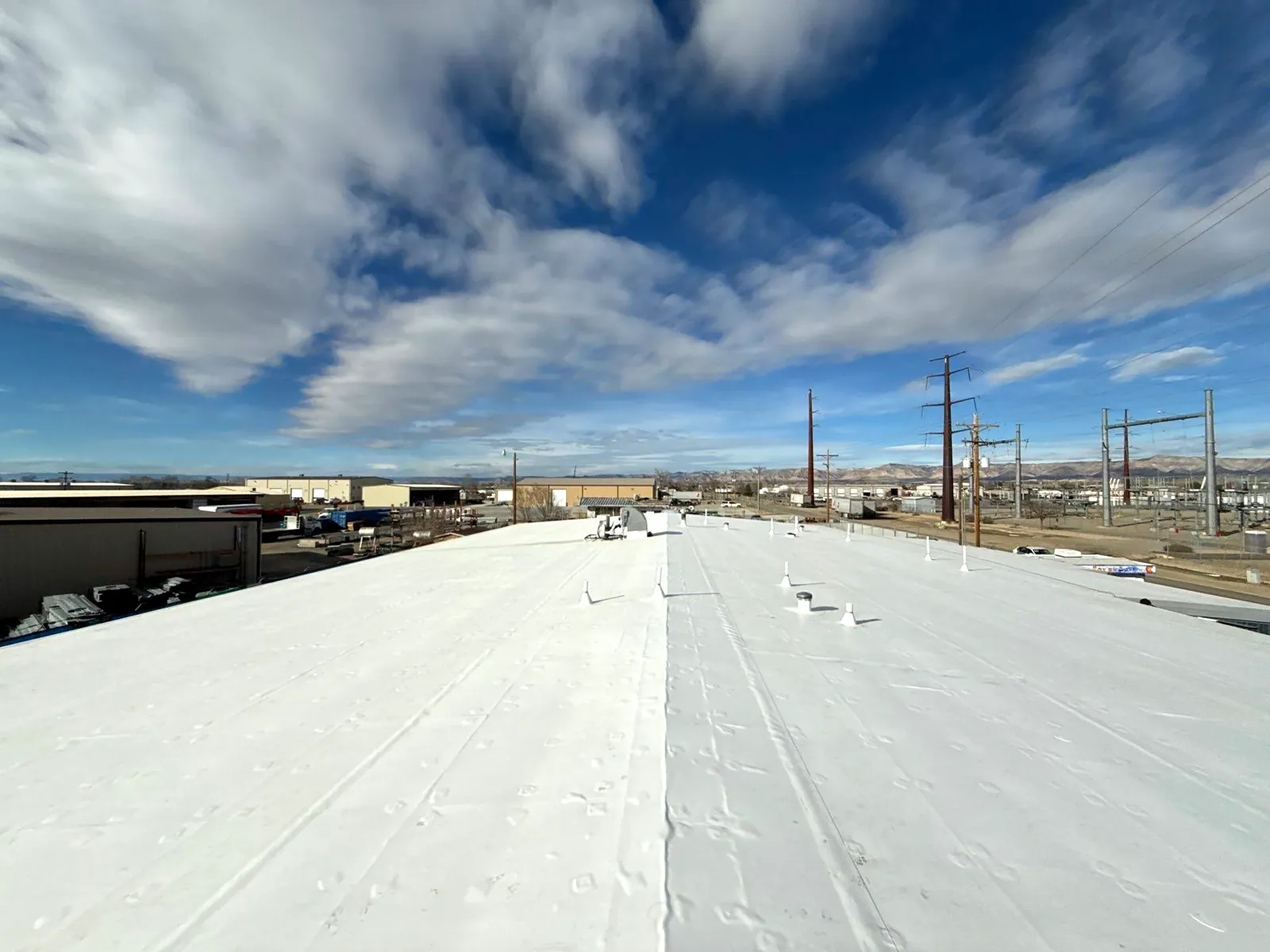
Detail reinforcement may be needed at selected laps and transitions. It should follow the proposed restoration requirements rather than a generic fabric treatment. Film thickness and curing conditions also affect the installed coating. A reflective finish cannot repair an inadequately supported panel. Broad corrosion or unstable attachment may disqualify restoration. We explain that finding before proposing another construction option. The director should know what the restoration preserves. The treatment needs useful retained metal beneath its completed surface.
A roof installed above metal panels needs suitable support between their ribs. The proposed assembly may use profile fillers or other specified construction. We examine how that construction bears and attaches to the building. A membrane should not bridge unsupported spaces contrary to its assembly requirements. Structural loads and fastening need appropriate design review. Recover roofing also depends on moisture and the condition of retained layers. The director needs those questions resolved before another covering is added.
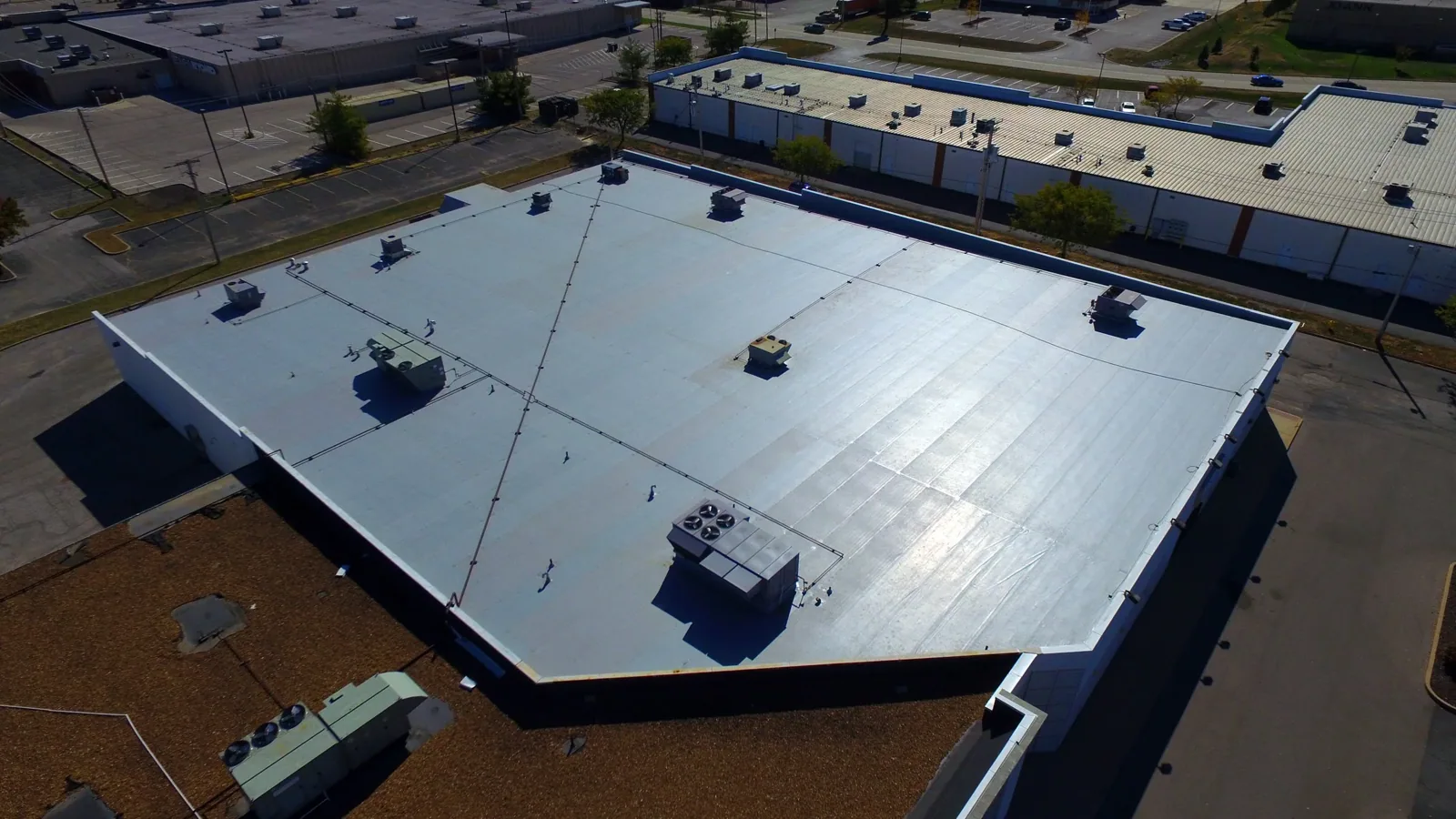
New roof height changes connections at curbs, edges and outlets. Those dimensions need coordination with the proposed supporting material. Existing leaks or condensation questions may require additional investigation. We distinguish roof entry from interior moisture behavior before burying the panels. A TPO retrofit assembly requires its own compatible attachment and flashing components. That option is a complete construction project, not a loose sheet over old metal. We identify the necessary interface work in the proposal.
Guthrie commercial metal roof work can involve industrial or downtown occupied space. Crescent light-industry buildings may need a different delivery and disposal route. We examine the property access and the operation beneath the roof. Material removal should not expose stored goods without suitable protection. Noisy fastening work may require scheduling with the facility contact. Long panels and loose sheets need safe handling under actual weather conditions. The proposed retrofit sequence must fit those practical requirements.
Oklahoma spring storms can include damaging winds and hail. Roof damage after an event needs its own condition examination. Oklahoma summers are generally hot, affecting material application at the surface. We select suitable working conditions for the proposed products. Open areas need secure closure when the sequence pauses. Required project review and permit responsibilities also need confirmation. The director receives those dependencies alongside the physical construction scope. A retained metal roof should remain protected while its new treatment is installed.
A completed retrofit needs inspection at its attachment and detail interfaces. Repaired panel joints should remain accessible for the required checks. Coating transitions need suitable completion at curbs and perimeter components. An added membrane assembly needs its own seam and flashing inspection. We clear construction debris from the roof and its outlets. Drainage connections should remain workable after the added construction. The director should know which original components are retained in the finished project.
Ongoing maintenance needs the installed treatment identified for future repairs. An incompatible compound can create another difficult interface. Service staff should preserve protective areas and use proper new penetration details. Repeated water or movement deserves renewed examination of the physical connection. The retrofit's value depends on suitable retained construction and a compatible new treatment. Both need care as the building operates. A completed surface is useful only when its support and drainage continue working.
Arrange a review of panel condition, attachment and working joints. We will define the repair, restoration or retrofit assembly the existing roof can support.
The hole and supporting construction need examination first. A damaged panel or enlarged opening may not hold the existing fastener suitably. We identify the required replacement or repair method. Retightening can be insufficient where the attachment has lost its proper fit. The correction should address the connection actually found.
The extent and suitability of the remaining metal need review. Localized corrosion may permit the selected preparation and repair. Broad deterioration can leave inadequate supporting construction for restoration. We examine those conditions and test adhesion where required. The proposed coating needs a sound qualifying roof beneath it.
The supporting surface must meet the new assembly requirements. Profile fillers or other specified construction may be needed between ribs. Attachment and structural loads also require appropriate review. We define those layers before proposing the membrane. Unsupported spans should not be concealed beneath a new covering.
Metal condition, attachment and project exposure guide the comparison. Restoration needs suitable retained panels and preparation. An overlay brings additional support, loads and detail-elevation requirements. We explain the work each option needs at the actual roof. The director can compare defined construction rather than surface appearance alone.