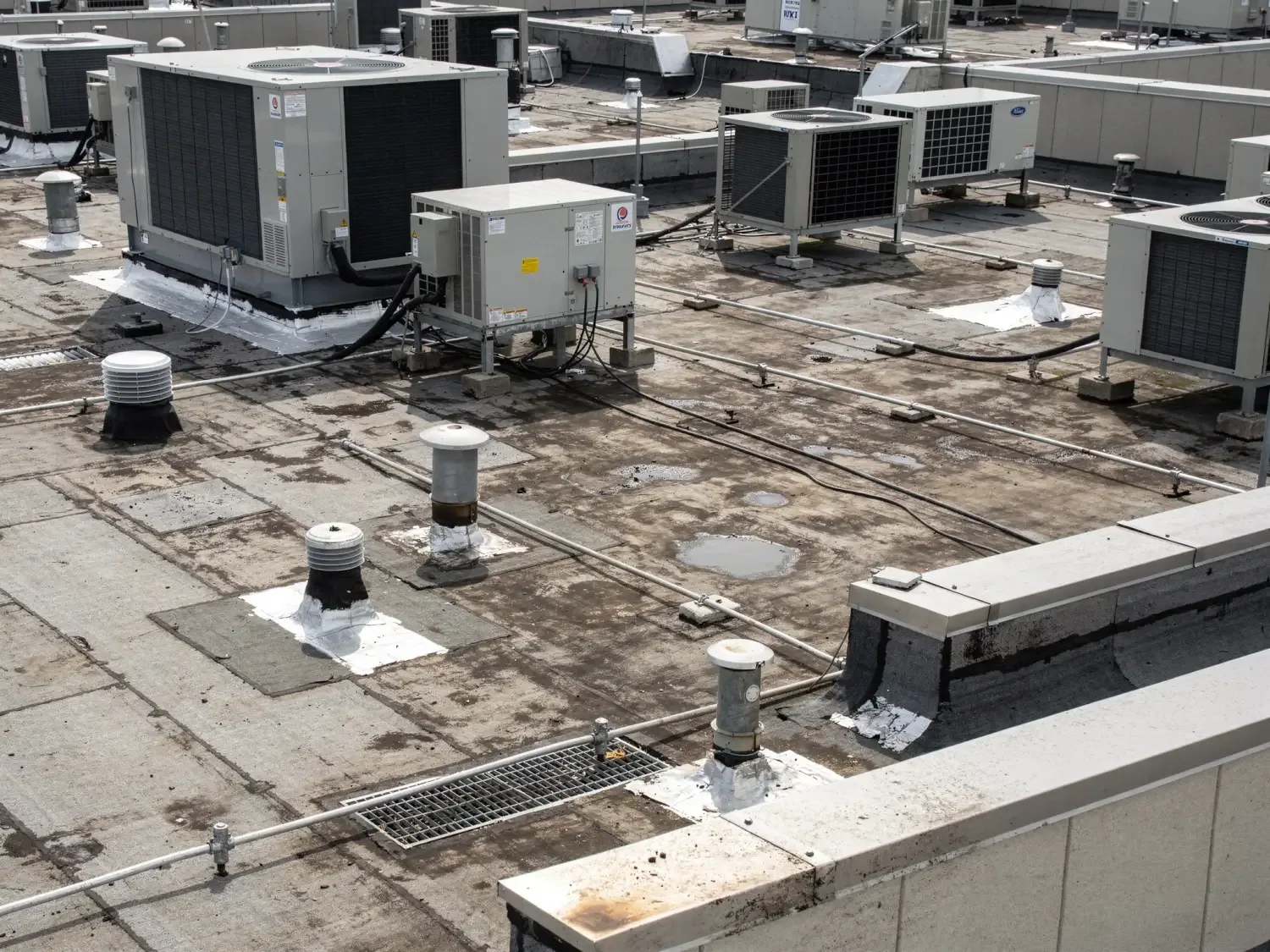

An occupied shop needs firm support beneath an added roof covering. Loose boards or damp insulation cannot become a reliable substrate. Recover work starts with that existing construction, not sheet selection. We assess commercial roof recover options in Edmond, OK. The aim is to retain suitable layers while installing another assembly. That can reduce removal disruption where the roof qualifies. It still requires careful moisture checks and attachment design. A covering added over unresolved defects carries those defects forward.
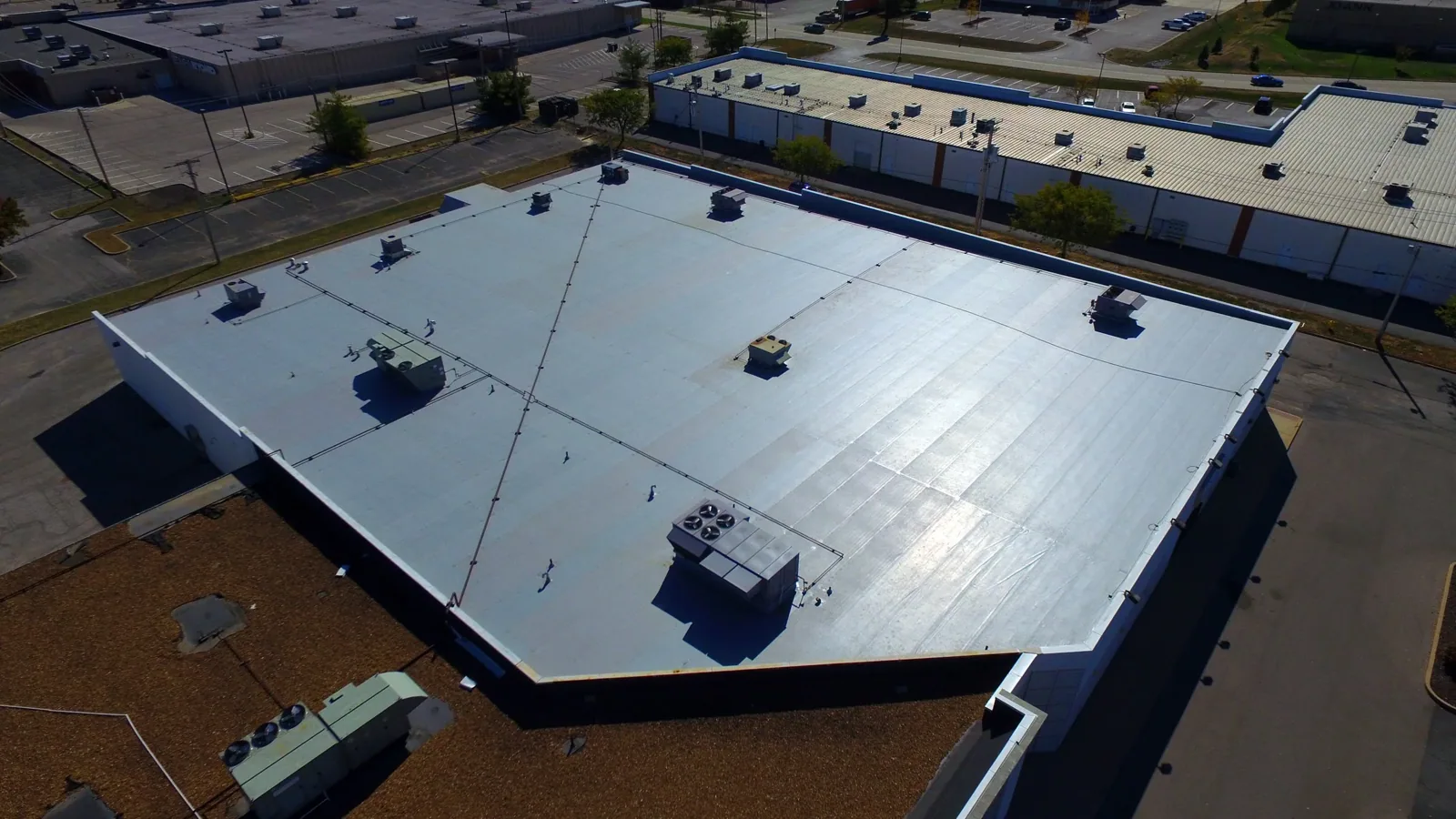
Broadway Corridor includes commercial properties, offices and mixed-use areas. Those uses can make uninterrupted access a significant planning factor. A roof recover may help limit opening above occupied rooms. The retained assembly must justify that choice on its condition. We examine layer count, moisture, deck capacity and surface stability. Drainage and flashing height also need room for added thickness. Commercial Roofing Edmond defines the acceptable substrate before recover installation begins.
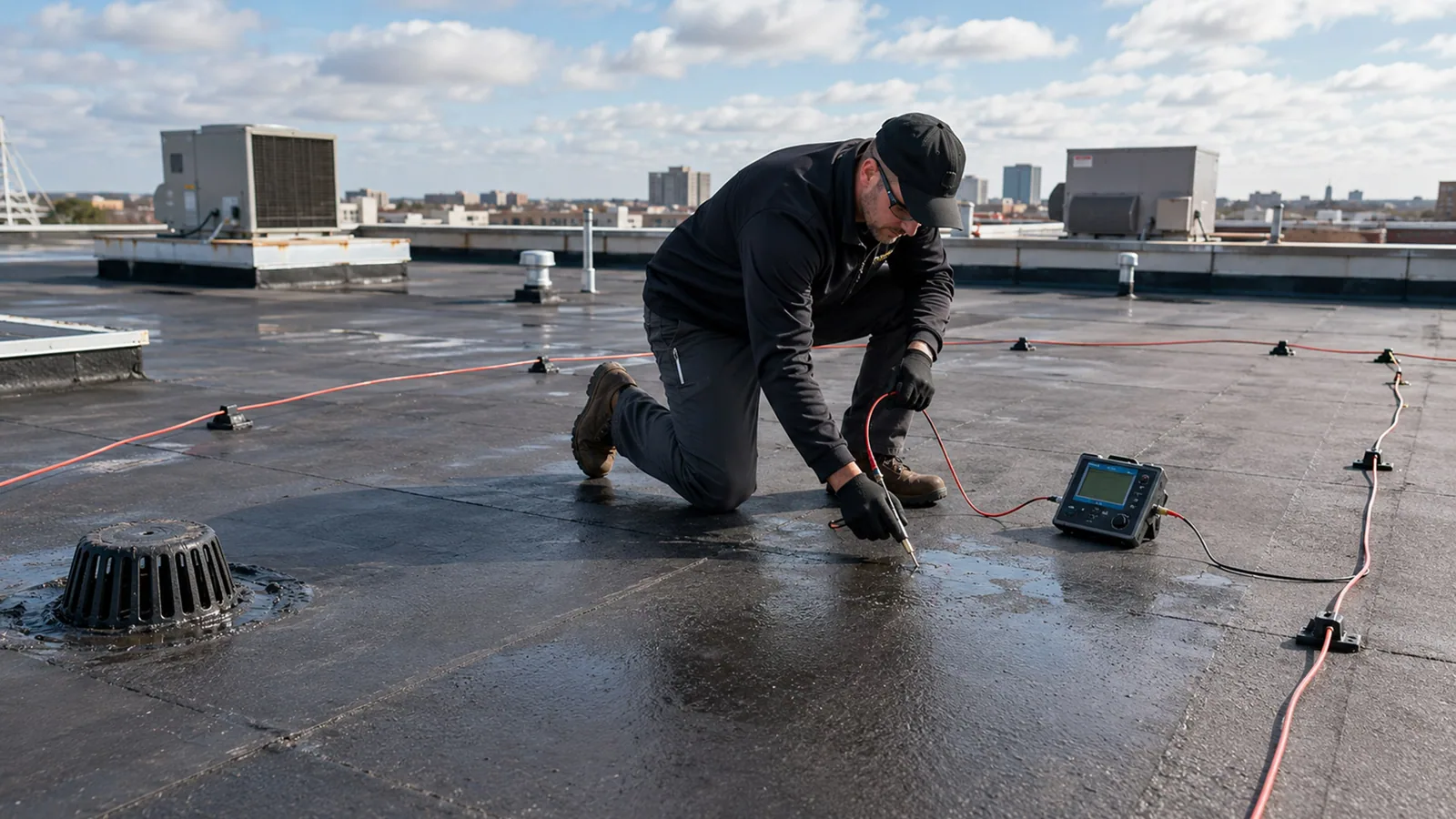
A dry membrane surface can hide a wet board underneath. We investigate moisture indications through representative cuts in the assembly. The cuts also show existing roof layers and their condition. We compare findings across suspect areas and apparently sound areas. A hands-on roof inspection establishes the condition visible at the roof surface. Openings add information that visual observation cannot supply by itself. We repair the cut locations after the examination is complete.
Localized deterioration may permit selective removal before a recover proceeds. Broad saturation can change the decision to full tear-off. We identify the extent rather than choosing an arbitrary patch boundary. Broken attachment, delaminated layers and unstable surfacing also need resolution. A covering needs a substrate that holds the proposed construction. Existing ballast or loose gravel may complicate preparation and fastening. We explain what stays, what leaves and why each area qualifies. That distinction keeps retained material from becoming a hidden liability.
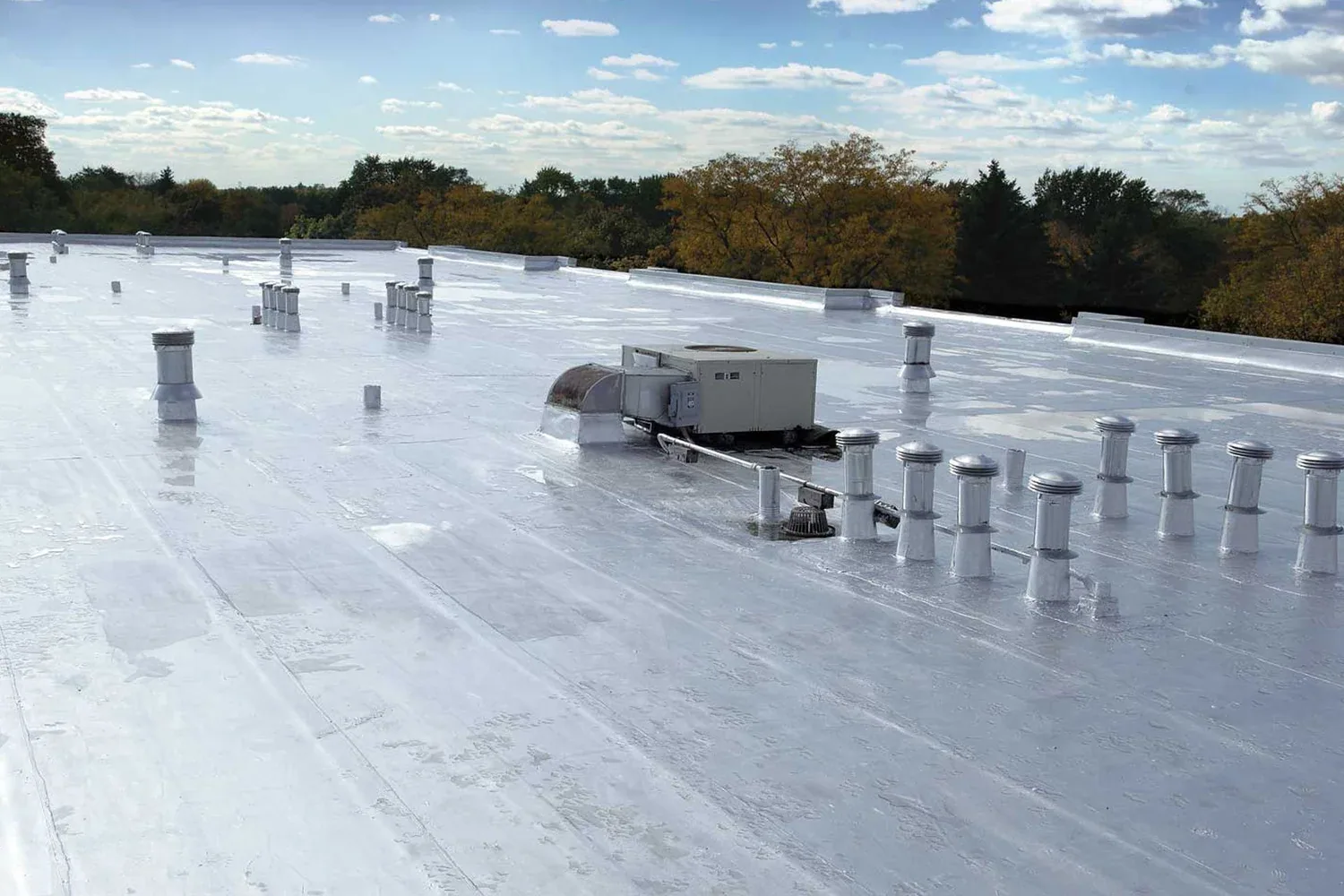
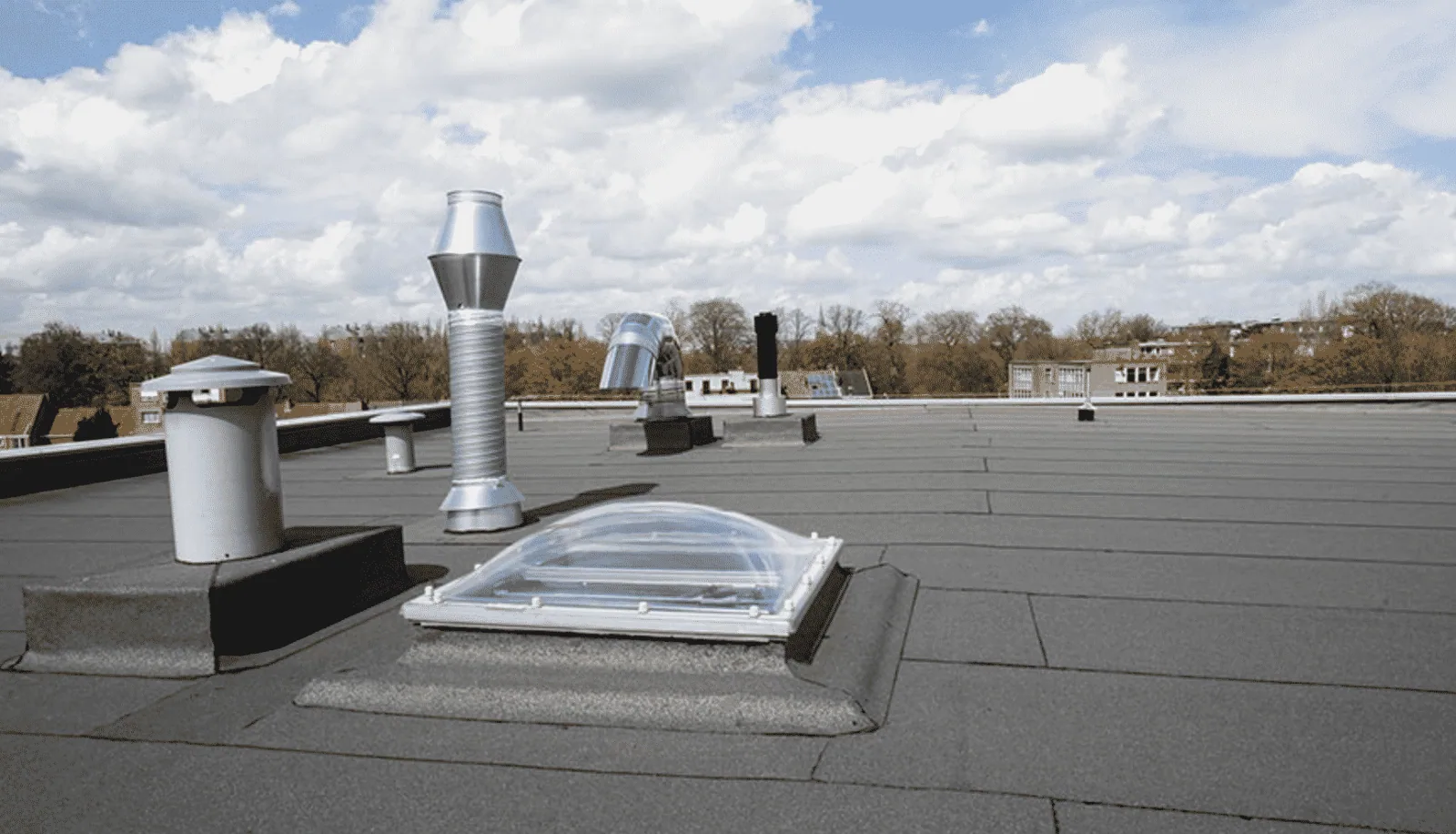
A low equipment curb can become shorter relative to new roofing. Added insulation and cover board raise the surrounding finished surface. We measure curb faces before proposing that buildup. Flashing must retain enough working height for the selected detail. Counterflashing, access panels and unit service openings need clearance as well. Increasing a curb may involve mechanical disconnects and equipment handling. That work needs inclusion before a recover becomes the chosen scope.
Door thresholds and wall outlets present similar elevation constraints. A raised roof can crowd an existing through-wall scupper opening. Drain bowls may need an extension compatible with the drainage system. We examine the drain and scupper connections before fixing the insulation thickness. Water must reach the outlet across the new roof surface. Added material should not trap water against a low wall. The dimensional checks decide which recover details are physically workable.
A fastener passing through several layers still needs adequate deck engagement. We identify the deck and examine its capacity to hold attachment. Pull testing may be appropriate for the proposed fastening method. Fastener length alone does not settle the required design. Existing layers can compress or move beneath an added board. We address that movement before placing the final membrane. An adhered option likewise needs an approved, stable and properly prepared substrate.
The selected membrane must work with the retained construction and separators. TPO roofing requires suitable surfaces for its attachment and welded connections. Other membrane types bring their own compatibility and installation requirements. A separation layer can keep incompatible materials apart where specified. Cover board may improve the surface for the new installation. We examine joints, fastening and board movement during placement. A recover succeeds as a complete assembly, not an independent top sheet. The design connects its new material to the construction beneath.
Edmond includes Oklahoma Christian University and technology-center business-incubator buildings. Different uses can place different demands on future roof alterations. Added equipment or tenant remodeling should enter the recover discussion early. A roof that needs substantial structural changes may need different work. We consider planned penetrations before leaving old layers in place. Future trades need clear details for cutting and closing the assembly. Additional thickness also changes the work at each new penetration.
Edmond project requirements need confirmation before a recover is authorized. State and city published code adoption information differ in timing. We check the applicable requirements with the reviewing authority. Existing layer count, loads and moisture condition affect that review. Residential reroofing exemptions cannot simply carry over to commercial work. We identify the permit and design responsibilities for the proposed assembly. A permitted recover must meet its actual project conditions and limitations. Keeping roofing material is a construction decision, not a permit shortcut.
A blister beneath new boards can leave an uneven support line. We remove or correct defects according to the selected assembly requirements. Loose material and incompatible residue need attention before installation. The prepared surface must accept the attachment or bonding method. Wet areas slated for removal receive replacement construction of appropriate thickness. Transitions between retained and replaced areas need a level bearing surface. We check those transitions before the new roof covering conceals them.
Occupied rooms still need protection during localized openings and preparation. Deliveries, disposal and rooftop equipment traffic must be scheduled. Along the Broadway Corridor, business parking and entry routes affect staging choices. Downtown Edmond has public lots and street parking near businesses. We establish material handling that preserves agreed customer and tenant access. Oklahoma summer heat can alter adhesive application and working times. Product requirements and actual surface conditions govern the installation window. We keep unfinished areas secure as the work moves across the building.
The new sheet meets retained construction at more than the roof field. Walls, curbs and penetrations need compatible rebuilt flashing connections. We inspect their fit after the added roof thickness is established. A membrane return should lie naturally against its supporting surface. Compression bars and metal terminations need firm, suitable backing. The same care applies to a rebuilt drain flange. We check the finished connection before accepting the surrounding roof area.
Recover scope should distinguish retained conditions from the installed improvements. The director needs to know where localized removal occurred. Roof condition reporting can preserve those findings for future decisions. Inspection photographs should locate important transitions and repaired substrate areas. If qualifying conditions are absent, full roof replacement may provide the appropriate construction path. We explain that change through the findings, not a generic preference. The completed scope must match the roof that was actually examined.
Arrange a close review of the existing assembly and curb elevations. We will establish whether a recover has suitable support and workable connections.
Retained condition determines eligibility, not the absence of recent complaints. Moisture, layer count, deck condition and attachment require examination. An apparently quiet roof may still hold damp insulation. We confirm those factors before proposing added roofing. The resulting construction also has to satisfy project requirements.
Flashing elevations and compatibility set the answer. The added field thickness changes the relationship to walls and curbs. Some connections need removal and reconstruction rather than extension. We identify each treatment in the scope so retained field roofing does not imply retained weak details.
Compare the work required by each assembly. Selective wet-area removal, curb alterations and substrate preparation can narrow the difference. Full removal adds disposal and exposes deck conditions more directly. We set those items against the roof findings and operational constraints rather than promising a standard saving.
Deck deflection requires its own investigation. Insulation cannot provide structural correction for an inadequately supported deck. We identify affected areas and coordinate the appropriate professional review. Recover design resumes only with a suitable supporting structure and an agreed drainage arrangement.