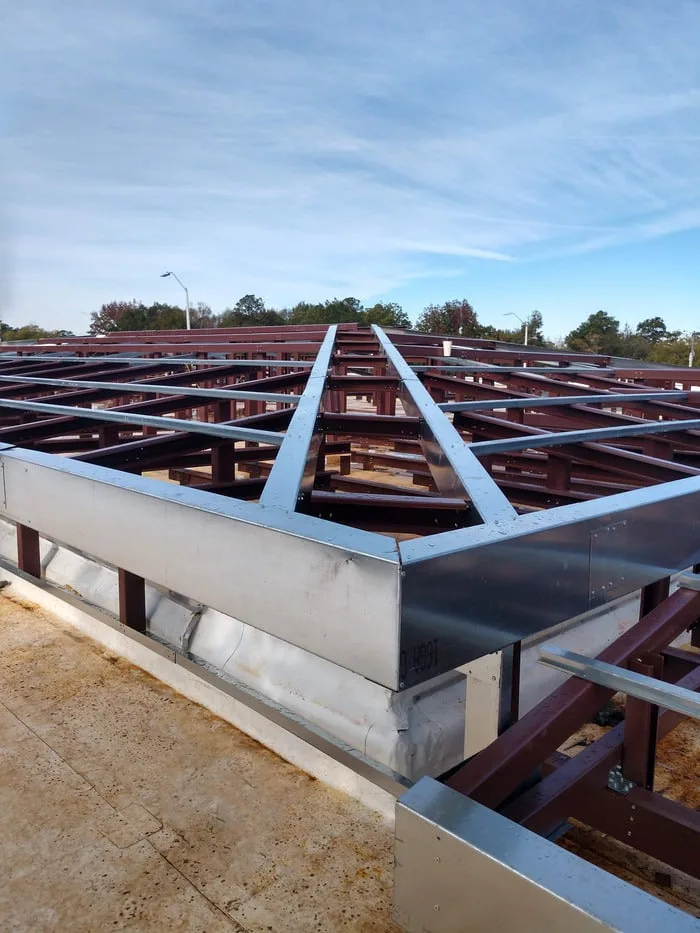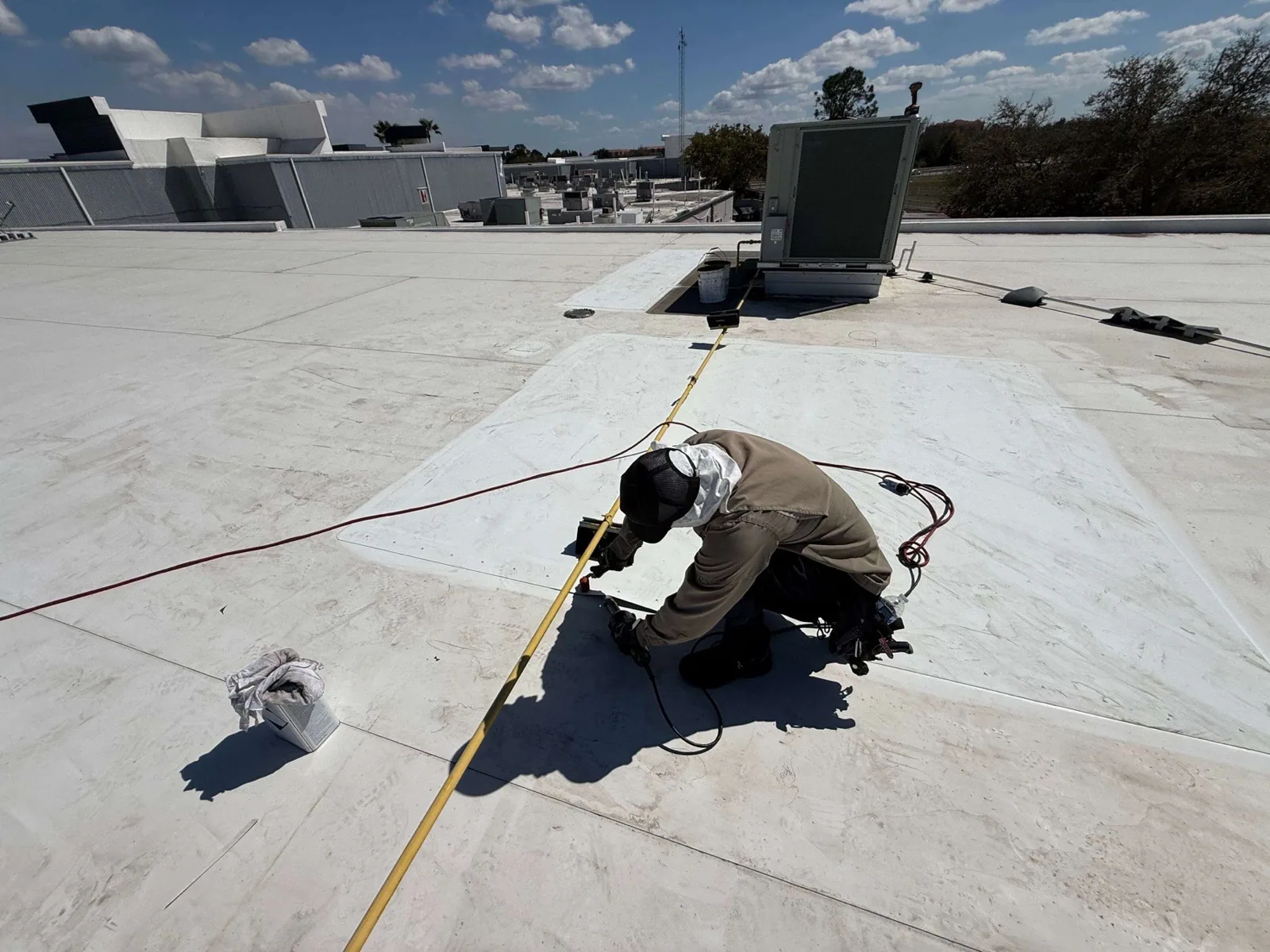

A logistics loading canopy can meet a warehouse wall through an exposed upper flashing joint. Water at that connection may reach an active goods-handling area. We examine the roof return and wall closure before repair. Commercial Roofing Edmond works with logistics and 3PL facility teams in Edmond, OK. Stock, equipment and loading routes influence protection during construction. The covering and its backing determine the correct physical treatment. The director receives a roofing scope tied to those operational interfaces. The project should close the actual connection without leaving receiving work beneath unmanaged exposure.
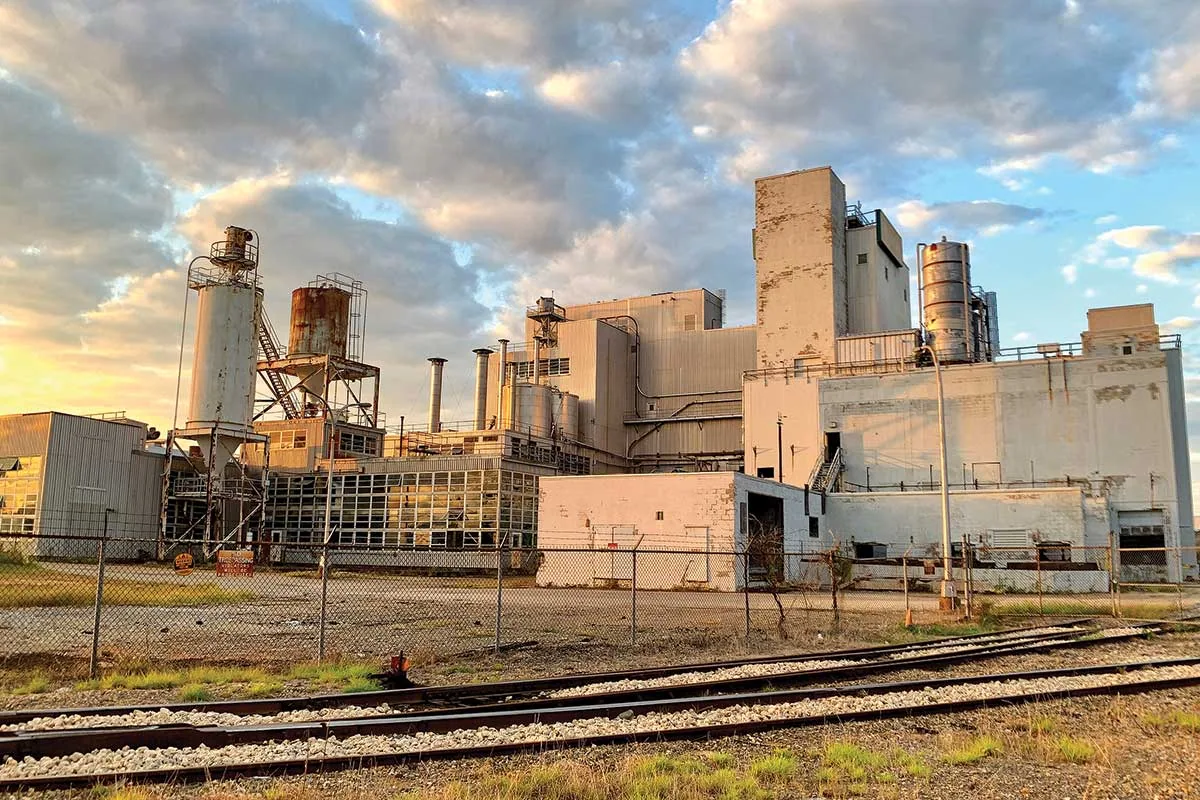
Oklahoma City has sites with interstate, rail and airport access. Guthrie has industrial activity and BNSF rail service. Del City connects to Interstates 40 and 35. Those regional transport settings make vehicle and material movement relevant to roof handling. We assess the actual loading approach and usable ground space at the building. A roofing lift needs control where it crosses those routes. Roof condition governs the reconstruction above. The operating arrangement governs which protected stage can proceed.
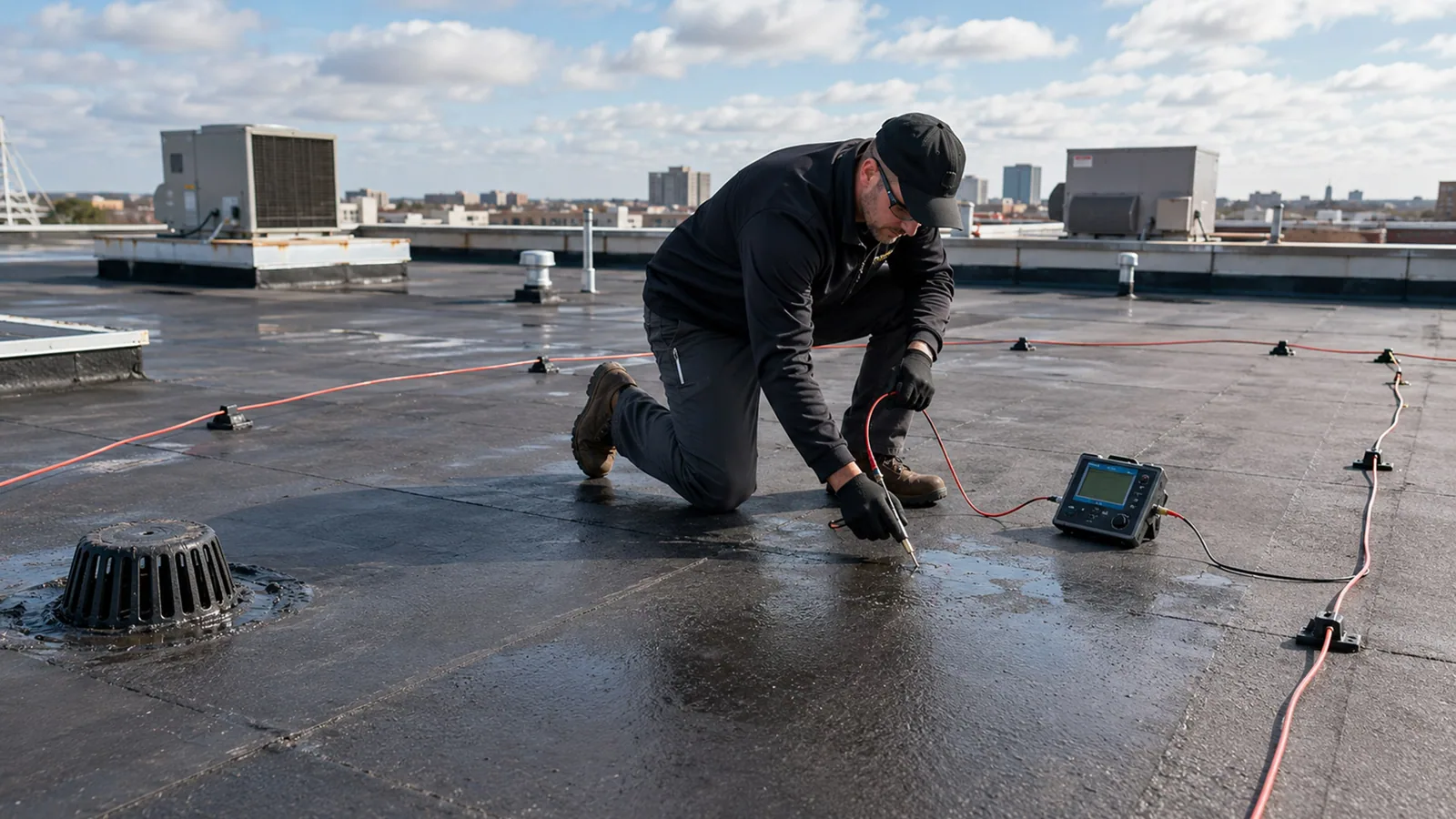
A wet loading opening can involve a canopy joint, wall connection or gutter discharge. We examine those components separately against the observed condition. Loading-area leak investigation locates roof-side defects before choosing reconstruction. A damaged wall joint may require the responsible trade's action. The roof return needs suitable support and a protected upper closure. Old compound can obstruct the contact required by new material. We inspect that surface before selecting its preparation. The proposal identifies the connected tasks needed to complete the junction.
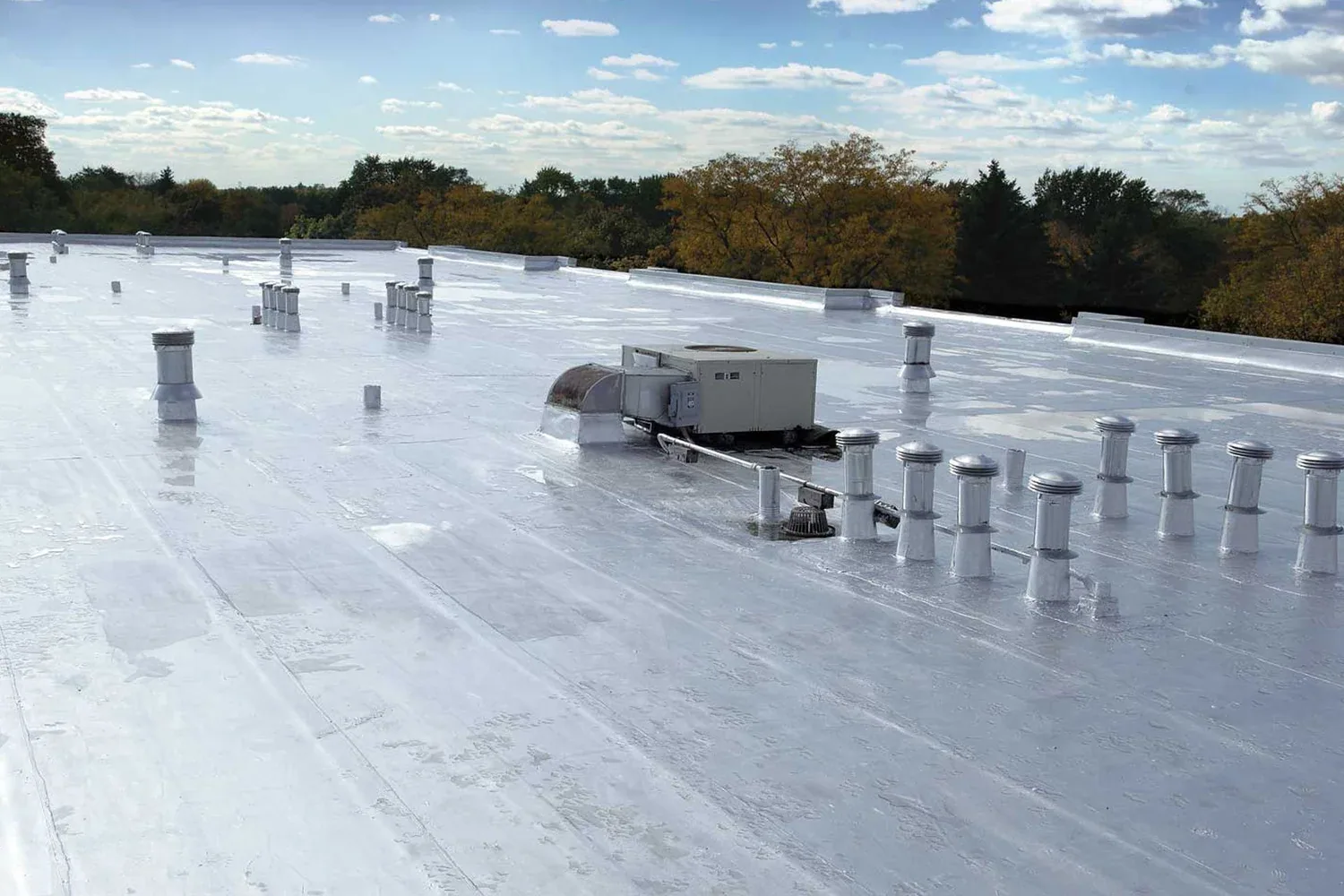
A collection joint can discharge over goods movement even where the roofing remains intact. Logistics drainage repairs distinguish that outlet work from rebuilding the roof field. Downstream blockage or capacity changes may require another review. A renewed assembly also needs useful relative elevations at the drain flange. Supports should preserve access for later cleaning. We identify those interfaces before new insulation reaches the component. The director receives roofing and other-trade requirements separately. Water should leave through the functioning collection arrangement instead of an unfinished local connection.
A roof stage can cross stored stock, packaging and active handling positions. The facility identifies contents and operations within the proposed opening. We describe debris-producing work and necessary water protection. Stock relocation or a controlled operating pause may be required. Occupied logistics reroofing should fit the area the facility can suitably protect. Roof zones need secure stopping conditions for the selected method. A stage extended by concealed damage may expose another storage area. We explain that changed boundary before additional material is removed.
Where an operator also carries out component or packing work, manufacturing roof construction coordinates preparation dust with protected equipment and product areas. Facility staff establish the appropriate precautions. We identify roofing products and the active work zone for that assessment. Nearby intakes can carry preparation effects beyond the opening below. Responsible equipment staff arrange necessary operating controls. The roof method should fit the protection actually available. We explain the construction status before the facility resumes handling below. The contact receives remaining closure tasks before operation advances.
A loose or soft field can require examination beneath the visible covering. We inspect accessible roof construction and select useful concealed checks. Logistics roof condition examination establishes observations affecting treatment. Damp insulation can expand removal beyond an isolated opening. The deck may need appropriate professional or other-trade attention where damaged. We show its condition before new material conceals it. The selected repair must reach retained layers suited to the connection. Widespread attachment deterioration may favor renewal rather than separate recurring patches.
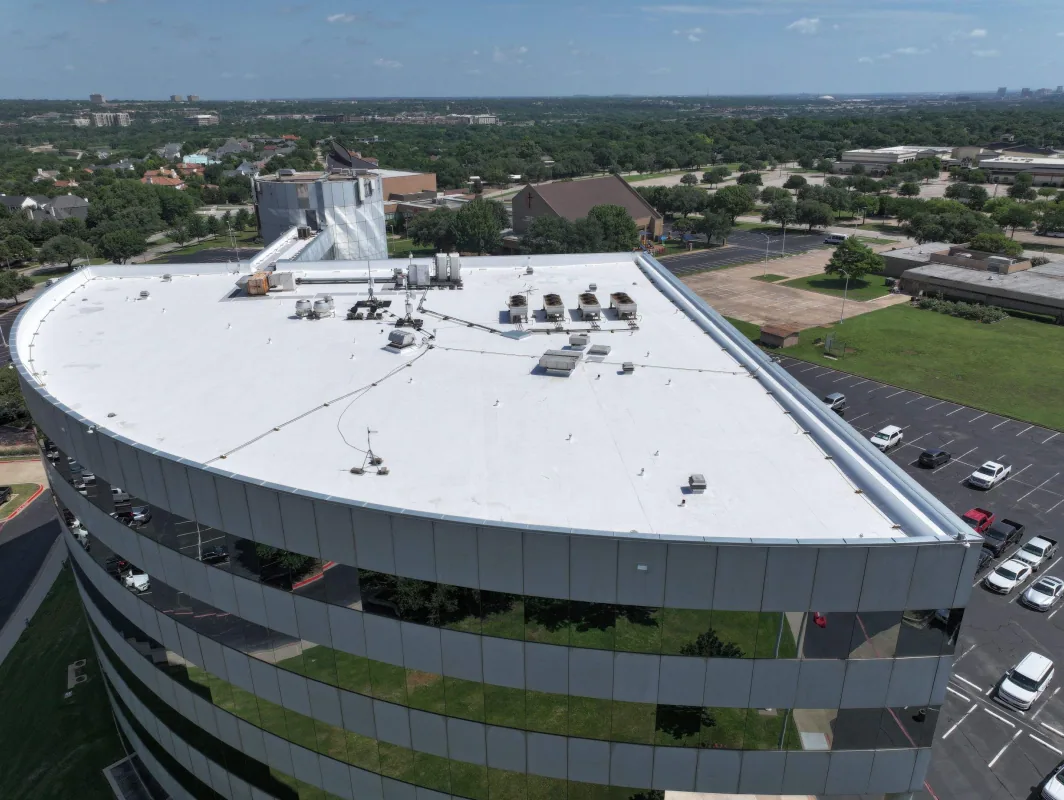
We review attachment and supporting dimensions together before selecting a larger assembly. Metal roof retrofit requires suitable load and fastening design for the actual structure. Other systems can serve when their complete construction fits the project. Retained curbs and wall returns must accommodate the proposed field height. An equipment alteration may need another trade before roofing closes. We identify the roof-side tasks completing that sequence. Design, permit and inspection responsibilities are confirmed for the intended scope. The director receives a construction option that includes its required interfaces.
A roofing delivery can conflict with trailers arriving at the same approach. The director identifies receiving activity and usable construction intervals. We establish lifting and disposal zones before materials move. Multi-location retail operations coordinate stock receiving when overhead work affects occupied loading routes. At the logistics property, the same physical overlap needs a controlled handling plan. We locate it against the actual entrance and roof stage. Required access should remain within the established protections. A revised opening may need another ground boundary before lifting resumes.
Rooftop placement also needs suitable load and product-protection review. Moving bundles should not obstruct accessible drains or service paths. Oklahoma hot summers can restrict appropriate application temperatures at the roof. Summer thunderstorms can interrupt an exposed zone with locally heavy rain. We choose work areas that permit the material requirements and protected closure. Shift availability must allow those physical installation conditions. A weather interruption changes the stage status. The director receives that condition before stock or equipment returns below it. A planned loading window does not complete an unfinished roof detail.
Oklahoma City logistics roof work requires review of actual loading and entry constraints. Guthrie industrial properties may have other handling arrangements. We coordinate construction movement with the facility's authorized contact. Completion includes the appropriate checks of field joins, wall returns and accessories. Other trades complete their respective supporting or equipment tasks. The director receives work locations and unresolved interfaces. Accessible scraps should leave collection components and service routes. Later equipment additions need compatible roof closure wherever they alter the assembly. The field should remain useful for continued inspection and care.
Recurring water observations should identify the affected loading or storage area. Relevant timing and recent trade activity help direct another examination. We inspect the physical connection rather than assign the same patch from the earlier report. Located logistics roof findings connect the observation to construction needed at that component. Maintenance should preserve usable outlets and reachable terminations. Larger renewal choices follow the current material and support condition. The operating team can then arrange work against a practical roof scope. Its storage and loading restrictions remain tied to the protection that construction needs.
Identify the water location, stored contents and loading constraints. We will define suitable logistics roofing and a controlled construction stage for the assembly.
The actual entry and collection connection determine the repair location. We inspect accessible canopy, wall and outlet details against the observation. A separate wall or discharge defect may require another task. The proposal identifies those physical findings. The main field should receive treatment where its condition actually requires it.
The protected contents footprint and available closure govern the usable opening. Facility staff arrange movement and restrictions where necessary. We explain removal debris and water exposure. A concealed defect can expand the construction boundary. We establish suitable protection for the additional storage area before removal continues.
A suitable controlled interval must be established with the facility contact. We identify lifting, disposal and ground protection requirements. The actual roof stage determines the overhead exposure. Vehicle movement follows the agreed restrictions during that work. An apparently open approach still needs a workable construction arrangement.
The treated component and remaining tasks should remain identifiable. We connect work locations to supporting findings where relevant. Later equipment changes need compatible closure within their sequence. New water reports should identify timing and the affected area. Current condition then guides the next roof action instead of an assumed repeat repair.