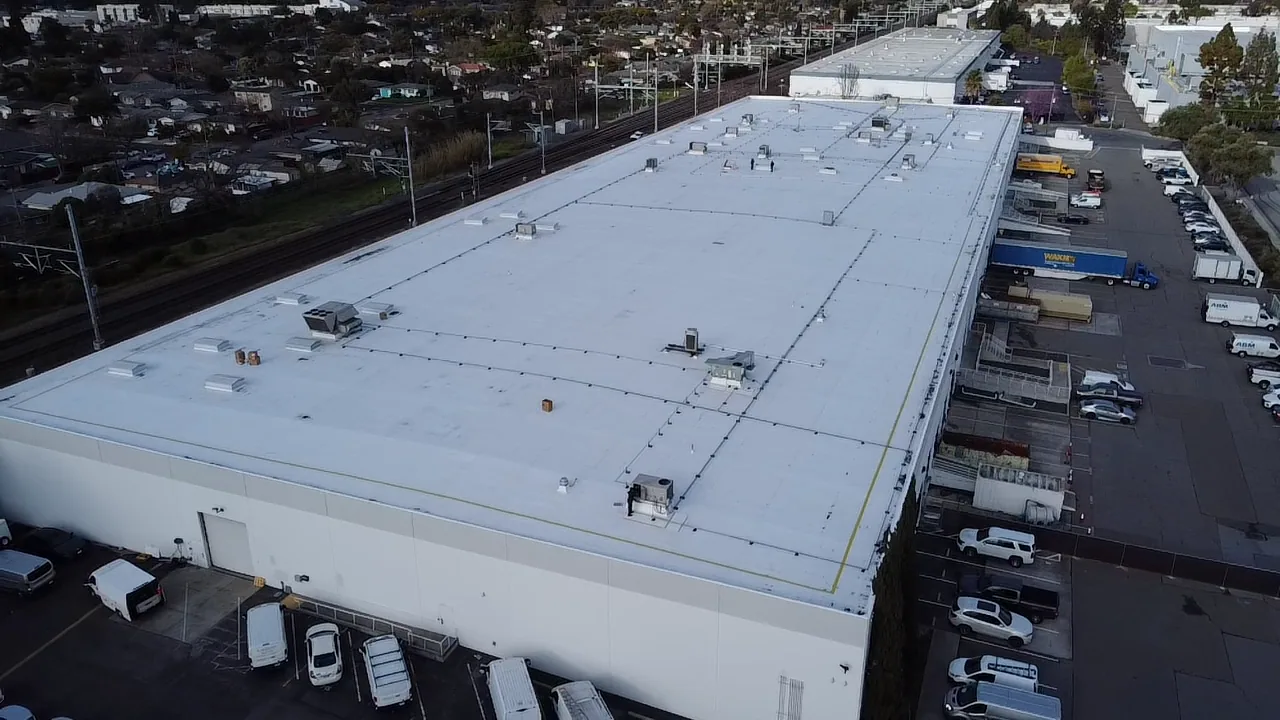

A restaurant exhaust curb and a retail stockroom drain present different repair connections. Both can interrupt trading when roof work exposes the rooms below. Commercial Roofing Edmond works with multi-location operators in Edmond, OK. We examine the installed assembly at each proposed work area. The operator identifies receiving, preparation and public circulation within that boundary. Materials and supporting dimensions govern the physical roof treatment. Opening hours affect which protected stage is useful. A regional program should keep those site-specific decisions visible instead of assigning one repair detail to every branded building.
Downtown Edmond includes local businesses, walkable streets and outdoor dining. Yukon's Interstate 40 and Garth Brooks Boulevard setting includes retail and restaurants. Its Route 66 downtown also has specialty and antique shops. These are distinct operating settings for roof delivery and removal. We assess the actual public approach and receiving route at the property. Outdoor service near the work area requires a suitable controlled boundary. Stock and food equipment below require their own protective arrangements. The roof scope then joins those operating constraints to the connection requiring construction.
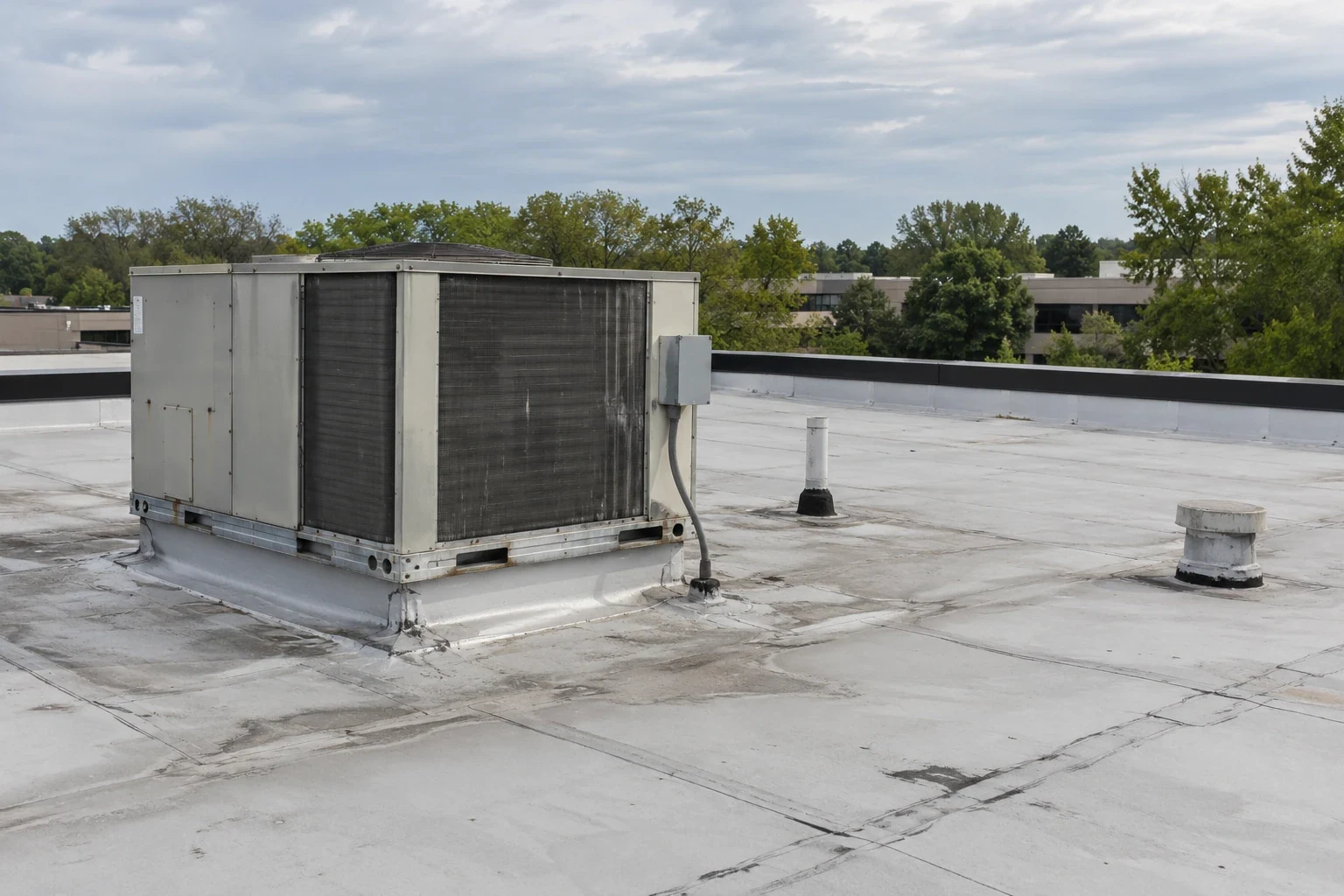
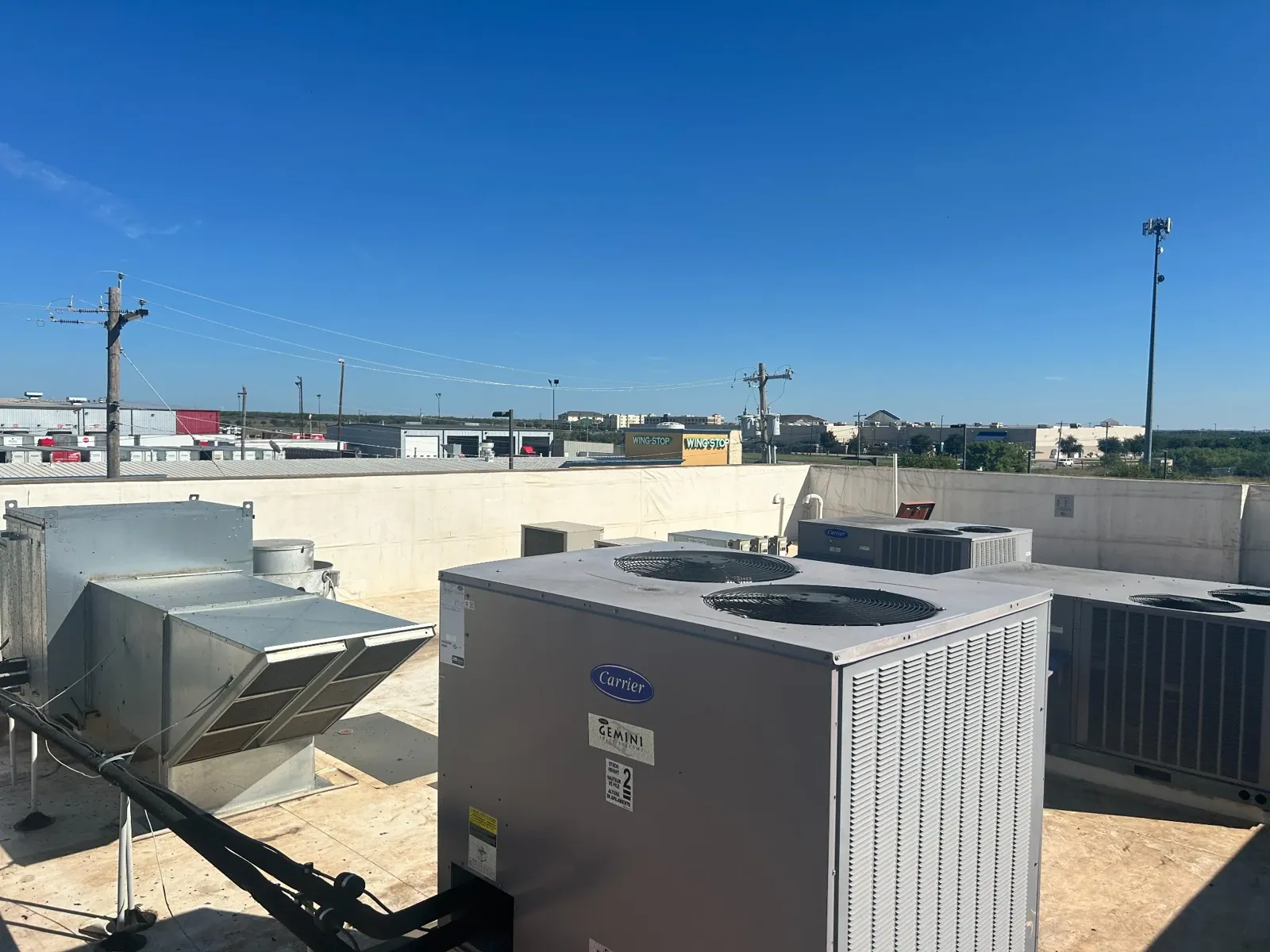
Grease or equipment discharge can affect the surface around an exhaust curb. We examine the actual roofing exposure and contact area. Restaurant equipment interface repairs require suitable support and compatible flashing above the finished field. Equipment staff address the discharge and mechanical conditions. A curb lift or alteration may require their action before roofing closes. We identify the roof-side preparation and return detail separately. The selected covering must suit its actual exposure and specified assembly. Closing the membrane alone cannot complete a damaged support or unresolved equipment connection.
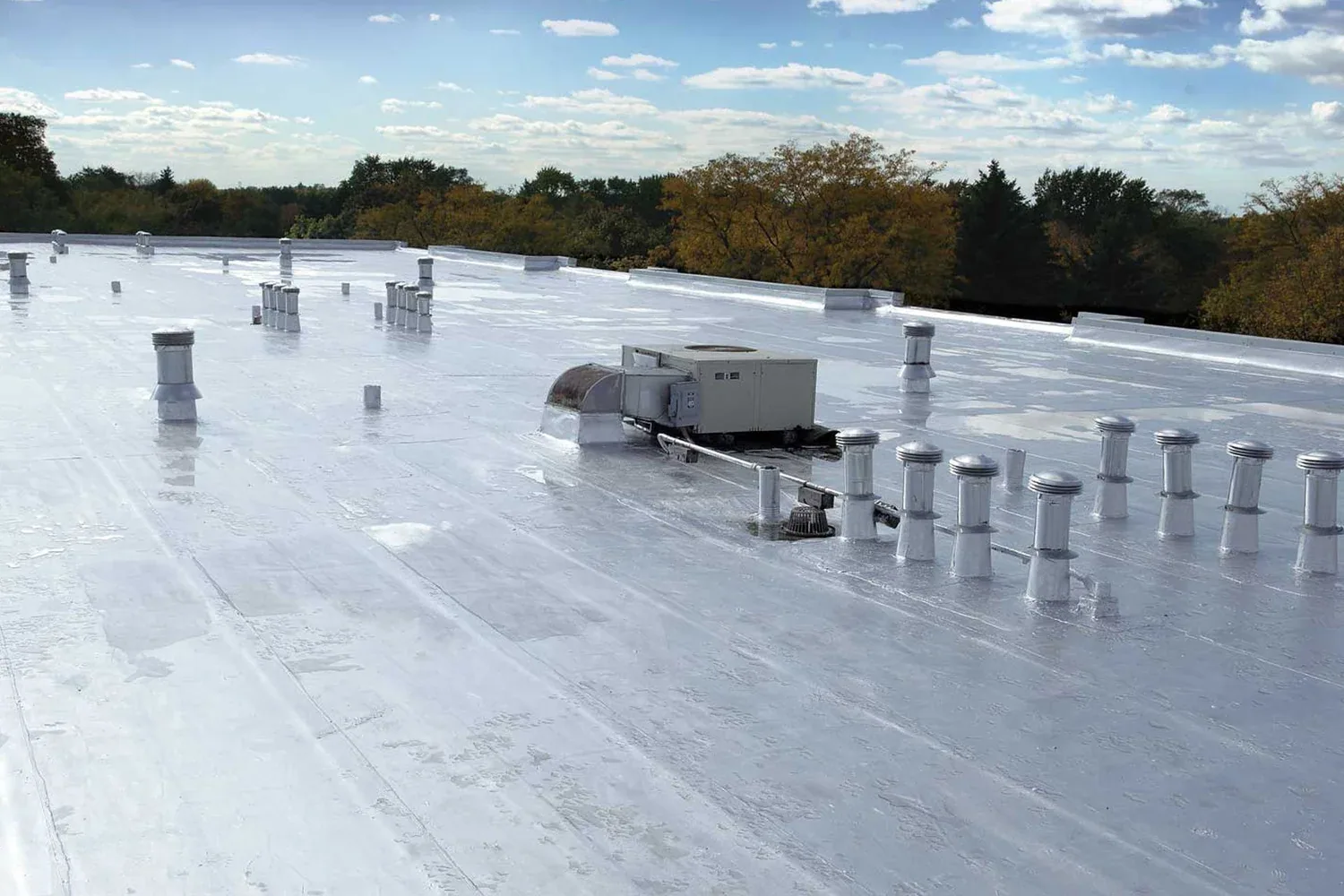
PVC roof details near food-service equipment follow the product's compatibility and installation requirements. Material selection should consider the actual discharge rather than assume any sheet is suitable. Existing contamination may require replacement of affected material. Backing must hold the required attachment without unnecessary movement. The upper closure should accommodate the retained equipment configuration. We examine that available height before selecting reconstruction. Equipment clearances still need to remain useful after finishing. The operator receives the supporting and roofing tasks together so neither is lost between trade visits.
A retail roof outlet can sit near a loading entrance used throughout trading hours. Store drainage repairs separate damaged roof-side closure from downstream piping problems. We inspect the flange, surrounding field and accessible water approach. A new insulation height must suit the functioning outlet relationship. Another trade may be needed for a component or capacity change. Roof material storage should not obstruct the collection area. The proposed stage includes its protected stopping point. The operator can then arrange receiving against the actual overhead construction instead of an assumed clear dock.
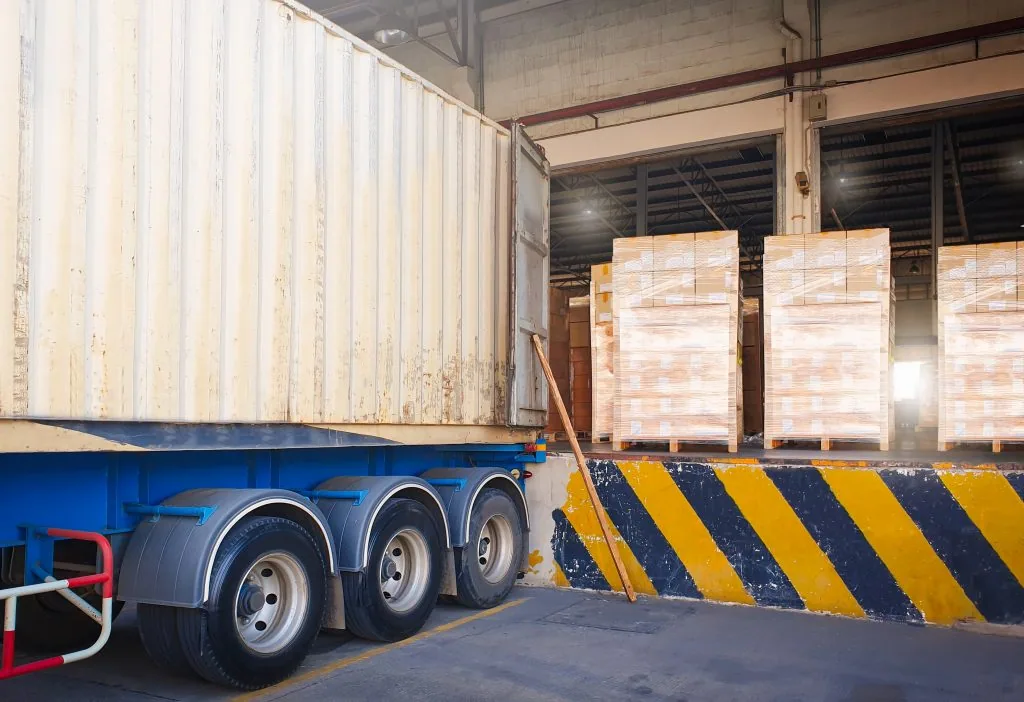
Stockrooms contain packaging and goods that need protection from removal effects. The site identifies the contents beneath the roof stage. Loading and stock-area roofing controls debris exposure where handling continues alongside construction. We identify the removal method, proposed opening and protected ground zones. Relocation may be required before overhead work proceeds. Lifting should fit the actual vehicle approach and authorized interval. The physical overlap can change if concealed damage expands removal. We explain that revised footprint before more material leaves the roof. An open loading lane still needs suitable controls beneath active work.
Similar store layouts can retain different insulation and attachment conditions. A prior recover layer may change a curb's available flashing height. We examine those features rather than apply the neighboring site's detail. Multi-site retail roof coordination keeps physical findings connected to the relevant property. The operator receives the covering, defect and required supporting work at each location. Concealed uncertainty may require another selected examination. A program decision should preserve that task before materials are ordered. Comparable reporting is useful when it retains the differences that actually change construction.
Managed retail roof work also coordinates shared drainage and occupied tenants. At a multi-tenant property, the responsible contact identifies which spaces fall beneath the opening. A restaurant intake can require precautions beyond the room immediately below. Equipment staff establish appropriate controls for their systems. We identify roofing preparation and products for that assessment. The site receives restrictions affecting the proposed stage. Roof interfaces remain separate from another tenant's service tasks. The construction sequence should show where the responsible trade acts before compatible closure completes.
A late closing time can leave too little interval for a selected wet-applied method. Preparation and curing still need the product's acceptable conditions. We review those requirements against the actual work window. Occupied store renewal uses manageable openings with appropriate protected stops. Work near food preparation also requires the operator's necessary precautions. Dust-producing preparation can influence the usable intake arrangement. We describe those effects before the stage is accepted. A changed material or boundary can require revised restrictions. The operator receives that decision before an occupied room is exposed.
Oklahoma summer heat influences suitable material application temperatures at the roof. Thunderstorms during that season can interrupt work with heavy local rainfall. We check actual conditions before opening or finishing a stage. A shorter usable interval may require a different removal boundary. Temporary protection can proceed only when safe roof access and current conditions permit the work. Temporary protection receives a defined status separate from permanent construction. The operator can arrange the affected trading area against that condition. An urgent stop should not disappear into the larger renewal schedule.
Yukon retail roofing requires examination of the property's actual stock and public approaches. Downtown Edmond outdoor dining may require a controlled boundary beneath nearby overhead work. We arrange the project with the authorized facility contact. Completion checks address seams, terminations and equipment accessories using suitable methods. Accessible outlets should remain clear of roofing scraps. Required equipment tasks remain identified until their responsible trade finishes. The operator receives the completed location and any remaining restriction. Public or food-service use resumes under the site's appropriate operating arrangements.
A subsequent equipment change can open a completed roof connection again. New supports must suit the structure and selected assembly. The curb or penetration requires compatible closure within that installation sequence. We examine its position and usable return height before repair. New water observations should identify the affected room and relevant timing. Recent equipment service can direct examination toward a disturbed connection. Continued care should preserve usable drains and reachable accessories. Larger renewal decisions follow current findings at that property. The program stays useful by keeping each physical roof task attached to its actual operating site.
Identify the affected location, occupied service and trading constraints. We will define fitted roof construction and the protections needed at that site.
Installed material and connection dimensions govern the useful construction. We examine each proposed location before selecting preparation and closure. Similar layouts can retain different wet layers or curb heights. The operator receives those differences with the required tasks. A shared operating program should preserve the separate physical scope.
Equipment staff address mechanical discharge and required unit alterations. We reconstruct the compatible roof-side return on suitable support. The sequence should identify who acts before the membrane closes. Actual exposure affects material selection. A completed field still needs an appropriate equipment interface above it.
Product conditions and protected food-service arrangements limit the workable opening. We explain the preparation method and nearby intake effects. The operator establishes its required precautions. Bonding or curing can extend beyond the available interval. We select a stage with a suitable stopping condition rather than rely on closing time alone.
The affected room, relevant timing and recent service activity help direct examination. We inspect the accessible connection against those observations. A roof outlet, curb or wall can require different action. Located findings stay with the specific property. Repeated water does not automatically call for repeating the earlier surface treatment.