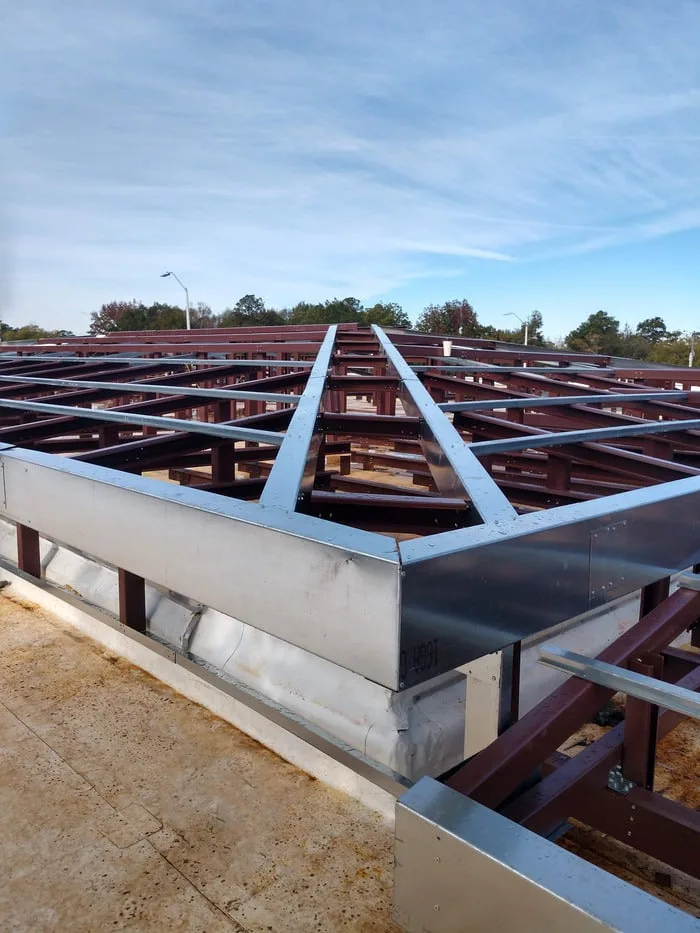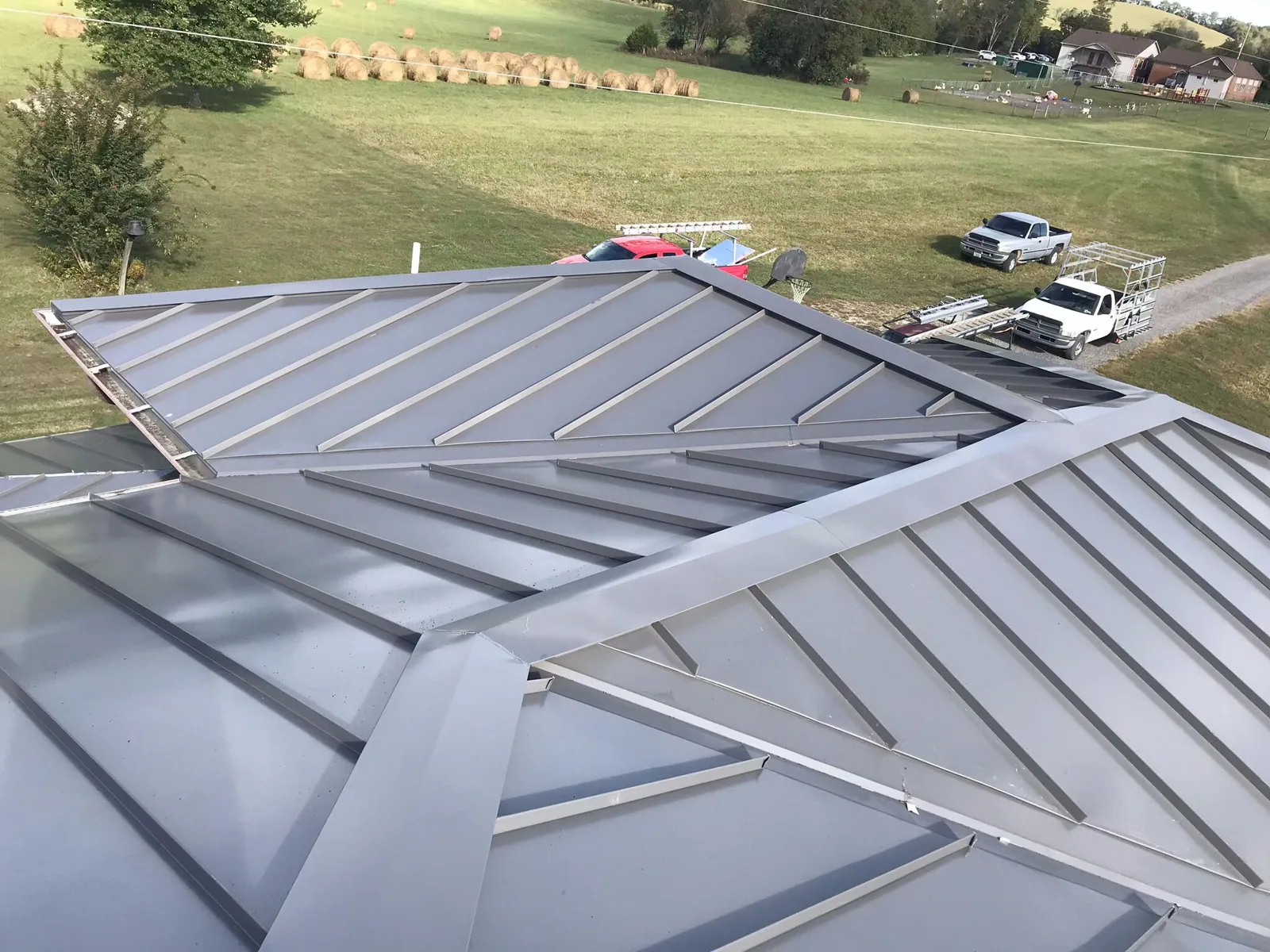

Above a vehicle service bay, a standing-seam panel needs room to move at its clips. A rigid repair across that movement point can distort the connection. We examine the panel and support arrangement before selecting treatment. Commercial Roofing Edmond installs and repairs standing-seam metal roofs in Edmond, OK. The raised seams join panels within a specified assembly. Clip design, fastening and movement provisions influence how that assembly works. The director needs the actual roof construction identified. A metal covering should not receive an improvised fix based only on its visible profile.
Midwest City has industrial and technology parks alongside retail activity. El Reno includes a historic commercial downtown and educational buildings. Their different operations can require particular access and overhead protection. We connect the metal roof work to the operating space beneath it. Oklahoma's summer heat and winter cold outbreaks also make movement relevant. The installation needs its intended dimensional behavior preserved. A fitted metal detail must remain functional as the panels expand and contract.
A long panel run can change length as temperature changes. The assembly must accommodate that movement through its intended design. We examine accessible clips, attachment and termination arrangements. Fixed and sliding components may have different responsibilities within the system. An extra screw placed casually can interfere with movement. The repair method should preserve the specified behavior rather than immobilize the sheet. We identify that requirement before adding restraint to a damaged area.
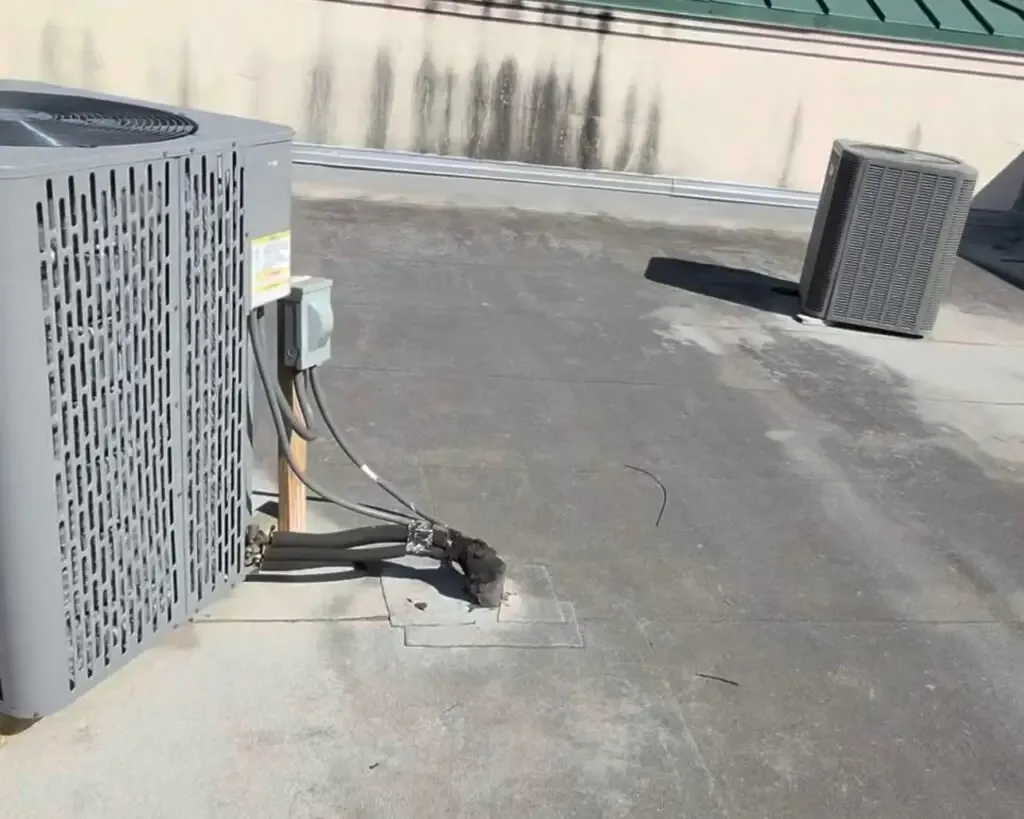
Support condition matters as well as the clip itself. Corroded or loose construction can affect the panel connection. Structural questions need the appropriate assessment before roofing repair proceeds. The director should know where support work falls outside a localized sealing scope. Equipment supports also need coordination where they interact with moving panels. Their attachment should not damage the roof or defeat its movement provisions. A secure installation needs both suitable backing and the correct assembly detail.
A standing seam can use different formed or interlocking details. We identify the actual panel system before proposing seam repair. Damage to the seam shape may affect its intended water control. Incomplete formation or displaced material can require more than exposed sealant. We examine the relevant connection and accessible components. The selected procedure must suit the system rather than a generic metal profile. Adjacent panel condition informs the useful repair boundary.
A damaged panel may need replacement to restore its working shape. Removal can affect adjoining seams and surrounding flashing components. We identify how those connections will be rebuilt. Metal retrofit work is a separate option when wider conditions justify it. Modified-bitumen assemblies use different construction and cannot be treated as a direct metal-seam repair. Comparison should follow the proposed project and roof condition. The director receives an explanation of the actual construction choice.
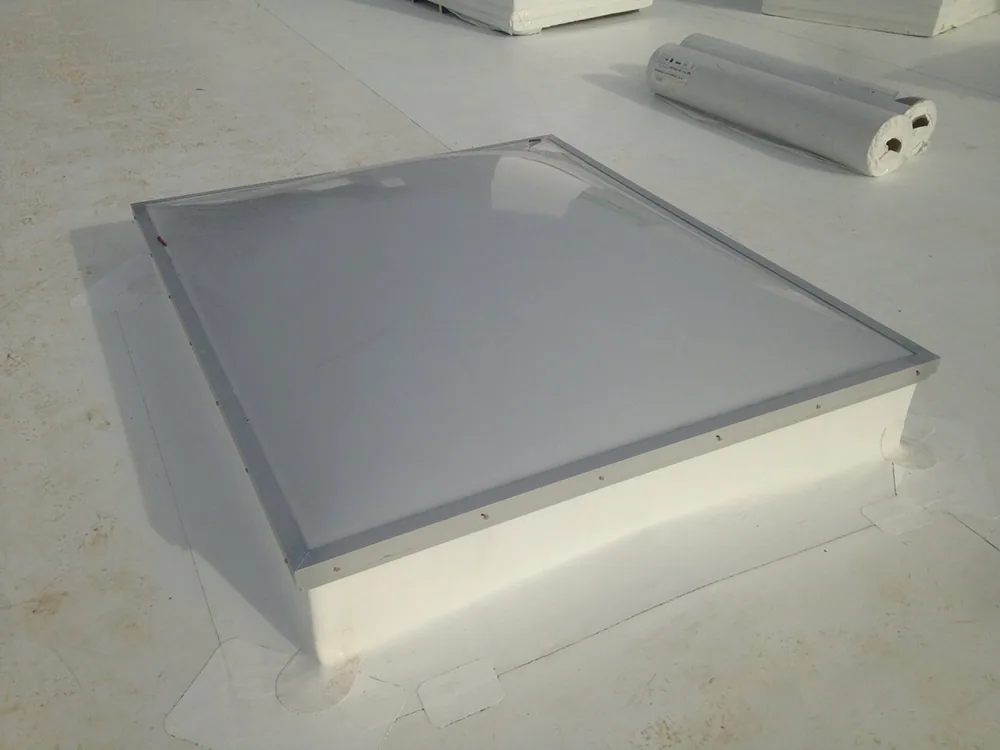
A curb crossing panel ribs can interrupt runoff at several locations. Its detail needs consideration of the roof slope and panel arrangement. The metal assembly may require a specialized curb or supported transition. We examine the uphill connection and the side water routes. Improvised compound around a rectangular opening can leave inadequate geometry. Penetration flashing work must suit both the panel and the equipment. The selected detail should preserve the roof's intended movement and drainage.
Pipe boots need appropriate fit and attachment on the metal profile. Their base should not bridge unsupported ribs without the specified treatment. Service temperature and movement may affect the chosen accessory. Crowded pipes can require a changed arrangement by the equipment trade. We coordinate that change rather than force material around the obstruction. The finished opening needs room for inspection and maintenance. Water should pass around it without collecting behind a raised barrier. That requirement belongs in the detail before installation.
A ridge or eave connection needs closures suited to the panel system. Missing or deteriorated components can leave paths for water. We inspect accessible closure material and its supporting attachment. Ventilated details must preserve their intended function while controlling weather entry. A repair that blocks the designed ventilation can create another issue. We identify the assembly before choosing the replacement component. The metal perimeter should work with the panels rather than merely cover their ends.
Gutters and wall flashings may need examination at the same boundary. Their joints and outlets should not send water back toward the roofing. Perimeter metal repairs can address damaged collection or wall-top connections. Panel replacement also needs those retained interfaces checked for compatibility. We identify what remains and how new construction meets it. The director should know whether the proposal includes these adjoining components. A sound field panel cannot correct every defect at its perimeter.
Water beneath metal roofing may come from an exterior entry or an assembly moisture condition. We examine reported timing and the accessible roof connections. Condensation questions can require review of insulation, ventilation and interior conditions. A new bead at a panel seam does not settle that assessment. We identify the relevant next investigation before proposing unrelated work. The roof may need more than one trade or professional involved. The director receives the distinction between observed entry and unresolved moisture behavior.
El Reno commercial properties and Midwest City industrial spaces can have different interior exposures. Midwest City metal roof work needs the specific operation considered at the property. We do not assume the building's temperature or humidity from its business district. Surface runoff also needs examination around equipment and drainage components. Proposed design changes should preserve a functioning water route. If roof support is distorted, appropriate structural review may be needed. The physical findings decide which correction can proceed.
A long replacement panel needs a suitable delivery and lifting route. Wind can make handling difficult even on an otherwise dry day. Oklahoma spring storms can produce damaging wind and hail statewide. Actual conditions at the building govern the workable installation window. We coordinate overhead protection and the affected area below removal. Roof openings need suitable closure if the work sequence pauses. Occupied-building construction should account for those handling and protection requirements.
Noise and debris from metal work can affect rooms beneath it. We establish the sequence with the facility contact before removal. Necessary equipment disconnects belong with the responsible trade. Completed panel and flashing connections need examination before the work area is released. Loose fasteners and sharp metal cuttings should leave the roof. The director receives the completed locations and remaining responsibilities. Future service work should preserve clips, joints and compatible penetrations. A standing-seam roof needs its movement and water-shedding design maintained together.
Arrange a review of the seam, clips and equipment detail. We will identify the metal repair or installation that preserves the assembly's working movement.
The connection needs examination before added restraint. Some movement is intentional within the panel system. Improvised fastening can interfere with that design or create new penetrations. We identify the clip, support and termination requirements. Repair should preserve the assembly's intended behavior while treating the failed connection.
Deformed metal may require reconstruction or panel replacement. We examine whether the intended interlock or formed joint still functions. Surface seal alone cannot restore the original shape. The repair scope identifies how affected seams and adjacent components will reconnect. The boundary follows the system and damage.
The opening can interrupt several panel runoff paths. Its support and flashing must suit the ribs, slope and movement. We examine upstream collection and the available side routes. A compatible curb detail should preserve water shedding and inspection access. Poor geometry cannot be corrected solely with additional compound.
Interior conditions and roof assembly behavior need consideration alongside exterior joints. We compare the reported timing with accessible construction findings. Insulation or ventilation concerns may require appropriate professional review. The resulting work should address the identified condition. We do not assume every water report requires seam sealing.