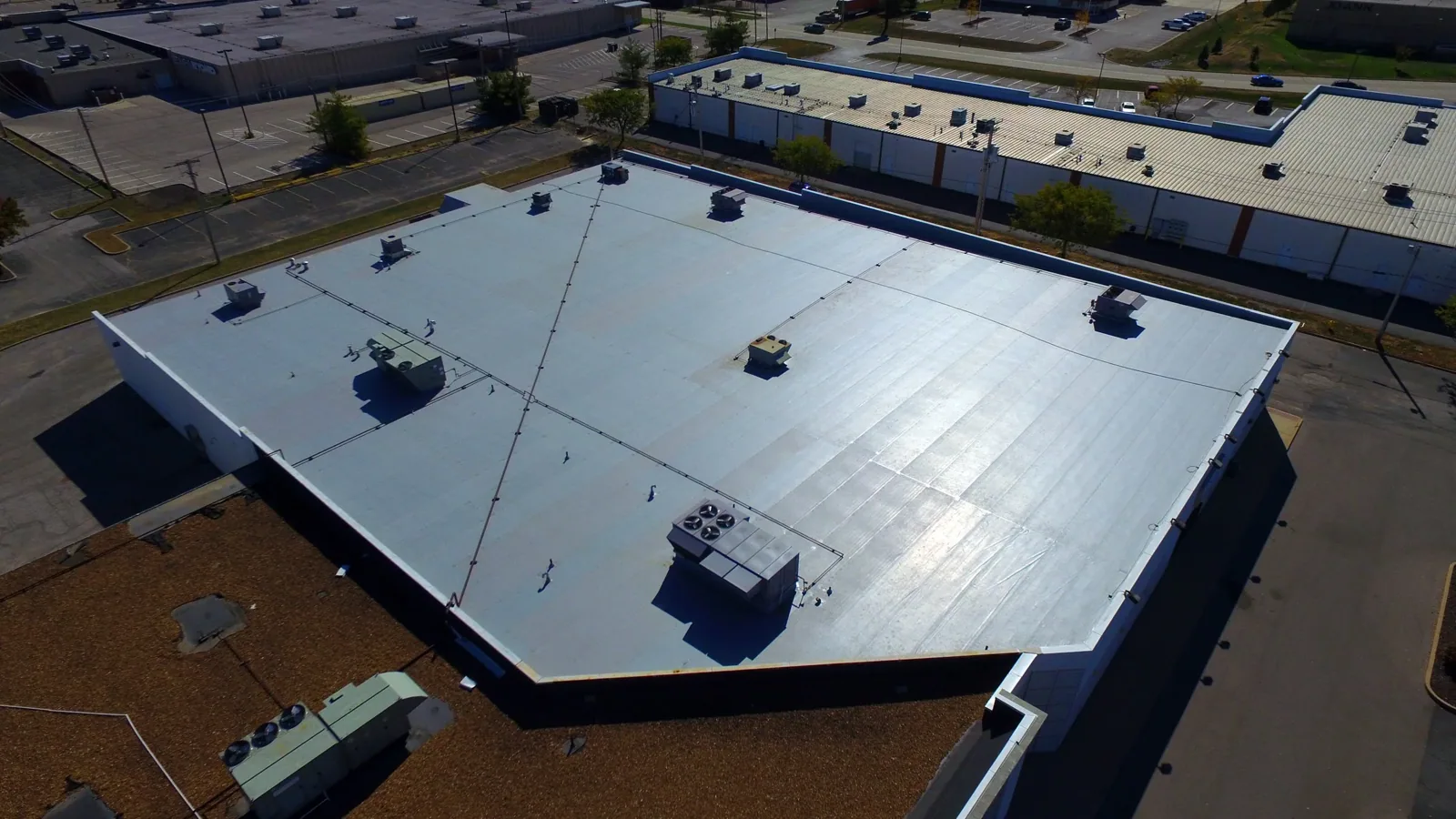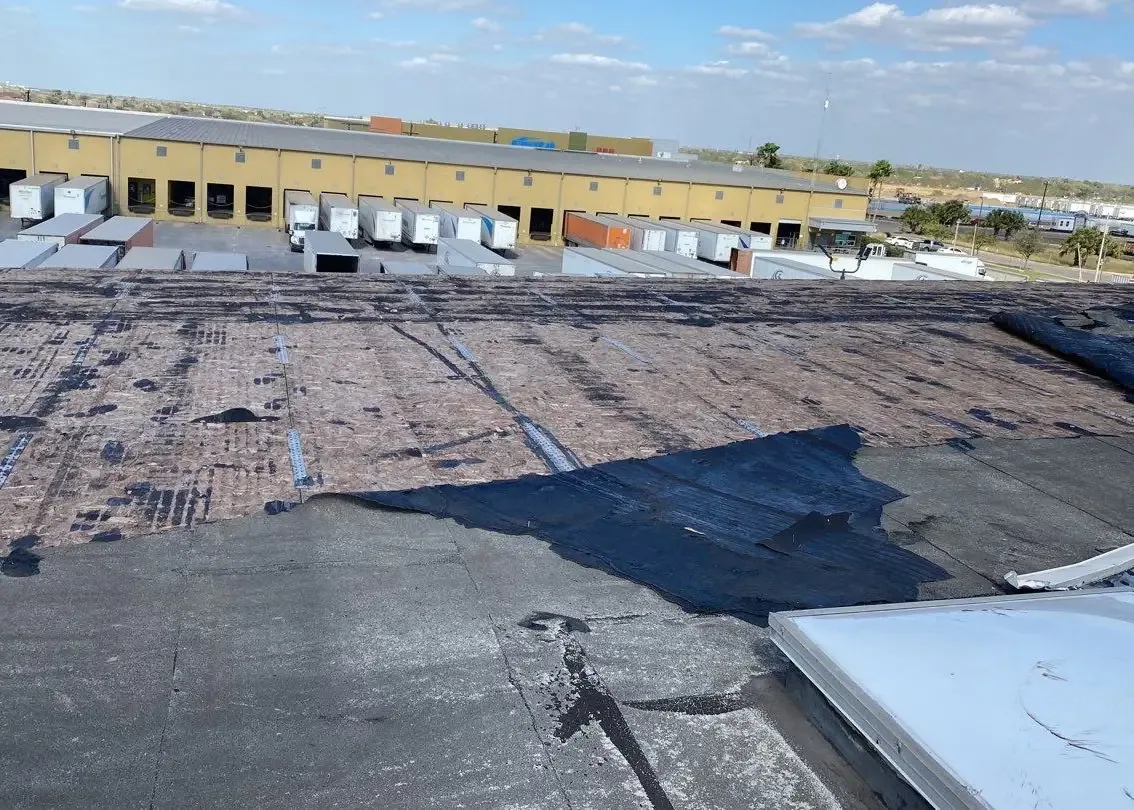
Industrial access can shape a roof repair before the first panel comes off. Midwest City, OK, includes industrial and technology parks, retail development and educational buildings. We inspect the roof above the operation and map the work zone before pricing removal. A seam repair, curb reset and drain correction each need a different preparation. The estimate identifies material, fastener pattern, closure and who controls the service route. When a roof sits near an active loading area, we stage away from vehicle turns. The commercial roof inspection records the specific assembly and the next decision, whether that is a contained repair or a larger replacement phase.
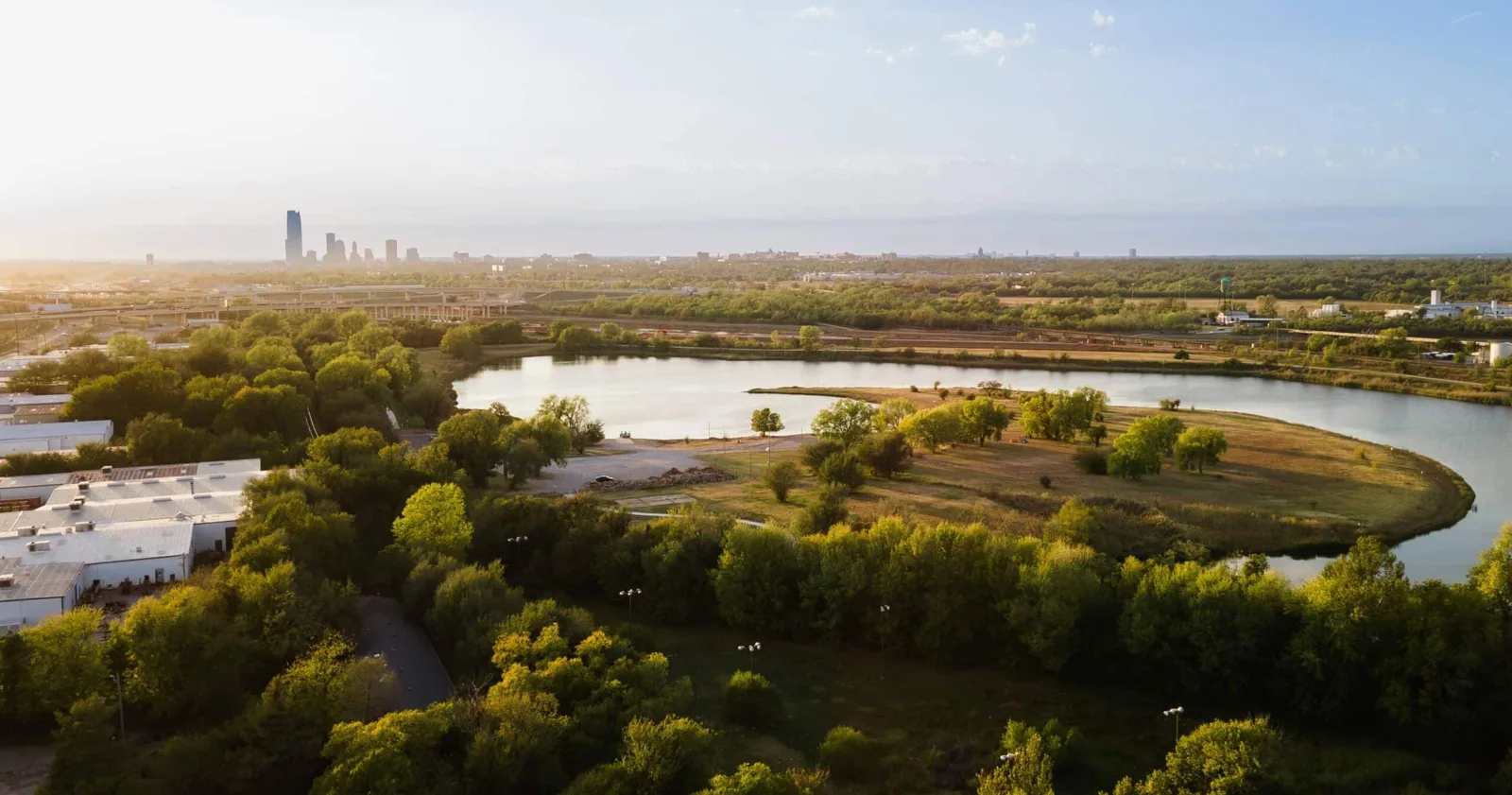
Midwest City lies along Interstate 40, and its southern border meets Tinker Air Force Base. Those location facts orient the service area; the owner still confirms the actual building entrance, delivery gate and roof access. We walk the route from the staging point to the ladder or lift. A Downtown Edmond roof inspection can be coordinated with a separate visit when both owners request it. A loading dock can stay active only when the material drop and debris path leave enough clearance. We set a daily opening limit based on how much surface the crew can protect and close before leaving.
Industrial and technology parks sit alongside major retail development in the city. Their schedules differ, so we confirm hours, traffic movement, equipment shutdowns and spaces beneath the repair. A retail roof may require customer paths to stay clear while deliveries continue. A Del City roof assessment can be grouped on the calendar, but its access notes remain specific to that property. The work record names each building and the limits released for the phase.
Wind pressure can concentrate at a roof edge and expose loose metal or weak attachment. We check perimeter fasteners, coping joints, terminations and the membrane transition behind the metal. A replacement edge needs a secure backing and a fastening pattern suited to the receiving construction. We do not cover a loose section with another layer. Photos show the connection before removal and after the new pieces are secured. That makes the repair boundary visible to the facilities contact.
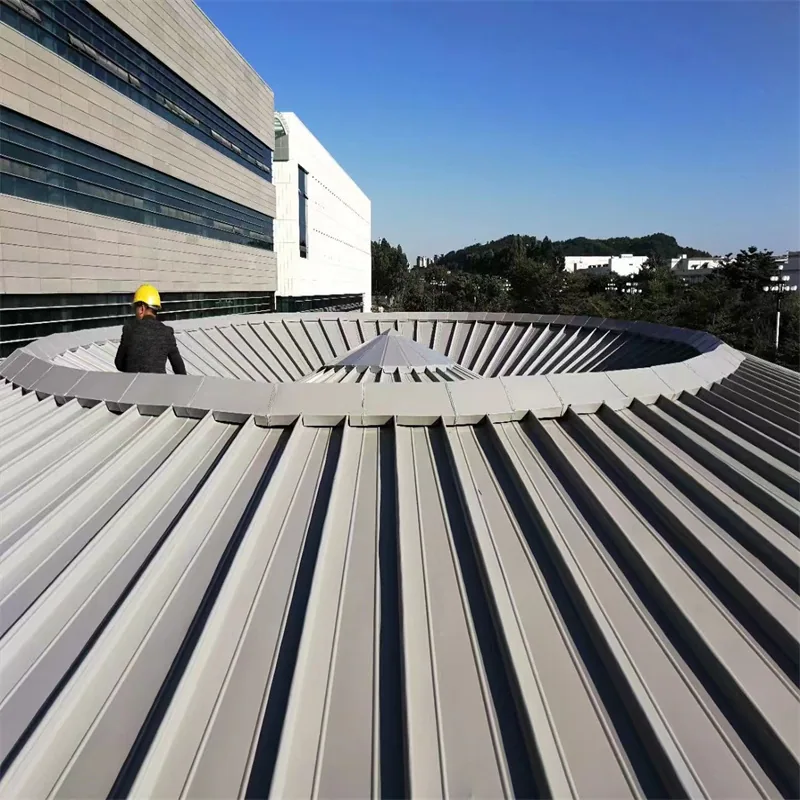
Metal panel roofs require room for thermal movement at clips, end laps and penetrations. A repair that locks a moving seam can create a new split beside the correction. We identify the panel profile and attachment before cutting or fastening. For a membrane roof, we verify the sheet, seam width and condition on both sides. The standing-seam repair approach differs from a TPO seam repair, so the estimate names its materials and weld or metal detail.
Oklahoma spring thunderstorms can bring hail, damaging winds and tornadoes. Autumn can bring a second severe-weather period. We use the forecast to decide when a roof section can be opened, prepared and closed. Heat during long summers also affects worker exposure and product handling. The schedule includes time for the selected material to bond or weld correctly. If the work window closes, we protect the active area before moving to another roof zone.
After a reported event, we inspect the actual membrane, metal, flashings and interior areas. A regional alert is not a property-specific repair scope. We photograph impact marks, displaced edge metal and openings where present, then compare each finding with the installed system. The owner sees emergency dry-in separated from permanent repair. The storm-damage assessment records what the inspection observes and what test could expand the correction. A temporary patch should not conceal a loose edge or unresolved wet insulation.
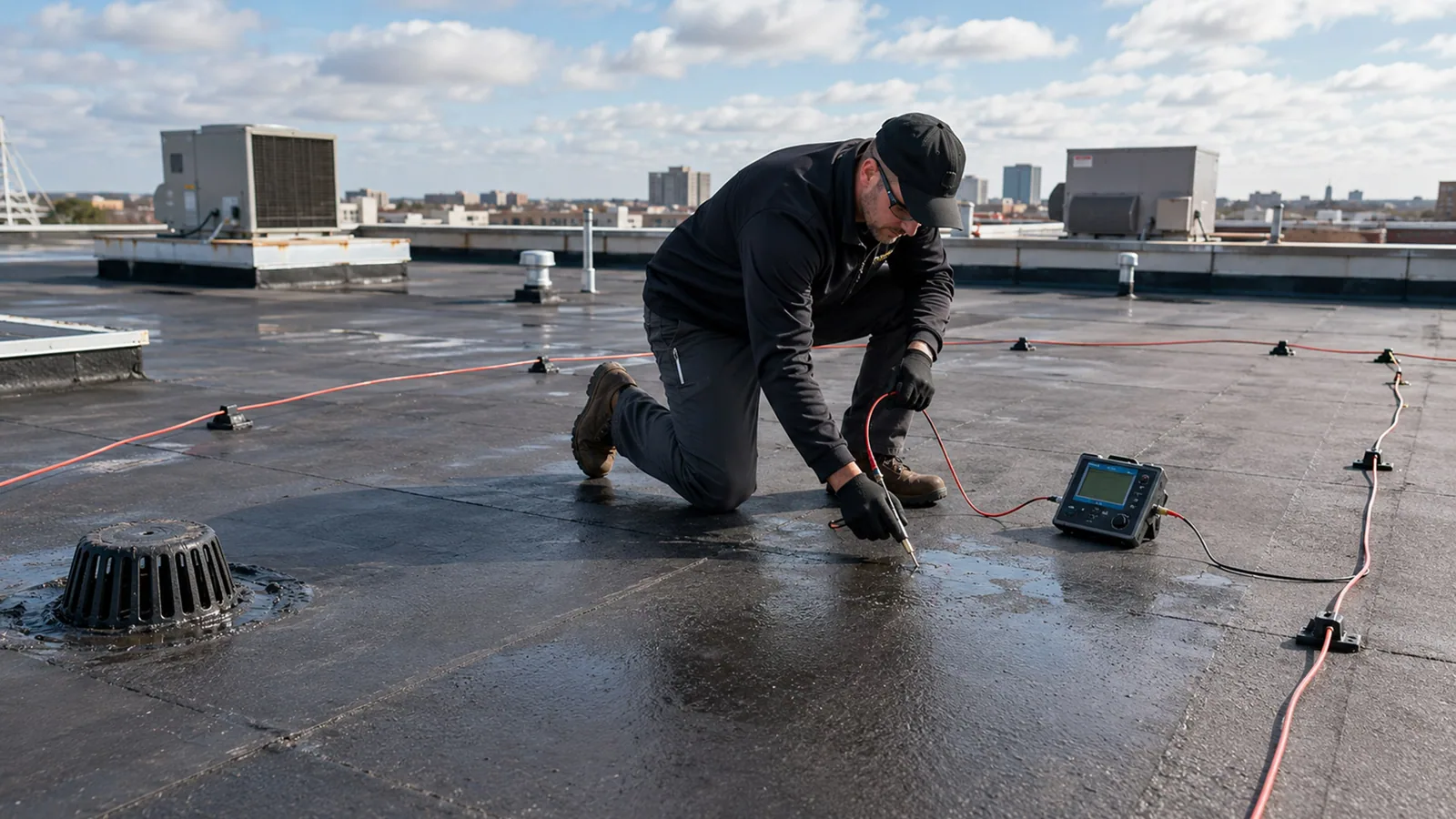
Drainage problems can leave a roof carrying water longer than its details can tolerate. We inspect the drain bowl, strainer, overflow route and nearby slope before recommending membrane work. A blocked strainer calls for clearing; a loose clamp or split flashing requires a compatible correction. We compare the condition around the outlet with the surrounding field. If the deck or insulation has settled, further measurements can show whether a tapered correction belongs in the scope. The report separates cleaning from construction.
Public schools, Rose State College and retail buildings create different rooftop service needs. We locate exhausts, plumbing vents, equipment curbs and access paths before moving debris. Where drainage is shared across adjoining roof sections, we map where the water crosses each transition. A drain and scupper repair should maintain the overflow path as well as the primary outlet. Follow-up maintenance can revisit debris-prone zones without treating every roof area as equally exposed.
We select a patch after identifying the sheet, attachment and surface beneath it. Thermoplastic seams require a clean weld area. EPDM patches use compatible primers and flashing components. Metal panels need fasteners and closures suited to their profile. A coating is suitable only when the receiving surface is sound; it cannot solve a moving edge or weakened deck. We identify the installed system before the estimate lists any material. When an opening reveals moisture, the removal limit changes only after the affected area is mapped.
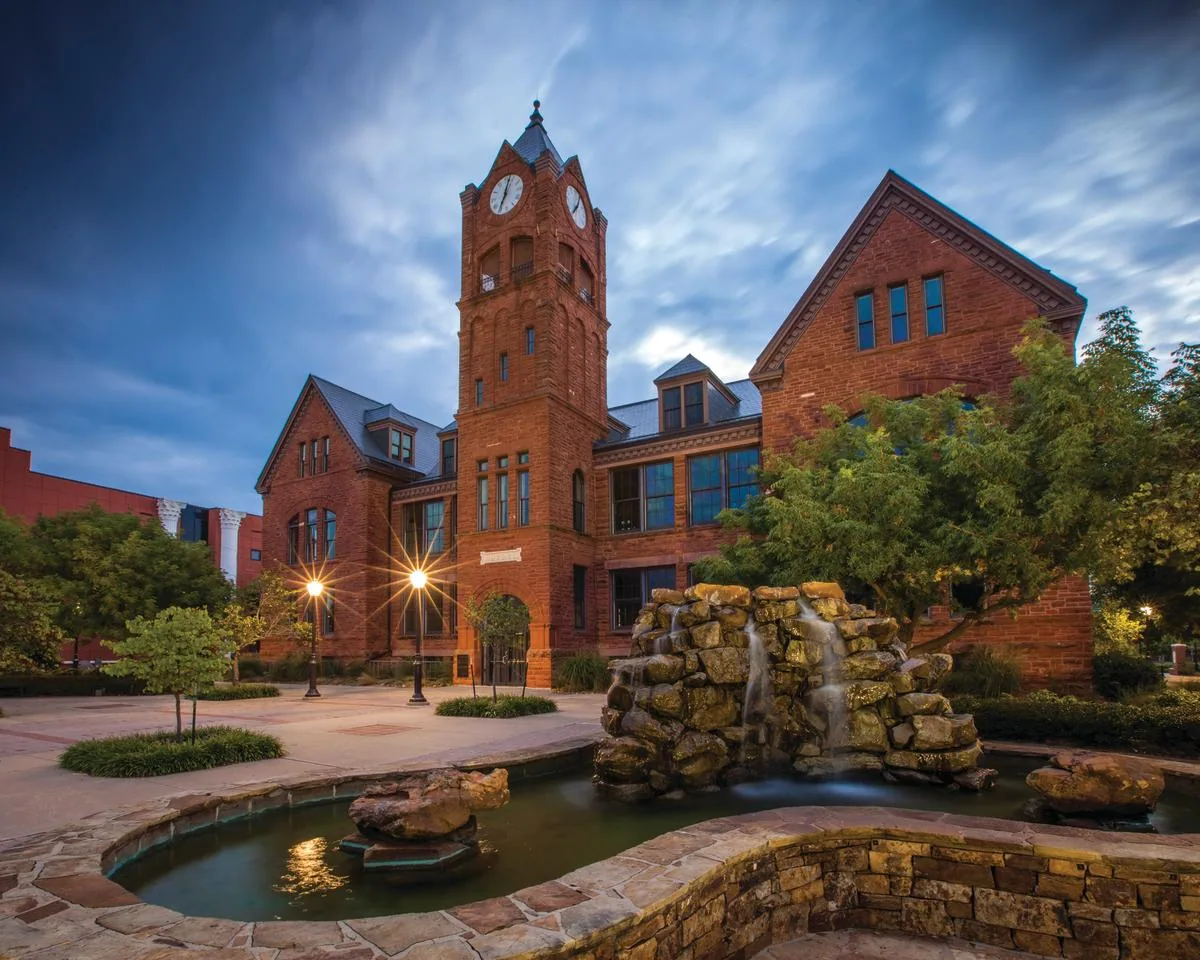
Midwest City includes educational buildings associated with Rose State College and the Mid-Del school district. Those uses may have occupied rooms below the roof. We coordinate room protection and mechanical access when a work phase approaches sensitive equipment or learning space. An occupied-building reroof sequence sets daily boundaries, notice and closeout checks. If the assembly has reached a broader failure, a replacement proposal identifies tear-off, insulation, drainage and perimeter details separately.
Before a roof section opens, our superintendent confirms the applicable inspection sequence with local officials and identifies details that must remain visible. The work plan assigns a hold point, records who releases it and keeps the next layer off until approval. This gives the owner a clear sequence for inspection access and helps align the roof phase with occupied operations. We confirm the building, work area and contact before materials are staged.
Midwest City owners can align building work with maintenance, budget and operations. The crew records installed material, completed edges, drains and any condition held for later correction. A photo-marked roof report keeps those observations tied to each building. Owners coordinating multiple properties can use a portfolio review to align dates while keeping site findings separate. We price the work that can be verified and list the condition that would require approval before expanding the scope.
Arrange an inspection of the roof system, perimeter and drainage. We will map access, identify the repair boundary and price the work with the required sequence.
The truck approach, lift position, dock hours and debris route affect the sequence. We map those limits before opening the roof.
We inspect the metal joints, attachment and membrane transition, then define the section that can receive a secure correction.
Photos help locate observations, but we inspect the installed material and its connections before setting the repair boundary.
We check the strainer, bowl, clamp, flashing and overflow route. The estimate separates clearing from material replacement.
We coordinate the work zone, overhead protection and access with the building contact, then phase only where the roof can close safely each day.
The recommendation changes when moisture, attachment or connected deterioration extends beyond a sound repair area. We mark that boundary before pricing broader work.