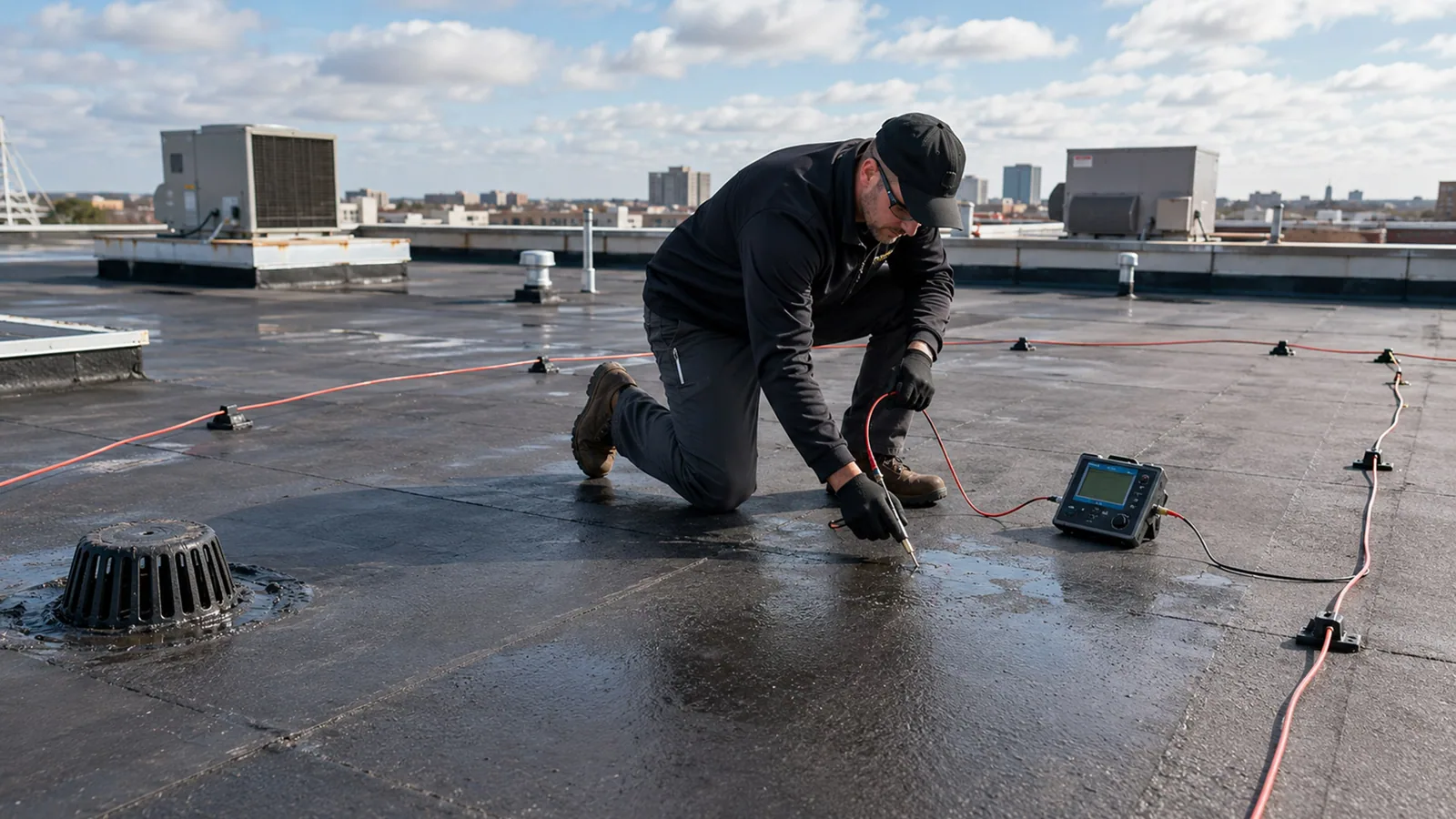

A school or retail roof needs a repair that fits its daily schedule. Del City sits in central Oklahoma County with access to Interstates 40 and 35. The Mid-Del school system and industry-training facilities add education uses to the local commercial mix. We inspect the actual assembly before setting scope. The commercial roof inspection checks seams, curbs, drains and edge metal. It identifies what can be repaired now and what needs further testing. The owner receives an access plan and work boundary before materials are staged.
Education, retail and light industrial uses place different limits on a workday. We confirm operating hours, service entrances, delivery times and rooms that need interior protection. Roof access should not cross a public path without coordination. The foreman marks the material drop and debris route before work begins. We limit open surface to what the crew can close and protect. At shift end, the site contact receives the active area and any access restriction that remains.
Regional employers and technology-training programs describe the community, but do not identify any particular roof. We verify the property’s assembly and schedule separately. A Midwest City roof assessment can be scheduled on another route without sharing repair notes. An inspection in The Village also keeps its own access plan. The owner can group travel dates while receiving a distinct record for each address.
Wind can lift metal at a perimeter and expose the membrane beneath. We inspect coping joints, cleats, fasteners and backing before proposing a correction. A loose cap needs a secure connection, not a bead laid over movement. We expose enough of the detail to check the receiving surface. Then we restore backing and fastening with components suited to the edge. Photos record the before and finished conditions. The estimate names each affected run and separates known work from concealed conditions.
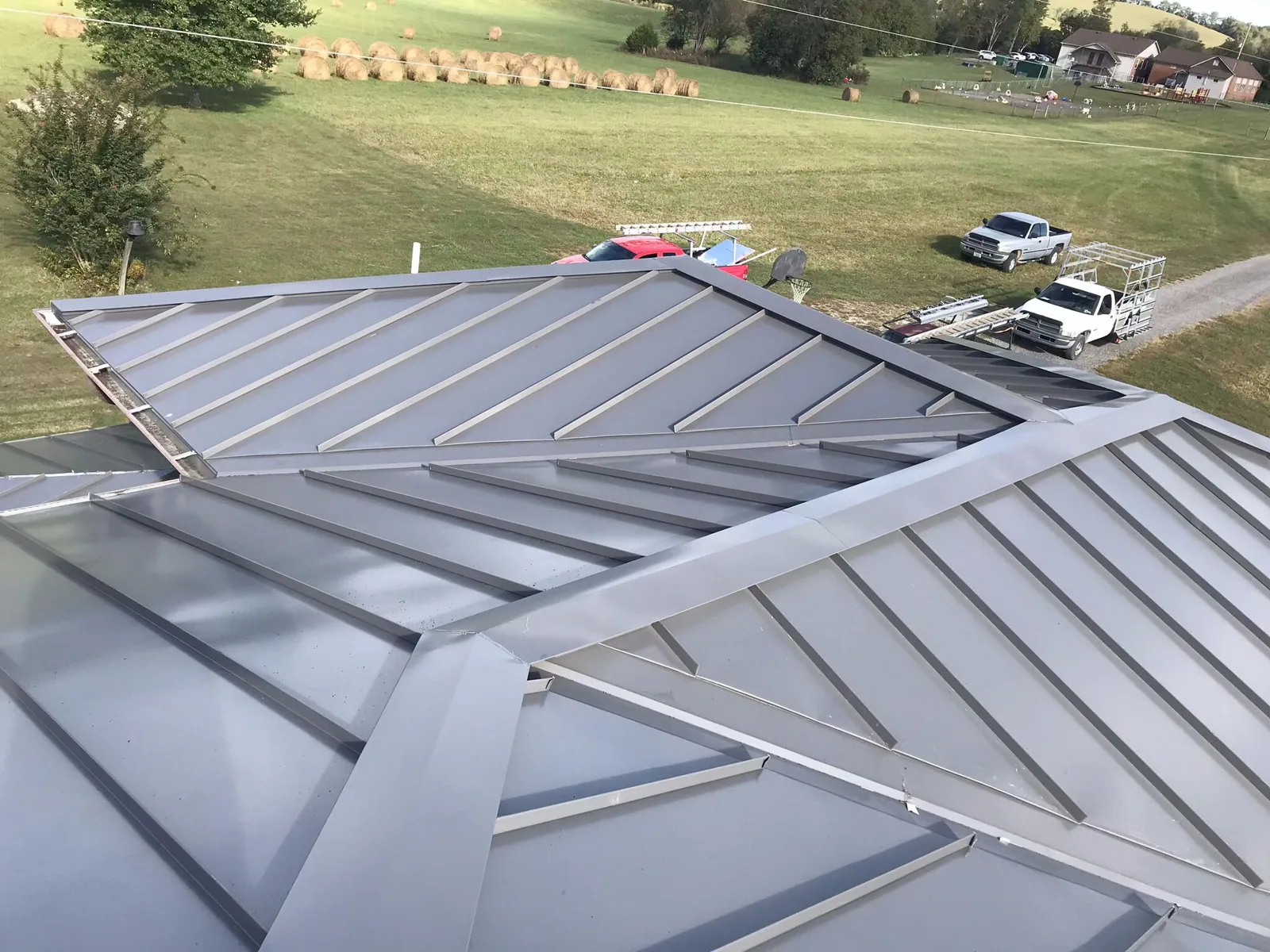
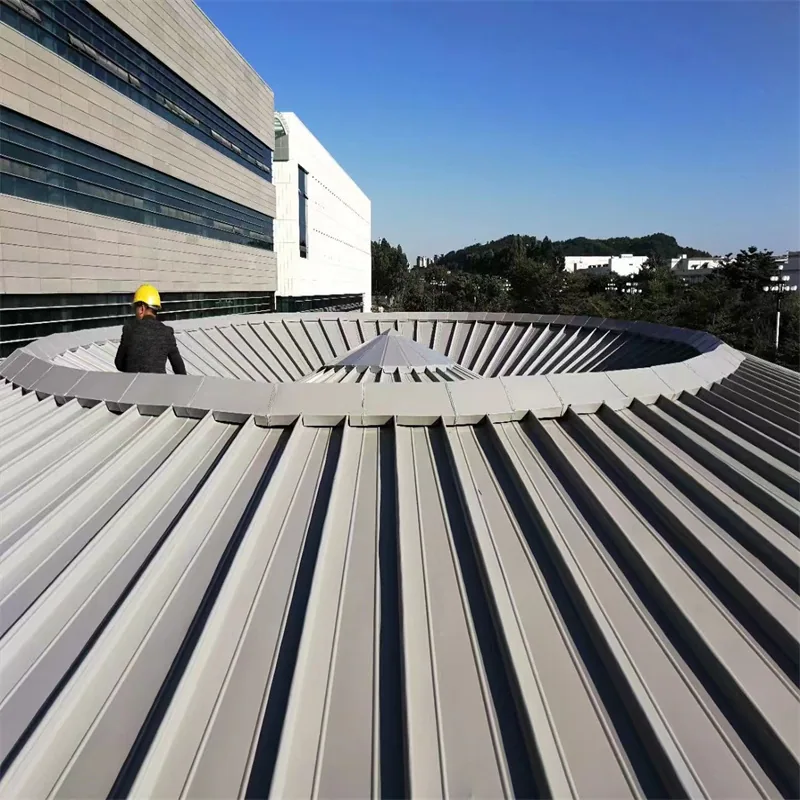
At a membrane transition, the return should lie flat without strain. A curb or expansion joint may interrupt the edge and change how water moves. The edge-metal and coping scope marks the tie-in and finish connection. On metal panels, clips need room for movement. A standing-seam system gets a profile check before a fastener or closure is selected. That step helps avoid locking an active seam.
Oklahoma spring severe storms can bring large hail, damaging wind and tornadoes, with a secondary period in autumn. Those statewide conditions guide planning; they are not evidence of damage at a Del City address. Hot summers affect worker exposure and product handling. We check current weather before opening a section. The daily plan states the stop point, temporary cover and person approving an extension. If conditions deteriorate, the crew protects the active area before shifting to new work.
After a reported event, we inspect observed roof and interior conditions. We photograph lifted edge metal, punctures, seam openings or water entry where found. An emergency dry-in and permanent repair remain separate decisions. The storm-damage roof inspection records each area and any test needed before pricing. We do not infer a repair from the event alone. A facilities contact receives the photos and approves any added removal before scope changes.
We inspect the strainer, drain bowl, clamp ring and nearby membrane. Then we trace the surface slope, overflow route and visible evidence of ponding. At each inlet we inspect the basket and joint before clearing it. If ponding persists after a blockage is removed, we measure the low area and price any correction separately. An overflow stays available while work proceeds. The proposal distinguishes cleaning from construction so an owner can compare immediate service with a larger correction.
Rooftop equipment and service traffic may affect debris patterns. We identify accumulation zones and keep access clear for maintenance. The drain and scupper correction preserves both primary and overflow routes. After work, we document the outlet and test conditions. If the connection continues below the visible roof, a separate test may be needed to confirm the concealed path. Follow-up maintenance can revisit known debris areas and compare the same outlet over time. A roof log can note the weather, observed water depth and time needed for drainage to clear. Those observations help identify a recurring condition without confusing it with a single storm. If the outlet is shared with another section, we map the visible limit and confirm who approves work on that transition. Photos support that review before new material is ordered.
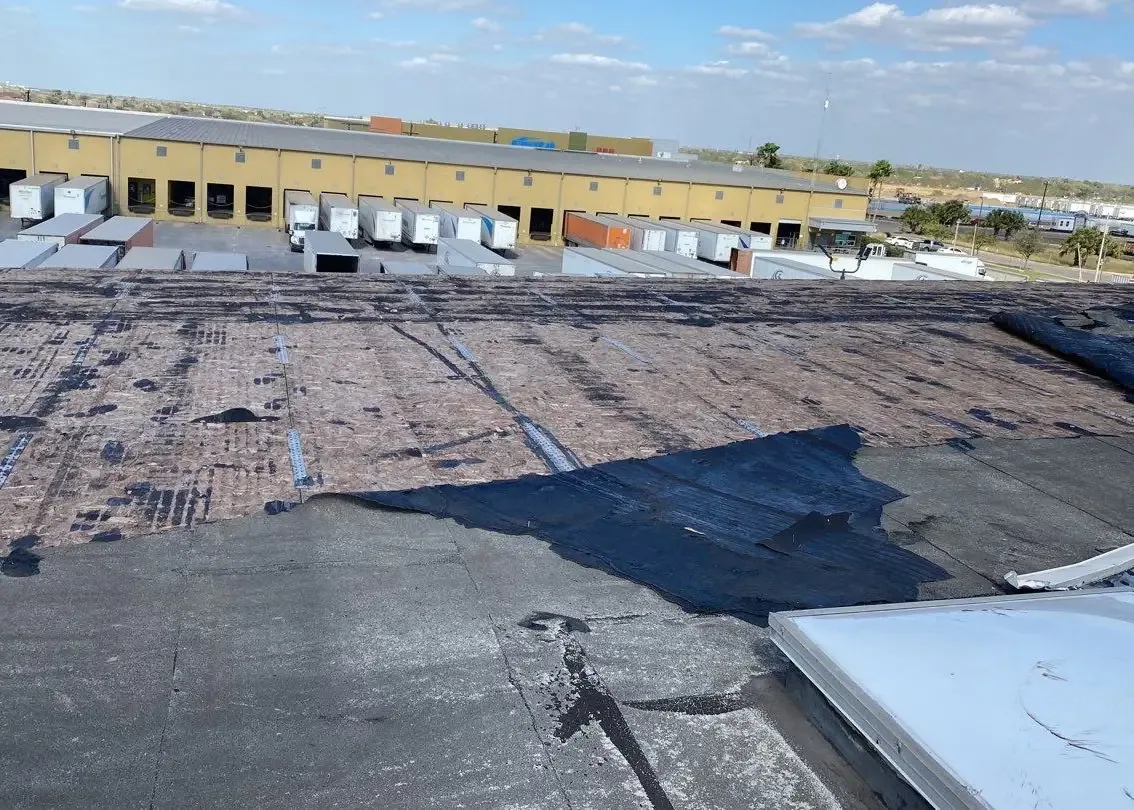
An educational roof may separate field sheet from perimeter construction. We confirm seam layout, fastening, cover board and insulation before cutting a sample. A short weld test sets the production method for thermoplastic membrane. For metal roofing, the panel profile governs each closure and screw. Coating is considered only when a stable substrate can receive it. If moisture appears below the sheet, the crew pauses and photographs the exposure for owner review.
A repair price should name the exact connection and area. We identify where new material will lap onto existing sheet and what surface supports the fastener. The owner receives a quantity before the crew opens beyond that limit. If failures are broader, the estimate separates removal, insulation, drainage and edge work for phased approval. That gives the site manager a defined scope while classes, deliveries or production continue elsewhere in the building.
At closeout, we review seams, penetrations, edge metal, drains and the crew’s access route. We save an exposure-stage image, then document the repaired detail after it is closed. We remove debris and return agreed paths to use. A roof condition report records material, location and open follow-up. Each address has its own file, even when the same owner manages several properties. That makes later comparison practical without transferring a finding from one roof to another.
Maintenance, repair and replacement remain separate choices. We note which details are serviceable, where correction is due and what test could change scope. The next visit can check a repaired drain or edge after seasonal weather. Ask us to inspect the Del City building’s occupied areas, service route and drainage path. That review helps set an opening window and repair boundary the site manager can coordinate before the crew arrives.
Arrange a close examination of the building’s edge, occupied rooms and drain path. The visit helps define a safe opening window and repair boundary.
Often, when access, occupied rooms and work limits are arranged first. We agree on the daily stopping point and any service-route restrictions with the property contact.
No. Location helps plan travel only. We inspect the property’s assembly, edges, penetrations and drains before recommending work. We also verify roof height, ladder approach and tenant entry before mobilization.
We protect the active opening and document conditions. Permanent repair is scoped separately after the assembly and damage boundary are verified. We record roof conditions separately from forecast history and note any emergency cover used.
We inspect slope and flashing, then identify whether measurements are needed. A construction adjustment is priced separately from routine service.
Scheduling may be coordinated, but findings, photos, materials and approved repair limits remain specific to each building.
After the system, repeated repairs and verified extent are reviewed. The owner can compare a contained correction with a documented phased replacement.