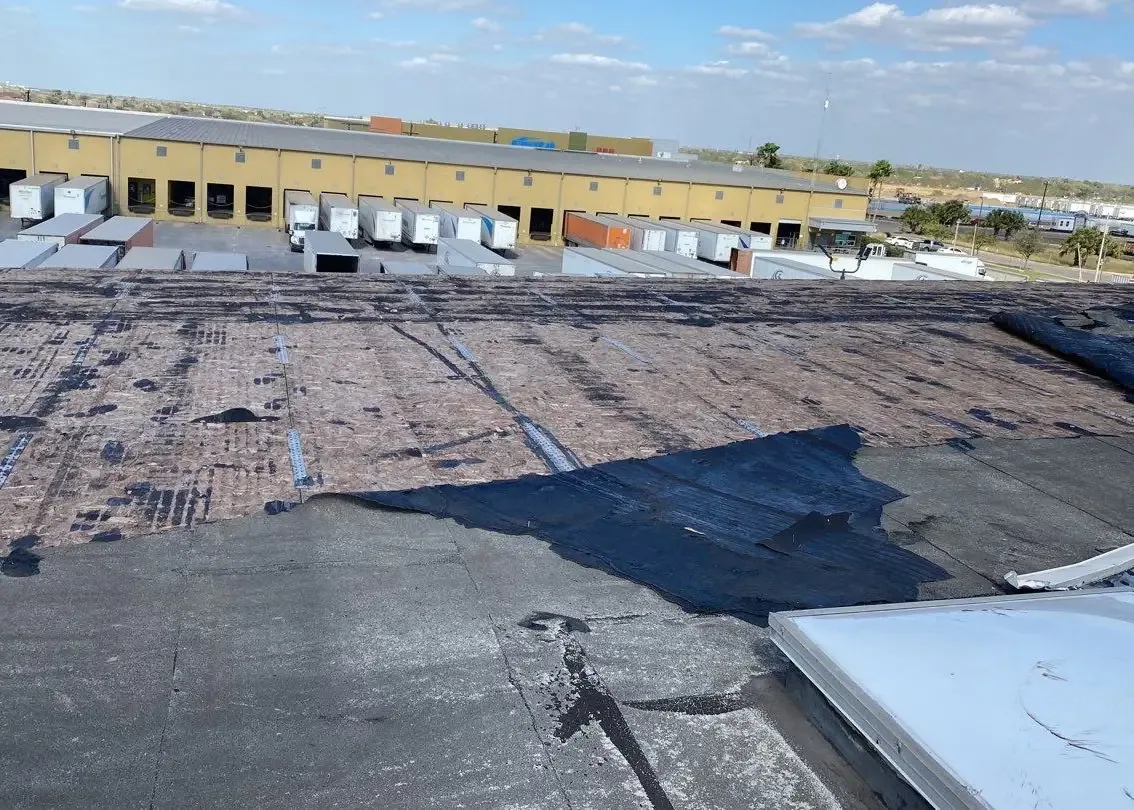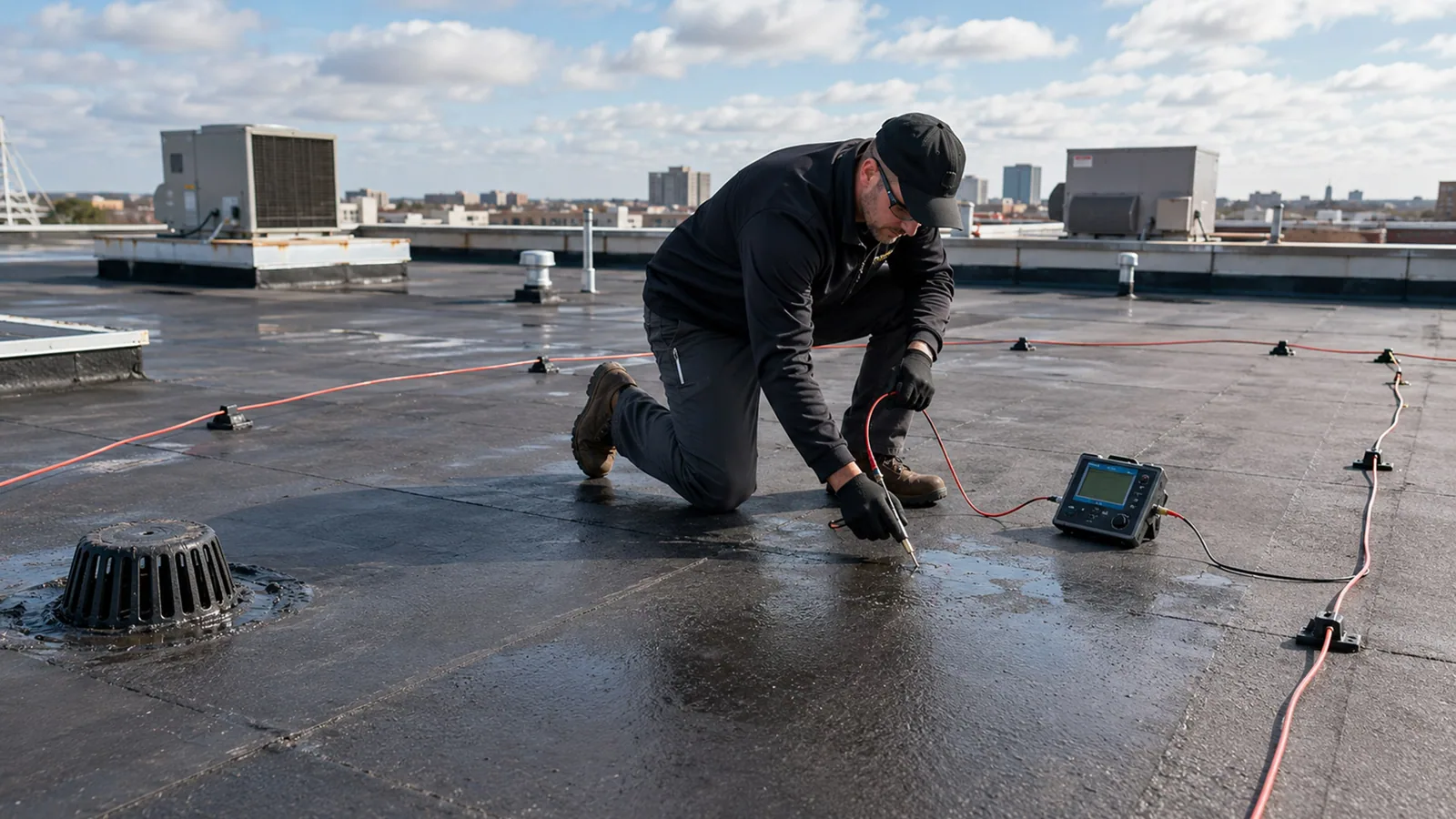

An office roof needs service access without blocking its daily operation. The Village sits between Oklahoma City and Nichols Hills, which can simplify regional dispatch while each roof receives its own access plan and repair record. We start by confirming how the property is used and where the roof can be reached. The commercial roof inspection records membrane, edges, curbs and drains before repair is priced. Each building receives its own finding and work boundary. A neighborhood name does not identify the roof system or its condition. The manager receives a clear plan for access, staging and daily closeout.
Office, school and retail schedules place different demands on a roof crew. We confirm the occupied rooms, visitor entrance, delivery times and mechanical service path. The material drop should not block a fire lane or a shared access drive. A foreman marks where tools and debris will travel. If a lift changes circulation, the property contact approves the temporary route first. We open only the section that can be secured that day. The closeout check confirms that doors, drains and service equipment remain accessible.
Community context may help an owner coordinate calendars, but each roof still needs an independent inspection. A Bethany property assessment can occur on a separate visit, with its own photos and access notes. The 2nd Street corridor review likewise keeps its scope distinct. Travel plans can group appointments without blending conditions across municipalities. That separation helps the facilities contact explain the actual work window to tenants, staff or contractors at each location.
Equipment curbs interrupt the roof field and can collect standing water. Before stripping the old boot, we inspect the raised curb, sheet turn-up and fastening base. A corner should fit without stretching the sheet. The attachment needs a solid receiving surface. We photograph the existing connection, identify the installed system and choose a compatible correction. If equipment must remain live, the facility contact sets shutdown limits and intake protections. The work sequence keeps debris away from fans and service clearances.
Education and office spaces may have sensitive rooms below the roof. We coordinate interior protection before lifting insulation. A temporary cover must remain secure through the shift. The curb and penetration-flashing scope lists each roof interruption and its repair material. Where the roof uses a thermoplastic membrane, a TPO connection needs a clean surface and test weld. We verify the finished lap before removing temporary protections and returning the area to service.
Statewide severe weather can arrive in several forms, including hail, high wind and tornadoes; another round can come in fall. These patterns change crew planning, not diagnosis of an individual roof. Heat also affects handling and work-rest schedules. We use current conditions to set an opening limit and closeout time. The plan identifies a temporary cover and the person who approves an extension. If the forecast shifts, the crew protects the exposed area before moving on.
After a storm report, we inspect the actual membrane, edge metal, flashings and interiors. We photograph punctures, displaced pieces, openings or water entry where found. We identify temporary water protection separately from the long-term repair. A storm-damage roof review identifies the next test or repair decision. We do not assign a scope from the event alone. Each recommended quantity ties to a visible condition and an approved building boundary.
We check the drain strainer, bowl, clamp and nearby membrane. Then we trace the slope toward the primary outlet and overflow. Leaves or packaging may block a path that otherwise remains sound. If the clamp shifts or the membrane separates, we correct the attachment with a system-matched detail. Persistent water after cleaning may indicate a low area that requires measurement. The estimate distinguishes debris removal from changes to insulation or drainage construction. That lets the owner select a focused service or request a broader study.
Equipment routes and roof traffic can move loose material toward drains. We note accumulation patterns and protect service clearances during repair. The drain and scupper work keeps the overflow path available. Where the outlet connects to a concealed leader, we record the roof-side condition and recommend a separate test when the owner needs confirmation of the hidden pipe. A maintenance visit can return to identified debris points on a practical schedule. The manager can compare the next observation with the prior photo and see whether material collects at the same inlet. This record helps select an interval based on actual service needs. It also keeps routine clearing distinct from a repair that changes flashing, clamp attachment or slope.
The crew confirms sheet type and attachment before choosing any patch. We prepare a sample area and check its bond or weld before extending the repair. EPDM components follow the existing system. A metal closure is measured to the roof rib rather than selected by appearance. Coating belongs only on a tested, stable surface. It cannot restore a loose connection or damaged backing. The written scope lists materials and limits so the owner can approve a change when removal exposes a concealed condition.
A roof may meet a canopy or wall assembly with its own movement and drainage. We examine that transition instead of carrying a detail across the whole property. If the repair cannot hold at the existing substrate, we document the exposure and seek direction. A replacement proposal identifies removal, new insulation, drainage, and edge work as distinct line items. That lets a manager phase the work around occupancy and keep each approval connected to the area inspected.
At closeout, we walk the completed area with the property contact. The review covers seams, curbs, edge connections, drains and the route used by the crew. Photos show concealed details before covering and the finished connection. The roof condition report records the material, area, repair and follow-up items. If the owner manages several locations, each address retains a separate history. Later inspections can compare actual findings without assuming one roof repeats another’s defects.
A maintenance decision should follow observed conditions. We note which areas remain serviceable, which details need attention and when a follow-up review could help. The next phase may address a drain, curb or edge without reopening unrelated sections. Ask us to inspect the building’s service route, equipment curbs and drainage path in The Village. That visit helps determine a safe work window and a repair boundary the manager can coordinate with occupants.
Set a close examination of the building’s access, equipment curbs and outlet path. The visit helps settle the opening window and work limits.
Often, when entrances, mechanical access and occupied rooms are coordinated. We agree on staging and the daily stopping point before opening the roof.
No. The property needs its own inspection. We check membrane, attachment, seams, edges and drainage before choosing materials.
We confirm equipment status, intake protection, interior sensitivity and the receiving surface. The work plan identifies the temporary cover and closeout.
We inspect and photograph actual conditions, then separate temporary dry-in from permanent repair. Any scope increase follows owner review.
If water remains after the path is clear, added measurement can show whether slope, settlement or a membrane detail needs attention.
Yes. Travel dates can align while each building keeps its own access notes, inspection photos and approved scope.