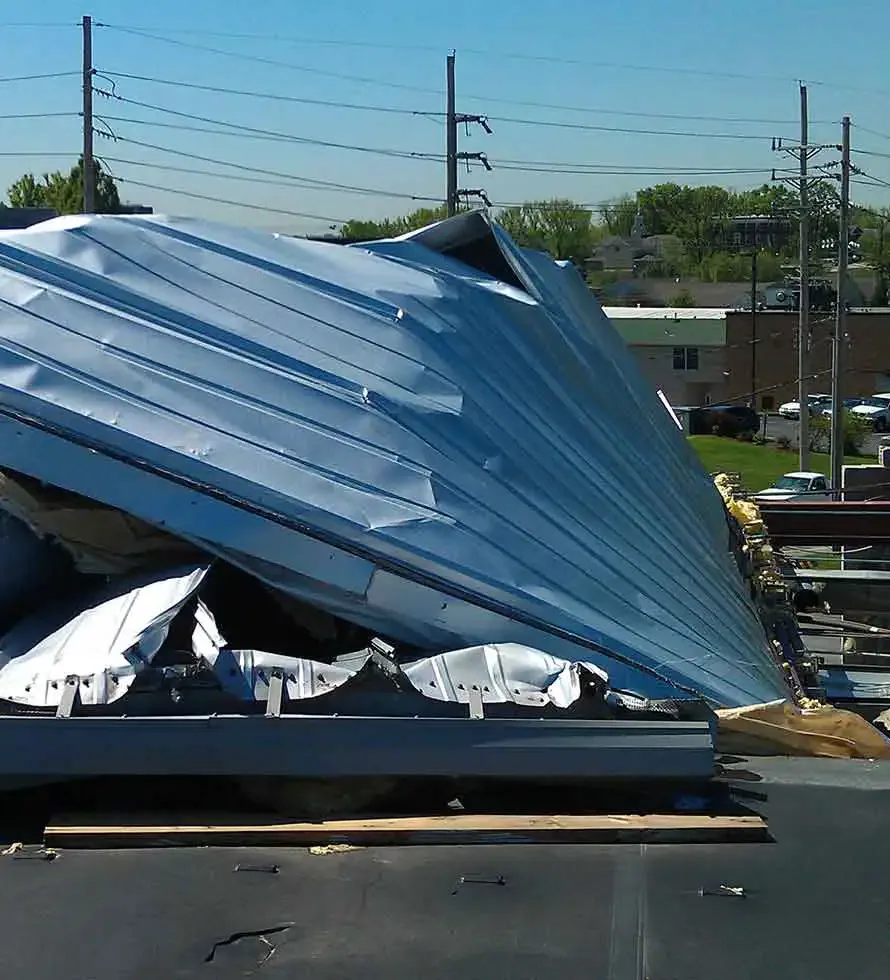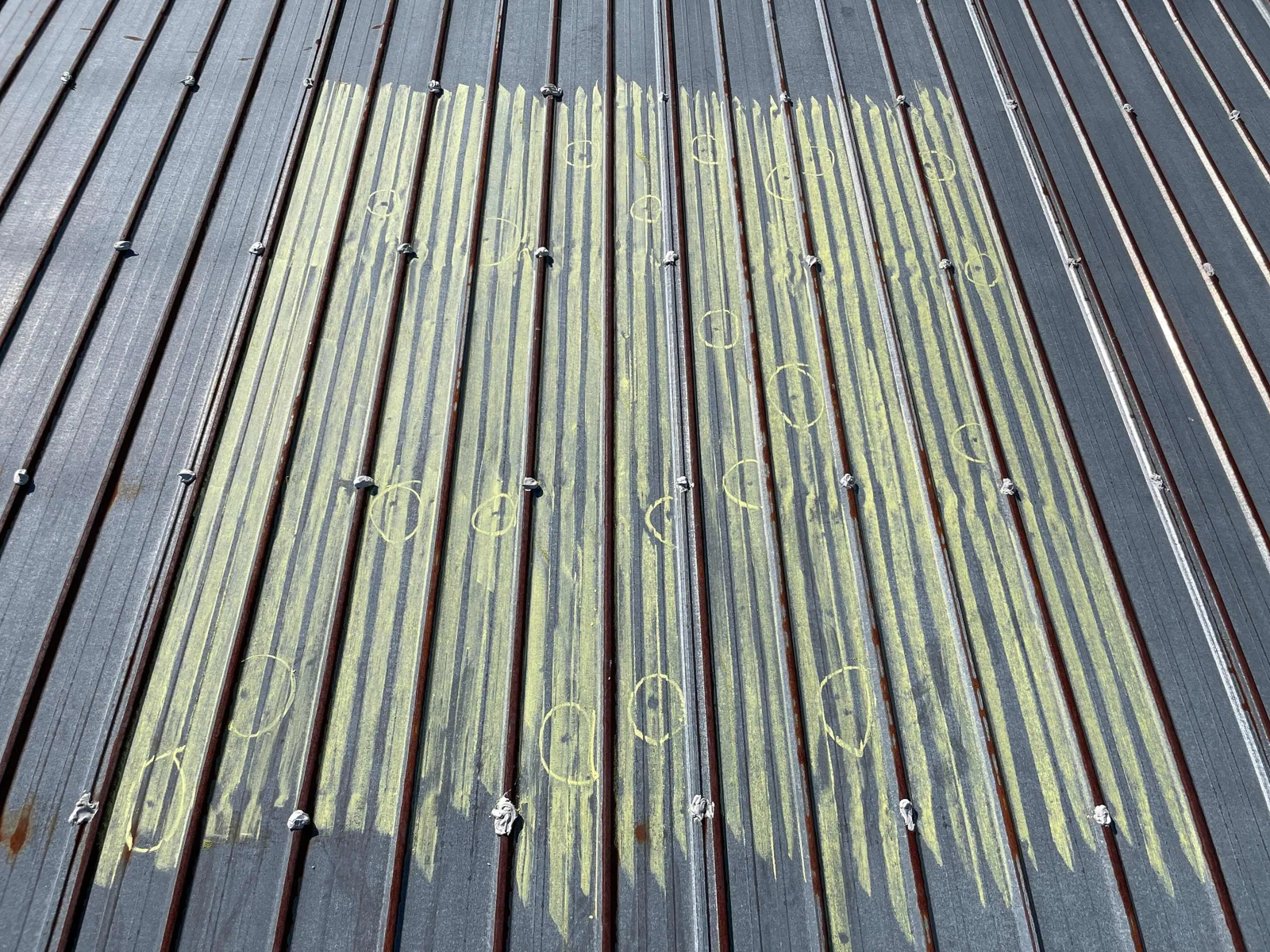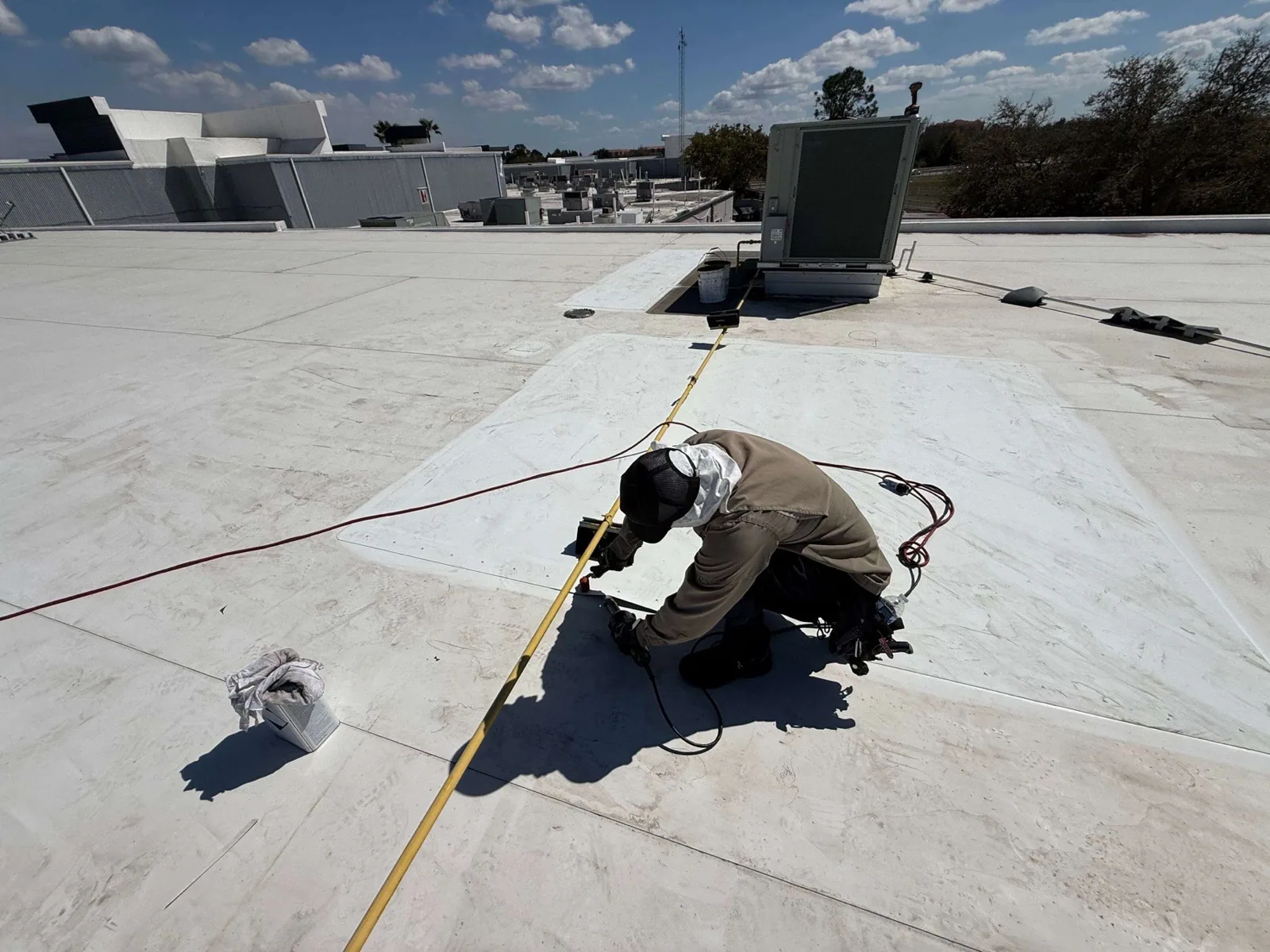

A restaurant needs its displaced roof sheet secured above the dining room. Loose material can admit water and interfere with rooftop equipment. Immediate work must protect the opening without creating another hazard. Commercial Roofing Edmond responds to roof emergencies in Edmond, OK. We assess access, weather and the damaged construction before starting. Temporary closures and dry-in work provide protection while permanent repairs are arranged. The facility director needs clear limits for both stages.
Downtown Edmond has restaurants with designated outdoor dining and gathering areas. Those occupied spaces require attention below emergency rooftop work. Broadway Corridor also includes commercial buildings, offices and housing. The people and equipment under an opening affect the response sequence. We coordinate protection with the facility contact and responsible building trades. An emergency roof visit starts with the immediate exposure. The next decisions follow what can be safely examined and secured.
Water near electrical panels requires qualified electrical attention at the building. A roofing crew cannot make energized equipment safe by covering a hole. We identify that exposure with the facility contact before work proceeds. Interior containment and restricted access may be needed below the leak. Sagging ceilings or visibly distressed construction require appropriate professional assessment. The director should keep occupants out of affected unsafe areas. Roof protection follows those safety requirements rather than replacing them.
Loose edge metal and displaced sheets also create hazards outside the building. We examine whether material may fall or move further. Ground protection may be necessary before crews handle the damaged area. Wind, lightning and poor roof footing can restrict the response. We do not force roof access through unsafe conditions. Work starts where a safe approach and useful protection are possible. The immediate plan should identify who controls each affected building area.
A temporary sheet needs a secure connection to sound surrounding construction. Its placement should shed water away from the exposed area. Loose tarping can lift or trap water against the same opening. We select a closure method suited to the roof and conditions. Damaged substrate may require a different treatment than a membrane tear. The surrounding drains must remain capable of receiving roof runoff. A closure that blocks them can create another urgent exposure.
Dry-in work may use temporary membranes, localized closures or other protective measures. The selected method has to withstand the expected short-term conditions. We avoid fastening that creates unnecessary damage in sound roofing. Where direct attachment is unsuitable, the temporary approach needs reconsideration. Tracing an active roof leak helps identify the connection needing protection. Concealed moisture and deck condition may remain unresolved during immediate response. We identify those questions for the subsequent repair examination.
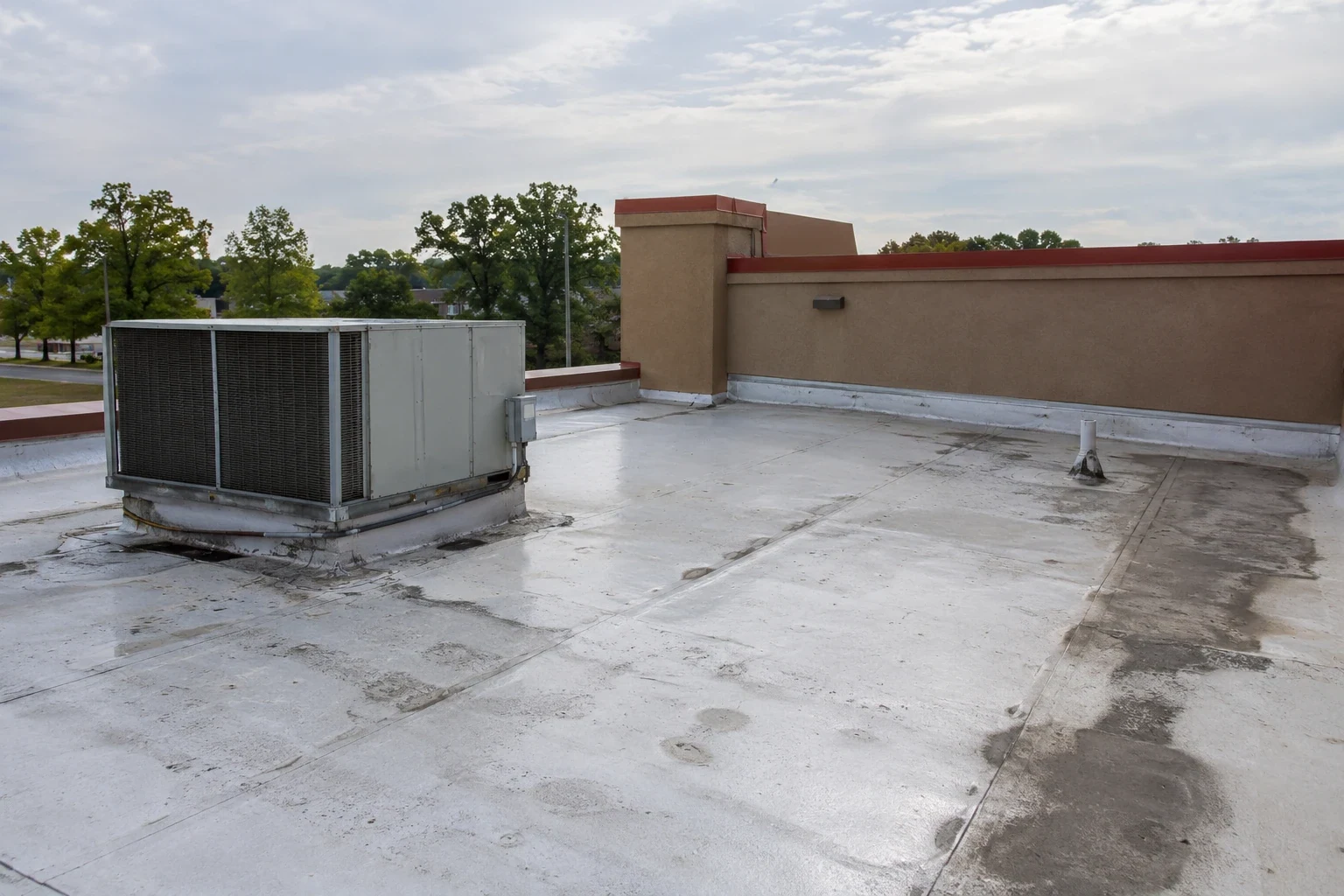
A damaged roof beside an air intake affects more than the covering. Water, debris and temporary material can interfere with mechanical equipment. We coordinate intake protection or isolation with the responsible mechanical staff. Roof work should not obstruct necessary service clearance around the unit. A restaurant roof may also have exhaust equipment needing continued attention. Grease-exposed areas require suitable material handling and a compatible eventual repair. We distinguish equipment conditions from roofing defects during the response.
Building entries and fire access routes must remain controlled below work. Emergency deliveries should not become an obstruction to other responders. In Downtown Edmond, walkable streets and outdoor dining affect the ground protection area. We establish the work boundary with the facility contact. The roof opening, equipment route and occupied rooms may need different protections. Each should have a responsible person and an agreed stopping point. That allows roofing work without leaving building operations unmanaged.
Oklahoma spring thunderstorms can produce large hail and damaging wind. A single property still requires its own physical damage examination. We inspect displaced covering, broken flashings and debris impact areas. Hail marks can occur alongside older membrane deterioration. We distinguish the visible conditions without assigning unsupported causes or dates. Wind damage repair may require rebuilding attachment beyond the lifted sheet. The examination should include the surrounding connection, not just the exposed opening.
Tornado conditions can leave structural and roofing hazards in the same area. Damaged framing needs the appropriate assessment before covering work proceeds. Debris removal can also reveal openings hidden during the initial response. We photograph conditions before moving material where safe and practical. Those images assist the director with subsequent repair and insurance decisions. Temporary protection should be recorded separately from the permanent construction. The response needs to remain understandable after the immediate event has passed.
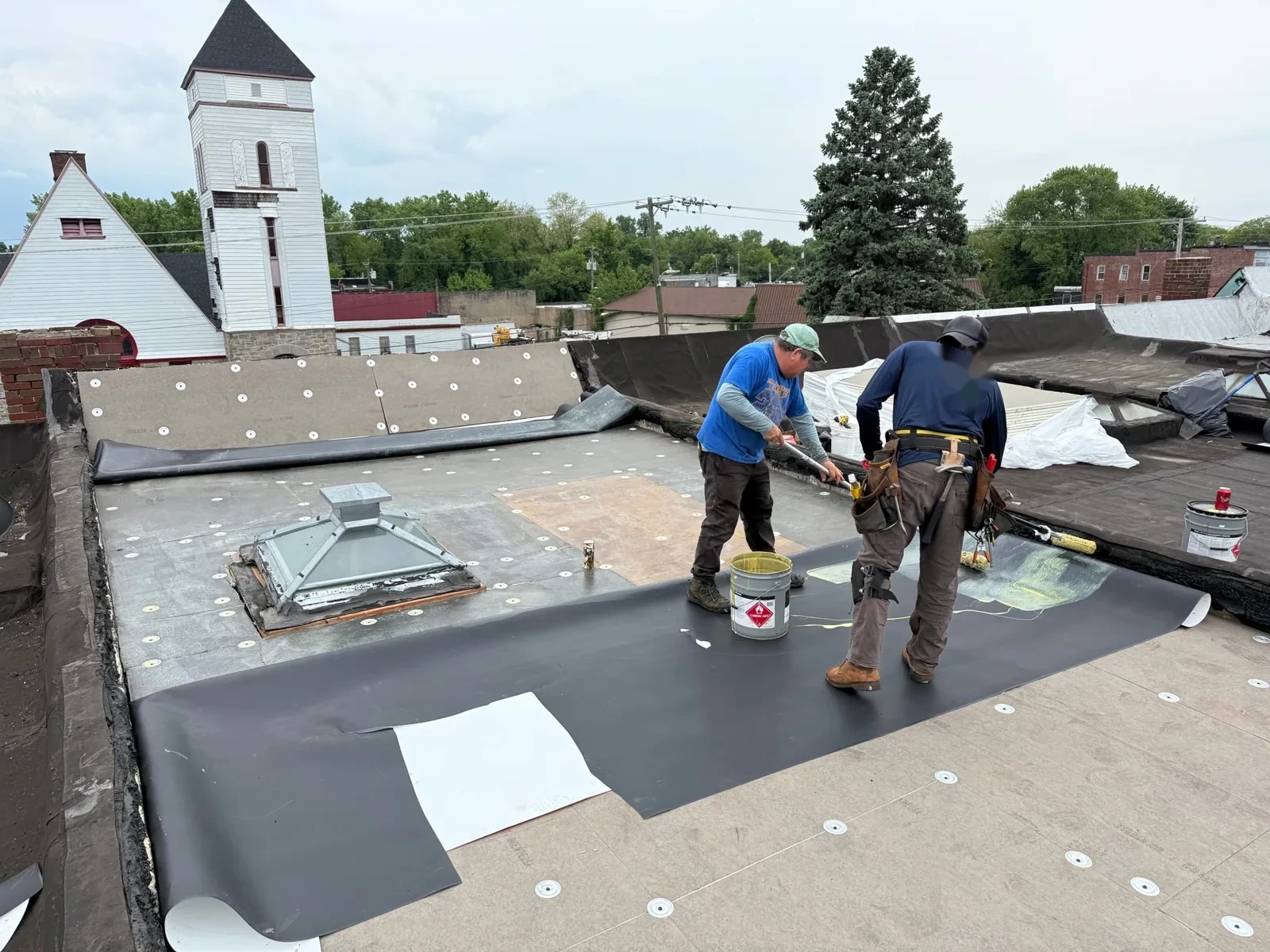
A temporary closure may protect rooms while wet insulation remains underneath. The permanent repair needs an examination of that affected construction. We open selected areas to define removal and replacement requirements. Sound deck and backing are necessary for the finished attachment. The repair membrane must suit the existing system and exposure. Welded or bonded joints need proper preparation and completion conditions. Permanent commercial roof repair addresses the assembly rather than leaving emergency material as the final detail.
Broad damage may change the project from repair to replacement. That decision requires a fuller survey of layers, moisture and attachment. We explain which findings changed the scope before new construction begins. Damaged rooftop equipment may need mechanical coordination during reconstruction. Permitting or structural work can affect the available sequence. The facility director should know how those dependencies influence the repair date. Immediate protection and the final assembly need their own clear construction boundaries.
A protected opening still needs observation during the temporary period. The building contact should watch for renewed water and displaced closure material. A change requires prompt reassessment of the protection and remaining exposure. We identify the treated location so reports can be specific. The director also needs to know which roof areas were not examined. That prevents an emergency visit from being mistaken for a complete condition survey. Follow-up work should begin with those defined limits.
Photographs of the opening and closure support the next construction decision. Insurance claim documentation can distinguish observed damage from completed emergency work. Coverage and claim decisions remain with the insurer and policyholder. We provide the roofing findings and proposed work without promising an outcome. The permanent plan then connects those findings to materials and access needs. A controlled response leaves the building protected and the remaining work identifiable.
Call with the active opening, affected operation and safe-access contact. We will assess immediate protection and the next repair requirement.
Safe working conditions control roof access. We assess the exposure and arrange what protection can be performed safely. Lightning, unstable footing or severe wind may prevent rooftop work. Interior isolation and the responsible building trades may need to act first. Roof closure proceeds when a safe method is available.
Concealed deterioration may require further removal and reconstruction. Tarping or dry-in protects an opening for a limited purpose. Wet insulation, torn membrane and damaged backing may still need reconstruction. We identify the follow-up examination needed rather than leaving temporary material to serve indefinitely.
Active exposure is the useful starting information. Give the affected building use, water location and any electrical or equipment hazard. Identify available safe access and the facility contact. Photographs help if they can be taken safely. That information directs the response toward the immediate building risk.
Reopening requires the responsible assessment of interior building conditions. Roofing protection does not clear wet electrical equipment or distressed ceilings. We explain the roof closure status to the facility director. Other affected trades and building staff must resolve their areas before occupied spaces return to use.