
Restaurant exhaust fans need a roof flashing connection that remains accessible for cleaning. Residue around the curb can conceal damage and complicate repair preparation. We examine the equipment interface before selecting the roofing work. Commercial Roofing Edmond repairs and replaces restaurant roofing in Edmond, OK. The roof material must suit the actual discharge and service conditions. Kitchen operation and public access also affect the construction sequence. The director receives the repair boundary and equipment coordination needed. A new patch should not leave the same uncontrolled exposure beside it.
Downtown Edmond supports restaurants with designated outdoor dining and gathering areas. Yukon has restaurants and large-format retail in its Interstate 40 trade area. Those local uses make overhead protection and delivery planning consequential. We assess the actual kitchen, rooftop services and areas below. Oklahoma's summer heat can affect product application at the roof surface. The material and work window must meet the specified conditions. The roof plan should preserve useful access while rebuilding suitable water-shedding connections.
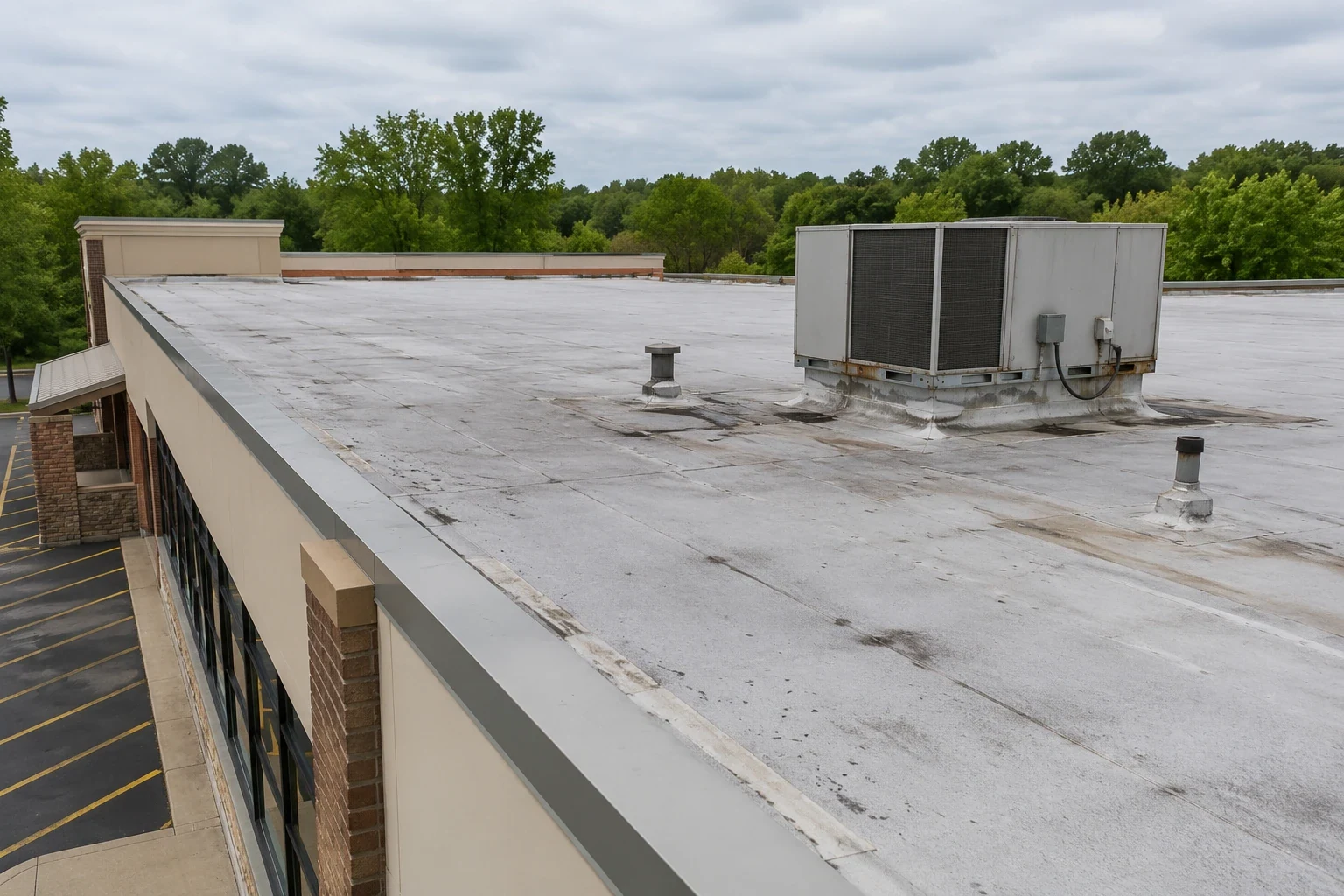
A greasy trail beside an exhaust fan needs the equipment condition checked. The responsible mechanical or kitchen-equipment trade may need to correct discharge. Roofing cannot replace that correction. We review where residue contacts the field and flashings. The proposed membrane and accessories must suit those actual conditions. PVC roofing requires a review of the manufacturer's current compatibility and cleaning instructions before selection. A material label should not substitute for evaluating the service environment.
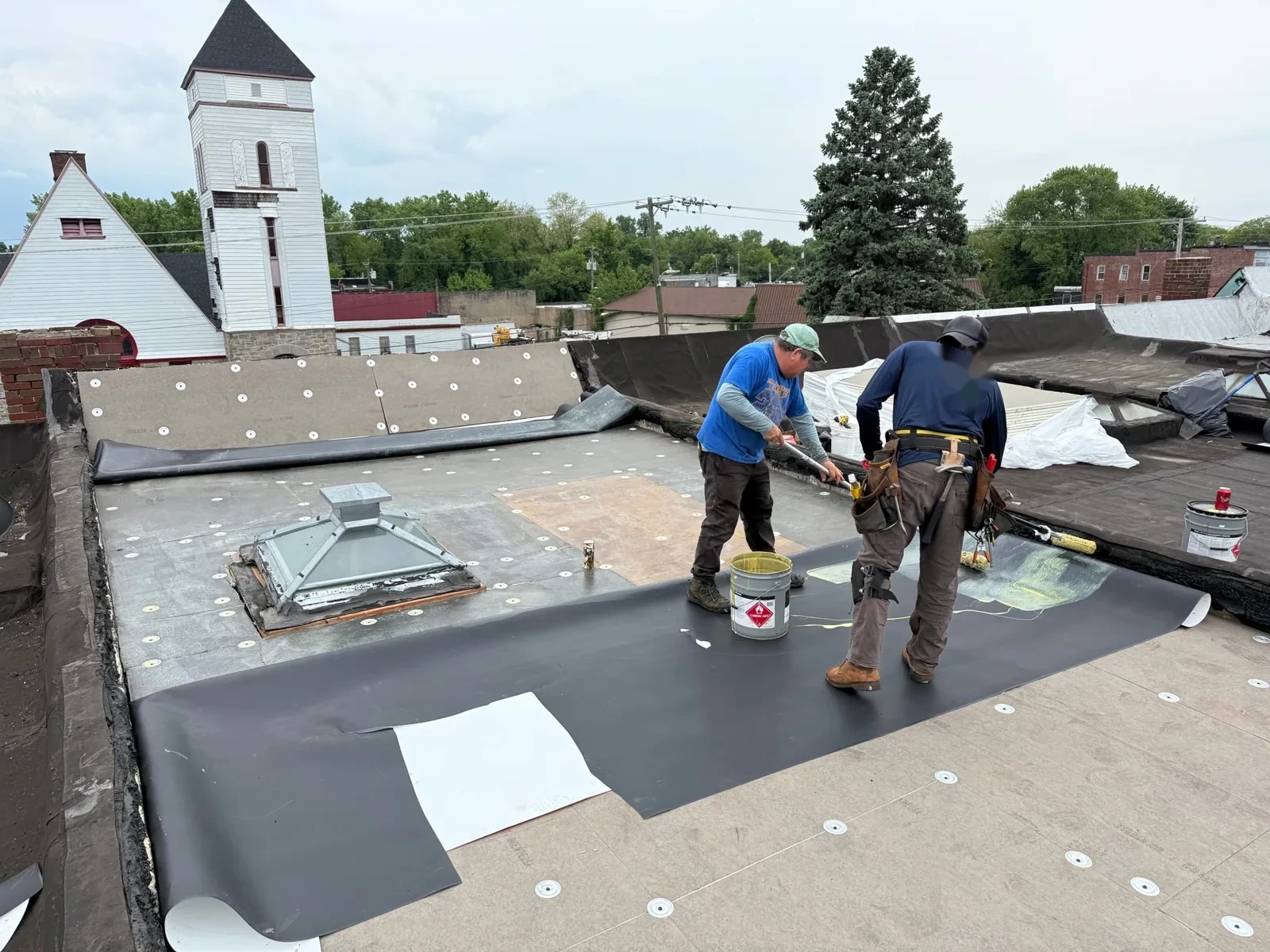
Different roof areas can require different preparation around the same kitchen equipment. Contaminated material may be unable to accept a suitable new bond. We identify whether removal or expanded preparation is necessary. Restaurant roof repair should include that work before the patch is installed. Wet supporting layers also need treatment where the defect has admitted water. The director receives those findings before the damaged area is closed. The repair must join serviceable roofing around its full boundary. A smooth-looking surface can still conceal an unsuitable interface.
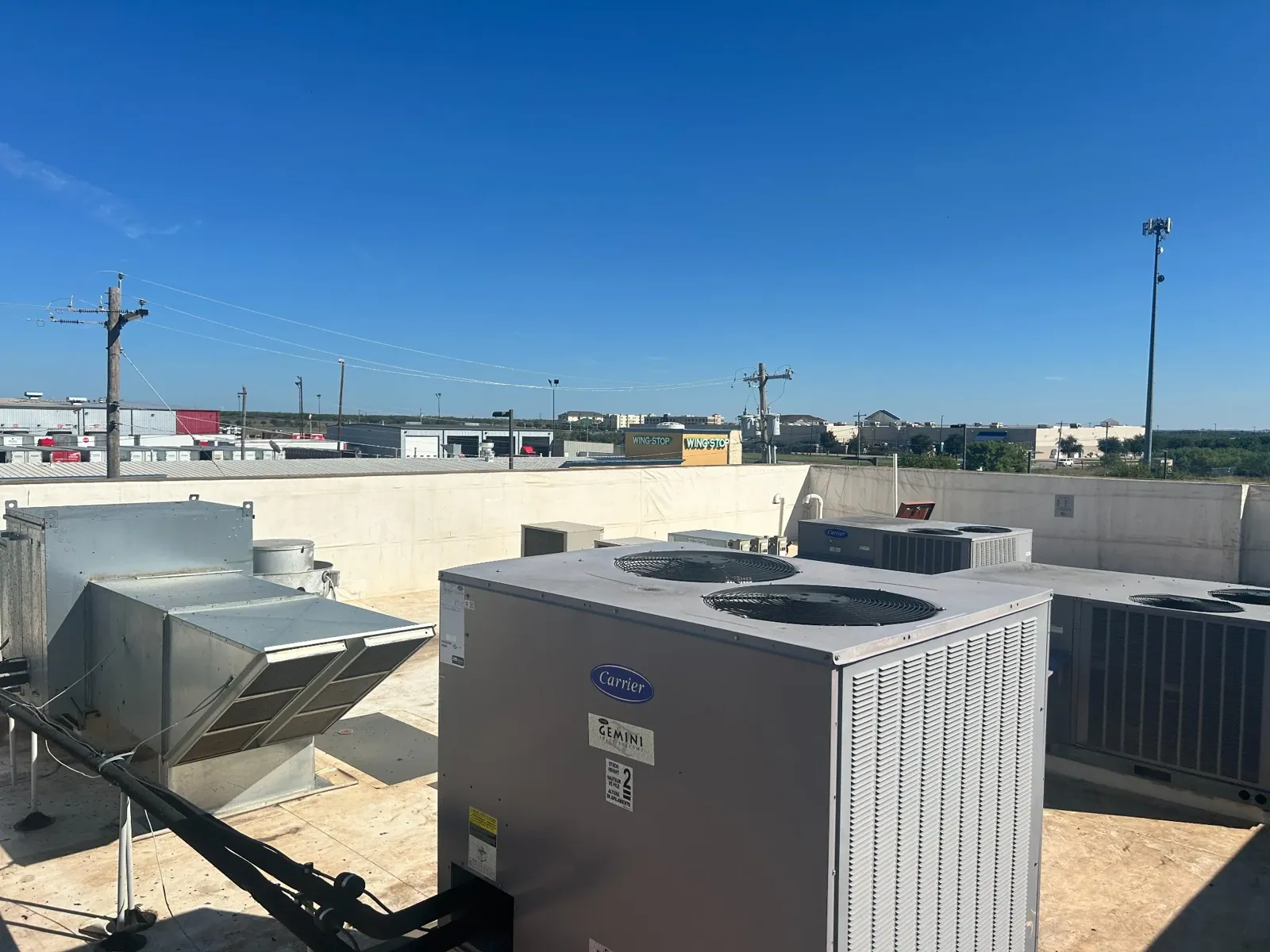
A fan curb needs usable vertical flashing and a sound supporting face. We inspect the lower return and its attachment before rebuilding. The roofing should fit the curb without stretched material or unsupported folds. Added insulation can reduce the available detail height. Curb work may then require coordinated equipment lifting or alteration. The responsible trade establishes handling and reconnection. We coordinate roof closure with that sequence. The director should know which kitchen services are affected.
Some fan assemblies need movement or opening for routine equipment care. The roof detail should preserve the intended service arrangement. We examine accessible interfaces rather than seal moving components indiscriminately. Grease collection or other equipment accessories need their appropriate support. The membrane cannot supply structural bearing for a heavy unit. Capacity or deterioration concerns require the relevant professional assessment. The completed detail must remain useful when service technicians return. It should close the roofing connection without obstructing the equipment's proper operation.
A service line added through the roof needs a suitable flashing opening. Crowded pipes can leave no proper area for compatible material attachment. We identify spacing, movement and upper closure requirements. The equipment trade may need a revised service arrangement. General compound around a loose bundle can leave an unreliable connection. Penetration repair should address that physical construction before the surface is finished. The detail needs room for examination and later care. New services should not compromise adjacent sound roofing.
A shared service route can carry pipes beyond the restaurant's occupied room boundary. We locate the crossing and required support before forming its roof closure. A grocery food area requires product protection and refrigeration coordination where the opening affects them. Within shared retail premises, the responsible contacts establish protection for adjoining units beneath the work. We identify the roofing surface needed for a compatible accessory base. Crowded services may require separation by the relevant trade. The complete detail should remain inspectable after that alteration.
A curb across the roof slope can leave runoff collecting on its uphill side. We examine the geometry and outlet location before recommending correction. A suitable cricket or taper may be needed where designed. Drainage work should coordinate that surface with the functioning bowl or scupper. The outlet connection and pipe condition may need different trades. Debris and residue can also restrict access for cleaning. We identify the appropriate maintenance and construction tasks separately. The roof route should remain serviceable after the repair.
Added roof thickness changes curb height and drain relationships together. We review those elevations before the new field is placed. A clear strainer cannot correct a bowl standing above nearby roofing. Structural deflection concerns require appropriate review where they affect ponding. The proposed covering will follow its supporting surface. Correcting drainage therefore needs more than a new membrane choice. The director receives the physical work that directs runoff. A working route also reduces prolonged water exposure at vulnerable kitchen-area connections.
A removal area above the kitchen needs the restaurant's required interior precautions. Facility staff establish the food-area and operating controls. We identify dust, debris and water exposure from the roofing method. Those requirements need coordination before work starts. Intake and exhaust operation may require the responsible mechanical personnel. The work zone should correspond to the area actually protected below. A gap between meal services does not establish that removal and weather closure will fit. We establish a closable construction stage within the usable operating window.
Downtown Edmond restaurant roof work must consider outdoor dining and walkable business streets. Yukon properties may have different parking and delivery access. We arrange lifting, disposal and material movement with the facility contact. Necessary entries and emergency routes need controlled protection. Oklahoma summer thunderstorms can produce heavy rain. Actual weather governs exposed removal and product application. We preserve a suitable stopping point when conditions change. The restaurant needs the roof status communicated before its protection arrangements are removed.
A kitchen equipment replacement can disturb roofing around the curb or service line. We examine affected flashings after related trade work where appropriate. Tools, sharp components and removed residue must not remain on the covering. The director receives the completed repair location and remaining responsibilities. New units should retain useful service clearance and compatible contact protection. Roof maintenance can keep equipment paths and outlets under attention. Cleaning needs the installed material's suitable method. Aggressive treatment should not damage the roof being preserved.
New water reports should identify the kitchen area and recent equipment activity. We compare that information with the physical roof condition. Mechanical discharge and exterior entry can need different responses. Repeated residue or movement warrants examination of the underlying equipment interface. Repairs should continue using compatible material and supported details. Those requirements should follow the equipment as its operation changes.
Arrange a review of residue, curb fit and the kitchen operating window. We will define the restaurant roofing repair and its related equipment coordination.
The responsible equipment trade needs to address that defect. We examine resulting roofing damage and select compatible repair material. The roof connection and mechanical correction are related but different scopes. Leaving uncontrolled discharge can affect the new surface. Both responsibilities should be coordinated before the work is accepted.
The new field thickness can reduce vertical flashing space and service clearance. We measure that relationship before layers are placed. Raising the curb may require equipment handling and reconnection. The responsible trade coordinates those actions. The roof detail should retain usable dimensions after the unit returns.
The actual work and protection boundary determine the necessary controls. We coordinate material movement and falling-debris exposure with the facility contact. Some activity may need relocation or restriction. The roof stage should not rely on customers avoiding an uncontrolled area. Appropriate ground protection needs arrangement before handling begins.
A supported compatible detail must close the new opening. We review spacing, movement and the available roofing interface. Another equipment arrangement may be necessary if services are crowded. The responsible trade and roofing work should be coordinated before cutting. The completed repair should not become the location of an improvised closure.