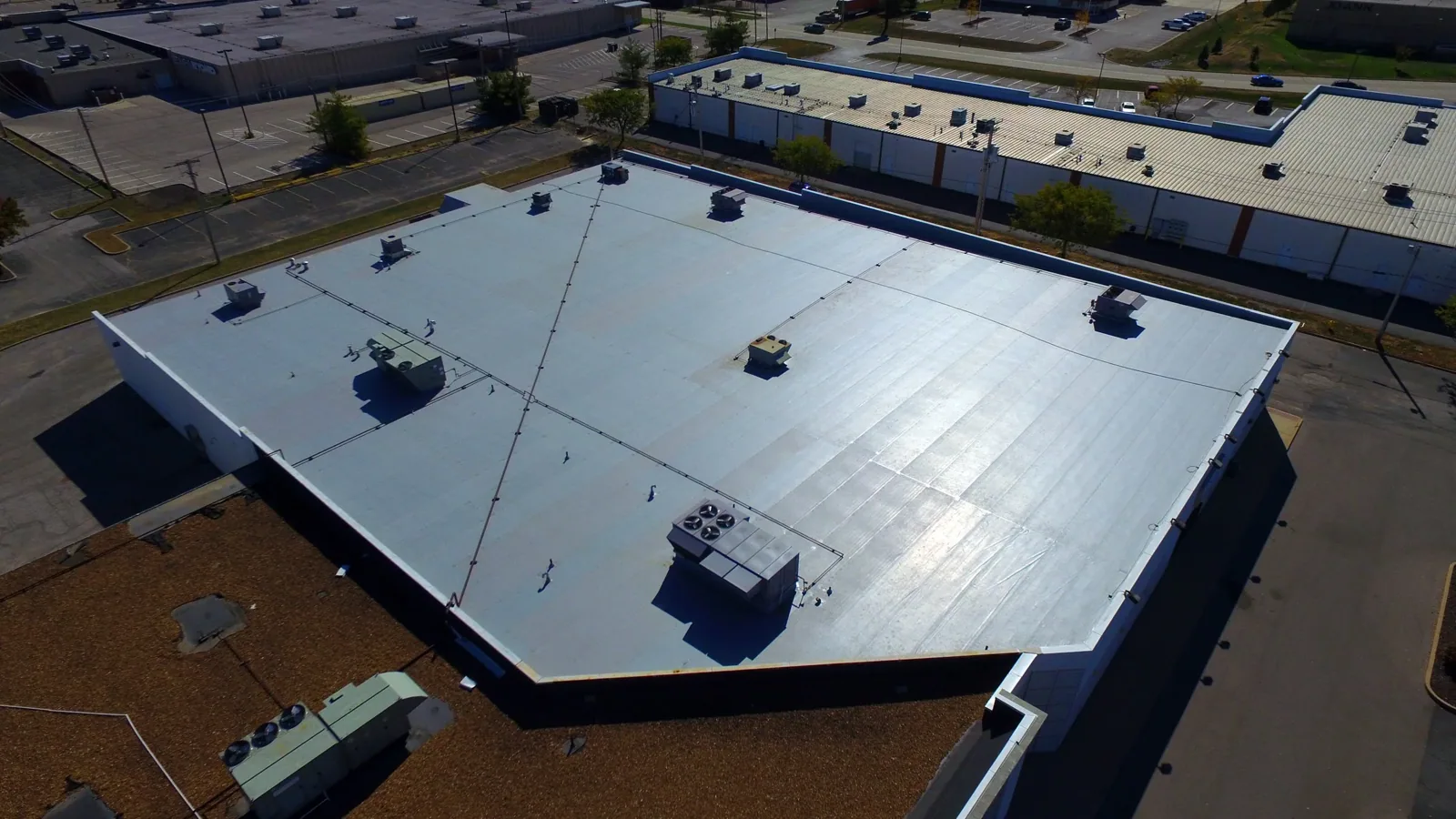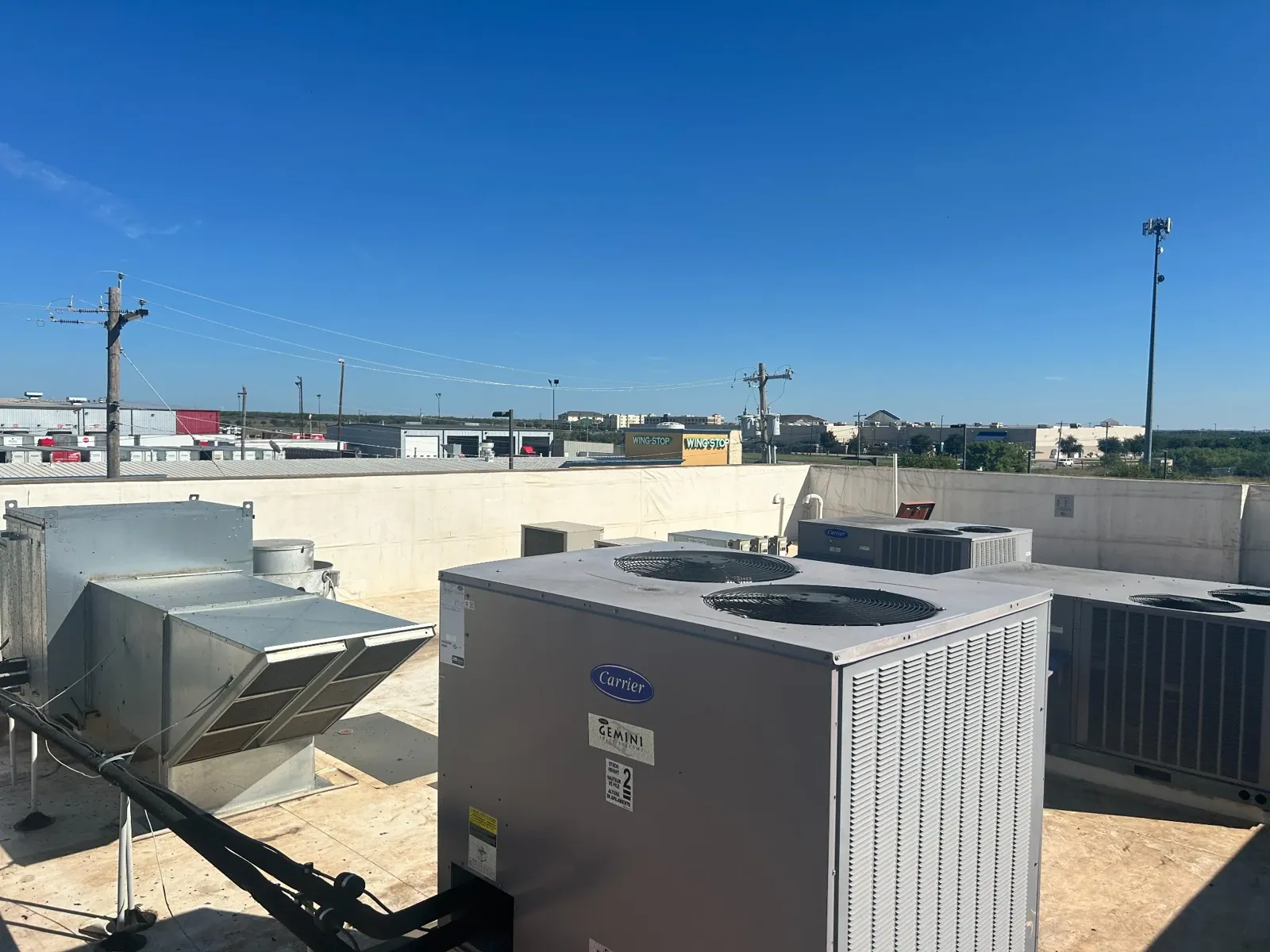

Refrigeration service paths on grocery roofs need protection around their membrane connections. Tools and repeated access can damage roofing beside working equipment. We examine those contact areas before defining repair. Commercial Roofing Edmond repairs and reroofs grocery buildings in Edmond, OK. The assembly protects food storage, sales and equipment where those functions operate. Removal requires the facility's appropriate interior precautions and a secure closure sequence. The director receives the roof boundary and affected operating areas.
Yukon has large-format retail within its Interstate 40 trade area. Warr Acres has shopping districts along MacArthur Boulevard and Northwest Expressway. Roof work serving retail must account for delivery and customer routes. We examine the actual grocery operation and equipment arrangement at the property. Oklahoma's hot summers can affect material placement and the available work window. The roof condition determines what construction is needed. Facility requirements determine the operating protection beneath it. Those decisions belong together before roofing is opened.
A refrigeration unit can need mechanical work before its curb is rebuilt. Facility staff identify the operating interruption that can be accepted. The responsible equipment trade handles disconnects, lifting and reconnection where required. Curb and support work then provides the roofing interface for that arrangement. Added roof thickness may reduce flashing height or service clearance. We measure those dimensions before choosing the field buildup. We identify construction and equipment dependencies for the director. A finished membrane should not wait beneath an unresolved service connection.
Pipe routes can concentrate traffic and equipment contact at particular areas. Supports need compatibility with the roofing and appropriate structural arrangement. Improvised blocks can abrade the surface or obstruct runoff. We examine those contact points during the roof assessment. Cold-storage roof construction may also require particular enclosure and thermal review. The actual room and operating temperature matter to that design. We identify the relevant assembly questions before selecting layers. The roof detail should preserve service access as well as exterior closure.
A roof opening above food handling requires facility-specific precautions before work. The store establishes its operating and product-protection requirements. We explain the removal method and exposed construction area. Those responsibilities need coordination before the first layers come off. Dust, debris and water can affect the room differently from ordinary sales space. The director identifies which operation must relocate or pause. The roof stage should correspond to the area actually protected below. Room-use restrictions are coordinated with the operating plan and protection in place.
A roof removal area above a food aisle needs contents and customer access protected before construction. Large retail roofing separates overhead handling from occupied display and receiving routes. We map that separation against the grocery's actual openings and service areas. Food preparation may require additional precautions established by facility staff. The roofing zone needs a suitable secure closure. Weather or concealed damage can change its boundary. We explain that changed exposure before the contact removes interior protections. Continued use should follow the roof condition achieved at the stage.
A water report near refrigeration services needs the interfaces examined separately. Condensation or equipment discharge may require the responsible mechanical response. A failed membrane or flashing needs suitable roofing reconstruction. Roof leak tracing compares the reported area with the physical connections above. We identify the relevant observation before choosing a patch. Interior electrical or unstable ceiling hazards need appropriate qualified attention. Roofing protection proceeds in coordination with those controls. The roof repair should address an actual exterior defect, not every water symptom indiscriminately.
Concealed wet insulation can extend beyond the apparent entry. Selected checks establish the affected construction and useful repair boundary. Damaged support may add work below the covering. We show the director those findings before new layers conceal them. A local repair requires serviceable surrounding material for its attachment. Extensive deterioration can change the recommendation to broader renewal. The scope should distinguish the immediate opening from its affected layers. Each treatment needs a physical construction reason. The assembled repair must serve the operation below it.
A support placed beside a drain can obstruct cleaning or examination. We inspect outlet access and the surrounding roof level. Drainage work can include fixing the flange connection or correcting an elevation problem. A piping defect needs its appropriate trade. The proposal identifies where each responsibility falls. New equipment or roofing layers should not leave the outlet crowded. Water needs a functioning route across the finished surface. Service clearance and drainage must remain workable together.
Persistent water may require taper or another designed correction around a curb. The new geometry needs compatible flashing height at that equipment. Structural deflection concerns require the appropriate professional review. We do not assume another membrane sheet corrects the surface beneath it. The drain bowl and runoff path need examination before field replacement. Accessible overflow arrangements should also remain in working condition. The director receives the correction and ongoing care needs. A repaired outlet cannot do its job if debris returns and remains unnoticed.
A grocery roof can have different discharge and traffic conditions across its equipment areas. We examine those exposures before choosing the covering. TPO roofing is one possible assembly where its requirements suit the actual construction. Other materials bring different compatibility and application conditions. Equipment defects still need correction by the responsible trade. The selected membrane should connect to suitable support with appropriate accessories. Field joints and vertical returns require their proper completion checks. The director needs a complete assembly rather than a color preference.
Adhesive or other application methods may require ventilation coordination near intakes. The responsible mechanical staff establish any necessary equipment action. Roof preparation should not draw uncontrolled debris into occupied areas. Weather and surface temperatures also affect product placement. Oklahoma summers can include thunderstorms with locally heavy rain. We use actual conditions to set exposed work and secure closure. Project requirements need confirmation for the proposed construction. The work sequence should fit material application, facility precautions and any necessary review.
Roof deliveries may use space normally serving grocery receiving or customer parking. We establish unloading, lifting and disposal with the store contact. The agreed pedestrian and vehicle routes need suitable control. Material storage on the roof requires structural and installation consideration. The roof stage can change where handling occurs below. We coordinate that change before new material arrives. Yukon grocery roof work begins by examining the actual receiving access, customer parking and roof approach.
Warr Acres stores may have different entry and service constraints. Work should leave the occupied operation informed of its active boundaries. Completed connections require examination before the area is released. Construction debris must leave drains and equipment paths. The director receives treated locations and unfinished trade responsibilities. Future refrigeration work should preserve the installed roofing detail. New penetrations require compatible support and closure.
Arrange a review of equipment contact, drainage and the rooms beneath the work. We will define the grocery roofing connection and required operating protection.
Facility requirements and the actual exposure determine the needed protection. We explain the removal boundary and construction method. Store staff establish the product and room precautions. Relocation or isolation may be required. The roofing stage should not begin above unprotected goods merely because another store area remains open.
The water cause needs examination before selecting work. Equipment or interior moisture conditions may require the responsible trade. We inspect roof interfaces for actual exterior entry. The proposal distinguishes those findings. A patch should close a roofing defect rather than substitute for unresolved mechanical correction.
Supports can obstruct runoff or access to the outlet. We examine contact protection and the route around them. A changed arrangement may be needed by the appropriate trade. Drainage and service clearance should remain usable together. The outlet should not be repaired only to remain difficult to maintain.
The affected flashing and service contact areas need close examination. Equipment handling may disturb membranes or leave sharp debris. We identify unfinished roof-side connections before release. New pipes require compatible supported details. The director should know the roofing status alongside the restored equipment operation.