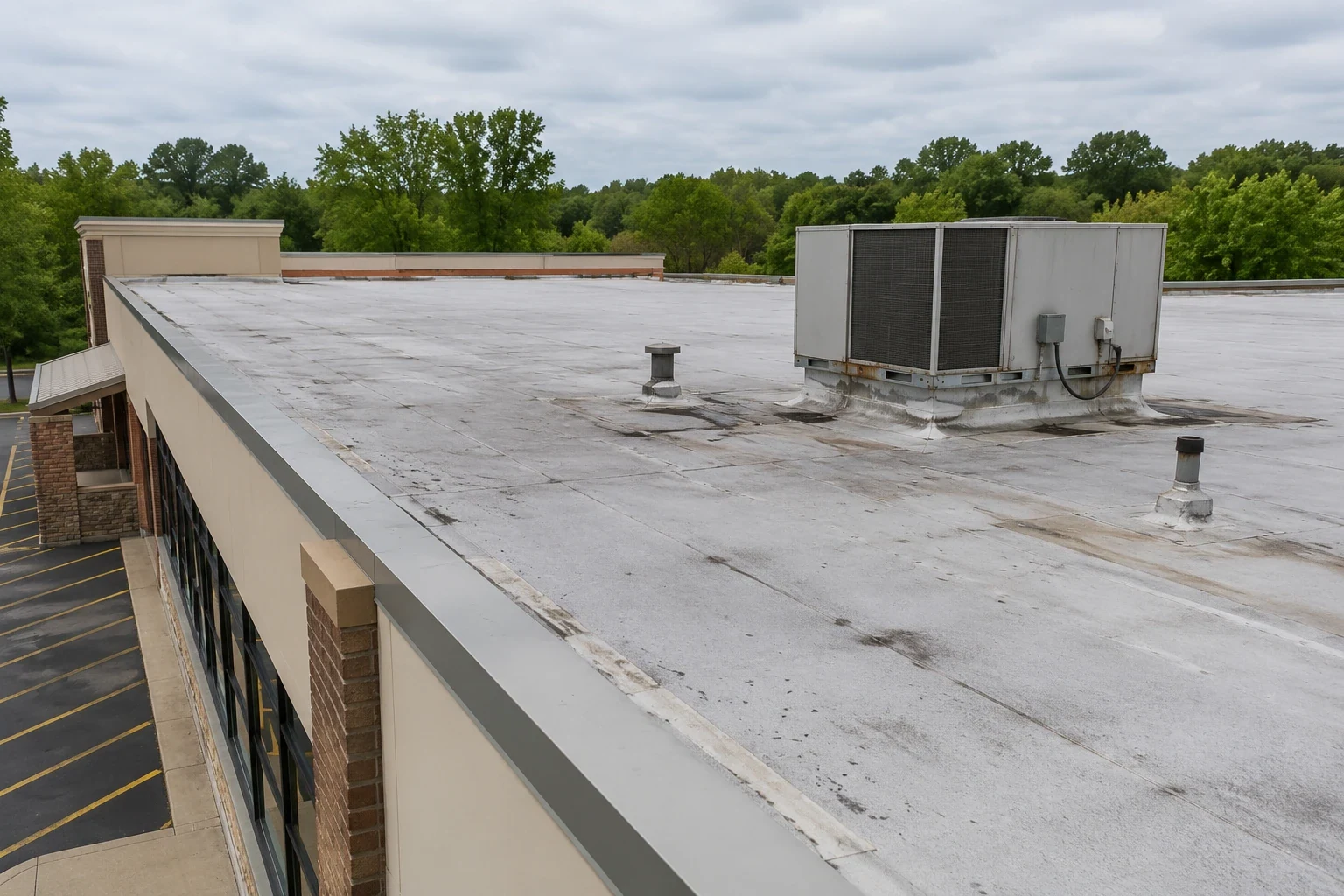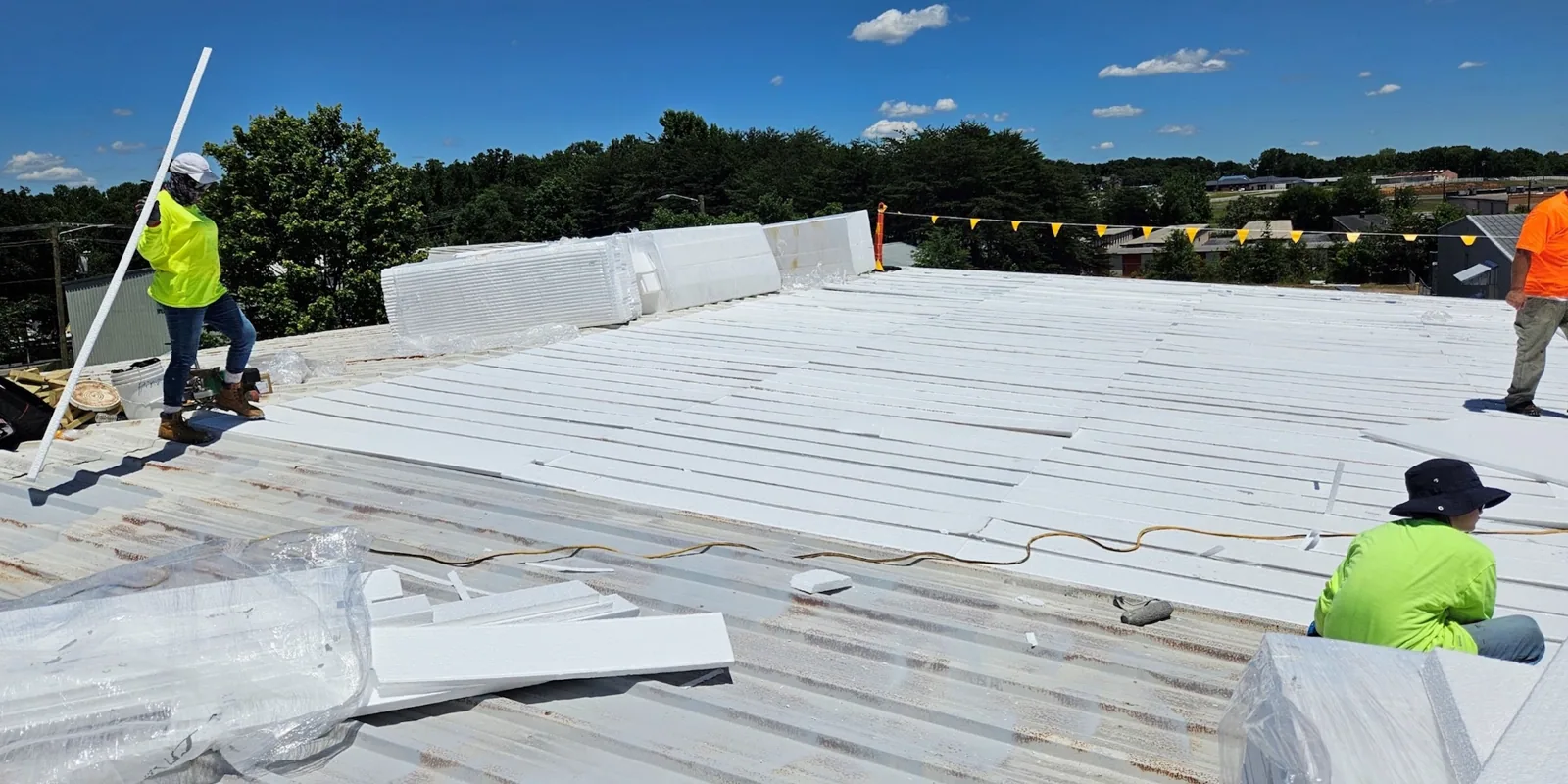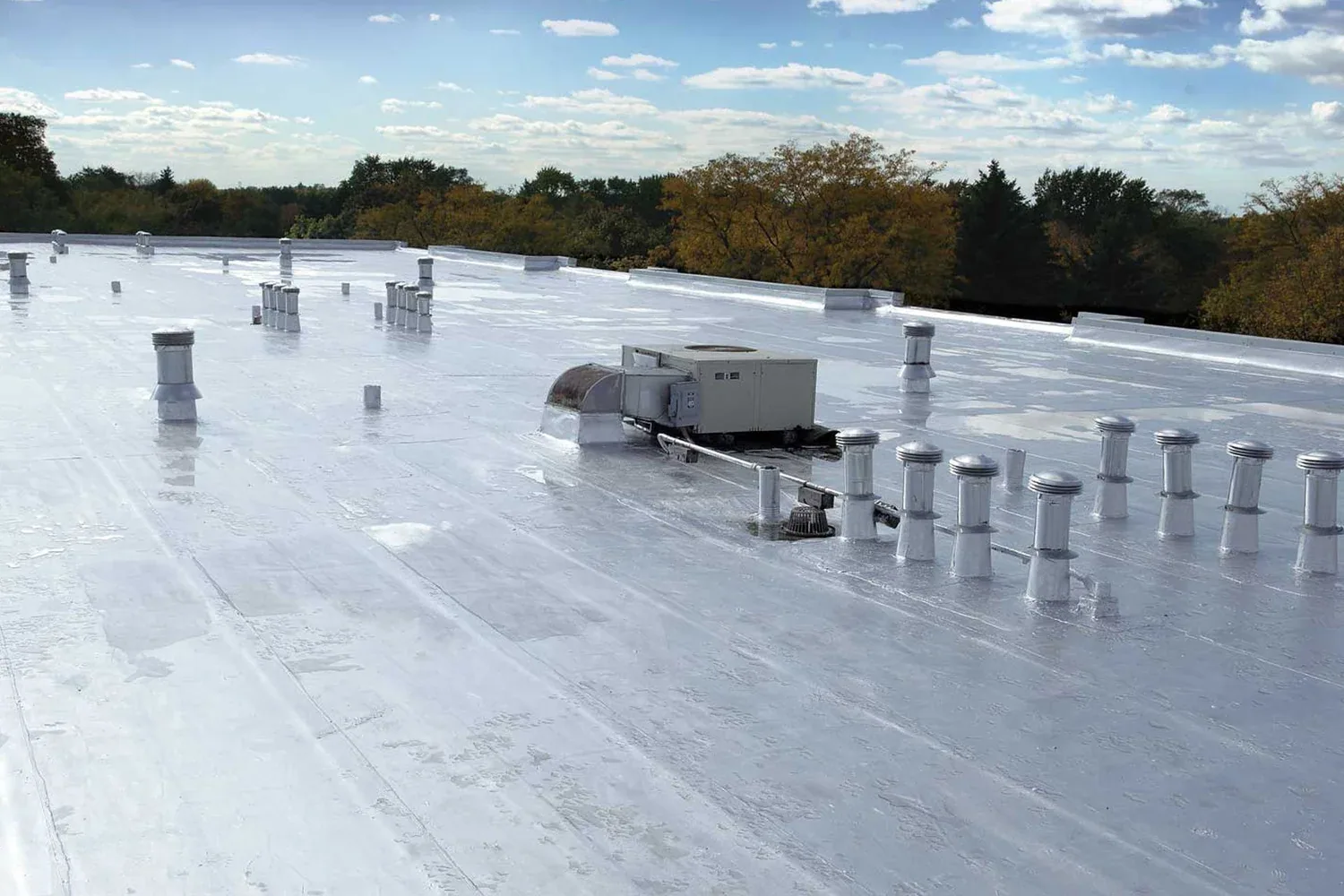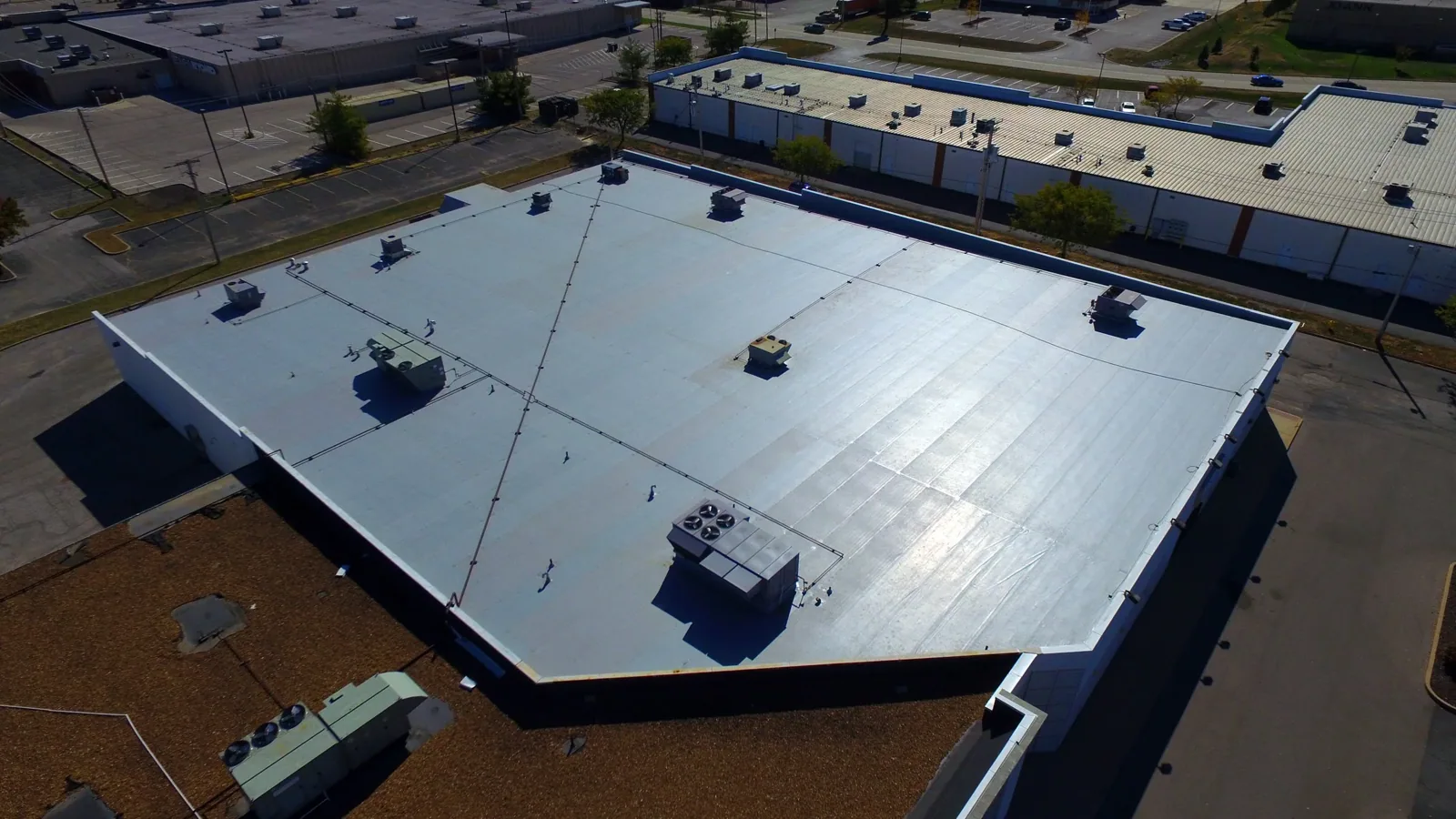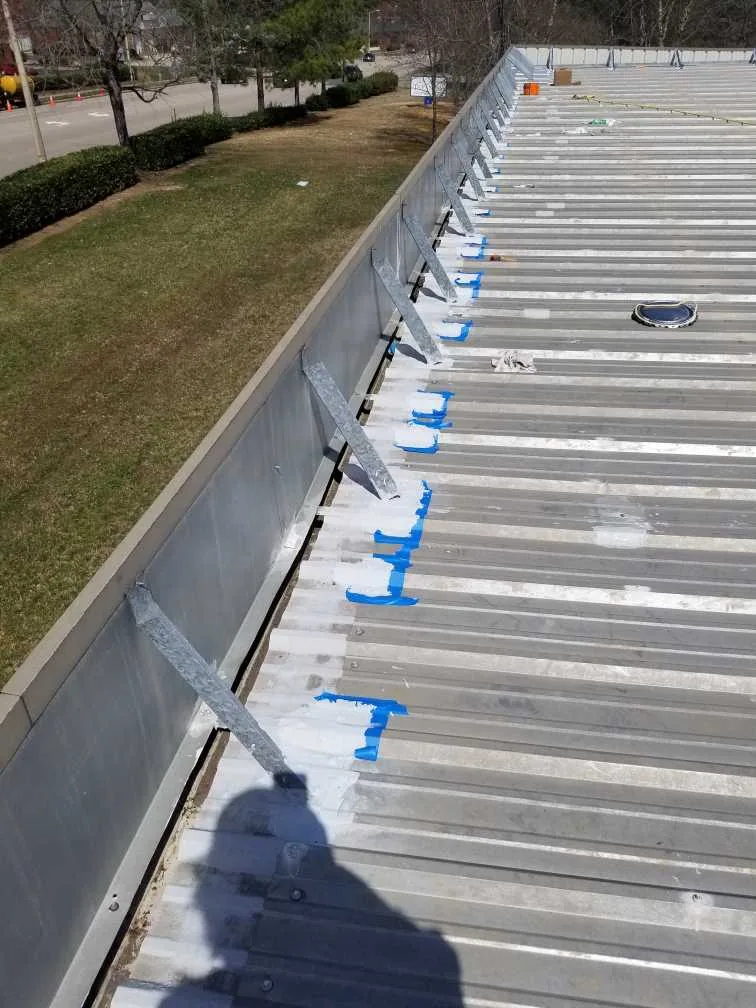

Above wide sales floors, a roof deck repair needs its interior boundary established before removal. Falling debris can affect merchandise and customer routes in the same area. We connect that exposure to a closable roofing stage. Commercial Roofing Edmond repairs and replaces big-box retail roofs in Edmond, OK. The project needs drainage, attachment and equipment details examined directly. Store operations influence access and protection below the work. The director receives a construction scope tied to the actual affected roof. The retail floor cannot remain beneath an uncontrolled opening simply because other aisles stay active.
Yukon has large-format retail around Interstate 40 and Garth Brooks Boulevard. Warr Acres has longstanding shopping districts along MacArthur Boulevard and Northwest Expressway. Those commercial uses make deliveries and public access important roof-work considerations. We examine the store's actual receiving and customer patterns. Material choice follows the assembly condition and operating exposure. Those details should be included before the work sequence is agreed.
A roof removal zone can sit above stocked displays beside a customer aisle. The store contact identifies the space that can be isolated. We coordinate roofing work with necessary merchandise movement and interior protection. Dust and sharp debris need controls as well as water. Customer routing below overhead work must remain deliberate. The affected area should be identified before workers begin removal. The director needs the actual construction status before that zone returns to use. A planned date does not establish that the roof is closed.
A roof opening may extend above public aisles and a neighboring support room. We identify both spaces before the protection boundary is set. Shopping-center roofs can carry a shared drainage connection across separately occupied units. That assembly needs its affected spaces located together. Where the store includes cooled food storage, grocery buildings require refrigeration services coordinated before the roof interface changes. The responsible staff arrange equipment and room restrictions. We keep construction inside the protected footprint. Its closure should be complete before interior precautions move.
A large open field can contain repairs and additions made at different times. We inspect material, seams and accessible attachment across the relevant sections. Apparently uniform color does not establish one construction beneath it. Previous patches may hide a joint requiring closer examination. Suspect soft areas need investigation of the supporting layers. We identify the physical findings that determine repair boundaries. The director receives observed condition rather than a recommendation based only on area. The roofing method should match the actual assembly.
Repeated field defects can require more than individual patching. Wet insulation or unstable attachment may change the construction option. Insulation and board replacement should define the layers that cannot remain. New construction must fit the retained surface and drainage elevations. Exposed deck damage may require an additional repair or professional assessment. We show that condition before covering it again. The scope distinguishes supporting work from the final membrane. A finished covering needs usable construction throughout its working boundary.
A drain beside a crowded unit can be difficult to reach for cleaning. We examine access as well as the bowl connection. Debris or a raised flange can leave water near vulnerable joints. Drainage work may require clearing, component replacement or surface-elevation correction. The proposal should identify which condition each task addresses. A piping issue needs the responsible plumbing trade. Roof-side flashing still requires a compatible connection to the actual outlet. The completed arrangement should remain serviceable after equipment staff return.
Runoff can be interrupted by curbs and added structures across the roof. A suitable cricket or taper may improve that route where designed. The correction requires evaluation of the available flashing height at nearby equipment. Outlet capacity and structural deflection questions require appropriate review. A new membrane alone cannot solve every ponding condition. We identify the necessary construction and any other trade responsibility. The director should know how the finished surface will meet functioning discharge. Clear outlets and sound details need to work together.
A frequently used equipment route can expose roofing to tools and repeated walking. We examine those actual paths before selecting the covering and protection. TPO roofing is one assembly option with compatible welded details and specified attachment. Other materials have different exposure and installation requirements. The choice should account for rooftop discharge and maintenance access. Suitable protective routes must not obstruct runoff. New penetrations need supported details compatible with the covering. The roof needs to remain repairable after the store returns to ordinary operation.
A retained-layer option requires suitable moisture, support and attachment condition. Coating restoration likewise needs qualifying construction and prepared surfaces. Neither should be selected solely to reduce visible disruption. We explain the actual assembly findings behind the available project. Added thickness can change drains and curb clearances. Those details need inclusion before new layers arrive. The director receives a complete construction choice rather than a material name. Its operating effect and physical requirements should be evaluated together.
A roof-material delivery may compete with receiving trucks and customer parking. We establish its unloading and lifting route with store staff. Disposal movement needs the same consideration during removal. Public entry and required emergency access need suitable protection. Roof storage must account for structural and installation requirements. The handling boundary can change as work advances to another section. We coordinate that change before material moves. A store project should not rely on uncontrolled access at the active loading area.
Yukon retail roof work needs the property's actual site arrangement examined. Warr Acres stores may have different parking and delivery constraints. Oklahoma spring storms can bring large hail and damaging winds. Weather also affects safe lifting and exposed construction. We keep removal within the available secure closure window. Hot summer surfaces can alter the material application conditions. The selected system needs its proper procedures followed at the actual roof. Store scheduling and weather must support that construction together.
A repaired membrane can be damaged by follow-on equipment work nearby. We examine disturbed flashings and service contact areas where appropriate. Sharp material and loose fasteners should leave the roof surface. The director receives locations for completed roofing and remaining issues. Preventive maintenance keeps drains and repeated traffic paths under attention afterward. Service staff need the installed material identified before selecting a repair compound. New cables or units require properly planned roofing interfaces. The finished assembly should not be opened without a compatible closure method.
Water reports should identify the sales-floor or receiving location and relevant timing. We relate those observations to the roof layout and equipment activity. A recurring defect can require wider examination rather than the same patch. Ongoing care should preserve service clearance and drainage access. Changes to store equipment need the roof connection reviewed before installation. The big-box roof remains useful through supported details and controlled trade activity.
Arrange a review of roof condition, drain access and store handling routes. We will define the roofing construction and protected stages the operation needs.
The actual protection boundary determines which areas can remain accessible. Store staff coordinate the route and merchandise arrangement below. We identify the active roof opening and its closure requirements. Debris and water exposure need appropriate controls. An adjacent aisle should not remain open merely because the work has a small label.
The retained assembly must qualify on condition and compatibility. We examine moisture, attachment and the supporting layers. Restoration may require repairs and substantial preparation first. Broad deterioration can favor another project. Surface area alone cannot determine whether existing construction should remain.
A functioning outlet still needs to be reachable for care. Equipment can obstruct cleaning and detail examination. We assess that arrangement alongside the roof connection and surrounding slope. Necessary changes should preserve service clearance. Drainage should remain maintainable after the roofing project closes.
The store contact identifies the usable handling windows and routes. We coordinate unloading, lifting and disposal around that operation. Necessary public and emergency access remain controlled. Changes in the roof stage may require a changed route below. The material movement should support the construction without unmanaged conflict with store traffic.