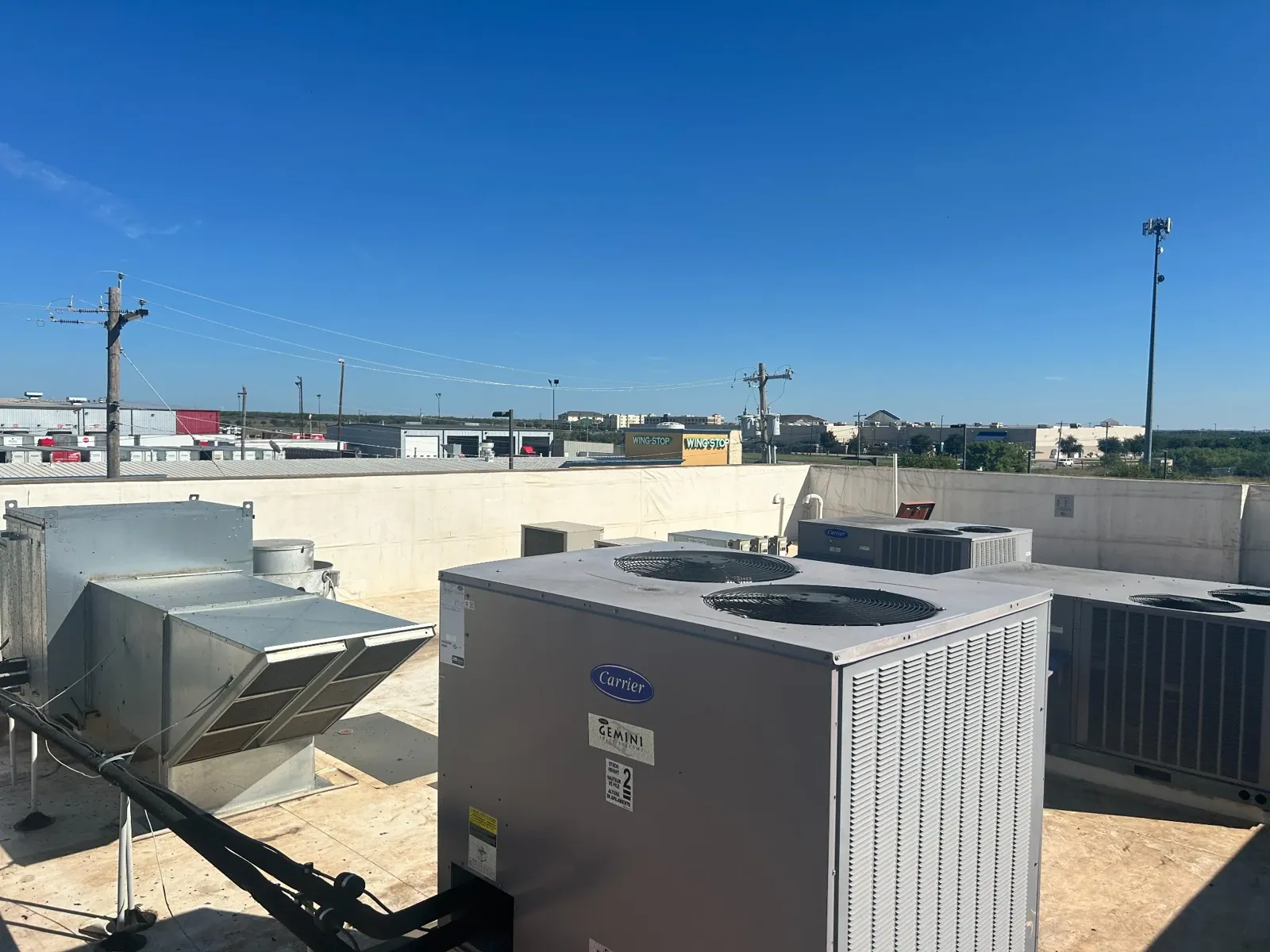

Production exhaust can place heat or residue beside a plant's roof connection. Its flashing must suit the actual service and surrounding covering. We inspect those interfaces before selecting repair material. Commercial Roofing Edmond works on manufacturing company roofs in Edmond, OK. Equipment, service traffic and the installed assembly influence the available treatment. The facility director identifies active production and suitable restrictions. The roof proposal connects that operation to complete physical details. A new surface should not leave an unresolved equipment defect or supporting connection beneath it.
Guthrie has manufacturing, industrial and agricultural enterprises along its regional business setting. Del City identifies Midwest Trophy as a recognition-products employer. Midwest City also contains industrial and technology parks. Those different business uses make equipment and handling coordination relevant to roofing. We examine the actual plant roof and services that cross it. The company's operating activity determines protection below removal. Material condition determines construction above it. Both need review before the active work zone is selected.
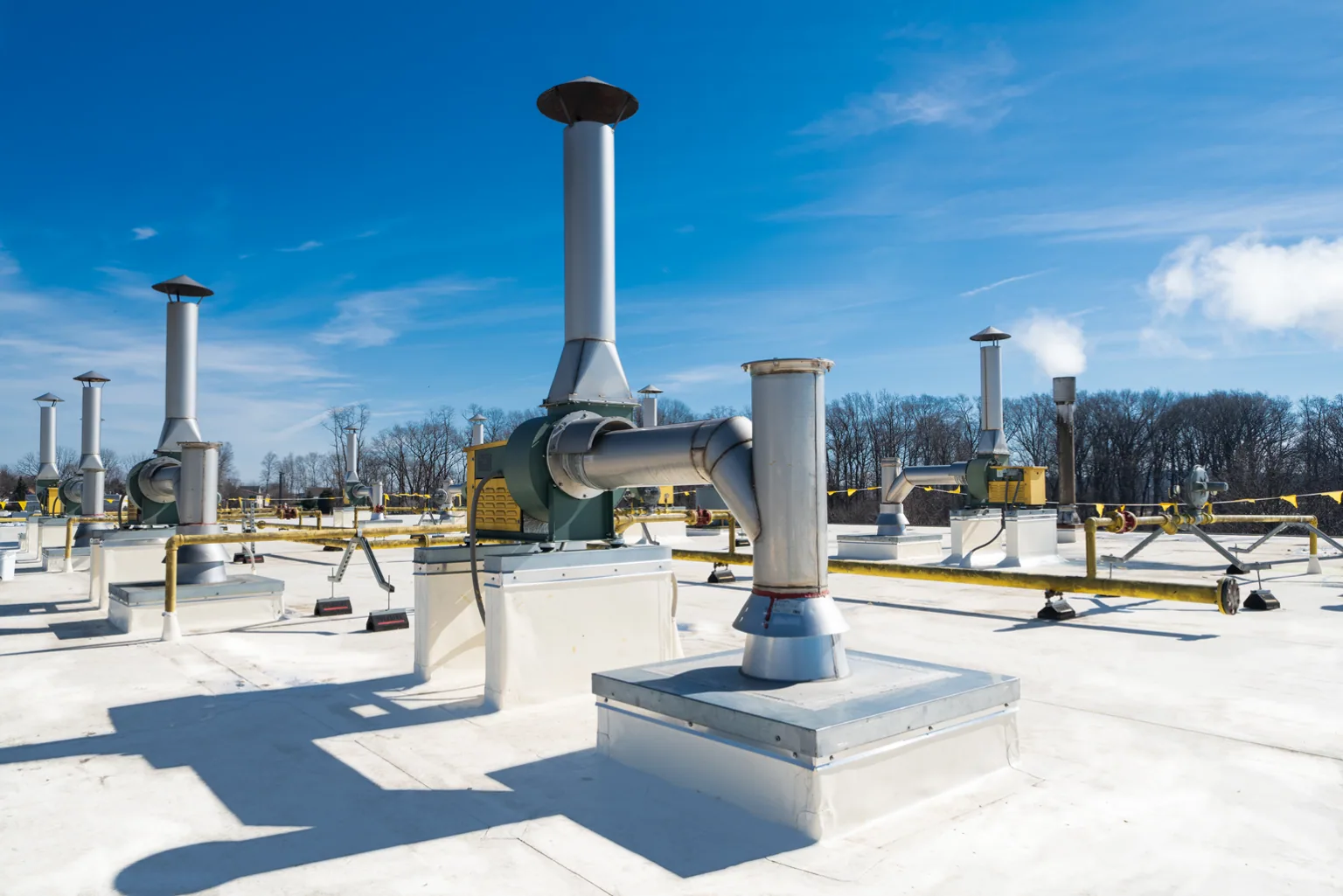
A roof return beside a process unit can encounter more than ordinary weather exposure. The responsible equipment staff identify heat, discharge and service conditions. We review the proposed materials against that actual environment. KEE roof construction requires its specified compatibility and system details. Other coverings have their own product and attachment requirements. The accessory base and upper closure must also suit the service. A compound chosen for another exposure can be unsuitable here. We establish the required contact surfaces before proposing a local reconstruction.
Equipment residue may prevent a suitable repair bond over existing material. We inspect the affected covering and available preparation method. A contaminated or deteriorated boundary can require material replacement instead. The responsible equipment trade addresses any uncontrolled discharge. Process-equipment roof support work completes its roofing interface within that sequence. A curb lift or support alteration may need appropriate design review. The director receives those dependencies before installation. The repair should finish against a serviceable arrangement rather than hide a recurring equipment problem.
A loose field beside equipment can indicate weak attachment below the visible sheet. We inspect the accessible covering and supporting construction. Industrial roof-layer repairs require a substrate suited to the specified assembly. Direct checks may establish wet insulation or damaged deck beyond the initial opening. The appropriate professional addresses structural concerns where support has deteriorated. We identify that finding before fresh material conceals it. Local reconstruction needs suitable retained layers at its completed boundary. Broad weak attachment may justify a wider renewal option.
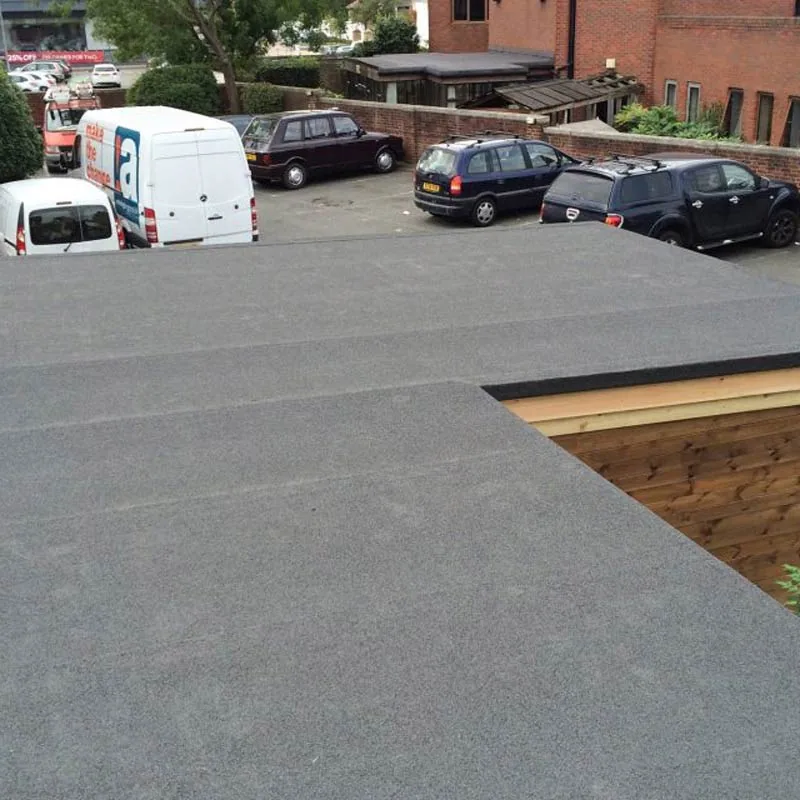
Repeated equipment access can also wear the covering along a service path. The selected protection should suit the material and preserve drainage. Puncture reconstruction examines the damaged opening and nearby contact material. A patch requires the joining method appropriate to that actual membrane. Sharp or unstable equipment supports can need separate correction. We identify those contacts before closing the repair. The director receives a construction scope connected to the source of repeated local damage. Maintenance should retain usable access for later equipment care.
A removal footprint can cross machines, stored components and occupied work positions. Facility staff identify equipment and processes needing suitable protection. We explain debris-producing preparation and exposure from the selected method. Coordinated construction work establishes the supporting and equipment tasks needed before the roof stage finishes. The plant contact arranges any necessary production interruption. Roofing then fits the protected area and available secure closure. A partial pause does not establish protection for every operation beneath the opening. The actual room and equipment layout guide that boundary.
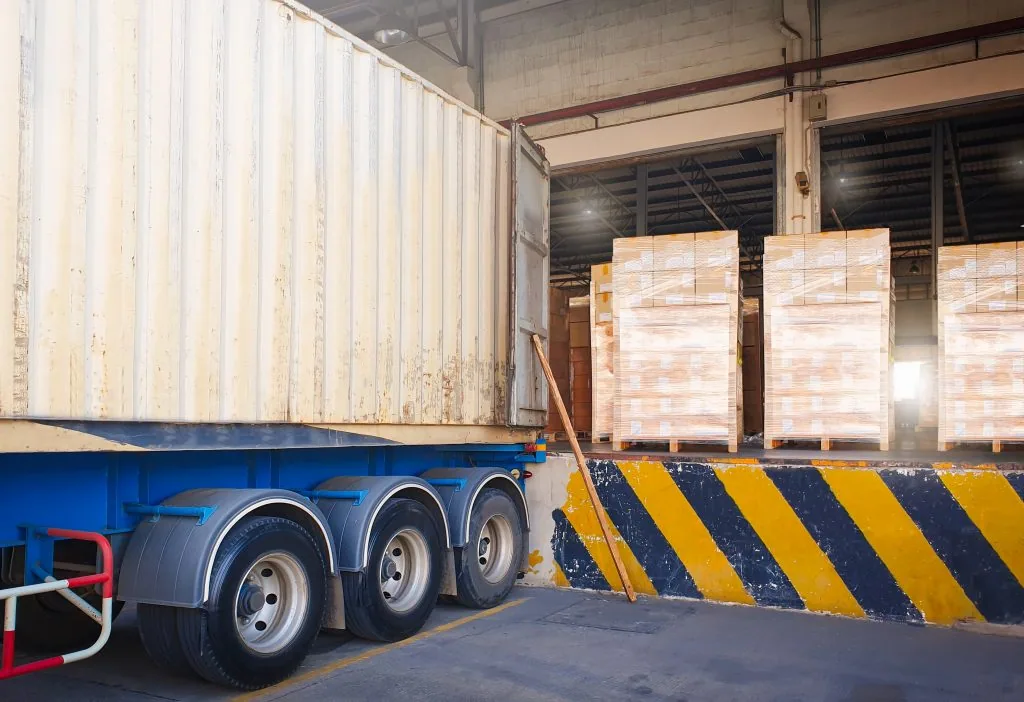
Preparation near an intake can carry effects beyond the immediate work bay. Responsible mechanical staff establish appropriate operating precautions. We identify products and active roof areas for their assessment. Hot-work or other method restrictions may affect the available assembly technique. The facility's applicable project requirements need confirmation before application. Industrial handling operations also coordinate vehicle movement where lifting crosses an active loading route. We locate those physical overlaps at the plant. Disposal and deliveries should stay within the controlled ground zone. We arrange load and product-protection review for material staged above the operating plant.
A new field can alter the useful height at a retained curb or outlet. We examine the proposed insulation layout against those components. The roof needs a functioning water approach and compatible drain connection. Separate piping or capacity changes may require another trade or design task. Equipment alterations also need their appropriate operating sequence. We identify the roof-side detail required when those tasks finish. The director receives the complete construction requirement before choosing the covering. A different material cannot make an unfinished drain or short return useful by itself.
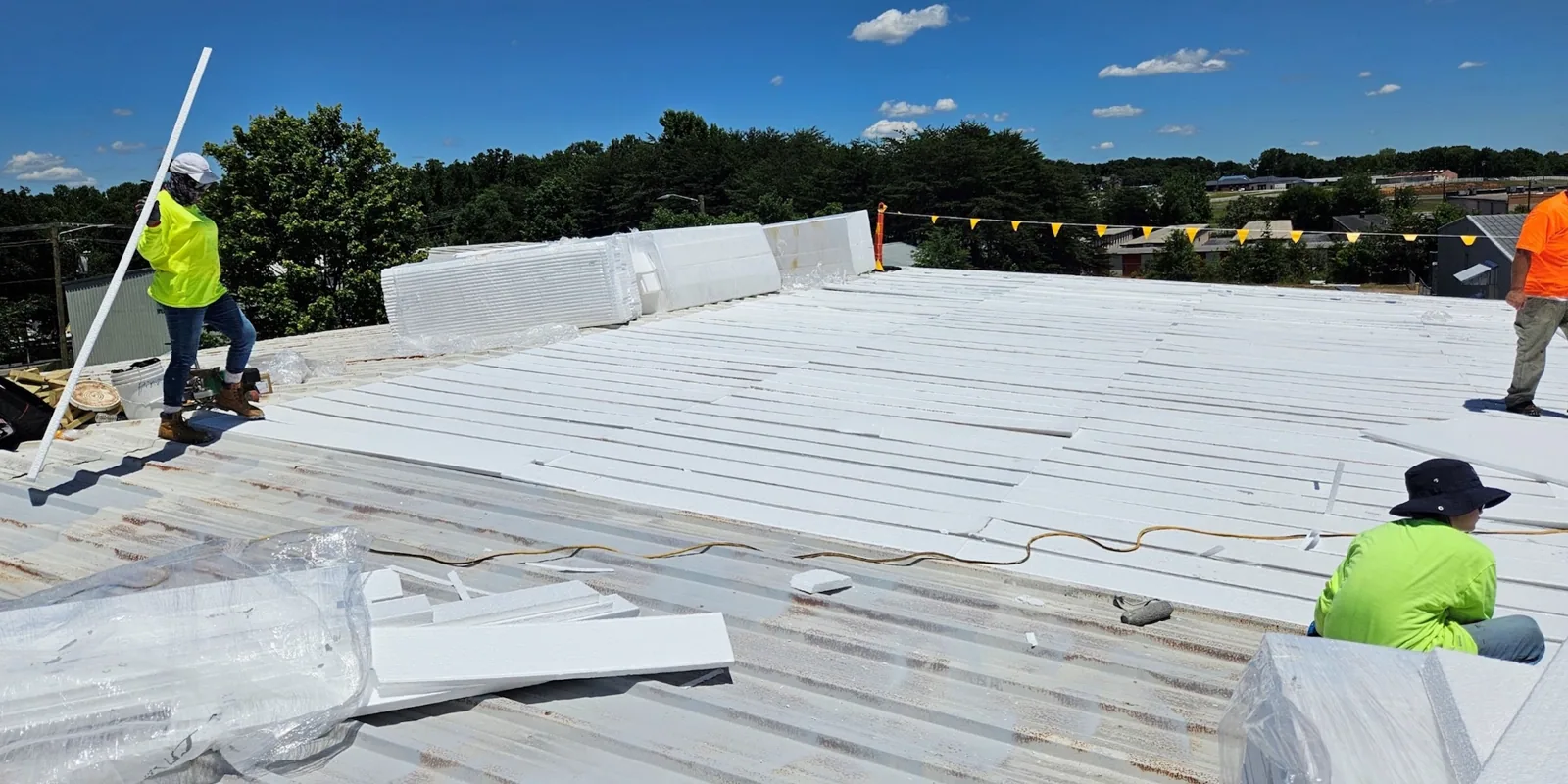
Oklahoma has long hot summers and a secondary autumn severe-thunderstorm period. Material application must fit the actual surface conditions at the plant roof. A storm interruption can change the available exposed stage. We select a removal area with suitable protected stopping available. A production window should allow the specified preparation and joining method. Concealed deterioration may extend the necessary support work. The contact receives that changed scope while the assembly remains exposed. Permit, design and inspection responsibilities are confirmed for the actual project. Renewal should leave the field and service interfaces complete together.
Guthrie manufacturing roof work requires review of the actual property's handling and equipment routes. Del City production-related businesses can have other site constraints. We coordinate material movement against the authorized ground arrangement. Completion includes checks suitable for the repaired joins and accessory faces. Accessible scrap should leave outlets and service paths. The director receives the construction locations and unresolved other-trade tasks. Later equipment replacement needs compatible roof closure within its sequence. We inspect the interface before another opening is made. The roof should retain its required service clearances.
Manufacturing roof maintenance examines local wear, drainage and equipment contacts against the installed materials. A new process can change exposure at a previously serviceable detail. We identify that condition rather than repeat an unsuitable treatment. Interior water reports should locate the work area and relevant activity. Equipment discharge and exterior entry can require different responses. The proposed repair follows the physical mechanism established. We review current support and material condition before recommending wider roof renewal. The facility can then arrange construction against useful roof findings and actual production constraints.
Identify the affected equipment, roof area and production restrictions. We will define suitable manufacturing roofing and the construction connections needed to finish it.
Its actual exposure and required clearances determine suitable construction. We review the equipment service with responsible staff. The selected material must fit that pipe or curb and the installed roof. A support alteration may precede flashing. The completed detail connects roofing closure to the equipment requirements.
The contact or supporting arrangement may continue damaging the covering. We examine nearby service routes and equipment supports. The relevant trade corrects the damaging support or contact before roofing closes. The repair then uses compatible material over suitable retained layers. Protection should preserve drainage and future inspection access.
The protected area and permitted operating conditions guide the usable construction stage. We identify preparation, products and secure closure requirements. Facility staff establish equipment or process precautions before exposure. Another method or smaller opening may be necessary. We install the specified assembly correctly within that chosen sequence.
The proposed service needs suitable support and a compatible roof interface. We review available curb height, accessory space and drainage. Other trades establish their equipment and structural actions. Roofing completes its connection within that coordinated sequence. The field should remain usable and inspectable after the service change.