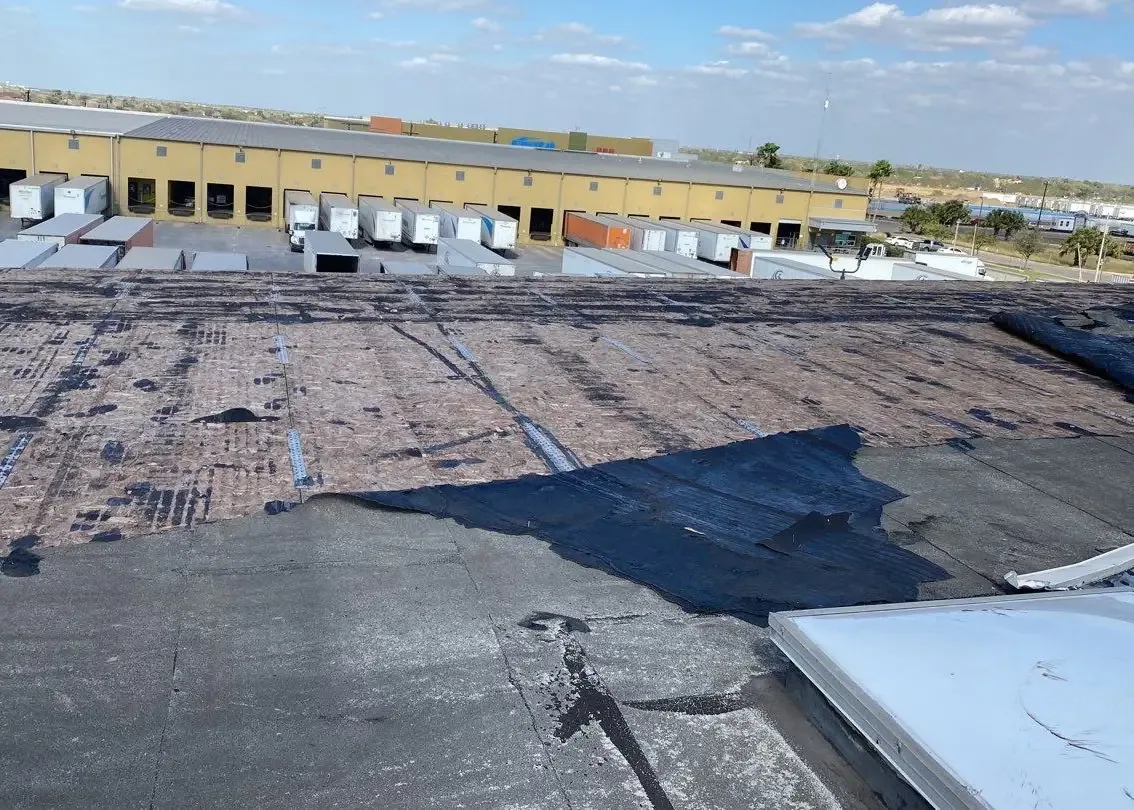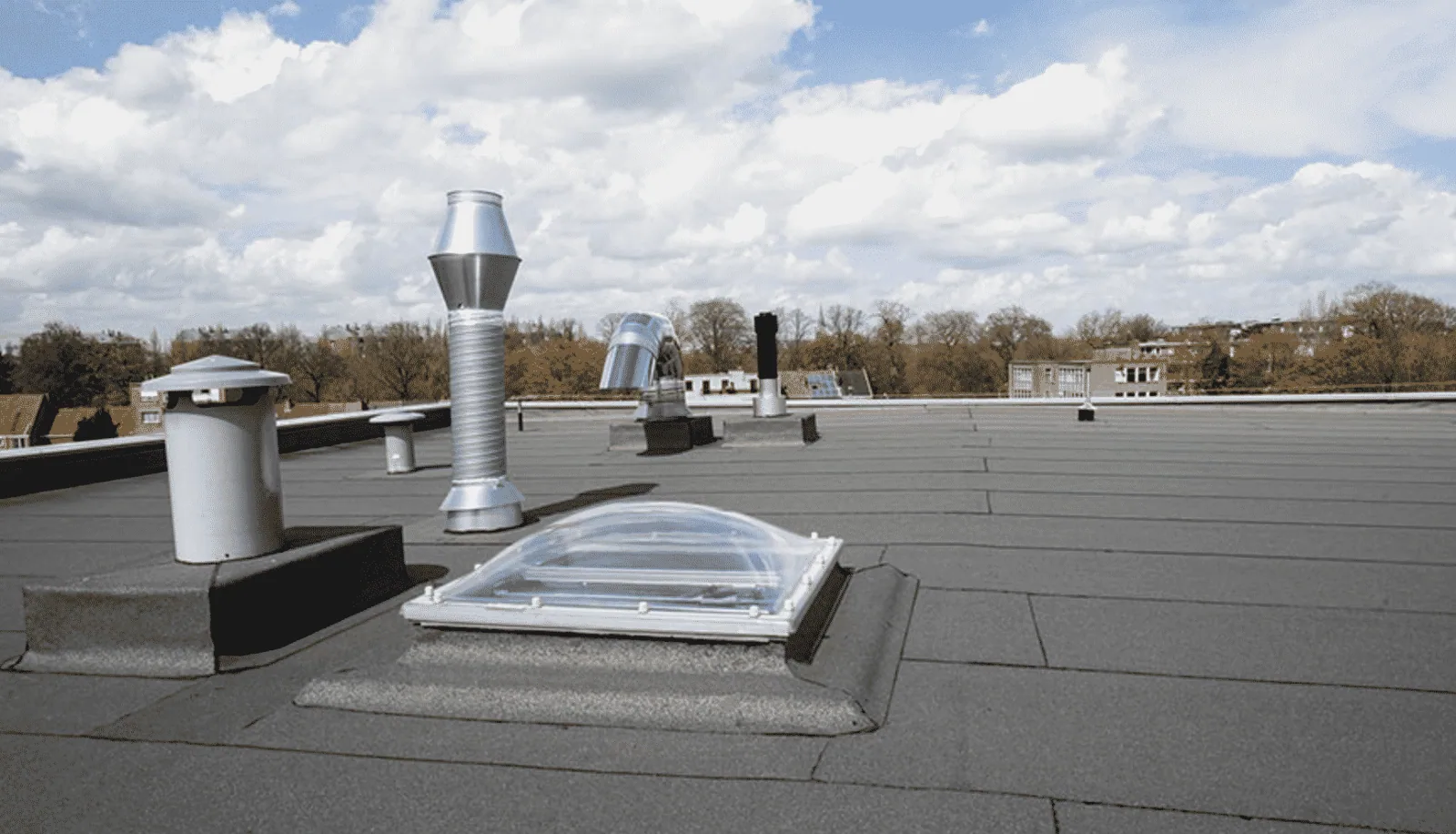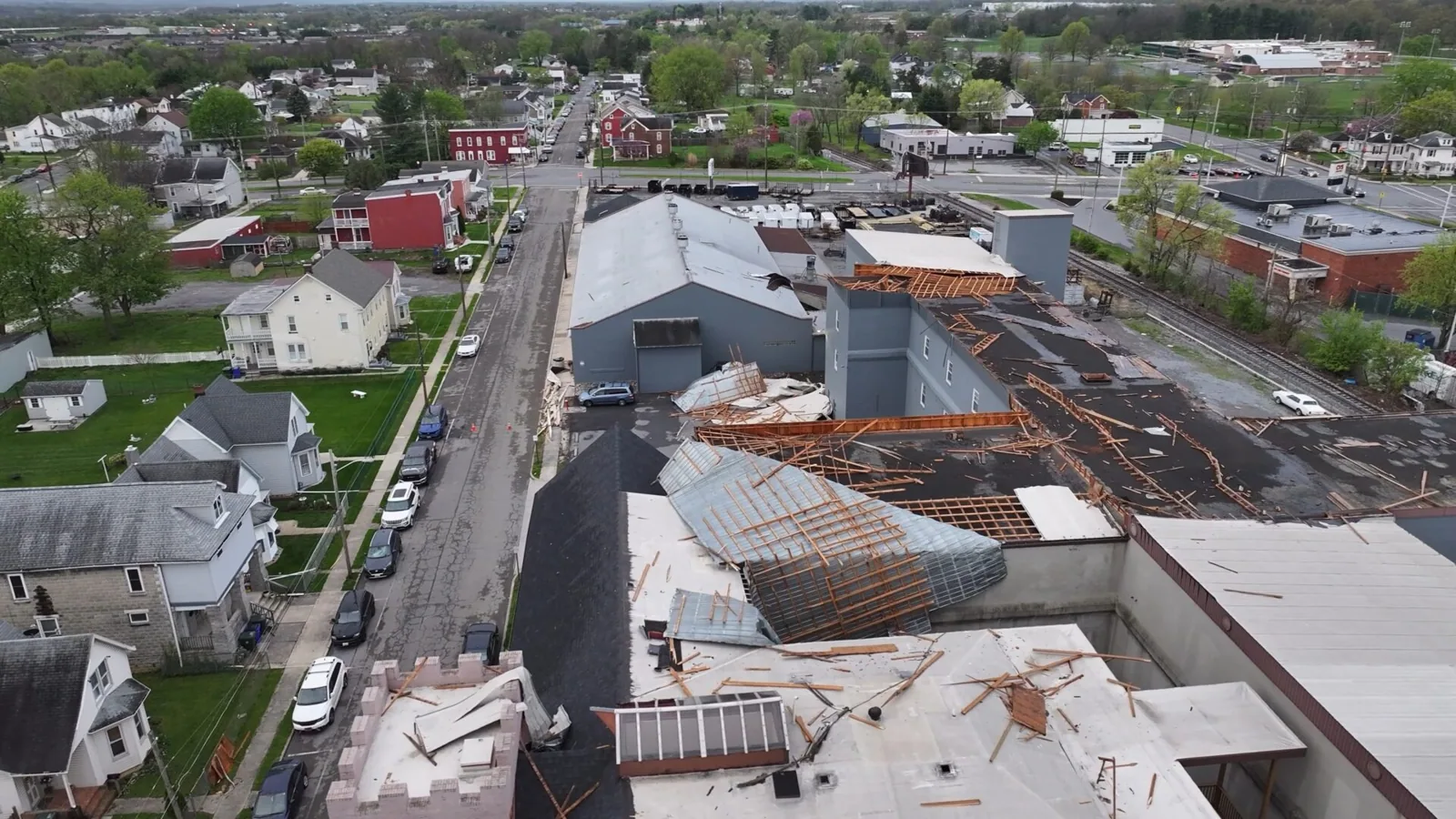

Across a distribution roof, a torn seam needs located photographs before removal. The photograph should show the separation and the surrounding attachment. That physical finding supports a repair scope the owner can evaluate. Commercial Roofing Edmond assists with roof insurance claim documentation in Edmond, OK. We examine damaged roofing and describe the construction needed to repair it. The work includes located photographs, condition findings and roofing scope coordination. The insurer evaluates coverage; we describe the connection needing reconstruction. The director receives roofing findings tied to a specific construction scope.
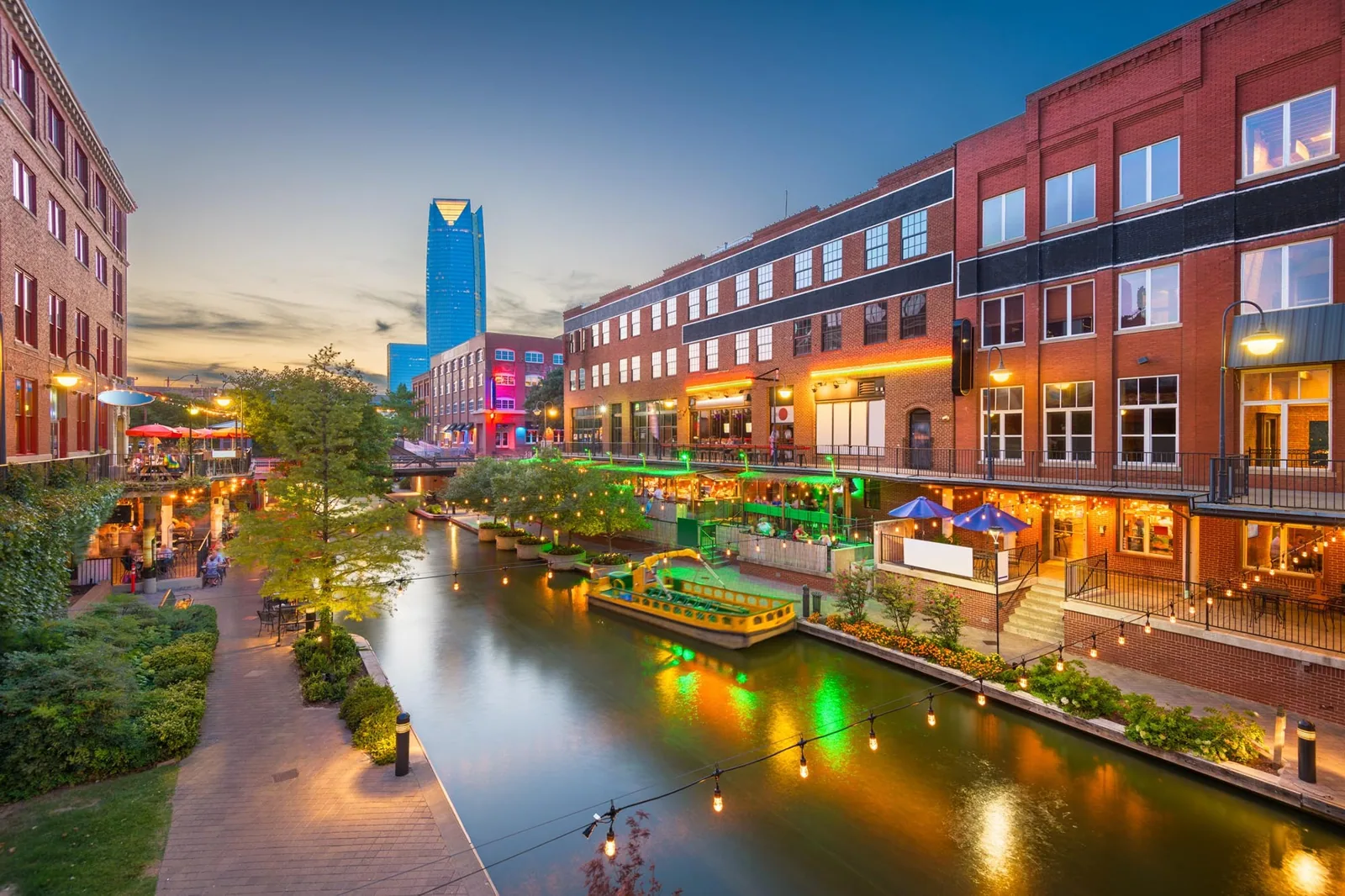
Oklahoma City has aerospace, energy and information-technology businesses among its sectors. Midwest City contains industrial and technology parks alongside retail activity. Commercial roofs serving those uses can protect equipment and operating inventory. Damage documentation should connect the affected roof area to its building exposure. We distinguish urgent protection from the permanent reconstruction proposed afterward. The facility director receives information about the actual roofing assembly. A recognizable defect and defined repair are more useful than vague damage labels.
A loose flashing may need immediate securement before a complete review. Where safe, we photograph its position and the exposed connection first. The image should include enough context to locate the damaged area. Close views then show the tear, separation or displaced attachment. We record visible conditions without assigning an unsupported cause. Old repairs and surrounding deterioration may need separate descriptions. That distinction helps explain the assembly examined at the visit.
Emergency work can alter what a later observer sees on the roof. We identify removed material and temporary protection within the roofing information. Emergency dry-in work should remain distinguishable from completed permanent repairs. The facility contact can preserve relevant interior observations and photographs as well. Active hazards still require prompt attention before record gathering. Water near electrical equipment needs the responsible qualified response. Documentation assists repair planning but does not justify leaving a dangerous condition untreated.
A hail mark can be visible without showing whether a membrane is split. We examine that area closely before recommending reconstruction. Material fractures, seam openings and displaced metal have different repair requirements. Storm damage assessment can distinguish those observed roofing conditions. We describe the actual damage and its roof location. Related equipment damage may inform the investigation without replacing it. The roofing finding must stand on the examined assembly.
Oklahoma spring severe weather can include hail, wind and tornadoes. We inspect the specific roof and record its damage, material condition and repair boundary before discussing event timing. Available event and roof history can help frame the investigation. Physical observations still determine the repair work we propose. Where dating or causation remains unresolved, we avoid an unsupported conclusion. The director can discuss that question with the insurer using the findings. The roof scope should remain understandable without overstating the event evidence.
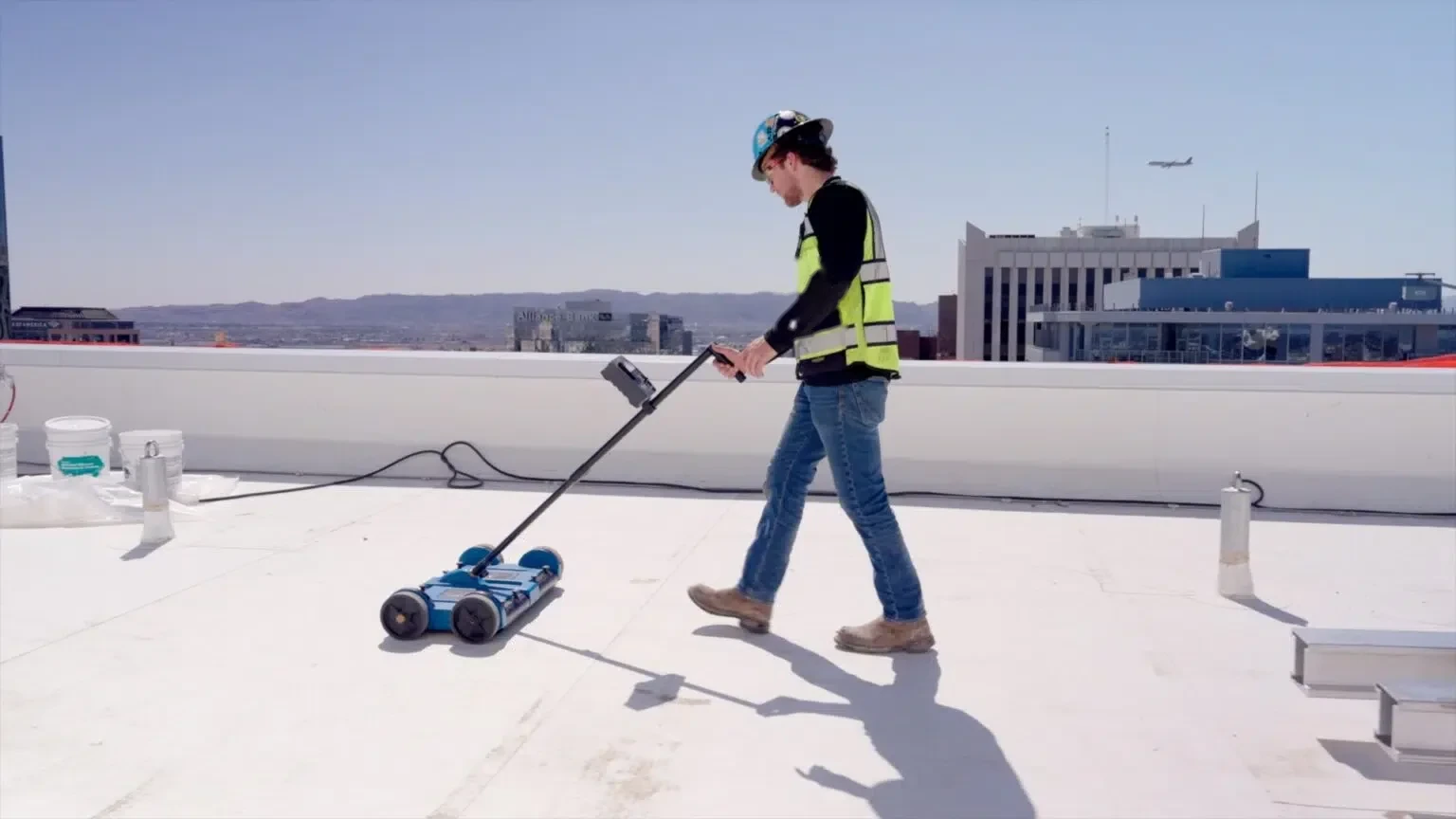
A visible tear may admit water into insulation beyond its immediate edges. Selected openings can help define the affected construction. We show the observed layers and the condition exposed at each cut. The deck may need repair where moisture has damaged it. That finding changes what must happen before new roofing is installed. An infrared moisture survey may help target checks under suitable conditions. Confirmed findings and unresolved indications remain distinct in the roofing information.
Removal quantities need a basis connected to the actual assembly. We identify the area requiring removal and why those materials cannot remain. Apparently sound surrounding construction may need examination before setting the transition. Hidden conditions can still change as broader removal proceeds. We explain relevant allowances instead of presenting every concealed condition as already known. The repair scope can then be updated through exposed findings. That gives the director a construction reason for each changed item.
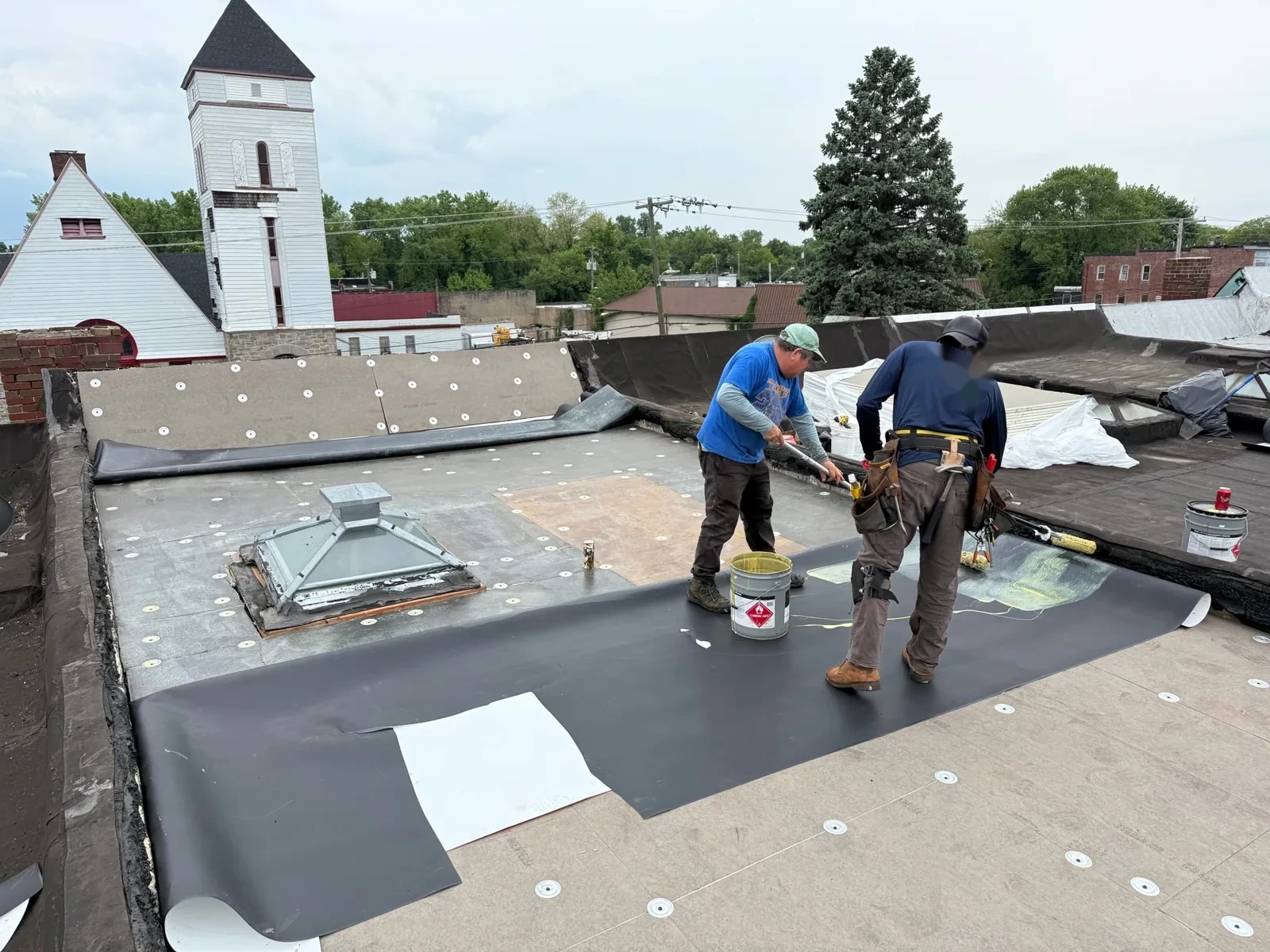
A membrane repair requires more than a sheet placed over a hole. Surface preparation, compatible material and finished-joint checks form part of that work. Damaged backing can add removal and reconstruction beneath the visible flashing. Commercial repair scope should identify those related tasks. We define the boundary where repaired construction joins retained roofing. Shared connections with walls or equipment may need another trade. Those responsibilities should be clear before the work is scheduled.
Replacement of a damaged component may require access equipment or material handling. Roof height, restricted staging and occupied rooms affect the construction method. The proposed scope identifies necessary protection and disposal as appropriate. It also separates maintenance or preexisting renewal from damage-specific repairs. A roof may need both without those items sharing one reason. We explain their individual construction purposes for the facility director. The resulting proposal should describe what the contractor will actually build.
Midwest City's industrial and technology parks bring varied operating needs into repair planning. Equipment rooms and stored materials may need protection beneath proposed openings. Midwest City roof examinations should relate the damaged assembly to those interior uses. We coordinate suitable access for roof reviewers and affected trades. The director identifies the operation that cannot tolerate an uncontrolled exposure. That requirement belongs in the repair sequence. It should not disappear while the claim review is underway.
Oklahoma City's interstate access supports business activity across several sectors. Each property's staging and entry conditions still need a specific examination. Roofing work may depend on mechanical disconnects or structural review. The proposed construction needs its permit and design requirements confirmed. We identify those responsibilities with the repair scope. Necessary design and permitting decisions should be resolved with the reviewing authority. The insurer's review and the construction requirements remain separate responsibilities.
An opened deck can reveal deterioration not visible in the first examination. We photograph that condition and describe the added roofing requirements. The facility director can then address the changed scope through the appropriate channels. The information should connect the revision to a specific exposed area. Condition reports help keep those findings organized by roof location. The purpose is continuity between the examination and the constructed repair. Unrelated additions should not be hidden within a generic revision.
Completed work needs photographs of the rebuilt connections and relevant roof areas. We identify the temporary protection replaced by permanent construction. Remaining defects outside the agreed boundary retain their own recommendations. Roof capital planning can address those needs separately from the claim repair. The director should know what work has been completed and what remains. A clear roofing record supports ongoing care of the building. It does not promise an insurer's determination or a particular coverage outcome.
Arrange an assessment of the affected roof and building exposure. We will document the physical findings and define the construction the repair requires.
The insurer applies the policy terms when assessing payment. We provide observations, photographs and the construction requirements identified at the roof. Those findings can clarify why specific repairs are proposed. The owner and insurer resolve coverage questions through the claim process. We do not promise approval or a payment amount.
Immediate protection needs attention where the building is exposed. We record conditions before changing them when that can be done safely. Emergency closure and removed material remain identified in the roofing information. The facility director should coordinate insurer requirements while addressing hazards and active water entry.
The exposed condition requires a documented construction response. We locate and photograph the affected layers, then explain the necessary removal. The director can address the revised scope with the insurer and responsible parties. New work should follow the actual findings rather than repeat the original estimate unchanged.
Separate work needs separate descriptions. Cleaning, worn sealant and preexisting deterioration may need attention without sharing the damage cause. We distinguish those items in the proposed roofing scope. The facility director can decide how to schedule them while the insurer reviews the claim-specific work.