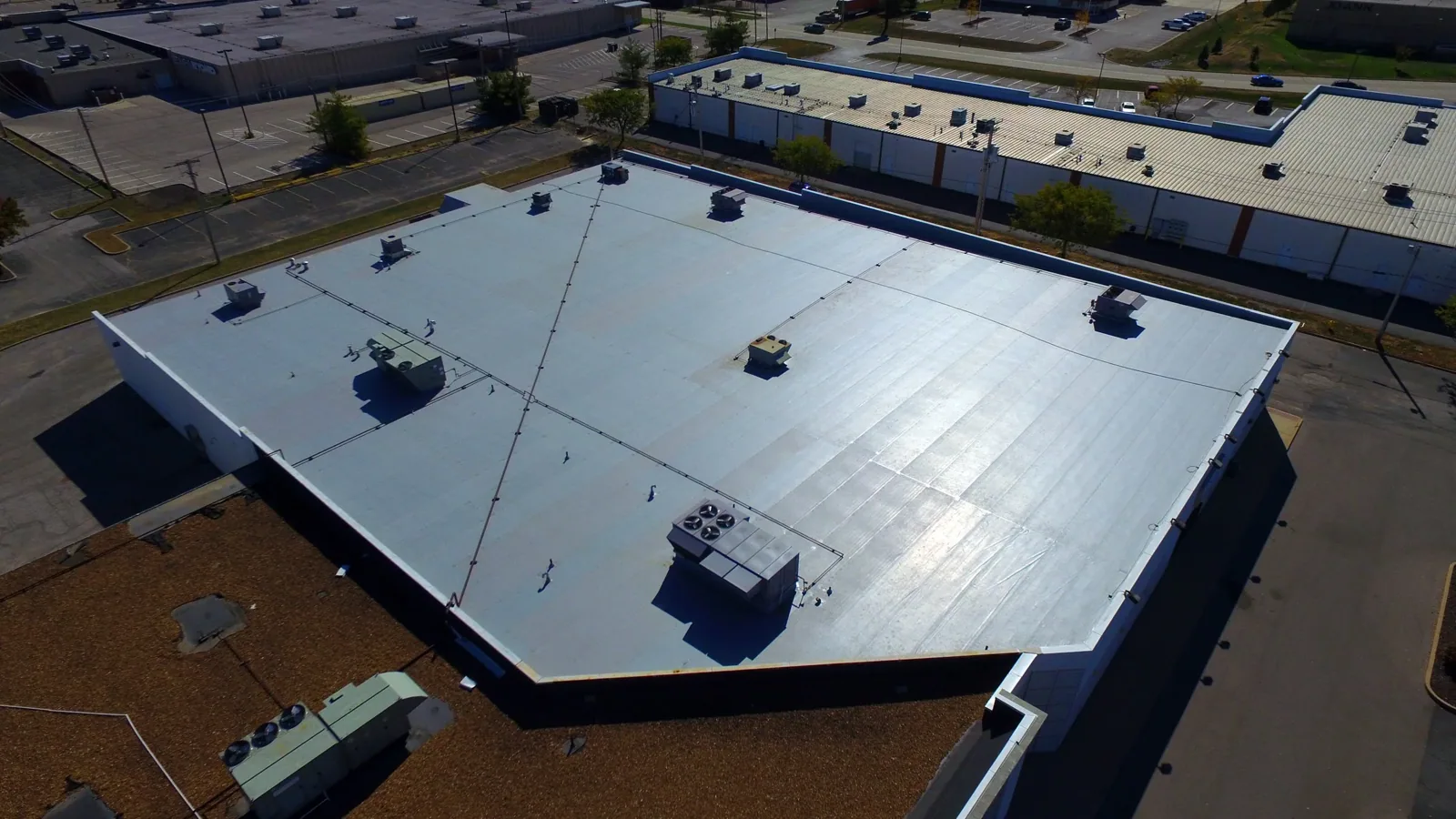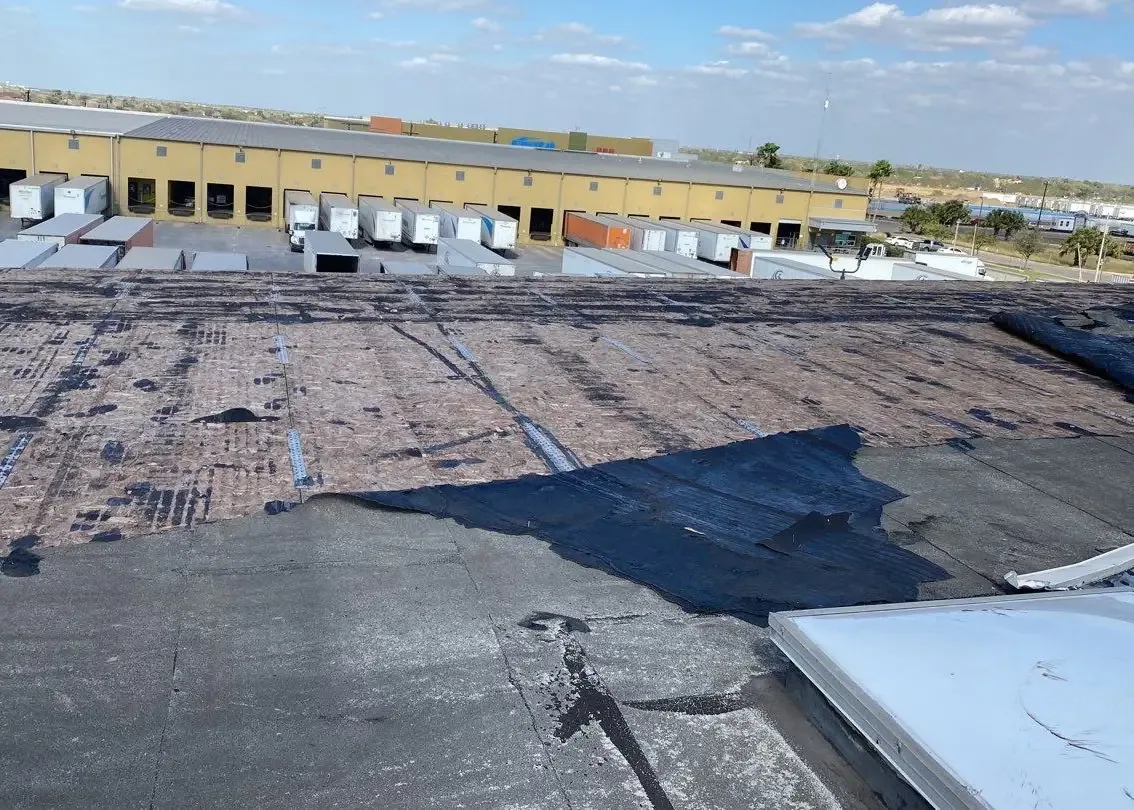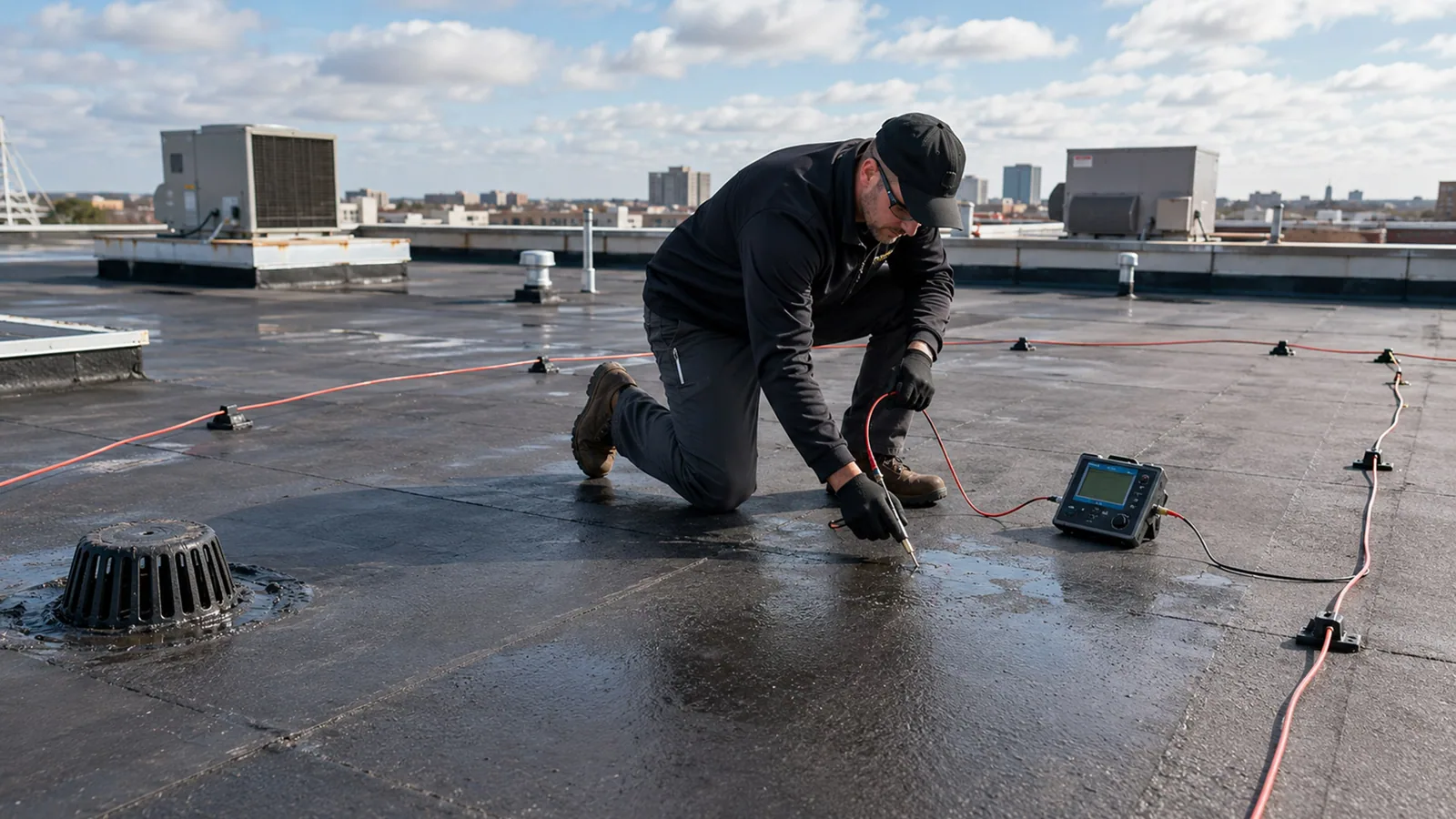

A health-care roof needs clear access around vents and equipment. Bethany sits along historic Route 66 in the northwest Oklahoma City metropolitan area. Its businesses, health-care institutions, churches and educational buildings create varied service needs. We inspect the roof assembly before selecting a repair. The commercial roof inspection records seams, flashings, drains and perimeter attachment. It also identifies which detail needs closer examination before pricing. The property contact receives a work boundary and access plan, not an assumption based on the building’s name or neighborhood.
Health-care, school and church schedules can overlap across a roof project. We confirm entrances, operating hours, sensitive rooms and equipment shutdown limits before staging. The crew keeps material and debris away from public paths. If a roof opening affects an occupied space, the owner sets interior protection and notice. We agree on a daily limit that can be closed before workers leave. A phased schedule helps the manager reserve access and communicate temporary changes without leaving a roof section exposed.
Bethany includes several educational institutions and two public-school systems. At each property, we verify the roof assembly, access and operating limits before setting the work plan. An Edmond corridor roof review can be scheduled as a separate visit; its photos remain with that property. The East Edmond assessment likewise receives a separate route plan. Shared calendar coordination should not mix access notes, tenants or approved work limits.
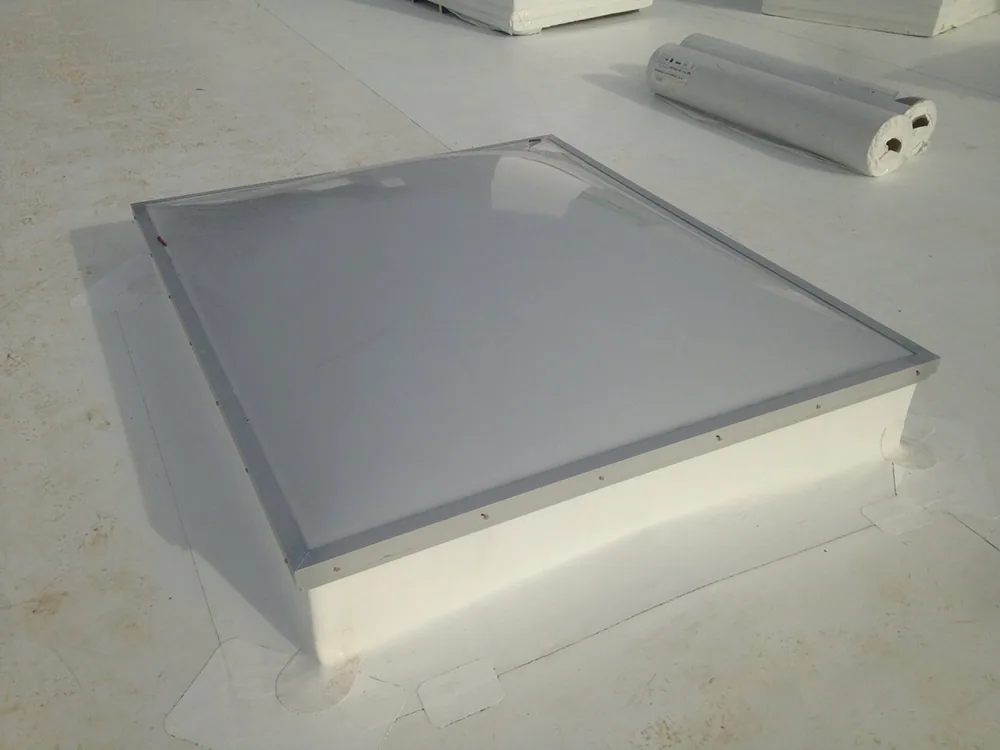
Exhaust fans, plumbing vents and mechanical curbs interrupt the roof surface. We examine the curb face, membrane return and backing before removing old flashing. A tight fit should not pull the sheet away from a corner. The receiving surface must hold the chosen attachment. We photograph the exposed connection and confirm product compatibility. After installation, the crew checks laps and corners for openings. The repair record identifies each curb or penetration so later maintenance can revisit the correct detail.
Health-care and education buildings may need selected equipment to remain in service. We ask the facility contact before work approaches a protected intake or powered device. The scope identifies any required shutdown and the person who releases it. A penetration-flashing correction uses components matched to the roof assembly. Where a thermoplastic membrane is present, a TPO flashing detail needs a clean, tested weld. We do not cover an uncertain connection until its receiving surface is sound.
Oklahoma spring storms can bring hail and damaging wind, with autumn a secondary severe-weather period. We plan Bethany roof openings around current forecasts and a secure stopping point. Long, hot summers also influence worker exposure and installation conditions. We check the forecast before opening the roof and assign a stopping point that can be protected that shift. Product handling follows the selected system’s requirements. If conditions change, the crew secures the active section before moving to another task.
After a reported event, we inspect the roof and the rooms below. The report records observed punctures, displaced metal, loose flashings, opened seams or moisture. It separates temporary protection from permanent construction. A storm-damage roof inspection can identify the next decision and any needed test. Each address receives its own photos, measurements and approved repair boundary. The owner approves any added removal after seeing the affected area and its documented boundary.
Drainage review starts at the roof surface and continues to the visible outlet. We inspect the strainer, bowl, clamp and surrounding flashing. Then we trace ponding, sediment lines and transitions that may direct water toward a seam. Debris can obstruct a drain, while a loose clamp or split flashing needs a compatible repair. If water remains after cleaning, measurement can help distinguish settlement from a blocked path. The proposal separates maintenance from construction so the owner can choose the right scope.
Canopies and rooftop equipment may change how debris collects near an outlet. We mark those locations, keep service routes clear and review overflow paths. The drain and scupper repair should preserve both primary and overflow drainage. We test corrected areas when site conditions permit and record any limits to the check. A maintenance interval can revisit known accumulation points. It should not treat every section as equally exposed or replace a needed construction repair with repeated cleaning.
We identify the installed membrane, seam direction, attachment and receiving surface before choosing repair materials. Thermoplastic sheet needs a clean test weld. EPDM flashing requires compatible primer and components. Metal panels need closures and fasteners that fit the profile. A coating can renew a sound compatible surface, but cannot correct a loose edge or failed deck. The estimate names the material and defined area. If opening the roof reveals moisture or deterioration, the crew documents it and requests approval before increasing the scope.
A health-care building and a retail roof may sit close together while having different systems. We inspect each one independently. The EPDM repair is not a substitute for a verified thermoplastic weld. If repairs no longer address the affected areas, a commercial replacement proposal separates tear-off, insulation, drainage and edge details. The owner can then compare a focused correction against a phased capital project using documented roof conditions.
The closeout review checks finished seams, penetrations, edge connections, drains and access points. Photos show concealed work before covering and the final connection after installation. We remove debris and confirm agreed paths are open. The roof condition report lists material, location, work performed and any follow-up item. For an owner with several buildings, each address keeps its own history. That makes it easier to plan budgets and compare conditions without transferring one roof’s findings to another.
Maintenance, repair and replacement remain separate decisions. We note which areas are serviceable, which details deserve attention and what testing remains. A future visit can check a repaired flashing or drain without repeating every step. Ask us to examine the Bethany roof’s occupied spaces, curb connections and drainage path. That review helps set a safe access window and a clear repair limit. The facility contact can then coordinate tenants or users around a written sequence rather than an uncertain roof opening.
Arrange a close examination of the building’s occupied rooms, curb connections and drainage path. The visit helps define work limits and a safe opening window.
Often, with access, sensitive rooms and equipment limits coordinated first. We agree on protection, daily stopping points and communication with the facility contact.
We identify the installed system and substrate first. The proposal names compatible materials, attachment needs and approved work boundary for each building before installation.
Request an inspection of the actual roof and rooms below. We document visible conditions, separate temporary protection from permanent work, and list any test needed.
We inspect the outlet, flashing, overflow and nearby debris pattern. The scope distinguishes cleaning from a repair to a damaged clamp or membrane detail.
The assembly and receiving surface guide selection. We identify the system first and specify compatible material before installation.
Yes, when each owner confirms access. Each address receives its own notes, photographs and repair limit. The work scope remains property-specific, even when travel is shared.