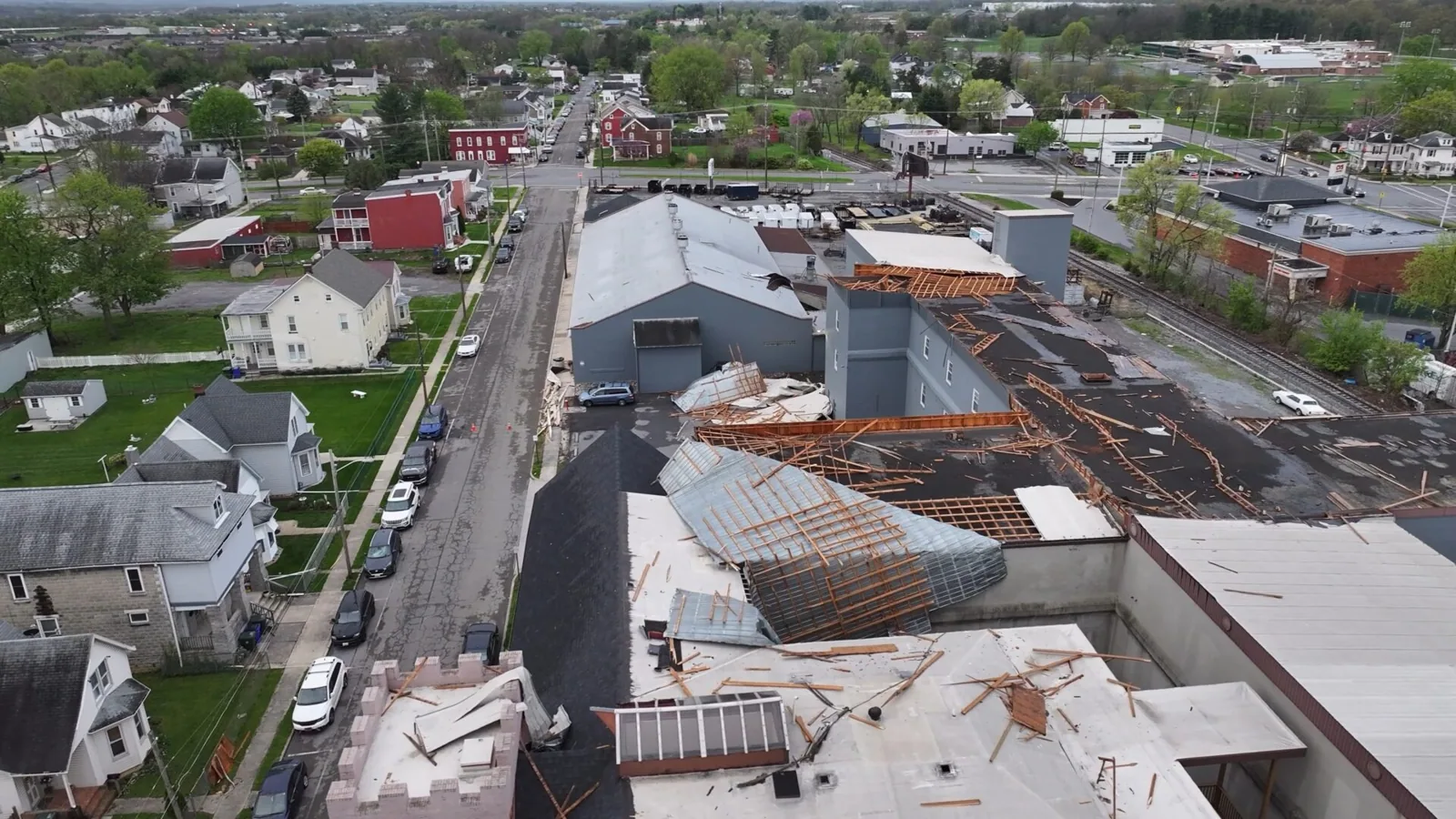

Reroofing above patient rooms requires a protected intake and controlled removal boundary. Dust and water exposure cannot be left to the room schedule alone. We connect the roof sequence to the operation below it. Commercial Roofing Edmond reroofs occupied commercial buildings in Edmond, OK. The work may involve replacement, recover or another suitable assembly. Occupancy changes how that construction is divided and handled. It does not excuse weak attachment or unfinished flashings. The director receives a plan for roof work and building use together.
Edmond includes INTEGRIS Health Edmond, Mercy Edmond I-35 and educational buildings. Their occupied spaces can have different ventilation and access needs. Downtown Edmond combines shops, restaurants and outdoor gathering areas. Broadway Corridor also contains offices and other commercial uses. We identify the affected operation before establishing removal zones. A workable sequence gives each area a protected closure and usable access. That planning makes the construction method practical for the building.
A nearby air intake can draw preparation dust into occupied space. We identify its location and coordinate protection with responsible mechanical staff. The selected roofing method may introduce additional ventilation considerations. Product handling and application requirements belong in that review. An intake shutdown may affect the room operation and mechanical system. The director needs those consequences understood before work starts. Roofing protection cannot be chosen without considering the equipment it affects.
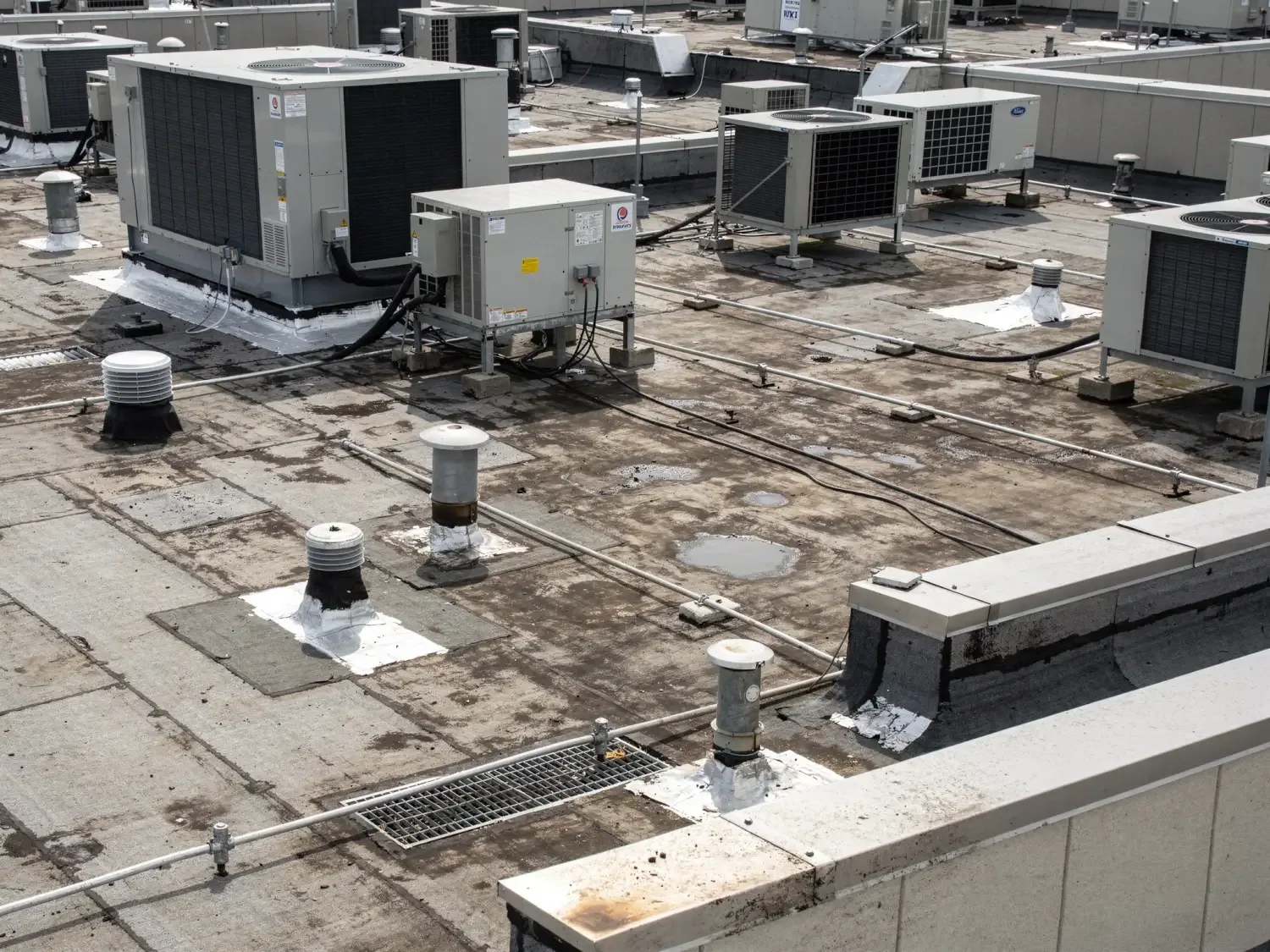
Exhaust systems require separate attention where their discharge reaches the work area. Cooking, laboratory or other operating equipment may alter surface exposure. We examine the actual rooftop arrangement rather than assume one condition. Medical office roofing can need especially careful coordination around treatment schedules. The roof method should suit the equipment and occupied room requirements. Necessary mechanical actions remain with the responsible trade. We establish where roofing can proceed safely within that arrangement.
A broad tear-off area may be impractical above a continuously occupied floor. We divide removal into sections that can be securely closed. Weather, access and production conditions affect the size of those sections. Each stopping point needs a suitable temporary or permanent connection. Work should not leave exposed layers depending on a loose covering. Roof replacement needs that daily closure sequence identified before removal. The director should know where roofing is open at any stage.
Interior protection may need to change as the removal zone moves. We coordinate the rooms and equipment below the active work area. Areas containing moisture or deteriorated decking may require a revised sequence. Those concealed findings can increase removal and protection needs. We show the changed condition before rebuilding over it. A paused work zone should remain protected while the next action is arranged. Occupancy planning must follow the construction actually found on the roof.
A loading route that crosses an active entrance needs deliberate control. We establish delivery, disposal and worker movement with the facility contact. Roofing debris should not travel through an uncontrolled public area. Equipment placement may require temporary changes to parking or service access. Downtown Edmond reroofing must consider walkable business streets and outdoor dining. The roof operation and ground use need separate but coordinated boundaries. Each should remain clear to the people using the building.
Fire access and necessary building exits need appropriate protection during the work. Temporary arrangements require coordination with the responsible building parties. Materials stored on the roof must suit structural and installation requirements. Sharp debris should not be allowed to damage retained covering. The movement route may change between construction stages. We identify that change before the next delivery or removal begins. Practical handling helps keep both the roofing and occupied operation manageable.
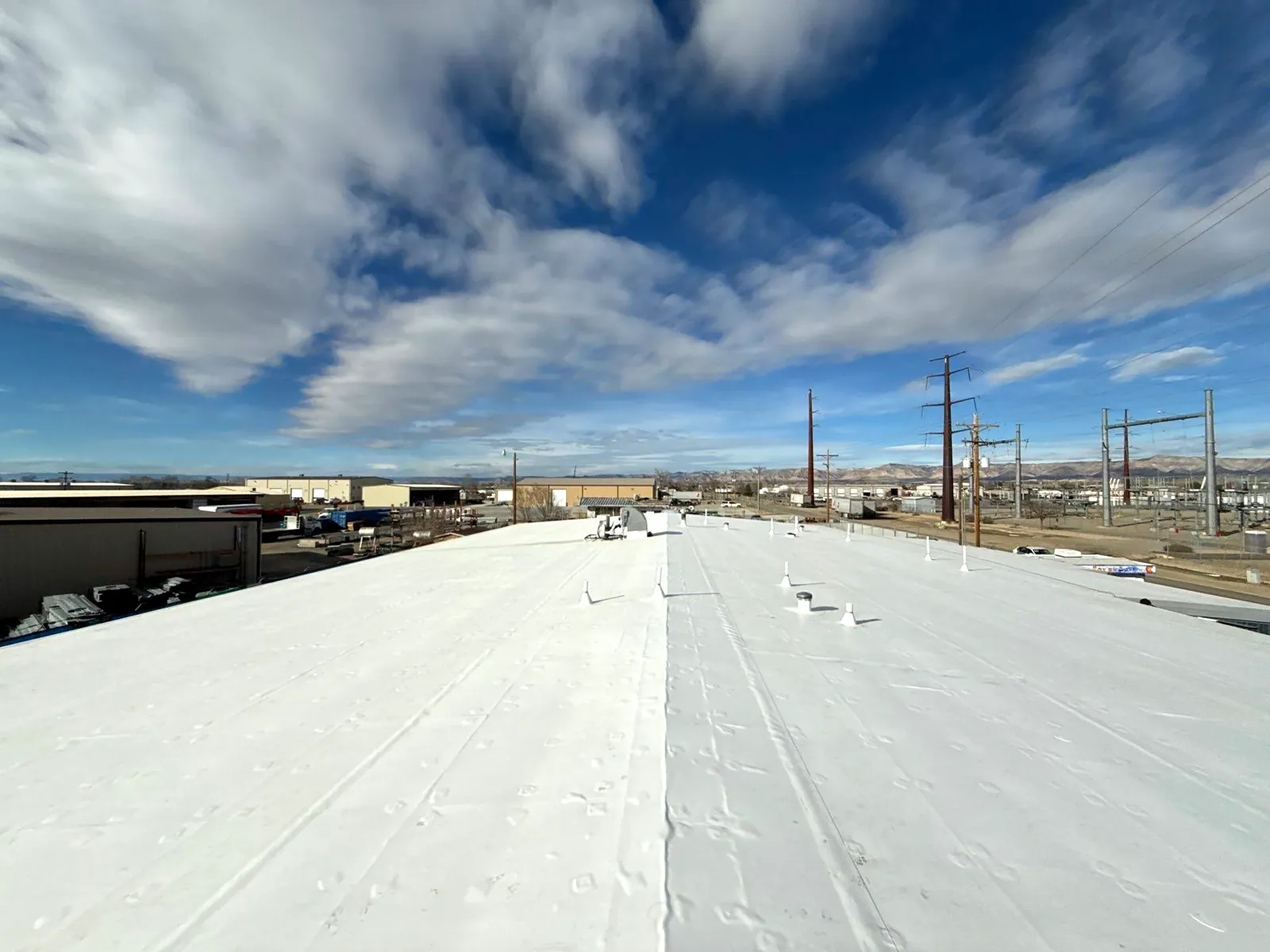
A recover may limit removal where the existing roof genuinely qualifies. Moisture, attachment and layer condition still need examination. Recover roofing should not be selected solely to avoid occupied-building disruption. A failed assembly may require removal despite that operating preference. We explain the finding behind the appropriate method. Localized wet-area work can sometimes support a suitable retained construction. Its boundaries and required closures need the same careful attention.
Different installation methods also introduce different operating and weather requirements. Bonding products, heat welding and mechanical attachment need their proper procedures. We examine access and nearby equipment before choosing the application sequence. Noise-producing work may require scheduling against sensitive room use. The assembled roof still needs appropriate fastening and finished-joint checks. Occupancy controls should support those methods rather than compromise them. The director receives the practical construction choices available for the actual roof.
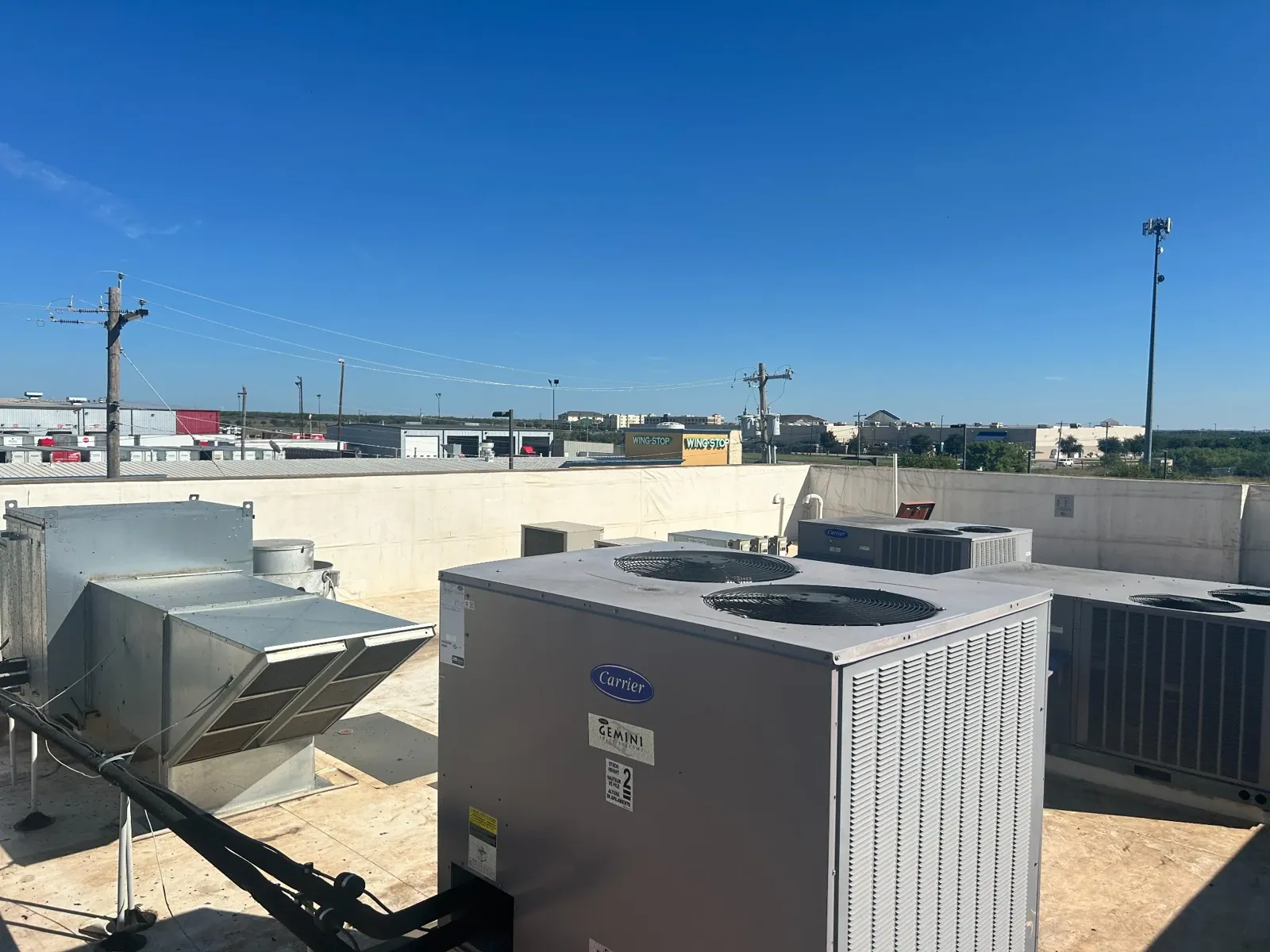
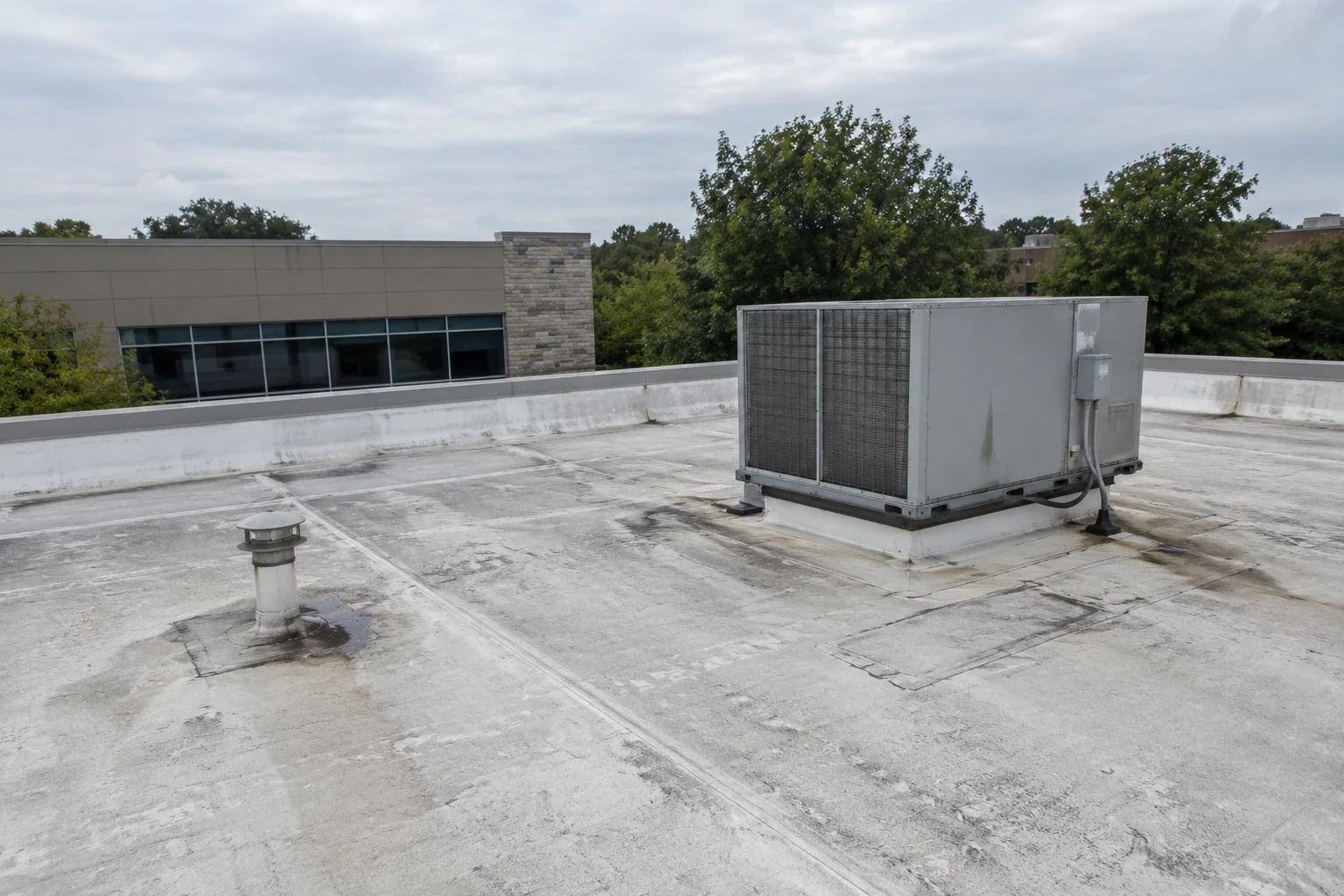
A rooftop unit may need disconnecting before its curb can be raised. The equipment shutdown belongs in the occupied-building sequence early. We coordinate roof closure with mechanical handling and reconnection. Curb and support work can affect ventilation, service access and structural details. The responsible trades need clear construction boundaries at the same opening. A finished roof sheet should not wait unprotected for an unresolved connection. The sequence should identify when each trade can complete its portion.
Published state and Edmond code adoption information differ in timing. Project requirements need confirmation with the relevant reviewing authority before installation. Structural or drainage alterations may bring additional design and permit responsibilities. Those requirements can affect the construction schedule without changing the need for protection. We identify the dependencies for the facility director. Required inspections should fit the agreed roof stages where appropriate. The building should remain protected while review and other trade work proceed.
Oklahoma has generally hot summers and spring storms capable of damaging wind. Those conditions affect material application and safe handling on the roof. We adjust exposed work to the actual weather at the property. The removal area should suit the available closure window. Changing conditions can require an earlier stopping point. Temporary joints need examination rather than reliance on surface appearance. The roof should remain secure before the crew leaves that active stage.
An active leak during construction requires prompt attention to the exposed assembly. Building staff need a contact and a precise location for reporting water. Interior electrical or ceiling hazards require the responsible qualified response. We examine the roof condition and coordinate necessary closure work. A protected zone still needs the appropriate completed repair afterward. The director should know which construction is temporary and which is finished.
Arrange a review of the roof work and occupied rooms beneath it. We will define closable zones, intake protection and equipment coordination for the project.
The existing assembly must qualify for any retained-layer option. Wet insulation or failed attachment can require removal despite the operating preference. We evaluate those conditions and propose a protected work sequence. Occupancy affects staging and protection, not whether unsuitable material can remain.
The active roof zone is related to the occupied rooms below. We coordinate interior protection and equipment needs with the facility contact. The boundary changes when construction moves to the next area. Concealed deterioration may also alter that sequence. Each change needs a secure roof closure and defined interior precautions.
Scheduling can account for sensitive activities where the method and weather permit. We identify the tasks that produce noise and their construction dependencies. Removal and closure still need a workable weather window. The agreed sequence should preserve the required roof protection rather than leave an opening to satisfy one appointment.
The responsible mechanical trade controls its equipment and reconnection. We coordinate the roofing opening and closure around that work. The director identifies the affected operating area and acceptable interruption. Those responsibilities should be established before removal starts. A shared detail needs one workable sequence across the trades.