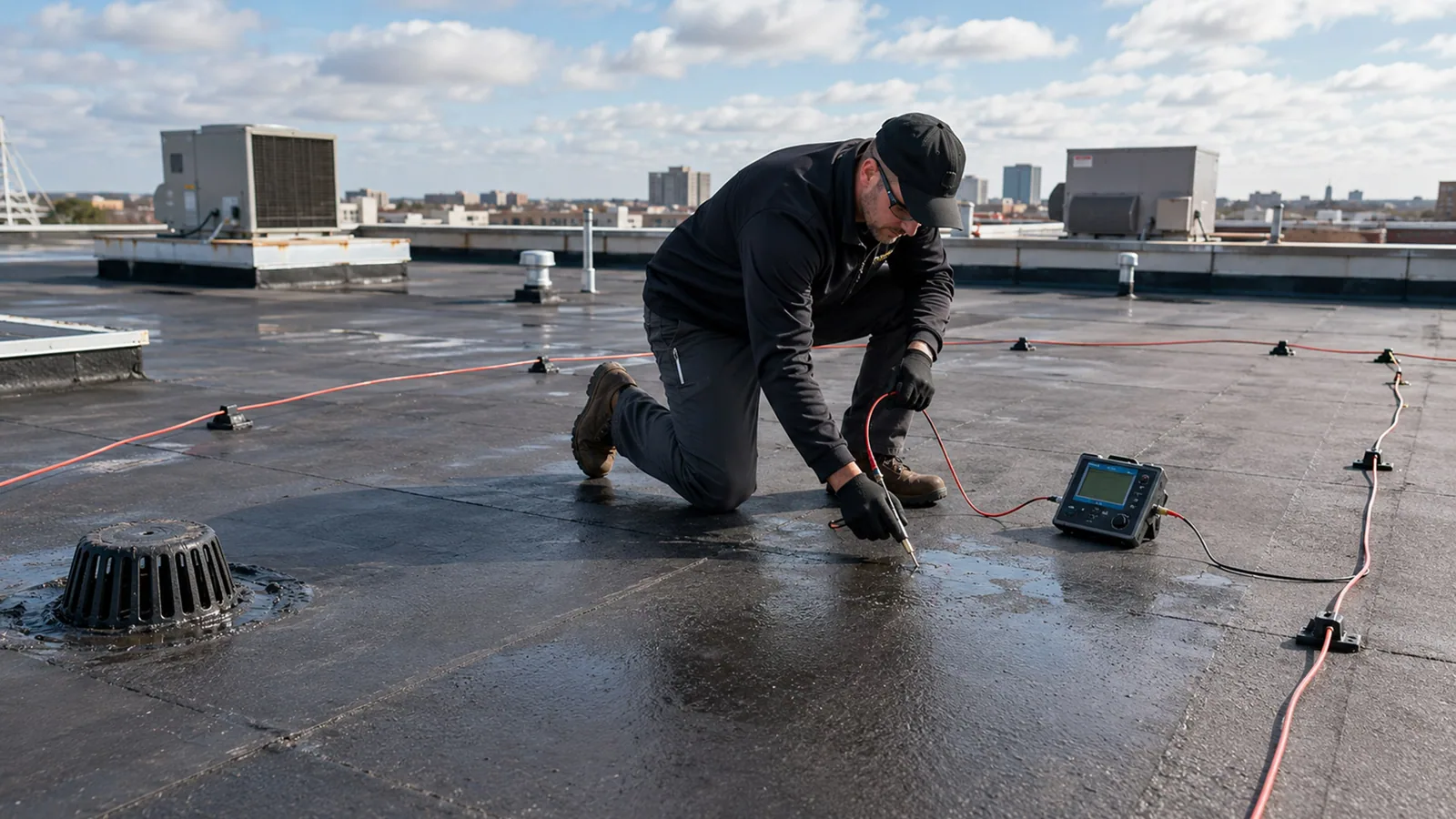

Solar work above a warehouse begins with the roof connections under the proposed racks. A sound membrane needs room for inspection and later repair. Array supports must not obstruct drainage or damage the covering. Commercial Roofing Edmond prepares commercial roofs for solar work in Edmond, OK. We examine the roof condition and coordinate its interfaces with the solar design. The array installer and structural professionals retain their appropriate responsibilities. Our roofing scope addresses the assembly the equipment will occupy. The director should settle those roof decisions before panels restrict access.
Oklahoma City includes information-technology, energy and aerospace business sectors. Yukon has large-format retail and restaurant businesses near Interstate 40. Roofs serving those uses may need work coordinated with active operations. The array layout must account for the actual roofing and equipment arrangement. We examine drainage, penetrations and service paths rather than assume an open field. Roof preparation should preserve future access beneath and around the installation. The operating building needs a roof that remains maintainable after the solar work.
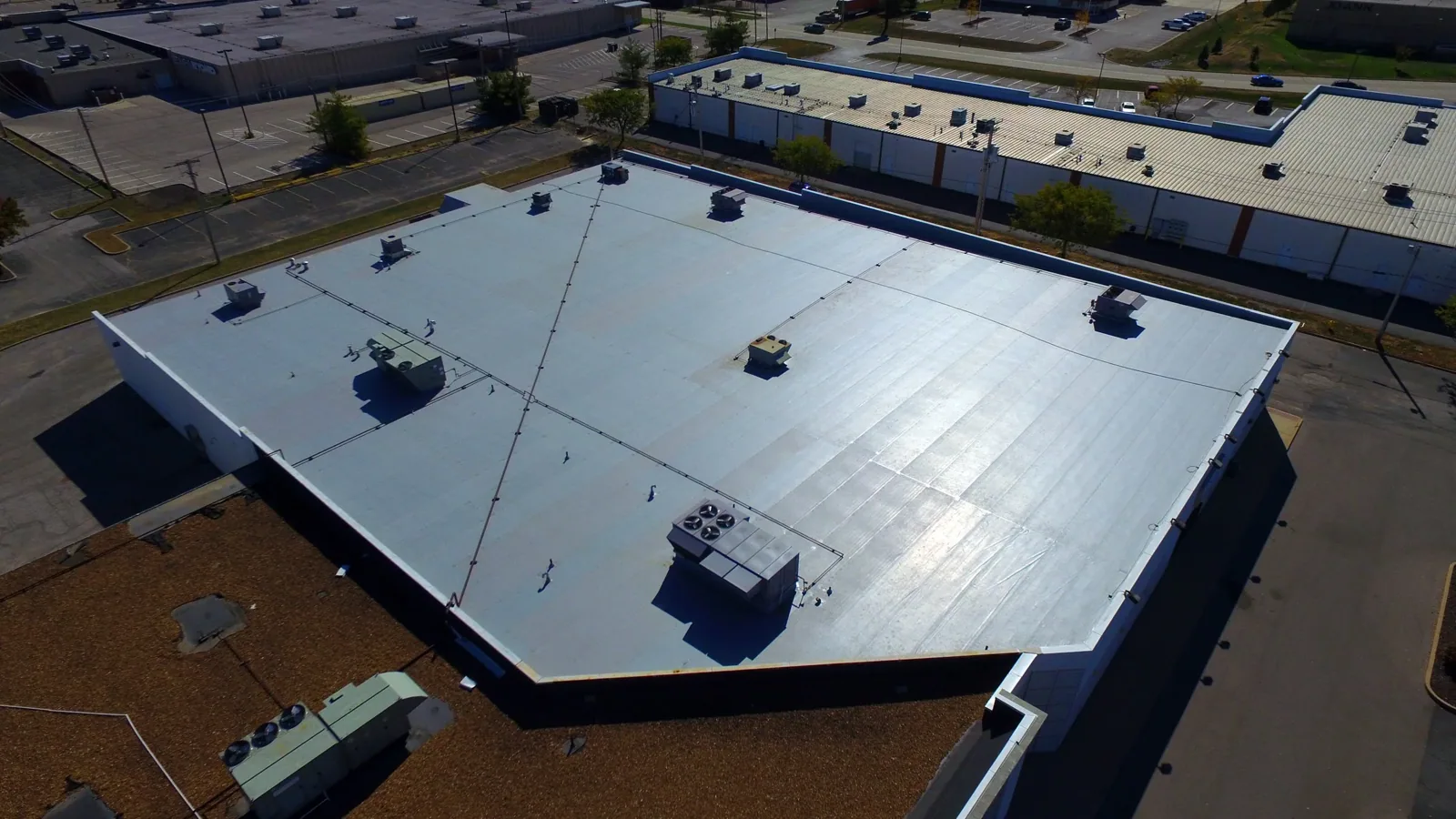
An aged membrane with recurring repairs needs a condition decision before coverage. Removing panels later can complicate roofing work and add coordination. We examine seams, flashings and supporting layers where the array is proposed. Suspected moisture requires suitable testing and direct checks. A commercial roof inspection can identify the visible defects and remaining questions. The roof may need repair or replacement before the installation. The useful choice follows the assembly, not only the solar schedule.
Planning should compare the intended array service with anticipated roof construction needs. We cannot assign a remaining roof life from appearance alone. Material condition, moisture and attachment all inform the roofing recommendation. Capital planning can relate those needs to the proposed equipment work. A replacement before installation may simplify later access requirements. A serviceable retained roof may instead need defined preparation and protection. The director receives the construction reasons behind the available options.
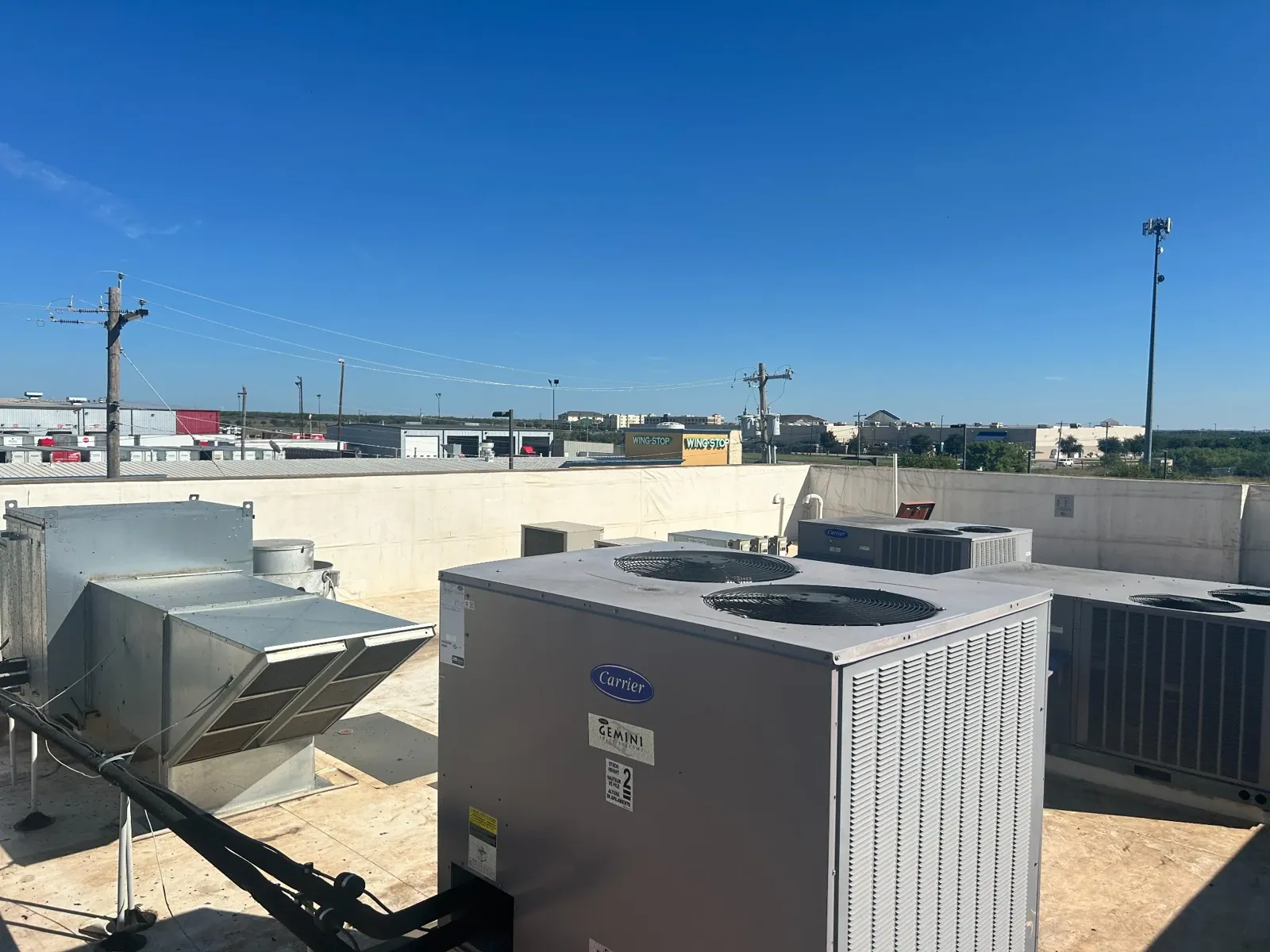
A rack load needs a suitable path into the building structure. Roofing insulation and membrane are not substitutes for that structural support. We coordinate the roof interface with the proposed mounting arrangement. Ballasted and attached systems bring different requirements to the assembly. The structural professional evaluates loads and the supporting construction as appropriate. Wind design and local project requirements also need resolution. We do not choose a rack restraint merely because it avoids a visible penetration.
Where mounts penetrate roofing, each connection needs a compatible flashing detail. The selected support and its movement affect that treatment. Rooftop support construction should leave firm backing and usable flashing surfaces. Crowded mounts can make the connection difficult to install or inspect. We identify that problem before the layout is fixed. The support should permit sound roofing work around its base. Roof and equipment designs need a workable physical interface.
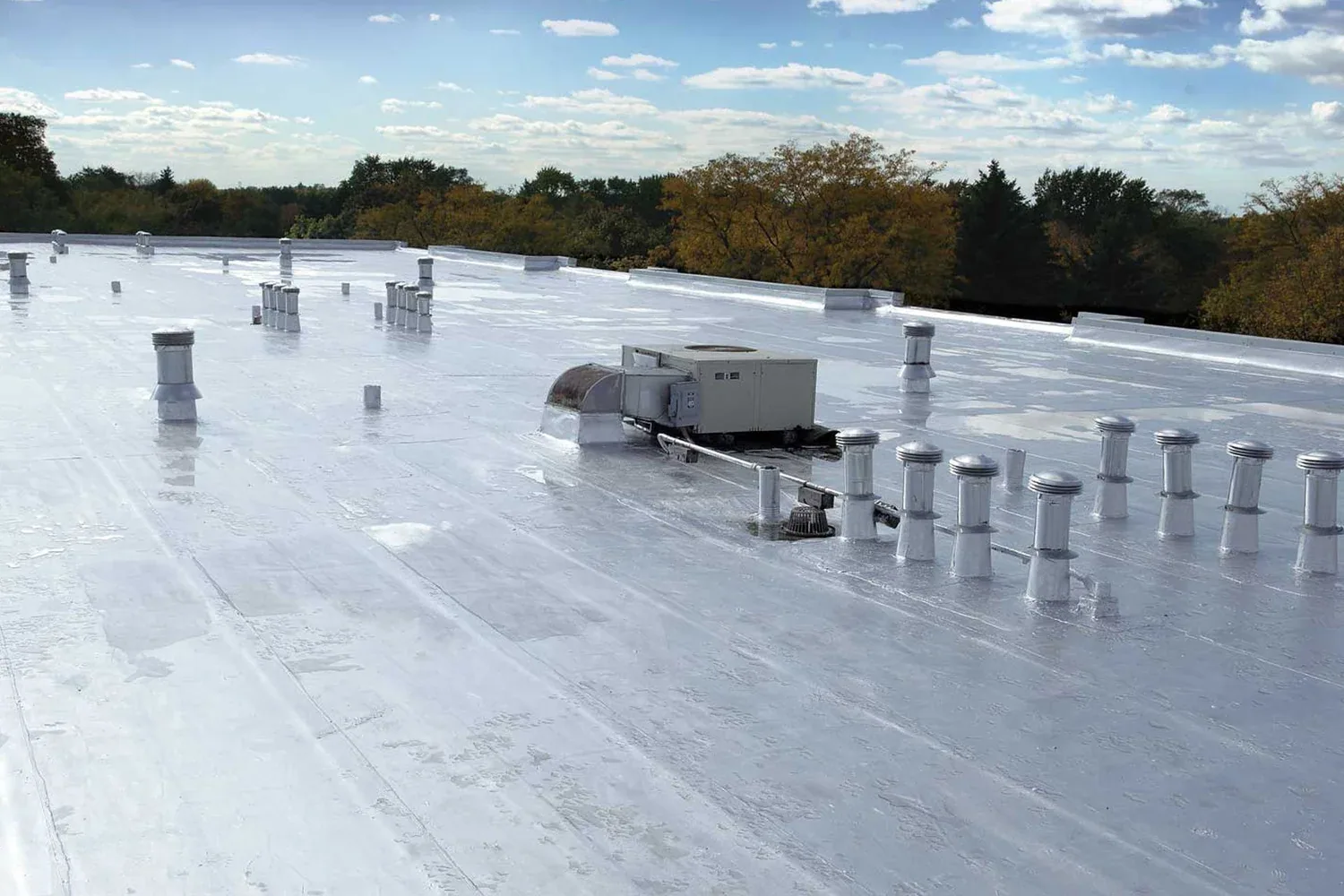
A panel row placed across a drain route can complicate runoff and maintenance. We identify outlets and low areas within the proposed footprint. Equipment clearances and required access routes also need recognition. The layout should permit examination of important roof connections after installation. A blocked drain may otherwise become difficult to reach promptly. Roof drainage work can address existing defects before rack placement. Access should preserve the ability to maintain those repaired outlets.
Space between panels and the surface matters for later roofing examination. Cabling and supports can obstruct a seam that otherwise looks accessible. We review how a repair crew would reach affected details. Some layouts may require planned disassembly for future work. That responsibility should be understood before the installation is accepted. Suitable walkway protection can help at repeated service routes. It must be compatible with the membrane and should not impede water flow.
A support foot can abrade roofing as loads and temperature conditions change. We examine its bearing surface and proposed protection. Compatible separation or protective components may be required by the assembly. Sharp edges and unsuitable contact materials need correction. TPO roof surfaces need their specified protection and repair methods around equipment. Other membranes have different compatibility requirements. Solar equipment placement must preserve those roofing connections rather than damage them.
Cables should not lie where routine movement cuts or wears the sheet. Their supports need suitable contact and routing along the roof. New service penetrations must receive a proper closure detail. General compound applied around loose wires does not resolve an inadequate opening. We coordinate that interface with the responsible electrical or solar trade. The director should know who completes and inspects the roofing portion. Each new contact should remain understandable and maintainable after the array is energized.
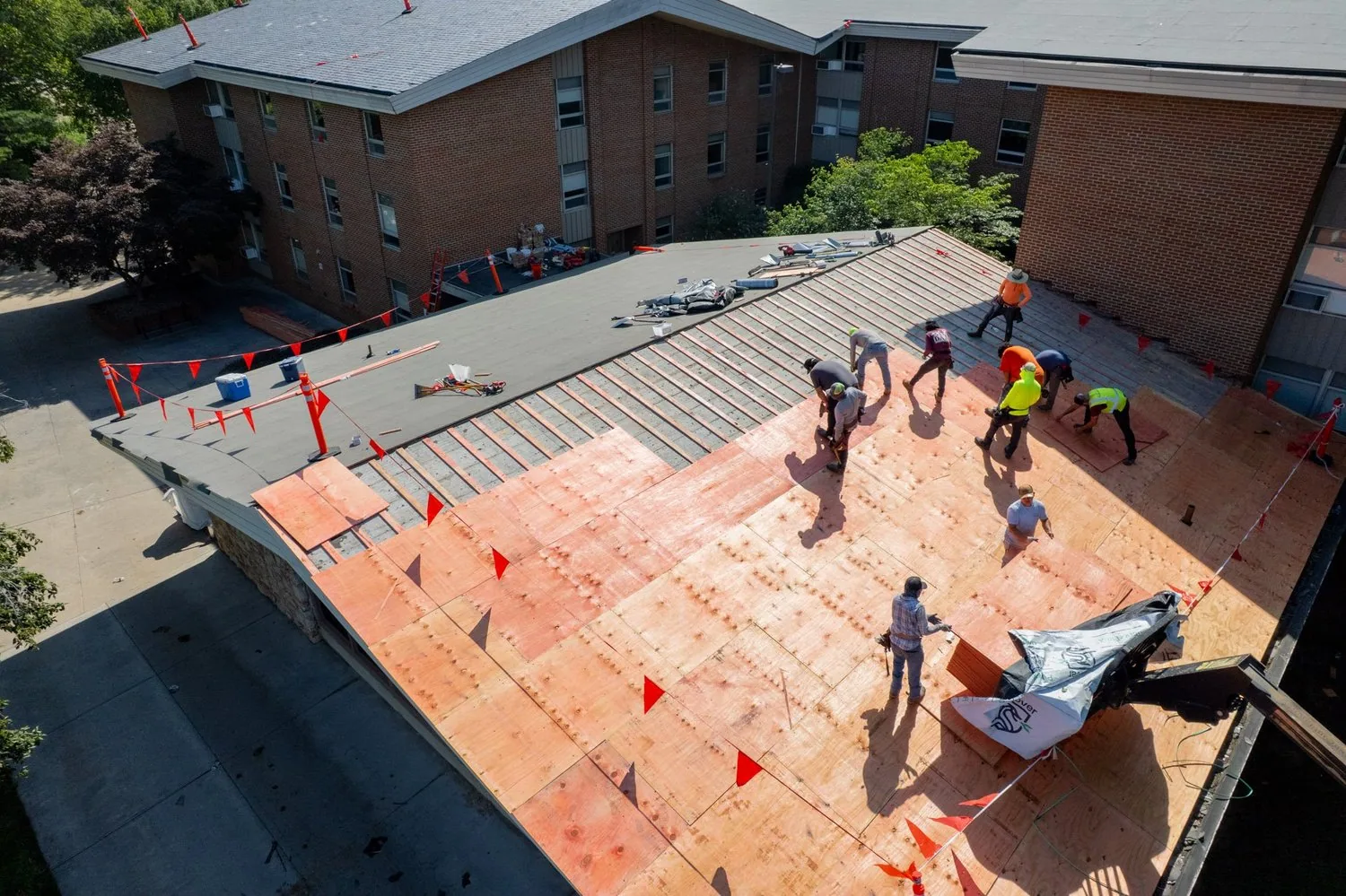
A new roof can be damaged during rack deliveries if handling is uncontrolled. We coordinate material routes and protection before equipment installation begins. Roof work should reach its agreed completion before covered areas become inaccessible. Temporary storage must suit the construction and structural requirements. The solar trade then needs the roofing details identified for its work. We examine affected areas after equipment placement where appropriate. New punctures or disturbed flashings need attention before they are hidden by panels.
Yukon commercial roof work near retail and restaurant activity requires coordinated building access. Oklahoma City operations may similarly need protected deliveries and usable entries. Oklahoma spring weather can bring hail and damaging winds statewide. Actual site weather affects lifting and exposed construction schedules. Published state and Edmond code timing also requires project applicability confirmation. Roofing and solar permitting responsibilities should be clear between the relevant parties. The director needs a complete sequence, not two unrelated trade dates.
A leak beneath an installed array may need controlled equipment access before roofing. The responsible solar or electrical trade handles appropriate isolation and disassembly. We examine the roof once the affected connection can be reached safely. A repair should not disturb energized equipment outside our roofing responsibility. Leak tracing then follows the physical water path and assembly condition. The access plan should anticipate that work before an urgent problem arises. Clear responsibility helps preserve a workable response.
Routine roof maintenance still applies around the array footprint. Drains, service paths and compatible contact protection need continued examination. New equipment activity can change those conditions over time. The facility director should retain the relevant roof and array interface information. Where later reroofing becomes necessary, equipment coordination returns to the construction plan. Solar-ready roofing means a suitable assembly with deliberate access and connections. It should remain a roof that can be examined and repaired.
Arrange a review of roof condition, rack contacts and future service access. We will define the roofing preparation before equipment limits the working area.
The existing condition and planned construction needs guide that choice. We examine membrane, moisture and attachment before recommending preparation. A failing roof may need replacement before access becomes restricted. A suitable assembly may permit defined repairs instead. The decision should account for future roof work as well as current installation.
Loads, contact protection and drainage remain relevant. Structural review still needs to evaluate the proposed arrangement. Bearing surfaces must suit the roofing and preserve its condition. The layout also needs usable inspection routes. Avoiding penetrations does not remove those physical requirements.
The responsible solar or electrical trade handles the appropriate isolation and equipment removal. We coordinate roofing access to the affected area. That responsibility should be established before the installation is accepted. Safe roof repair needs the connection reachable without uncontrolled interference with energized equipment.
The penetration needs a suitable detail for the actual services. Adding wires to an improvised opening may worsen its closure and access. We examine spacing, support and compatible flashing options. The responsible trade may need a revised service arrangement. The roof should close around a workable supported connection.