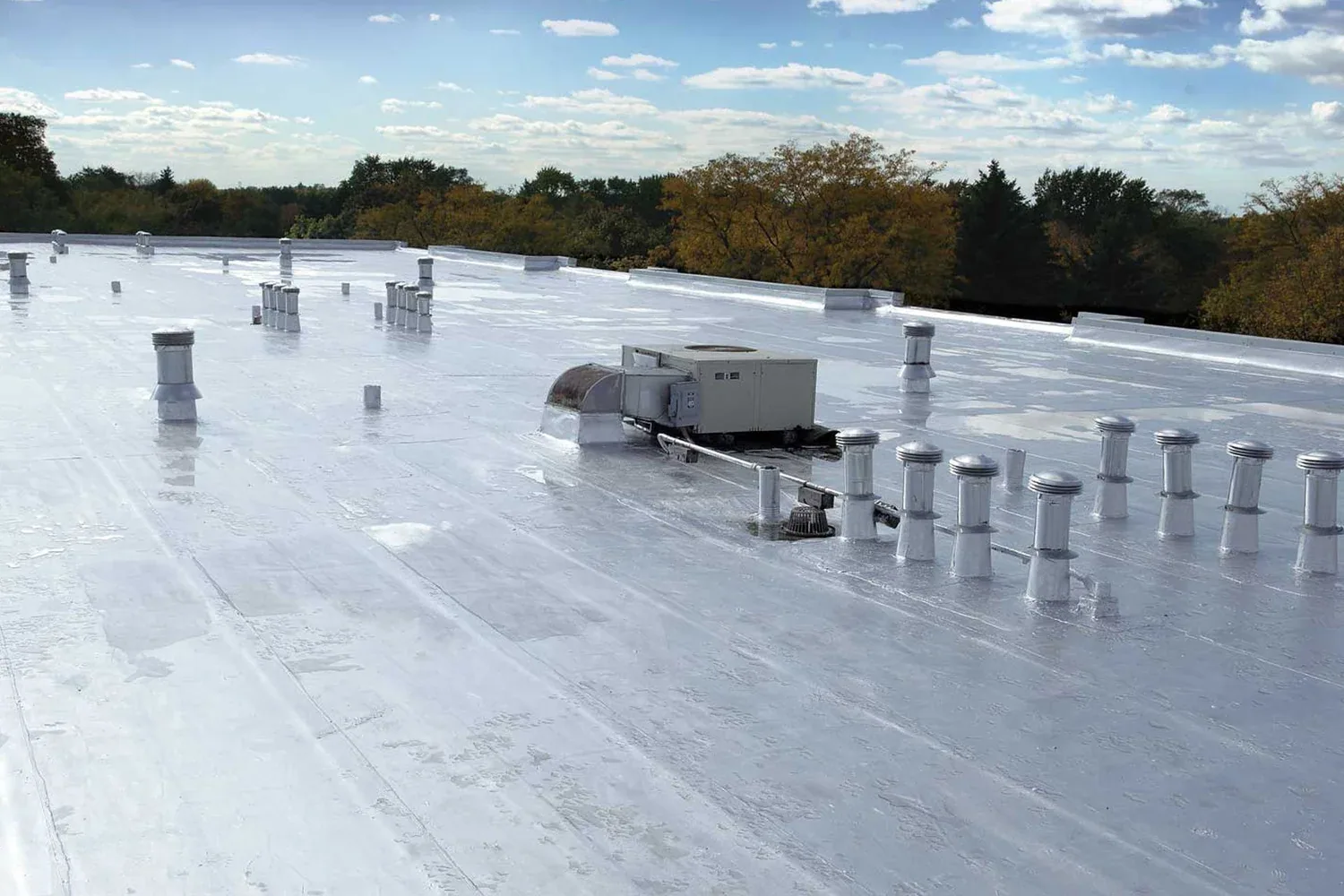

Standing water beside a store roof drain can remain behind a raised flange. The outlet may be open while the surrounding field cannot reach it. Commercial Roofing Edmond investigates ponding commercial roof areas in Edmond, OK. We examine the water approach, outlet connection and supporting assembly separately. The facility director receives the physical tasks affecting drainage and roof treatment. Clearing debris may resolve one obstruction without correcting a low field. New insulation can require a different drain relationship. We identify that construction before covering the area with material that leaves the same water path unfinished.
Oklahoma summer thunderstorms can deliver heavy rainfall locally. That statewide context makes functioning commercial roof collection important. The actual property's drainage condition still requires examination. Mustang includes restaurants and national retailers. Warr Acres has shopping districts developed along MacArthur Boulevard and Northwest Expressway. At an occupied retail roof, outlet repair can affect stockrooms or equipment below. We relate the proposed opening to that operating space. Material handling also needs protection where public access overlaps the work. The repaired assembly should provide suitable collection interfaces as well as a completed field.
A clear drain bowl cannot collect water trapped behind a higher surrounding boundary. We inspect accessible field slopes and component elevations. Roof drain and scupper reconstruction distinguishes damaged roofing closure from downstream piping concerns. An outlet alteration may require plumbing or design attention. We identify the roof-side flange and accessory work needed after that task. New field height should suit the functioning drain relationship. The proposal includes their connection before insulation is installed. The director can then separate a collection obstruction from assembly reconstruction rather than choose one from the visible pool alone.
Debris can slow water even where the field approach remains useful. We examine accessible strainers and nearby accumulation. Suitable cleaning can restore that opening when no other defect prevents drainage. Components should remain supported and reachable for later care. A broken flange or deteriorated surrounding seam calls for a different repair. We inspect those details before assigning maintenance alone. Other downstream restrictions require their respective responsible trade. The roof task should show where its work begins and ends. An emptied pool after cleaning is useful information, but the remaining component condition still matters.
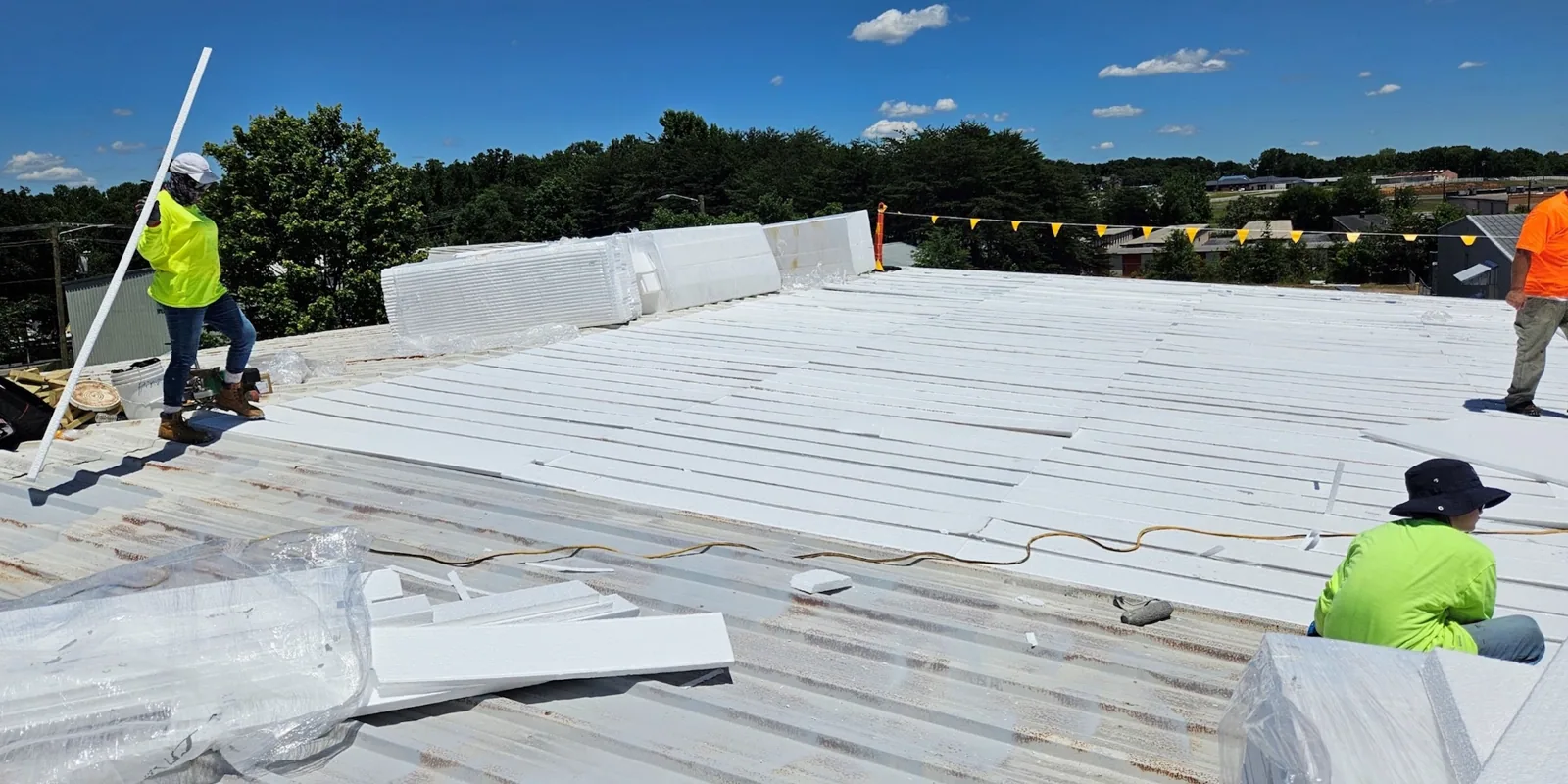
A field depression can involve displaced insulation, deck movement or original slope. We inspect accessible assembly condition and choose useful concealed examinations. Roof insulation reconstruction prepares suitable supporting layers beneath the chosen covering. The intended slope should connect through a useful path to the collection point. Structural movement or damaged decking may require professional review before repair. We identify that task rather than conceal it with more insulation. Retained material must suit the proposed attachment and loading. The director receives the supporting construction needed to make the corrected surface useful.
Low areas near equipment can also hold water against an accessory return. The available height at that component needs examination before field changes. A raised surface may reduce useful flashing space. We compare the proposed dimensions with the selected system's requirements. Equipment or curb alteration can require another responsible trade. The roof-side scope should complete the resulting interface. A slope change may also direct water toward another obstruction. We inspect the receiving field and collection connection as part of that decision. Correcting one isolated depression should fit the wider functioning drainage arrangement.
A ponded surface can conceal a damaged seam or accessory joint beneath water. Open seam reconstruction closes that entry using the installed material's specified method. We examine the adjoining covering before selecting preparation. Saturated supporting material may require removal beyond the visible seam. Useful moisture examination should relate findings to the actual assembly. Infrared work can help select concealed checks under suitable conditions. Direct examination may still be necessary before assigning the removal boundary. The replacement must connect to retained layers suited to its permanent finish.
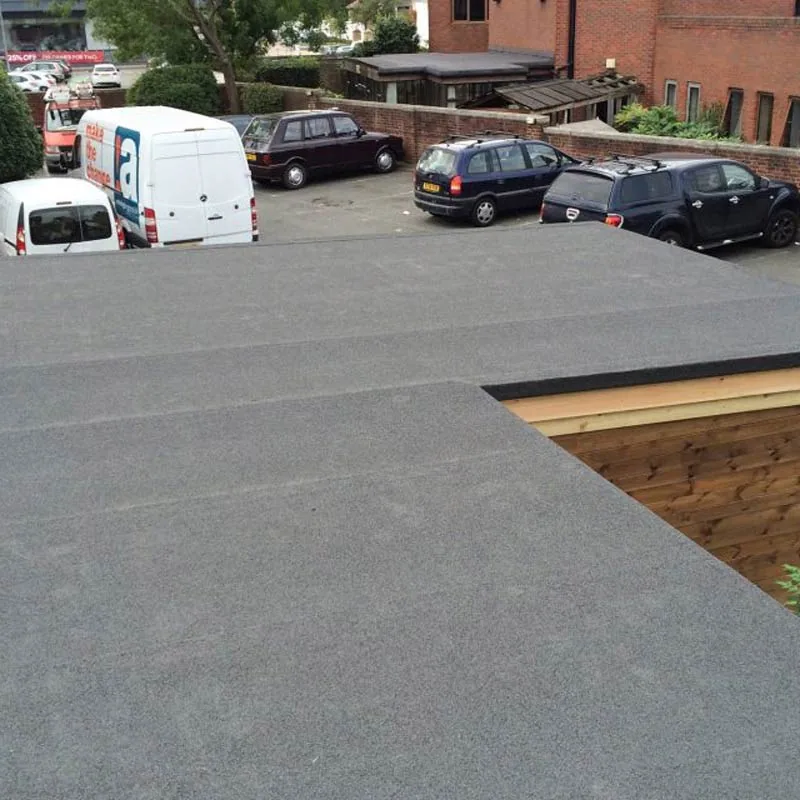
Puncture repair within collection areas examines impact openings separately from a drainage defect. Water can enter through a small cut while the outlet remains functional. Conversely, an intact field can pond because the water approach is unsuitable. We identify which physical conditions require construction at the project. New material needs compatible joining surfaces and backing. The proposed treatment should account for both exposed damage and affected layers. The director receives those tasks by location. Closing an opening does not automatically change the field slope or solve a separate collection problem.
A recovery assembly can change several existing outlet relationships at once. Roof recovery planning examines retained-layer suitability alongside finished drain and flashing dimensions. Added loads and proposed attachment need appropriate review. The complete scope should identify adjustments required before the covering closes. A broader removal may be useful where retained wet layers or support cannot accept recovery. We describe the physical differences between those options. Roof design, permitting and inspection responsibilities require confirmation for the intended work. The drain connection belongs within the assembly decision, not as an assumed later correction.
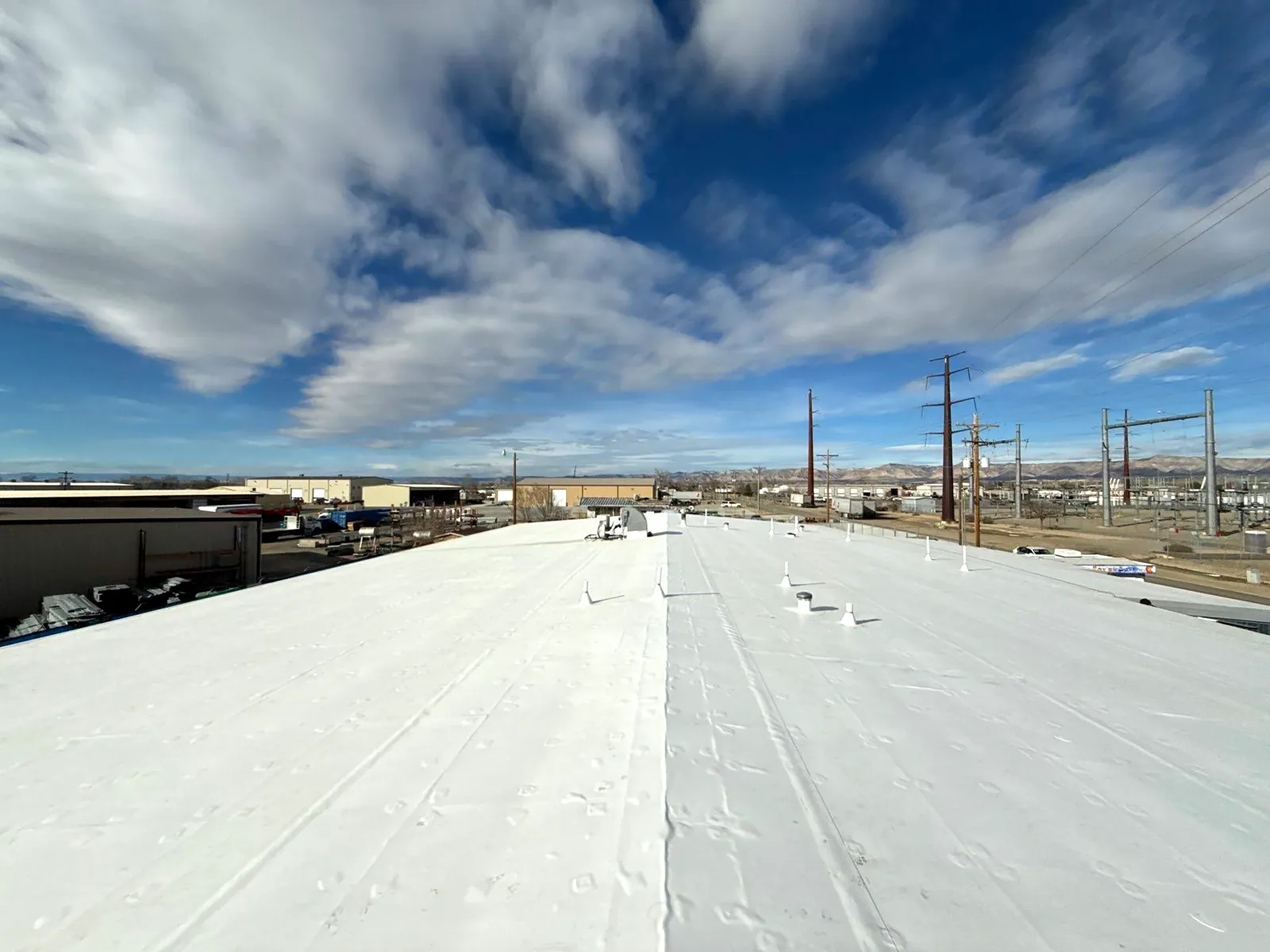
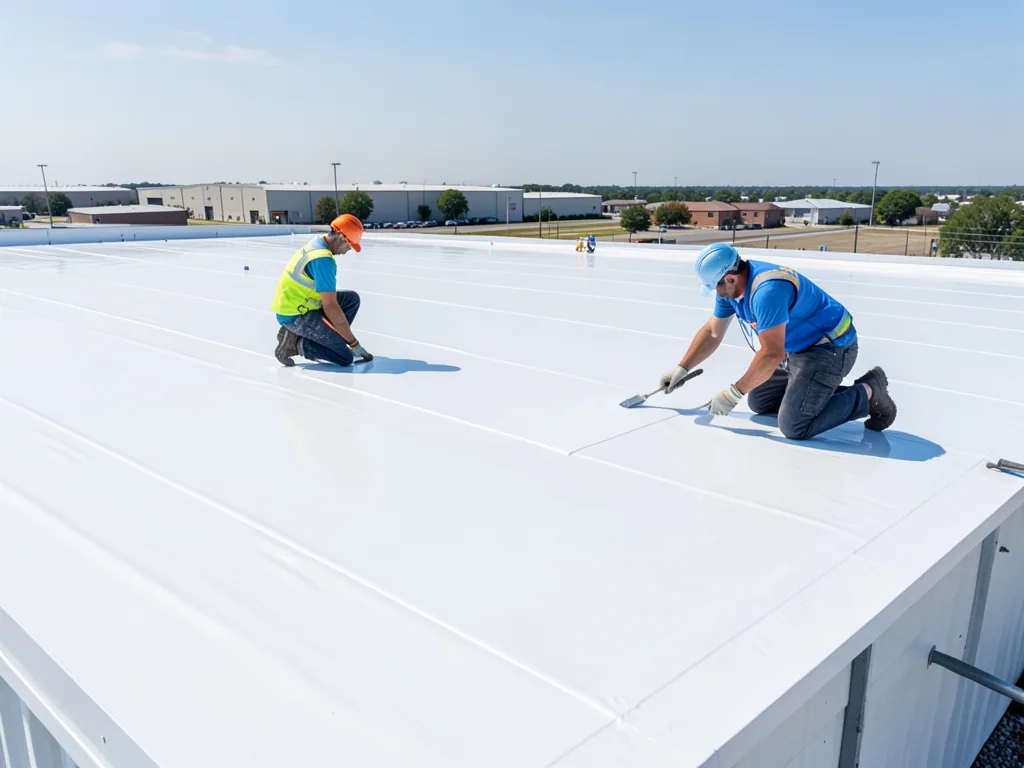
Silicone roof restoration requires compatible prepared material and treatment of applicable defects. The product's use limitations still govern its suitability. A liquid finish does not create useful slope across a structural depression. We examine drainage and retained condition before selecting restoration. Damaged seams, accessories and wet supporting layers may need separate construction. The director receives those preparatory tasks with the finish proposal. Required application conditions also affect the work interval. The completed surface should join functioning collection components instead of obscuring unresolved water or support conditions beneath the coating.
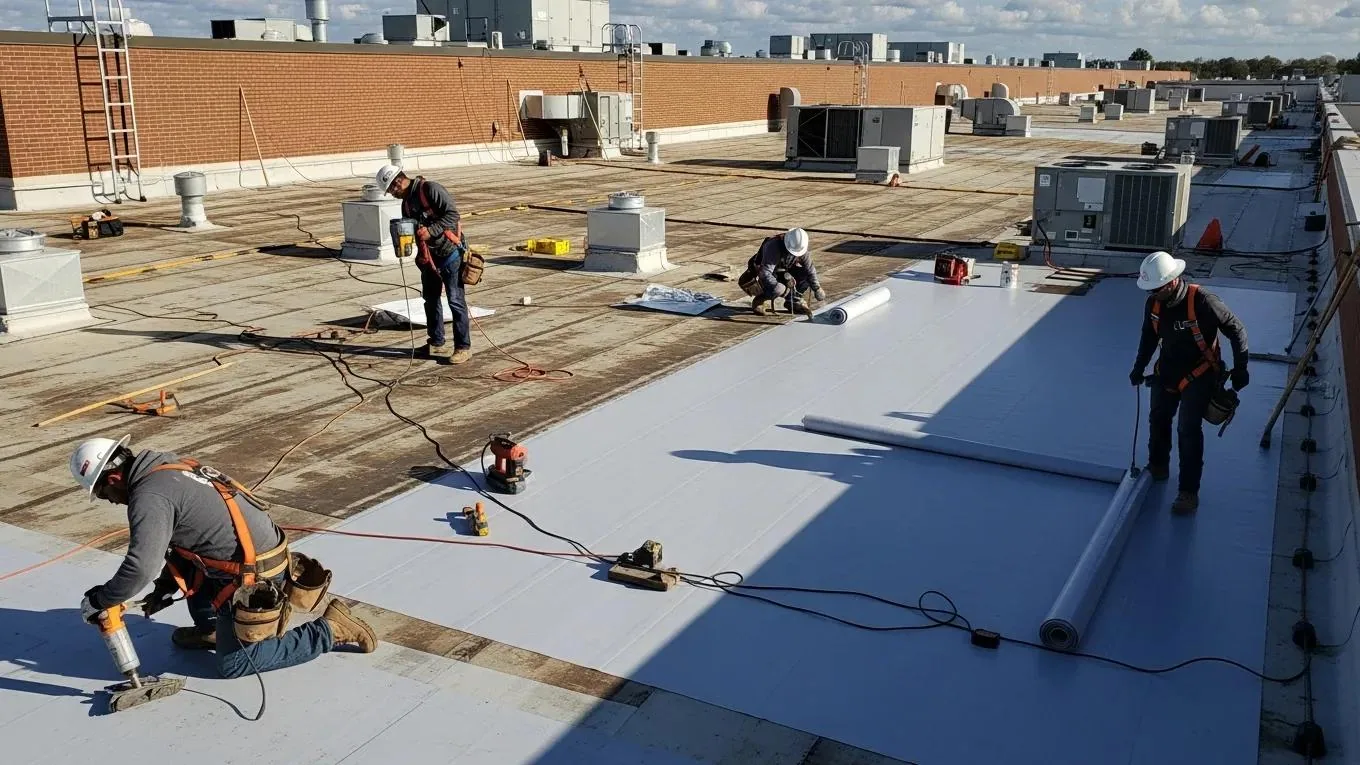
Mustang roof drainage work requires review of the actual building approach and occupied area. Warr Acres retail projects also need protected handling where public routes meet roof deliveries. We establish lifting and disposal zones with the facility contact. Stock or equipment beneath removal may require relocation or precautions. Rooftop materials need suitable load and product protection. Accessible drains should remain clear during the stage. Weather can change the useful opening and stopping condition. The director receives that construction status before another part of the roof is exposed.
Completed collection work should remain accessible for observation and care. Appropriate assembly checks address reconstructed seams, flanges and returns. Other specialists finish their respective piping or support tasks. The director receives the treated locations and remaining interfaces. Drainage-focused roof care removes suitable debris and monitors accessible component condition. Recurrent accumulation should identify its area and relevant timing. We examine the field and outlet relationship again where conditions change. New equipment or insulation work can introduce another water obstruction. Its construction sequence should preserve the functioning approach rather than leave a new barrier beside the drain.
Identify the standing-water area and affected occupied space. We will inspect the collection path and supporting assembly before defining a drainage repair.
The surrounding field must have a useful path to the outlet. A raised flange or depression can interrupt that path. We inspect their relative elevations and accessible component condition. Another trade may be needed for an outlet alteration. The roof-side closure should fit the corrected drainage arrangement.
We examine the actual assembly before assigning concealed-layer treatment. Surface accumulation and underlying moisture are different observations. A damaged seam or puncture can require its own repair. Selected direct checks may establish more of the insulation condition. The proposed removal follows those findings instead of the pool outline alone.
A compatible coating still follows the retained surface shape. We assess support and drainage before selecting restoration. The intended product must suit its actual use conditions. Low-field reconstruction or outlet work may remain necessary. The finish proposal should identify those tasks before the coating is applied.
Identify the location, timing and any recent equipment or roof changes. We examine the water approach and accessible outlet condition. Accumulated debris may call for cleaning while altered elevations need reconstruction review. Piping concerns go to the responsible specialist. The director receives the separate physical next tasks.