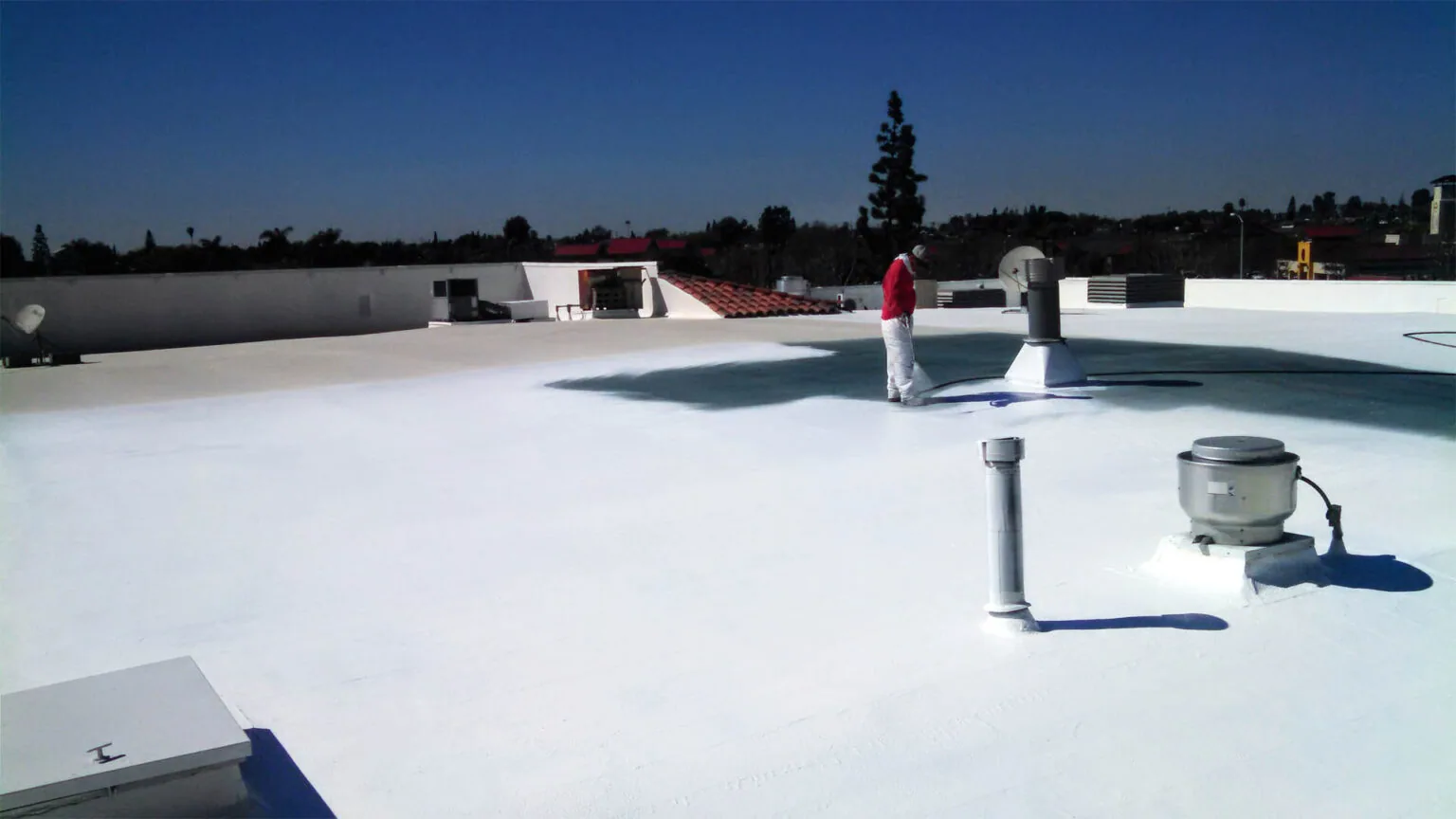

The silicone treatment above an office entrance needs full contact with its prepared roof surface. A patch of old residue can interrupt adhesion within an otherwise continuous field. We test the substrate before selecting the restoration method. Commercial Roofing Edmond installs and repairs silicone roof coating systems in Edmond, OK. The coating works within a defined assembly and preparation procedure. Its performance depends on usable retained construction underneath. The facility director needs the repaired details and application requirements identified. A continuous-looking finish should not conceal an unsuitable surface.
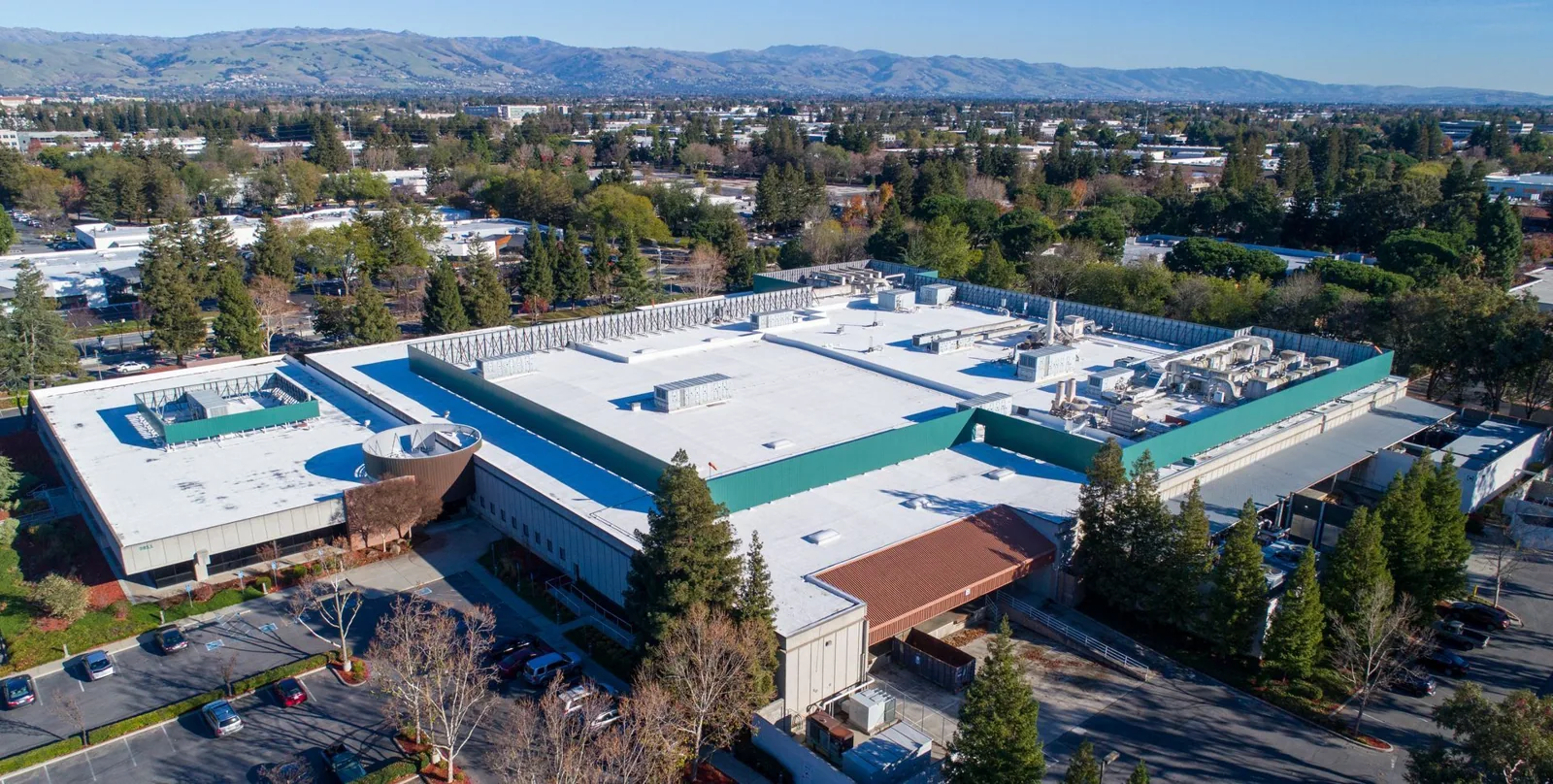
The Village includes headquarters offices and educational facilities among its buildings. El Reno has downtown commercial properties and Redlands Community College. Roofing above those uses requires coordination with occupied rooms and equipment. We examine the operation below alongside the coating substrate. Each property's roof condition determines whether restoration is appropriate. Oklahoma summer thunderstorms can affect the application window at the building. The proposed silicone treatment needs suitable conditions and a clear care plan afterward.
An old roof repair may contain material that silicone will not bond to suitably. We examine previous compounds and the surrounding surface. Cleaning and preparation must suit the selected system and substrate. Adhesion tests can help establish whether the proposed treatment is workable. Some areas may need primer or a different preparation method. We follow the actual product requirements rather than a generic coating procedure. The director should know the work needed to create a suitable interface.
Metal corrosion and loose existing coating can require removal or treatment. Contaminated membrane areas may need repair beyond washing. Restoration preparation should identify those tasks and their boundaries. The new treatment needs to attach to serviceable roofing. A layer placed over failed material can leave the original weak interface active. We examine the relevant surface after preparation before continuing application. The bond beneath the coating matters as much as its visible coverage. That construction cannot be checked only from the finished color.
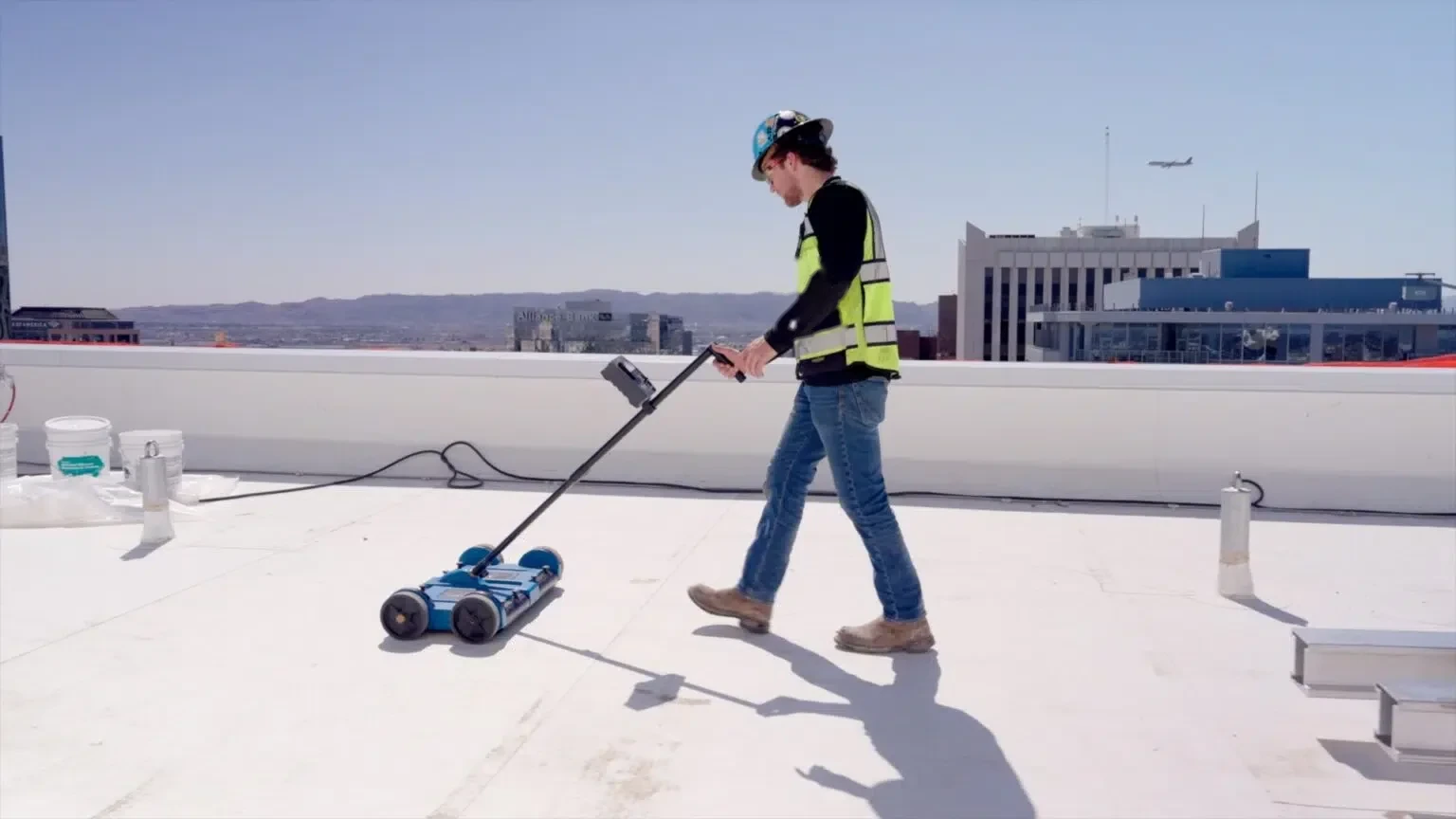
A firm exposed sheet can cover wet insulation beneath the roof. We investigate suspect areas before approving retained construction for coating. Selected openings establish the layers and observed condition at those locations. An appropriate moisture survey can help direct those checks. Confirmed wet material needs a defined removal treatment. Broad deterioration may change the proposal to another roof construction. A protective coating cannot make saturated supporting layers useful.
Attachment and dimensional stability also matter before silicone is selected. Loose roofing can continue moving beneath the new treatment. We examine the joints and support that need repair first. On spray foam roofing, damaged foam requires suitable reconstruction beneath protective coating. A crater or wet area should not receive an indiscriminate surface smear. The director receives the reason for those repairs before application. Retaining a roof requires usable construction as well as an available coating material.
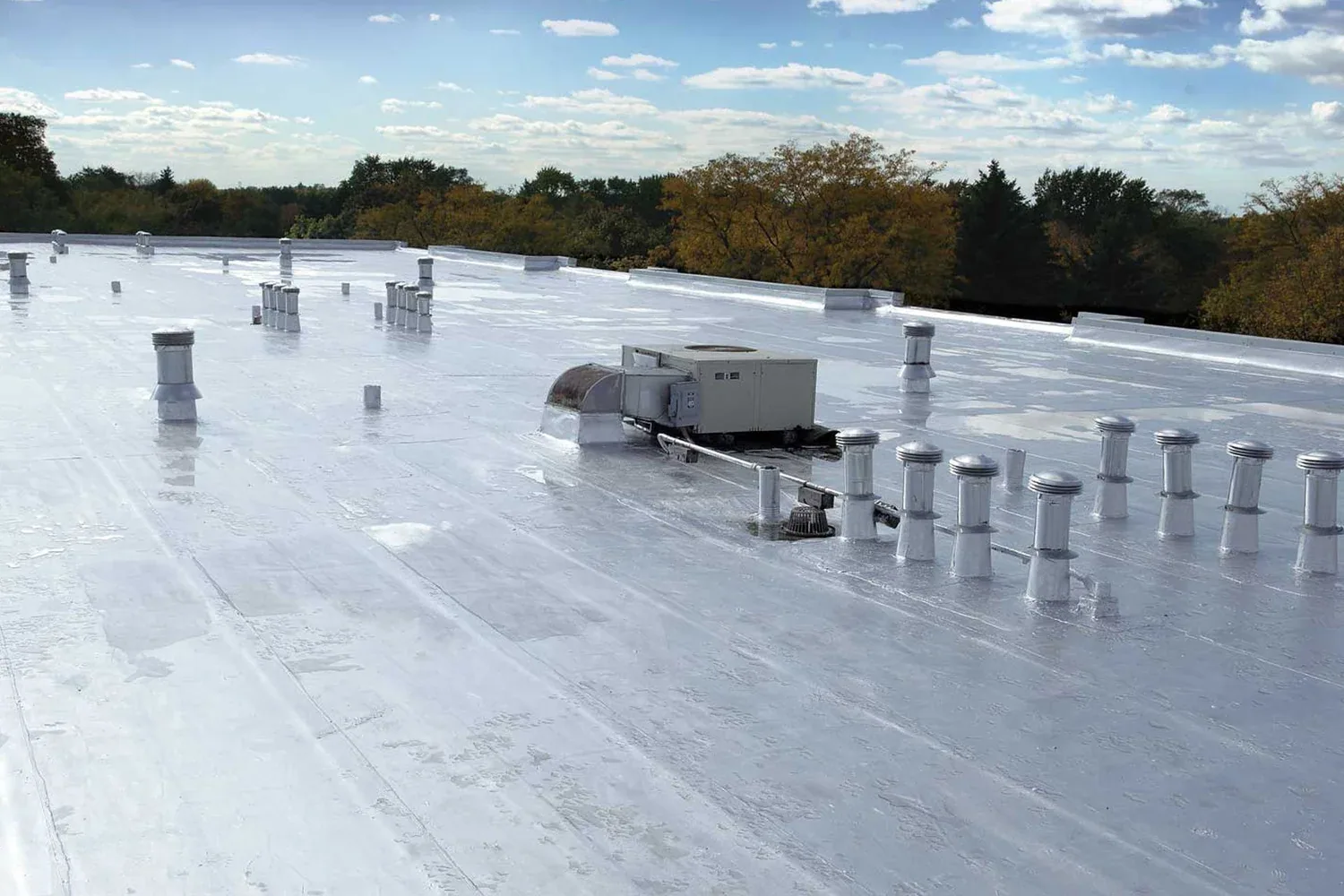
A silicone product may be suitable for particular standing-water exposure under its system requirements. That suitability does not eliminate drainage examination. We identify outlet blockage, low elevations and interrupted runoff paths. Drainage corrections may still be needed before restoration. The actual assembly and coating specification govern its permitted use. We do not select the material solely because one area remains wet. The complete roof needs a practical water route.
The outlet detail also needs compatible treatment around the bowl or throat. Coating should not obstruct the functioning opening. Damaged components may require replacement by the appropriate trade. Surface water can carry debris back toward a weak connection. We identify the care required after restoration as well as the construction. Acrylic coating has different moisture and application considerations in the comparison. The director should evaluate actual material requirements and roof exposure. One category label is insufficient for the drainage decision.
A moving panel lap needs the required repair before silicone detailing. We examine attachment and the joint's intended movement. The selected coating system may require reinforcement or a specific seal treatment. We prepare the full connection before placing that material. A loose fastener or damaged panel may need different construction. The detail should work underneath its reinforced treatment. The director receives the repair required before the broad roof surface is coated.
Curbs, pipes and walls bring different shapes to the field treatment. Sound backing and compatible material are necessary at each interface. We inspect the existing flashing instead of burying its known failure. Flashing work may include replacing unsuitable accessories before coating begins. Application needs suitable coverage into the prepared transition. The upper closure still has its own attachment requirements. We check those interfaces rather than assume the field material closes everything. The completed system should preserve accessible working details.
A rough substrate can consume material differently from a smooth board surface. We control placement according to the proposed silicone system. Coverage and film thickness need the appropriate application checks. Detail areas may require treatment separate from the general field. We inspect for missed surfaces and incomplete transitions during the work. A visually uniform finish may still need correction at thin areas. The intended assembly requires the specified material distribution.
Curing and application conditions need review before scheduling work. Product requirements can include surface temperature, moisture and weather considerations. Hot Oklahoma summers can also bring heavy rain from thunderstorms. The actual roof conditions govern whether application can proceed. Coating work in The Village also needs suitable intake and access coordination. The director identifies the occupied areas affected by preparation and application. We arrange those protections with the responsible trades. Work should pause at a suitable protected boundary when conditions change.
A silicone-treated roof needs care at repeated equipment routes. Suitable walkway treatment and safe access depend on the selected assembly. Surface conditions can change traction, especially with moisture or residue. We identify appropriate protection and handling requirements for facility staff. Tools and sharp components should not contact the coating unprotected. Later repair material must remain compatible with the installed system. The director should retain that information before other trades return.
Roof maintenance keeps drains and working transitions under observation. Surface damage or exposed underlying material needs a specific repair decision. Recoating requires preparation and the selected system's compatible procedure. We examine the condition rather than automatically add another layer. New penetrations need proper roofing construction through the treated surface. The restoration remains useful when its bond and supporting layers continue serving. Ongoing care should preserve those connections rather than focus only on appearance.
Arrange an examination of the substrate, drainage and detail condition. We will define whether silicone restoration fits the roof and what preparation it needs.
The patch and surrounding roof need examination and preparation. Failed or incompatible compound may require removal. The leak connection also needs suitable repair beneath the coating treatment. We identify those tasks before field application. Coating should meet serviceable construction rather than conceal an unresolved opening.
The outlet still needs to function and remain accessible. Debris, inadequate slope or damaged components can require separate correction. We examine the actual exposure and coating specification. Material suitability does not replace the water route. The completed restoration needs both compatible treatment and maintained drainage.
Cleaning does not establish every substrate's bonding suitability. Residue, weathering and previous material can remain relevant. A test using the selected system helps evaluate the proposed treatment. Additional preparation or primer may be needed. We establish that interface before applying silicone across the field.
The installed system needs identification and a compatible repair procedure. General roof compounds may not bond suitably to that treatment. We examine the damaged area and supporting layers before preparation. The repair should restore the coating and any affected construction below it. Retained system information helps keep subsequent work appropriate.