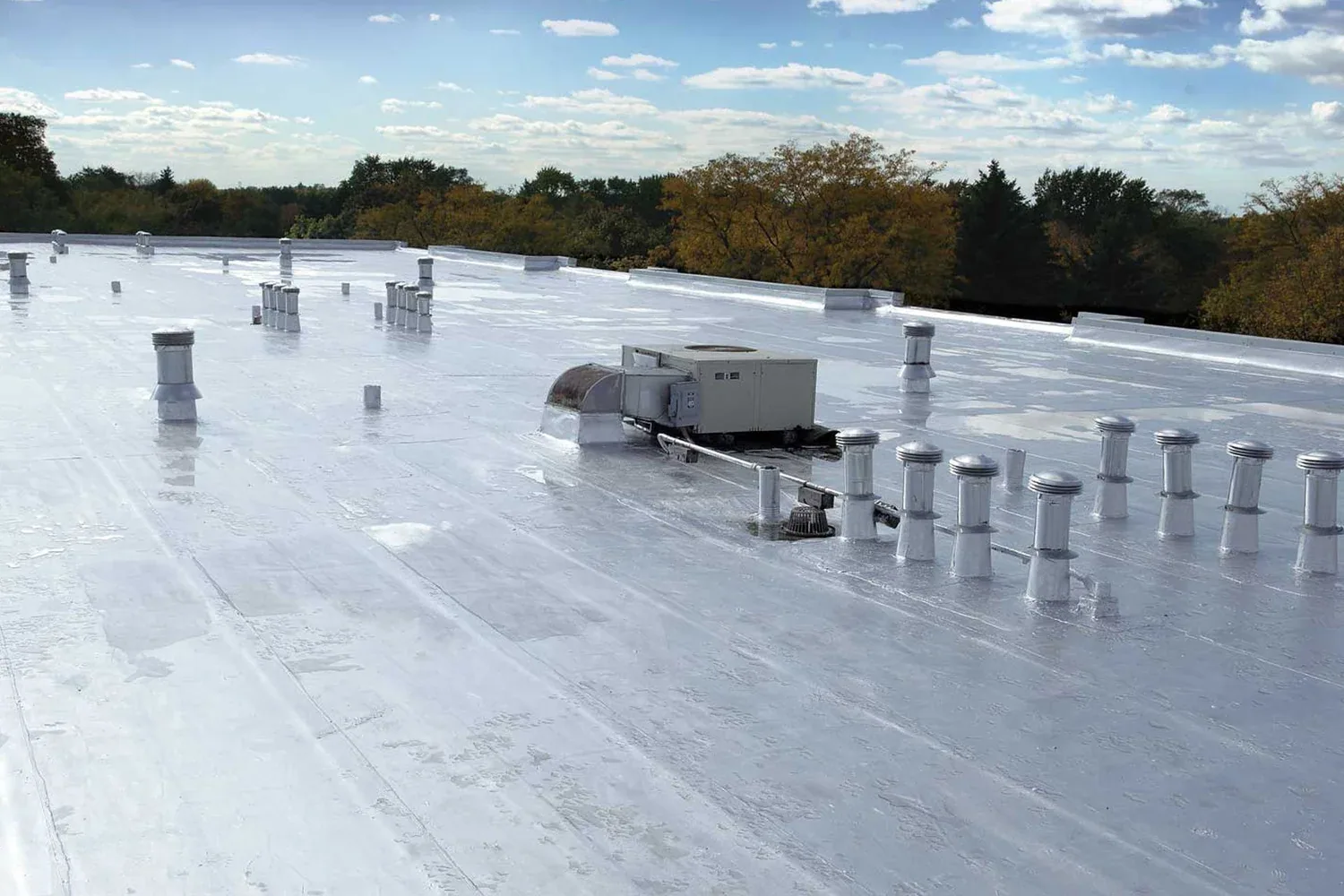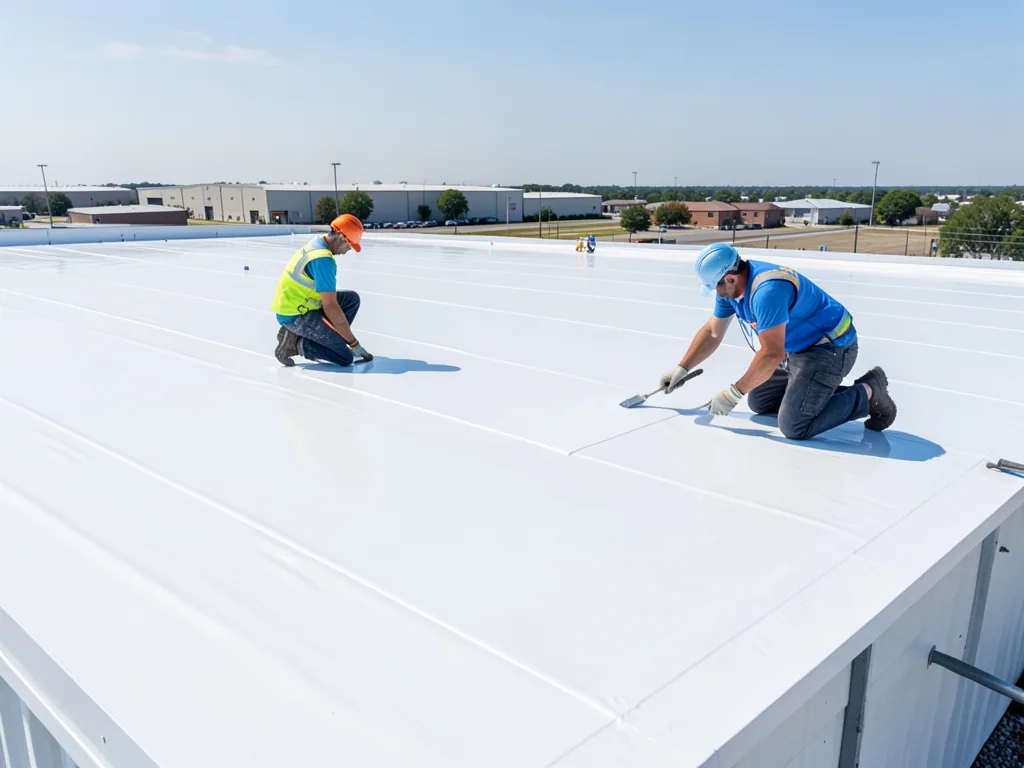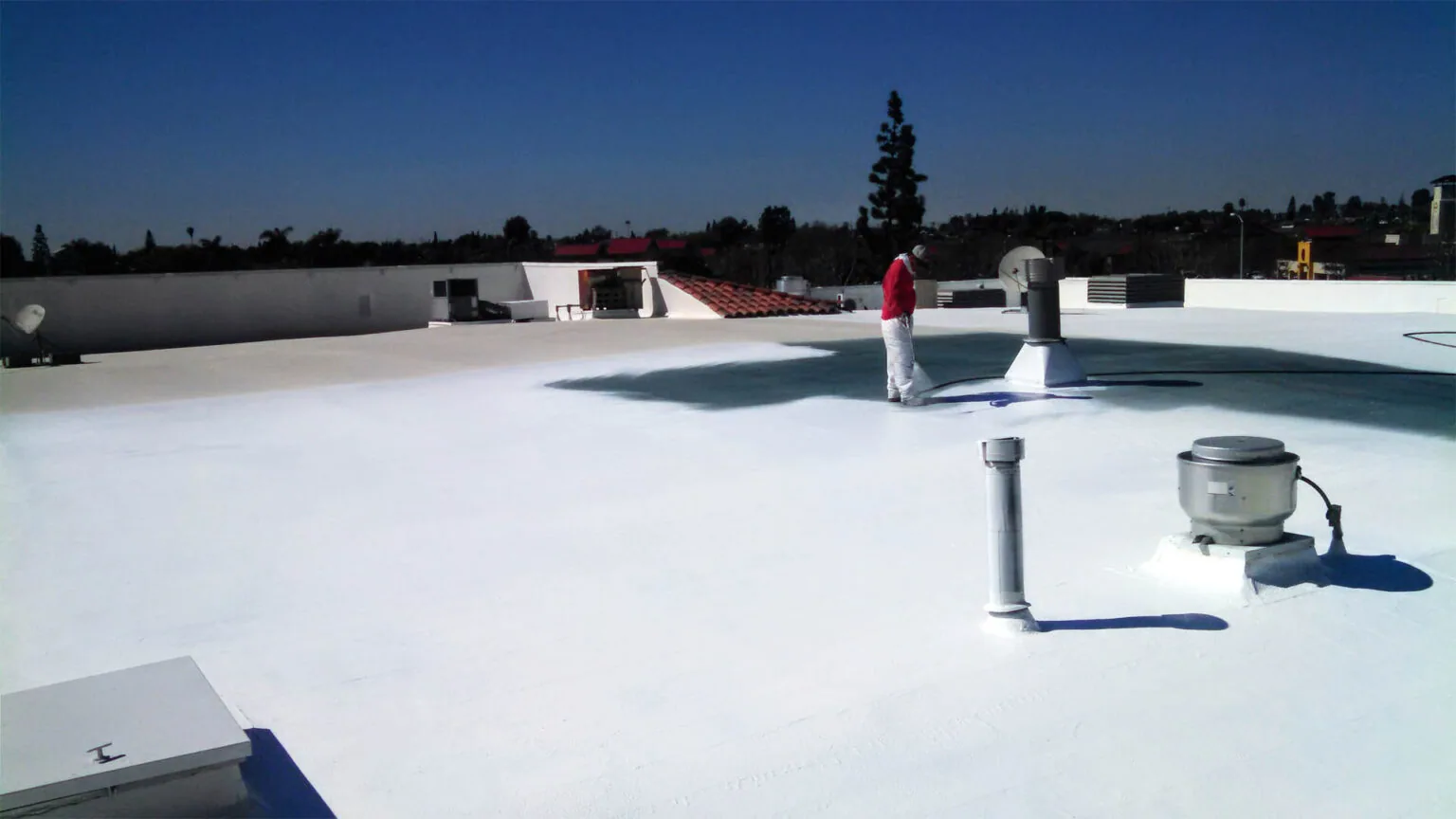

Office roof low areas need sprayed foam bonded to a suitable prepared surface. Moisture or loose residue can compromise that connection during placement. The finished shape must carry water toward a functioning outlet. Commercial Roofing Edmond installs and repairs spray polyurethane foam roofing in Edmond, OK. The foam forms an insulated roof surface within a specified assembly. Its protective coating and details are essential parts of the construction. The director needs both placement and ongoing care requirements defined. A shaped foam surface is not a complete roof without its protection.
Broadway Corridor combines offices and commercial properties with other occupied uses. The Village also includes headquarters offices and educational buildings. Those occupied settings require careful protection from nearby application activity. We assess equipment, access and surrounding exposure before choosing sprayed roofing. Actual building conditions determine whether the assembly is suitable. Oklahoma's summer heat and rainfall can affect the application window. The proposed work needs a suitable substrate and a practical way to protect the operation.
A damp substrate can interfere with the intended foam bond. We examine the retained surface and concealed condition before application. Wet or deteriorated roofing layers need the appropriate removal treatment. Selected openings can identify construction that cannot remain useful. Moisture investigation may help target those checks on suitable roof types. The prepared area must meet the selected foam system requirements. A new layer should not bury an unresolved wet assembly.
Loose material and incompatible residue also need attention during preparation. Cleaning or primer requirements depend on the actual substrate and system. We identify the construction beneath the proposed foam, not merely its exposed color. Adhesion and suitability questions need resolution before field placement. Existing metal profiles or uneven surfaces may require specific treatment. The director receives the necessary preparation and its physical purpose. That work establishes the bond on which the sprayed construction depends.
A sprayed layer needs its required thickness and suitable distribution across the roof. Equipment setup and material conditions affect that application. We follow the selected procedure rather than improvise pass thickness. The substrate and ambient conditions must suit the material at placement. Foam should form the intended supporting surface for its protective treatment. Irregular low areas can leave water where runoff should pass. We examine the finished profile as construction proceeds.
Drainage correction may involve shaping selected areas around existing obstructions. The proposed geometry still needs appropriate design and outlet coordination. Added height can affect curbs, wall flashings and drain bowls. Drainage connections should fit the planned finished surface. The foam alone cannot correct an inadequate or blocked discharge system. Structural deflection questions require the responsible professional review. We identify the correction boundary and supporting requirements before application. Shape and thickness should serve the complete roof assembly.
Exposed foam needs its protective roof treatment applied as the system requires. Ultraviolet exposure can damage unprotected material. The coating must suit the foam and the roof's service conditions. Silicone coating systems may be specified for suitable foam assemblies. Acrylic treatments have different application and moisture requirements. We select and install the actual assembly rather than assume either works universally. The foam and coating should remain compatible throughout the detail.
Coating thickness and coverage need control over the shaped surface. Transitions and penetrations may require particular reinforcement or treatment. Missed areas leave foam exposed even where the surrounding coating appears complete. We examine application at the field and the detailed connections. Curing conditions also affect when the surface can receive further work. The director should know those requirements before other trades return. The protective treatment is necessary construction, not simply a finish color. Its care becomes part of the roof maintenance plan.
Spray work near vehicles or occupied entrances needs deliberate overspray protection. We examine the surrounding area and the intended application boundary. Wind can move material beyond the roof if the method is unsuitable. Surface and weather conditions must support controlled placement. We establish appropriate protection with the facility contact before spraying. Intakes and nearby operating equipment also need responsible trade coordination. The work method should suit the site, not force an uncontrolled application.
Roof projects in The Village can involve offices and educational uses near other activity. Broadway Corridor properties may have commercial parking and shared occupied space. Those conditions require property-specific protection and access arrangements. We coordinate deliveries, equipment location and the area below the work. Oklahoma summers can produce thunderstorms with heavy rain. The actual forecast and roof conditions guide the workable placement window. A protected stopping point is necessary if application cannot continue.
A curb face with weak backing needs repair before foam detailing begins. The new roofing cannot supply missing structural support at that connection. We examine terminations and the required compatible treatment. Pipe penetrations need suitable geometry and accessible upper closures. Crowded services may require a revised arrangement by the responsible trade. Flashing work should leave the actual opening properly supported and closed. Foam should not obscure a defective equipment connection.
Equipment service routes also need protection suited to the specified assembly. Repeated walking can damage an inadequately protected surface. We identify suitable paths and any additional treatment needed there. Supports must use compatible contact and preserve drainage. Sharp tools or unprotected equipment handling can create local openings. The director should explain those care needs to service trades. New penetrations require coordinated roofing details after installation. The shaped field and its accessories need to remain maintainable together.
A cut or crater in a foam roof needs examination beneath its exposed surface. Water may enter damaged material beyond the visible opening. We establish a repair boundary reaching usable dry construction. Unsuitable foam should be removed rather than coated over indiscriminately. Commercial foam roof repair needs compatible replacement and protective treatment. The new work must join the retained assembly correctly. A thin coating over damaged foam is not that reconstruction.
Broad blistering or moisture can require a wider condition assessment. The director needs the findings before repeated local spending continues. We examine the relationship between coating failure and the underlying layers. A condition report can locate those defects and recommended next actions. Repair, recoating and replacement have different construction purposes. The proposal should distinguish which one the roof actually requires. A foam surface must remain supported and protected to be useful. That condition informs the decision, not the material name alone.
Arrange a review of the foam roof area, drainage shape and coating condition. We will define suitable preparation, application or repair for the assembly.
The retained construction must meet the system requirements. Wet or deteriorated material needs investigation and appropriate removal first. We examine suspect areas before preparation. A new sprayed surface cannot make saturated layers serviceable. Its bond needs a suitable substrate beneath it.
The runoff layout needs examination before shaping is proposed. Outlet elevation, discharge condition and structural deflection can require separate work. We define the suitable geometry and related connections. Added material should direct water into a functioning route. It should not create another low area beside equipment.
The foam needs its specified protection against exposure. Worn or damaged coating can leave vulnerable material beneath it. We examine those areas and recommend suitable repair or renewal. The protective treatment must remain compatible with the assembly. Its maintenance is part of keeping the roof useful.
The underlying damage may extend beyond the visible opening. We examine moisture and the condition of the exposed foam. Unsuitable material needs removal and compatible reconstruction before protective treatment. The repair boundary should reach dry serviceable construction. Coating alone cannot restore damaged underlying layers.