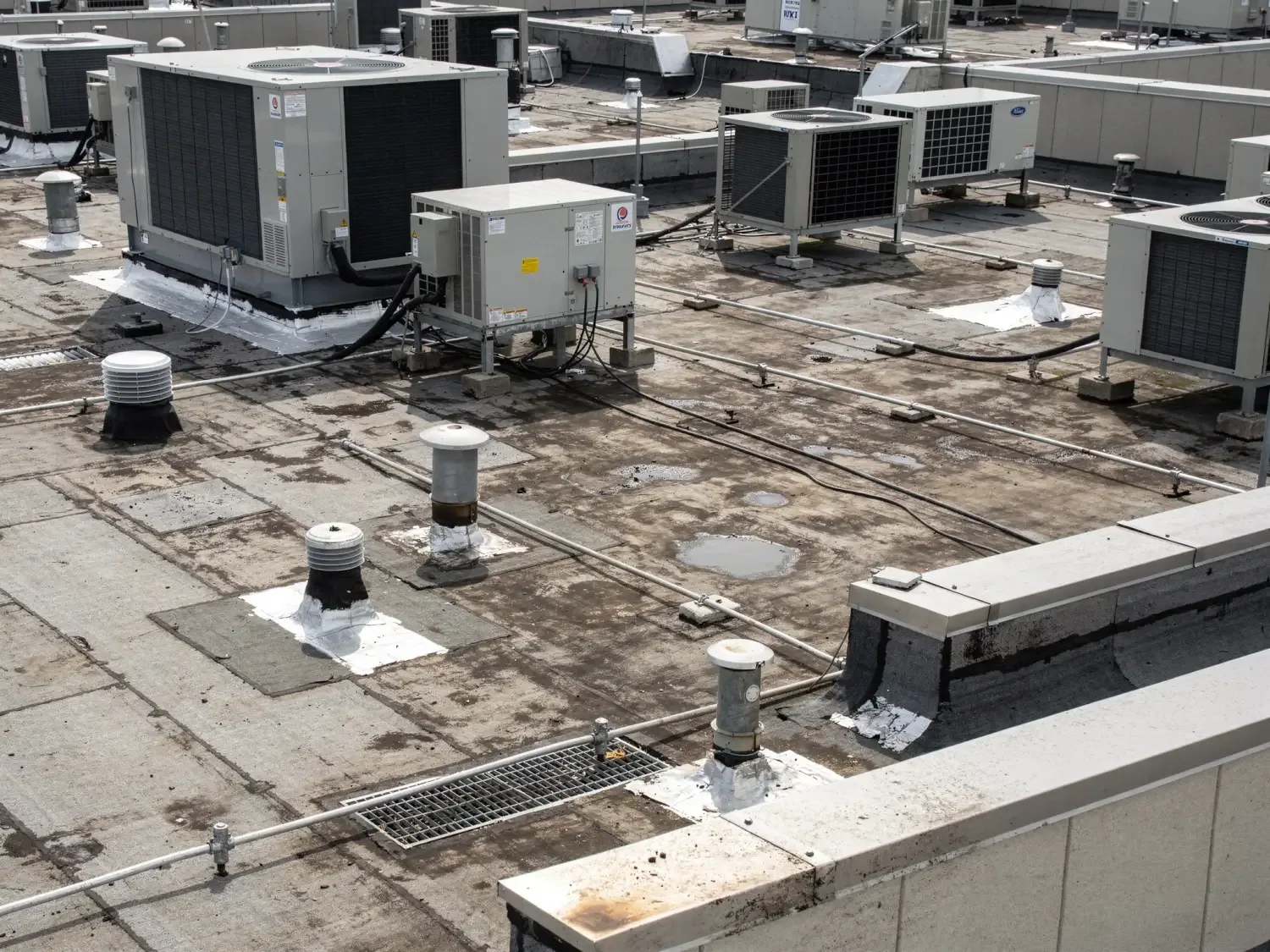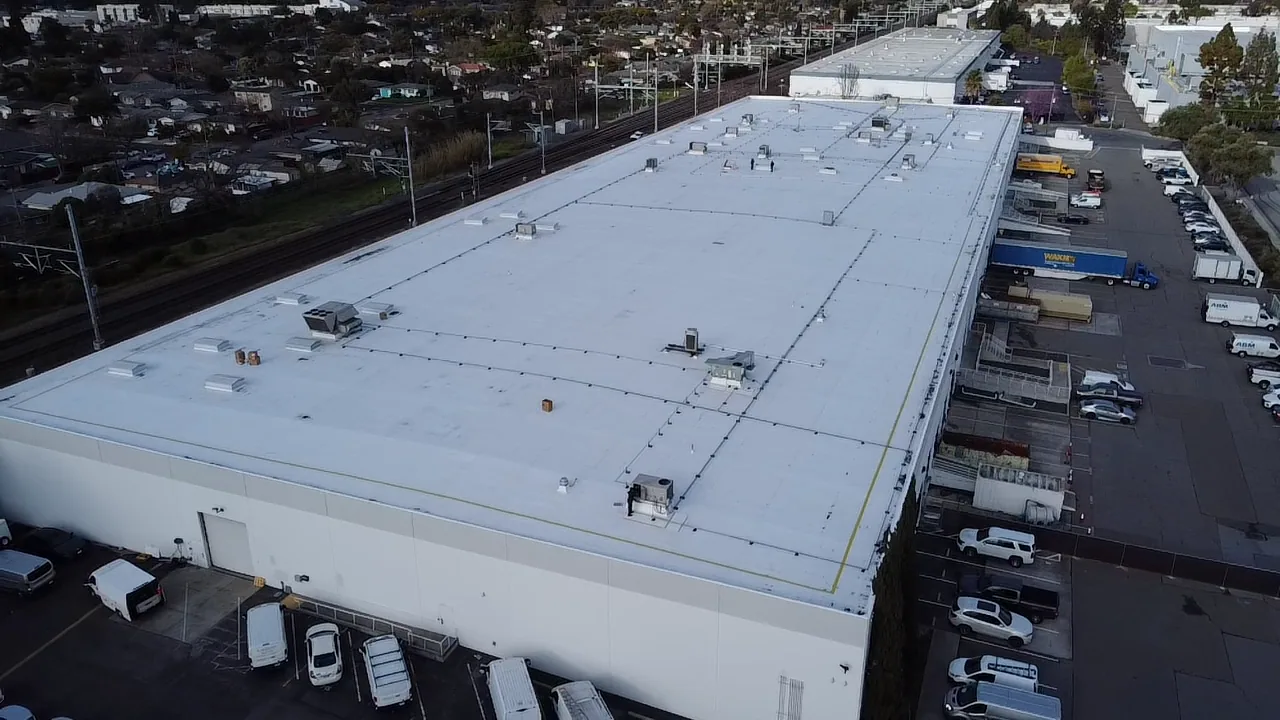

Process equipment on a manufacturing roof needs its flashing separated from the unit's discharge problem. Water or residue from the equipment can affect the surrounding covering. We examine that interface before choosing roof repair material. Commercial Roofing Edmond repairs and replaces manufacturing roofs in Edmond, OK. The assembly must suit the actual process exposure and supporting construction. Production schedules also affect how openings and equipment work can proceed. The director needs those requirements connected before the repair begins. A material choice should follow the operating condition, not the property label.
Midwest City has industrial and technology parks among its business settings. Guthrie includes manufacturing and industrial enterprises as well as agricultural activity. Those local uses provide context for examining operating facilities. We identify the actual equipment, discharge and interior use at the property. The roofing recommendation follows that examination and the assembly findings. The construction sequence should keep both the process and roof protection under control.
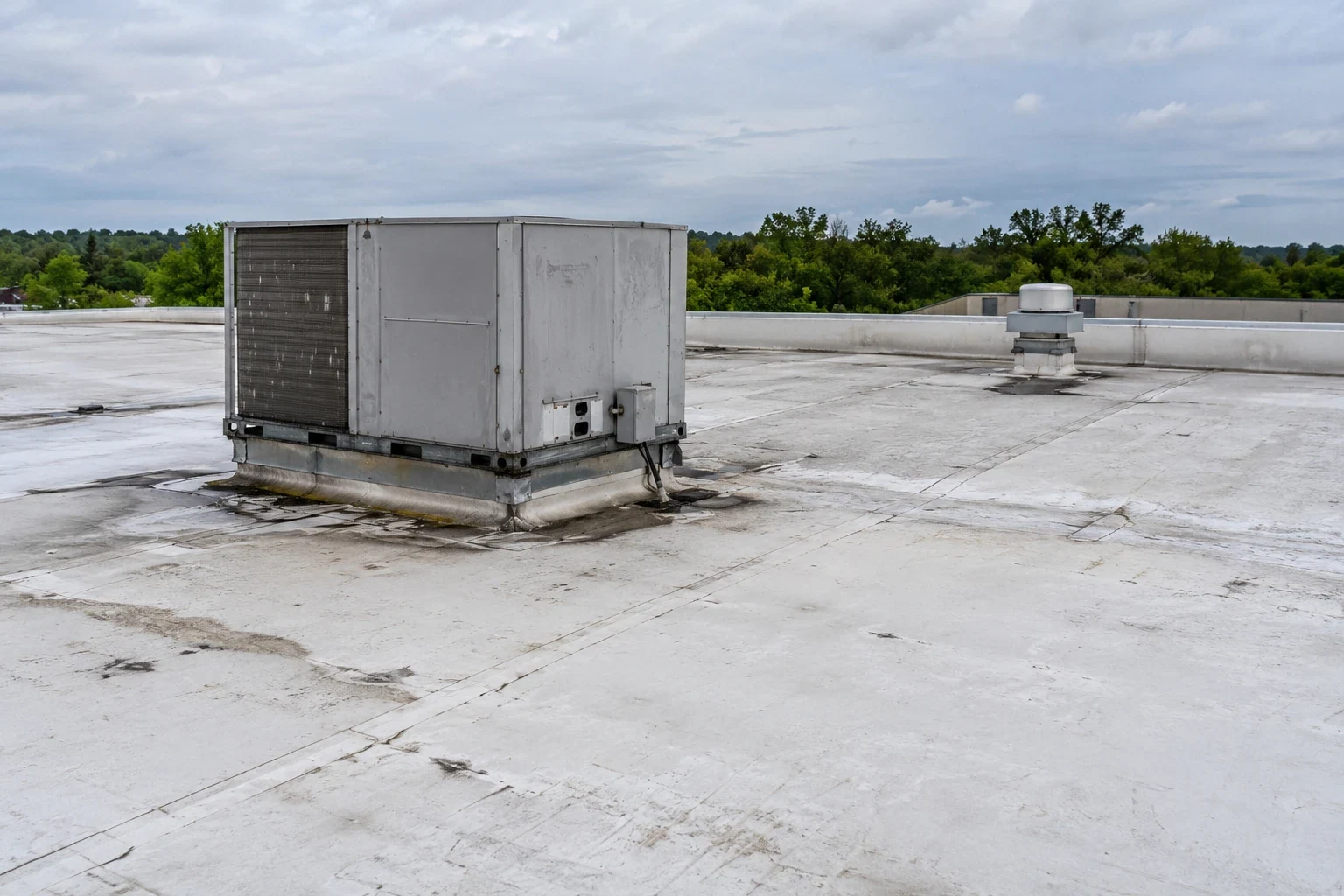
A residue trail below an exhaust unit needs attention to the equipment source. The responsible mechanical or process trade may need to correct discharge. Roofing material cannot replace that work. We review the surface exposure before selecting the repair system. Temperature and chemical contact can change suitability for a membrane or accessory. PVC roofing may be considered for particular conditions with appropriate product review. The specific exposure needs evaluation rather than a blanket compatibility statement.
Different portions of one roof may see very different service conditions. An equipment zone can require protection distinct from the open field. We examine cleaning practices, service traffic and expected changes to the process. The proposal identifies the areas requiring special treatment. A suitable material still needs properly prepared seams and flashings. Ongoing equipment leakage can damage other building components beyond the covering. The director should know which trade handles that correction. Roofing scope then addresses the connection actually needing construction.
A heavy rooftop service needs a suitable load path into the building. Insulation cannot supply structural support for equipment by itself. We identify the curb, framing or support arrangement before roofing work. Capacity or deterioration questions need the appropriate professional review. The equipment trade may need disconnects and lifting for support reconstruction. We coordinate the roof closure around that sequence. The director receives the affected operation and required construction. An unsupported unit cannot be corrected merely by rebuilding its flashing.
Pipe runs and service openings also need suitable spacing and movement provisions. Crowded services can leave no usable area for proper flashing. Penetration construction should suit the actual arrangement and compatible roof material. A revised service layout may be necessary before closure. We examine available curb height and equipment service clearance. Added roof layers can change those dimensions. The roof and process connection should remain maintainable after reconstruction. That requirement belongs in the planning before the new covering is placed.
A production interruption can have a limited duration that affects roof removal. We identify what construction can be securely completed within that window. The opening needs suitable interior protection and a clear closure method. Weather can shorten the available work even when a shutdown is scheduled. Concealed deterioration may also change the sequence. We communicate that finding before the operation resumes below the affected roof. The director needs the actual protection status, not only the planned date.
A facility may be able to isolate one area while another remains active. Distribution operations can add dispatch and handling constraints beside production. Flex-industrial buildings may have different tenant and equipment boundaries. We examine the combination actually present at the property. Removal zones should correspond to the occupied or operating areas underneath. Material handling must not create uncontrolled interference with those activities. The construction method should leave a suitable stopping point at each stage.
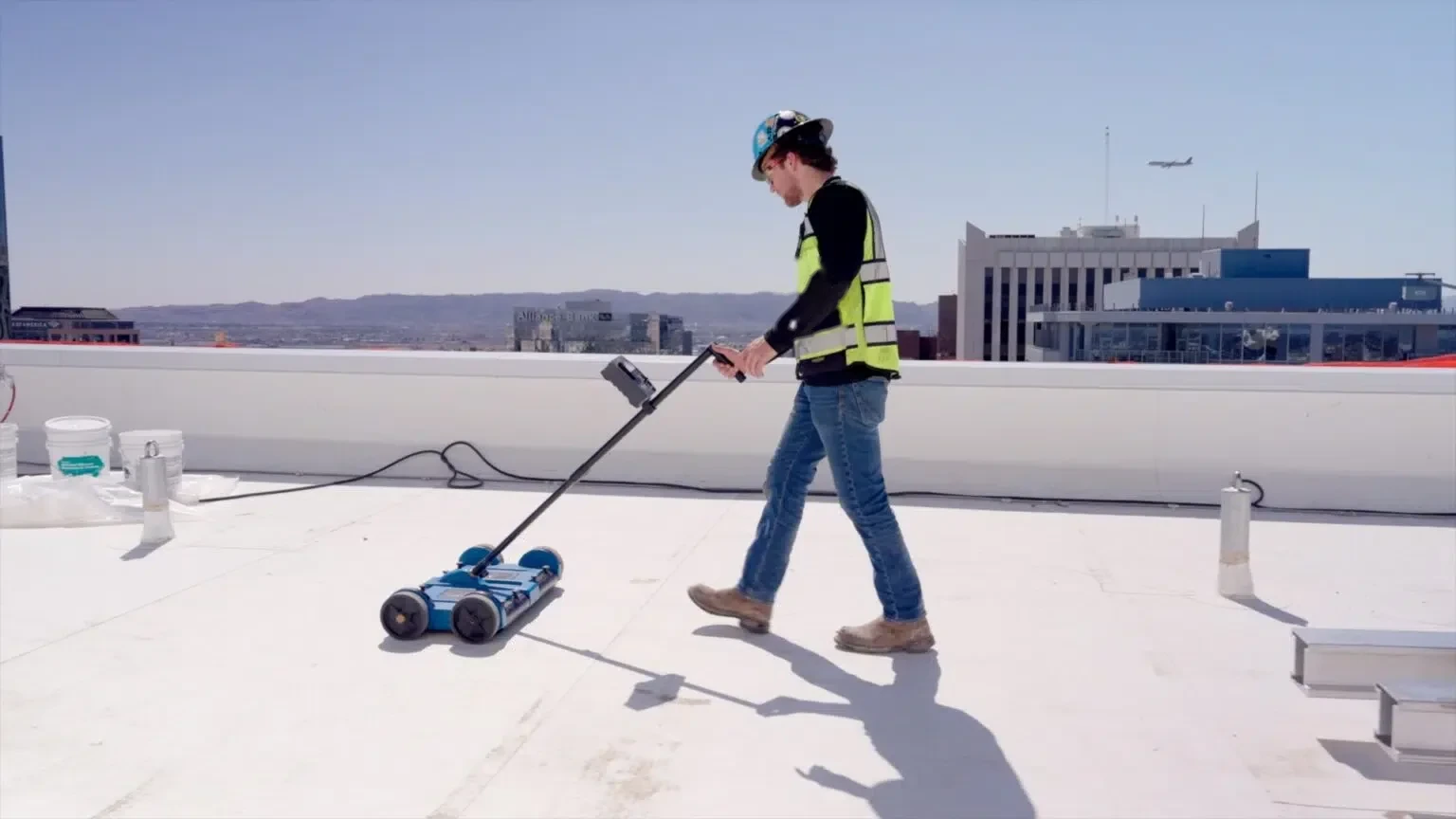
A repeated leak near equipment may have affected insulation beyond the visible entry. We investigate the relevant layers before setting a repair boundary. Selected openings show moisture and supporting condition at those locations. Moisture survey work may help target checks where the assembly is suitable. The deck also needs attention when removal exposes it. Corrosion or other deterioration may require added construction. We show exposed deck deterioration before its roofing repair conceals it.
Interior moisture can involve condensation rather than an exterior roof opening. Process temperature and humidity may require appropriate assembly review. We distinguish that question from a confirmed flashing or membrane defect. The responsible professionals can assess the relevant vapor or ventilation conditions. A new patch is not a universal answer to all water reports. The roofing scope should address the physical entry or assembly work identified. That keeps the construction connected to the building's actual problem. Unresolved conditions receive a defined next examination.
A roof with widespread deterioration may need more than repeated local repair. We examine attachment, material condition and concealed moisture before recommending removal. Replacement construction can include necessary drainage and support corrections. The proposed assembly should suit equipment discharge and service access. Different attachment methods have different substrate and operating requirements. We identify those differences before placement. A new membrane should not inherit known defects that removal made accessible.
The field covering and its accessories need material compatibility throughout. Curbs, drains and wall connections should match the selected assembly. Walkway protection may be necessary along repeated equipment routes. It must preserve runoff and the ability to inspect important details. Project requirements also need confirmation with the reviewing authority. State and Edmond published code timing differ and do not settle applicability automatically. The director receives the complete construction and coordination responsibilities. Material selection is one decision within that larger roof project.
Midwest City manufacturing roof work needs the facility's actual delivery and service routes examined. The regional industrial setting does not settle where roofing materials can be placed. We coordinate staging, removal and disposal with the building contact. Necessary entries and emergency routes need suitable protection. Heavy rooftop storage requires structural and installation consideration. The work plan identifies where material can be handled safely. Production activity should remain separate from uncontrolled construction movement.
Guthrie facilities may have different loading arrangements and access constraints. Oklahoma spring storms can bring hail, tornadoes and damaging wind. The actual weather at the property governs safe handling and exposed work. We adjust removal to a secure closure window.
Arrange a review of equipment exposure, roof layers and the available operating window. We will define the roofing construction and trade coordination needed.
The equipment defect needs the responsible trade's correction. We examine the surrounding roofing for resulting damage and compatibility needs. A suitable repair closes the roof connection, not the mechanical discharge problem. The two scopes should be coordinated. Otherwise the new material can face the same uncontrolled exposure.
The affected roof area needs a secure protected stopping point. We explain the exposed condition and remaining construction before operations resume. The facility director coordinates interior use against that status. Unexpected deterioration may change the original sequence. A scheduled restart cannot substitute for roof protection.
Moisture behavior can involve the assembly and operating conditions as well as rain entry. Appropriate professionals may need to examine vapor or ventilation questions. We identify confirmed roofing defects separately. The proposed work should address the actual finding. Repeated exterior patches may not resolve an interior moisture condition.
New equipment and services can change support, penetrations and exposure. We review those changes before selecting the assembly. Coordinating the work can prevent later disturbance of a finished roof. Structural and equipment responsibilities need the appropriate parties involved. The roof scope should preserve suitable access and compatible details.