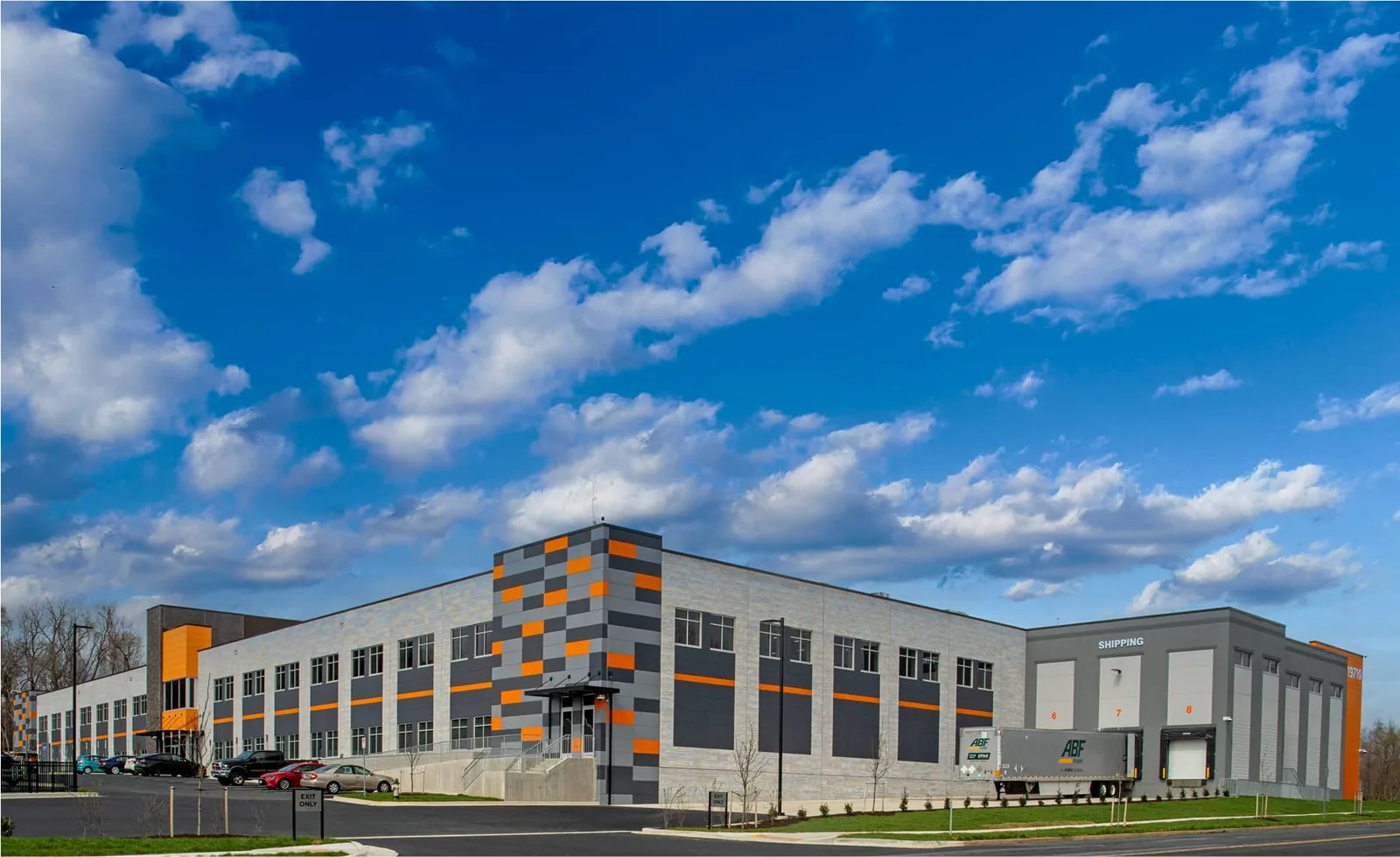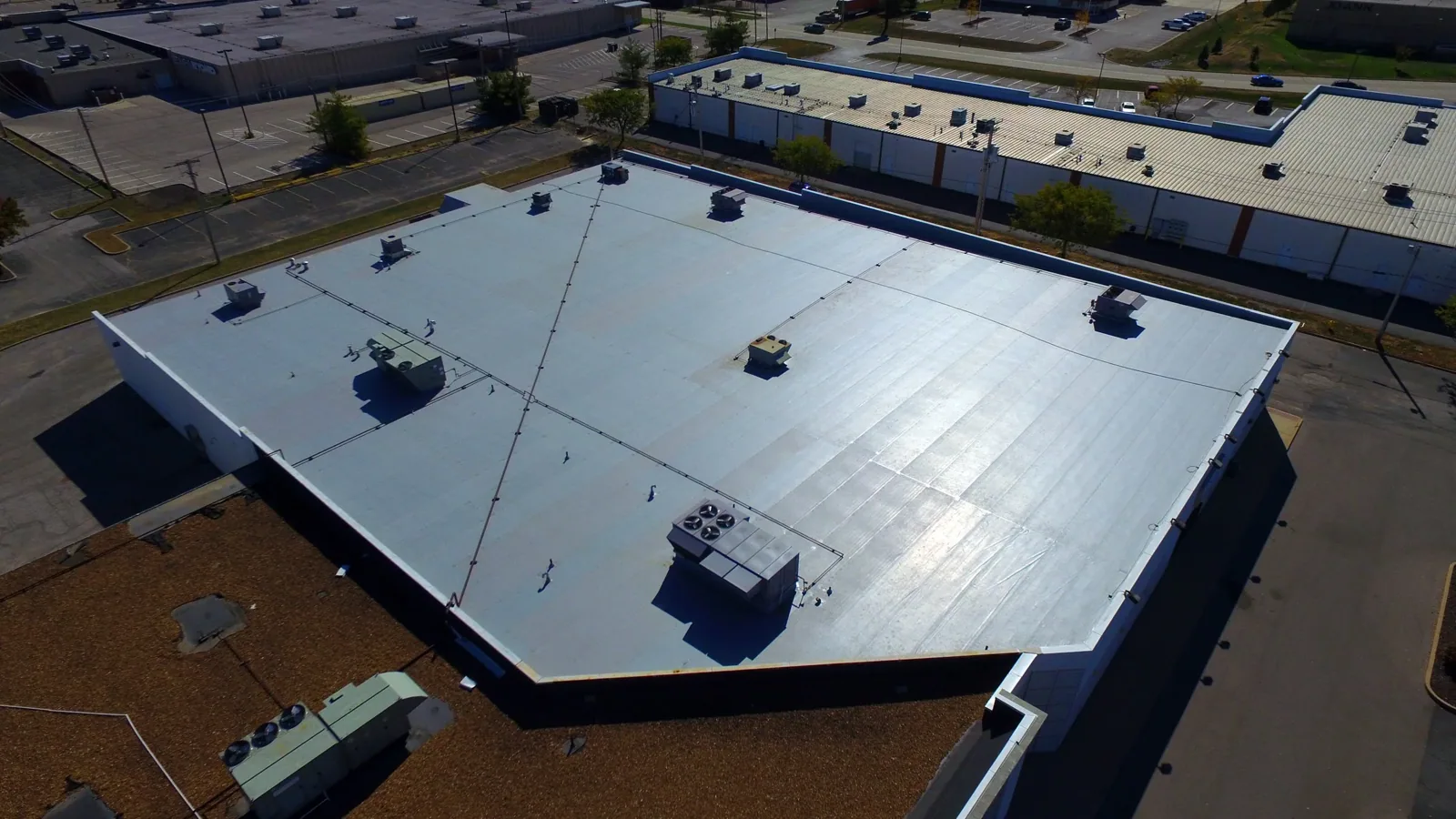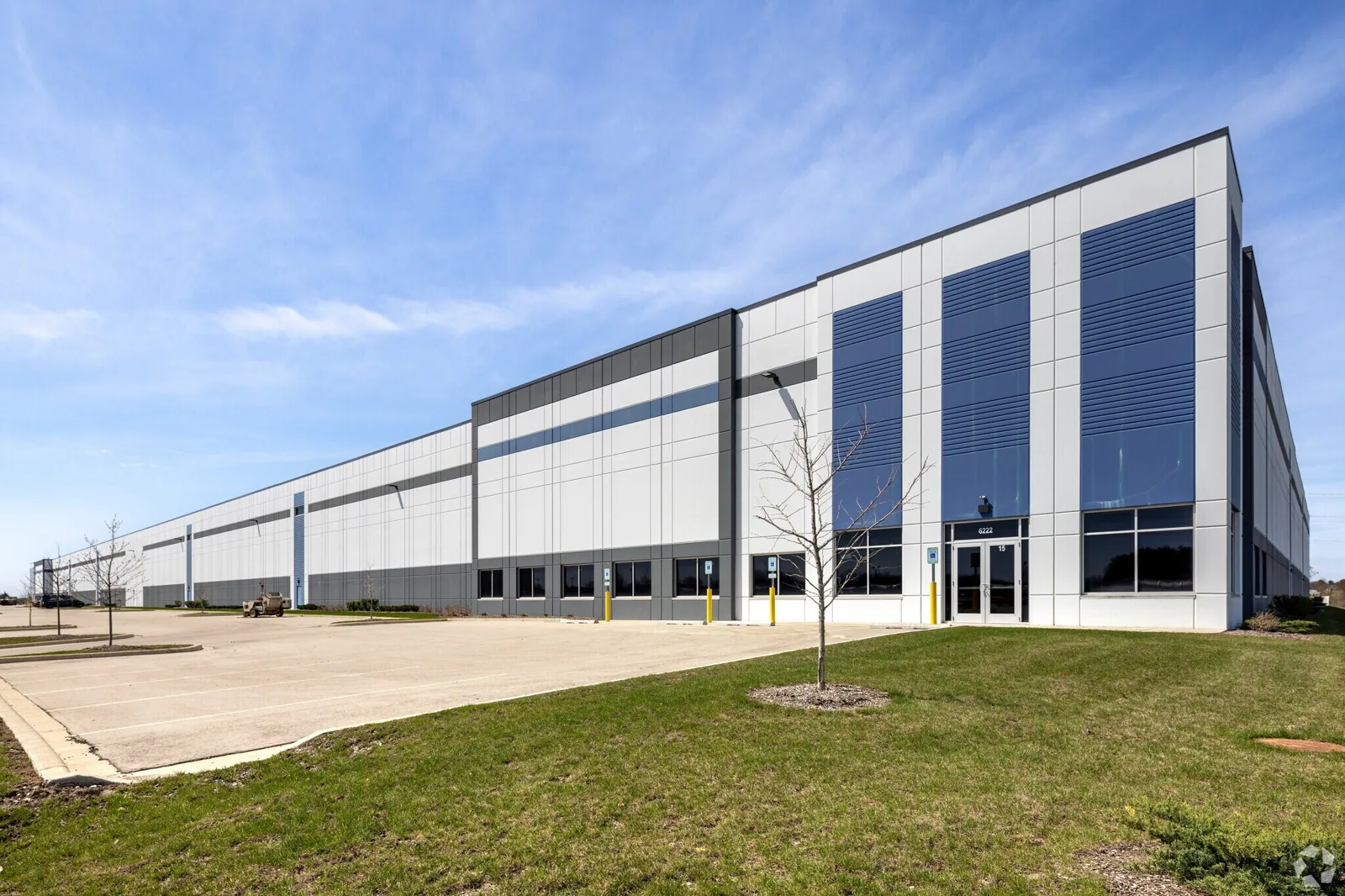

Shipping activity below a distribution roof needs a secure closure above its operating lanes. A removal zone cannot depend on the line stopping unexpectedly. We match the roof opening to a workable construction window. Commercial Roofing Edmond repairs and reroofs distribution facilities in Edmond, OK. The assembly must protect receiving, sorting and dispatch where those functions operate. Roof drainage and equipment connections need close physical examination. The facility director receives the affected area and closure sequence. The roof work should support the operation without compromising its construction requirements.
Oklahoma City sits at the junction of Interstates 35, 40 and 44. Moore lies near regional business and industrial employment centers. Those transportation and operating contexts shape facilities moving goods. We examine each building's actual lanes, equipment and access routes. Deliveries for roofing need coordination with the existing flow. The roof condition determines the repair, while that flow determines its practical staging.
A busy dispatch area may need an agreed clear interval beneath roof removal. We identify the operating zone corresponding to each proposed roof section. Facility staff establish which activities can move or pause there. The roofing sequence must leave a suitable closure at the end of that interval. Weather and concealed conditions can alter the available work. We keep those dependencies explicit with the director. The active operation and exposed roof need one coordinated boundary.
Different portions of the facility may have different protection needs. A receiving area may remain active while a separate roof zone is isolated. Storage roofing places other emphasis on inventory beneath the work. Distribution facilities can combine those uses with movement and handling. We examine the actual arrangement instead of applying a single interior plan. Dust, falling debris and water require appropriate controls below removal. The facility contact needs to know when those controls move with the roof stage.
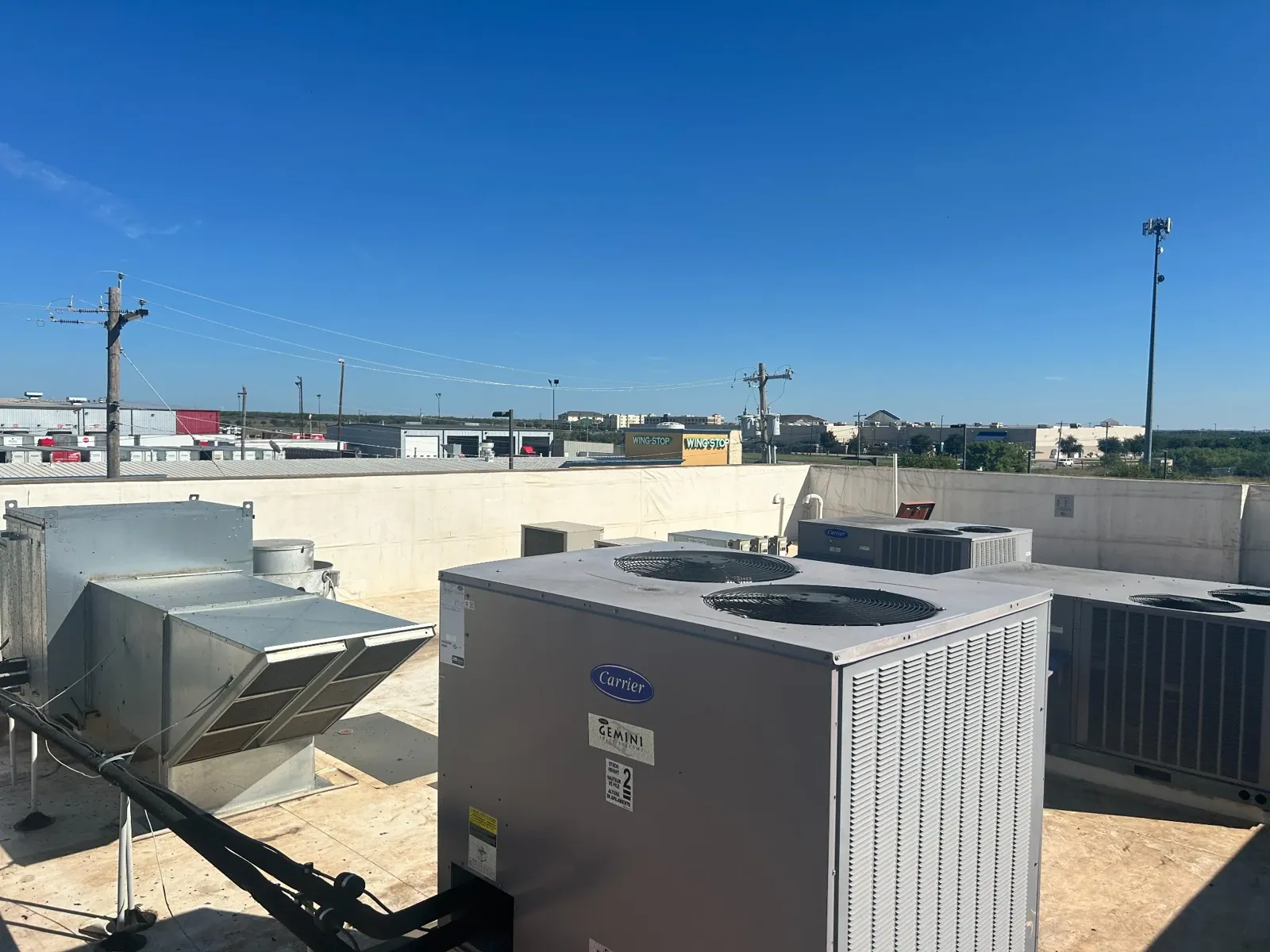
A rooftop unit above a handling area may need work before roofing can close around it. We examine curb condition, height and service clearance. Additional roof thickness can reduce the usable vertical detail. Raising the curb may involve mechanical disconnects and lifting. Equipment curb work needs that trade sequence agreed before removal. The director should know which operating systems are affected. Roof construction should not leave an unresolved unit connection beneath a finished sheet.
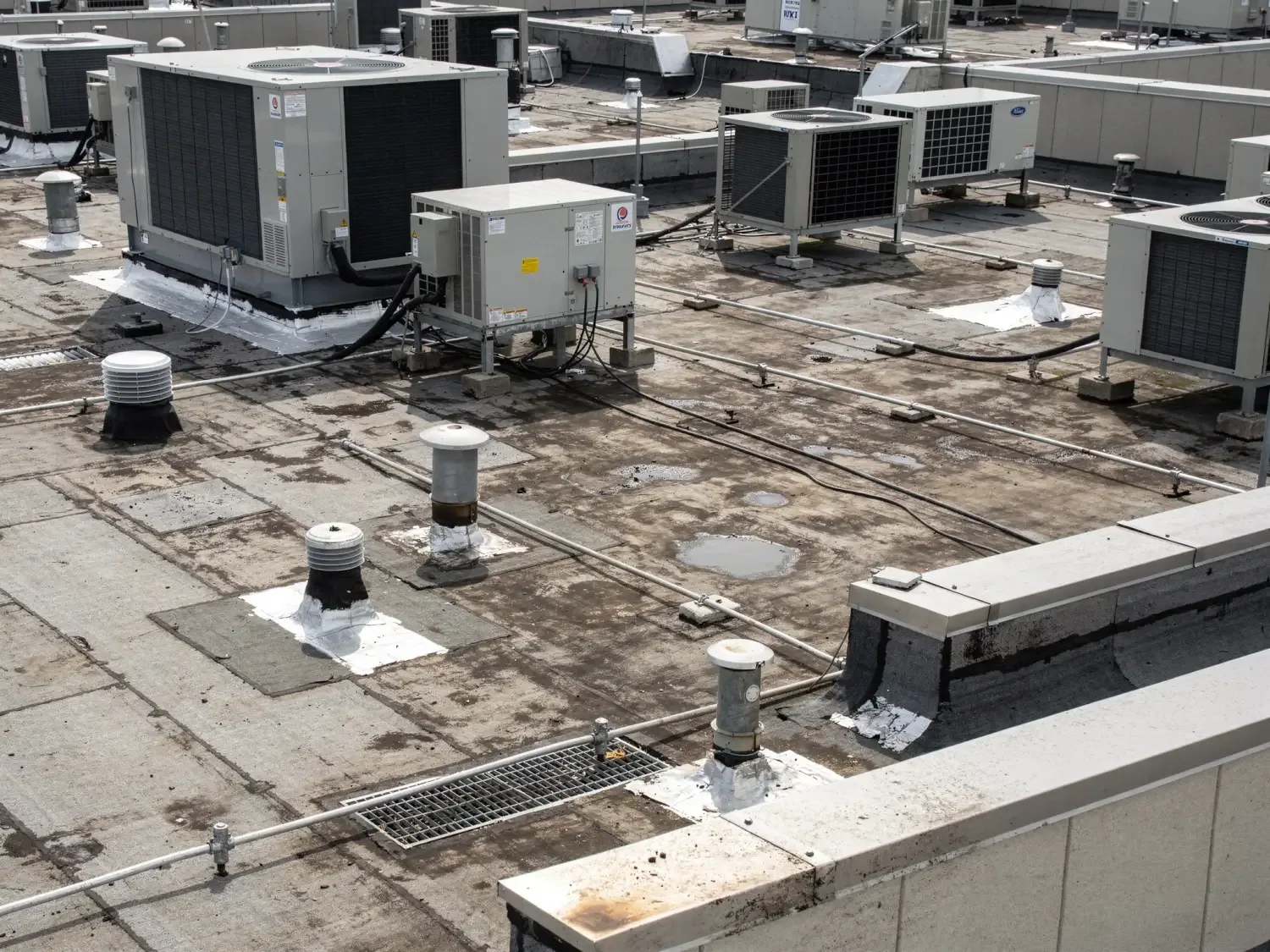
New cables or pipes associated with equipment require properly supported penetrations. The flashing must fit the actual services without crowded improvised openings. We identify the responsible trade where a service arrangement needs revision. A manufacturing operation can have different rooftop process needs from dispatch activity. The specific equipment matters more than the property label. We examine the roof interface and its related interior use. The completed connection should remain workable for future maintenance as well as installation.
A broad curb can leave water on its uphill side if the roof lacks a suitable path. We examine the adjacent slope and outlet locations. Insulation correction or a designed cricket may be necessary. Drainage repairs should connect that shape to a functioning discharge route. Clearing a bowl may not resolve the low area. Structural deflection needs appropriate professional attention where it affects the roof. The director receives the physical correction required at the low area and outlet.
Water near an interior conveyor or electrical service area can create urgent exposure. Building safety actions require the responsible qualified personnel. We coordinate roof investigation with those controls. The drain flange and piping may need different trade work. We identify whether the entry concerns roofing, plumbing or another interface. Selected roof openings can reveal wet layers beyond the visible defect. Those findings help establish the repair boundary. Closing the top sheet alone may leave unsuitable supporting construction.
An older covering with repeated seam separation needs a wider condition review. We examine attachment, insulation and deck at appropriate locations. A suitable local repair may preserve useful construction. Broad moisture or instability may require roof replacement instead. The director receives findings on assembly condition and finished details to compare those options.
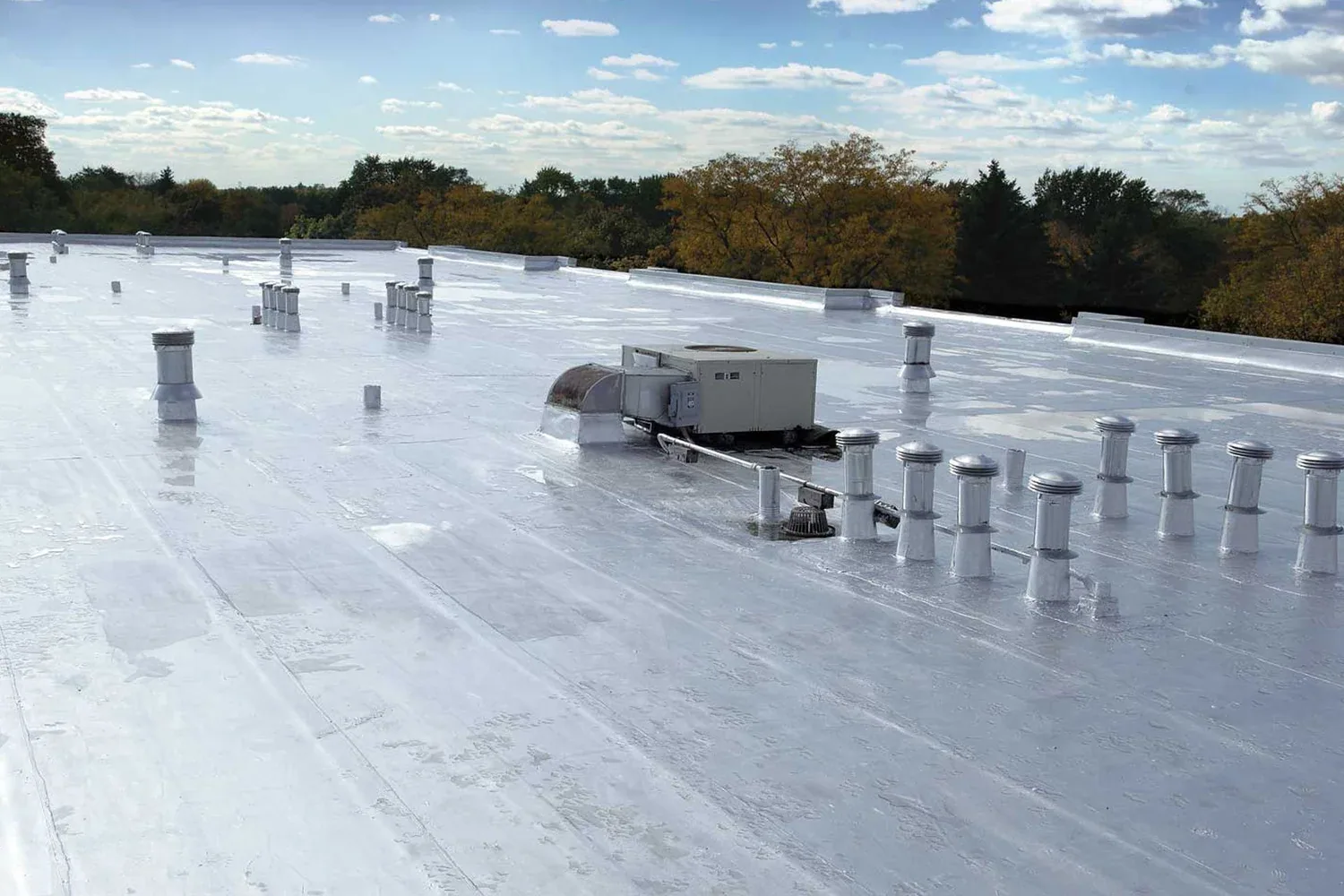
TPO roofing is one possible membrane assembly for suitable conditions. Other systems have different attachment, material and care requirements. We examine equipment exposure and service routes before choosing. New protective layers need the correct fit beneath the covering. Membrane joints and terminations require compatible components and proper completion checks. The proposed system should remain accessible for subsequent repair. A roof choice needs to suit the facility's operation after construction, not only the installation window.
A material truck arriving at peak receiving time can obstruct the planned roof sequence. We arrange its route and handling location with facility staff. Disposal movement needs similar attention at the active loading area. Required building entries and emergency routes remain controlled during work. Roof storage needs review against structural and installation requirements. The staging plan should identify where material can be placed safely. Logistics are part of the roof construction rather than an incidental arrival instruction.
Oklahoma City distribution roof work still needs its property access examined individually. We examine each site's loading route, available staging and operating window. Moore facilities may have different site constraints and operating times. Oklahoma spring storms can include damaging wind and large hail. Actual conditions affect panel handling, membrane placement and exposed openings. We keep each roof stage within a workable safe closure window. Changed conditions need coordination before the operation resumes below unfinished work.
A completed roof area needs examination after follow-on trades finish nearby. Tools, service activity and equipment placement can disturb the covering. We inspect seams and penetrations where those operations affected the roof. Drains should remain clear after material handling and debris removal. The director receives locations for completed construction and remaining issues. Maintenance care can keep those working details under attention. Repeated service routes may need compatible walkway protection afterward.
An interior water report should identify the lane, equipment or room affected. That helps connect the observation to the relevant roof construction. Facility staff should also report recent equipment or roof access changes. We use those details to choose a specific examination. Local repair and broader renewal have different purposes and boundaries. The distribution roof should remain maintainable as operating patterns change. Sound seams, clear outlets and usable access support that goal. The director needs those physical requirements kept connected to the facility's flow.
Arrange a review of roof condition and receiving, sorting or dispatch needs. We will define closable work areas and the connections requiring repair.
The operating windows inform the sequence, but weather and construction condition still govern openings. We define areas that can be securely closed within suitable conditions. A concealed repair may change the available work. The facility contact needs those changes communicated before activity resumes beneath the affected zone.
The responsible qualified personnel need to address electrical and interior safety. We coordinate roof access and protection with that response. The roofing investigation then identifies the entry and affected assembly. A drain pipe or equipment interface may need another trade. Roof closure does not clear the interior hazard by itself.
The available controlled routes determine the handling plan. We coordinate delivery, disposal and lifting with the receiving operation. A separate route or scheduled interval may be necessary. Required entries and emergency access remain part of the arrangement. The material movement should not create uncontrolled conflict with facility traffic.
The trade work may have disturbed newly completed material. We check affected seams, flashings and contact areas for damage. Sharp debris and unfinished service openings need attention. The director should know which connection is complete and which trade still has work. Follow-on activity must leave the finished assembly serviceable.